
The Spice Route: How to Source Authentic Ingredients for Traditional Indian Dishes

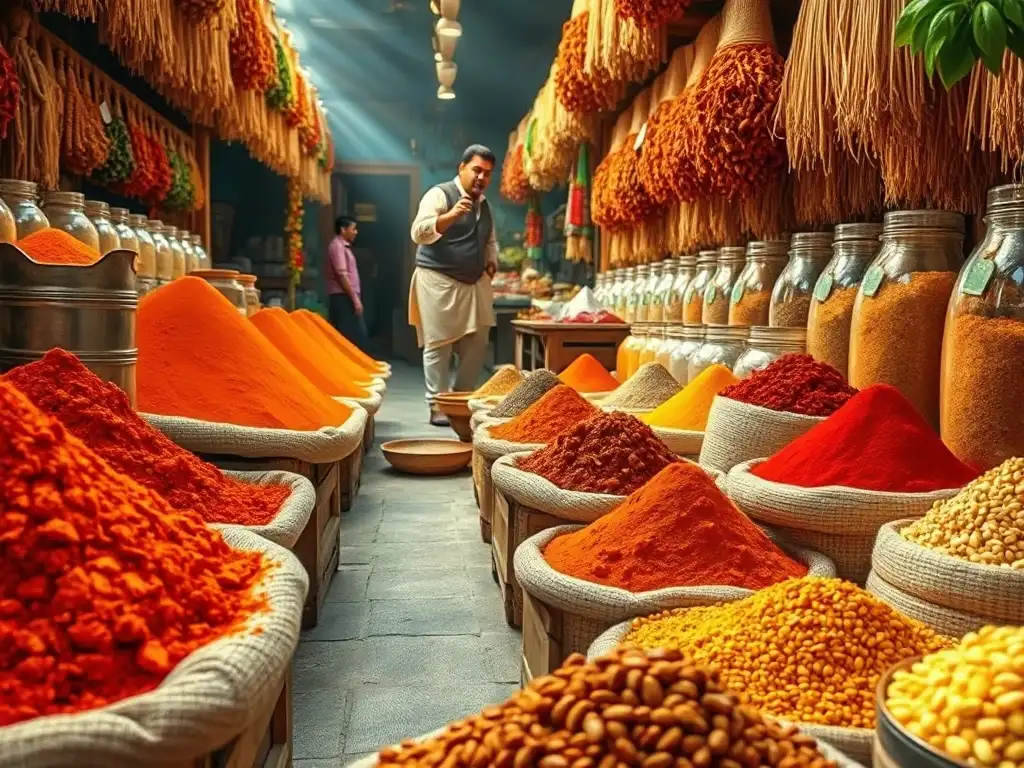
Welcome to Ancient India History, where we embark on a captivating journey through the rich tapestry of India's past, exploring its remarkable civilizations and the profound impact they've had on culture and cuisine. In our featured article, "The Spice Route: How to Source Authentic Ingredients for Traditional Indian Dishes," discover the secrets behind sourcing authentic Indian spices that have tantalized taste buds for centuries.
Join us as we delve into the fascinating world of culinary tourism, and uncover how the flavors of ancient India continue to enrich our tables today. Prepare to ignite your curiosity and deepen your appreciation for the vibrant history that flavors every dish!
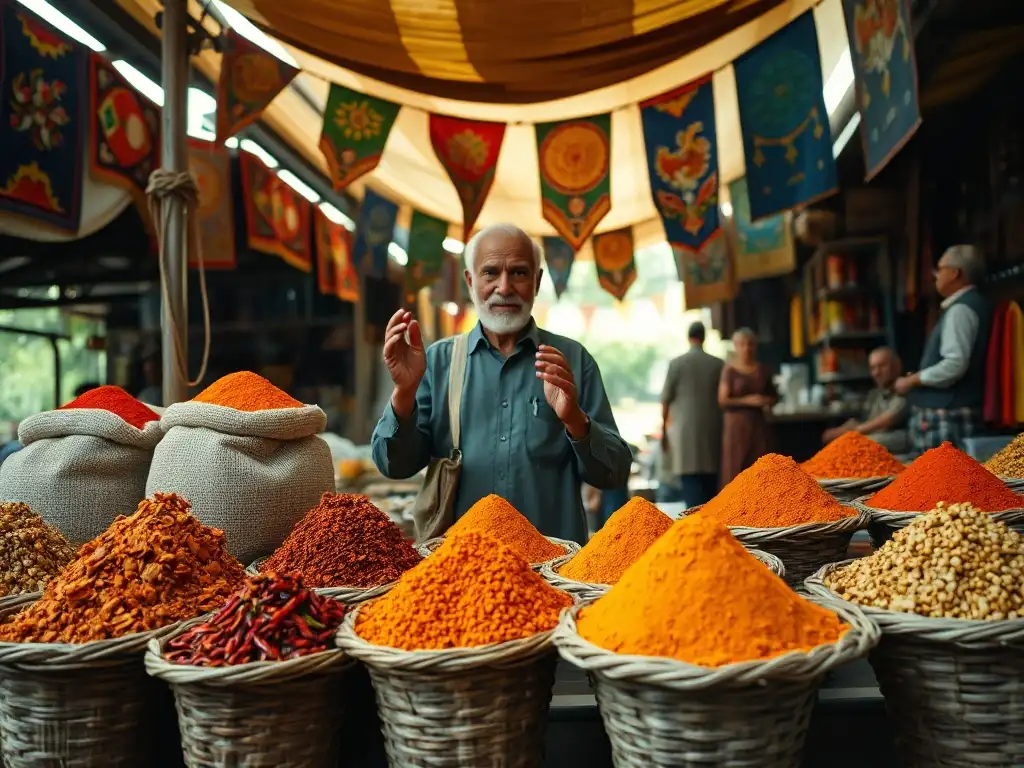
Introduction to Authentic Indian Spices Sourcing
The journey of exploring authentic Indian spices is akin to embarking on a vibrant voyage through time, culture, and culinary artistry. As one of the oldest and most diverse cuisines in the world, Indian cooking is deeply rooted in its spices, which not only enhance flavors but also carry rich historical significance.
Sourcing authentic Indian spices is essential for anyone who wishes to recreate traditional dishes with integrity and depth. This article will guide you through the intricate world of spice sourcing, helping you understand how to identify, select, and procure spices that embody the true essence of Indian cuisine.
Understanding Authentic Indian Spices
In order to appreciate the art of Indian cooking, it is crucial to understand what constitutes authentic Indian spices. These spices are not merely ingredients; they are a reflection of the country's diverse geography, climate, and cultural heritage. The careful selection and usage of spices are what differentiate a dish from being merely good to truly exceptional.
Key Characteristics of Authentic Indian Spices
Authentic Indian spices possess several defining features that set them apart from their substitutes. Here are some key characteristics to look for:
- Origin: The geographical region where the spice is grown can significantly impact its flavor profile. For instance, Kashmiri saffron is renowned for its unique aroma and color, making it a sought-after ingredient.
- Freshness: Freshly harvested spices retain their potency and flavor. Look for whole spices rather than pre-ground options to ensure maximum freshness.
- Organic Practices: Many authentic Indian spices are grown using traditional, organic methods that enhance their natural flavors and health benefits.
- Aroma and Color: Authentic spices often exhibit a strong aroma and vibrant color, indicating their quality and freshness.
Common Authentic Indian Spices and Their Uses
To elevate your culinary creations, here are some common authentic Indian spices and their traditional uses:
| Spice | Description | Common Uses |
|---|---|---|
| Turmeric | A bright yellow spice known for its earthy flavor and health benefits. | Used in curries, rice dishes, and as a natural colorant. |
| Cumin | A warm, nutty spice often used in ground form. | Essential in curry powders, lentil dishes, and spice blends. |
| Cardamom | A fragrant spice with a sweet, floral note. | Used in both sweet and savory dishes, including chai and biryanis. |
| Coriander | Offers a citrusy flavor, available in seeds or ground form. | Used in curries, chutneys, and as a garnish. |
| Mustard Seeds | Small seeds that add a pungent flavor when cooked. | Commonly used in pickles, tempering, and curries. |
By understanding these characteristics and uses, you'll be well-equipped to source and utilize authentic Indian spices in your cooking, ensuring that your dishes reflect the rich culinary heritage of India.
Where to Source Authentic Indian Spices
Sourcing authentic Indian spices is crucial for preparing traditional dishes that carry the true essence of Indian cuisine. India is known for its diverse range of spices, each contributing unique flavors and aromas to culinary creations. To ensure that you are using genuine ingredients, it is essential to know where to find them.
Local Markets vs. Online Retailers
When it comes to sourcing authentic Indian spices, both local markets and online retailers offer unique advantages.
- Local Markets:
- Freshness: Local markets often provide the freshest spices, as they are sourced directly from farmers or local suppliers. This results in vibrant flavors and aromas.
- Variety: Many local markets have specialty spice shops that carry a wide range of regional spices not easily found in mainstream stores.
- Personal Interaction: Shopping in person allows you to ask vendors about the origins and uses of spices, enabling a deeper understanding of the ingredients.
- Cost-Effectiveness: Prices in local markets can sometimes be lower, especially if you buy in bulk.
- Online Retailers:
- Convenience: Online shopping allows you to browse a vast selection of spices from the comfort of your home, often with delivery options.
- Access to Rare Spices: Many online retailers specialize in hard-to-find or high-quality spices from different regions of India, making it easier to find specific ingredients.
- Customer Reviews: Online platforms often feature customer reviews and ratings, helping you make informed decisions about the quality of spices.
- Competitive Pricing: Online retailers may offer competitive prices and promotions, making it easier to stock up on essential spices.
Ultimately, the choice between local markets and online retailers depends on personal preference, availability, and the specific spices you are seeking.
Recommended Online Retailers for Authentic Indian Spices
For those looking to source authentic Indian spices online, several reputable retailers specialize in high-quality ingredients. Here are some recommended options:
-
Indian Spice Box:
Offers a wide range of authentic Indian spices, herbs, and blends, focusing on quality and freshness.
-
Spice Jungle:
Known for its extensive inventory of spices from around the world, including a robust selection of Indian spices, often sourced directly from India.
-
Patanjali Ayurved:
This well-known brand provides a variety of organic and traditional Indian spices, focusing on natural ingredients.
-
Amazon India:
Although it operates globally, Amazon India features sellers that provide authentic spices sourced from various regions in India, often with customer reviews for guidance.
-
iSpice:
This online store specializes in Indian spices and offers detailed information on each spice's origin and uses, ensuring authenticity.
Exploring these online retailers can help you find genuine spices to elevate your traditional Indian cooking.
How to Identify Authentic Spices When Sourcing
When sourcing spices, particularly online or from unfamiliar markets, it’s vital to know how to identify authentic products. Authentic spices not only enhance the flavor of your dishes but also ensure that you are consuming high-quality ingredients free from harmful additives.
Tips for Evaluating Spice Quality
To determine the quality of spices, consider the following tips:
- Color and Appearance: Authentic spices should have vibrant colors. For example, turmeric should be bright yellow, while saffron should be deep red. Dull or faded colors may indicate age or poor quality.
- Aroma: Fresh spices will have a strong, distinctive aroma. If the spice lacks fragrance, it may be old or of low quality.
- Texture: Whole spices should be firm and intact, while ground spices should have a fine texture. Clumping or excessive dust may indicate inferior quality.
- Taste Test: If possible, taste a small amount. Authentic spices should have a rich flavor profile that reflects their origin.
- Packaging: Look for spices that are packaged in a way that preserves their freshness, such as airtight containers or vacuum-sealed bags.
Certifications and Labels to Look For
When sourcing spices, certain certifications and labels can help ensure their authenticity:
- Organic Certification: Spices labeled as organic are grown without synthetic pesticides or fertilizers, indicating higher quality.
- Fair Trade Certified: This label indicates that the spices were sourced in a manner that supports fair labor practices and sustainable farming.
- Geographical Indication (GI): Some spices have GI tags, signifying that they come from a specific region known for their quality (e.g., Kashmiri saffron).
- Non-GMO Verified: This label ensures that the spices are free from genetically modified organisms, appealing to health-conscious consumers.
When you prioritize these qualities and certifications while sourcing spices, you can ensure that your culinary creations are both authentic and delicious.
Cooking with Authentic Indian Spices
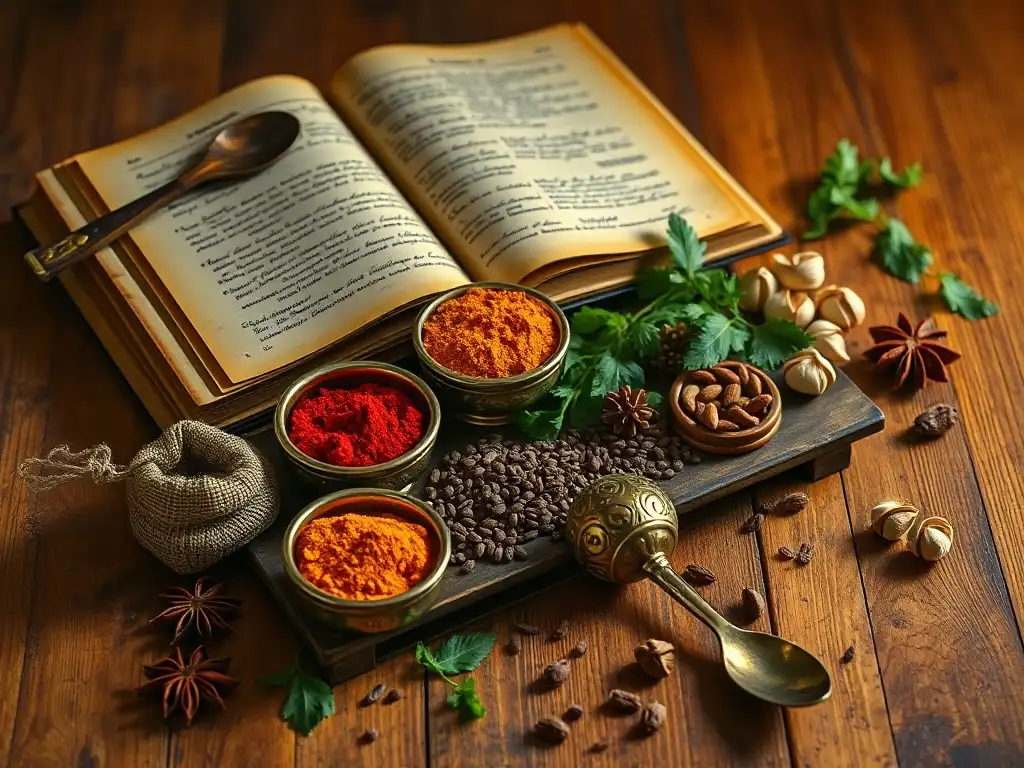
Cooking with authentic Indian spices is an integral part of creating truly traditional Indian dishes. These spices not only enhance the flavors but also contribute to the nutritional value of the food. The diversity of spices used in Indian cuisine is vast, with each region boasting its unique blend and preparation methods. Understanding how to source and use these spices authentically can transform your culinary experience.
Indian spices are generally categorized into two groups: whole spices and ground spices. Whole spices, such as cardamom, cloves, and cinnamon, are often used at the beginning of cooking to release their essential oils and flavors. In contrast, ground spices like turmeric, cumin, and coriander are typically added later in the cooking process to provide depth and richness to the dish.
Additionally, many Indian recipes call for a technique called "tempering" (or "tadka"), where spices are briefly fried in hot oil before being added to the dish. This method enhances the aroma and flavor profile, ensuring the spices are fully integrated into the meal.
Essential Techniques for Using Spices
To fully appreciate the depth of flavors that authentic Indian spices offer, certain techniques should be mastered:
- Toasting Whole Spices: Before grinding or using whole spices, lightly toasting them in a dry skillet enhances their aroma and flavor. This simple step can significantly elevate the taste of your dishes.
- Grinding Spices: Freshly ground spices have a more potent flavor than pre-ground varieties. Using a mortar and pestle or a spice grinder can help achieve the freshest taste.
- Creating Spice Blends: Many Indian dishes call for specific spice blends, known as masalas. Learning to create your own blends, such as garam masala or curry powder, can add a personal touch to your cooking and allow for experimentation with flavors.
- Balancing Flavors: Indian cuisine often emphasizes a balance between sweet, sour, salty, and spicy flavors. Understanding how to balance these elements by adjusting the amounts of various spices is key to achieving authentic taste.
- Using Fresh Herbs: Fresh herbs like cilantro and mint are often used in conjunction with spices to enhance flavor. Adding them at the right stage of cooking can make a significant difference in the overall taste of the dish.
Traditional Indian Recipes Featuring Authentic Spices
Several traditional Indian recipes highlight the use of authentic spices, showcasing their importance in the cuisine. Here are a few classics:
- Chana Masala:
- Spices Used: Cumin, coriander, turmeric, garam masala, and chili powder.
- Description: A hearty chickpea curry cooked with a blend of spices, tomatoes, and onions, providing a flavorful and nutritious dish.
- Biryani:
- Spices Used: Cinnamon, cardamom, cloves, and saffron.
- Description: A fragrant rice dish layered with marinated meat and spices, cooked to perfection, often served on special occasions.
- Palak Paneer:
- Spices Used: Cumin, garam masala, and fenugreek leaves.
- Description: A creamy spinach dish featuring paneer (Indian cottage cheese) that is spiced to enhance its rich flavors.
- Samosas:
- Spices Used: Cumin, coriander, and garam masala.
- Description: Deep-fried pastries filled with spiced potatoes and peas, often served as appetizers or snacks.
- Dal Tadka:
- Spices Used: Turmeric, cumin, and red chili powder.
- Description: A comforting lentil dish tempered with spices and garnished with fresh cilantro.
Conclusion: Embracing the Spice Route for Authentic Indian Cooking
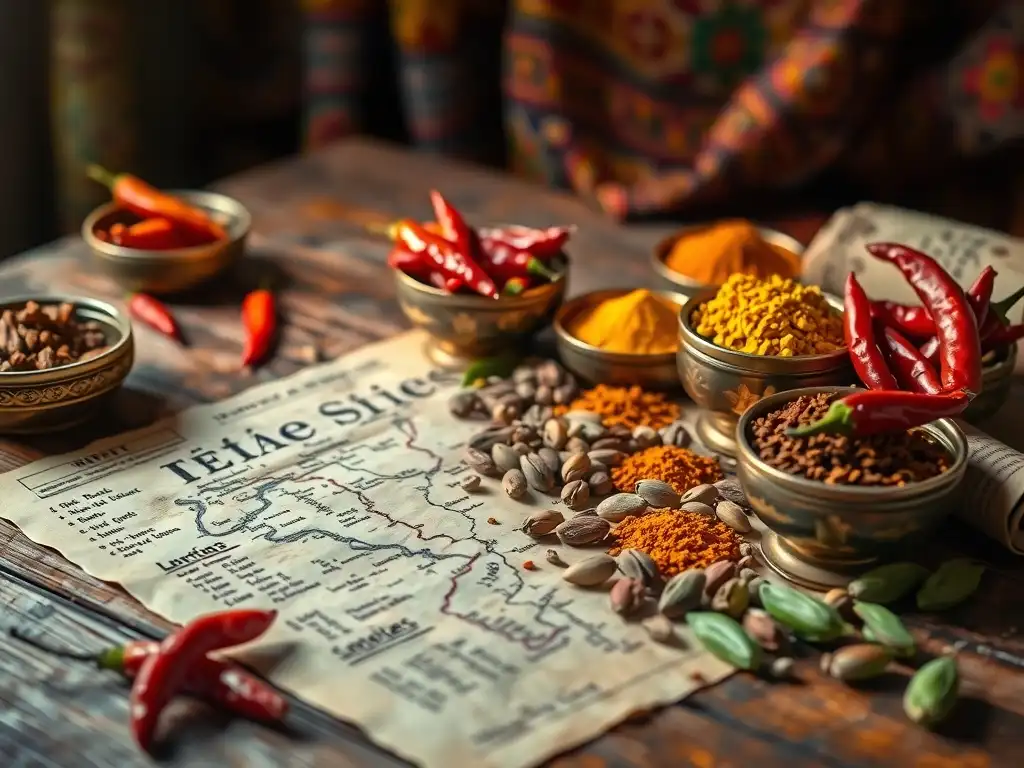
Embracing the spice route in your cooking journey allows you to dive deep into the rich flavors and traditions of Indian cuisine. By sourcing authentic Indian spices and mastering essential techniques, you can recreate traditional dishes that not only taste authentic but also reflect the cultural heritage of India.
As you explore the diverse range of spices and learn to balance their flavors, you’ll find that cooking becomes an art form, filled with creativity and passion. Whether you’re preparing a simple meal or an elaborate feast, the authentic taste derived from genuine spices will elevate your culinary creations, making every dish a celebration of India's vibrant spice heritage. 🌶️✨
Call to Action: Start Your Spice Journey Today!
Embarking on the journey to source authentic Indian spices is not just a culinary adventure; it is an exploration of the rich tapestry of flavors that define Indian cuisine. By choosing high-quality, authentic spices, you can elevate your cooking and bring the true essence of traditional Indian dishes to your kitchen.
To get started, consider the following steps:
- Visit Local Markets: Seek out local Indian markets or specialty stores in your area. These markets often carry a wide variety of spices that are vital for creating authentic dishes.
- Online Shopping: Several reputable online retailers specialize in authentic Indian spices. Look for sellers who provide detailed information about the origin and quality of their products.
- Join Spice Subscription Services: Consider subscribing to a spice box service that curates authentic Indian spices and delivers them right to your doorstep. This is a great way to experiment with new ingredients and recipes.
Don't hesitate to reach out to local chefs or culinary experts for recommendations on sourcing the best spices. Remember, each spice tells a story and plays a crucial role in the flavor profile of your dishes. Start your spice journey today and transform your cooking into an authentic Indian experience! 🌶️✨
Additional Resources for Authentic Indian Spices
To deepen your understanding and enhance your sourcing of authentic Indian spices, explore the following resources:
-
Books:
- The Spice Merchant's Daughter by A. K. R. P. P.
- Indian Spices: The Ultimate Guide by R. M. K.
These books provide insights into the history, cultivation, and uses of various Indian spices.
-
Websites:
- Spice Board of India: A government initiative that provides information on the cultivation and trade of Indian spices.
- Culinary Heritage of India: This site offers articles and resources on the traditional uses and sourcing of Indian spices across different regions.
-
Cooking Classes:
- Enroll in cooking classes that specialize in Indian cuisine. Many of these classes emphasize the importance of using authentic spices and often provide tips on where to source them.
-
Podcasts and Videos:
- Look for culinary podcasts or YouTube channels that focus on Indian cooking. These mediums often feature discussions on sourcing ingredients and may provide visual guidance on using spices effectively.
-
Community Forums:
- Join online forums or social media groups dedicated to Indian cooking. Engaging with fellow enthusiasts can provide valuable insights and recommendations for authentic spice sourcing.
By utilizing these resources, you can enrich your culinary journey and ensure that your traditional Indian dishes are infused with the true flavors of authentic spices. Happy cooking! 🍽️🌿
- Introduction to Authentic Indian Spices Sourcing
- Understanding Authentic Indian Spices
- Where to Source Authentic Indian Spices
- How to Identify Authentic Spices When Sourcing
- Cooking with Authentic Indian Spices
- Essential Techniques for Using Spices
- Traditional Indian Recipes Featuring Authentic Spices
- Conclusion: Embracing the Spice Route for Authentic Indian Cooking
- Call to Action: Start Your Spice Journey Today!
- Additional Resources for Authentic Indian Spices
Frequently Asked Questions
What is the Spice Route in relation to Indian cuisine?
The Spice Route refers to the historical trade pathways that facilitated the sourcing of authentic Indian spices. These routes played a crucial role in the exchange of flavors and culinary traditions across regions.
Why are authentic Indian spices important for traditional dishes?
Using authentic Indian spices is essential for achieving the true flavors and aromas of traditional dishes. They ensure that recipes maintain their cultural integrity and represent the rich heritage of Indian cuisine.
How can I identify authentic Indian spices when sourcing?
To identify authentic Indian spices, look for indicators like origin labels, quality certifications, and traditional packaging. Purchasing from reputable vendors or specialty stores can also help ensure authenticity.
What are some common authentic Indian spices used in cooking?
Common authentic Indian spices include cumin, coriander, turmeric, and cardamom. These spices not only add flavor but also contribute to the health benefits associated with traditional Indian cooking.
Where can I source authentic Indian spices?
You can source authentic Indian spices from local markets, specialty spice shops, or online retailers that focus on quality ingredients. Checking for organic certifications and customer reviews can also guide you in finding the best sources.
Final Reflection: The Journey of Authentic Indian Spices
In a world where culinary experiences are often homogenized, the quest for authentic Indian spices sourcing remains more relevant than ever. As we navigate through a globalized food landscape, the importance of preserving traditional flavors and techniques cannot be overstated. The rich tapestry of Indian cuisine, woven with diverse spices, tells a story of culture, history, and identity that deserves to be celebrated and preserved.
The influence of authentic Indian spices extends far beyond the kitchen; it shapes our cultural and social interactions. By embracing these traditional ingredients, we not only enhance our culinary skills but also connect with a heritage that has been passed down through generations. The resurgence of interest in sourcing authentic spices reflects a broader movement towards sustainability and authenticity in our food choices. Food is not just what we eat; it is a reflection of who we are.
This quote encapsulates the essence of our culinary journey and the significance of the ingredients we choose to use.
As you reflect on the insights shared in this article, I invite you to embark on your own journey of exploration and discovery. Consider how you can incorporate authentic Indian spices into your cooking, not just as ingredients but as a means to connect with a rich cultural heritage. Let each dish you prepare be a celebration of flavors that honors tradition while inviting innovation. Together, we can ensure that the legacy of authentic Indian spices continues to thrive for generations to come.
Unveil the Secrets of Authentic Indian Cooking!
Thank you for joining us on this flavorful journey through the Spice Route! You've discovered invaluable insights into sourcing authentic ingredients that will elevate your traditional Indian dishes. Now, it’s time to take your culinary skills to the next level!
Here are a few actions you can take to embrace the authentic taste of India:
- Visit a local Indian market and explore the variety of spices firsthand; let their aromas guide your choices.
- Start a spice journal to document your favorite blends and dishes, capturing tips and inspirations for future meals.
- Share your culinary experiments with friends or on social media— inspire others to explore Indian cuisine!
What unique spice combinations have you experimented with that transformed your dishes into something extraordinary?