
Vedic Philosophy: Understanding the Foundations of Hindu Thought


Welcome to Ancient India History, where we journey through the vast tapestry of India's rich heritage. Delve into the profound realms of Vedic philosophy and Hindu thought, as we uncover the foundational ideas that have shaped one of the world's oldest civilizations. This exploration is not just about the past; it's an invitation to understand the intricate philosophies that continue to influence millions today. Prepare yourself for a captivating dive into the epic literature that encapsulates these timeless concepts—your adventure begins here!
- Introduction to Vedic Philosophy and Hindu Thought
- Historical Context of Vedic Philosophy
- Key Concepts in Vedic Philosophy
- Vedic Texts and Their Contributions to Hindu Thought
- Vedic Philosophy’s Influence on Later Hindu Schools
- Vedic Philosophy in Practice
- Conclusion: The Enduring Legacy of Vedic Philosophy and Hindu Thought
- Further Reading and Resources on Vedic Philosophy and Hindu Thought
- Frequently Asked Questions
- Final Reflection: Embracing the Depths of Vedic Philosophy in Modern Hindu Thought
- Unlock the Depths of Vedic Wisdom!
Introduction to Vedic Philosophy and Hindu Thought
Vedic philosophy stands as a cornerstone in the edifice of Hindu thought, intricately woven into the spiritual, cultural, and intellectual tapestry of ancient India. Originating from the sacred texts known as the Vedas, this philosophical framework lays the groundwork for understanding the universe, the self, and the ultimate reality—a journey that has captivated seekers of wisdom for centuries.
The insights derived from Vedic philosophy have not only shaped the religious practices and beliefs of Hinduism but have also influenced various schools of thought across the globe. As we delve into the depths of Vedic philosophy, we will explore its fundamental definitions and the profound impact it has had on Hindu culture, elucidating how these ancient teachings continue to resonate in contemporary society.
Defining Vedic Philosophy
Vedic philosophy is rooted in the ancient scriptures of India, particularly the four Vedas: Rigveda, Samaveda, Yajurveda, and Atharvaveda. These texts encompass a diverse range of teachings, rituals, and hymns that articulate the essence of human existence, the cosmos, and the pursuit of ultimate knowledge.
Key components of Vedic philosophy include:
- Brahman: The ultimate reality or cosmic spirit, representing the source of all existence.
- Atman: The individual self or soul, often perceived as a reflection of Brahman.
- Dharma: The moral and ethical duties that guide an individual's conduct in life.
- Karma: The principle of cause and effect, emphasizing that actions have consequences that shape one's future.
Through these concepts, Vedic philosophy lays the groundwork for understanding the relationship between the individual and the universe, urging practitioners to seek knowledge, truth, and enlightenment. The philosophical inquiry initiated in the Vedic texts has given rise to various schools of thought, including Vedanta, Samkhya, and Yoga, each interpreting and expanding upon these foundational ideas.
Importance of Vedic Philosophy in Hindu Culture
Vedic philosophy holds a significant place in Hindu culture, influencing not only religious practices but also social structures, art, and literature. Here are a few ways in which this philosophical framework is pivotal to Hindu culture:
- Religious Rituals and Practices: The rituals detailed in the Vedas form the basis of Hindu worship, with practices such as yajnas (sacrificial rites) and chanting of Vedic hymns playing a central role in spiritual life.
- Ethical Framework: The concepts of dharma and karma provide a moral compass for individuals, guiding their actions and decisions in accordance with societal norms and personal responsibilities.
- Cultural Identity: Vedic philosophy fosters a sense of belonging and identity among Hindus, connecting them to a rich heritage that spans thousands of years. The teachings promote values such as respect for nature, family, and community.
- Influence on Arts and Literature: The philosophical themes in Vedic texts have inspired countless works of literature, poetry, and art, enriching the cultural landscape of India and beyond.
- Contemporary Relevance: In modern times, the principles of Vedic philosophy continue to resonate, offering insights into mindfulness, meditation, and holistic living, appealing to individuals seeking spiritual growth and self-awareness.
Vedic philosophy is not merely an ancient tradition but a living legacy that continues to shape and inspire Hindu thought and culture today. Understanding its principles is essential for anyone interested in the profound depths of Indian philosophy and spirituality.
Historical Context of Vedic Philosophy

Origins of the Vedas
The Vedas, revered as the oldest sacred texts of Hinduism, are believed to have been composed between 1500 and 500 BCE. These texts are primarily divided into four collections: the Rigveda, Samaveda, Yajurveda, and Atharvaveda. Each Veda serves a distinct purpose and reflects various facets of early Vedic society.
- Rigveda: The oldest of the four, it consists of hymns dedicated to various deities, emphasizing the importance of rituals and sacrifices.
- Samaveda: A collection of melodies and chants, primarily used in religious ceremonies, showcasing the musical aspect of Vedic rituals.
- Yajurveda: Focused on the procedural aspects of rituals, it contains prose mantras that guide the performance of sacrifices.
- Atharvaveda: Distinct from the other three, it includes spells, charms, and philosophical discourses, reflecting the everyday concerns and spiritual beliefs of the people.
The composition of the Vedas marked a significant transition in Indian history, as they encapsulated the thoughts, beliefs, and practices of a society in flux. This period of oral tradition laid the groundwork for subsequent philosophical inquiries and the development of Hindu thought.
The Socio-Cultural Landscape of Ancient India
The socio-cultural environment in which the Vedas emerged was characterized by a complex interplay of tribal and pastoral communities transitioning into settled agricultural societies. The Vedic civilization primarily thrived in the northwestern regions of the Indian subcontinent, where the fertile plains of the Indus and Ganges rivers supported burgeoning populations.
Key features of this landscape include:
- Caste System: The origins of the caste system can be traced back to the Vedic period, with the division of society into four primary varnas: Brahmins (priests), Kshatriyas (warriors), Vaishyas (merchants), and Shudras (laborers). These divisions influenced social roles and responsibilities, laying the groundwork for complex social hierarchies.
- Rituals and Sacrifices: The Vedic society placed immense emphasis on rituals, which were believed to maintain cosmic order (Rta). Sacrifices (Yajnas) were central to Vedic practices, aimed at appeasing the deities and ensuring prosperity.
- Philosophical Inquiry: As Vedic society evolved, philosophical questions began to emerge, leading to an exploration of concepts such as the nature of existence (Brahman) and the self (Atman). This inquiry paved the way for the later Upanishadic texts, which further developed these ideas into profound philosophical doctrines.
This socio-cultural context not only influenced the composition of the Vedas but also set the stage for the philosophical developments that would unfold in subsequent centuries.
Influence of Vedic Texts on Early Hindu Thought
The Vedic texts have had a profound impact on the development of early Hindu thought, providing foundational concepts that permeate the subsequent philosophical and spiritual landscape of India. Their influence can be observed in several key areas:
- Concept of Dharma: The Vedas introduced the idea of Dharma, or righteous duty, which became a central tenet in Hindu philosophy. This concept emphasizes the importance of ethical behavior and social responsibility, shaping moral frameworks in Indian society.
- Philosophical Dualism: The exploration of the relationship between the individual soul (Atman) and the universal spirit (Brahman) originated in Vedic thought. This dualism laid the groundwork for later philosophical schools, including the Upanishads and various interpretations of Advaita (non-duality).
- Spiritual Practices: The rituals and ceremonies described in the Vedas established a rich tradition of spiritual practices that continue to influence Hindu worship today. The significance of meditation, chanting, and offerings can be traced back to these ancient texts.
- Integration of Knowledge: The Vedas emphasized the pursuit of knowledge (Jnana) as a path to liberation (Moksha). This principle fostered a culture of learning and inquiry, leading to the establishment of various schools of thought within Hindu philosophy.
The Vedic texts serve as a cornerstone for understanding the evolution of Hindu thought. Their teachings not only shaped the spiritual practices of ancient India but also laid the intellectual foundations for future philosophical explorations, creating a rich tapestry of ideas that continue to resonate in contemporary Hinduism.
Key Concepts in Vedic Philosophy
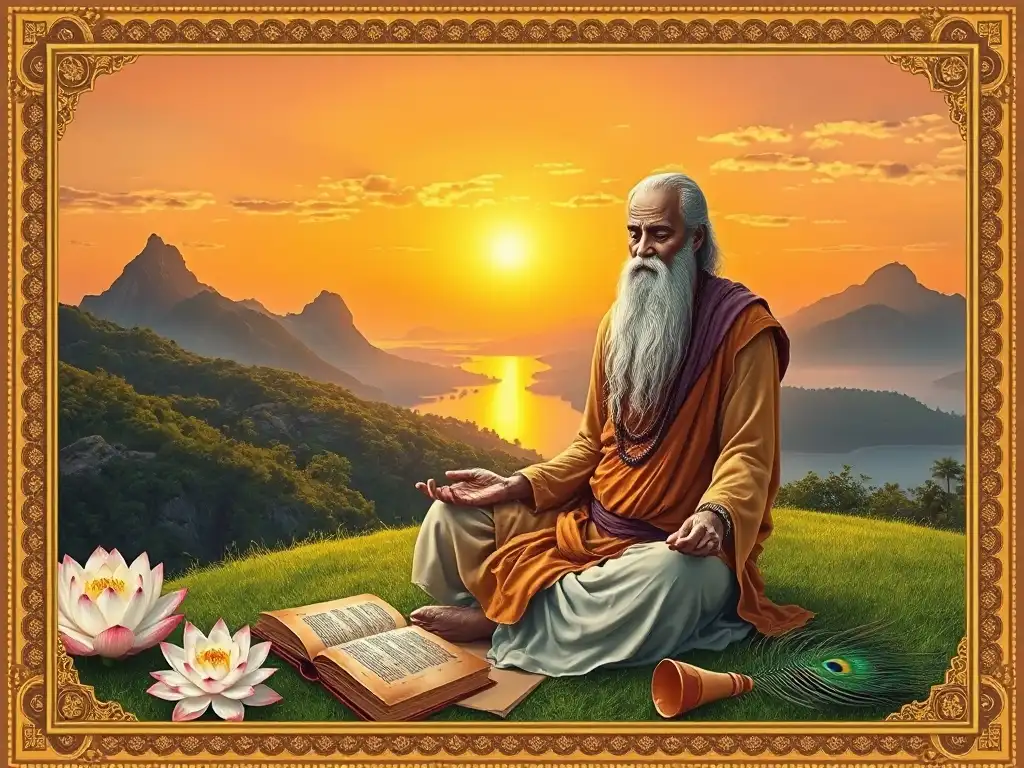
Vedic philosophy forms the foundation of Hindu thought, encompassing a rich tapestry of ideas that have influenced countless generations. At its core, it addresses fundamental questions about existence, ethics, and the nature of reality. Three pivotal concepts within this philosophical framework are Dharma, Karma, and Moksha, each representing essential principles that guide human behavior and spiritual evolution.
Dharma: The Principle of Righteousness
Dharma is often translated as "righteousness" or "duty," and it serves as a cornerstone of Vedic philosophy. It embodies the ethical and moral obligations individuals have toward themselves, society, and the cosmos. The nuances of Dharma can be understood through several key aspects:
- Social Duties: Dharma varies according to one's age, caste (varna), and stage of life (ashrama). For example, the duties of a student (Brahmacharya) differ significantly from those of a householder (Grihastha).
- Universal Order: Beyond personal obligations, Dharma reflects the larger cosmic order. The Vedas emphasize that adhering to Dharma contributes to societal stability and harmony.
- Contextual Nature: It is crucial to note that Dharma is not a rigid set of rules; rather, it adapts to changing circumstances. This flexibility allows individuals to make ethical decisions aligned with the greater good.
Dharma is the path of righteousness, the code of ethics that guides the actions of individuals and sustains order in the universe.
Karma: The Law of Cause and Effect
Karma is a fundamental concept in Vedic philosophy, encapsulating the idea that actions have consequences. It underscores the interconnectedness of all beings and the moral weight of individual choices. The intricacies of Karma can be distilled into the following elements:
- Causal Relationship: The principle of Karma posits that every action (karma) generates a reaction (phala). Positive actions lead to favorable outcomes, while negative actions result in suffering. This emphasizes personal responsibility in one's life.
- Types of Karma: Karma can be categorized into three main types:
- Sanchita Karma: Accumulated karma from past lives.
- Prarabdha Karma: The portion of karma that is currently active and affects one's present life.
- Kriyamana Karma: The karma that is being created in the present moment.
- Rebirth Cycle: Karma is intrinsically linked to the cycle of birth and rebirth (samsara). The nature of one's actions influences the circumstances of future incarnations, making ethical living vital for spiritual progress.
The law of Karma serves as a reminder that our actions shape not only our own destinies but also the world around us.
Moksha: The Quest for Liberation
Moksha represents the ultimate goal of human existence in Vedic philosophy, symbolizing liberation from the cycle of birth and rebirth. It is the state of realizing one's true nature and attaining union with the divine. Understanding Moksha involves several critical aspects:
- Spiritual Awakening: Moksha is achieved through self-realization and enlightenment. It requires transcending the ego and recognizing the unity of the Atman (soul) with Brahman (the ultimate reality).
- Paths to Liberation: The Vedas outline various paths to attain Moksha, including:
- Jnana Yoga: The path of wisdom and knowledge.
- Bhakti Yoga: The path of devotion and love for the divine.
- Karma Yoga: The path of selfless action and service.
- End of Suffering: Achieving Moksha signifies an end to the suffering inherent in the cycle of samsara. It is a state of eternal bliss and peace, free from the pains of worldly existence.
Moksha is not merely an escape from life but a profound realization of the self's true nature.
The key concepts of Dharma, Karma, and Moksha are fundamental to understanding Vedic philosophy and its influence on Hindu thought. These principles offer a comprehensive framework for ethical living and spiritual growth, shaping the moral landscape of ancient Indian civilization and continuing to resonate in contemporary discourse.
Atman and Brahman: The Nature of the Self and the Ultimate Reality
In Vedic philosophy, the concepts of Atman and Brahman are central to understanding the nature of existence and the cosmos. The term Atman refers to the individual self or soul, which is considered eternal and immutable. According to the Vedas, Atman is not merely a personal identity but a deeper essence that transcends the physical body and mind. It is the true self that experiences life and is the core of one’s being.
In contrast, Brahman represents the ultimate reality or cosmic spirit. It is the source of all creation, the underlying essence of the universe, and is often described as infinite, formless, and beyond human comprehension. Brahman is the unchanging reality amidst the constant flux of the material world. The relationship between Atman and Brahman is one of profound significance; they are seen as two sides of the same coin.
The Vedic texts articulate that understanding the connection between Atman and Brahman is essential for spiritual liberation. The principle of Tat Tvam Asi, meaning "That Thou Art," encapsulates this relationship, suggesting that the individual self (Atman) is fundamentally the same as the ultimate reality (Brahman). This realization leads to moksha, or liberation, where one transcends the cycle of birth and death (samsara) and recognizes their unity with the cosmos.
The exploration of Atman and Brahman also involves discussions on the nature of consciousness and the universe. Philosophers and sages of ancient India pondered questions such as: What is the nature of the self? How does it relate to the universe? Through meditation and introspection, practitioners aimed to experience the oneness of Atman and Brahman, fostering a deep understanding of the interconnectedness of all beings.
Atman and Brahman are pivotal concepts in Vedic philosophy, offering insights into the nature of self and reality. They encourage a journey toward self-discovery and enlightenment, forming the foundation of Hindu thought and spirituality. Understanding these principles is essential for grasping the broader themes of the Vedas and their enduring influence on Indian philosophy and culture.
Vedic Texts and Their Contributions to Hindu Thought

The Vedic texts, composed over a period spanning from approximately 1500 BCE to 500 BCE, form the cornerstone of Hindu philosophy and spirituality. These ancient scriptures consist of four primary texts: the Rigveda, the Samaveda, the Yajurveda, and the Atharvaveda. Each text plays a distinct role in shaping the foundational doctrines of Hindu thought, providing insights into the cosmology, ethics, rituals, and metaphysical inquiries of ancient India.
The Vedas are not merely religious texts; they encapsulate a wealth of knowledge, including philosophy, mathematics, astrology, and medicine. The teachings found within these texts have influenced various schools of thought in Hinduism and have left an enduring legacy that continues to resonate in contemporary spiritual practices.
The Rigveda: Hymns and Philosophy
The Rigveda, the oldest of the Vedic texts, is a collection of hymns (suktas) dedicated to various deities. Comprising 1,028 hymns, the Rigveda addresses the natural forces, social order, and existential questions faced by early Indo-Aryans. Its philosophical inquiries delve into the nature of existence, the cosmos, and the relationship between the individual (atman) and the universal (Brahman).
Key contributions of the Rigveda include:
- Cosmology and Creation: The Rigveda presents multiple creation myths, including the famous Purusha Sukta, which describes the cosmic being (Purusha) whose sacrifice leads to the creation of the universe and social order. This notion of sacrifice (yajna) becomes a central theme in later Hindu thought, emphasizing the interconnectedness of all beings.
- Ethics and Morality: The hymns often reflect on concepts of truth (satya), righteousness (dharma), and the importance of social harmony. The emphasis on moral living remains integral to Hindu philosophy.
- Philosophical Speculation: The Rigveda raises profound questions about the nature of reality and the divine, laying the groundwork for later philosophical developments, including the Upanishads, which further explore the concepts of Brahman and Atman.
The Samaveda: Chanting and Ritual
The Samaveda is primarily a collection of melodies and chants derived from the Rigveda. It serves as a manual for rituals and ceremonies, emphasizing the importance of sound and rhythm in spiritual practices. The Samaveda consists of 1,875 verses, many of which are repetitions of Rigvedic hymns, but arranged for musical performance.
Important aspects of the Samaveda include:
- Musical Tradition: The Samaveda's focus on chanting highlights the significance of music in Vedic rituals. The precision of intonation and rhythm is believed to invoke divine energies, making the act of chanting a sacred experience.
- Ritual Practices: The text outlines various rituals, including the Soma sacrifice, which plays a crucial role in Vedic religious practices. The Soma plant, believed to have divine properties, symbolizes the connection between the earthly and the celestial.
- Spiritual Experience: The Samaveda suggests that sound has the power to transcend the material world, facilitating a direct experience of the divine. This concept of sound as a spiritual medium influences later philosophical discussions on the nature of consciousness and reality.
The Yajurveda: Sacrificial Knowledge
The Yajurveda serves as a guide for conducting rituals and sacrifices, emphasizing practical knowledge and the correct performance of ceremonies. It is divided into two main parts: the Shukla Yajurveda (White Yajurveda) and the Krishna Yajurveda (Black Yajurveda), each offering different perspectives on rituals and their underlying philosophies.
Key contributions of the Yajurveda include:
- Ritual Instructions: The Yajurveda provides detailed instructions for performing sacrifices, emphasizing the importance of intention (bhavana) and technique (vidhi). This practical approach ensures that rituals are conducted in alignment with Vedic principles.
- Philosophical Reflections: Interspersed within the ritualistic instructions are philosophical musings on the nature of sacrifice and its significance. The concept of yajna as an act of offering becomes symbolic of the broader principles of selflessness and duty.
- Integration of Knowledge: The Yajurveda bridges the gap between theoretical philosophy and practical application, reinforcing the idea that knowledge must be embodied in action. This integration of thought and practice is a hallmark of Hindu philosophy, influencing subsequent schools of thought and spiritual traditions.
The Vedic texts are foundational to understanding Vedic philosophy and Hindu thought. Each text contributes uniquely to the intricate tapestry of beliefs, practices, and philosophical inquiries that define ancient Indian civilization. By exploring these texts, we gain insight into the profound wisdom that continues to influence millions of lives today.
The Atharvaveda: Everyday Life and Spirituality
The Atharvaveda, one of the four Vedas, stands apart from its counterparts—the Rigveda, Samaveda, and Yajurveda—due to its unique focus on the practical aspects of human life and spirituality. Composed around 1200 BCE to 1000 BCE, this ancient text is a collection of hymns, spells, and incantations that reflect the beliefs, practices, and concerns of the early Indian society.
Unlike the other Vedas, which are primarily concerned with rituals and hymns for the deities, the Atharvaveda dives deep into the everyday experiences of people. It addresses various themes such as health, wealth, love, family life, and even social and political issues. For instance, it contains numerous charms and spells intended to heal ailments, ensure prosperity, protect against evil forces, and promote harmony within the household. This practical approach made the Atharvaveda a vital resource for ordinary individuals seeking guidance in their daily lives.
The spirituality in the Atharvaveda is intricately linked to the concept of Rta, or cosmic order, which emphasizes the importance of maintaining harmony in one's personal and social life. The text articulates the belief that individual well-being is connected to the broader universe, and thus it includes rituals and prayers aimed at aligning personal intentions with the forces of nature. By doing so, it encourages a holistic view of life where spirituality and material existence are interwoven.
Moreover, the Atharvaveda also features philosophical reflections that hint at the underlying principles of later Hindu thought. For example, it introduces the notion of the Brahman—the ultimate reality or cosmic spirit—alongside discussions of individual souls ( Atman). This early exploration of the relationship between the individual and the universal consciousness laid the groundwork for future philosophical developments in Hinduism.
The Atharvaveda's contributions to Hindu thought are profound, as it encompasses both practical guidance for daily living and spiritual insights that resonate through centuries of Indian philosophy. Its unique perspective on the intersection of the mundane and the divine continues to influence contemporary understandings of Vedic philosophy and the broader scope of Hindu thought.
Vedic Philosophy’s Influence on Later Hindu Schools
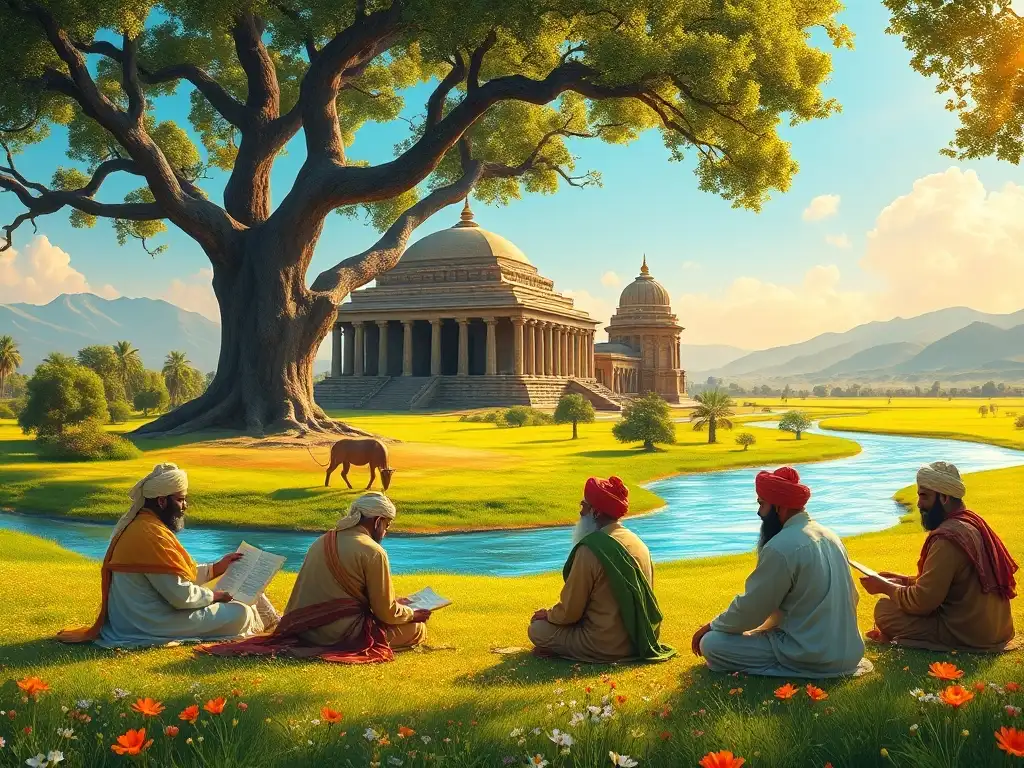
The influence of Vedic philosophy on later Hindu schools is profound and multifaceted. Vedic texts, primarily composed of hymns, rituals, and philosophical discourses, laid the groundwork for various streams of thought that flourished in ancient India. This foundation played a pivotal role in shaping the core principles of Hinduism, intertwining with diverse philosophical schools, and influencing practices that are still prevalent today.
Development of Upanishadic Thought
The Upanishads, which emerged as a continuation of Vedic philosophy, mark a significant transition from ritualistic practices to more metaphysical inquiries. They explore profound concepts such as Brahman (the ultimate reality) and Atman (the individual self), emphasizing the quest for self-knowledge and the understanding of the universe.
- Key Themes in Upanishads:
- Tat Tvam Asi: "You are that" signifies the unity of Atman and Brahman.
- Moksha: Liberation from the cycle of birth and death, attained through knowledge and realization.
- Meditative Practices: The Upanishads emphasize meditation and introspection as vital for realizing one's true self.
The philosophical inquiries in the Upanishads not only enriched Vedic philosophy but also set the stage for later schools such as Advaita Vedanta, which further developed these ideas into a comprehensive philosophical framework.
Interaction with Other Philosophical Systems
Vedic philosophy did not exist in isolation; it interacted with various philosophical systems, leading to a rich tapestry of thought that influenced and was influenced by other traditions. Key interactions include:
- Buddhism: Emerging around the 6th century BCE, Buddhism shared and contested many ideas with Vedic thought, particularly concerning the nature of suffering and the path to enlightenment.
- Jainism: Jain philosophy, with its emphasis on non-violence (ahimsa) and truth (satya), was also influenced by the metaphysical inquiries of the Vedic texts.
- Darshanas: The six orthodox schools of Hindu philosophy (Nyaya, Vaisheshika, Samkhya, Yoga, Mimamsa, and Vedanta) all trace their roots back to the philosophical inquiries initiated in the Vedic texts.
This interaction led to a dynamic evolution of ideas, where Vedic philosophy served as both a foundation and a point of reference for other systems, resulting in a more diverse and comprehensive understanding of Hindu thought.
Contributions to Modern Hinduism
The principles of Vedic philosophy continue to resonate in modern Hinduism, shaping its spiritual practices, ethical frameworks, and worldview. Key contributions include:
- Rituals and Practices: Many contemporary Hindu rituals can be traced back to Vedic traditions, including yajnas (sacrificial rituals) and chanting of mantras.
- Philosophical Schools: The ongoing relevance of schools like Advaita Vedanta and Dvaita (dualism) demonstrates how Vedic concepts are adapted and interpreted in various ways, influencing modern philosophical discourse.
- Cultural Identity: Vedic philosophy has become a cornerstone of Hindu identity, influencing not only religious practices but also art, literature, and cultural narratives in India.
The enduring legacy of Vedic philosophy underscores its vital role in the development of Hindu thought, providing a rich intellectual heritage that continues to inspire spiritual seekers and scholars alike.
Vedic Philosophy in Practice

Rituals and Ceremonies in Vedic Tradition
Vedic philosophy deeply influences the rituals and ceremonies that form the backbone of Hindu religious practices. These rituals, known as Samskaras, are designed to mark significant life events and connect individuals to the cosmos, ancestors, and the divine.
- Types of Rituals:
- Samskaras: These are rites of passage, including Jatakarma (birth ceremony), Namakarana (naming ceremony), and Vivaha (marriage ceremony).
- Yajnas: Fire sacrifices that symbolize the offering of materials to deities, aimed at maintaining cosmic order ( Rita).
- Puja: Daily worship rituals performed at home or in temples that involve offerings of flowers, food, and prayers.
- Significance of Rituals:
- Connection to the Divine: Rituals serve as a medium through which practitioners connect with higher spiritual realms.
- Cultural Continuity: They preserve ancient traditions and foster community bonds.
- Psychological Benefits: Engaging in ritualistic practices can provide emotional comfort and a sense of belonging.
Example of a Ritual: The Agni Hotra
The Agni Hotra is a Vedic fire ritual performed at sunrise and sunset, which involves chanting specific mantras and offering clarified butter ( ghee) into the fire. This practice is believed to purify the environment and promote spiritual growth.
Meditation and Spiritual Practices Derived from Vedic Teachings
Meditation ( Dhyana) is a fundamental aspect of Vedic philosophy, focusing on the cultivation of inner peace and self-realization. The Vedas provide various techniques and insights into achieving a meditative state.
- Types of Meditation:
- Mantra Meditation: Involves repetitive chanting of sacred sounds or phrases ( mantras), such as the Om mantra, which represents the essence of the universe.
- Breath Control (Pranayama): Techniques that regulate breathing to enhance mental clarity and spiritual awareness.
- Goals of Meditation:
- Self-Discovery: To explore the nature of the self and achieve Atman realization.
- Union with the Divine: To experience Brahman, the ultimate reality, through deep meditative states.
Notable Texts on Meditation
The Upanishads, philosophical texts that form the concluding part of the Vedas, extensively discuss meditation and its significance in attaining spiritual knowledge.
Vedic Philosophy in Contemporary Hindu Practices
The influence of Vedic philosophy extends into contemporary Hindu practices, where ancient teachings continue to shape the spiritual landscape of modern India and the global Hindu diaspora.
- Integration into Daily Life:
- Yoga: The practice of yoga, rooted in Vedic texts, emphasizes physical, mental, and spiritual well-being, and is widely practiced around the world.
- Philosophical Discussions: Modern discourses often draw from Vedic principles, focusing on ethics, morality, and the nature of reality.
- Festivals and Celebrations:
- Many Hindu festivals, such as Diwali and Makar Sankranti, incorporate Vedic rituals and philosophies, celebrating themes of light, knowledge, and renewal.
The Role of Technology
In today's digital age, Vedic philosophy finds expression through online courses, apps, and social media platforms, making ancient wisdom accessible to a broader audience.
Vedic philosophy is not merely an ancient tradition but a living practice that continues to influence Hindu thought and spirituality across generations. Its teachings on rituals, meditation, and contemporary applications underscore its enduring relevance in understanding the essence of life and existence.
Conclusion: The Enduring Legacy of Vedic Philosophy and Hindu Thought
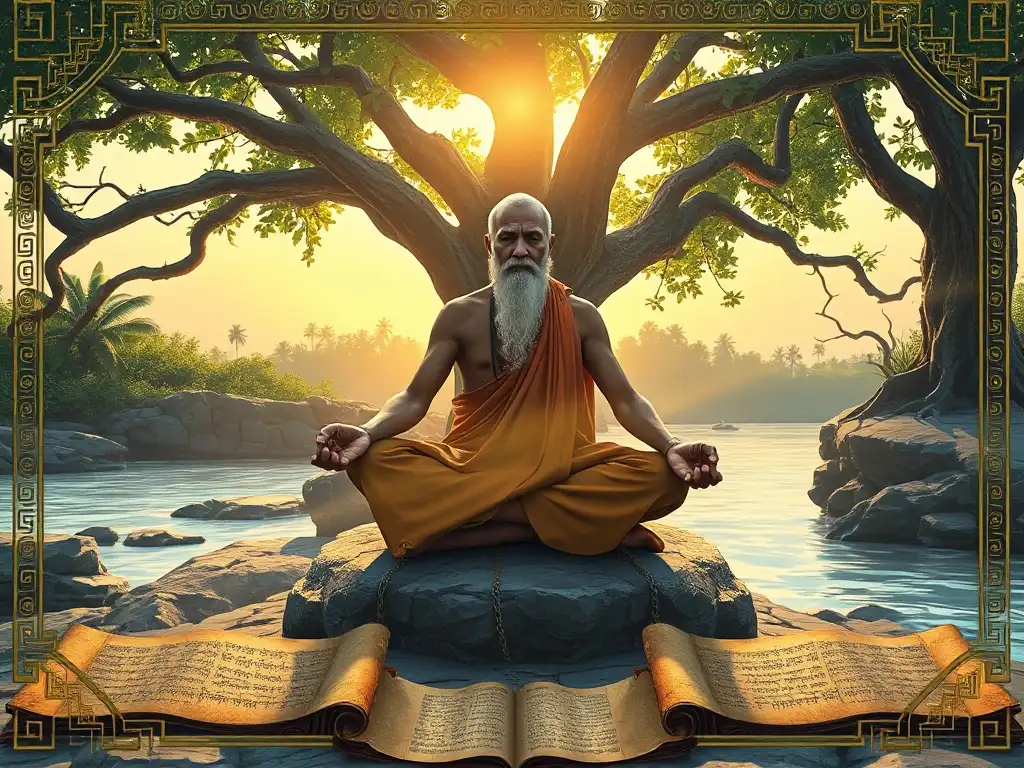
The legacy of Vedic philosophy is profound and far-reaching, having shaped the very essence of Hindu thought and spirituality. Emerging from the ancient texts known as the Vedas, this philosophical framework has provided a foundation for various schools of thought within Hinduism, influencing a wide range of spiritual and intellectual traditions. The core principles derived from Vedic philosophy, such as Dharma (duty), Karma (action and its consequences), and Moksha (liberation), continue to resonate with practitioners and scholars alike, serving as guiding tenets for both personal conduct and societal norms.
Summary of Key Points
- Origins in the Vedas: Vedic philosophy finds its roots in the four principal Vedas—Rigveda, Samaveda, Yajurveda, and Atharvaveda—each contributing unique perspectives on cosmology, ethics, and the nature of existence.
- Core Concepts: Key themes such as Brahman (the ultimate reality), Atman (the self), and the relationship between the two are central to Vedic thought, emphasizing the interconnectedness of all beings and the importance of self-realization.
- Influence on Hinduism: Vedic philosophy has laid the groundwork for various Hindu philosophies and practices, including Vedanta, Samkhya, and Yoga, enriching the spiritual landscape of India and beyond.
- Cultural Impact: The narratives and rituals derived from Vedic texts have permeated Indian culture, influencing art, music, dance, and literature, thus creating a vibrant tapestry of traditions that celebrate these ancient teachings.
The Relevance of Vedic Philosophy Today
In contemporary society, Vedic philosophy continues to offer valuable insights that address modern challenges. The principles of Dharma advocate for ethical living and responsibility, encouraging individuals to align their actions with universal values. The concept of Karma serves as a reminder of the importance of mindfulness in our choices, fostering a deeper understanding of cause and effect in personal and communal contexts.
Moreover, the pursuit of Moksha resonates with those seeking meaning and purpose in an increasingly complex world. Practices rooted in Vedic thought, such as meditation and yoga, have gained global popularity, promoting mental well-being and spiritual growth. As more people explore these ancient teachings, Vedic philosophy remains a vital source of wisdom, guiding individuals on their journeys toward self-discovery and enlightenment.
The enduring legacy of Vedic philosophy is a testament to its profound impact on Hindu thought and its continued relevance in addressing the spiritual and ethical dilemmas of our time. Through its timeless teachings, it invites us to reflect on our place in the cosmos and the deeper truths that connect us all.
Further Reading and Resources on Vedic Philosophy and Hindu Thought
Suggested Texts and Literature
To delve deeper into Vedic philosophy and its influence on Hindu thought, a selection of foundational texts and literature is essential. Below are some key works that provide valuable insights:
-
The Vedas
The Rigveda, Samaveda, Yajurveda, and Atharvaveda are the primary texts of Vedic literature, containing hymns, rituals, and philosophical discussions. Each Veda contributes uniquely to the understanding of ancient Indian spirituality and cosmology.
-
Upanishads
The Upanishads, often referred to as Vedanta, are philosophical texts that explore the nature of reality, the self (Atman), and the ultimate reality (Brahman). Key Upanishads include:
- Chandogya Upanishad
- Brihadaranyaka Upanishad
- Taittiriya Upanishad
-
Bhagavad Gita
A part of the Mahabharata, this text synthesizes various aspects of Vedic philosophy, presenting discussions on duty (dharma), righteousness, and the nature of the self. The Gita is an essential resource for understanding the application of Vedic thought in daily life.
-
The Manusmriti
This ancient legal text reflects the social and ethical aspects of Vedic philosophy, detailing laws, duties, and codes of conduct for individuals and society.
-
Commentaries by Key Philosophers
- Adi Shankaracharya: His commentaries on the Upanishads and Brahma Sutras provide critical interpretations of Vedic philosophy.
- Ramanuja: Offering a different perspective, Ramanuja's works elaborate on the concepts of devotion (bhakti) and the nature of God.
Online Resources and Documentaries
In addition to traditional texts, numerous online resources and documentaries provide accessible insights into Vedic philosophy and Hindu thought. Here are some recommendations:
-
Online Courses
Websites like Coursera and edX often feature courses on Indian philosophy and Vedic texts, taught by renowned scholars.
-
Documentaries
- "The Vedas: The Ancient Wisdom": This documentary explores the origins and teachings of the Vedas, offering visual interpretations of key concepts.
- "The Secret of the Vedas": A documentary that delves into the philosophical underpinnings of Vedic literature, examining its relevance in contemporary society.
-
Digital Libraries and Archives
- Internet Archive: A treasure trove of ancient texts, translations, and commentaries related to Vedic philosophy.
- Project Gutenberg: Offers free access to several public domain texts on Vedic literature and philosophy.
-
Podcasts
- "The Vedic Philosophy Podcast": Features discussions with scholars on various aspects of Vedic texts and their implications for modern thought.
These resources collectively provide a comprehensive framework for understanding the depths of Vedic philosophy and its enduring influence on Hindu thought. Whether through reading, watching, or listening, each medium offers unique insights into this rich tradition.
Frequently Asked Questions
What is Vedic philosophy?
Vedic philosophy refers to the ancient Indian thought encapsulated in the Vedas, which are the oldest sacred texts of Hinduism. It encompasses a range of spiritual, ethical, and metaphysical ideas that form the foundation of Hindu thought.
How does Vedic philosophy influence Hinduism?
Vedic philosophy greatly influences Hinduism by establishing core concepts such as dharma (duty), karma (action), and moksha (liberation). These ideas guide the spiritual practices and ethical beliefs of millions of Hindus today.
What are the key texts associated with Vedic philosophy?
The key texts include the four Vedas (Rigveda, Samaveda, Yajurveda, and Atharvaveda), along with their commentaries and Upanishads. These texts discuss various aspects of life, spirituality, and the nature of reality.
How is Vedic philosophy relevant today?
Vedic philosophy remains relevant as it provides a framework for understanding consciousness, self, and the universe. Many of its principles are still applied in modern spiritual practices and philosophical discussions.
What contributions did Vedic philosophy make to Indian civilization?
Vedic philosophy contributed to the development of social structures, rituals, and cultural practices that shaped ancient Indian civilization. It laid the groundwork for later philosophical schools and influenced Indian art, literature, and science.
Final Reflection: Embracing the Depths of Vedic Philosophy in Modern Hindu Thought
Vedic philosophy remains a cornerstone of Hindu thought, offering profound insights that resonate with contemporary life. In a world increasingly driven by materialism and rapid change, the timeless teachings of the Vedas provide a framework for understanding our place in the universe and the interconnectedness of all beings. The relevance of these ancient texts is undeniable; they challenge us to look beyond the surface and seek deeper truths that can guide our actions and beliefs today.
Cultural and social landscapes are continually shaped by the principles of Vedic philosophy, influencing everything from spirituality to ethics. The teachings encourage a holistic approach to life, promoting harmony within ourselves and with the world around us. As Mahatma Gandhi once said, The Vedas are the foundation of all knowledge.
This underscores the enduring impact of Vedic thought, which continues to inspire individuals and communities to pursue wisdom, compassion, and self-realization in their daily lives.
As we reflect on the lessons of Vedic philosophy, let us invite ourselves to integrate these teachings into our own journeys. Consider how the principles of interconnectedness, mindfulness, and ethical living can enhance your life and the lives of those around you. Embrace the opportunity to explore these ancient insights, allowing them to illuminate your path and foster a deeper understanding of yourself and the world. The wisdom of the Vedas is not just a relic of the past; it is a living guide that can empower us to create a more harmonious future.
Unlock the Depths of Vedic Wisdom!
Thank you for diving into the rich world of Vedic philosophy! Your journey through these foundational principles of Hindu thought is just the beginning. Now, let’s take that knowledge and transform it into impactful actions!
Here’s how you can deepen your connection with this profound philosophy:
- Explore a Vedic Text: Choose a classic like the Bhagavad Gita or the Upanishads and immerse yourself in its teachings.
- Join a Discussion Group: Connect with others who share your interest in Vedic philosophy. Consider finding a local or online community where ideas can flourish.
- Practice Mindfulness: Incorporate meditative practices rooted in Vedic traditions into your daily routine to enhance both understanding and experience.
What Vedic principle resonates with you the most, and how do you plan to apply it in your life?