
The Legacy of Ancient Indian Marriage Customs in Modern Society

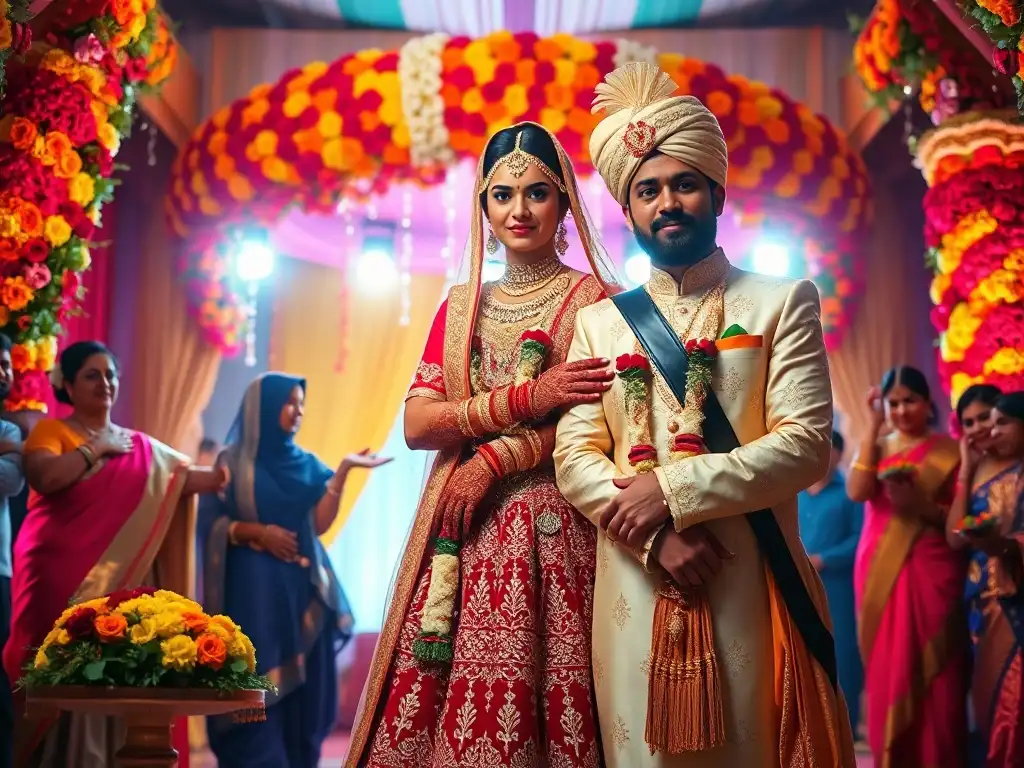
Welcome to Ancient India History, where we delve into the rich tapestry of India's past, exploring the fascinating traditions and cultural contributions that have shaped the subcontinent. In our featured article, “The Legacy of Ancient Indian Marriage Customs in Modern Society,” we unravel the intricate web of ancient Indian marriage traditions and their lasting impact on contemporary life.
Prepare to be captivated as we guide you through a journey that connects the age-old rituals of love and union to the vibrant society we know today. Join us as we uncover the stories and practices that continue to resonate through generations, inviting you to discover more about the profound legacy of ancient Indian culture.
Introduction to Ancient Indian Marriage Traditions
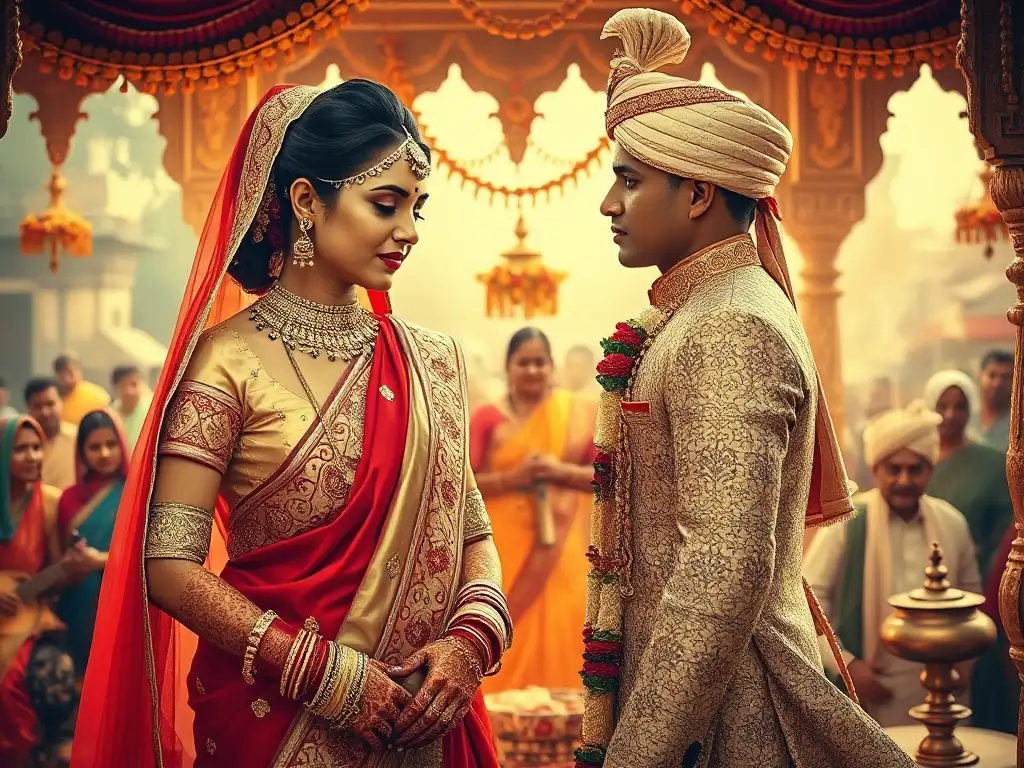
The legacy of ancient Indian marriage customs offers a fascinating glimpse into the rich tapestry of social practices that have shaped contemporary Indian society. From the early days of the Indus Valley Civilization to the flourishing Gupta Empire, marriage has been a cornerstone of social structure and familial bonds in ancient India.
These customs, deeply intertwined with religious beliefs, social hierarchy, and regional diversity, have not only influenced the lives of individuals but have also contributed significantly to the cultural fabric of modern India. By examining the evolution and significance of these traditions, we can better understand their enduring impact on present-day marriage practices in the subcontinent.
Overview of Marriage in Ancient Indian Civilizations
Marriage in ancient India was more than just a personal union; it was a vital social contract that reinforced familial alliances and community ties. The concept of marriage varied across different civilizations and regions, encompassing a wide range of customs and practices.
- Indus Valley Civilization: Evidence from archaeological sites suggests that marriage practices included rituals centered around fertility and domestic harmony.
- Vedic Period: This era introduced the concept of samskaras (sacraments), which formalized marriage as a sacred duty, emphasizing the spiritual and social roles of spouses.
- Post-Vedic Period: With the rise of various dynasties, regional variations in marriage customs emerged, reflecting the diversity of ancient Indian culture.
Importance of Marriage in Ancient Indian Society
Marriage held paramount importance in ancient Indian society, serving multiple purposes:
- Social Structure: It established alliances between families, which was crucial for maintaining social order and political power.
- Cultural Transmission: Marriages were a means of transmitting cultural values and traditions across generations.
- Religious Significance: Many marriage customs were steeped in religious rituals, believed to invoke blessings from deities for prosperity, fertility, and harmony within the household.
Key Features of Ancient Indian Marriage Customs
Ancient Indian marriage customs were marked by several distinctive features that reflected the values and beliefs of the time.
Types of Marriages in Ancient India
The diversity of ancient Indian society gave rise to various types of marriages, each with its unique characteristics:
- Brahma Marriage: Considered the most virtuous form, this marriage involved the bride's father giving her away to the groom in a ceremony filled with rituals.
- Asura Marriage: This type involved the groom paying a price for the bride, often seen as less desirable due to its commercial nature.
- Gandharva Marriage: A form of love marriage where couples chose each other, emphasizing personal choice and affection.
Rituals and Ceremonies in Ancient Indian Weddings
Ancient Indian weddings were elaborate events filled with rituals and ceremonies that symbolized the sanctity of the union. Some key rituals included:
- Saptapadi (Seven Steps): The couple would take seven steps together, each step symbolizing a vow for domestic harmony and mutual support.
- Kanyadaan: The ritual where the father gives away the daughter, signifying the transfer of responsibility and blessings.
- Mangal Sutra Ceremony: The groom would tie a sacred thread around the bride’s neck, symbolizing their union and the groom’s commitment to her.
Through these customs, ancient Indian marriage traditions established frameworks for relationships that resonate in modern practices, showcasing an enduring legacy that continues to shape societal norms and values.
Evolution of Ancient Indian Marriage Traditions
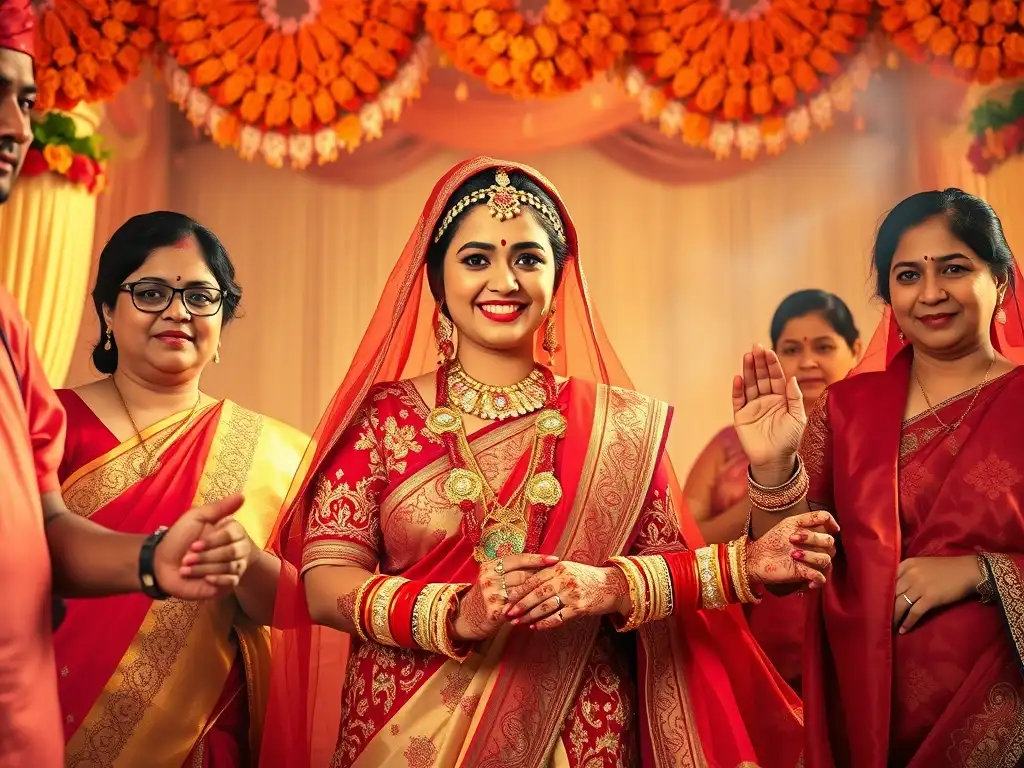
The evolution of ancient Indian marriage traditions reflects the dynamic nature of Indian society and its cultural heritage. Over millennia, marriage has transformed from simple, communal arrangements to intricate ceremonies involving various rituals and customs. Initially, marriages in ancient India were often based on practicality and familial alliances, where factors such as caste, social status, and economic considerations played pivotal roles. As society evolved, so did the customs surrounding marriage.
During the Vedic period, marriages were celebrated as sacred unions, with rituals that emphasized spiritual connections. The concept of 'Swayamvara,' where a bride chose her groom from a group of suitors, emerged, highlighting the role of personal choice in marital decisions. However, the introduction of patriarchal norms gradually shifted the focus back to arranged marriages, where family interests dominated the decision-making process.
Over the centuries, various dynasties and empires, such as the Maurya and Gupta, influenced marriage customs, leading to regional variations. The integration of diverse cultural elements enriched the marriage traditions, resulting in a tapestry of practices that continue to evolve today.
Historical Context: Changes Through the Ages
The historical context of marriage in ancient India is marked by significant transformations influenced by socio-political changes, economic conditions, and cultural exchanges. In the early Vedic period, marriage was considered a sacrament, with rituals aimed at ensuring prosperity and spiritual fulfillment. As society progressed, the introduction of the Manusmriti codified many marriage customs, emphasizing duties, rights, and dharma.
The arrival of foreign influences, particularly during the Mughal period, introduced new marriage practices and rituals, blending local customs with Islamic traditions. This period saw the rise of elaborate wedding ceremonies, which incorporated music, dance, and feasting, laying the foundation for contemporary celebrations.
In the colonial era, British rule further impacted marriage customs, leading to social reform movements that challenged traditional practices such as child marriage and dowry. These changes fostered a dialogue around marriage, prompting a re-evaluation of customs to align with modern values.
Influence of Religion on Marriage Practices
Religion has played a crucial role in shaping ancient Indian marriage traditions. The three major religions—Hinduism, Buddhism, and Islam—each contributed unique customs and beliefs regarding marriage. In Hinduism, marriage is viewed as a sacred duty, with a strong emphasis on rituals that symbolize the union of two souls. The 'Kanyadaan' ritual, where the father gives away his daughter, underscores the importance of familial bonds in Hindu marriages.
Buddhism introduced concepts of mindfulness and equality, influencing marriage practices by promoting mutual respect and partnership. In contrast, Islamic traditions emphasized the contract aspect of marriage (Nikah), focusing on mutual consent and the rights of both partners.
The interplay of these religious beliefs resulted in diverse marriage customs across different communities, enriching the cultural landscape of India. Festivals and rituals associated with marriages often reflect these religious influences, making each wedding a unique celebration of faith and tradition.
Modern Adaptations of Ancient Indian Marriage Traditions
In contemporary society, ancient Indian marriage traditions have adapted to reflect changing values and lifestyles while retaining core cultural elements. This dynamic adaptation showcases how traditional practices can coexist with modern sensibilities, creating a synthesis that resonates with today's couples.
Retaining Cultural Elements in Modern Weddings
Despite the changes in societal norms, many couples embrace ancient Indian marriage traditions to retain a sense of cultural identity. Modern weddings often incorporate traditional rituals, such as the 'Saat Phere' (seven sacred vows) and 'Baraat' (groom's procession), which symbolize the continuity of cultural heritage.
Additionally, many couples choose to infuse contemporary elements into their celebrations, such as personalized vows and modern attire, while still honoring their ancestral customs. This blend of old and new allows for a unique wedding experience that respects tradition yet reflects individual preferences.
Changes in Marriage Practices Among Different Communities
The diversity of India's cultural fabric is evident in how different communities have adapted ancient marriage traditions. For instance, while some communities maintain strict adherence to caste and family expectations, others have embraced inter-caste or inter-religious marriages, reflecting a more liberal approach.
Regional variations also influence marriage practices; in South India, for example, weddings often include vibrant rituals distinct to local traditions, while North Indian weddings may emphasize grand celebrations and elaborate feasts. These changes signify a shift towards inclusivity and acceptance, allowing individuals to forge their paths while honoring their heritage.
The Role of Technology in Modern Marriages
Technology has revolutionized the landscape of modern marriages in India. From online matchmaking services to social media platforms, technology has transformed how couples meet and interact. Traditional arranged marriage practices have evolved with the advent of matrimonial websites, allowing individuals to explore potential partners beyond their immediate social circles.
Moreover, digital platforms enable couples to document and share their wedding experiences with a broader audience through live streaming and social media, creating an inclusive environment for friends and family who may not be able to attend in person.
Overall, technology serves as a catalyst for change in marriage practices, making them more accessible and allowing for greater customization, while still honoring the rich legacy of ancient Indian marriage traditions.
Comparison of Ancient and Modern Indian Marriage Customs
The evolution of marriage customs in India illustrates a fascinating interplay between tradition and modernity. Ancient Indian marriage traditions were deeply rooted in societal structures, religious beliefs, and local customs. In contrast, modern marriage practices reflect a more globalized perspective, where personal choice and individual rights increasingly play a role. This comparison reveals both enduring legacies and significant transformations within the institution of marriage.
Similarities Between Ancient and Modern Practices
Despite the changes that have taken place over the centuries, several similarities persist between ancient and modern Indian marriage customs.
- Ritualistic Significance: Both ancient and contemporary marriages emphasize rituals and ceremonies, often imbued with deep cultural meaning. For instance, the saat phere (seven circles around a sacred fire) remains a pivotal ritual today, just as it was in ancient times.
- Family Involvement: Family continues to hold a crucial role in marriage arrangements. Traditional practices of seeking parental approval are still common, reflecting the value placed on familial ties and the collective over the individual.
- Cultural Symbolism: Many customs, such as the use of specific wedding attire, adornments, and auspicious dates for ceremonies, have persisted through time, showcasing the enduring nature of cultural symbolism in both ancient and modern contexts.
Differences in Social Expectations and Gender Roles
Modern Indian marriages exhibit significant shifts in social expectations and gender roles compared to ancient practices.
- Increased Agency for Women: Historically, marriages were often arranged with little say for women, who were expected to conform to predefined roles. Today, many women actively participate in choosing their partners and negotiating terms, reflecting a broader societal shift toward gender equality.
- Evolving Definitions of Family: In ancient times, joint families were the norm, with expectations of women to uphold family honor. Modern marriages often embrace nuclear family structures, allowing for more personal freedom and varied family dynamics.
- Changing Expectations of Men: While men historically held the dominant role in marriage, modern expectations increasingly demand shared responsibilities in household and family life, signaling a gradual shift toward egalitarian partnerships.
The Impact of Globalization on Marriage Traditions
Globalization has significantly influenced Indian marriage customs, introducing new ideas and practices that challenge traditional norms.
- Cross-Cultural Exchange: Exposure to international cultures through media, travel, and migration has led to the adoption of diverse marriage practices, such as destination weddings and pre-wedding celebrations like bachelorette parties.
- Evolving Social Norms: Globalization has encouraged more progressive views on love and marriage, allowing for greater acceptance of premarital relationships and cohabitation, which were largely taboo in ancient society.
- Technology's Role: Online matrimonial services have transformed the process of finding a partner, shifting from family-led arrangements to individual-led choices, thereby altering the dynamics of traditional matchmaking.
Challenges Faced by Modern Society Regarding Marriage
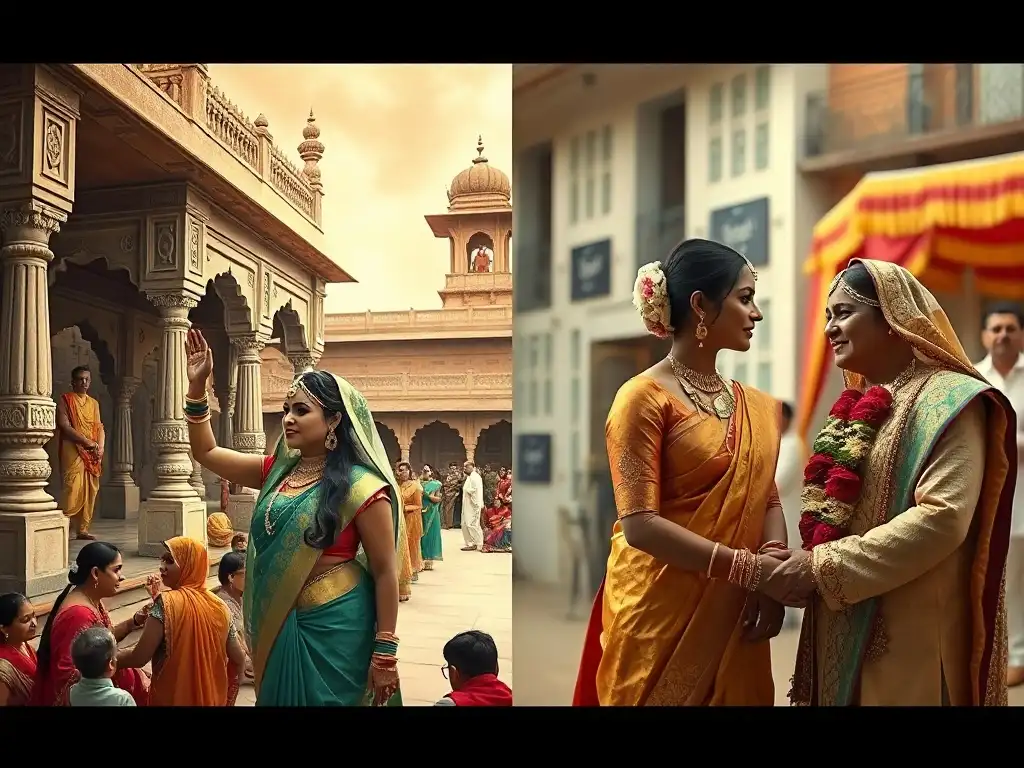
As society grapples with the legacies of ancient Indian marriage traditions, several challenges emerge that reflect the tension between preserving cultural identity and embracing modern values.
Balancing Tradition and Modernity
The challenge of balancing tradition with modernity is a prominent issue in contemporary marriage practices.
- Cultural Preservation: Many individuals and families struggle to maintain traditional customs amid a rapidly changing societal landscape. This includes the desire to uphold rituals while adapting them to fit modern lifestyles.
- Generational Conflicts: Younger generations often clash with older family members over differing views on marriage, leading to tensions between upholding traditional values and pursuing personal happiness and fulfillment.
- Hybrid Practices: Some couples are finding creative ways to blend ancient customs with modern sensibilities, resulting in hybrid marriage ceremonies that honor both their heritage and contemporary preferences.
Addressing Gender Inequality in Marriage Practices
Gender inequality remains a pressing concern in Indian marriage traditions, with many practices continuing to reinforce patriarchal norms.
- Bride Price and Dowry: Despite legal prohibitions, issues like dowry and bride price still persist in various forms, perpetuating gender-based discrimination and financial strain on families.
- Societal Pressures: Women may face societal pressure to conform to traditional roles as homemakers, even when they aspire for careers or independence, highlighting the need for ongoing advocacy for gender equality.
- Legal Protections: Efforts to address these inequalities through legal frameworks and social reforms are essential in promoting fair practices and protecting women's rights within marriage.
The Rise of Intercaste and Interfaith Marriages
Intercaste and interfaith marriages are becoming increasingly common in modern India, challenging longstanding social taboos.
- Changing Attitudes: Many young individuals are advocating for the freedom to marry outside their caste or religion, reflecting a shift in attitudes toward diversity and acceptance.
- Navigating Challenges: Couples in intercaste or interfaith marriages often face familial resistance and societal stigma, necessitating resilience and commitment to their relationships.
- Legal and Social Support: Greater awareness and legal provisions aimed at protecting intercaste and interfaith couples help foster a more inclusive environment, promoting harmony and acceptance in society.
Overall, the legacy of ancient Indian marriage traditions continues to shape modern practices, presenting both opportunities and challenges as society evolves.
Conclusion: The Lasting Impact of Ancient Indian Marriage Traditions
The marriage customs of ancient India, steeped in tradition and cultural significance, have left an indelible mark on modern society. Today, we see the remnants of these practices influencing contemporary marriage ceremonies, family structures, and societal expectations. From the rituals performed during weddings to the significance of family in marital arrangements, the essence of ancient Indian marriage traditions continues to resonate within the fabric of modern Indian households.
Many aspects, such as the importance of astrology in matchmaking or the rituals like saat phere (seven rounds) around the sacred fire, are still integral parts of modern weddings. These customs not only symbolize the union of two individuals but also reflect the values of commitment, respect, and familial bonds that have persisted through centuries. The legacy of these traditions serves as a reminder of the rich cultural heritage that shapes personal identities and societal norms today.
Reflections on the Importance of Cultural Heritage
Cultural heritage plays a crucial role in shaping societal values and individual identities. The marriage customs of ancient India are a testament to the beliefs, practices, and social structures that have evolved over millennia. As we reflect on these traditions, it becomes clear that they provide a sense of belonging and continuity, linking current generations to their ancestors.
These customs encapsulate stories of love, sacrifice, and the intertwining of lives, which are essential narratives in the social fabric of India. By understanding and appreciating these historical practices, individuals can cultivate a deeper sense of pride in their heritage and recognize the cultural diversity that enriches their lives. This acknowledgment fosters respect for various traditions, ultimately leading to a more harmonious society.
Future of Marriage Customs in India
The future of marriage customs in India is poised for both continuity and change. While many ancient traditions remain deeply embedded in the fabric of Indian society, modern influences and global perspectives are reshaping how marriages are perceived and conducted. The rise of individualism, gender equality, and the influence of technology are prompting a re-evaluation of some traditional practices.
For instance, the concept of love marriages is gaining acceptance alongside arranged marriages, reflecting changing attitudes towards personal choice. Additionally, as more young people engage with the digital world, virtual platforms for matchmaking are becoming increasingly popular. This evolution signifies a blend of ancient customs with contemporary values, ensuring that marriage traditions continue to adapt while retaining their cultural essence.
Call to Action
The rich tapestry of ancient Indian marriage traditions invites us to engage in meaningful discussions about their significance in modern society. By exploring these customs, we can better understand the values they convey and the lessons they impart.
Encouraging Discussions on Marriage Traditions
It is essential to foster conversations about marriage traditions, encouraging individuals to share their experiences and insights. Engaging in dialogue about the evolution of these customs can enhance our appreciation for cultural diversity and the historical context that shapes our lives. Community forums, workshops, and social media platforms are excellent avenues for exchanging ideas and stories related to marriage practices.
By prioritizing these discussions, we can ensure that ancient traditions are not merely relics of the past but living practices that continue to inspire and connect generations.
Preserving Ancient Customs in Contemporary Society
Preserving ancient customs in the face of modernization is vital for maintaining cultural identity. Individuals and communities can take proactive steps to integrate traditional practices into contemporary life, whether through family gatherings, educational initiatives, or cultural events.
Encouraging young people to participate in traditional ceremonies and rituals can foster a sense of belonging and continuity. Additionally, documenting and sharing these customs through various mediums, such as literature, art, and digital platforms, will help keep the essence of ancient Indian marriage traditions alive for future generations. By valuing and celebrating these traditions, we contribute to a richer, more diverse cultural landscape that honors our past while embracing the present.
- Introduction to Ancient Indian Marriage Traditions
- Overview of Marriage in Ancient Indian Civilizations
- Importance of Marriage in Ancient Indian Society
- Key Features of Ancient Indian Marriage Customs
- Evolution of Ancient Indian Marriage Traditions
- Modern Adaptations of Ancient Indian Marriage Traditions
- Comparison of Ancient and Modern Indian Marriage Customs
- Challenges Faced by Modern Society Regarding Marriage
- Conclusion: The Lasting Impact of Ancient Indian Marriage Traditions
- Call to Action
- What are some common ancient Indian marriage traditions?
- How have ancient Indian marriage customs influenced modern practices?
- What role did religion play in ancient Indian marriages?
- How were women viewed in the context of ancient Indian marriages?
- Are there any regional variations in ancient Indian marriage traditions?
Frequently Asked Questions
What are some common ancient Indian marriage traditions?
Ancient Indian marriage traditions include arranged marriages, dowry systems, and the significance of astrological compatibility. Rituals such as the Saptapadi (seven steps) are also integral to the ceremonies.
How have ancient Indian marriage customs influenced modern practices?
Many modern marriage customs in India still reflect ancient traditions, such as ceremonial rituals and the importance of family approval, showcasing the continuity of these customs through generations.
What role did religion play in ancient Indian marriages?
Religion played a crucial role in shaping marriage customs, with different faiths having unique rituals and practices. Hindu, Buddhist, and Jain traditions all contributed to diverse marriage ceremonies.
How were women viewed in the context of ancient Indian marriages?
In ancient times, women's roles in marriages were often defined by societal norms, with many expected to fulfill duties as homemakers. However, some texts celebrate women's agency and significance in family dynamics.
Are there any regional variations in ancient Indian marriage traditions?
Yes, regional variations abound in ancient Indian marriage customs, influenced by local cultures, languages, and practices. For example, Punjabi, Bengali, and South Indian weddings each have unique rituals and traditions.
Final Reflection: Embracing the Wisdom of Ancient Indian Marriage Traditions
The legacy of ancient Indian marriage customs remains profoundly relevant today, as they offer timeless insights into the values of commitment, family, and community. In a world where relationships often seem fleeting and superficial, these traditions remind us of the deep-rooted significance of marriage as a sacred bond that transcends individual desires, fostering unity and harmony within families and society at large. The essence of these customs continues to resonate, challenging us to reflect on our own relationships and the values we uphold.
The influence of ancient Indian marriage traditions on contemporary culture is undeniable, shaping not only personal relationships but also societal norms and expectations. As we navigate the complexities of modern life, these customs serve as a guiding light, encouraging us to honor our heritage while adapting to new realities. Tradition is not the worship of ashes, but the preservation of fire.
This quote encapsulates the spirit of these traditions, urging us to keep the flame of cultural wisdom alive as we forge our paths in a rapidly changing world.
As you reflect on the insights shared in this article, consider how you can incorporate the values of ancient Indian marriage customs into your own life. Embrace the lessons of commitment, respect, and community, and let them inspire your relationships and interactions with others. In doing so, you not only honor the legacy of your ancestors but also contribute to a more meaningful and connected society. The future of our relationships depends on our ability to learn from the past, so take a moment to reflect on how these timeless traditions can enrich your life today.
Embrace the Wisdom of Ancient Customs!
Thank you for diving into the rich tapestry of ancient Indian marriage customs with us! By exploring these traditions, you’ve uncovered invaluable insights into their lasting impact on modern society. Now, let’s take those lessons and apply them to enrich our lives today.
Here’s how you can carry forward this legacy:
- Reflect on Your Own Traditions: Take time to explore your family’s marriage customs and consider how they shape your modern relationship values.
- Share the Knowledge: Start a conversation with friends and family about these ancient practices. Spark curiosity by sharing this article with your social circle!
- Attend a Cultural Event: Look for local events that celebrate these traditions—immerse yourself in the culture for a deeper understanding.
What ancient custom resonates with you the most, and how do you see it influencing your modern relationships? Share your thoughts below!