
The Importance of Festivals in Shaping Occupations in Ancient India

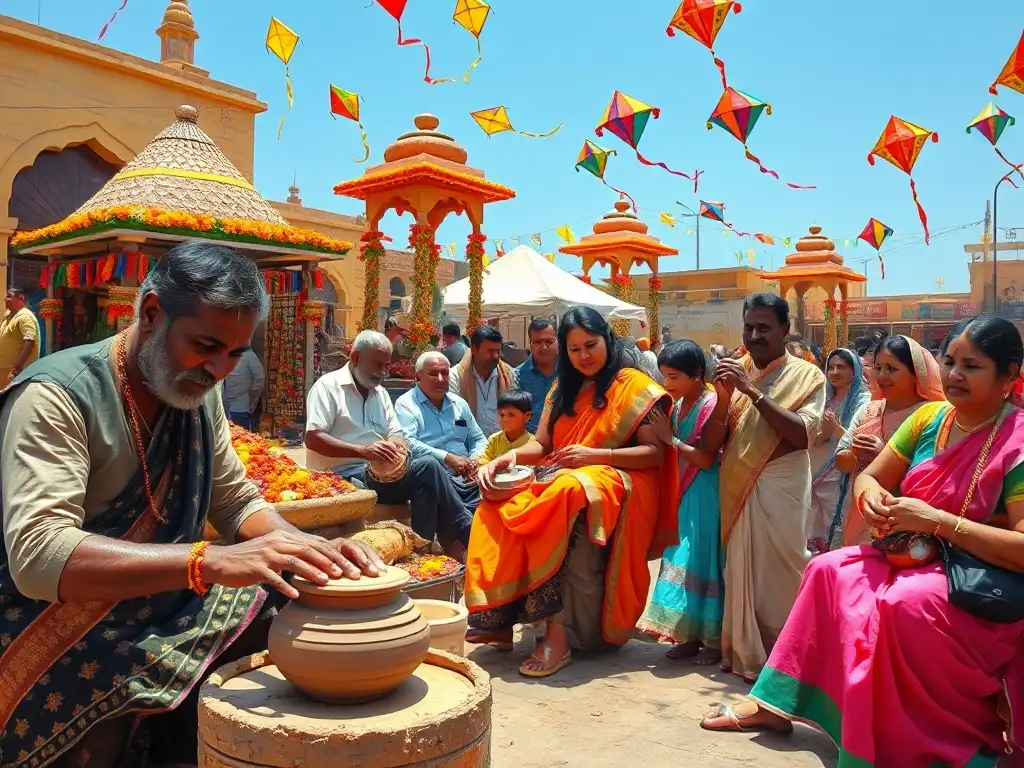
Welcome to Ancient India History, where we embark on an enlightening journey through the vibrant tapestry of ancient Indian civilizations. In our featured article, "The Importance of Festivals in Shaping Occupations in Ancient India," we unravel the fascinating connections between the exuberant festivals that colored daily life and the diverse occupations that thrived alongside them. Discover how these celebrations not only marked the passage of time but also played a pivotal role in shaping the societal fabric of ancient India. Join us as we delve deeper into the rich cultural heritage that continues to inspire and intrigue!
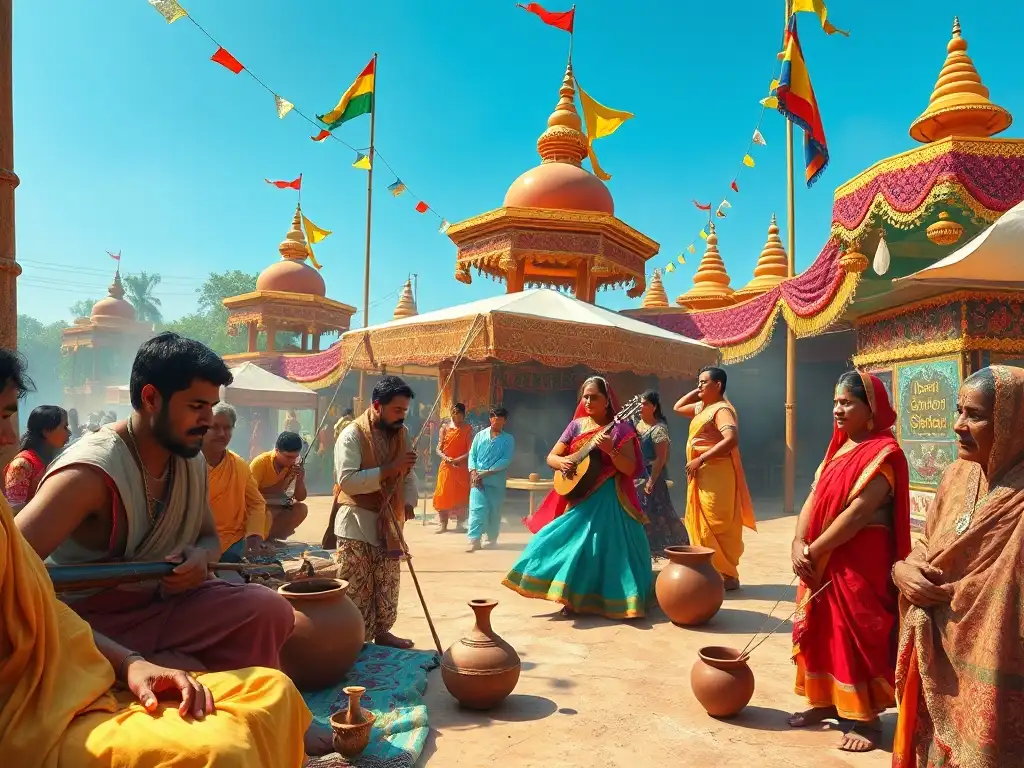
Introduction to Festivals and Occupations in Ancient India
The interplay between festivals and occupations in ancient India offers a fascinating glimpse into how cultural practices shaped social structures and economic activities. Festivals were not merely occasions for celebration; they were deeply intertwined with the daily lives of individuals, influencing various occupations and labor systems across different regions.
Understanding this relationship provides valuable insights into the societal fabric of ancient Indian civilizations, where the rhythm of life was often dictated by the cycles of agrarian seasons, religious observances, and communal gatherings. In this exploration, we will delve into how festivals not only fostered community spirit but also shaped the occupations that thrived in ancient India, from artisans and farmers to merchants and priests.
Overview of Ancient Indian Festivals
Ancient Indian festivals were numerous and varied, reflecting the rich tapestry of traditions and beliefs across the subcontinent. Each festival was steeped in history and often tied to agricultural cycles, religious rituals, or seasonal changes. Some notable festivals included:
- Diwali: Celebrating the victory of light over darkness, this festival involved extensive preparations, including the creation of intricate decorations and the crafting of sweets.
- Holi: Known as the festival of colors, it marked the arrival of spring and was a time for social bonding, where different occupations came together to celebrate.
- Makar Sankranti: This harvest festival signified the beginning of the harvest season and involved various agricultural communities coming together to celebrate their labor.
Role of Festivals in Daily Life and Society
Festivals played a pivotal role in the daily lives of people in ancient India. They provided opportunities for rest and recreation, breaking the monotony of routine labor. These events encouraged social cohesion as individuals from various occupations gathered to participate in communal activities. Moreover, festivals often served as platforms for:
- Trade: Many festivals attracted merchants and traders, offering them a chance to showcase their goods and services.
- Skill Exhibition: Artisans would demonstrate their crafts, which not only highlighted their skills but also created demand for their work.
- Cultural Transmission: Festivals perpetuated cultural values and traditions, passing them down through generations and solidifying the community's identity.
Connection Between Festivals and Occupations
The connection between festivals and occupations in ancient India is profound. Many festivals were closely linked to specific trades or crafts, where the skills of artisans were put on display and celebrated. For instance, the preparation of intricate decorations for festivals like Diwali involved the collaboration of various artisans, including painters, sculptors, and textile workers. Furthermore, the economic activities surrounding festivals often dictated the rhythm of labor throughout the year, with certain occupations experiencing peaks in demand during festive seasons.
Historical Context of Festivals in Ancient India
To fully understand the significance of festivals in shaping occupations, it is essential to explore the historical context in which these celebrations evolved. The timeline of ancient India saw various dynasties rise and fall, each contributing to the cultural landscape and the development of occupational practices.
Major Festivals Celebrated in Ancient India
Throughout history, several major festivals emerged, each resonating with unique historical narratives. Some of the most significant festivals included:
- Navratri: Celebrating the goddess Durga, this festival involved various forms of dance and music, engaging communities in collective festivities.
- Pongal: A harvest festival celebrated mainly in South India, marking the end of the harvest season and honoring agricultural occupations.
- Raksha Bandhan: A celebration emphasizing family bonds, it highlighted the roles of women in maintaining social ties and contributed to various domestic occupations.
Cultural Significance of Festivals in Different Regions
The cultural significance of festivals varied across different regions of ancient India, reflecting local customs and traditions. For instance:
- In North India, festivals like Baisakhi celebrated the harvest and were particularly important for agrarian communities.
- In South India, the Onam festival showcased the agricultural prosperity of the region and involved various traditional occupations, including farming and fishing.
Influence of Religion on Festivals and Occupations
Religion played a central role in determining the nature and timing of festivals, with many festivals rooted in religious beliefs and practices. The alignment of festivals with religious observances often dictated the activities of various occupations, including:
- Priestly roles: Festivals required the participation of priests and religious figures who facilitated rituals and ceremonies.
- Artisan trades: Craftsmen who created religious artifacts and decorations experienced heightened demand during festival seasons, integrating spirituality with their economic livelihoods.
The significance of festivals in ancient India extended far beyond mere celebration; they were integral to shaping occupations and fostering community ties, reflecting the intricate relationship between culture, religion, and labor. Understanding this dynamic can provide a richer perspective on the daily lives of ancient Indians and the societal structures they built.
Festivals as a Catalyst for Occupations
Festivals in ancient India were not merely occasions for celebration; they played a pivotal role in shaping occupations and labor systems. These vibrant events were deeply intertwined with the agricultural calendar, religious practices, and social customs, serving as a catalyst for various professions. The rhythm of festivals often dictated the flow of work and the types of occupations that flourished in different regions. From agricultural laborers to artisans and traders, festivals provided opportunities for individuals to showcase their skills, forge networks, and engage in economic activities.
Moreover, festivals fostered a sense of community, where different occupational groups came together to contribute to collective celebrations, creating a dynamic interplay between social duties and professional roles. As such, the importance of festivals in shaping occupations in ancient India cannot be overstated; they were essential in sustaining and promoting various forms of labor while enriching the cultural fabric of society.
Seasonal Festivals and Agricultural Labor
Seasonal festivals were intrinsically linked to agricultural cycles in ancient India. Major festivals like Harvest Festival (Pongal, Makar Sankranti) and Monsoon Festivals (Baisakhi, Onam) marked critical points in the farming calendar, celebrating the sowing and reaping of crops. These festivals not only provided a break from labor but also reinforced agricultural practices and communal cooperation.
During these times, agricultural laborers would gather to celebrate the fruits of their labor, often engaging in rituals that invoked blessings for future crops. This communal aspect of festivals encouraged collaborative farming practices, where labor was shared, and skills were passed down through generations. As a result, the festive seasons became a time for both celebration and labor, reinforcing the essential role of agriculture in the economy and the corresponding occupations tied to it.
Trade and Commerce During Festival Seasons
Festivals also acted as significant boosters for trade and commerce in ancient India. During festive seasons, markets would flourish, and traders would often travel from distant regions to participate in these vibrant gatherings. Festivals provided a platform for merchants to showcase their goods, ranging from agricultural produce to textiles and crafts.
For instance, during Diwali, the Festival of Lights, there was a notable increase in trade, with merchants selling sweets, decorations, and new clothing. This surge in commerce not only benefited traders but also stimulated local economies, leading to an increase in demand for various occupations linked to production, transportation, and retail. Festivals thus facilitated economic exchanges, fostering both regional and long-distance trade networks that were crucial for the growth of occupations in ancient India.
Crafts and Artisanship: The Role of Festivals in Promoting Skills
Festivals in ancient India served as a vital platform for artisans and craftsmen to display their skills and creativity. Each festival was often marked by unique crafts and arts, which highlighted the cultural heritage of the community. For example, during Durga Puja, artisans would engage in the intricate craft of idol-making, showcasing their expertise and attracting attention to their work.
These opportunities allowed artisans to gain recognition and build reputations, which were essential for their livelihoods. Festivals also facilitated skill-sharing among artisans, where knowledge and techniques could be exchanged, leading to the evolution of crafts. The vibrant marketplace created during festivals enabled artisans to sell their creations, thereby reinforcing the importance of craftsmanship and promoting various occupations tied to artistic expression.
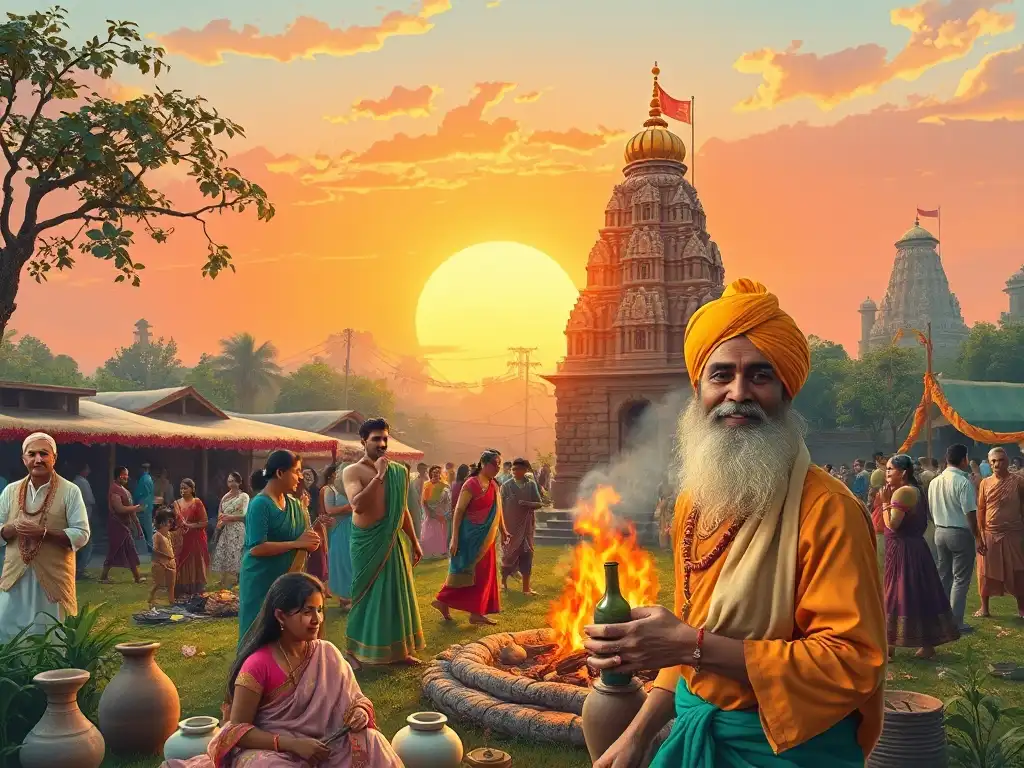
Festivals played a significant role in the social structure of ancient India, influencing occupational roles and community dynamics. They were events where social hierarchies were both reinforced and challenged, reflecting the complexities of the caste system and the interplay between different occupational groups.
Caste System and Occupational Roles in Festivals
The caste system in ancient India dictated occupational roles, with certain festivals highlighting the contributions of different castes. For instance, while Brahmins might perform religious rituals, Kshatriyas would engage in martial displays, and Vaishyas would focus on trade and commerce during these celebrations. Festivals often reinforced these roles, showcasing the interdependence of various occupations within the social fabric.
However, festivals also provided a unique opportunity for interaction across caste lines. During communal celebrations, individuals from different occupational backgrounds would come together, allowing for a blending of traditions and practices. This interaction, while often limited, created spaces for dialogue and cooperation that could transcend rigid caste boundaries, albeit temporarily.
Collective Activities and Community Labor During Celebrations
The communal aspect of festivals encouraged collective activities and labor, fostering a spirit of cooperation among community members. Festivals required significant preparation, from cleaning and decorating spaces to organizing rituals and feasts. This collective effort brought people together, regardless of their occupations, to work towards a common goal.
Such collaboration not only strengthened social bonds but also provided a means for individuals to contribute their skills and labor for the benefit of the community. For instance, artisans, farmers, and traders would collaborate to ensure that a festival was successful, each contributing their unique skills to enhance the overall experience. This collective labor during festivals reinforced the interconnectedness of various occupations and highlighted the social cohesion that festivals fostered.
Festivals as a Means of Social Mobility
Festivals also opened avenues for social mobility in ancient India. They provided a platform for individuals to showcase their talents and skills beyond their traditional roles. For example, a skilled artisan might gain recognition during a festival, leading to new opportunities and patronage from wealthier members of society.
Moreover, the visibility gained through participation in festivals could challenge existing social hierarchies, allowing individuals from lower castes or lesser-known occupations to ascend socially and economically. This potential for upward mobility was significant, as festivals often blurred the lines of social stratification, at least temporarily, fostering a spirit of inclusivity and opportunity. Thus, festivals served not only as celebratory occasions but also as transformative events that could redefine occupational landscapes in ancient India.
Case Studies of Specific Festivals and Their Occupational Impact
Festivals in ancient India were not merely celebrations; they played a crucial role in shaping various occupations and labor systems. By examining specific festivals, we can gain insights into how these events influenced economic activities, community roles, and individual livelihoods within ancient Indian society. Three notable examples include harvest festivals, craftsmanship exhibitions during Diwali, and trade fairs known as melas.
The Role of Harvest Festivals in Agricultural Communities
Harvest festivals, such as Pongal in Tamil Nadu and Makar Sankranti in various regions, were pivotal for agricultural communities. These festivals marked the end of the harvest season and celebrated the bounty of crops. The significance of these festivals extended beyond mere celebration; they were essential for the agricultural economy as they provided an opportunity for farmers to showcase their produce and engage in trade.
During these festivals, local farmers would gather to exchange goods, often leading to the establishment of temporary markets. This not only boosted the local economy but also fostered a sense of community among farmers, laborers, and traders. Moreover, the rituals associated with these festivals often included prayers for a successful harvest in the coming year, reinforcing the connection between spirituality and agricultural productivity.
The impact of harvest festivals extended to various occupations. They encouraged the growth of related trades, such as pottery for storing grains, weaving for traditional clothing, and even the involvement of musicians and entertainers who provided entertainment during the celebrations. Thus, harvest festivals were integral in shaping the labor dynamics within agricultural societies.
Craftsmanship Showcased During Festivals Like Diwali
Diwali, known as the Festival of Lights, is another excellent example of how festivals influenced occupations in ancient India. This festival not only celebrated the victory of light over darkness but also provided a platform for artisans and craftsmen to showcase their skills. The demand for decorative items such as diyas (oil lamps), rangoli designs, and intricate jewelry significantly increased during this time.
Artisans specializing in pottery, metalwork, and textiles benefited from the heightened demand for their products. Workshops often thrived during the festival season, as craftsmen produced items not just for local consumption but also for trade with neighboring regions. The festival served as a catalyst for innovation in craftsmanship, as artisans experimented with new designs and techniques to attract buyers.
Furthermore, the festival also created opportunities for laborers and helpers, who assisted in the production, decoration, and distribution of goods. This collective effort not only enhanced the local economy but also solidified the community's cultural identity through shared artistic expressions.
Trade Fairs and Economic Opportunities During Mela Events
Mela events, such as the Kumbh Mela and fairs associated with various local deities, were significant gatherings that facilitated trade and commerce. These fairs attracted people from different regions, creating a melting pot of cultures, ideas, and economic activities. For traders and merchants, these events were crucial for expanding their markets and reaching a wider audience.
During melas, various occupations flourished, including those of potters, weavers, blacksmiths, and food vendors. The influx of visitors provided a substantial boost to local economies, as people sought to buy not only goods but also food, crafts, and exotic items from distant lands. The economic opportunities presented at these fairs allowed many to transition from subsistence farming to more diversified occupations, enhancing their livelihoods.
Additionally, melas often featured competitions, performances, and other entertainment, which required the involvement of various artists and performers. This aspect of the fairs contributed to a vibrant cultural scene and provided jobs for many individuals, further intertwining festivals with occupational dynamics.
Conclusion
Recap of the Impact of Festivals on Occupations
Festivals in ancient India were deeply intertwined with the fabric of society and had a profound impact on various occupations. From agricultural communities celebrating harvests to artisans showcasing their craftsmanship during Diwali and the bustling trade at melas, festivals created a dynamic environment that fostered economic activity and shaped labor systems. They provided opportunities for trade, innovation, and the growth of diverse occupations, reflecting the multifaceted nature of ancient Indian society.
The Legacy of Festivals in Shaping Labor Systems in Ancient India
The legacy of festivals in shaping labor systems in ancient India is evident in the enduring cultural practices and occupational structures that have persisted through generations. The traditions established during these festivals laid the groundwork for modern economic practices and community interactions. Many occupations that flourished during ancient festivals continue to thrive today, demonstrating the lasting influence of these cultural celebrations on labor systems.
Final Thoughts on the Cultural Significance of Festivals and Occupations
The cultural significance of festivals in ancient India extends far beyond mere celebration; they were instrumental in shaping occupations and labor systems. The interplay between festivals and work reflects the rich tapestry of ancient Indian life, where community, economy, and spirituality were intricately connected. Understanding this relationship not only enriches our knowledge of ancient India but also highlights the importance of preserving these traditions for future generations. Festivals continue to be a vital part of contemporary society, reminding us of our collective heritage and the enduring impact of cultural practices on our daily lives.
- Introduction to Festivals and Occupations in Ancient India
- Historical Context of Festivals in Ancient India
- Festivals as a Catalyst for Occupations
- Social Structure and Festivals
- Case Studies of Specific Festivals and Their Occupational Impact
- Conclusion
- What role did festivals play in ancient Indian society?
- How did occupations relate to festivals in ancient India?
- What types of festivals were celebrated in ancient India?
- How did religion influence occupations during festivals?
- Can you give examples of specific occupations tied to ancient Indian festivals?
Frequently Asked Questions
What role did festivals play in ancient Indian society?
Festivals in ancient India were crucial for community bonding, celebrating seasonal changes, and honoring deities, which in turn influenced various occupations tied to these celebrations.
How did occupations relate to festivals in ancient India?
Many occupations in ancient India were directly linked to festivals, as artisans, farmers, and merchants produced goods and performed services catered specifically to festive events.
What types of festivals were celebrated in ancient India?
Ancient India was home to a variety of festivals, including harvest celebrations, religious ceremonies, and seasonal festivals, each reflecting the region's unique cultural heritage and occupational practices.
How did religion influence occupations during festivals?
Religious beliefs played a significant role in shaping occupations, as many trades and crafts were dedicated to religious practices, particularly during festivals that honored specific deities.
Can you give examples of specific occupations tied to ancient Indian festivals?
Examples include potters making earthenware for Diwali, florists crafting garlands for Hindu ceremonies, and cooks preparing special dishes for various festivals, showcasing the interconnection between culture and work.
Final Reflection: The Enduring Legacy of Festivals in Shaping Occupations in Ancient India
The intricate relationship between festivals and occupations in ancient India continues to resonate in our modern society. Festivals were not merely occasions for celebration; they were pivotal in defining social roles, economic activities, and community cohesion. Today, as we navigate a world increasingly disconnected from its roots, the lessons learned from these ancient practices remind us of the profound impact cultural traditions can have on our identities and livelihoods.
Cultural festivals have always served as a mirror reflecting the values and occupations of a society. The vibrant tapestry of ancient Indian festivals illustrates how these events were intertwined with agricultural cycles, trade, and craftsmanship, fostering a sense of belonging and purpose. As Mahatma Gandhi once said, "> A nation's greatness is measured by how it treats its weakest members." This sentiment underscores the importance of recognizing and honoring the diverse roles that individuals played in their communities, roles that were often celebrated during these festivals.
As we look to the future, let us take a moment to reflect on how we can incorporate the spirit of these ancient festivals into our contemporary lives. Consider how you can celebrate your own cultural heritage and the occupations that define your community.
Whether through participating in local events, supporting artisans, or simply sharing stories of your traditions, you have the power to keep the legacy of these festivals alive. Embrace the opportunity to connect with your roots and inspire others to do the same, ensuring that the rich tapestry of our cultural history continues to thrive for generations to come.
Embrace the Legacy: Celebrate Festival Impact Today!
Thank you for taking the time to delve into the fascinating role of festivals in shaping professions in ancient India! You've unraveled the deep connections between culture and occupation, gaining valuable insights into how these traditions forged community identity and livelihoods.
Now, it’s time to bring that knowledge to life! Here’s how you can take action and celebrate our rich heritage:
- Dive deeper into the festivals of your region by attending local celebrations—experience the culture firsthand.
- Share your favorite festival stories with friends and family on social media to spark conversations about their significance.
- Volunteer with local organizations that promote cultural activities, helping to keep these traditions alive for future generations.
What aspects of festival culture do you find most intriguing or relevant to today's roles in society? Share your thoughts below!