
The Influence of Geography on Family and Marital Structures

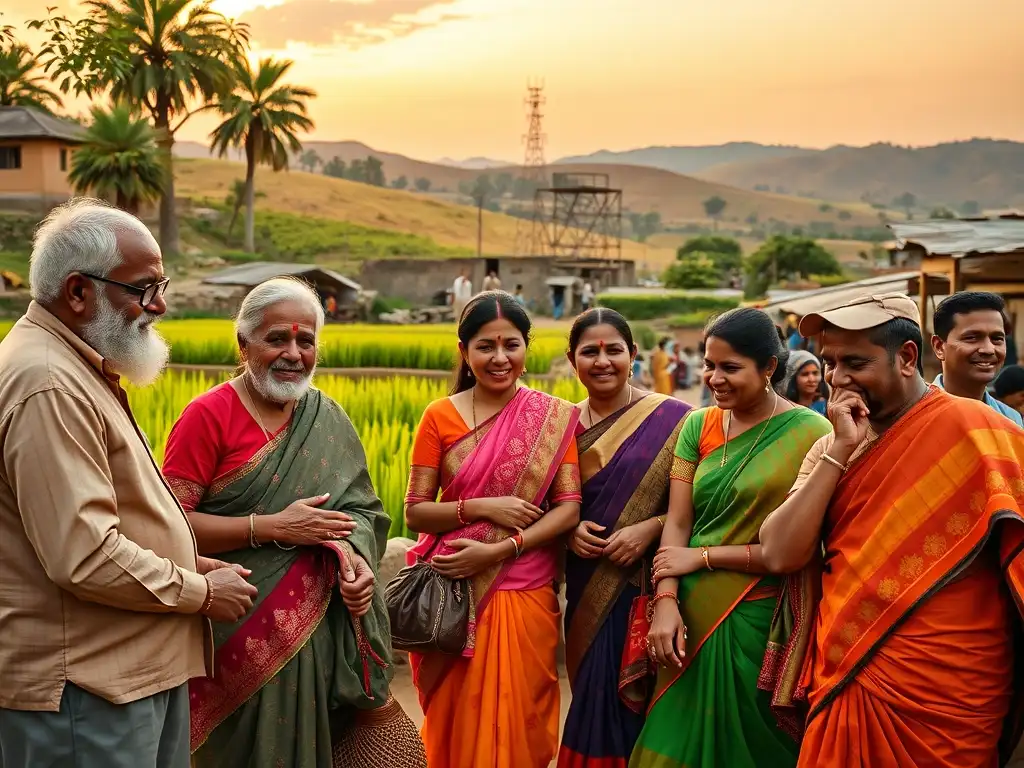
Welcome to Ancient India History, where we embark on a journey through the rich tapestry of India's past. Delve into how geography's impact on Indian families shaped the diverse family and marital structures that have evolved over centuries. From the bustling trade routes of the Indus Valley to the serene landscapes that nurtured the Gupta Empire, explore how the land itself influenced daily life and societal norms.
Get ready to uncover fascinating insights that will ignite your curiosity and deepen your understanding of this incredible civilization. Join us as we unravel the complex interplay between geography and family dynamics in ancient India!

Introduction to Geography's Impact on Indian Families
Geography plays a pivotal role in shaping the social structures, traditions, and family dynamics within any civilization. In the context of ancient India, the diverse landscapes—ranging from the towering Himalayas to the vast deserts of Rajasthan—had profound effects on family and marital structures. Understanding the intricate relationship between geography and family systems in ancient Indian society helps illuminate how various environmental factors influenced social norms, roles, and relationships. This article delves into the complexities of geography's impact on Indian families, highlighting regional variations and their implications on family structures throughout history.
Overview of Geography in Ancient India
Ancient India was characterized by a stunning variety of geographical features, including:
- Mountain ranges (Himalayas)
- River systems (Ganges, Indus, Brahmaputra)
- Plateaus (Deccan Plateau)
- Deserts (Thar Desert)
- Coastal regions (Western and Eastern Ghats)
These geographical elements not only determined settlement patterns but also influenced agricultural practices, trade routes, and social interactions. For instance, communities settled along riverbanks often developed agrarian lifestyles, which in turn fostered specific family structures anchored in agriculture and trade.
Importance of Understanding Family Structures
The exploration of family structures in ancient India is essential for several reasons:
- Cultural Insight: Family units were the bedrock of social organization, reflecting cultural practices, beliefs, and values.
- Historical Context: Understanding these structures offers a clearer view of how societal norms evolved over time, influenced by geographical changes and challenges.
- Societal Impacts: The dynamics within families often dictated broader societal trends, including marriage practices, inheritance laws, and gender roles.
Regional Variations in Family Systems
The impact of geography on family structures is not uniform across India; rather, it varies significantly by region. Each area developed unique family dynamics shaped by its specific geographical context.
North India: Cultural and Geographic Influences
In North India, the fertile plains of the Ganges and Yamuna rivers facilitated agrarian lifestyles. Here, families often practiced joint family systems, which allowed for shared resources and responsibilities. The cultural influences of Hinduism and Islam further shaped marital practices, with customs such as arranged marriages being prevalent. Geographic factors such as climate and agricultural productivity influenced the size and structure of families, as larger families could help manage extensive farming operations.
South India: Diverse Landscapes and Family Dynamics
The diverse terrains of South India, which include coastal areas, hills, and plateaus, have resulted in varied family structures. In coastal regions, fishing communities often exhibit matrilineal practices, where lineage and inheritance pass through the female line. In contrast, agricultural families in the interior regions typically adopt patrilineal systems. The rich cultural tapestry, influenced by Dravidian traditions and historical trade interactions, has also led to a vibrant array of family customs and marriage rituals.
Eastern India: The Role of Rivers and Agriculture
Eastern India, characterized by its extensive river systems, has long been an agricultural hub. Families in this region often rely on the rivers for irrigation, which necessitates cooperative family labor. The significance of agriculture has led to the prominence of larger family units that can work collectively. Additionally, cultural practices in marriage often emphasize the importance of land and agricultural wealth, affecting the choices made in family alliances.
Western India: Deserts and Trade Routes Impacting Families
In Western India, the arid landscapes of Rajasthan and the bustling trade routes of Gujarat have influenced family structures significantly. The scarcity of resources in desert regions often leads to smaller, nuclear families that focus on trade and mobility. In contrast, areas along trade routes tend to exhibit more diverse family practices, influenced by a fusion of cultures due to trade interactions. The region's unique environmental challenges have fostered resilience in family units, adapting to both economic and social changes over time.
This exploration of geography's impact on Indian families reveals the intricate connections between the environment and social structures, showcasing the rich tapestry of ancient Indian life.
Geographic Factors Affecting Marital Practices
Geography plays a pivotal role in shaping the family and marital structures within ancient Indian societies. The intricate relationship between geographical features and social customs has influenced everything from marriage practices to family dynamics. Understanding these geographic factors provides insight into how communities adapted their marital customs to their environments, ultimately reflecting their cultural values and economic necessities.
Climate and Its Influence on Marriage Customs
Climate significantly affects the timing and nature of marriage customs. In regions with harsh climates, such as the arid deserts of Rajasthan or the cold mountain areas of Himachal Pradesh, marriages are often timed to coincide with favorable weather. For example, the monsoon season, which ensures better agricultural yields, often sees an increase in weddings, as families believe this auspicious time will bless the union with prosperity.
Additionally, climate influences the types of ceremonies and rituals performed. In tropical regions, where agricultural abundance is common, elaborate celebrations with vibrant festivities reflect the community's fortunes. Conversely, in more austere climates, marriage customs may be simpler and more practical, emphasizing survival and community support. Thus, climate not only shapes the physical environment but also the cultural fabric of marital practices.
Topography and Settlement Patterns in Marital Choices
The topography of a region—whether mountainous, flat, or coastal—affects settlement patterns, which in turn influences marital choices. In hilly areas, where villages are often isolated, kinship ties become crucial for survival, leading to practices such as cousin marriages which help maintain familial alliances. Such practices are often rooted in the need for social cohesion in challenging terrains.
In contrast, flat and fertile regions, like the Gangetic plains, promote larger settlements and diverse communities. Here, cross-cousin marriages or alliances with families from different backgrounds may occur, reflecting a more fluid social structure. This geographical diversity not only shapes marriage patterns but also facilitates the exchange of cultural practices, enhancing social networks across regions.
Economic Resources and Their Role in Family Structures
Economic resources are deeply intertwined with geography and directly impact family structures and marital practices. Regions rich in agricultural resources, such as the Indo-Gangetic plains, often encourage families to invest heavily in dowries, as wealth accumulation influences marriage negotiations. Families may seek alliances with those who possess land or livestock, making economic stability a central theme in marital arrangements.
Conversely, in resource-scarce areas, such as the rocky terrains of the Deccan plateau, families may prioritize marriage alliances that foster resource pooling, leading to practices such as bride price or joint family systems. In these contexts, family structures may evolve to support collective living arrangements, reflecting the economic realities of their environments. Thus, geography and economic resources together shape the social landscape of family and marital practices.
The Impact of Geography on Kinship Systems
Geography not only influences marital practices but also profoundly affects kinship systems in ancient India. The kinship structure determines family roles, inheritance, and social organization, which are critical aspects of daily life and societal functioning.
Matrilineal vs. Patrilineal Societies in Different Regions
In examining kinship systems, the prevalence of matrilineal versus patrilineal societies varies significantly across geographic regions. For example, in the northeastern states of India, such as Meghalaya, matrilineal descent is common, where lineage and inheritance are traced through the female line. This practice is often influenced by the region’s agrarian economy, where women play a crucial role in agricultural production and community management.
In contrast, the majority of northern and western India exhibits patrilineal systems, where lineage and property are passed through the male line. This distinction can often be traced back to the region's socio-economic structures, where male dominance in agriculture and trade has traditionally shaped family dynamics. Understanding these geographic influences reveals the complexities of kinship systems and their adaptability to local conditions.
The Role of Geography in Defining Extended Family Structures
Geography also defines the nature of extended family structures within different communities. In regions characterized by limited resources and harsh environmental conditions, such as the arid deserts or the high mountains, extended family systems become critical for survival. Families often live in close-knit arrangements to pool resources and support one another, leading to stronger familial ties and cooperative living.
Conversely, in urbanized and economically prosperous areas, such as metropolitan centers, traditional extended family structures may diminish as individuals seek independence. However, geographic proximity often leads to informal networks where extended families still play a supportive role in various life events, including marriages and childbirth. This dynamic illustrates how geography continuously shapes family structures, adapting to both historical contexts and modern influences.
The interplay between geography and family structures in ancient India is complex and multifaceted, revealing how environmental factors profoundly impact cultural and social practices related to marriage and kinship.
Case Studies of Geography’s Influence on Family Dynamics
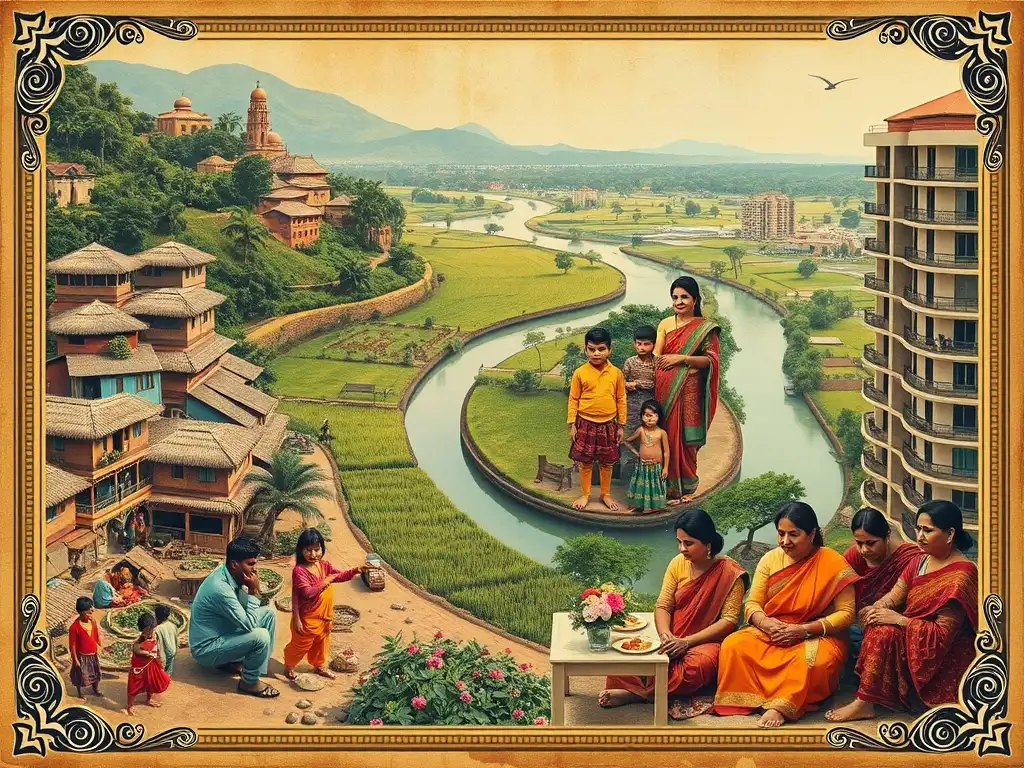
Geography has played a pivotal role in shaping family dynamics throughout ancient Indian history. By examining specific civilizations and their unique geographical contexts, we can better understand how these factors influenced family structures, roles, and relationships. The following case studies illustrate the diverse ways geography impacted family life in ancient India.
The Indus Valley Civilization: Urban Planning and Family Life
The Indus Valley Civilization (c. 3300–1300 BCE) is renowned for its sophisticated urban planning, characterized by well-laid streets and advanced drainage systems. This urban environment significantly influenced family life. Houses were often constructed in close proximity, promoting communal living and inter-family relationships.
- Household Structure: Families typically consisted of extended members, including parents, children, grandparents, and sometimes aunts and uncles. This structure was conducive to shared responsibilities and resources.
- Economic Collaboration: The urban setting facilitated trade and craft specialization, allowing families to engage in various economic activities together. For instance, artisanship in pottery or textiles often became a family endeavor, strengthening bonds and fostering cooperation.
- Social Organization: The centralized cities likely fostered a sense of community, where families participated in public activities and rituals, further interweaving their social fabric.
Overall, the urban planning of the Indus Valley fostered a supportive environment for extended families, promoting social cohesion and economic collaboration.
The Gupta Empire: Cultural Flourishing and Family Structures
During the Gupta Empire (c. 320–550 CE), India experienced a cultural renaissance that deeply influenced family structures. The flourishing of arts, literature, and philosophy during this period reflected in family dynamics and societal roles.
- Patriarchal Systems: While families during the Gupta period were predominantly patriarchal, with men as the primary decision-makers, women began to gain more visibility in cultural and social spheres.
- Marriage Practices: The Gupta era saw the rise of arranged marriages, which were often influenced by social status and economic considerations. The importance of marital alliances led families to prioritize strategic connections, thus altering familial relationships.
- Education and Empowerment: The emphasis on education during this period allowed some women, especially from affluent families, to receive formal education, which began to alter traditional roles and expectations within the family.
The cultural evolution during the Gupta Empire demonstrated how geography, combined with socio-political changes, could reshape family structures and dynamics.
Rural vs. Urban Settings: A Comparative Analysis of Family Practices
The distinction between rural and urban settings in ancient India offers a fascinating lens through which to examine family practices. Each environment fostered unique family dynamics influenced by geographic and socio-economic factors.
- Urban Families: In cities, families were often smaller, with a focus on nuclear units. This change was driven by the demands of urban life, where mobility and economic independence became more critical.
- Rural Families: Contrastingly, rural families tended to be larger and more extended, relying on agriculture and communal labor. Family members often worked together on farms, emphasizing cooperation and shared responsibilities.
- Cultural Practices: Urban families typically adopted more diverse cultural practices due to exposure to various influences, while rural families maintained traditional customs and practices that had been passed down through generations.
This comparative analysis highlights how geography influenced not only family size and structure but also the cultural practices and values associated with family life in different settings.
Conclusion: The Lasting Effects of Geography on Modern Indian Families
The historical interplay between geography and family structures in ancient India has created a lasting impact on contemporary Indian families. Modern family dynamics can still be traced back to geographical influences that shaped societal norms, roles, and relationships.
Reflection on Historical Trends and Contemporary Relevance
The evolution of family structures from ancient times to the present reflects a continuum influenced by geographical settings. For instance, the preference for joint families in rural areas persists, while urban settings often observe nuclear families. Understanding these historical trends offers insights into current social challenges, such as the balancing of traditional values with modern aspirations.
- Cultural Continuity: Many family practices, such as arranged marriages and the importance of family honor, continue to resonate in modern society, underscoring the relevance of geographical influences.
- Social Mobility: Urbanization and migration have introduced new dynamics, with families adapting to changing economic realities while maintaining connections to their cultural roots.
Future Research Directions on Geography and Family Dynamics
As we continue to explore the intricate relationship between geography and family dynamics, future research could further illuminate the subject by examining:
- Regional Variations: Detailed studies on how different geographical regions within India influence family structures and practices today.
- Impact of Urbanization: Investigating how rapid urbanization is reshaping family roles, responsibilities, and structures in contemporary Indian society.
- Comparative Studies: Analyzing family dynamics in relation to geographical influences in other cultures and societies to draw parallels and contrasts.
Such research endeavors hold the potential to enhance our understanding of the complex interplay between geography and family, informing both academic discourse and practical applications in social policy and community development.
References
[Insert relevant academic sources and texts]
-
Thapar, Romila. A History of India: Volume 1. Penguin Books, 2002.
This foundational text provides an overview of ancient Indian history, including insights into how geographical factors influenced social structures, including family and marriage practices.
-
Basham, A.L. The Wonder That Was India. Picador, 2004.
Basham's work explores the cultural and social frameworks of ancient India, discussing the interplay between geography and the formation of familial ties and marital norms.
-
Lal, B.B. The Earliest Civilization of South Asia: Rise, Progress, and Fall. Aryan Books International, 1997.
This book examines the Indus Valley Civilization's geographical context, offering insights into how its unique environment shaped family structures and social organization.
-
Ghosh, A. The Archaeology of Early Historic South Asia: The Emergence of Cities and States. Cambridge University Press, 2006.
Ghosh investigates the rise of urban centers in ancient India and how geographical features influenced societal changes, including family dynamics and marriage practices.
-
Srinivasan, D. Indian Society: A Historical Perspective. Oxford University Press, 2010.
This text delves into the historical development of Indian society, focusing on the geographical determinants of family systems and marital arrangements across different regions.
-
Desai, Neera. Family and Kinship in India. New Delhi: Popular Prakashan, 1986.
Desai's work provides a sociological perspective on family structures in India, emphasizing how geography impacts kinship patterns and marriage customs.
-
Rao, S. R. The Social History of Ancient India. New Delhi: S. Chand, 1999.
This book offers a comprehensive analysis of the social fabric of ancient India, discussing the role of geography in shaping family and marital relationships.
-
Mukhia, Harbans. The Historical Roots of Indian Society. Orient Longman, 2002.
Mukhia explores the historical development of Indian society, with a focus on how geographical contexts influenced family structures and social practices.
These sources provide a well-rounded foundation for understanding the complexities of how geography has impacted family and marital structures in ancient India, facilitating a deeper exploration of the subject.
- Introduction to Geography's Impact on Indian Families
- Regional Variations in Family Systems
- Geographic Factors Affecting Marital Practices
- The Impact of Geography on Kinship Systems
- Case Studies of Geography’s Influence on Family Dynamics
- Conclusion: The Lasting Effects of Geography on Modern Indian Families
- References
- What is the main focus of the article "The Influence of Geography on Family and Marital Structures"?
- How did the Indus Valley civilization influence family structures?
- In what ways did geography affect marriage practices in ancient India?
- How did the Gupta Empire's geography shape family life?
- What is the significance of studying geography's impact on Indian families?
Frequently Asked Questions
What is the main focus of the article "The Influence of Geography on Family and Marital Structures"?
The article examines how geographical factors have shaped family dynamics and marital structures in ancient India, highlighting the diversity across different regions.
How did the Indus Valley civilization influence family structures?
The Indus Valley civilization showcased advanced urban planning and societal organization, which likely contributed to nuclear family systems, emphasizing independence and individual roles within families.
In what ways did geography affect marriage practices in ancient India?
Geography influenced marriage practices by determining social norms, caste systems, and the availability of resources, leading to variations in arranged marriages and inter-caste unions.
How did the Gupta Empire's geography shape family life?
During the Gupta Empire, the geography facilitated trade and cultural exchange, fostering diverse family practices and contributing to the strengthening of kinship ties across different communities.
What is the significance of studying geography's impact on Indian families?
Understanding geography's impact on Indian families provides insights into the historical development of social structures, revealing how environmental factors shaped cultural values and family organization.
Final Reflection: The Enduring Impact of Geography on Indian Families
Geography's impact on Indian families is not merely an academic concept; it is a living reality that shapes the very fabric of our social structures today. As we navigate through an increasingly globalized world, the geographical nuances that define family and marital structures remain crucial to understanding the dynamics of Indian society. The interplay between location, culture, and familial roles continues to influence how families function, adapt, and thrive in the face of modern challenges.
The influence of geography on family structures is profound and ongoing, reflecting the diverse tapestry of Indian society. The regional variations in customs, traditions, and social norms underscore the importance of geographical context in shaping familial relationships. As we witness urbanization and migration, these shifts challenge traditional norms while also creating new opportunities for connection and understanding. Geography is not just a backdrop; it is a vital force that shapes our identities and relationships.
This quote encapsulates the essence of how geography molds our familial ties and highlights the need for a deeper appreciation of its role in our lives.
As we reflect on the insights shared in this article, I invite you to consider how geography has influenced your own family dynamics. Think about the traditions that have been passed down through generations and how they may differ based on your geographical background. Let this understanding inspire you to engage with your community, celebrate your unique heritage, and foster connections that transcend geographical boundaries. Together, we can honor the rich diversity of Indian families and recognize the profound impact that geography continues to have on our lives.
Uncover the Impact of Geography on Family Dynamics!
Thank you for exploring the fascinating relationship between geography and family structures with us! You’ve gained valuable insights into how the environment shapes marital roles and the organization of families throughout history. Now, it's time to turn that insight into action!
Consider taking these steps to deepen your understanding and share this vital knowledge:
- Reflect on your own family dynamics: Analyze how your surroundings might have influenced your family's structure or traditions.
- Share this article with friends or on social media to spark discussions about the evolving nature of families in various regions.
- Explore further: Investigate family structures in different cultures and discover how geography plays a role in their unique practices and customs.
What geographical factors do you think have the most significant impact on families in your community today? We invite you to share your thoughts below!