
The Role of Women in Family Dynamics of Ancient Indian Cultures

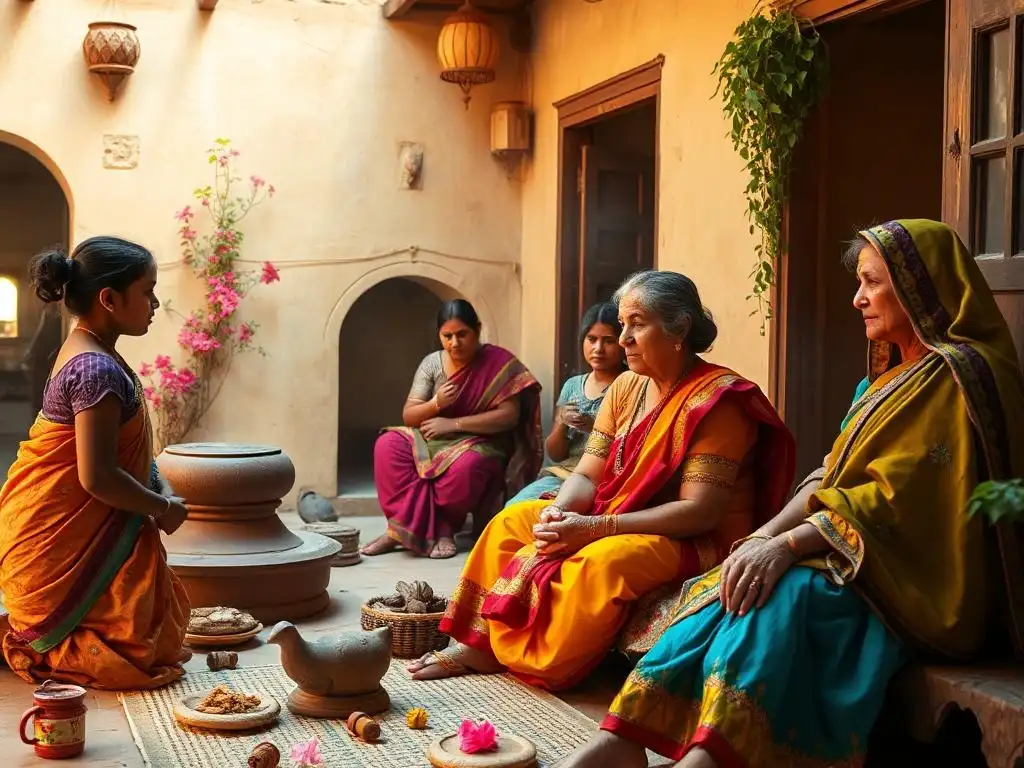
Welcome to Ancient India History, where we embark on a journey through the rich tapestry of ancient Indian civilizations. Today, we delve into a captivating aspect of daily life and society: the role of women in ancient Indian families. Discover how these remarkable women influenced family dynamics, shaped cultural practices, and left an indelible mark on history. Prepare to be intrigued as we unfold stories that reveal their strength, resilience, and pivotal contributions to their societies. Join us as we explore the intricate relationships and societal structures that defined the lives of women in ancient India!
Introduction to Women in Ancient Indian Families
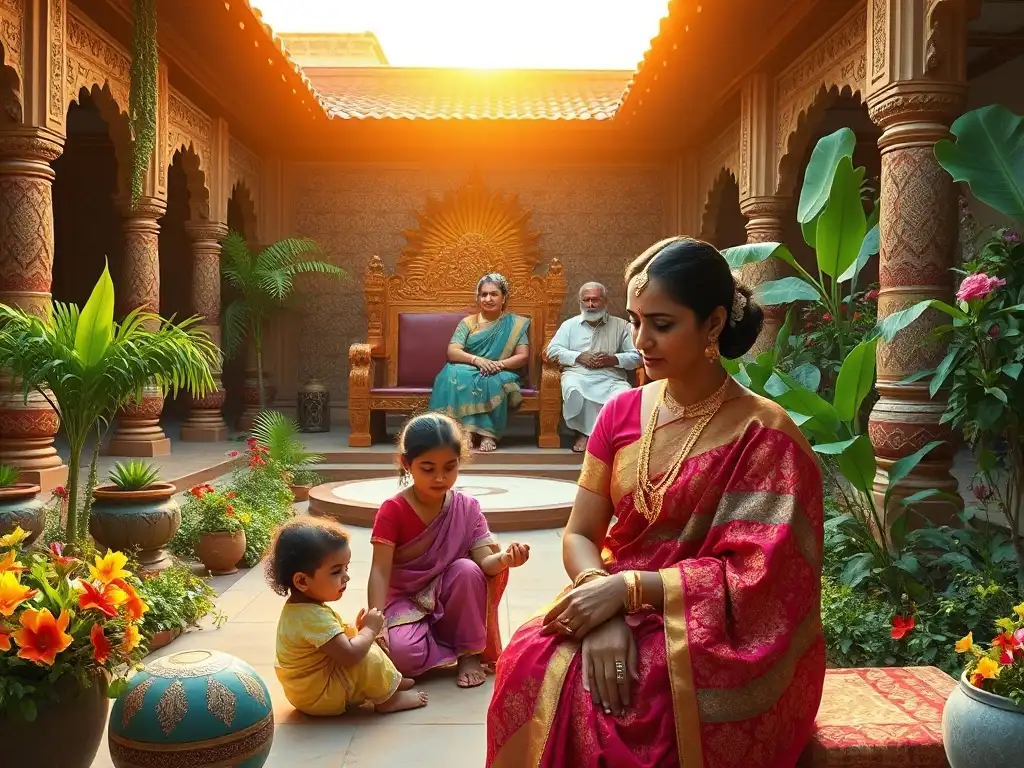
The role of women in ancient Indian families is a rich tapestry woven with cultural, social, and spiritual threads that defined their status and responsibilities across various epochs. From the thriving cities of the Indus Valley Civilization to the intellectual heights of the Gupta Empire, women played pivotal roles in shaping family dynamics and, by extension, society itself.
Understanding these roles provides insight into the intricate family structures that existed in ancient India and highlights the contributions of women in various spheres of life. As we explore the keyword "Women in ancient Indian families," it becomes evident that their influence extended far beyond domestic boundaries, impacting societal norms, cultural practices, and even legal frameworks.
Overview of Family Dynamics in Ancient India
Family in ancient India was often structured around a patriarchal model, where lineage and inheritance were primarily patrilineal. However, this does not diminish the significant roles women played within these families.
- Nuclear and Joint Families: Families could be nuclear, comprising parents and children, or joint, including extended relatives. Women were central to maintaining familial bonds and nurturing relationships.
- Roles and Responsibilities: Women were responsible for managing household affairs, including cooking, weaving, and child-rearing, while also actively participating in religious and cultural rituals.
- Education and Knowledge: In certain periods, women had access to education and were well-versed in arts and sciences, contributing to the intellectual heritage of their families and communities.
Despite the patriarchal framework, women often held considerable influence within their households, acting as advisors and decision-makers in familial matters.
Importance of Women in Societal Structure
Women in ancient Indian families were not merely passive participants; they were essential to the societal framework. Their roles can be dissected into several key components:
- Economic Contributors: Women were involved in agricultural activities, handicrafts, and trade, contributing significantly to the household economy.
- Cultural Custodians: They played a vital role in preserving and transmitting cultural values, traditions, and religious practices to future generations.
- Social Mediators: Women often acted as mediators in conflicts within and between families, utilizing their unique position to maintain harmony in social relationships.
The multifaceted roles of women underscore their importance in both family and societal structures, challenging the notion of a solely submissive role.
Historical Context of Women in Ancient Indian Families
To fully appreciate the role of women in ancient Indian families, it is crucial to examine specific historical contexts that shaped their experiences and contributions.
Women in the Indus Valley Civilization
In the Indus Valley Civilization (circa 2500-1900 BCE), archaeological evidence suggests that women enjoyed a relatively high status. They participated in various economic activities, including textile production and pottery. The discovery of female figurines indicates the reverence for feminine qualities, suggesting women held both domestic and potentially spiritual significance in society.
The Role of Women during the Vedic Period
The Vedic period (circa 1500-500 BCE) marked a transition in the perception of women's roles. While the early texts acknowledged women's contributions, later texts began to impose more restrictions. Women were educated and participated in religious rituals, but the emergence of the patriarchal structure began to define their roles more rigidly, particularly in marriage and family life.
Influence of Ancient Texts on Women’s Roles
Ancient Indian texts, including the Vedas, Manusmriti, and various epics, profoundly influenced women's roles in families. These texts often provided guidelines on conduct, duties, and the ideal characteristics of women, reflecting the societal values of their time. While some texts promoted the idea of women's education and agency, others enforced traditional roles, showcasing the complexities and contradictions in the portrayal of women in ancient Indian society.
The exploration of women in ancient Indian families reveals a nuanced understanding of their roles and contributions within the broader context of family dynamics. Their influence was felt in various aspects of life, from economic participation to cultural preservation, highlighting their indispensable position in ancient Indian civilizations.
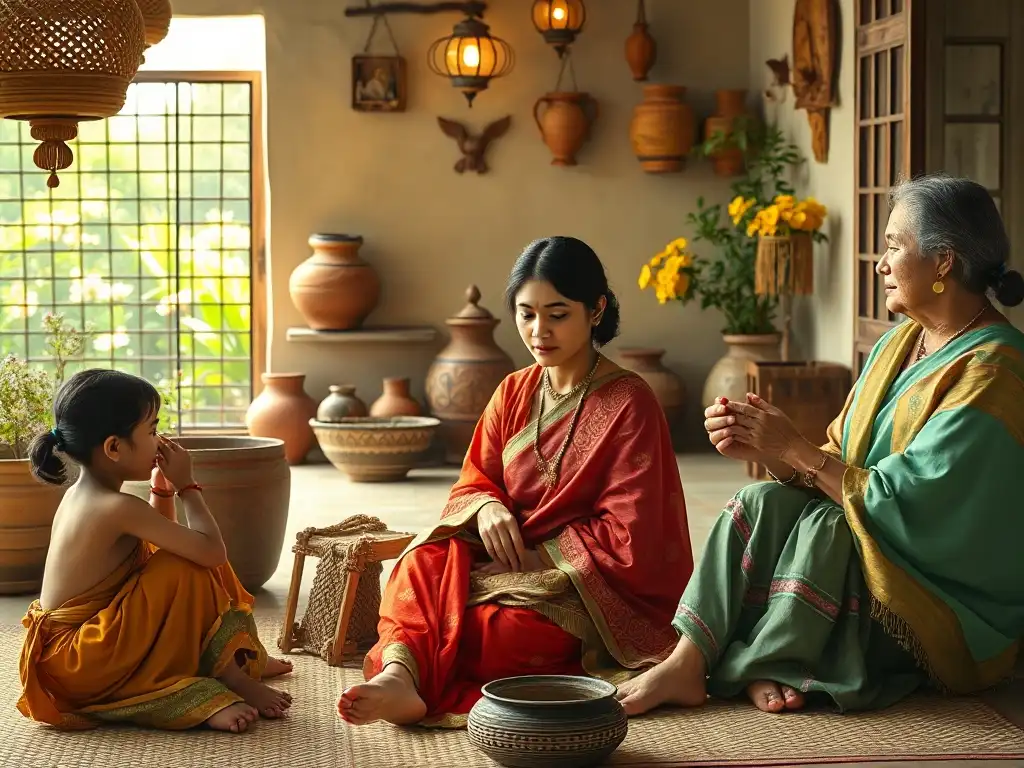
In ancient Indian families, the social status of women was multifaceted, largely influenced by various factors such as class, region, and the prevailing historical period. Generally, women's roles were primarily centered around the home, where they were expected to fulfill domestic duties and uphold family honor. However, their status fluctuated significantly over time.
Women’s Rights and Privileges in Different Eras
The rights and privileges of women in ancient India varied across different eras, reflecting the socio-political landscape of the time. During the Vedic period (1500-500 BCE), women enjoyed relative freedom, including the right to education and participation in religious rituals. Texts from this era depict women as scholars and philosophers, with some even composing hymns.
However, as society transitioned into the later Vedic period and into the era of the Maurya and Gupta empires, women's rights became more restricted. The introduction of practices such as purdah (veiling) and sati (the practice of a widow self-immolating on her husband’s funeral pyre) highlighted the diminishing status of women. Despite these restrictions, women still held significant roles in familial and social contexts, particularly in rural areas, where they maintained a degree of autonomy.
Comparison of Urban vs. Rural Women’s Roles
The roles of women in urban and rural settings during ancient India were markedly different. Urban women often had defined roles within their households, typically focused on managing domestic affairs and supporting their husbands in business. They were more likely to participate in the arts and culture, attending public events and engaging in social gatherings.
In contrast, rural women were integral to agricultural practices and family economies. While they also undertook domestic duties, their labor in fields was crucial for sustaining their families. Women in rural areas often experienced more freedom in decision-making, as they were vital contributors to their households’ economic stability. This contrast highlights how geographical and social contexts shaped the experiences and roles of women in ancient Indian families.
Impact of Religion on Women’s Status
Religion played a pivotal role in shaping the status of women in ancient Indian families. Hinduism, in particular, emphasized the ideals of patriarchy and dharma (duty), which often relegated women to subordinate roles within the family structure. Religious texts, such as the Manusmriti, prescribed strict codes of conduct for women, emphasizing loyalty and obedience to their husbands.
However, other religious influences, including Buddhism and Jainism, offered different perspectives on women's roles. These religions promoted the idea of female equality and encouraged women's participation in spiritual practices. This divergence illustrates that while religion could impose restrictions, it also provided alternative avenues for women's empowerment and social mobility.
Women's Responsibilities within the Family
Women in ancient Indian families were tasked with a variety of responsibilities that extended beyond mere domestic duties. Their roles were crucial to the functioning and stability of their households, showcasing their importance within the family unit.
Domestic Duties and Child-Rearing
Domestic duties were central to women’s responsibilities in ancient Indian households. Women were primarily responsible for managing the home, which included cooking, cleaning, and maintaining the overall well-being of the family. The art of cooking, in particular, was highly valued, with women often passing down culinary traditions through generations.
Child-rearing was another significant aspect of a woman's role. Mothers were seen as the primary caregivers, responsible for instilling moral values and cultural practices in their children. The education of children, especially boys, was often a shared responsibility, with women playing a key role in their early development and socialization.
Economic Contributions of Women in Ancient Households
While often overlooked, women made substantial economic contributions to ancient Indian households. In rural areas, women participated in agricultural activities, helping to sow, harvest, and manage livestock. Their labor was essential to the family’s economic sustenance, and they often played a pivotal role in local markets, trading goods produced at home.
In urban households, women contributed to the economy through crafts, textiles, and trade. Many women engaged in weaving, pottery, and other artisanal practices, supporting their families financially. Their involvement in economic activities not only supplemented household income but also showcased their skills and ingenuity.
Role of Women in Rituals and Cultural Practices
Women held a significant role in the religious and cultural practices of ancient Indian families. They were often central figures in rituals, ceremonies, and festivals, responsible for performing rites that were essential to family traditions. Their participation in these cultural practices reinforced their status as custodians of family heritage and values.
In many cases, women acted as mediators between the family and the divine, invoking blessings and protection through their rituals. This not only highlighted their importance in maintaining spiritual well-being but also allowed them to exert influence within the family and community. Through these practices, women in ancient Indian families contributed to the continuity of cultural traditions and community identity.
Marriage Practices Involving Women in Ancient Indian Families
The institution of marriage in ancient Indian families was a complex and multifaceted aspect of society, profoundly influencing family dynamics. Women played a critical role in marriage practices, which were often steeped in cultural traditions and societal expectations. The arrangements for marriages were typically conducted by families, reflecting the importance of alliances and social status.
Marriage Customs and Traditions
Marriage customs in ancient India varied significantly across regions, communities, and religious beliefs. However, certain practices were widely observed:
- Arranged Marriages: Families often arranged marriages based on social standing, caste, and economic stability. The bride's family would typically seek a suitable groom, often considering his family background, profession, and character.
- Ceremonial Rituals: Wedding ceremonies included various rituals such as the 'saat phere' (seven circumambulations around the sacred fire) and 'kanyadaan' (giving away the bride). These rituals symbolized the sacred bond between the couple and the responsibilities vested in them by their families.
- Post-Marriage Customs: After marriage, a woman was expected to move to her husband's household, reinforcing the notion of patrilocality. Her role often revolved around managing the household, caring for children, and supporting her husband's family.
These customs not only emphasized the importance of women in perpetuating family lineage but also highlighted their expected roles within the family structure.
Influence of Dowry and Bride Price on Family Dynamics
Dowry and bride price were significant factors influencing family dynamics and the status of women in ancient Indian societies:
- Dowry System: In many communities, the practice of dowry involved the bride's family providing gifts, money, or property to the groom's family. While this was often seen as a way to secure a good match, it could also lead to financial strain on the bride's family and create expectations that placed women in subordinate positions.
- Bride Price: Conversely, in some cultures, the groom's family would pay a bride price to the bride's family. This practice was seen as a means to compensate for the loss of labor and support the bride offered to her new family.
Both practices reflected the economic transactions surrounding marriage and often dictated the status and agency of women within their families. They could either elevate a woman’s status through a substantial dowry or undermine it if dowry-related disputes arose.
Women's Agency in Marriage Choices
Despite the prevailing customs of arranged marriages, women in ancient Indian families exhibited varying degrees of agency in their marriage choices:
- Personal Preferences: In certain communities, women had the opportunity to express their preferences regarding potential grooms, especially if they belonged to higher social classes where education and autonomy were more accessible.
- Cultural Narratives: Literature and historical texts often depicted women making choices in their marriages, reflecting their desires and aspirations. Figures like Sita from the Ramayana and Draupadi from the Mahabharata showcased women's voices and choices, suggesting that their agency was recognized in some narratives.
- Rebellions Against Tradition: There are historical accounts of women defying family expectations, marrying for love rather than family arrangement. Such instances, while not widespread, indicate that some women navigated their marital circumstances with a degree of autonomy.
Women as Influencers in Family and Society
Women in ancient Indian societies were not limited to domestic roles; they were influential figures who contributed to various aspects of family and societal life. Their impact extended beyond household management into education, politics, and the economy.
Prominent Women Figures in Ancient Indian History
Throughout ancient Indian history, several women emerged as prominent figures whose actions influenced families and society at large:
- Rani Durgavati: A warrior queen of Gondwana, Durgavati fought valiantly against the Mughal Empire, showcasing women's strength and leadership.
- Maitreyi and Gargi: Renowned philosophers from the Vedic period, these women contributed significantly to spiritual and philosophical discourses, challenging gender norms of their time.
- Vashti and Ahalya: Legendary figures known for their wisdom and moral strength, they played pivotal roles in narratives that shaped societal views on women.
These figures serve as examples of how women could transcend traditional roles, impacting not just their families but society as a whole.
Women as Educators and Knowledge Bearers
Education played a crucial role in empowering women in ancient Indian families:
- Guru-Shishya Tradition: Women were sometimes educators themselves, passing down knowledge through the guru-shishya tradition. They taught subjects ranging from philosophy to arts and sciences, contributing to the intellectual landscape of their communities.
- Preservation of Knowledge: Women were often the custodians of oral traditions and cultural practices, ensuring the transmission of knowledge across generations. Their roles as storytellers and educators were vital in maintaining cultural continuity within families.
The Role of Women in Political and Economic Decisions
Women’s involvement in political and economic spheres was sometimes evident, reflecting their strategic importance in family and societal structures:
- Political Influence: Women from royal families often wielded significant political power, acting as advisors or regents. Their involvement in decision-making processes could sway political outcomes, especially in dynastic matters.
- Economic Contributions: Women participated in agriculture, trade, and artisan work, contributing to the household economy. Their economic roles often enhanced their status within families, allowing them to exert influence in family decisions.
The roles of women in ancient Indian families were multifaceted and significantly influenced by marriage practices, societal norms, and individual agency. Their contributions as influencers in family and society underscore their importance in ancient Indian culture, reflecting a rich tapestry of experiences and legacies.
Challenges Faced by Women in Ancient Indian Families
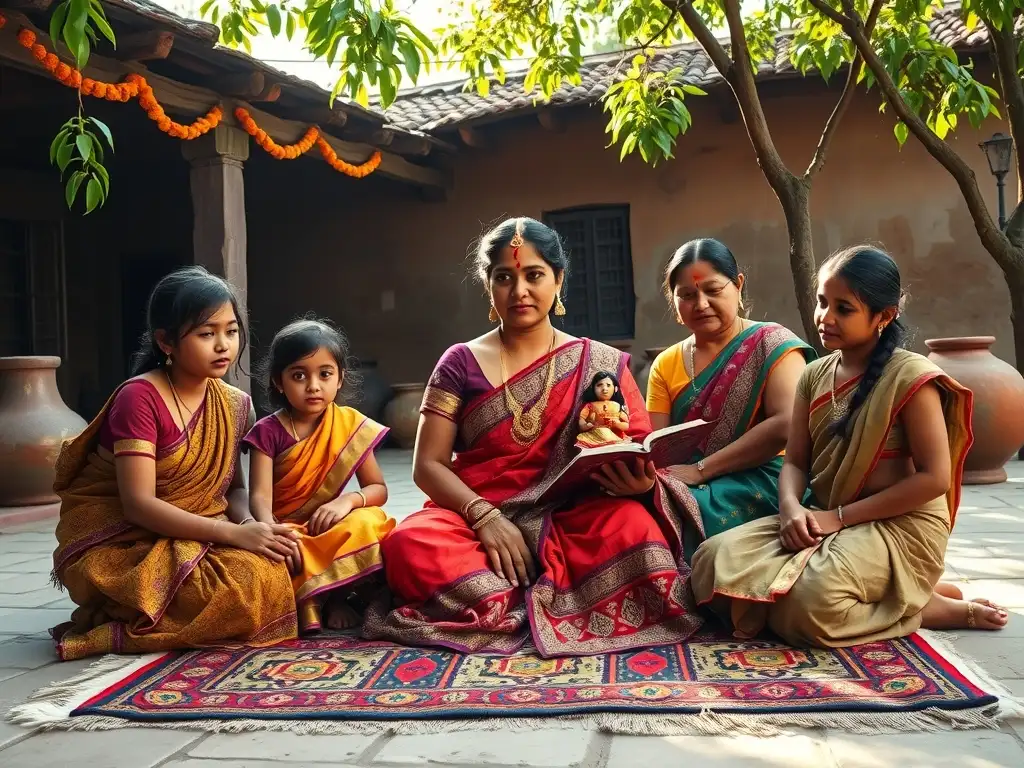
Women in ancient Indian families encountered a myriad of challenges that shaped their roles and status within the household and society at large. These challenges were influenced by societal norms, legal restrictions, and external factors such as wars and conquests. Understanding these hurdles provides insight into the complexities of women's lives and their contributions to ancient Indian civilization.
Societal Expectations and Restrictions
From early times, societal expectations placed considerable restrictions on women in ancient India. Women were often viewed primarily as caretakers and homemakers, with their roles largely defined by marriage and motherhood. This societal framework dictated that their primary responsibilities included managing the household, raising children, and upholding family honor.
The cultural narratives often glorified the ideal of the devoted wife and mother, known as "Sati Savitri." This archetype emphasized virtues such as chastity, obedience, and loyalty, which women were expected to embody. As a result, many women faced immense pressure to conform to these ideals, limiting their opportunities for education, personal freedom, and participation in public life.
Moreover, women were frequently subjected to patriarchal control, with fathers and husbands making significant decisions regarding their lives. This control extended to their mobility, education, and social interactions, further entrenching their subordinate position within the family structure.
Issues of Inheritance and Property Rights
The issues of inheritance and property rights were critical challenges for women in ancient Indian families. Traditionally, women had limited rights concerning property ownership. In many cases, women were seen as dependents, and property was typically passed down through male heirs.
However, texts from the Vedic period and later legal codes like the Manusmriti indicate that women could inherit property under certain conditions, although this was not uniformly practiced. For instance, women were entitled to a portion of their father's estate, but the inheritance was often contingent upon their marital status and the prevailing customs of the time.
This lack of equitable inheritance rights often left women vulnerable, particularly in cases of widowhood or divorce. The absence of property ownership restricted their economic independence, exacerbating their reliance on male relatives and limiting their ability to participate fully in society.
Impact of Wars and Conquests on Women’s Lives
Wars and conquests had a profound impact on the lives of women in ancient India, often leading to significant disruptions in family structures and societal norms. During periods of conflict, families experienced upheavals that could result in the loss of male family members, leaving women to shoulder the burden of maintaining the household.
Moreover, women were frequently at risk during invasions and conquests. Historical accounts reveal instances where women were taken captive, forced into marriage with conquerors, or subjected to violence. Such circumstances not only affected individual women but also had lasting repercussions on familial ties and community cohesion.
Despite these challenges, women often displayed remarkable resilience. In some instances, they took on roles traditionally held by men, managing farms or businesses in the absence of their husbands or fathers, thus demonstrating their adaptability in crisis situations.
Conclusion: The Legacy of Women in Ancient Indian Families
The legacy of women in ancient Indian families is multifaceted, reflecting a spectrum of experiences shaped by cultural, social, and historical contexts. Their roles, while often constrained by societal expectations, also encompassed significant contributions to family and community life.
Reflection on the Evolving Role of Women
As we reflect on the roles of women in ancient Indian families, it becomes evident that their influence extended beyond domestic boundaries. Women served as custodians of cultural traditions, educators of the next generation, and active participants in local economies. Their resilience and adaptability in the face of societal challenges laid the groundwork for future generations.
Over time, the perception of women's roles has evolved, influenced by socio-political changes and reform movements. This evolution highlights the dynamic nature of women's contributions to family life, showcasing their ability to navigate and transform their circumstances.
Modern Implications of Ancient Family Dynamics
The challenges faced by women in ancient Indian families continue to resonate in contemporary society. Issues of gender inequality, inheritance rights, and societal expectations remain relevant today. By examining the historical context of these challenges, we can better understand the ongoing struggles for women's rights and empowerment.
Recognizing the legacy of women in ancient Indian families offers valuable insights into the importance of promoting gender equity and fostering an inclusive society. As we move forward, it is crucial to honor the contributions of women throughout history and work towards creating a more equitable future.
References
Notable Texts and Archaeological Findings
The exploration of women in ancient Indian families is enriched by a variety of historical texts and archaeological findings that provide insight into their roles and status. Notable texts include:
- Vedic Literature: The Rigveda, one of the oldest texts, mentions women as knowledgeable and influential, highlighting figures like Gargi and Maitreyi, who were renowned scholars. This suggests that women could participate in intellectual discourse and religious practices.
- Dharmashastras: Texts such as Manusmriti outline the roles and duties of women within the family and society. While they emphasize a woman's role as a wife and mother, they also provide context for women's rights in inheritance and property management.
- Epics: The Ramayana and Mahabharata feature strong female characters like Sita and Draupadi, who exemplify virtues and face moral dilemmas, thus reflecting the complexities of women's roles in familial and societal dynamics.
- Archaeological Evidence: Excavations at sites like Mohenjo-Daro and Harappa have uncovered artifacts that indicate women's involvement in domestic activities, craftsmanship, and even trade, showcasing their contributions to family life and economy.
These texts and findings underscore the multifaceted roles women played in ancient Indian families, challenging the simplistic view of their positions as purely submissive or passive.
Further Reading on Women in Ancient Indian Cultures
For those interested in delving deeper into the roles of women in ancient Indian families, the following resources provide comprehensive insights:
- "Women in Ancient India" by R. S. Sharma: This book offers a detailed analysis of women's status from the Vedic period through to the Gupta Empire, examining their rights, responsibilities, and contributions across various domains.
- "The Status of Women in Ancient India" by R. C. Majumdar: A seminal work that explores various aspects of women's lives in ancient India, including social, religious, and economic dimensions.
- "Gender and Society in India" by N. Jayaram: While focusing on contemporary issues, this text provides historical context and analyses that trace the evolution of gender roles, including a discussion on how ancient practices have shaped modern perspectives.
- Journal Articles: Scholarly articles such as "Women’s Agency in Ancient Indian Society" published in various historical journals can provide in-depth research findings and interpretations of women's roles through different eras.
- Documentaries and Lectures: Online platforms often feature documentaries and lectures by historians that explore the lives of women in ancient India, offering visual interpretations that complement textual studies.
These resources encourage a broader understanding of women’s contributions and experiences in ancient Indian families, enriching the narrative of their historical significance.
- Introduction to Women in Ancient Indian Families
- Overview of Family Dynamics in Ancient India
- Importance of Women in Societal Structure
- Historical Context of Women in Ancient Indian Families
- Social Status of Women in Ancient Indian Families
- Women's Responsibilities within the Family
- Marriage Practices Involving Women in Ancient Indian Families
- Women as Influencers in Family and Society
- Challenges Faced by Women in Ancient Indian Families
- Conclusion: The Legacy of Women in Ancient Indian Families
- References
Frequently Asked Questions
What was the role of women in ancient Indian families?
Women in ancient Indian families played crucial roles in managing household affairs, nurturing children, and maintaining cultural traditions. Their responsibilities varied across different regions and periods but were integral to family dynamics.
Were women in ancient India involved in economic activities?
Yes, women in ancient India often participated in economic activities, including agriculture, textile production, and trade. Their contributions were essential for the sustenance and prosperity of their families.
How did societal norms affect women's roles in ancient Indian cultures?
Societal norms greatly influenced women's roles, often defining their responsibilities within the family. While some women enjoyed freedom and autonomy, others faced restrictions based on prevailing customs and patriarchal structures.
Did women in ancient India receive education?
Education for women in ancient India varied widely, with some women receiving formal education in arts and sciences, especially in noble families. However, access to education was often limited and dependent on social class.
What were the legal rights of women in ancient Indian families?
Legal rights of women in ancient India were often defined by scriptures and local customs. While some texts granted women rights to property and inheritance, in practice, their rights were frequently influenced by the patriarchal society they lived in.
Final Reflection: The Enduring Legacy of Women in Ancient Indian Families
The exploration of women's roles in ancient Indian families reveals a profound connection to contemporary discussions about gender dynamics and family structures. Today, as we navigate the complexities of modern family life, understanding the historical significance of women in these roles can illuminate the paths we take toward equality and respect. The contributions of women in ancient Indian cultures were not merely supportive; they were foundational, shaping the very fabric of society.
The influence of women in ancient Indian families continues to resonate in our cultural narratives and social frameworks. Their resilience and agency have paved the way for ongoing dialogues about women's rights and empowerment. As we reflect on this legacy, we can draw inspiration from the words of the renowned poet and philosopher, Sarojini Naidu: The best and noblest gifts of humanity cannot be the monopoly of a particular race or country.
This sentiment underscores the universal importance of recognizing and valuing women's contributions across all cultures and eras.
As we conclude this exploration, I invite you to reflect on the lessons learned from the past and consider how they can inform your own understanding of family dynamics today. How can we honor the legacy of women in ancient Indian families in our lives? Let us strive to create environments that celebrate and empower women, ensuring that their voices are heard and their contributions recognized, both in our families and in society at large. Together, we can build a future that acknowledges the past while fostering equality and respect for all.
Unveil the Strength of Women in Ancient Families!
Thank you for immersing yourself in the fascinating world of women's roles in ancient Indian family dynamics. By exploring this rich history, you've discovered how these powerful figures shaped their families and communities. Now, it’s time to take that knowledge and elevate it into action!
Here are some inspiring ways you can further engage with this topic:
- Dive Deeper: Read about influential women in Indian history, such as Rani Lakshmibai and Indira Gandhi, to understand their significant contributions to society.
- Share Your Insights: Discuss this article with friends or participate in online forums to spark meaningful conversations about the vital roles women play in shaping cultures and societies.
- Reflect on Your Roots: Investigate your own family history to uncover the stories of the remarkable women who influenced your lineage.
What stories of resilience and strength have you uncovered about women in your own family history? We invite you to share your experiences and thoughts in the comments below!