
Marriage and Consent: Perspectives from Ancient Indian Texts

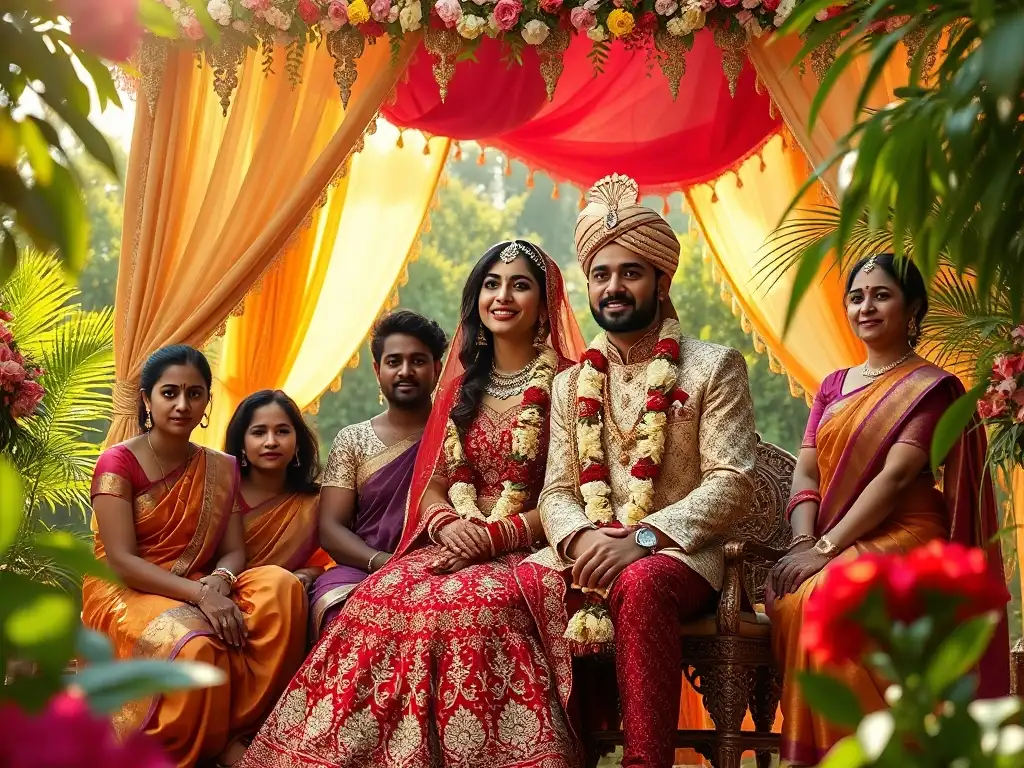
Welcome to Ancient India History, where we embark on a journey through the vibrant tapestry of ancient Indian civilizations. Today, we delve into the intriguing topic of Ancient Indian marriage customs, unveiling the rich traditions and societal norms that shaped personal relationships in eras long past. How did concepts of marriage and consent evolve among the diverse cultures from the Indus Valley to the Gupta Empire?
Join us as we explore the profound insights found in ancient texts and uncover the secrets of love and union that continue to resonate in today's society. Your adventure into the past begins now!
- Introduction to Ancient Indian Marriage Customs
- Historical Context of Marriage in Ancient India
- Evolution of Marriage Practices in Ancient India
- Key Texts on Ancient Indian Marriage Customs
- Perspectives on Consent in Ancient Indian Texts
- Different Types of Marriages in Ancient India
- Role of Family and Community in Marriage Consent
- Comparative Analysis of Ancient Indian Marriage Customs
- Conclusion: Legacy of Ancient Indian Marriage Customs
-
Frequently Asked Questions
- What were the primary ancient Indian marriage customs?
- How did consent play a role in ancient Indian marriages?
- Were there any social classes that influenced marriage practices in ancient India?
- What are some key texts that discuss ancient Indian marriage customs?
- How did gender roles affect marriage in ancient India?
- Final Reflection: Revisiting Ancient Indian Marriage Customs Through the Lens of Consent
- Unveil the Rich Tapestry of Consent in Ancient Indian Marriages!
Introduction to Ancient Indian Marriage Customs
Marriage in ancient India was not merely a social contract but a profound institution intertwined with cultural, religious, and societal values. It served as a significant pillar of familial and societal structures, reflecting the diverse practices and beliefs that flourished across different regions and eras.
This article delves into the intricate customs surrounding marriage in ancient India, highlighting the importance of consent and the evolving perspectives captured in various ancient texts. Understanding these customs provides valuable insights into the societal norms and values that shaped ancient Indian civilization, from the sophisticated urban planning of the Indus Valley to the philosophical inquiries of the Gupta Empire.
Importance of Marriage in Ancient Indian Society
Marriage held a central place in ancient Indian society, serving various purposes beyond the mere union of two individuals. It was considered a sacred duty and an essential aspect of dharma (moral order), facilitating the continuation of family lineage and societal stability. Here are some key aspects illustrating its importance:
- Cultural Significance: Marriage was foundational in transmitting cultural values, traditions, and religious practices from one generation to the next. Families often arranged marriages to strengthen social ties and uphold familial honor.
- Economic Alliances: Marriages were strategic in forging alliances between families, enhancing economic status, and ensuring property rights. This practice was particularly evident among the kshatriya (warrior) and vaishya (merchant) classes, where marital unions could significantly impact wealth and power dynamics.
- Ritual and Ceremony: The rituals associated with marriage were deeply rooted in religious beliefs, often invoking blessings from deities for fertility, prosperity, and happiness. Celebrations could last several days, involving elaborate ceremonies, feasts, and communal gatherings.
- Social Structure: Marriages played a crucial role in maintaining the caste system, often determining social mobility and relationships within various strata of society.
Overview of Consent in Marriages
The concept of consent in ancient Indian marriages is complex and diverse, reflecting a range of practices across different texts and regions. While there existed a variety of customs, the evolution of the understanding of consent can be summarized in several key points:
- Textual References: Ancient texts such as the Manusmriti and the Vedas provide insights into the norms surrounding consent. While some texts emphasize the importance of a bride's consent, others suggest a more patriarchal approach, where familial approval was paramount.
- Forms of Marriage: Different forms of marriage were recognized, including Brahma (the ideal marriage), Gandharva (love marriage), and Asura (purchase marriage). The Gandharva marriage, in particular, is noteworthy for its emphasis on mutual consent between the partners, indicating a more romantic notion of marriage.
- Shifts in Perspectives: Over time, the interpretation of consent evolved, with later texts and commentaries reflecting growing awareness of individual rights within the institution of marriage.
Ancient Indian marriage customs encompass a rich tapestry of practices that illustrate the cultural, economic, and social dimensions of marital relationships. Exploring these customs provides a deeper understanding of the values and beliefs that guided the lives of individuals in ancient India.
Historical Context of Marriage in Ancient India
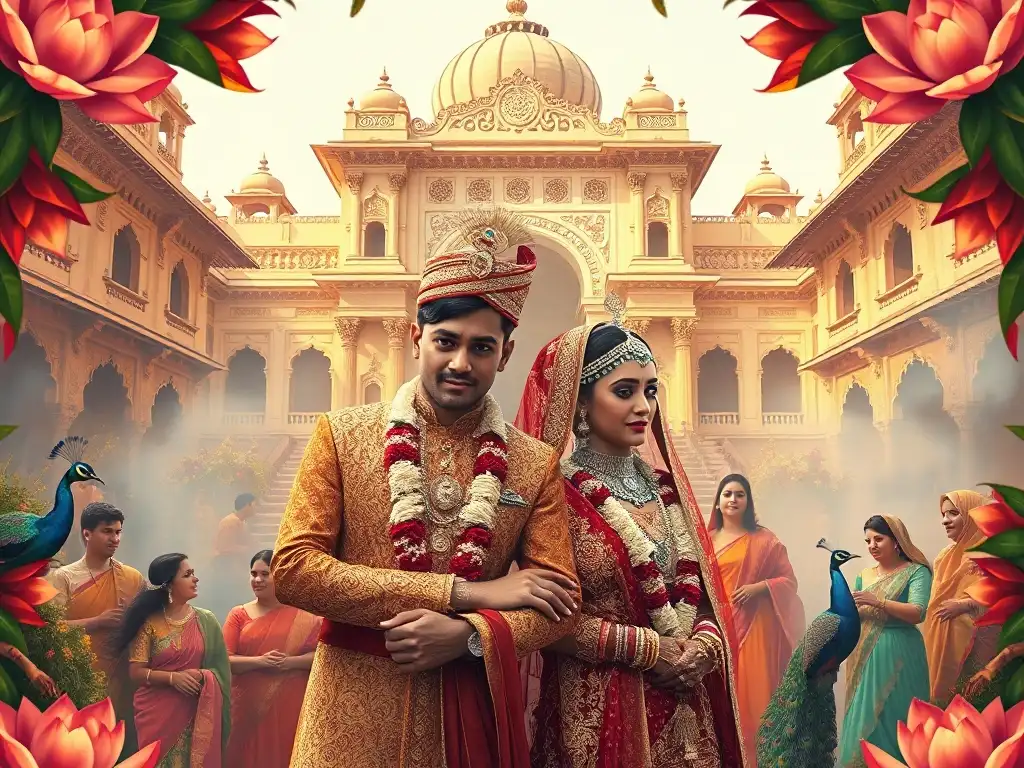
The historical context of marriage in ancient India is deeply intertwined with the sociocultural fabric of its civilizations. Marriage was not merely a personal union but a social contract that reinforced familial ties, economic stability, and community cohesion. The evolution of ancient Indian marriage customs can be traced back to the Vedic period, where rituals and codes governing marriage began to take shape.
The Vedas, particularly the Rigveda, provide some of the earliest references to marriage, emphasizing the importance of familial and societal approval. The institution of marriage was often linked to the concepts of dharma (duty) and kama (desire), outlining a framework within which marriage was both a spiritual and practical partnership.
As Indian society evolved, marriage customs began to reflect the changing dynamics of social organization, religious beliefs, and economic conditions. The transition from the Vedic period to the subsequent Mahajanapadas (city-states) saw the emergence of distinct practices that varied across regions and communities, influenced by local customs and traditions.
Evolution of Marriage Practices in Ancient India
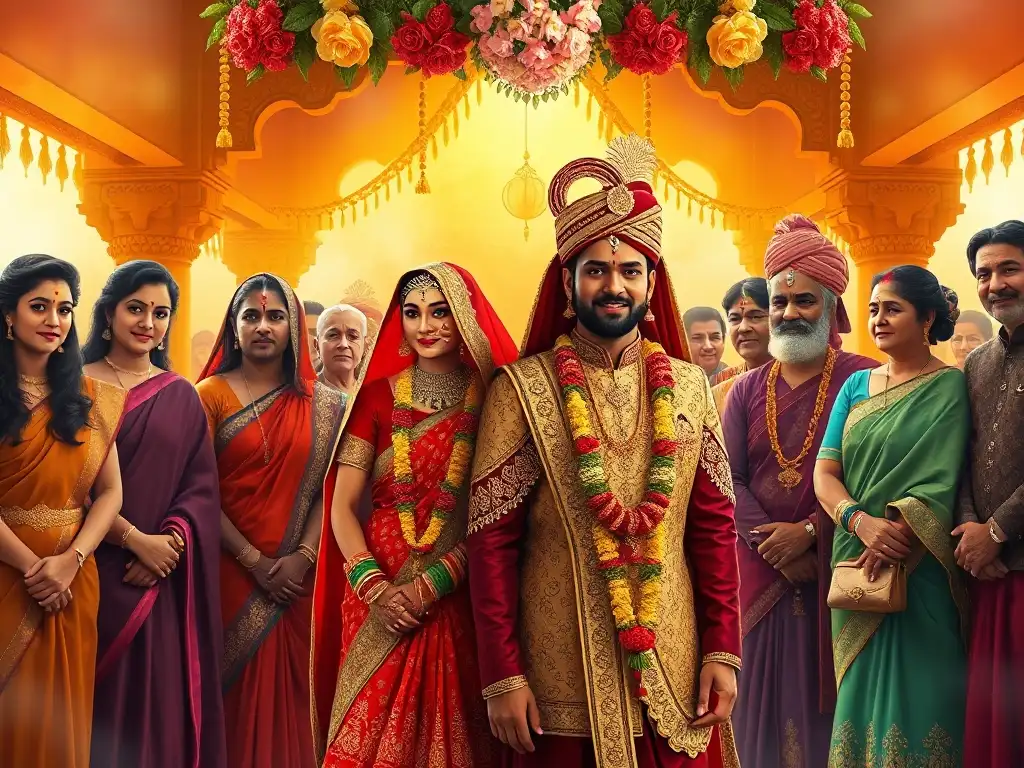
The evolution of marriage practices in ancient India can be categorized into distinct phases, each characterized by unique customs and societal norms:
Vedic Period (1500 – 500 BCE)
- Sacramental Marriages: The concept of saptapadi (seven steps) emerged, symbolizing the spiritual bond between husband and wife.
- Consent and Choice: While marriages were arranged, the importance of consent began to be recognized, particularly among the kshatriyas (warrior class).
Post-Vedic Period (500 BCE – 200 CE)
- Diverse Forms of Marriage: Various types of marriages like brahma (sacred), daiva (divine), arsha (by exchange of cattle), and gandharva (love match) were documented, reflecting a more nuanced understanding of marital relationships.
- Increased Ritualization: Rituals became more elaborate, and the role of priests in officiating marriages gained prominence.
Gupta Period (200 – 600 CE)
- Legal Codification: Texts such as the Manusmriti provided detailed guidelines on marital duties, rights, and responsibilities, reinforcing the patriarchal structure.
- Stratification of Marriage: Marriages began to be regulated based on caste and social status, leading to a more rigid framework of customs.
Throughout these periods, marriage customs continued to adapt, influenced by regional practices and the sociopolitical landscape, illustrating the dynamic nature of ancient Indian society.
Key Texts on Ancient Indian Marriage Customs
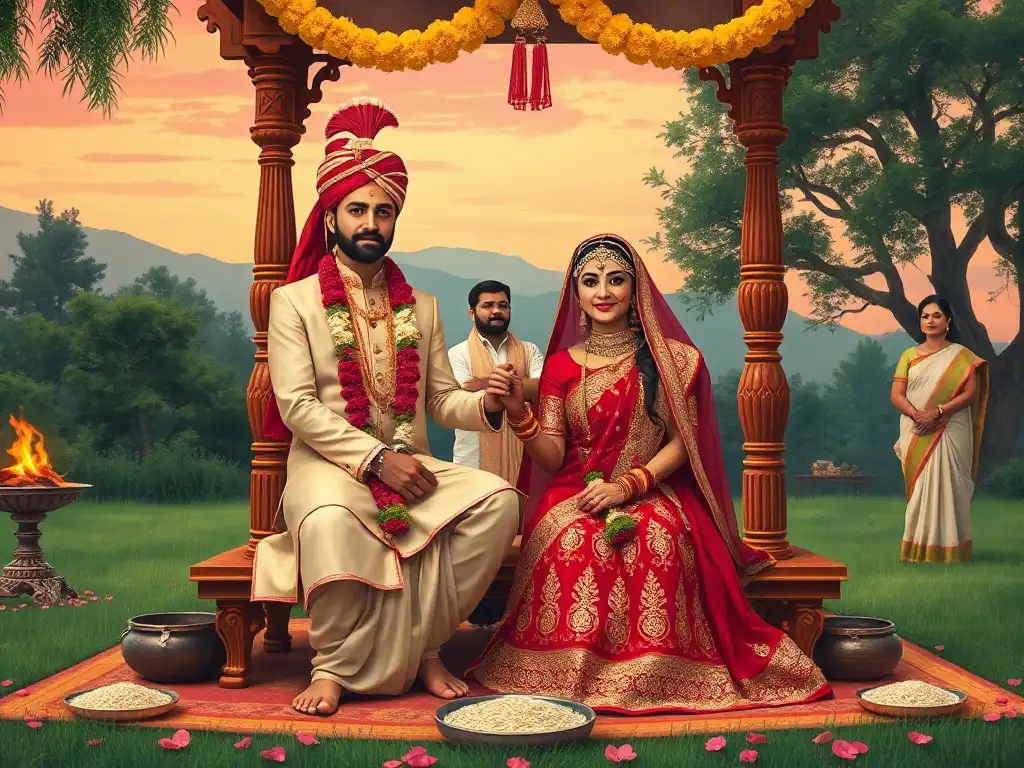
Several ancient texts serve as pivotal references for understanding ancient Indian marriage customs. These texts not only document the prevailing practices but also provide insights into the philosophical and ethical considerations surrounding marriage:
| Text | Period | Significance |
|---|---|---|
| Rigveda | Vedic Period | Contains hymns that highlight the sacredness of marriage and the role of consent. |
| Manusmriti | Gupta Period | Codifies laws regarding marriage, including duties, rights, and types of unions. |
| Mahabharata | Epic Period | Explores various marriage scenarios and the implications of consent and choice. |
| Arthashastra | Mauryan Period | Discusses the political and economic aspects of marriage, particularly among royalty. |
| Kama Sutra | Gupta Period | Provides a comprehensive view on love, desire, and the various forms of relationships, including marriage. |
These texts collectively illustrate the multifaceted nature of marriage in ancient India, highlighting the interplay of social norms, legal frameworks, and personal relationships. By examining these writings, we gain a deeper understanding of how ancient Indian marriage customs were shaped by cultural, religious, and philosophical influences, reflecting the complexities of human relationships across time.
Perspectives on Consent in Ancient Indian Texts
Concept of Consent in Vedic Literature
In the Vedic texts, marriage is not merely a social contract but a sacred union that embodies spiritual significance. The Rigveda, one of the oldest known texts, emphasizes the importance of mutual consent between the bride and groom. The hymns suggest that the ideal marriage is one where both parties agree to their union, reflecting a form of respect and equality.
The Atharvaveda further illustrates this concept by highlighting rituals that involve the bride and groom expressing their will and desires. For instance, during the saptapadi (the seven steps taken together), the couple vows to support one another, symbolizing their mutual agreement and commitment. This ritual serves as a clear indicator of consent, as both individuals actively participate in the ceremony, reinforcing their choice to marry.
In essence, Vedic literature lays a foundational understanding of consent in marriage, promoting a partnership built on shared values and mutual respect. The emphasis on consent in these texts showcases a progressive outlook for its time, aligning with contemporary discussions on individual rights within marital contexts.
Analysis of Consent in Dharmashastras
The Dharmashastras, a collection of ancient legal texts, provide a more structured view of marriage and consent within the context of societal norms. Key texts like the Manusmriti outline the roles and responsibilities of spouses, yet they also address the notion of consent. The Manusmriti states that a woman should choose her husband, indicating that consent is crucial for a legitimate marital bond.
However, it's important to note that the interpretation of consent in these texts can vary significantly. While some passages advocate for the bride's choice, others reflect the patriarchal nature of society, where familial approval often supersedes individual consent. The texts prescribe various forms of marriages, such as Brahma (arranged by the family) and Asura (where the bride is purchased), each with different implications for consent.
This duality presents a complex picture: while the Dharmashastras recognize the importance of consent, they often operate within a framework that prioritizes social order over individual autonomy. Understanding this balance is key to appreciating the evolution of marital customs in ancient India.
Case Studies from Ancient Indian Epics
The ancient Indian epics, particularly the Mahabharata and the Ramayana, provide rich narratives that illuminate the dynamics of consent in marriage.
In the Mahabharata, the story of Draupadi's swayamvara (the ceremony of choosing a husband) underscores the importance of consent. Draupadi openly chooses her husbands, the Pandavas, demonstrating her agency in the process. This event not only highlights her consent but also signifies a shift from traditional practices where familial arrangements dominated.
Conversely, the Ramayana presents a more nuanced perspective through the character of Sita. Initially, her marriage to Rama occurs after the completion of the Sita Swayamvara, where she chooses Rama from among many suitors. However, the narrative later explores themes of duty and sacrifice, raising questions about the extent of her consent throughout their relationship, especially in the context of her abduction by Ravana.
These case studies showcase the complexities of consent in ancient Indian marriage customs. They reveal a spectrum of practices, from those that empower individual choice to those that reflect the constraints of societal expectations. This intricate interplay continues to resonate in discussions about marriage and consent today, making it a vital area of study within ancient Indian history.
Different Types of Marriages in Ancient India
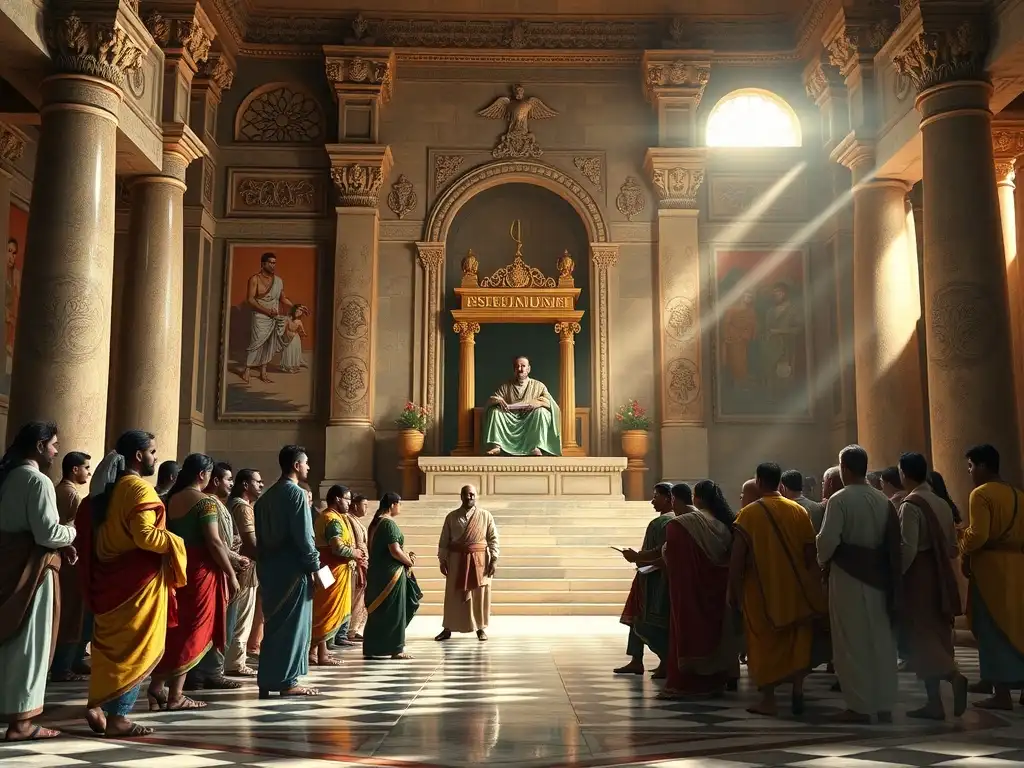
Brahma, Daiva, and Arsha Marriages
In the context of ancient Indian marriage customs, Brahma, Daiva, and Arsha marriages represent some of the most significant forms of unions described in Hindu texts. Each type reflects distinct societal norms and values related to marriage.
- Brahma Marriage:
- Considered the most ideal form of marriage, Brahma marriage involves the marriage of a woman to a man of equal social status, typically arranged by the families involved. The groom is expected to be well-educated, virtuous, and from a respectable lineage.
- This type of marriage emphasizes the importance of sacredness and the spiritual union of the couple. It is often viewed as a rite of passage that ensures the continuation of dharma (moral order) in society.
- Daiva Marriage:
- Daiva marriages were typically conducted with the purpose of fulfilling religious duties. In this form, the bride is given as an offering to a deity, often during a ritual or festival.
- While this type of marriage involved consent, it was primarily focused on religious obligations rather than individual desires, highlighting the intersection of personal lives and spiritual practices in ancient Indian society.
- Arsha Marriage:
- Arsha marriage involves the exchange of a cow and a bull as a token of the bride price. This signifies the groom's ability to provide for the bride and establish a household.
- This form of marriage reflects the economic considerations that were integral to marriage arrangements in ancient India.
Ghandharva and Asura Marriages
Ghandharva and Asura marriages exemplify alternative marital customs that diverged from the more traditional types.
- Ghandharva Marriage:
- This type of marriage is characterized by mutual love and consent between the partners, often without the involvement of families. It emphasizes the emotional and romantic bond that can exist outside of societal expectations.
- Ghandharva marriages were often seen as unconventional and were celebrated in various ancient texts, indicating a recognition of personal choice in the realm of marriage.
- Asura Marriage:
- In contrast, Asura marriage typically involves coercion, where the groom abducts the bride against her will. This form represents a more aggressive approach to securing a marital union and reflects the darker aspects of human relationships in ancient times.
- These marriages often led to social stigma and were frowned upon, demonstrating the importance of consent and mutual agreement in establishing ethical marital practices.
Importance of Consent Across Different Types
Consent plays a pivotal role in shaping the nature of marriages in ancient India. Various types of marriages highlight how consent was understood and valued differently:
- In Brahma and Daiva marriages, consent was often implicit, rooted in familial approval and societal structures. While individuals had some agency, the overarching influence of family and community often dictated the course of the union.
- Ghandharva marriages celebrated individual consent and emotional connection, allowing couples to form bonds based on love rather than social obligation. This type of marriage underscores the importance of choice in the marital process, suggesting that personal happiness was a significant consideration.
- Conversely, Asura marriages starkly illustrate the absence of consent, emphasizing the negative consequences that arise when individual agency is disregarded. The societal condemnation of such unions reflects a collective understanding of the necessity of consent for a marriage to be considered legitimate.
In summary, ancient Indian marriage customs encompass a rich tapestry of practices and principles, with consent being a critical factor that varies across different types of marriages. Understanding these dynamics offers valuable insights into the values and beliefs that shaped the institution of marriage in ancient Indian society.
Role of Family and Community in Marriage Consent
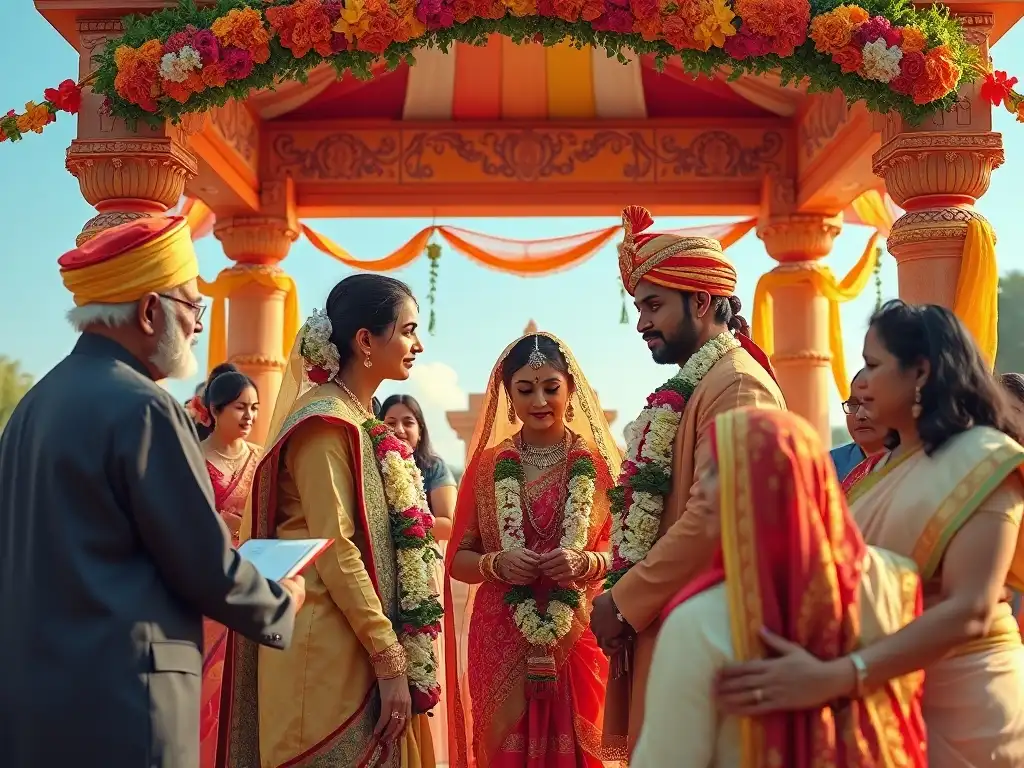
Influence of Families in Arranged Marriages
In ancient India, marriage was primarily seen as a social contract rather than merely a romantic union. Families played a pivotal role, particularly in arranged marriages, which were the norm across various regions and communities. The process typically involved parents or guardians selecting suitable partners based on social status, caste, and family reputation. This practice was deeply rooted in the belief that family honor and stability were paramount, often overshadowing individual desires.
- Criteria for Selection:
- Caste and Social Standing: Marriages were usually arranged within the same caste to maintain societal structures.
- Astrological Compatibility: Families often consulted astrologers to assess the compatibility of horoscopes, believing that celestial alignments could influence marital harmony.
- Economic Factors: Dowries or bride price were significant considerations, impacting the choice of partners.
- Parental Authority:
- Parents wielded considerable authority in the marriage process, making decisions based on familial lineage and alliances.
- The concept of patrilocality, where a bride would move to the groom's household, further emphasized the importance of family approval over individual consent.
This traditional framework underscored the collective responsibility of families in ensuring that marriage was beneficial for both parties involved, rather than merely a matter of personal choice.
Community Approval and Its Significance
Community approval played an equally significant role in ancient Indian marriage customs. The collective norms and values of the community often dictated the acceptability of a marriage, reinforcing social cohesion and shared cultural practices.
- Social Sanctioning:
- The involvement of community elders or leaders in the marriage process was common. Their blessing was seen as essential for legitimizing the union.
- Community gatherings, such as saat phere (the seven circumambulations around the sacred fire), served not only as a religious ritual but also as a public declaration of the union, ensuring communal acknowledgment.
- Impact of Social Norms:
- Marriages that deviated from established customs, such as inter-caste unions or love marriages, often faced social ostracism. This illustrated the community's role in maintaining traditional values.
- Conversely, community support could enhance the status of a marriage, fostering relationships among families and reinforcing social ties.
The significance of community approval in ancient Indian marriage customs highlights how societal structures influenced personal relationships, ensuring that marriages were not only individual commitments but also communal bonds.
Gender Roles and Consent in Marriage Practices
The dynamics of gender roles in ancient Indian marriage practices were complex and often unequal, reflecting broader societal hierarchies. Consent, particularly from women, was frequently overshadowed by familial and societal expectations.
- Expectations of Women:
- Women were generally expected to accept their family's decisions regarding marriage, with little room for dissent. Their primary roles were often defined by domestic responsibilities and child-rearing.
- Ancient texts, such as the Manusmriti, emphasized the importance of women adhering to their duty (dharma) within marriage, often prioritizing familial obligations over personal desires.
- Evolving Perspectives:
- While the predominant narrative highlighted male authority, some texts and traditions acknowledged the importance of mutual consent. For instance, the concept of Svayamvara, where a woman chose her husband from a group of suitors, indicated a degree of agency in marriage.
- Historical figures like Gargi and Maitreyi, who engaged in philosophical dialogues, challenge the notion that women lacked a voice in marriage discussions.
Understanding gender roles and the nature of consent in ancient Indian marriage customs reveals the intricate balance between individual rights and societal expectations, illustrating how these elements shaped family and marital structures.
Comparative Analysis of Ancient Indian Marriage Customs
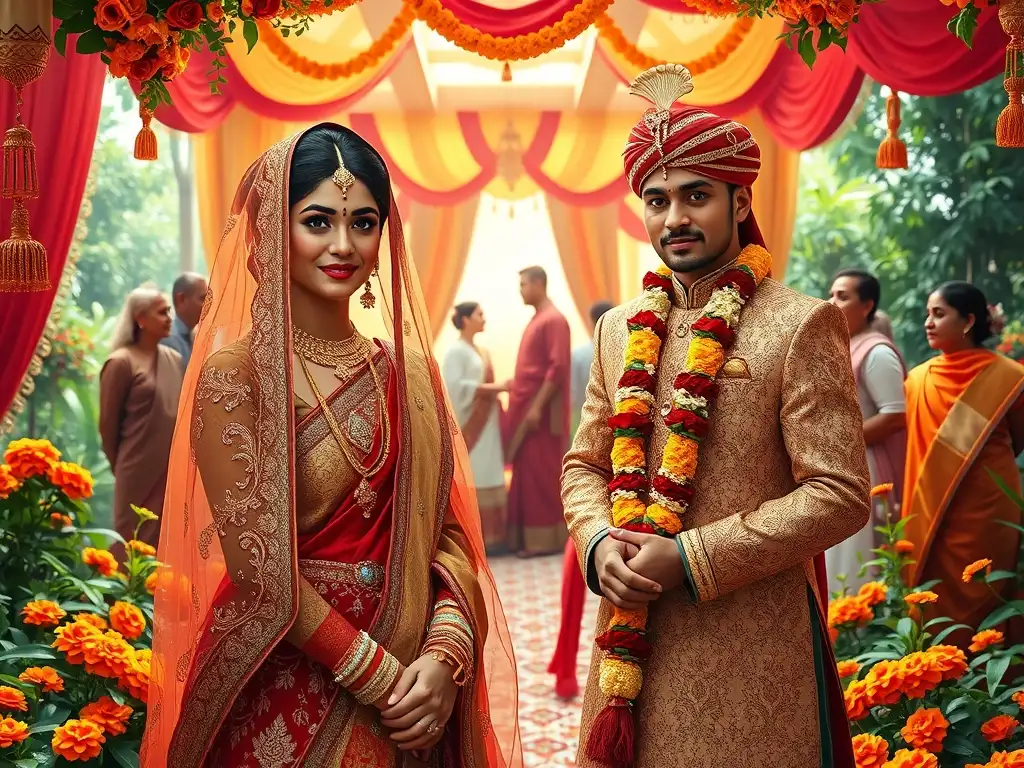
Comparison with Contemporary Marriage Practices
Ancient Indian marriage customs exhibit a fascinating complexity that reflects the social, economic, and cultural fabric of their time. When compared to contemporary marriage practices, several key differences and similarities emerge.
-
Consent and Autonomy
- In ancient texts, consent was a nuanced concept. While the notion of consent existed, marriages were often arranged by families, highlighting a communal approach over individual choice. This contrasts with many modern practices where personal autonomy and mutual consent are prioritized.
- Example: The Sankhya Sutras mention the importance of consent, but it was often overshadowed by familial agreements.
-
Types of Marriages
-
Ancient Indian customs recognized various forms of marriage, such as Brahma, Daiva, Arsha, Prajapatya, and Gandharva. Each type had distinct significance and implications.
-
In contrast, contemporary practices are generally more standardized, with civil marriages and religious ceremonies being the norm. The diversity of ancient forms is less prevalent today.
-
Table: Types of Ancient Indian Marriages
Type Description Brahma Marriage based on mutual consent and texts Daiva Marriage to a priest’s daughter, often religious Arsha Marriage with the exchange of cattle Prajapatya Marriage with mutual consent and a sacred bond Gandharva Love marriages based on mutual attraction
-
-
Role of Rituals
- Rituals played a pivotal role in ancient marriages, with elaborate ceremonies that could last several days. These rituals were deeply symbolic and often included rites that connected the couple to their families and deities.
- Contemporary marriages retain ritualistic elements, but many modern couples opt for simplified ceremonies, focusing on personal significance rather than strict adherence to traditional practices.
-
Social Status and Dowry
- The dowry system was prevalent in ancient times, often determining the social status of the bride and groom. This practice has evolved, with many contemporary societies striving for a more equitable approach to marriage, although dowry issues persist in various forms.
- Quote: “The dowry was a symbol of wealth and social standing…” - Manusmriti.
Similarities and Differences with Marriage Customs in Other Cultures
Ancient Indian marriage customs also share similarities and notable differences with various cultures around the world. Understanding these can provide deeper insights into the universal themes of marriage.
- Arranged Marriages
- Similar to many cultures, arranged marriages were a common practice in ancient India. This is akin to practices in cultures like Japan, where family involvement in marriage selection remains significant.
- However, Western cultures have largely shifted towards individual choice in marriage, marking a departure from this tradition.
- Ceremonial Significance
- The importance of rituals in marriage ceremonies is a common thread across numerous cultures. For example, Indian saat phere (seven circles) mirrors similar practices in other societies where couples partake in symbolic acts to signify their union.
- Differences arise in the specifics of these rituals; for instance, the Hindu practice of walking around a sacred fire has no direct equivalent in many Western marriage ceremonies.
- Cultural Symbolism
- In ancient India, marriage was not solely a union of two individuals but a binding of families and communities, reflecting collective values. This is comparable to tribal societies in Africa, where marriages often serve to strengthen community ties.
- Conversely, modern individualistic societies may emphasize personal fulfillment over communal obligations, showcasing a shift in values.
- Gender Roles and Expectations
- Ancient Indian texts often delineated specific roles for husbands and wives, with a focus on duty and dharma. This can be compared to traditional gender roles in various cultures, such as in Middle Eastern societies.
- In contrast, contemporary views on marriage increasingly challenge rigid gender roles, advocating for equality and shared responsibilities.
By examining these comparative aspects, it becomes evident that ancient Indian marriage customs, while rooted in their own unique cultural context, share and diverge from global practices in meaningful ways. Understanding these dynamics enriches our appreciation of the historic and ongoing evolution of marriage as a social institution.
Conclusion: Legacy of Ancient Indian Marriage Customs
The marriage customs of ancient India encapsulate a rich tapestry of social, cultural, and familial values that have evolved over millennia. These practices, deeply rooted in texts such as the Vedas, Manusmriti, and various Puranas, highlight the importance of marriage not just as a union between individuals, but as a significant societal institution. The diverse customs—ranging from arranged marriages to the distinct rituals associated with different regions and communities—illustrate the integral role that marriage played in the socio-economic framework of ancient Indian society.
One of the key aspects of ancient Indian marriage customs is their emphasis on familial consent and the involvement of the community. Marriages were often arranged by parents, with the expectation that the couple would fulfill their roles within the family and society. This tradition, while ensuring the continuity of social and economic alliances, also raises questions regarding individual autonomy and choice, themes that still resonate in contemporary discussions on marriage.
Lasting Influence on Modern Indian Marriages
The impact of ancient Indian marriage customs is evident in modern practices, where many traditional elements persist. For instance, the concept of arranged marriages remains prevalent in various communities, albeit with more flexibility and the inclusion of the couple's preferences. The significance of family approval continues to play a vital role, reflecting a blend of tradition and evolving social dynamics.
Modern Indian weddings often incorporate ancient rituals, such as saat pheras (seven circumambulations around the sacred fire) and the exchange of garlands (jaimal), symbolizing mutual respect and acceptance. These customs not only celebrate the union of two individuals but also reinforce familial bonds and community ties.
Moreover, the importance of auspicious timings ( muhurat) and rituals, derived from astrological considerations, continues to influence the planning of weddings today. Such practices, rooted in ancient beliefs, underscore the melding of spirituality with marital customs, fostering a sense of continuity and cultural identity.
Reflection on Consent and Autonomy in Marriage Today
In contemporary society, the dialogue surrounding consent and autonomy in marriage is more pronounced than ever. While ancient texts often reflect a patriarchal framework, modern interpretations encourage a more nuanced understanding of consent that recognizes the agency of both partners. The shift towards love marriages, where individuals choose their partners based on personal affinity rather than familial obligation, marks a significant departure from traditional norms.
However, the legacy of ancient Indian marriage customs still lingers, as many individuals navigate the complexities of balancing familial expectations with personal desires. The ongoing discourse surrounding women's rights and autonomy in marriage challenges long-standing customs while seeking to create a more equitable framework for future generations.
Ultimately, the evolution of marriage customs in India highlights a dynamic interplay between tradition and modernity. As society continues to grapple with issues of consent, autonomy, and familial obligations, the rich heritage of ancient Indian marriage customs serves as both a foundation and a reference point for ongoing discussions about the nature of marriage and relationships in contemporary life.
Frequently Asked Questions
What were the primary ancient Indian marriage customs?
Ancient Indian marriage customs included arranged marriages, the practice of Swayamvara, and various rituals that celebrated the union of couples, reflecting the cultural values of the time.
How did consent play a role in ancient Indian marriages?
While marriages were often arranged, the concept of consent was significant, particularly in texts like the Manusmriti, which emphasized the importance of mutual agreement between partners.
Yes, the caste system played a crucial role in shaping marriage customs, as marriages were typically arranged within the same caste to maintain social status and heritage.
What are some key texts that discuss ancient Indian marriage customs?
Important texts such as the Vedas, Upanishads, and Dharmashastras provide insights into the rituals, obligations, and expectations surrounding marriage in ancient India.
How did gender roles affect marriage in ancient India?
Gender roles were distinctly defined, with men often taking on the role of providers and women focusing on household duties, impacting the dynamics and expectations within marriages.
Final Reflection: Revisiting Ancient Indian Marriage Customs Through the Lens of Consent
In exploring the intricate tapestry of ancient Indian marriage customs, we uncover a profound connection between tradition and the essential concept of consent. Today, as we navigate a world increasingly focused on individual rights and personal agency, the lessons from these ancient texts resonate more than ever. The idea that marriage is not merely a social contract but a partnership rooted in mutual respect and consent is a powerful reminder of the values that should underpin our relationships.
The influence of these ancient perspectives continues to shape our cultural and social landscape, urging us to reflect on the evolution of marriage in contemporary society. As we grapple with issues of autonomy and partnership, the wisdom of our ancestors serves as a guiding light. Marriage is not merely a union of two families; it is the sacred bond of two souls.
This quote encapsulates the essence of what we can learn from ancient texts: that the foundation of any marriage should be built on the pillars of consent, understanding, and mutual respect.
As we conclude this exploration, I invite you to reflect on your own beliefs about marriage and consent. Consider how the principles derived from ancient Indian customs can inform your understanding of relationships today. Let us strive to honor the legacy of our past while fostering a future where every union is celebrated as a partnership of equals, rooted in love and consent. Your journey toward deeper understanding and respect in relationships begins now—embrace it with an open heart and mind.
Unveil the Rich Tapestry of Consent in Ancient Indian Marriages!
Thank you for diving into the fascinating world of marriage and consent as portrayed in ancient Indian texts. You've explored key insights that can reshape our understanding of these vital concepts. Now, let’s take the next step in your journey of discovery!
Here’s how you can deepen your engagement with this topic:
- Join a discussion: Connect with our community on social media by sharing your thoughts on how ancient perspectives on consent resonate with modern relationships. Use the hashtag **#AncientConsent**.
- Explore further: Delve into related texts and commentaries on ancient marriage customs. Consider visiting your local library or accessing online resources to expand your knowledge!
- Share the wisdom: Encourage your friends and family to reflect on the importance of consent by sharing this article and discussing its relevance in today’s context.
How can the lessons from ancient Indian texts guide us in fostering healthier, consent-based relationships in our lives today?