
Ashoka’s Lasting Impact on Modern Buddhist Practices and Teachings


Welcome to Ancient India History, where we embark on a fascinating journey through the rich tapestry of India's past! Here, you will uncover the profound influence of Ashoka on Buddhism, a pivotal figure whose reign transformed spiritual practices and left an indelible mark on modern teachings. As you delve into our featured article, "Ashoka’s Lasting Impact on Modern Buddhist Practices and Teachings," prepare to explore the intricate connections between ancient philosophies and contemporary beliefs. Join us as we unravel the legacy of one of history's key figures and discover how the echoes of his time continue to resonate today!
- Introduction to Ashoka’s Influence on Buddhism
- Ashoka's Role in the Spread of Buddhism
- Ashoka's Teachings and Their Impact on Buddhist Practices
- Ashoka’s Influence on Buddhist Art and Architecture
- The Long-Term Effects of Ashoka’s Influence on Buddhism
- Conclusion: The Enduring Legacy of Ashoka on Buddhism
- Further Reading on Ashoka and Buddhism
- Frequently Asked Questions
- Final Reflection: The Enduring Legacy of Ashoka's Influence on Buddhism
- Embrace the Legacy: Transform Your Understanding of Buddhism!
Introduction to Ashoka’s Influence on Buddhism
Ashoka the Great, one of the most significant emperors in Indian history, left an indelible mark not only on the political landscape of his time but also on the spiritual development of Buddhism. His reign during the 3rd century BCE was a turning point that transformed Buddhism from a relatively localized faith into a major world religion.
Ashoka’s influence on Buddhism is characterized by his passionate advocacy for the teachings of the Buddha, his commitment to non-violence, and his efforts to spread Buddhist principles across Asia. This article delves into how Ashoka's policies, edicts, and personal dedication to Buddhism shaped its practices and teachings, leaving a legacy that continues to resonate in contemporary Buddhist communities around the world.
Overview of Ashoka the Great
Ashoka was born into the Maurya dynasty around 304 BCE and ascended to the throne around 268 BCE. His early rule was marked by military conquests, most notably the Kalinga War, which resulted in significant loss of life and suffering. However, the aftermath of this war profoundly changed Ashoka's worldview, leading him to embrace Buddhism and its core tenets of compassion and non-violence.
- Conversion to Buddhism: After witnessing the devastation of war, Ashoka converted to Buddhism, adopting its principles as the foundation of his governance.
- Edicts of Ashoka: He inscribed his beliefs and policies on stone pillars and rock edicts scattered throughout his empire, promoting moral behavior, ethical governance, and respect for all living beings.
- Patronage of Buddhist Institutions: Ashoka provided extensive support to monasteries and Buddhist schools, enabling the growth of Buddhist scholarship and the dissemination of its teachings.
Ashoka’s reign is often viewed as a pivotal moment in the history of Buddhism, as his endorsement and support gave it a prominent place in Indian society and beyond.
Importance of Buddhism in Ancient India
Buddhism emerged in the 6th century BCE, rooted in the teachings of Siddhartha Gautama, or the Buddha. It gained traction in ancient India due to its philosophical depth and emphasis on personal spiritual development.
- Philosophical Contributions: The core teachings of Buddhism, including the Four Noble Truths and the Eightfold Path, offered a comprehensive framework for understanding suffering and achieving enlightenment.
- Cultural Integration: Buddhism played a crucial role in cultural exchanges within the Indian subcontinent, influencing art, literature, and social practices.
The significance of Buddhism in ancient India was further amplified by Ashoka’s patronage, which helped to institutionalize the religion and propagate its teachings throughout Asia, establishing it as a major religious tradition that continues to thrive today.
Ashoka's Role in the Spread of Buddhism
Historical Context of Ashoka’s Reign
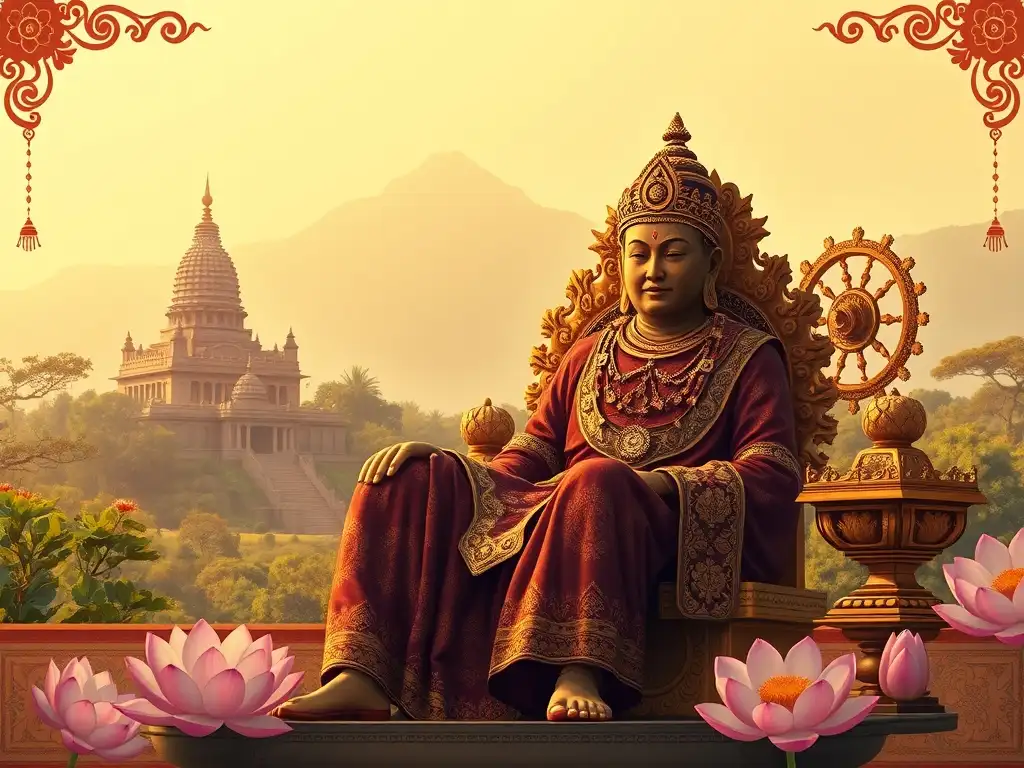
Ashoka, the third Mauryan emperor, ruled from approximately 268 to 232 BCE, a period marked by significant political and social change in ancient India. His reign followed a series of military conquests, notably the Kalinga War, which profoundly affected his outlook on life and governance. The aftermath of this brutal conflict, which resulted in massive loss of life and suffering, led Ashoka to embrace Buddhism, initiating a transformation from a warrior king to a proponent of peace and dharma (moral law).
During Ashoka's time, Buddhism was still a relatively new religion, having been founded by Siddhartha Gautama, known as the Buddha, several centuries earlier. Prior to Ashoka's reign, Buddhism faced challenges in gaining widespread acceptance amidst the polytheistic traditions predominant in India. However, Ashoka's conversion and subsequent patronage provided the necessary impetus for Buddhism to flourish. His reign coincided with a growing interest in ethical governance, promoting a shift from mere territorial expansion to a focus on the welfare of his subjects.
Key Policies Promoting Buddhism
Ashoka implemented several key policies that significantly advanced the spread of Buddhism both within and beyond his empire. These policies included:
- Promotion of Dharma: Ashoka emphasized the practice of dharma in governance, advocating for moral and ethical conduct among his subjects. He believed that a just and compassionate society was essential for the welfare of all.
- Support for Monasteries: Ashoka provided substantial resources to build stupas, monasteries, and vihara (Buddhist monasteries). This infrastructure facilitated the education and training of monks, who were crucial in disseminating Buddhist teachings.
- Sponsorship of Buddhist Missions: One of Ashoka's most notable contributions was the dispatch of missionaries to various regions, including Sri Lanka and Central Asia. This not only helped in spreading Buddhism but also fostered cross-cultural exchanges that enriched both Buddhist practices and the local cultures.
- Interfaith Dialogue: Ashoka advocated for respect towards all religious beliefs, promoting coexistence among different faiths. His initiatives encouraged dialogue and understanding, which provided a fertile ground for Buddhism to grow alongside other spiritual traditions.
Ashoka’s Edicts and Their Significance
Ashoka's edicts, inscribed on pillars and rocks throughout his empire, serve as a testament to his commitment to Buddhism and his vision of governance. These edicts are crucial for understanding Ashoka's influence on Buddhism and are notable for several reasons:
- Moral Guidance: The edicts encapsulate Ashoka's moral principles, advocating for virtues such as non-violence, compassion, and respect for all living beings. They reflect his desire to promote ethical behavior among his subjects, aligning closely with Buddhist teachings.
- Public Accessibility: By inscribing his edicts in various languages and scripts, Ashoka ensured that his messages were accessible to a broad audience. This democratization of knowledge played a significant role in the dissemination of Buddhist values.
- Legal Framework: The edicts served as a form of legal and ethical framework, guiding both personal conduct and state policies. They emphasized the importance of righteousness in governance, setting a precedent for future rulers.
- Legacy of Tolerance: Ashoka’s edicts also emphasized religious tolerance and respect for different beliefs, which became a defining characteristic of Buddhist culture. This legacy of inclusivity has influenced modern Buddhist practices, fostering a spirit of unity among diverse Buddhist communities.
Ashoka's influence on Buddhism is profound and multifaceted, intertwining his policies, his personal transformation, and his commitment to dharma. His efforts not only solidified Buddhism's presence in ancient India but also laid the groundwork for its enduring legacy across the globe.
Ashoka's Teachings and Their Impact on Buddhist Practices

The Concept of Dhamma in Ashoka’s Reign
Ashoka the Great, who ruled from 268 to 232 BCE, is often credited with the widespread promotion of Dhamma, a term that embodies the moral and ethical principles of Buddhism. This concept was integral to Ashoka's governance, as he sought to apply Buddhist teachings to the administration of his vast empire. His interpretation of Dhamma emphasized non-violence ( ahimsa), tolerance, and compassion, which were revolutionary for his time.
The Edicts of Ashoka, inscribed on pillars and rocks throughout his empire, serve as primary sources for understanding his interpretation of Dhamma. These edicts promote ideals such as:
- Respect for all living beings: Ashoka encouraged the protection of animals and the promotion of vegetarianism.
- Religious tolerance: He advocated for the acceptance of various religious practices, emphasizing that all religions lead to the same moral principles.
- Social welfare: Ashoka's Dhamma included provisions for the health and well-being of his subjects, including the establishment of hospitals and rest houses.
This moral framework not only influenced the governance of his empire but also shaped the spiritual landscape of Buddhism, urging followers to embody these principles in their daily lives.
Influence of Ashoka's Teachings on Monastic Life
Ashoka's reign marked a significant transformation in monastic life, as his teachings encouraged the establishment and growth of Buddhist monasteries. The emphasis he placed on Dhamma led to a more structured and organized monastic community, which played a crucial role in the dissemination of Buddhist teachings.
- Patronage of Monasteries: Ashoka provided financial support and land grants to monasteries, enabling them to flourish. This patronage allowed monks to focus on their spiritual practices without the burden of economic constraints.
- Integration of Lay Community: Under Ashoka's influence, the relationship between monastics and laypeople strengthened. Monks were encouraged to engage with the lay community, sharing teachings and participating in social initiatives. This interaction fostered a sense of collective responsibility for the spread of Buddhism.
- Standardization of Practices: Ashoka's emphasis on Dhamma contributed to the standardization of monastic rules and practices. The Vinaya Pitaka, a foundational text, outlines the conduct of monks and nuns, which became more uniformly adhered to during this period.
The result of these influences was a more vibrant and accessible monastic culture that laid the groundwork for future developments in Buddhist thought and practice.
Changes in Rituals and Practices During Ashoka's Time
Ashoka's reign also brought about significant changes in the rituals and practices associated with Buddhism. His promotion of Dhamma led to a shift from ritualistic practices to a focus on ethical living and mental development.
- Emphasis on Meditation: Ashoka advocated for meditation as a vital practice for personal growth and understanding of Dhamma. This shift encouraged followers to seek inner peace and enlightenment rather than solely participating in external rituals.
- Reduction of Animal Sacrifices: In line with his principles of non-violence, Ashoka sought to reduce the prevalence of animal sacrifices, which were common in various religious practices of the time. This led to an increased focus on vegetarianism within the Buddhist community, emphasizing compassion towards all living beings.
- Public Ceremonies and Festivals: Ashoka established public ceremonies that celebrated Buddhist teachings and values. These gatherings not only served as a means to reinforce community bonds but also provided opportunities for communal reflection on Dhamma.
Ashoka's influence on Buddhism ushered in a period of profound transformation, characterized by a focus on ethical living, community engagement, and a commitment to the core principles of Buddhism. His teachings continue to resonate in modern Buddhist practices, evidencing the lasting legacy of his reign.
Ashoka’s Influence on Buddhist Art and Architecture

Architectural Innovations Inspired by Ashoka
Ashoka the Great is renowned not only for his transformative role in promoting Buddhism but also for his significant contributions to Buddhist art and architecture. One of the most notable innovations during his reign was the construction of stupas, which served as reliquaries for the remains of the Buddha and other revered figures. The most famous among these is the Sanchi Stupa, a UNESCO World Heritage site, which exemplifies the architectural grandeur and religious significance of that era.
- Materials and Techniques: Ashoka’s stupas were primarily built using sandstone, brick, and laterite. The use of these materials was innovative for the time, allowing for greater durability and intricate carvings.
- Design Elements: The stupas featured a hemispherical dome, known as the anda, symbolizing the universe and the cycle of life. This was topped with a chhatra, representing the protection and honor of the Buddha.
- Influence on Future Structures: Ashoka's architectural style laid the groundwork for subsequent Buddhist edifices across Asia, influencing the construction of stupas in countries such as Sri Lanka, Myanmar, and Thailand.
The architectural innovations of Ashoka not only enhanced the physical landscape but also solidified the cultural and spiritual foundations of Buddhism, making it more accessible to the masses.
Symbolism in Ashoka’s Stupas and Pillars
The stupas and pillars erected by Ashoka are laden with symbolic meaning, reflecting Buddhist philosophy and the emperor's commitment to the dharma. These structures served both as monuments and as educational tools for the populace.
- The Four Noble Truths: Many of Ashoka's pillars feature inscriptions that articulate the Four Noble Truths, the core tenets of Buddhism. This served to educate the public about Buddhist teachings and encourage ethical living.
- The Lion Capital: The most famous of Ashoka's pillars, the Lion Capital of Ashoka, is a symbol of strength, courage, and the dissemination of dharma. It has become an emblem of India, representing the country's rich historical and cultural heritage.
- Symbolic Motifs: The carvings on Ashoka’s stupas often include motifs such as the lotus, symbolizing purity and enlightenment, and the wheel of dharma, signifying the teachings of the Buddha and the cycle of rebirth.
Through these symbols, Ashoka effectively communicated complex Buddhist concepts to a wider audience, reinforcing his role as a champion of the faith while also engaging with the artistic expressions of his time.
Artistic Representations of Buddhist Themes under Ashoka
Under Ashoka's reign, the artistic representations of Buddhist themes flourished, reflecting a period of rich cultural development. The art produced during this era not only depicted religious themes but also served as a medium for spreading Buddhist teachings.
- Narrative Reliefs: The narrative reliefs found in stupas like Sanchi and Bharhut often illustrate the life of the Buddha, his previous incarnations, and key events from his life. These visual stories made the teachings of Buddhism accessible to those who could not read.
- Buddha Iconography: The period saw the evolution of Buddha iconography, transitioning from aniconic representations (symbols like the stupa or wheel) to more human-like depictions. This helped in creating a personal connection between followers and the Buddha.
- Cultural Synthesis: Ashoka’s influence led to a synthesis of local artistic traditions with Buddhist themes. For instance, the incorporation of Hellenistic styles in the sculptures found in the Gandhara region illustrates the far-reaching impact of his efforts to promote Buddhism.
The artistic advancements during Ashoka's reign not only enriched the visual culture of Buddhism but also facilitated the spread of the religion across Asia, establishing a legacy that endures in modern Buddhist practices and teachings.
The Long-Term Effects of Ashoka’s Influence on Buddhism
The Evolution of Buddhist Schools of Thought
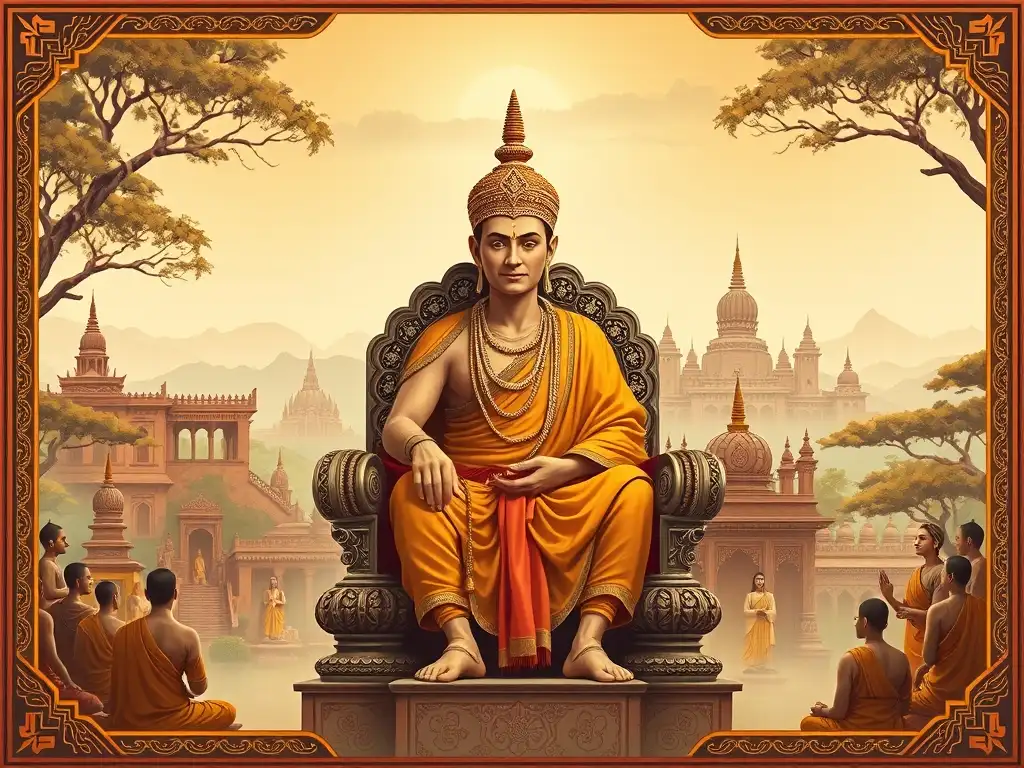
Ashoka's reign marked a pivotal moment in the evolution of Buddhist thought and practice. His patronage significantly contributed to the establishment of various Buddhist schools, each interpreting the teachings of the Buddha in unique ways.
- Mahayana Buddhism: Following Ashoka's support, Mahayana Buddhism began to flourish. This school emphasized the bodhisattva path, advocating for the salvation of all beings rather than just individual enlightenment. Ashoka's promotion of compassion and altruism aligned closely with Mahayana principles, thereby solidifying its growth.
- Theravada Buddhism: In contrast, Theravada Buddhism remained focused on the original teachings of the Buddha as recorded in the Pali Canon. Ashoka's edicts, which emphasized moral conduct and meditation, resonated deeply with Theravada practitioners, reinforcing their commitment to monastic discipline and the pursuit of arahantship.
- Vajrayana Buddhism: Although Vajrayana developed later, Ashoka's influence laid the groundwork for its emergence. His emphasis on ritual and community engagement can be seen as precursors to the elaborate practices of Vajrayana, which integrates both esoteric and exoteric elements.
These schools of thought not only reflect the diversity within Buddhism but also illustrate how Ashoka's influence helped shape the trajectory of Buddhist philosophy and practice.
Ashoka’s Legacy in Modern Buddhist Practices
Ashoka's impact is profoundly felt in modern Buddhist practices, which continue to echo his principles of non-violence (Ahimsa), compassion (Karuna), and moral governance.
- Edicts and Dhamma: The edicts of Ashoka, inscribed on pillars and rocks, serve as ethical guidelines for contemporary Buddhists. His vision of Dhamma, encompassing tolerance and respect for all faiths, remains a cornerstone of modern Buddhist thought.
- Monastic Community: Ashoka's support for the monastic community helped establish the framework for modern Buddhist sanghas (communities). His initiatives to spread Buddhism across Asia through missionaries have led to a globally interconnected community, fostering dialogue and cooperation among different Buddhist traditions.
- Social Engagement: Ashoka's emphasis on social welfare and public service has inspired many contemporary Buddhist movements, such as Engaged Buddhism. These movements focus on applying Buddhist teachings to social issues, highlighting the relevance of Ashoka's legacy in addressing modern challenges like poverty and environmental degradation.
Comparative Analysis of Pre-Ashoka and Post-Ashoka Buddhism
The contrast between pre-Ashoka and post-Ashoka Buddhism is stark and highlights the transformative influence of Ashoka on the religion.
- Pre-Ashoka Buddhism: Before Ashoka's reign, Buddhism was primarily localized and practiced by a small segment of society. The focus was largely on individual enlightenment and ascetic practices. Monastic communities were somewhat insular, and the teachings had yet to gain widespread acceptance.
- Post-Ashoka Buddhism: Following Ashoka's endorsement and propagation of Buddhism, the religion experienced exponential growth. His imperial support facilitated the establishment of monasteries, the spread of teachings, and the translation of texts.
| Aspect | Pre-Ashoka Buddhism | Post-Ashoka Buddhism |
|---|---|---|
| Focus | Individual enlightenment | Collective welfare and moral governance |
| Community Engagement | Insular, limited interaction | Expansive, with established sanghas |
| Geographic Spread | Primarily localized | Global outreach through missions |
| Interpretation of Teachings | Strict adherence to original texts | Diverse interpretations and new schools of thought |
Ashoka's influence on Buddhism was transformative, transitioning it from a localized practice to a major world religion characterized by rich diversity and profound ethical tenets. His legacies continue to resonate within various Buddhist traditions today, shaping both thoughts and practices across cultures and societies.
Conclusion: The Enduring Legacy of Ashoka on Buddhism
Summary of Ashoka’s Contributions to Buddhist Teachings
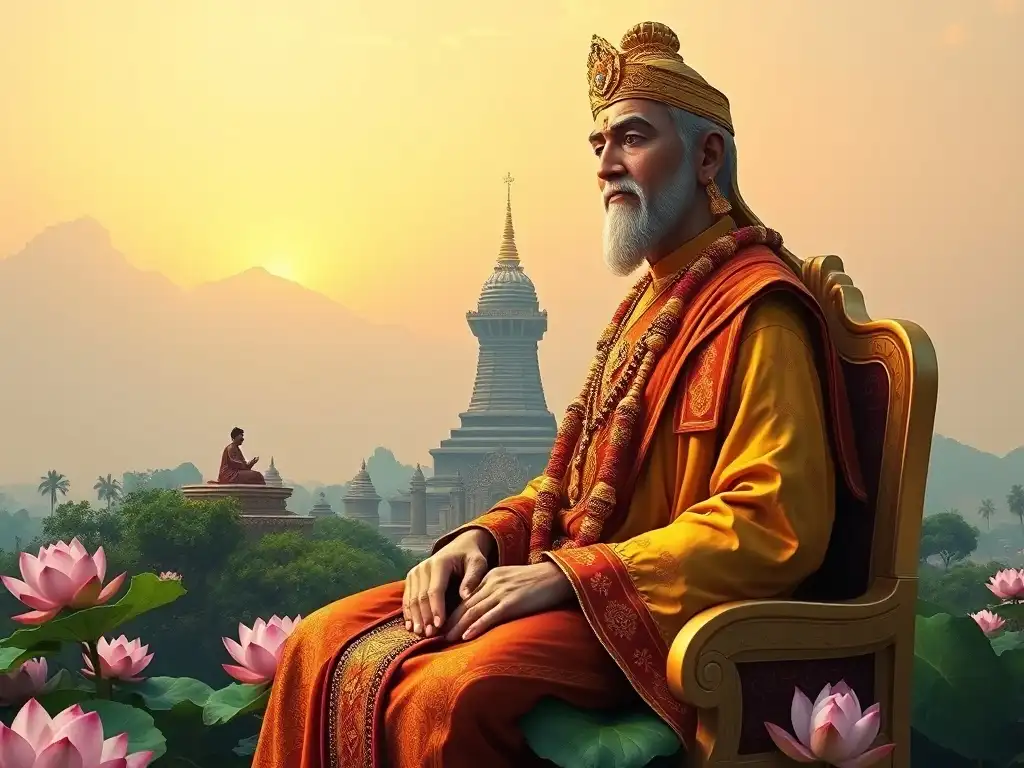
Ashoka the Great, who reigned from 268 to 232 BCE, is often credited with laying the foundations for the widespread acceptance and practice of Buddhism throughout the Indian subcontinent and beyond. His conversion to Buddhism after the Kalinga War marked a pivotal moment in the religion's history, transforming it from a relatively localized belief system into a major world religion.
Key Contributions:
- Promotion of Dharma: Ashoka's commitment to Dharma (moral law) emphasized non-violence, compassion, and the welfare of all living beings. He inscribed edicts on pillars and rocks across his empire, advocating for these principles and encouraging his subjects to adopt them in their daily lives.
- Establishment of Monasteries: Ashoka actively supported the construction of monasteries and stupas, which became central to Buddhist practice and education. The establishment of the Sarnath and Bodh Gaya sites fostered pilgrimage and learning, nurturing a vibrant Buddhist community.
- International Spread of Buddhism: Ashoka sent missionaries, including his son Mahinda and daughter Sanghamitta, to various regions such as Sri Lanka and beyond, facilitating the spread of Buddhist teachings internationally. This missionary zeal contributed to the establishment of Buddhist communities outside India.
Edicts and Messages:
The edicts of Ashoka serve as a historical testament to his influence on Buddhism. They include:
- The Rock Edicts: These inscriptions articulate Ashoka's vision for a just and moral society, encouraging ethical conduct, tolerance, and respect for all religions.
- The Pillar Edicts: These messages further detail his policies on welfare, public health, and the importance of non-violence, which continues to resonate within modern Buddhist practices.
Reflection on Ashoka’s Lasting Impact on Contemporary Buddhism
Ashoka's influence on Buddhism can still be observed in contemporary practices and teachings. His emphasis on non-violence and compassion has become fundamental to Buddhist ethics and has permeated various schools of thought within the religion.
Enduring Principles:
- Non-Violence (Ahimsa): Ashoka’s advocacy for Ahimsa has been adapted into modern Buddhist practices, influencing contemporary movements focused on peace and social justice. This principle resonates with global initiatives such as the non-violent resistance led by figures like Mahatma Gandhi.
- Buddhist Councils: The convening of the Third Buddhist Council under Ashoka set a precedent for future councils, which continue to play a crucial role in maintaining the integrity of Buddhist teachings and practices today.
- Ecumenical Approach: Ashoka’s respect for diverse religious beliefs fosters an inclusive mindset within Buddhism that encourages dialogue and cooperation among different faiths, a concept that is increasingly relevant in today's pluralistic societies.
Modern Implementation:
Today, many Buddhist organizations draw inspiration from Ashoka's teachings, focusing on community service, environmental sustainability, and interfaith dialogues. His legacy continues to inspire contemporary practitioners to embody the values of compassion and ethical living, making Ashoka not just a historical figure but a living influence on the practice of Buddhism worldwide.
The profound impact of Ashoka on Buddhism has not only shaped the religion's historical trajectory but continues to inform its teachings and practices in the modern era. His legacy serves as a reminder of the power of ethical leadership and the enduring relevance of compassionate action.
Further Reading on Ashoka and Buddhism

Recommended Books and Articles
For those interested in exploring the profound influence of Ashoka on Buddhism, a selection of insightful books and scholarly articles offers a deeper understanding of his contributions and legacy. Here are some highly recommended resources:
-
"Ashoka: The Search for India's Lost Emperor" by Charles Allen
This book provides an engaging narrative of Ashoka’s life, exploring his transformation after the Kalinga War and his subsequent commitment to Buddhist principles. Allen’s work is both historical and reflective, making it an excellent entry point for those new to the topic.
-
"The Edicts of King Ashoka" translated by N. A. Nikam and Richard McKeon
This collection presents the original edicts inscribed by Ashoka, providing direct insight into his thoughts and policies. The translation offers context and analysis, making it invaluable for scholars and enthusiasts alike.
-
"Buddhism in India: Challenging Brahmanical Hegemony" by G. C. Pande
This book discusses the relationship between Buddhism and Brahmanism, particularly during Ashoka’s reign. Pande's analysis sheds light on how Ashoka's policies affected the spread and acceptance of Buddhism in India.
-
"Ashoka and the Decline of the Mauryas" by Romila Thapar
Thapar’s work is a critical examination of Ashoka’s reign and its implications for the Mauryan Empire's decline. This book offers a scholarly perspective on Ashoka’s influence on Buddhism and the socio-political landscape of ancient India.
-
"The Role of Ashoka in the Spread of Buddhism" - Journal of Ancient Indian History
This peer-reviewed article investigates how Ashoka’s missions and edicts facilitated the spread of Buddhism beyond India. It is a valuable resource for understanding the mechanisms of cultural diffusion during his reign.
To further enrich your understanding of Ashoka’s influence on Buddhism and ancient Indian history, consider exploring the following related topics:
-
The Maurya Empire
Understanding the structure and governance of the Maurya Empire provides context for Ashoka's policies and their impact on Buddhism.
-
The Kalinga War
This pivotal event in Ashoka’s life marks his transformation into a proponent of non-violence and Buddhist teachings.
-
Buddhist Councils
Investigate the impact of the councils held during and after Ashoka’s reign on the development of Buddhist doctrines and practices.
-
Spread of Buddhism in Southeast Asia
Explore how Ashoka’s edicts and missionary efforts influenced the spread of Buddhism beyond the Indian subcontinent, particularly in regions like Sri Lanka, Myanmar, and Thailand.
-
Ashoka’s Edicts and Their Interpretations
Delve into the various interpretations of Ashoka's edicts and their implications for understanding his commitment to Buddhist values.
By engaging with these topics, readers can gain a comprehensive view of Ashoka's lasting influence on Buddhism and the broader cultural landscape of ancient India.
Frequently Asked Questions
What was Ashoka's role in the spread of Buddhism?
Ashoka, the Mauryan emperor, played a pivotal role in the expansion of Buddhism by promoting its teachings across his empire and beyond, particularly after his conversion following the Kalinga War.
How did Ashoka influence Buddhist practices?
Ashoka influenced Buddhist practices by establishing edicts that emphasized non-violence, compassion, and ethical conduct, making these principles central to the faith and daily life of his subjects.
What are the key contributions of Ashoka to Buddhism?
Key contributions include the creation of stupas, the dissemination of Buddhist texts, and the support of missionaries, which helped solidify Buddhism's presence in India and other regions.
How does Ashoka's legacy impact modern Buddhism?
Ashoka's legacy continues to impact modern Buddhism by reinforcing the importance of moral governance and social welfare, principles that inspire many contemporary Buddhist leaders and practitioners.
Why is Ashoka considered a significant figure in Buddhist history?
Ashoka is considered significant because his patronage and advocacy for Buddhism led to its transformation from a regional belief system into a global religion, influencing various cultures around the world.
Final Reflection: The Enduring Legacy of Ashoka's Influence on Buddhism
Ashoka's profound impact on Buddhism continues to resonate in our modern world, illustrating how one leader's vision can shape the spiritual landscape for centuries. His commitment to non-violence and the promotion of ethical living not only transformed the Buddhist teachings of his time but also laid the groundwork for the global spread of these principles. Today, as we navigate a world often fraught with conflict and division, Ashoka's teachings remind us of the power of compassion and understanding in fostering peace.
Culturally and socially, Ashoka's influence on Buddhism has been monumental, inspiring countless individuals and movements dedicated to the pursuit of enlightenment and ethical living. His edicts, which emphasized moral conduct and the welfare of all beings, continue to serve as guiding principles for many practitioners today. The greatest victory is the victory over oneself,
a sentiment that echoes Ashoka's teachings, encourages us to look inward and strive for personal growth. This ongoing relevance of Ashoka's philosophy highlights the importance of integrating these values into our daily lives, fostering a culture of mindfulness and respect.
As we reflect on Ashoka's legacy, let us consider how we can embody his teachings in our own lives. Take a moment to contemplate how compassion, non-violence, and ethical living can influence your interactions with others and the choices you make. By embracing these principles, we not only honor Ashoka's memory but also contribute to a more harmonious world. Let us carry forward the torch of his teachings, allowing them to illuminate our paths and inspire future generations.
Embrace the Legacy: Transform Your Understanding of Buddhism!
Thank you for taking the time to explore Ashoka’s profound influence on modern Buddhist practices. Your journey through history not only enriches your knowledge but also connects you to ancient wisdom that continues to shape our world today. Now, it’s time to turn that knowledge into action!
Here’s how you can deepen your connection with Ashoka’s teachings and contribute to the vibrant landscape of Buddhism:
- Reflect on Ashoka’s Principles: Take a moment to meditate on the values of compassion and non-violence that Ashoka championed. Consider journaling your thoughts on how these principles can enhance your daily life.
- Engage with Your Community: Share your insights from this article with friends or at local meditation groups. Initiate discussions that inspire others to explore the rich heritage of Buddhism.
- Discover New Practices: Explore a new form of meditation or mindfulness practice that aligns with Ashoka’s teachings, and consider documenting your experience.
What aspect of Ashoka’s legacy resonates most with you, and how will you incorporate it into your daily life?