
Ashoka the Great and His Relationship with Other Ancient Civilizations

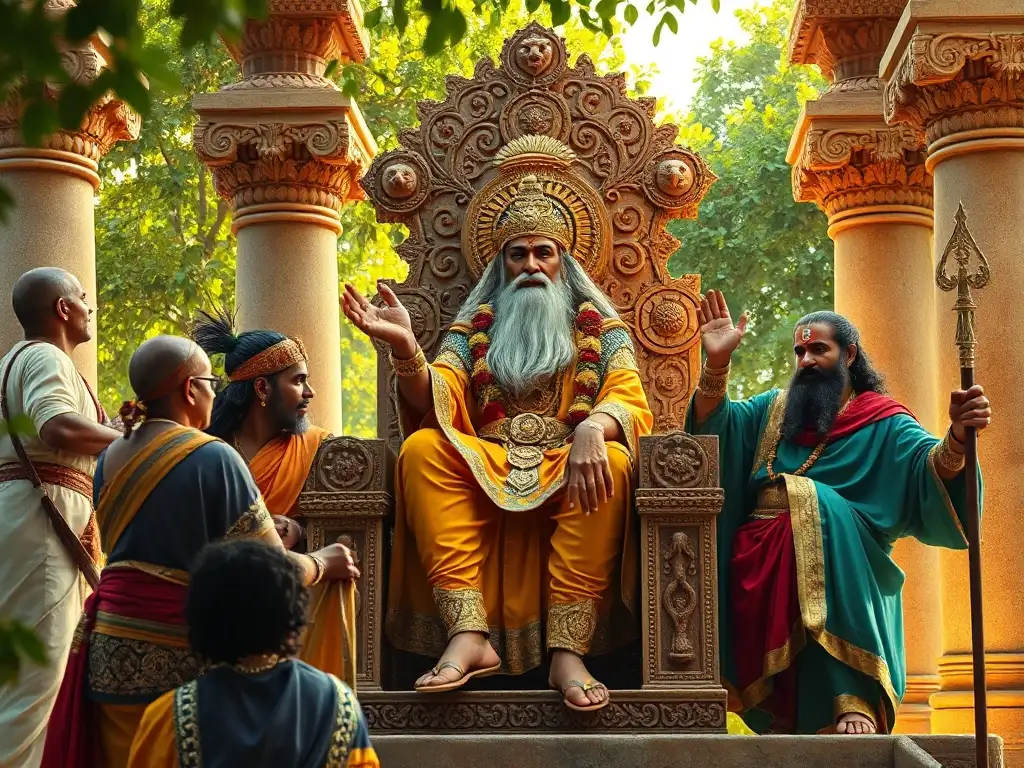
Welcome to Ancient India History, where we embark on a fascinating journey through the vibrant tapestry of one of the world's oldest civilizations. Today, we delve into the life of Ashoka the Great, a pivotal figure whose influence reached far beyond the borders of ancient India. Discover how his remarkable reign shaped not only his own empire but also left a lasting imprint on civilizations across the globe.
As you explore the intricate connections between Ashoka and other ancient cultures, prepare to uncover the profound impact of his philosophies and policies. Join us in unraveling the legacy of this extraordinary emperor and the rich history that surrounds him!
Introduction to Ashoka the Great
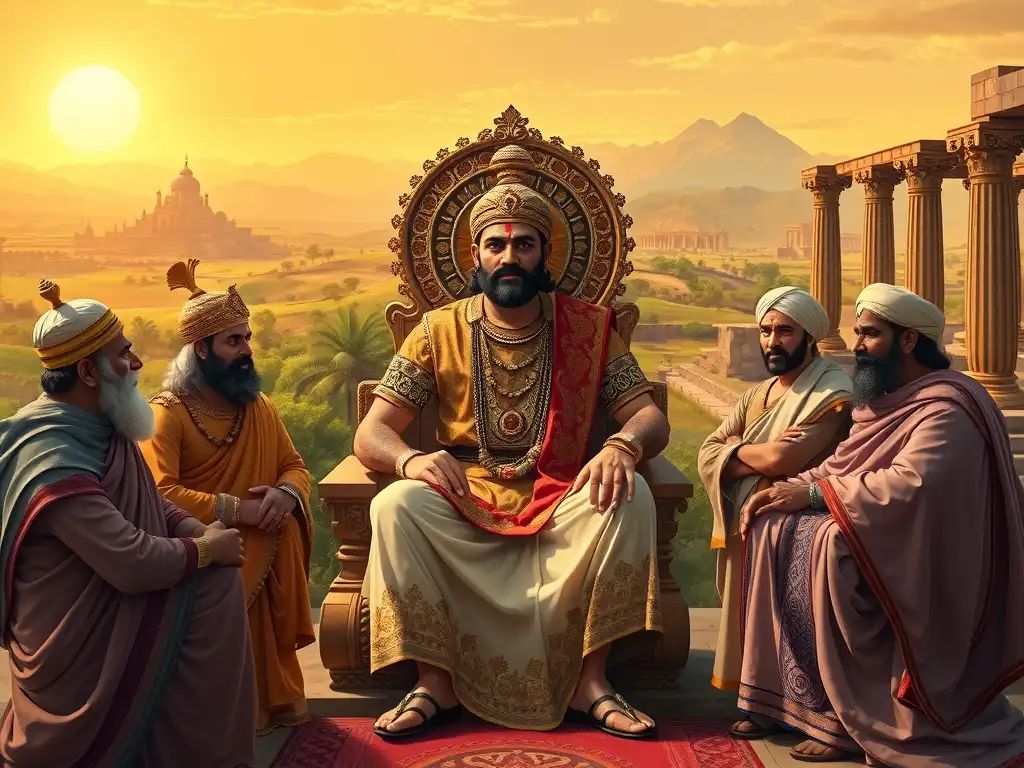
Ashoka the Great, one of the most illustrious emperors of ancient India, ruled the Maurya Dynasty during the 3rd century BCE. His reign marked a transformative period in Indian history, characterized by profound cultural and religious developments, particularly the spread of Buddhism. Ashoka's influence extended far beyond the borders of India, impacting various ancient civilizations through diplomatic relations, trade, and cultural exchanges. This article delves into the significance of Ashoka the Great, exploring how his policies and philosophies not only shaped ancient Indian society but also resonated with contemporary civilizations, leaving a lasting legacy that continues to inspire today.
Overview of Ashoka's Life and Reign
Ashoka was born into a royal family around 304 BCE and ascended to the throne following a tumultuous succession marked by familial strife. His early reign was marked by military conquests, most notably the Kalinga War, which resulted in significant loss of life and suffering. This pivotal event profoundly affected Ashoka, prompting him to embrace the principles of non-violence and compassion.
The aftermath of the Kalinga War led Ashoka to adopt Buddhism as a guiding philosophy, seeking to promote peace and moral governance. He implemented a series of reforms aimed at improving the welfare of his subjects, focusing on social justice, healthcare, and infrastructure development. His reign is often considered a golden age for India, as it laid the groundwork for a prosperous and culturally rich society.
Importance of Ashoka in Ancient Indian History
Ashoka's significance in ancient Indian history cannot be overstated. He is often regarded as a pioneering figure who integrated ethical governance with Buddhist principles, promoting a vision of harmonious coexistence. His efforts to disseminate Buddhism across Asia established him as a key figure in the religion's expansion, influencing diverse cultures and societies.
Moreover, Ashoka's establishment of a centralized administration and promotion of trade facilitated economic growth and cultural exchange. His legacy is encapsulated in his edicts, inscribed on pillars and rocks throughout his empire, which conveyed messages of tolerance, compassion, and moral conduct. These edicts not only reflect Ashoka's beliefs but also serve as critical historical documents providing insight into the socio-political landscape of ancient India.
Ashoka the Great’s Influence on Civilizations
Ashoka the Great's influence on civilizations extended well beyond the geographical confines of his empire. His promotion of Buddhism and the establishment of diplomatic ties with other nations played a crucial role in fostering intercultural exchanges that shaped the ancient world.
The Spread of Buddhism Across Civilizations
Under Ashoka's patronage, Buddhism flourished and spread to various regions, including Central Asia, Southeast Asia, and even as far as the Mediterranean. He dispatched missionaries to propagate the teachings of the Buddha, leading to the establishment of monastic communities and the construction of stupas and other religious structures.
The impact of Ashoka's efforts can be observed in regions such as:
- Sri Lanka: Ashoka's son, Mahinda, played a pivotal role in introducing Buddhism to the island, which remains a significant Buddhist stronghold today.
- Southeast Asia: The trade routes established during Ashoka's reign facilitated cultural exchanges that introduced Buddhist art and philosophy to countries like Thailand, Cambodia, and Myanmar.
- Central Asia: Ashoka's interactions with the Greco-Bactrian kingdom helped disseminate Buddhist teachings, leading to the creation of hybrid art forms, such as Gandhara art, which blends Indian and Hellenistic influences.
Ashoka's Edicts: A Communication Tool for Ancient Cultures
The edicts of Ashoka serve not only as a testament to his reign but also as a vital communication tool that connected various ancient cultures. These inscriptions, written in multiple languages including Brahmi and Greek, conveyed messages of ethical governance, religious tolerance, and social responsibility.
Key aspects of Ashoka's edicts include:
- Moral and Ethical Guidelines: The edicts emphasize values such as non-violence, compassion, and respect for all living beings, influencing contemporary ethical thought across cultures.
- Cultural Exchange: By inscribing edicts in diverse languages, Ashoka facilitated communication between different ethnic groups, fostering an atmosphere of cultural exchange and understanding.
- Diplomatic Relations: Ashoka's edicts often addressed foreign nations, highlighting his commitment to peaceful coexistence and diplomacy, which contributed to the stability of trade routes and cultural interactions.
Ashoka the Great's influence on civilizations is a multifaceted legacy that encompasses the spread of Buddhism, the promotion of ethical governance, and the establishment of intercultural dialogues. His reign not only shaped ancient Indian society but also left an indelible mark on the broader tapestry of human history.
Ashoka and the Mauryan Empire's Role in Global History
Ashoka the Great, the third ruler of the Mauryan Empire, played a pivotal role in shaping not only Indian history but also the dynamics of global civilizations during his reign (c. 268–232 BCE). His influence extended beyond the subcontinent through a combination of military conquests, strategic diplomacy, and the promotion of Buddhism as a universal religion. Under Ashoka’s rule, the Mauryan Empire became a significant political and cultural power, laying the groundwork for interactions with various contemporary civilizations.
The Mauryan Empire’s significance in global history is underscored by its advancement of trade routes, infrastructure, and communication systems that facilitated not just economic but also cultural exchanges. Ashoka's edicts, inscribed on pillars and rocks throughout the empire, served as a means of communication that transcended regional languages and cultural barriers. His promotion of non-violence and ethical governance resonated with various societies, influencing their political philosophies and practices.
The Mauryan Empire's Geographic Reach
The Mauryan Empire, at its zenith under Ashoka, encompassed a vast territory that stretched across the Indian subcontinent, from the Himalayas in the north to the Deccan Plateau in the south, and from the easternmost Bengal region to the western provinces of present-day Afghanistan and parts of Iran. This extensive geographic reach allowed for the integration of diverse ethnicities, cultures, and religions, fostering a rich tapestry of social and political interactions.
The empire's location along key trade routes, such as the Grand Trunk Road, facilitated commerce with neighboring regions, including Central Asia, the Middle East, and even parts of the Mediterranean. This strategic positioning not only enhanced economic prosperity but also positioned the Mauryan Empire as a crucial player in the exchange of ideas, goods, and cultural practices.
Political Alliances and Diplomatic Relations with Neighboring Civilizations
Ashoka's diplomatic acumen was instrumental in establishing alliances with neighboring kingdoms and civilizations. His reign was marked by a series of political maneuvers that emphasized peace and cooperation over conquest. Ashoka engaged in treaties and alliances with various states, including the rulers of the Hellenistic kingdoms, which were emerging in the wake of Alexander the Great's conquests.
One notable example of Ashoka’s diplomatic efforts is his correspondence with Greek rulers, particularly with Antiochus II of the Seleucid Empire. This relationship not only fostered political stability but also facilitated cultural exchanges, as ideas and practices were shared between Indian and Hellenistic societies. Ashoka’s edicts, promoting moral governance and the principles of dharma, resonated with these neighboring civilizations, influencing their political ethos.
Ashoka's Relationship with the Hellenistic World
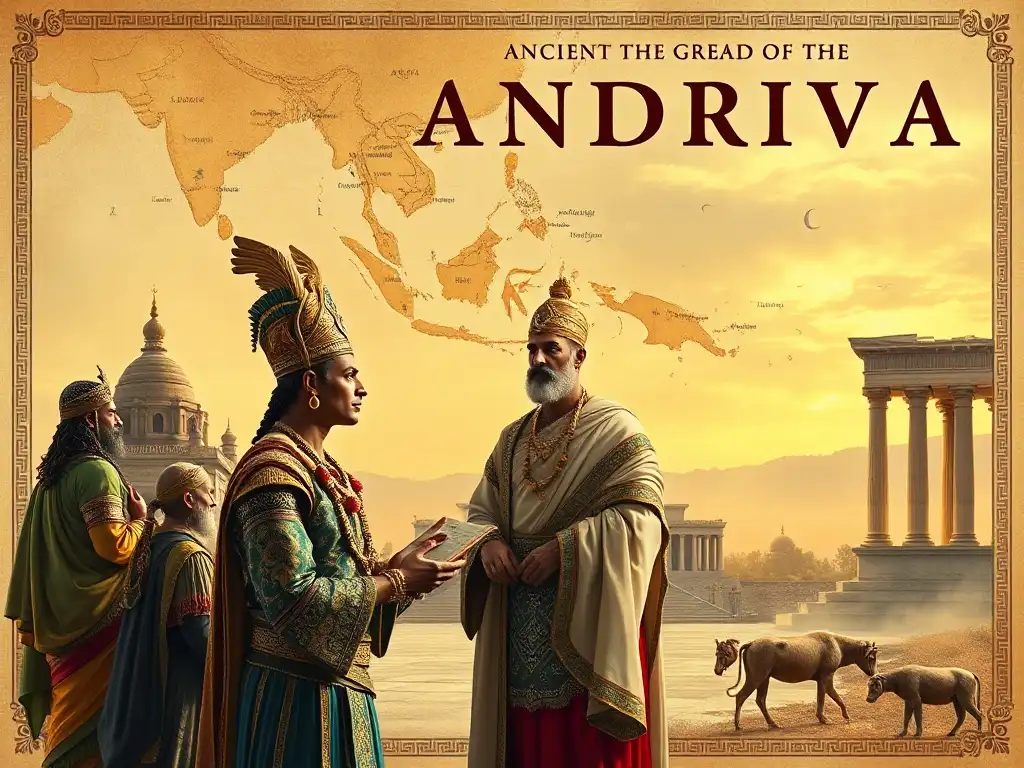
Ashoka’s reign coincided with the rise of the Hellenistic world, following the conquests of Alexander the Great. The interactions between Ashoka's India and the Hellenistic kingdoms were characterized by mutual respect, intellectual exchanges, and a shared interest in the propagation of philosophy and culture.
Interactions with Greek Kingdoms
The relationship between Ashoka and the Greek kingdoms, particularly the Seleucid Empire, was significant in fostering diplomatic and cultural ties. Ashoka's proactive approach in establishing friendly relations with the Greeks is evidenced through historical accounts that suggest he sent envoys to the courts of Hellenistic rulers. This initiative facilitated not just political alliances but also the exchange of ideas regarding governance, philosophy, and religion.
The blending of Hellenistic and Indian thought can be seen in the promotion of Buddhism, which Ashoka endorsed as a means of unifying diverse populations. The spread of Buddhist principles into the Hellenistic world is indicative of the broader cultural interactions that characterized this period.
Cultural Exchanges between Ashoka’s India and Hellenistic Societies
Cultural exchanges between Ashoka’s India and Hellenistic societies were multifaceted, encompassing art, philosophy, and trade. The influence of Hellenistic culture on Indian art, particularly in the form of sculpture and architecture, is notable. The introduction of Greek artistic styles contributed to the development of a unique Indo-Greek artistic tradition, evident in the sculptures found in Gandhara.
Philosophically, the dialogues between Indian and Hellenistic thinkers led to a rich exchange of ideas, particularly regarding ethics and governance. Ashoka's emphasis on dharma paralleled Hellenistic ideals of virtue and moral responsibility, fostering a dialogue that transcended cultural boundaries.
In trade, the exchange of goods such as textiles, spices, and precious stones further solidified the economic ties between these civilizations. The Mauryan Empire’s active participation in trade with the Hellenistic world illustrates the interconnectedness of ancient civilizations, highlighting Ashoka’s role in fostering these relationships.
Ashoka and the Influence on Southeast Asian Civilizations
Ashoka the Great, who reigned from 268 to 232 BCE, is often credited with a profound influence that extended far beyond the borders of ancient India, particularly in Southeast Asia. His promotion of Buddhism as a state religion catalyzed a cultural and spiritual transformation in the region, leading to the establishment of Buddhist communities and institutions that would shape the civilizations of countries such as Indonesia, Thailand, and Cambodia. Ashoka's edicts, inscribed on rock pillars and boulders, served as key instruments in communicating his messages of peace, tolerance, and moral governance, which resonated with various communities across Southeast Asia.
The cultural exchanges between India and Southeast Asia during Ashoka's reign established a foundation for trade, art, and religious practices that flourished for centuries. The rich tapestry of Indian civilization, woven with threads of Buddhism, philosophy, and governance, left a lasting imprint on the socio-political landscapes of these regions. The legacy of Ashoka is evident in the architectural styles, religious practices, and even the administrative frameworks that emerged in Southeast Asia, reflecting a shared heritage rooted in his vision.
The Role of Ashoka in the Spread of Buddhism to Southeast Asia
Ashoka’s role in the spread of Buddhism to Southeast Asia is pivotal. After his conversion to Buddhism, he actively sought to propagate the teachings of the Buddha beyond the Indian subcontinent. He dispatched missionaries, including notable figures such as his son Mahinda and daughter Sanghamitta, to various lands. These missionaries were instrumental in establishing Buddhist monastic orders and teaching Buddhist principles, which resonated with the local populations.
The establishment of stupas, monasteries, and educational institutions in Southeast Asia can be traced back to these early missionary efforts. This not only facilitated the spread of Buddhism but also encouraged intercultural dialogue and exchange, as local traditions intermingled with Buddhist practices. Ashoka's emphasis on ethical governance and social welfare found a receptive audience in the diverse cultures of Southeast Asia, promoting a synthesis of beliefs and practices that enriched the region's cultural landscape.
Historical Evidence of Ashoka's Influence in Countries like Indonesia and Cambodia
Historical evidence of Ashoka's influence can be observed in archaeological finds and inscriptions across Southeast Asia, particularly in Indonesia and Cambodia. In Indonesia, the discovery of Buddhist temples such as Borobudur, which dates back to the 8th and 9th centuries CE, reflects the early impact of Indian civilization and Buddhism brought forth by Ashoka’s initiatives. These structures showcase intricate carvings and a layout that indicates a strong Buddhist influence.
In Cambodia, the inscriptions at the temples of Angkor Wat and the presence of the Mahayana Buddhist tradition highlight the enduring legacy of Ashoka's missionary activities. The Cambodian king, Jayavarman II, who established the Khmer Empire, is believed to have been influenced by the principles of governance and Buddhist ethics espoused by Ashoka. The intertwining of political power with spiritual authority in these regions can be traced back to Ashoka’s teachings, showcasing his far-reaching influence on the governance models of Southeast Asian civilizations.
Ashoka's Impact on Later Indian Empires
Ashoka's reign marked a significant turning point in Indian history, and his influence extended well into the future, notably impacting subsequent Indian empires, particularly the Gupta Empire. His emphasis on Dharma, or righteous living, established a model of governance that prioritized moral authority and social responsibility, influencing the political philosophy of later rulers.
The administrative practices and ideals of statecraft articulated during Ashoka's time laid the groundwork for the sophisticated governance systems that would be employed by later dynasties. The integration of Buddhism into the sociopolitical fabric of India also ensured that the cultural and ethical principles he championed continued to resonate with future leaders and their subjects.
The Gupta Empire and Ashoka's Legacy
The Gupta Empire, which thrived from approximately 320 to 550 CE, is often referred to as a golden age in Indian history, marked by significant achievements in art, science, and culture. Ashoka’s legacy played a crucial role in shaping the values and institutions of this period. The Gupta rulers adopted many of Ashoka’s policies, emphasizing education and the patronage of the arts, reflecting a continuity of his vision for a just and enlightened society.
Moreover, the revival of Buddhism during the Gupta period can be traced back to Ashoka's earlier efforts to promote the religion. The construction of temples and the support for Buddhist scholars and monastic communities during this time were direct continuations of the foundations laid by Ashoka. This not only reinforced the cultural identity of India but also established a framework for the flourishing of philosophical thought, literature, and artistic expression.
Cultural and Political Continuities from Ashoka’s Era to Later Dynasties
The cultural and political continuities from Ashoka’s era to later dynasties are evident in various aspects of governance, social structure, and cultural expressions in ancient India. The principles of non-violence (Ahimsa) and tolerance that Ashoka championed continued to be central ideals in the political philosophy of subsequent rulers. His edicts served as a moral compass guiding leaders in their responsibilities toward their subjects.
The administrative frameworks established during Ashoka's reign, including the implementation of a bureaucratic system and the promotion of local governance, were echoed in later dynasties, allowing for effective management of diverse populations across vast territories. Additionally, the artistic styles and literary traditions that emerged during the post-Ashoka period were heavily influenced by the Buddhist themes and aesthetics propagated under his rule.
Ashoka the Great's influence on civilizations, particularly in Southeast Asia and later Indian empires, highlights the enduring legacy of his governance and the cultural exchanges that shaped the historical trajectories of these regions. His commitment to ethical rule and the propagation of Buddhism created pathways for intercultural connections that remain significant to this day.
Ashoka's Relationships with Other Ancient Civilizations
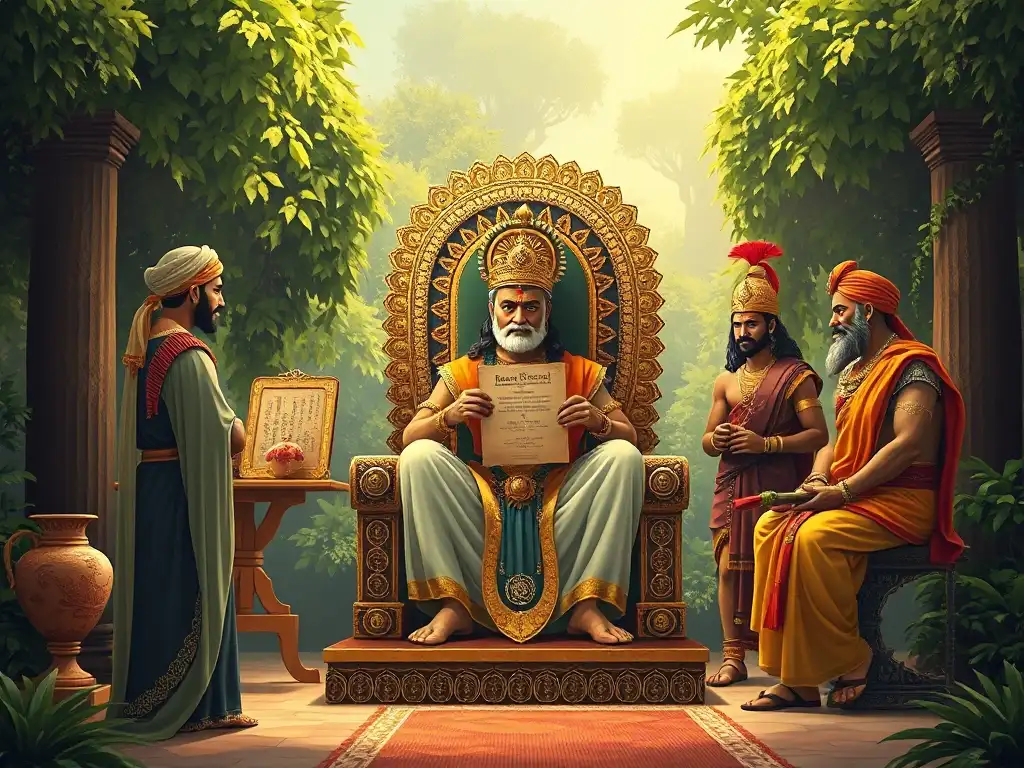
Ashoka the Great, the third Mauryan emperor, is renowned for his profound influence on both Indian society and civilizations beyond its borders. His reign, spanning from 268 to 232 BCE, marked a significant departure from the militaristic policies of his predecessors towards a governance model centered on Dharma, or moral law. This transformation not only affected the internal dynamics of the Mauryan Empire but also established Ashoka as a pivotal figure in fostering relationships with other ancient civilizations, including those in Persia, Greece, and Southeast Asia.
Ashoka's relationship with other civilizations was largely characterized by diplomatic exchanges and the promotion of Buddhism as a universal religion. Following the Kalinga War, which deeply affected him, Ashoka sought to spread peace and ethical governance. He sent envoys to various regions, including modern-day Afghanistan, Sri Lanka, and even as far as the Hellenistic kingdoms, to promote the principles of Buddhism and Dharma. This outreach resulted in cultural exchanges that enriched multiple societies and facilitated the spread of ideas, art, and trade.
Comparison with Other Major Rulers of His Time
When compared to other major rulers of his time, such as Alexander the Great and Darius I of Persia, Ashoka's approach to governance and foreign relations appears distinctly different. Alexander, known for his conquests, sought to expand his empire through military might, often leaving a trail of destruction in his wake. In contrast, Ashoka's legacy is rooted in non-violence and moral leadership. His Edicts, inscribed on rocks and pillars across his empire, emphasized compassion, tolerance, and respect for all living beings.
Darius I also practiced a form of imperial governance that focused on administration and infrastructure development. However, while Darius was a formidable military leader who sought to unify a vast empire through conquest and central authority, Ashoka's reign was marked by an internal focus on ethical governance and the promotion of Buddhist values. This focus not only helped to stabilize his empire but also earned him respect as a ruler who valued peace over war.
The Role of Trade Routes in Cultural Exchange During Ashoka's Reign
During Ashoka's reign, the well-established trade routes of the Mauryan Empire played a crucial role in fostering cultural exchange. These trade routes connected India with regions as diverse as Central Asia, the Middle East, and Southeast Asia. Through these pathways, merchants and travelers exchanged goods, ideas, and cultural practices, significantly impacting the civilizations involved.
Buddhism, in particular, flourished along these trade routes. Ashoka's missionaries traveled to places like Sri Lanka and parts of Southeast Asia, spreading Buddhist teachings and principles. This cultural diffusion not only resulted in the establishment of Buddhist communities but also influenced local art, architecture, and governance practices. The exchange of goods, such as spices, textiles, and precious stones, further integrated the Mauryan Empire into the broader ancient world, enhancing its economic and cultural stature.
Conclusion: Lasting Legacy of Ashoka the Great on Civilizations
The legacy of Ashoka the Great extends far beyond the boundaries of his empire, with a lasting influence on various ancient cultures and civilizations. His commitment to non-violence, moral governance, and the promotion of Buddhism has left an indelible mark on history, shaping the values and practices of numerous societies.
Summary of Ashoka’s Influence on Ancient Cultures
Ashoka's influence on ancient cultures is evident in the widespread adoption of Buddhist principles across Asia. His Edicts served not only as moral guidelines but also as a framework for governance that many leaders sought to emulate. The establishment of monasteries and stupas along trade routes facilitated the growth of Buddhist communities, which played a vital role in the cultural and spiritual landscape of regions from India to Southeast Asia.
Moreover, Ashoka's diplomatic initiatives fostered relationships with neighboring civilizations, incorporating a spirit of cooperation and mutual respect that was relatively unique for his time. This legacy of diplomacy and ethical governance continues to resonate in modern discussions on leadership and international relations.
Reflection on Ashoka’s Role in Shaping Historical Narratives
Ashoka's reign and his philosophical shifts represent a turning point in historical narratives about power and governance. Unlike many of his contemporaries whose stories are often tied to conquest and military glory, Ashoka's narrative is intertwined with the ideals of compassion, ethical leadership, and cultural exchange. His life illustrates how a ruler can influence not just their immediate realm but also distant lands through the promotion of peace and shared values.
As historians and scholars reflect on Ashoka’s legacy, they recognize his role in shaping not only religious and cultural identities but also the broader dialogues about the nature of power and the responsibilities of leadership. His story serves as a reminder of the potential for rulers to effect positive change in the world, leaving a legacy that endures through the ages.
References
Key Texts and Sources on Ashoka the Great and Ancient Civilizations
The legacy of Ashoka the Great is well-documented in various historical texts, inscriptions, and archaeological findings. Some of the most significant sources include:
- Edicts of Ashoka: These inscriptions, found on pillars and rocks across the Indian subcontinent, detail Ashoka’s policies, moral teachings, and his commitment to Dhamma (righteousness). The edicts emphasize non-violence, tolerance, and the welfare of his subjects, providing direct insight into his rule and ideology.
- The Mahabharata: While primarily an epic narrative, this ancient text reflects the socio-political landscape of ancient India and provides contextual background on the period in which Ashoka lived, indirectly shedding light on his governance and the cultural norms of the time.
- The Puranas: These texts, particularly the Vishnu Purana and the Bhagavata Purana, provide genealogies of Indian kings, including Ashoka, and discuss the moral and ethical framework of his reign.
- Historical Accounts by Foreign Visitors: Accounts from travelers like Megasthenes, who visited India during the Mauryan Empire, offer a non-Indian perspective on Ashoka's influence and the grandeur of his empire.
- Modern Histories and Biographies: Books such as "Ashoka: The Search for the True India" by Charles Allen and "The Edicts of Ashoka" translated by Richard McKeon provide comprehensive analyses of Ashoka's life, reign, and his impacts on both India and other civilizations.
Additional Reading on Ancient Indian History
For those interested in exploring more about ancient Indian history and the broader context in which Ashoka the Great operated, the following readings are highly recommended:
- "India: A History" by John Keay: This book presents a sweeping narrative of India’s history, tracing its development from ancient times through to the modern era, with insights into the role of major figures like Ashoka.
- "The History of India" by Romila Thapar: Thapar's work provides an in-depth look at the ancient Indian subcontinent, focusing on the cultural, political, and social developments during and after Ashoka's reign.
- "The Mauryan Empire" by R. C. Sharma: This book delves specifically into the Mauryan Empire, discussing its establishment, governance, and the role of Ashoka in shaping its legacy.
- "The Culture of Ancient India" by R. S. Sharma: This text examines the cultural achievements of ancient Indian civilizations, including art, architecture, and philosophy, during the time of Ashoka.
- Research Journals and Articles: Academic journals such as the "Journal of Asian Studies" often publish articles focusing on Ashoka and ancient Indian history, providing scholarly insights and analyses.
These resources collectively paint a comprehensive picture of Ashoka's influence on civilizations and the rich tapestry of ancient Indian history.
- Introduction to Ashoka the Great
- Ashoka the Great’s Influence on Civilizations
- Ashoka and the Mauryan Empire's Role in Global History
- Ashoka's Relationship with the Hellenistic World
- Ashoka and the Influence on Southeast Asian Civilizations
- Ashoka's Impact on Later Indian Empires
- Ashoka's Relationships with Other Ancient Civilizations
- Conclusion: Lasting Legacy of Ashoka the Great on Civilizations
- References
Frequently Asked Questions
What was the significance of Ashoka the Great in ancient India?
Ashoka the Great was a prominent emperor of the Maurya Dynasty known for his transformative influence on governance and society, particularly through the promotion of Buddhism and non-violence.
How did Ashoka interact with other ancient civilizations?
Ashoka engaged with various ancient civilizations through diplomacy, trade, and the spread of Buddhist ideals, establishing connections that influenced cultures beyond India.
What were Ashoka's contributions to art and architecture?
Ashoka is renowned for his monumental architecture, including the Ashoka Pillars and stupas, which served as important symbols of Buddhist philosophy and artistry in ancient India.
How did Ashoka's policies affect his empire and beyond?
His policies, grounded in Dharma and moral governance, promoted social welfare and tolerance, which left a lasting impact on the administrative practices of future civilizations in the region.
What legacy did Ashoka leave on modern civilizations?
Ashoka's principles of non-violence and tolerance continue to resonate today, influencing contemporary thoughts on peace and ethical governance, making him a timeless figure in world history.
Final Reflection: The Enduring Influence of Ashoka the Great on Civilizations
Ashoka the Great's influence on civilizations remains profoundly relevant today, as his principles of compassion, tolerance, and non-violence resonate in our increasingly interconnected world. In an era marked by conflict and division, the lessons drawn from Ashoka's reign serve as a powerful reminder of the potential for leadership to foster peace and understanding among diverse cultures. His legacy invites us to reflect on how we can embody these values in our own lives and communities.
The impact of Ashoka's policies and philosophies extends far beyond the boundaries of ancient India, shaping the cultural and social landscapes of numerous civilizations. His commitment to the welfare of his people and his promotion of ethical governance continue to inspire leaders and citizens alike. As Mahatma Gandhi once said, "> The greatness of a nation and its moral progress can be judged by the way its animals are treated." This quote echoes Ashoka's own dedication to non-violence and respect for all living beings, highlighting the timeless relevance of his ideals in our modern society.
As we contemplate the teachings of Ashoka the Great, let us challenge ourselves to integrate his principles into our daily lives. Consider how you can embody compassion and understanding in your interactions with others, and strive to be a force for positive change in your community. By embracing the lessons of Ashoka, we not only honor his legacy but also contribute to a more harmonious world, fostering connections that transcend cultural boundaries and promote a shared humanity.
Explore the Legacy of Ashoka and Transform Your Understanding!
Thank you for diving into the fascinating world of Ashoka the Great and his connections with ancient civilizations! By exploring his rich history, you've uncovered invaluable insights that highlight the profound impact of his reign. Now, it's time to take these learnings a step further!
Here’s how you can continue your journey:
- Delve Deeper: Explore more about Ashoka by reading related articles on our site that illuminate his policies and philosophies.
- Share Your Insights: Join the discussion! Share this article with friends or on social media to spark conversations about ancient history and its relevance today.
- Get Involved: Consider volunteering or engaging with local history groups to bring ancient stories to life in your community.
What aspect of Ashoka’s influence do you find most compelling, and how do you think it shapes our modern world? We’d love to hear your thoughts in the comments!