
The Cultural Renaissance Under Ashoka: Art, Literature, and More

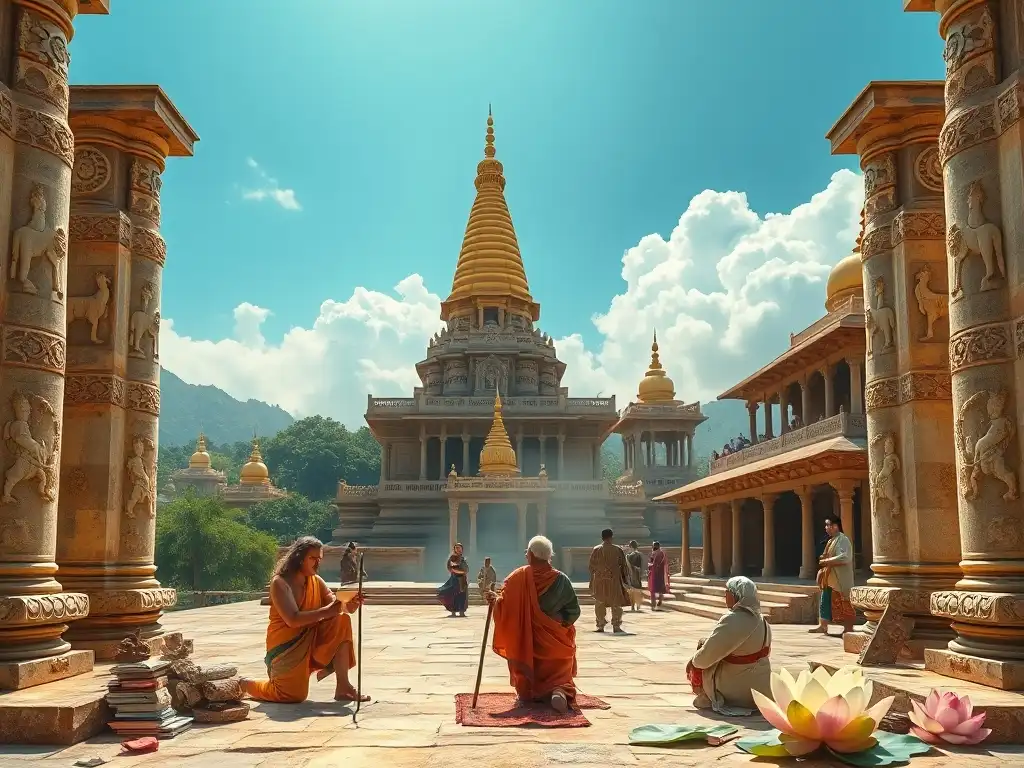
Welcome to Ancient India History, where we embark on a captivating journey through time to uncover the profound and diverse legacies of ancient Indian civilizations. Dive into our featured article, "The Cultural Renaissance Under Ashoka: Art, Literature, and More," as we explore the cultural impact of Ashoka, a pivotal figure whose reign transformed the artistic and literary landscape of India. Discover how his vision and policies sparked a renaissance that shaped not only the subcontinent but also left an indelible mark on the world.
What secrets lie within the art and literature of this era? Join us as we unravel the intricate tapestry of history that continues to inspire and inform.
Introduction to Ashoka the Great
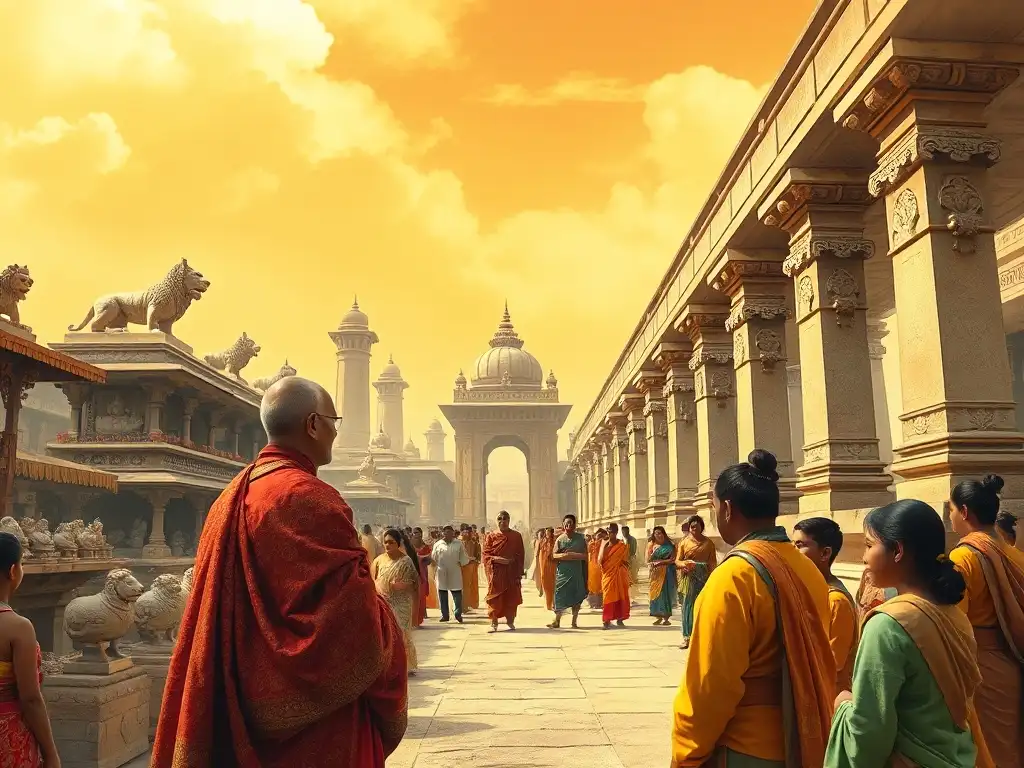
Ashoka the Great, one of the most illustrious rulers of ancient India, reigned from approximately 268 to 232 BCE. His reign marked a transformative period in Indian history, characterized by a profound cultural renaissance that influenced various aspects of art, literature, and societal values.
Ashoka's embrace of Buddhism and his commitment to the principles of Dharma—moral law and ethics—played a pivotal role in shaping the cultural landscape of his time. This article delves into the cultural impact of Ashoka, exploring how his reign fostered artistic innovation, literary achievements, and broader cultural exchanges that resonated throughout the Indian subcontinent and beyond.
Brief Overview of Ashoka's Reign
Ashoka, the third emperor of the Maurya Dynasty, is best known for his conversion to Buddhism after witnessing the devastation caused by the Kalinga War. This personal transformation led him to promote the values of non-violence, compassion, and tolerance. Under his rule, the Mauryan Empire expanded significantly, becoming one of the largest empires in ancient India. Ashoka’s administration was marked by a series of reforms that aimed to improve the welfare of his subjects, establishing hospitals, planting trees, and constructing wells. His edicts, inscribed on rocks and pillars, serve as historical testament to his governance and cultural priorities.
Historical Context of Ashoka's Era
The era of Ashoka was one of significant change and development in ancient India. Following the unification of the Indian subcontinent under the Mauryan Empire, there was a flourishing of trade, urbanization, and cultural exchanges. This period was marked by a rich tapestry of religious and philosophical traditions, including Hinduism, Jainism, and Buddhism. The emergence of these diverse belief systems set the stage for a unique cultural synthesis that Ashoka would later foster through his policies and patronage. The integration of these ideologies influenced the arts, literature, and social structures, contributing to a vibrant cultural milieu.
The Cultural Impact of Ashoka
The cultural impact of Ashoka was profound and far-reaching, extending well beyond the boundaries of his empire. His promotion of Buddhism not only influenced the spiritual landscape of India but also propelled cultural exchanges with other regions.
Defining the Cultural Impact of Ashoka
Ashoka's cultural impact can be classified into several key areas:
- Art and Architecture: The period saw the emergence of distinctive artistic styles, including the creation of stupas, monolithic pillars, and intricate carvings that depicted Buddhist themes and narratives.
- Literature: Ashoka's patronage of scholars and literary figures led to the production of texts that emphasized moral and ethical teachings, helping to disseminate Buddhist philosophy across the region.
- Philosophical Discourse: The integration of Buddhist principles into governance encouraged a shift in societal values, promoting peace, non-violence, and ethical conduct.
These elements collectively contributed to a renaissance that reshaped the cultural identity of ancient India.
Ashoka's Philosophy and Its Influence on Culture
At the heart of Ashoka's cultural impact was his philosophy of Dharma, which emphasized ethical behavior and the well-being of all living beings. His edicts articulate his vision for a just society, advocating for:
- Compassion and Non-violence: Ashoka's commitment to non-violence not only transformed military practices but also influenced social norms.
- Religious Tolerance: By promoting respect for all religions, Ashoka fostered a spirit of coexistence and dialogue, enriching the cultural fabric of his empire.
- Public Welfare: His initiatives in health care, education, and infrastructure were rooted in his belief that the ruler should act as a benevolent guardian of the people.
Through these philosophies, Ashoka not only redefined the role of kingship but also left a lasting legacy that continues to resonate in contemporary discussions on governance and ethics.
Art Under Ashoka
The reign of Ashoka (c. 268-232 BCE) marked a significant turning point in the cultural landscape of ancient India, particularly in the realm of art. His patronage of various forms of artistic expression not only reflected the values of his rule but also left a lasting imprint on Indian culture. Ashoka's commitment to Buddhism served as a catalyst for artistic innovation, leading to the emergence of distinctive styles and forms that celebrated both religious and secular themes.
Evolution of Art During Ashoka's Reign
During Ashoka's reign, the evolution of art can be traced through several key developments that showcased the shift from earlier artistic traditions to a more sophisticated and diverse expression of creativity. The earlier Mauryan art was primarily characterized by its utilitarian purpose, often serving as decoration for palaces and public spaces. However, under Ashoka, art began to take on a more philosophical and spiritual significance.
This period saw the rise of stone sculpture and the use of intricate carvings, particularly in the form of stupas and pillars. The most notable example is the Sarnath Lion Capital, which symbolizes the strength and authority of Ashoka's governance while also embodying Buddhist ideals. The integration of naturalistic elements and the depiction of narratives from Buddhist scriptures marked a departure from previous styles, fostering an environment where art served both aesthetic and educational purposes.
Key Artistic Contributions and Styles
The artistic contributions during Ashoka's era are characterized by several distinctive styles that emerged in response to his Buddhist patronage. These include:
- Stupas and Monuments: The construction of stupas, such as the Great Stupa at Sanchi, exemplified the architectural advancements of the period. These structures were not only centers of worship but also served as repositories of sacred relics.
- Pillar Edicts: Ashoka's edicts, inscribed on stone pillars, showcased a unique blend of artistry and ideology. The pillars were adorned with intricate carvings of animals and floral motifs, symbolizing harmony and peace, which were central themes in Ashoka's governance.
- Relief Sculptures: The period saw the advent of narrative reliefs that depicted scenes from the life of the Buddha and Jataka tales. This storytelling approach not only engaged viewers but also educated them about moral and ethical teachings.
- Buddhist Iconography: The iconography of the Buddha began to develop during Ashoka's reign, with an emphasis on symbolic representation rather than anthropomorphic depictions. This laid the groundwork for later artistic expressions in Buddhist art.
Literature in the Age of Ashoka
The literary landscape during Ashoka's reign was profoundly influenced by his commitment to the principles of Dharma and non-violence. This era witnessed a blossoming of literary forms that reflected both the political ethos of the time and the spiritual teachings of Buddhism. The dissemination of ideas through written texts became a crucial tool for Ashoka to communicate his vision of governance and moral conduct.
Overview of Literary Developments
The literary developments of Ashoka's time can be characterized by the emergence of proselytizing texts and the formalization of written language. The use of Prakrit, an early vernacular language, facilitated a broader reach of literary works, allowing ideas to be accessible to a wider audience. The period also saw the introduction of Brahmi script, which played a pivotal role in the documentation of historical and religious texts.
Literature became a vehicle for the propagation of Buddhist teachings, with the creation of texts that emphasized ethical conduct, compassion, and the importance of community. The literary works of this time often blended moral guidance with philosophical discourse, laying the foundation for future literary traditions in India.
Ashoka's Edicts: A New Literary Form
One of the most significant literary contributions of Ashoka was his edicts, which represent a new form of public literature. These edicts were inscribed on stone pillars and disseminated throughout his empire, serving as both a moral compass and a political manifesto. The content of the edicts focused on principles such as tolerance, respect for all religions, and the importance of welfare for all living beings.
The edicts, written in various languages and scripts, not only showcased Ashoka's commitment to clarity and accessibility but also reflected his desire to engage with his subjects directly. This innovative approach to governance through literature transformed how rulers communicated with their people, setting a precedent for future leaders.
The cultural impact of Ashoka can be seen vividly through the artistic and literary advancements of his time, which continue to resonate within the rich tapestry of ancient Indian history.
Religion and Its Cultural Significance
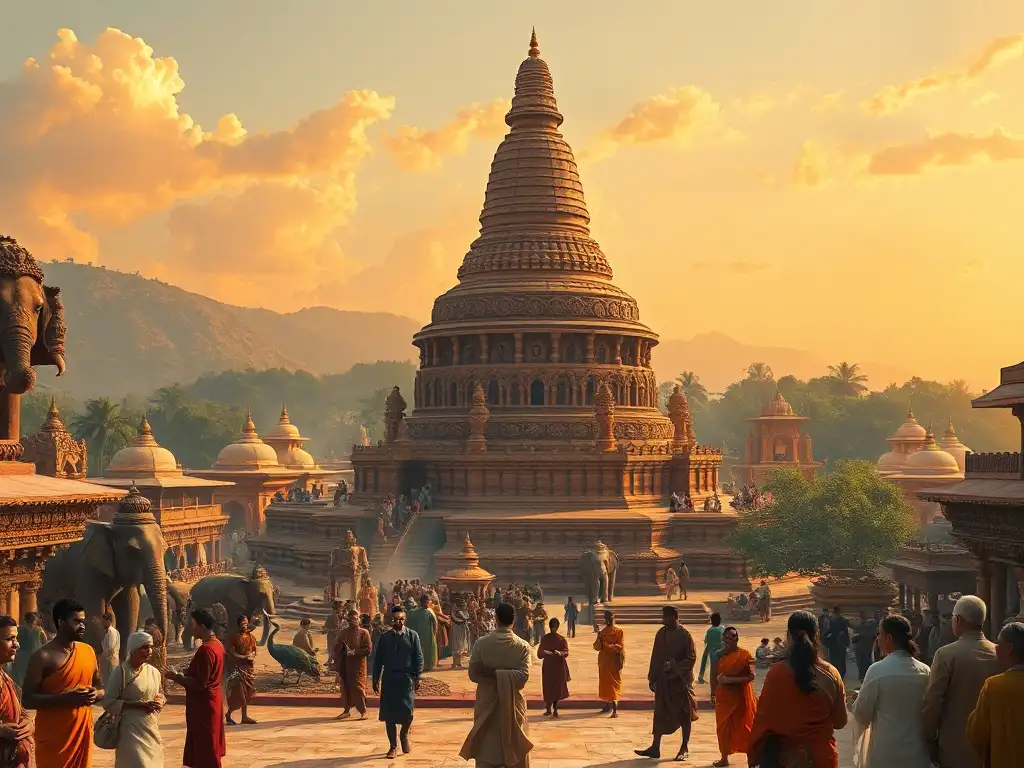
The reign of Ashoka the Great marked a pivotal moment in the evolution of religion and culture in ancient India. As a ruler who initially embraced the traditional Vedic beliefs of his ancestors, Ashoka's conversion to Buddhism following the Kalinga War profoundly influenced his governance and the cultural landscape of the subcontinent. His commitment to promoting Buddhist principles of non-violence, compassion, and moral living catalyzed a cultural renaissance that transcended mere religious boundaries, fostering a more inclusive society.
Ashoka's edicts, inscribed on pillars and rocks across his empire, served not only as proclamations of Buddhist teachings but also as guidelines for ethical behavior and communal harmony. This period saw the intertwining of governance and spirituality, wherein the principles of Dharma became central to political philosophy. The promotion of these values through art and literature created a legacy that reinforced the importance of ethical leadership and social responsibility in Indian culture.
The Spread of Buddhism During Ashoka's Reign
Ashoka played a crucial role in the dissemination of Buddhism beyond the Indian subcontinent. His reign initiated a systematic approach to spreading Buddhist teachings, both through missionaries and diplomatic channels. The most notable of these efforts included sending monks to various regions, including Sri Lanka, where he is credited with establishing the first stronghold of Buddhism outside India.
This period witnessed the establishment of monastic institutions, which became centers of learning and cultural exchange. The construction of stupas and monasteries, as well as the translation of Buddhist texts, facilitated the growth of the religion. Ashoka's patronage of Buddhism not only solidified it as a major religious force in India but also positioned it as a significant cultural export, influencing neighboring regions and creating an enduring legacy that shaped the spiritual landscape of Asia.
Interaction of Various Religions and Cultures
Under Ashoka's reign, a notable characteristic was the interaction and co-existence of various religions and cultures. While Buddhism flourished, other faiths such as Hinduism, Jainism, and various folk traditions continued to thrive. Ashoka's edicts promote religious tolerance, encouraging mutual respect among different religious communities.
This environment of cultural exchange led to the synthesis of ideas, resulting in a rich tapestry of art, literature, and philosophy. For example, the architectural styles of stupas were influenced by earlier traditions, and the narratives in Buddhist literature often incorporated themes from Hindu epics. This syncretism not only enriched the cultural landscape of ancient India but also laid the groundwork for a pluralistic society that celebrated diversity.
The Influence of Ashoka on Subsequent Cultures
Ashoka's influence extended far beyond his reign, leaving an indelible mark on subsequent cultures and societies. His promotion of Buddhism and ethical governance principles resonated through the centuries, shaping the ethos of various dynasties that followed.
His legacy inspired later rulers to adopt similar policies of religious tolerance and cultural patronage, fostering environments ripe for artistic and intellectual achievements. The emphasis on Dharma continued to be a guiding principle for governance, influencing the nature of leadership in subsequent Indian states.
Comparing Ashoka's Cultural Impact with Other Historical Figures
When comparing Ashoka's cultural impact with that of other historical figures, it is essential to recognize the unique context of his reign. Unlike many leaders who sought to expand their empires through military conquests and oppression, Ashoka's approach emphasized moral persuasion and cultural integration.
Figures like Alexander the Great or Genghis Khan are often remembered for their military exploits and territorial expansions. In contrast, Ashoka is celebrated for his commitment to peace and the promotion of ethical governance, which fostered a cultural renaissance. This distinction highlights the profound nature of his legacy, showcasing how a ruler's values can shape the cultural trajectory of a civilization.
Long-term Effects of Ashoka's Policies on Indian Culture
The policies initiated by Ashoka had long-term effects on Indian culture, particularly in terms of governance, religious practices, and social values. His advocacy for non-violence and ethical conduct influenced not only Buddhism but also permeated the broader Indian cultural milieu, fostering a collective consciousness that valued compassion and justice.
In the centuries following Ashoka's reign, the principles of Dharma continued to resonate within Indian philosophy and political thought. The cultural emphasis on tolerance and pluralism established during his time laid the groundwork for India's later interactions with diverse cultures, particularly during the medieval period with the arrival of new religions and ideas.
Overall, the cultural impact of Ashoka is evident in the enduring values that define Indian society today, reflecting a legacy of ethical governance, religious plurality, and cultural richness that emerged during his remarkable reign.
Conclusion: The Lasting Legacy of Ashoka's Cultural Renaissance
Ashoka's reign marked a significant turning point in the cultural landscape of ancient India, leaving behind a legacy that transcended time. His promotion of Buddhism, coupled with his commitment to non-violence and moral governance, facilitated a cultural renaissance that not only enriched the arts and literature but also fostered social cohesion. The architectural grandeur of his stupas, such as the Sanchi Stupa, and the intricately carved pillars that bear his edicts are testaments to the aesthetic and philosophical advancements of his time.
Moreover, Ashoka's support for the dissemination of knowledge and ethical governance laid the groundwork for future Indian empires. His influence can be seen in the proliferation of Buddhist art and literature, which resonated with themes of compassion, tolerance, and the search for spiritual truth. As a result, Ashoka's commitment to culture and society forged a path that would inspire generations, ensuring that his ideals continued to shape the moral and artistic fabric of India long after his reign.
Summary of Ashoka's Contributions to Art, Literature, and Society
Ashoka's contributions to art, literature, and society were profound and multifaceted. His endorsement of Buddhism led to the creation of numerous stupas and monasteries, which served as centers of learning and artistic expression. The Great Stupa at Sanchi is a prime example, showcasing intricate carvings and sculptures that narrate significant events from the life of the Buddha.
In literature, Ashoka's edicts, inscribed on rocks and pillars across his empire, are remarkable for their clarity and moral depth. These inscriptions not only documented his policies but also provided insights into his philosophical beliefs, emphasizing kindness, respect for all life, and the importance of ethical governance. They serve as some of the earliest examples of written language in India, reflecting the advanced literacy and communication skills of the time.
Socially, Ashoka's efforts to promote welfare through infrastructure, such as hospitals and roads, significantly improved the quality of life for his subjects. His message of tolerance and coexistence laid the foundation for a more inclusive society, where diverse beliefs were respected. The cultural renaissance under Ashoka was thus not just an artistic flourish but a holistic enhancement of Indian civilization.
Reflection on the Cultural Impact of Ashoka in Modern Times
The cultural impact of Ashoka continues to resonate in modern times, influencing various aspects of Indian society and beyond. His teachings on non-violence and compassion have inspired numerous movements, including Mahatma Gandhi's philosophy of peaceful resistance. In contemporary discussions about ethics and governance, Ashoka's principles of dharma (moral duty) remain relevant, encouraging leaders to prioritize the welfare of their people.
Moreover, Ashoka's legacy is evident in the continued reverence for Buddhist art and architecture, which attracts scholars, tourists, and practitioners alike. The aesthetic styles he promoted have influenced not only Indian art but also the broader cultural expressions across Asia, from Southeast Asia to Japan.
In modern India, Ashoka's emblem, featuring the Lion Capital from the Ashoka Pillar, serves as the national emblem, symbolizing strength and resilience. This enduring representation of his ideals reflects the lasting imprint of his cultural renaissance, affirming that the values he championed are as significant today as they were over two millennia ago.
- Introduction to Ashoka the Great
- The Cultural Impact of Ashoka
- Art Under Ashoka
- Literature in the Age of Ashoka
- Religion and Its Cultural Significance
- The Influence of Ashoka on Subsequent Cultures
- Conclusion: The Lasting Legacy of Ashoka's Cultural Renaissance
Frequently Asked Questions
What were the main contributions of Ashoka to Indian culture?
Ashoka's reign marked a cultural renaissance, promoting art, literature, and architecture. His efforts led to the flourishing of Buddhist art and the spread of moral teachings across the region.
How did Ashoka influence art during his reign?
Ashoka's patronage transformed Indian art, particularly through the construction of stupas and the use of rock edicts. These artistic expressions conveyed Buddhist values and showcased the skills of ancient artisans.
What role did literature play under Ashoka's rule?
The period under Ashoka saw a significant growth in literature, particularly Buddhist texts. His edicts emphasized the importance of moral values, which inspired writers to produce works that reflected these teachings.
How did Ashoka promote the spread of Buddhism?
Ashoka actively supported Buddhism by sending missionaries to various regions, establishing monasteries, and organizing councils. His efforts greatly expanded the religion's influence, making it a significant cultural force.
What is the legacy of Ashoka's cultural impact today?
Ashoka's legacy is seen in the continued reverence for Buddhism and the artistic traditions he nurtured. His promotion of non-violence and tolerance remains influential in contemporary discussions on ethics and governance.
Final Reflection: The Enduring Legacy of Ashoka's Cultural Renaissance
The cultural impact of Ashoka resonates profoundly in today’s society, illustrating how art and literature can serve as powerful vehicles for change and unity. As we navigate a world often divided by differences, the lessons from Ashoka's reign remind us of the potential for culture to transcend boundaries and foster understanding among diverse communities. His commitment to promoting peace and compassion through cultural expression is a striking testament to the transformative power of leadership rooted in empathy.
Clearly, the cultural renaissance under Ashoka has left an indelible mark on the social landscape, influencing not only the arts but also the moral fabric of society. The principles he championed continue to inspire modern movements advocating for social justice, environmental stewardship, and intercultural dialogue. As Mahatma Gandhi once said, “A 'No' uttered from the deepest conviction is better than a 'Yes' merely uttered to please, or worse, to avoid trouble.” This sentiment echoes Ashoka's own dedication to truth and righteousness, reminding us that cultural impact is most profound when it aligns with our deepest values.
As we reflect on the cultural legacy of Ashoka, let us consider how we can apply these lessons in our own lives. I invite you to explore how you can contribute to a cultural renaissance in your community, fostering creativity, compassion, and understanding. Whether through art, literature, or simple acts of kindness, each of us has the power to create a ripple effect that honors the spirit of Ashoka’s vision. Embrace the opportunity to be a catalyst for change, and together, let us continue to build a world enriched by the cultural treasures of our shared humanity.
Unleash Your Curiosity About Ashoka's Cultural Legacy!
Thank you for diving into the fascinating world of Ashoka and his profound impact on art and literature! You’ve explored the rich tapestry of cultural renaissance during his reign, and now it's time to take the next step in your journey.
Here are some engaging ways to deepen your understanding and connection to this vital period in history:
- Visit local museums or explore online exhibits featuring artifacts and artworks from Ashoka's era to experience history firsthand.
- Join a history discussion group or an online community to share your insights and learn more about the cultural influences of ancient India.
- Try writing your own short story or poem inspired by the themes from Ashoka's time—this creative exercise might spark new ideas and insights!
Which aspect of Ashoka's cultural contributions resonates with you the most, and how can you incorporate those insights into your daily life?