
Ashoka the Great: The Man Behind the Mauryan Empire’s Glory

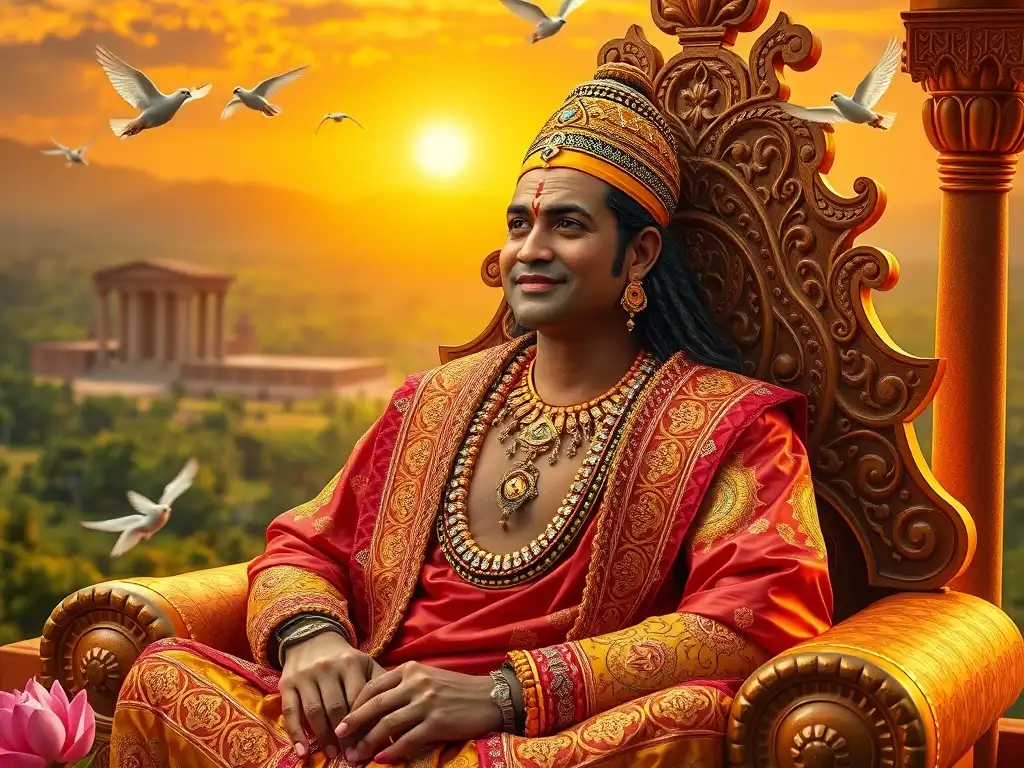
Welcome to Ancient India History, where we embark on a fascinating journey through the tapestry of time, unveiling the rich and diverse history, culture, and contributions of ancient Indian civilizations. Today, we delve into the remarkable life of Ashoka the Great, a pivotal figure whose leadership not only shaped the Mauryan Empire but also left an indelible mark on the world. What were the transformative contributions of this legendary emperor that continue to resonate today?
Prepare to uncover the layers of history that define Ashoka's legacy and inspire a deeper understanding of our past. Join us as we explore the man behind the Mauryan Empire’s glory!
- Introduction to Ashoka the Great
- Early Life of Ashoka the Great
- Ascension to the Throne
- Ashoka's Contributions to the Mauryan Empire
- The Edicts of Ashoka
- Ashoka's Legacy and Influence
- Conclusion: The Enduring Legacy of Ashoka the Great
- References and Further Reading
- Frequently Asked Questions
- Final Reflection: The Enduring Legacy of Ashoka the Great
- Unleash Your Inner Ashoka: Take Action Today!
Introduction to Ashoka the Great
Ashoka the Great, one of the most revered emperors in Indian history, is a pivotal figure in understanding the evolution of ancient Indian civilization. His reign marked a transformative period for the Mauryan Empire, extending its influence across the Indian subcontinent and beyond. Known for his remarkable contributions to governance, culture, and religion, Ashoka's legacy continues to resonate in contemporary discussions about leadership and ethical rule. This article delves into the life and achievements of Ashoka, exploring how his policies and philosophies not only shaped his empire but also left an indelible mark on the course of Indian history.
Overview of Ashoka's Historical Significance
Ashoka ascended to the throne around 268 BCE and ruled for approximately 40 years. His reign is often characterized by a profound shift from conquest to compassion, particularly after the Kalinga War, which profoundly affected him. The war, marked by significant bloodshed and suffering, prompted Ashoka to embrace Buddhism and advocate for non-violence, tolerance, and the welfare of his subjects.
His historical significance is underscored by several key aspects:
- Expansion of the Mauryan Empire: Ashoka expanded the empire to its greatest territorial extent, unifying a vast region under a centralized administration.
- Promotion of Buddhism: After his conversion, he became a patron of Buddhism, facilitating its spread across Asia, which contributed to the religion's global significance.
- Edicts of Ashoka: He inscribed his messages on pillars and rocks throughout his empire, promoting ethical governance and social welfare. These edicts are crucial primary sources for understanding ancient Indian society.
Ashoka's reign is not just a chapter in Indian history; it represents a paradigm shift towards a more humane and ethical approach to governance.
Importance of Ashoka in Ancient Indian History
Ashoka's contributions to ancient Indian history are multifaceted, impacting various domains such as politics, culture, and religion. His commitment to the principles of Dharma, or righteous living, established a governance model that prioritized the welfare of the people.
Key contributions include:
- Legal Reforms: Ashoka introduced a series of legal reforms aimed at reducing harsh punishments and fostering a more just society. His legal codes emphasized moral governance and the importance of compassion in law.
- Infrastructure Development: He invested in infrastructure, including roads, hospitals, and irrigation systems, which facilitated trade and improved the quality of life for his subjects.
- Cultural Exchange: By supporting missionaries and promoting Buddhism, Ashoka fostered cultural exchanges that enhanced the interaction between different regions and civilizations.
In essence, Ashoka the Great's reign is a testament to the power of enlightened leadership. His contributions laid the groundwork for future empires and continue to inspire discussions around ethics and governance in the modern world. As we explore the depths of his legacy, we uncover the profound influence he had not only on ancient India but also on global history.
Early Life of Ashoka the Great
Birth and Family Background
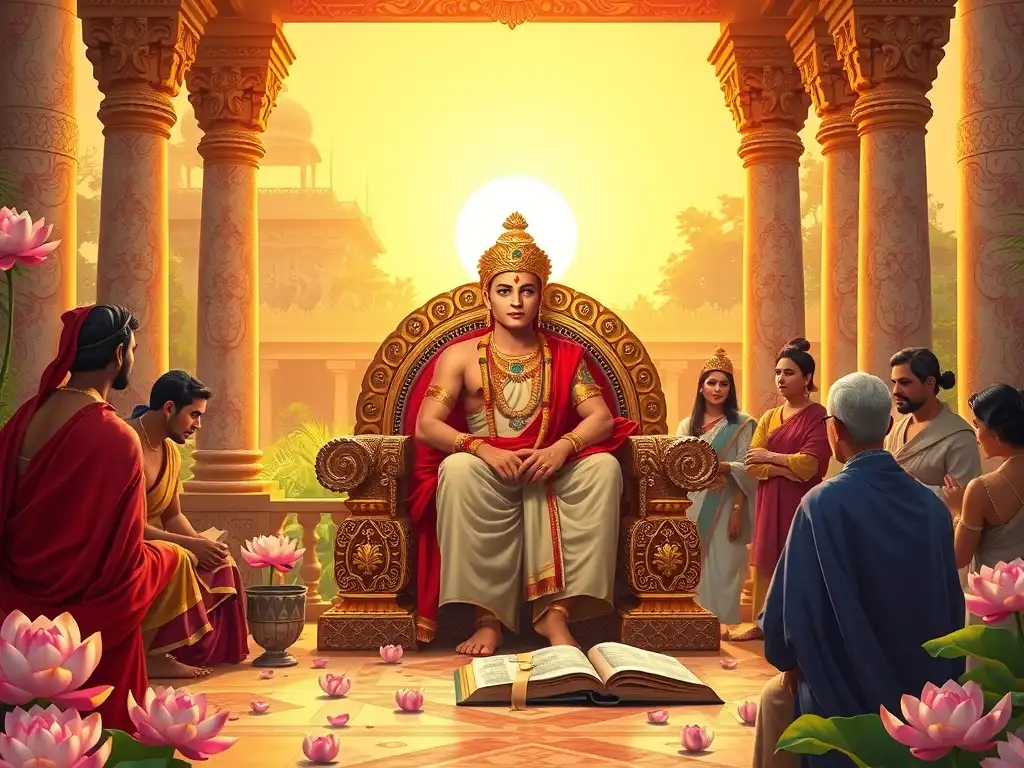
Ashoka the Great was born in 304 BCE into the illustrious Maurya dynasty, a family that had already begun to make significant waves in the Indian subcontinent. He was the son of Emperor Bindusara, the second ruler of the Mauryan Empire, and his queen, Dharma. The Mauryan Empire was known for its vast territorial expanse and political acumen, which set the stage for Ashoka’s future as a formidable leader.
Ashoka was born in the ancient city of Pataliputra, the capital of the Mauryan Empire. This city was not just a political hub but also a center of culture and commerce, influencing Ashoka’s worldview from a young age. His family lineage can be traced back to Chandragupta Maurya, the founder of the dynasty, whose strategies in unifying the Indian states against foreign invasions laid the groundwork for the empire's expansion. This rich heritage instilled in Ashoka a sense of responsibility towards his kingdom and its subjects.
Early Influences and Education
Growing up in the royal court, Ashoka was exposed to a variety of cultures, philosophies, and ideas. His education was comprehensive, encompassing military training, administration, and the arts. He was tutored by some of the finest scholars of the time, which contributed to his intellectual development and understanding of governance.
Key Influences on Ashoka's Education:
- Military Training: Ashoka learned the art of warfare early on, which would later become crucial during his campaigns to expand the Mauryan Empire.
- Philosophical Teachings: The teachings of Buddhism, Jainism, and other philosophies began to shape his thoughts and beliefs, especially during his later years.
- Exposure to Governance: Witnessing the complexities of rule and administration firsthand in the royal court provided Ashoka with practical insights into leadership.
Ashoka's early life experiences played a significant role in shaping his character. These formative years not only equipped him with the skills necessary for leadership but also laid the groundwork for his eventual transformation into a benevolent ruler who prioritized the welfare of his subjects. His commitment to ethical governance and social justice would later emerge as defining features of his reign, making his contributions to the Mauryan Empire both impactful and enduring.
Ascension to the Throne
The Path to Power in the Mauryan Empire
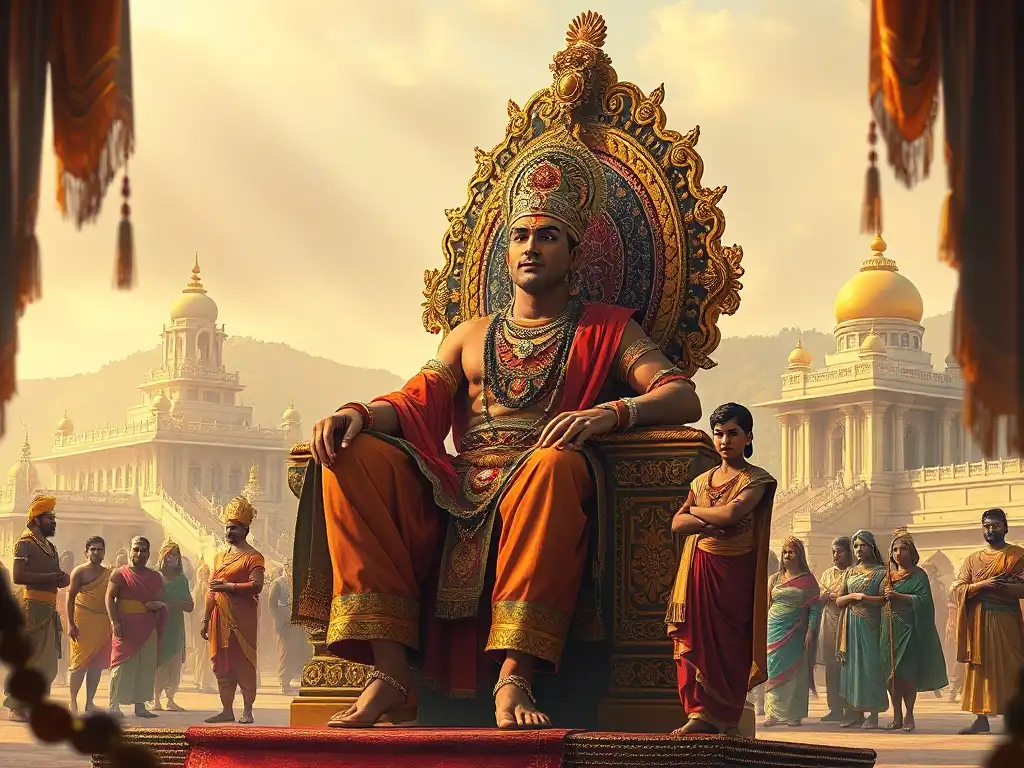
Ashoka the Great, born in 304 BCE, was the grandson of Chandragupta Maurya, the founder of the Mauryan Empire. His ascension to the throne was marked by a combination of familial lineage and political maneuvering within the complex hierarchy of the Mauryan dynasty. Initially, Ashoka was not the direct heir apparent; his elder brother, Susima, was favored for succession. However, Ashoka's ambition, combined with his strategic acumen, set him on a path to power.
Key factors in Ashoka's rise include:
- Military Prowess: Ashoka served as a military commander under his father, Emperor Bindusara. His successful campaigns against neighboring kingdoms helped him gain significant recognition and support among the military ranks.
- Political Alliances: Ashoka forged alliances with influential regional leaders, consolidating his power base. These alliances were critical in securing loyalty from various factions within the empire.
- Elimination of Rivals: Following the death of Bindusara, Ashoka engaged in a brutal power struggle against his brother Susima and other contenders. Historical accounts suggest that Ashoka's victory involved military conflict and strategic assassinations, ultimately leading to his coronation around 268 BCE.
Through these actions, Ashoka established himself as a formidable leader, ready to implement his vision for the Mauryan Empire.
Key Events Leading to Ashoka's Reign
Several pivotal events shaped the trajectory of Ashoka's reign and the broader context of the Mauryan Empire:
- The Conquest of Kalinga (261 BCE): This conflict was one of the defining moments of Ashoka's rule. The Kalinga War resulted in significant loss of life and resources, profoundly impacting Ashoka's perspective on warfare and governance. The aftermath led him to embrace Buddhism and adopt a policy of non-violence.
- Adoption of Buddhism: Following the devastation of the Kalinga War, Ashoka converted to Buddhism and became a fervent advocate for its principles. He established edicts promoting moral conduct, tolerance, and compassion, which were inscribed on pillars throughout the empire, serving as a form of governance that emphasized ethical leadership.
- The Spread of Dhamma: Ashoka's commitment to Dhamma—an ethical code derived from Buddhist teachings—transformed his approach to ruling. He sought to unify his diverse empire by promoting social welfare, religious tolerance, and public health initiatives, which included building hospitals and planting trees along roads for travelers.
- International Diplomacy: Ashoka's reign reached beyond the borders of India. He sent envoys to various regions, including Sri Lanka and the Hellenistic kingdoms, promoting Buddhism and establishing diplomatic ties. This international outreach not only expanded the Mauryan influence but also facilitated cultural exchanges that enriched the empire.
These key events not only defined Ashoka's reign but also left a lasting impact on the Indian subcontinent and beyond, showcasing his contributions as a ruler who prioritized ethical governance and cultural integration.
Ashoka's Contributions to the Mauryan Empire
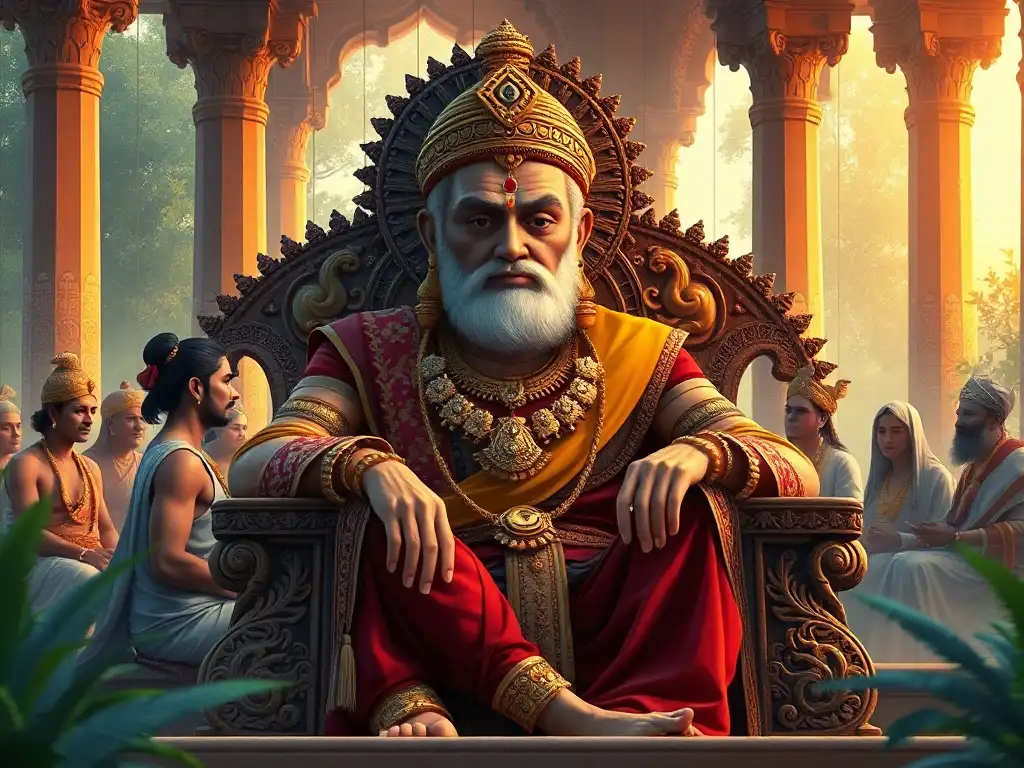
Ashoka the Great, the third ruler of the Mauryan Empire, is renowned for his transformative contributions that not only shaped the empire but also left a lasting legacy on the Indian subcontinent and beyond. His reign, which spanned from approximately 268 to 232 BCE, was marked by a profound commitment to governance, economic prosperity, and cultural enrichment. Below, we delve into the key areas of Ashoka's contributions that underscore his significance in ancient Indian history.
Administrative Reforms and Governance
Ashoka's administrative reforms were pivotal in establishing a centralized and efficient governance structure that would enhance the Mauryan Empire's stability and control. His governance model included:
- Decentralization of Power: Ashoka appointed governors, known as Rajukas, who were responsible for specific provinces. This decentralization allowed for more localized governance while maintaining the emperor's overarching authority.
- Legal Reforms: The introduction of a uniform legal system across the empire ensured that justice was administered fairly. Ashoka's edicts, inscribed on pillars and rocks, served as a means to communicate laws and moral guidelines to the populace.
- Focus on Welfare: Ashoka emphasized the welfare of his subjects, promoting policies that benefitted the common people. This included the establishment of hospitals, wells, and rest houses along trade routes, enhancing the quality of life and facilitating travel.
These reforms not only strengthened the Mauryan administration but also fostered a sense of unity and loyalty among the diverse populations under Ashoka's rule.
Economic Contributions and Trade Expansion
Under Ashoka's reign, the Mauryan Empire experienced significant economic growth, driven by various initiatives aimed at enhancing trade and commerce. Notable contributions included:
- Infrastructure Development: Ashoka invested in building and maintaining roads, which facilitated trade across the empire. The Grand Trunk Road, one of the oldest trade routes, was further developed during this period, connecting various regions and promoting economic exchange.
- Promotion of Internal Trade: By standardizing weights and measures, Ashoka simplified trade practices. This standardization helped merchants and traders conduct business more efficiently, boosting internal commerce.
- International Trade Relations: Ashoka's diplomatic efforts extended to fostering trade relationships with distant lands, including regions in the Mediterranean and Southeast Asia. This not only enriched the Mauryan economy but also facilitated cultural exchanges.
These economic contributions laid the foundation for a prosperous empire, making it a hub of commerce and trade during Ashoka’s reign.
Cultural Contributions and Promotion of Buddhism
Perhaps one of Ashoka's most enduring legacies is his promotion of Buddhism and cultural advancements that enriched the intellectual and spiritual landscape of ancient India. Key aspects of this cultural renaissance included:
- Spread of Buddhism: Ashoka's conversion to Buddhism after the Kalinga War marked a significant shift in his approach to governance. He actively promoted Buddhist teachings and values, emphasizing non-violence and compassion. His edicts encouraged the spread of Buddhism both within India and beyond its borders.
- Cultural Patronage: Ashoka sponsored the construction of stupas, monasteries, and educational institutions, which became centers for learning and spiritual growth. The famous Sanchi Stupa, a UNESCO World Heritage site, is one of the many monuments attributed to his patronage.
- Missionary Efforts: Ashoka dispatched missionaries, including his own son Mahinda, to various regions, including Sri Lanka, to promote Buddhism. This effort resulted in the establishment of Buddhism as a major religious tradition in Asia, influencing countless generations.
Ashoka's cultural contributions not only enriched the Mauryan Empire but also established Buddhism as a significant global religion, showcasing his far-reaching influence.
Ashoka the Great's contributions to the Mauryan Empire encompass a wide array of reforms and initiatives that transformed governance, enhanced economic prosperity, and fostered cultural development. His legacy continues to resonate, highlighting the profound impact he had on ancient Indian civilization and beyond.
The Edicts of Ashoka
Overview of Ashoka's Edicts
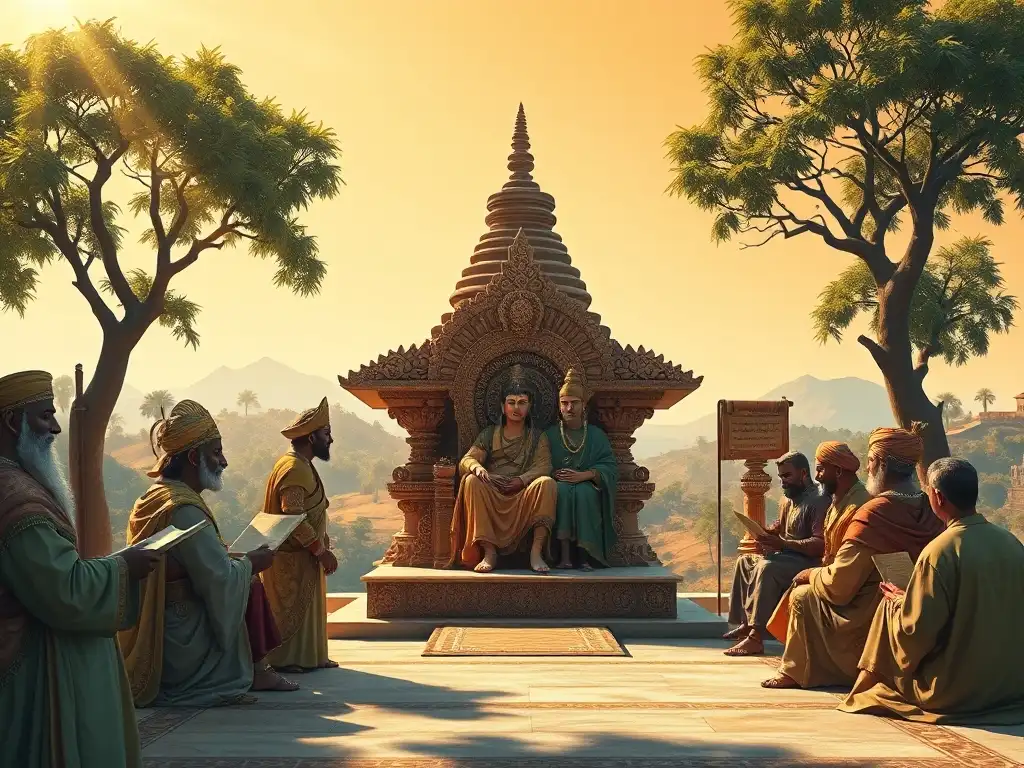
Ashoka the Great, the third emperor of the Mauryan Dynasty, is renowned not only for his military conquests but also for his profound commitment to peace and governance through moral principles. His reign from 268 to 232 BCE marked a turning point in ancient Indian history, particularly through the issuance of the Edicts of Ashoka.
These edicts are a collection of inscriptions carved on stone pillars and rocks throughout his empire, primarily in present-day India, Nepal, and Pakistan. Ashoka’s edicts are written in various languages, including Prakrit, Greek, and Aramaic, reflecting the diverse linguistic landscape of his empire. The inscriptions serve as a testament to his efforts to spread the teachings of Buddhism and ethical governance.
The edicts focus on multiple themes, including moral conduct, religious tolerance, and social welfare. They emphasize Ashoka's vision of an ideal society founded on the principles of Dharma, or righteous behavior, and are instrumental in understanding his contributions to Indian history.
Significance of the Edicts in Promoting Dharma
The Edicts of Ashoka played a pivotal role in the promotion of Dharma, which encompasses moral codes, ethical living, and a commitment to the welfare of all beings. Ashoka’s commitment to Dharma is evident in several key aspects of the edicts:
- Moral Teachings: The edicts convey messages advocating non-violence (Ahimsa), compassion, and respect for all life. Ashoka explicitly encouraged his subjects to live virtuously and treat others with kindness, irrespective of their social standing.
- Religious Tolerance: Ashoka promoted a spirit of inclusivity by recognizing and respecting various religions, including Buddhism, Jainism, and Brahmanism. His edicts called for mutual respect among different faiths, underscoring the importance of harmony and coexistence.
- Social Welfare Initiatives: The edicts also highlight Ashoka’s initiatives to ensure the well-being of his subjects. He established hospitals for humans and animals, planted trees for shade and food, and built wells, demonstrating a compassionate approach to governance.
Overall, the significance of Ashoka's edicts lies in their enduring messages of ethical conduct and societal well-being, which resonate throughout history and continue to inspire modern ethical frameworks.
Impact on Society and Governance
The impact of Ashoka's edicts on society and governance during and after his reign was profound and far-reaching:
- Centralization of Authority: Ashoka’s emphasis on Dharma led to a centralized form of governance where moral and ethical standards were prioritized. This shift not only enhanced the efficiency of his administration but also reduced corruption and abuse of power.
- Cultural Integration: The promotion of Buddhism through the edicts facilitated cultural integration across various regions of his empire. This helped in unifying diverse groups and fostering a shared identity among the people.
- Legacy of Peace: Ashoka's renunciation of violence after the Kalinga War and his subsequent focus on peace became a cornerstone of his legacy. His commitment to non-violence influenced future rulers and established a precedent for peaceful governance.
- Influence on Future Generations: The principles embedded in the edicts have had a lasting influence on subsequent Indian rulers and leaders. They served as a moral compass for governance and continue to be referenced in discussions about ethical leadership today.
The Edicts of Ashoka not only defined his reign but also left an indelible mark on the socio-political landscape of ancient India, making Ashoka the Great a pivotal figure in the history of governance and moral philosophy.
Ashoka's Legacy and Influence
Impact on Buddhism and Its Spread
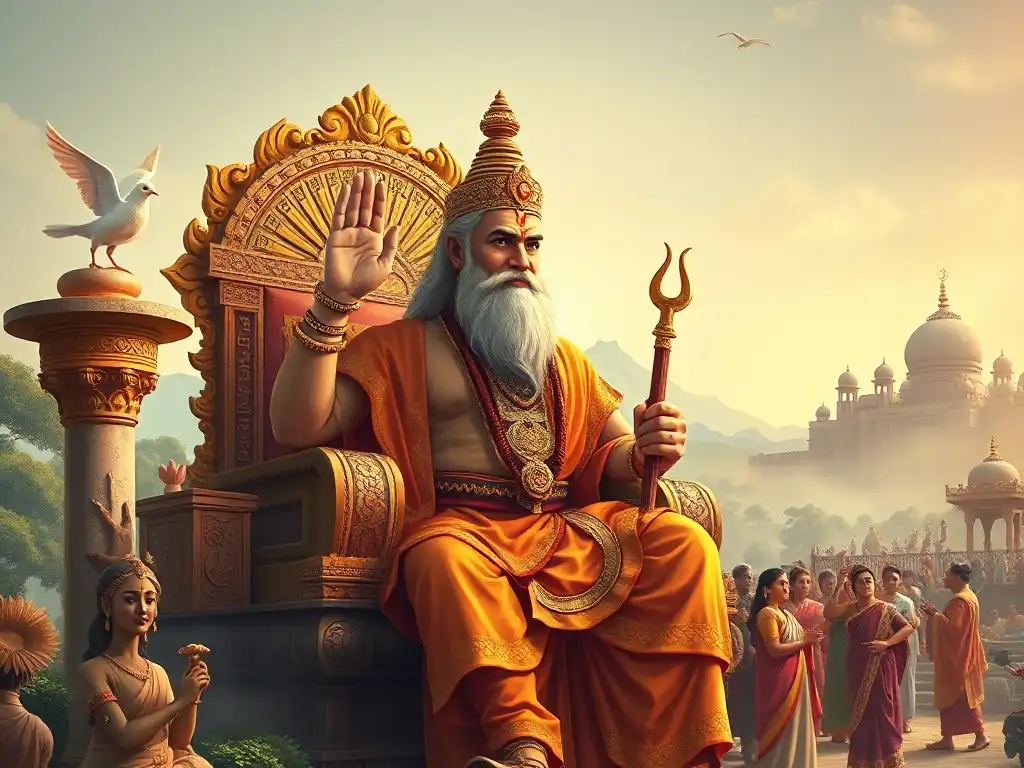
Ashoka the Great, reigning from 268 to 232 BCE, is often celebrated for his significant contributions to the spread of Buddhism. After witnessing the devastation of war, particularly during the Kalinga conflict, Ashoka underwent a profound transformation, embracing the principles of Buddhism. His conversion not only influenced his personal life but also shaped his policies and governance.
- Patronage of Buddhism: Ashoka became a key patron of Buddhism, supporting its growth through the construction of stupas, monasteries, and educational institutions. Notable examples include the Great Stupa at Sanchi and the establishment of monastic complexes in places like Nalanda.
- Missionary Activities: Ashoka actively sent missionaries to spread Buddhist teachings across India and beyond. His emissaries traveled to regions such as Sri Lanka, where he played a crucial role in establishing Buddhism as a predominant religion. This initiative not only fortified Buddhism within India but also extended its reach to Southeast Asia.
- Edicts and Inscriptions: The edicts inscribed on rocks and pillars throughout his empire serve as historical evidence of Ashoka's commitment to Buddhist values. These inscriptions emphasized moral and ethical conduct, encouraging people to follow the Dhamma (the path of righteousness).
The legacy Ashoka left in promoting Buddhism has profoundly shaped not only Indian religious life but also influenced cultures across Asia, establishing Buddhism as one of the world's major religions.
Ashoka's Role in Promoting Non-Violence and Peace
Ashoka's reign marked a significant pivot towards non-violence and peace, principles that he adopted after his conversion to Buddhism. His governance philosophy was rooted in the idea of "Dhamma," which emphasized ethical living, compassion, and respect for all life forms.
- Edicts on Non-Violence: Ashoka's edicts explicitly called for non-violence (ahimsa) in all aspects of life. He advocated for the humane treatment of animals and promoted vegetarianism, which reflected his commitment to reducing suffering.
- Diplomatic Relations: Rather than engaging in military conquests, Ashoka focused on establishing diplomatic relations with neighboring kingdoms. His approach fostered peace and stability throughout the region, allowing for cultural exchanges and trade.
- Social Welfare Programs: Ashoka implemented various social welfare measures, such as building hospitals for both humans and animals, creating rest houses for travelers, and promoting the welfare of his subjects. These initiatives were rooted in his philosophy of compassion and non-violence.
Through these actions, Ashoka established a model of governance centered on peace, which resonated with future rulers and continues to influence modern political thought regarding conflict resolution and humanitarianism.
Long-Term Effects on Indian Culture and Society
The contributions of Ashoka the Great had lasting effects on Indian culture and society that extended well beyond his reign. His commitment to Buddhism, non-violence, and ethical governance left an indelible mark on the cultural fabric of India.
- Cultural Syncretism: Ashoka's promotion of Buddhist values facilitated a syncretic culture where diverse beliefs coexisted. This period saw the blending of various religious practices, which enriched Indian spirituality and philosophy.
- Influence on Future Leaders: Ashoka's ideals of non-violence and ethical governance influenced subsequent Indian rulers, such as those from the Gupta Empire, who adopted similar principles in their administrations. His legacy served as a reference point for governance in India for centuries.
- Art and Literature: The period of Ashoka's reign also witnessed a flourishing of art and literature, particularly related to Buddhist themes. The architectural grandeur of stupas and the intricate carvings found in monuments reflect the cultural prosperity initiated by his rule.
Ashoka the Great's contributions extended far beyond his lifetime, shaping the course of Indian history, culture, and philosophy. His legacy continues to resonate in contemporary discussions about governance, ethics, and the importance of compassion in leadership.
Conclusion: The Enduring Legacy of Ashoka the Great
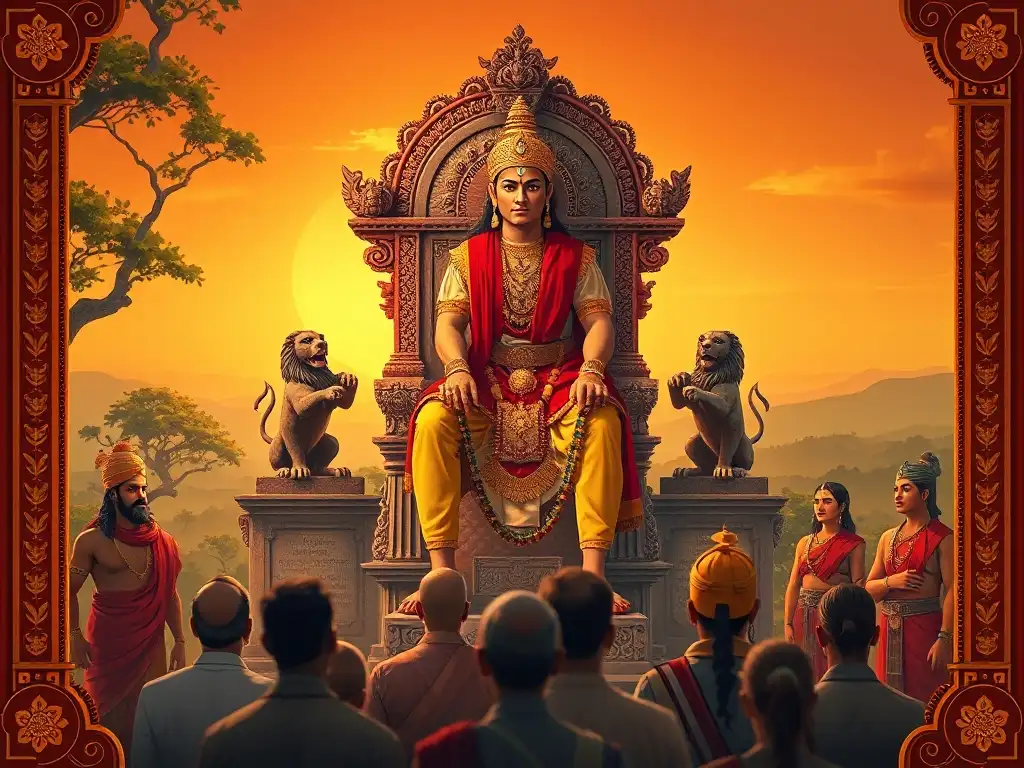
Ashoka the Great, the third emperor of the Mauryan Dynasty, left behind a legacy that continues to resonate through history and modern society. His reign marked a pivotal turning point in the evolution of governance, ethics, and cultural identity in ancient India. The profound impact of his contributions can be seen in various facets of life, from religious tolerance to the promotion of welfare policies that prioritized the well-being of his subjects.
Summary of Ashoka's Contributions
Ashoka's contributions can be categorized into several key areas that shaped not only the Mauryan Empire but also influenced subsequent Indian history and culture:
- Promotion of Buddhism:
- Ashoka embraced Buddhism after the Kalinga War, adopting its principles of non-violence and compassion.
- He played a crucial role in spreading Buddhism across Asia, establishing missionary activities that reached as far as Sri Lanka and Central Asia.
- Edicts and Inscriptions:
- Ashoka's edicts, inscribed on pillars and rocks, communicated his policies and ethical guidelines to the public.
- These inscriptions emphasized moral values, social justice, and the importance of harmony among different communities.
- Welfare and Governance:
- He implemented a range of welfare policies aimed at improving the quality of life for his subjects, including healthcare, infrastructure, and education.
- The establishment of hospitals, rest houses, and the promotion of Ayurveda demonstrated his commitment to public health.
- Religious Tolerance:
- Ashoka advocated for religious tolerance, promoting respect among various faiths, which fostered a sense of unity within the diverse population of his empire.
- His belief in "Dhamma" emphasized ethical conduct and the importance of understanding and cooperation among different religions.
- Environmental Conservation:
- Ashoka's policies also reflected an early understanding of environmental conservation, promoting the protection of wildlife and the planting of trees along roads for shade and comfort.
Ashoka's Relevance in Modern Context
The teachings and policies of Ashoka the Great remain strikingly relevant in today's world. In an era marked by conflict and division, his principles of non-violence, tolerance, and ethical governance serve as a guiding light for contemporary leaders and societies.
- Influence on Global Peace Movements:
- Ashoka's commitment to non-violence has inspired numerous global peace movements, with many leaders referencing his philosophy as a foundation for promoting peace and reconciliation.
- Cultural Heritage and Identity:
- His legacy contributes to India's rich cultural heritage, influencing art, literature, and the continued practice of Buddhism both in India and around the world.
- Leadership Models:
- Modern political leaders can draw lessons from Ashoka's emphasis on welfare governance. His holistic approach to leadership, focusing on the well-being of the populace rather than mere territorial expansion, is a model for effective governance today.
Ashoka the Great's contributions extend far beyond his time, shaping the moral and ethical landscape of subsequent generations. His enduring legacy continues to inspire movements for peace and social justice, making him one of history's most significant figures.
References and Further Reading
Key Texts on Ashoka the Great
-
"The Edicts of Ashoka"
This compilation presents the inscriptions and edicts issued by Ashoka during his reign, providing insight into his policies, governance, and moral philosophy. The edicts emphasize non-violence, compassion, and the promotion of Dharma (righteousness).
-
"Ashoka: The Search for India's Lost Emperor" by Charles Allen
This book delves into the life and times of Ashoka, exploring his transformation from a warrior king to a proponent of peace. Allen combines historical research with engaging storytelling, shedding light on Ashoka's contributions to Buddhism and governance.
-
"Ashoka: The Great" by R. C. Majumdar
A scholarly work that examines Ashoka's reign, focusing on his administrative reforms, military conquests, and his pivotal role in spreading Buddhism. The text is essential for understanding the socio-political landscape during Ashoka's rule.
-
"The Mauryan Empire" by Romila Thapar
This book provides a comprehensive overview of the Mauryan Empire, with significant emphasis on Ashoka’s contributions to statecraft and religion. Thapar's analysis helps contextualize Ashoka's policies within the broader historical framework of ancient India.
Recommended Resources for Ancient Indian History
- Online Archives and Digital Libraries
- Digital South Asia Library: Offers a wealth of primary and secondary sources related to ancient Indian history, including texts, maps, and images.
- Internet Archive: A repository of books and documents that includes numerous texts on ancient Indian civilizations.
- Documentaries and Educational Videos
- "The Story of India" (BBC Documentary): This series provides a visual narrative of Indian history, including a segment dedicated to Ashoka the Great and the Mauryan Empire.
- YouTube Channels: Channels like "Epic History TV" and "Khan Academy" feature informative videos on Ashoka's contributions and the broader historical context of ancient India.
- Academic Journals and Articles
- Journal of Asian Studies: Contains scholarly articles on various aspects of ancient Indian history, including studies on Ashoka and his impact on Buddhism and governance.
- Indian Historical Review: A platform for research articles that explore the intricacies of India's ancient past, offering insights into Ashoka's legacy.
By exploring these texts and resources, readers can gain a deeper understanding of Ashoka the Great's contributions to history, culture, and the enduring legacies of the Mauryan Empire.
Frequently Asked Questions
What were Ashoka the Great's key contributions to the Mauryan Empire?
Ashoka the Great's key contributions include the promotion of Buddhism, the establishment of a vast network of roads, and the issuance of edicts that emphasized moral governance and non-violence.
How did Ashoka the Great impact Buddhism?
Ashoka played a crucial role in spreading Buddhism across India and beyond, sending missionaries to various regions and supporting the construction of stupas and monasteries.
What is the significance of Ashoka's edicts?
The edicts of Ashoka serve as important historical documents that reflect his commitment to ethical governance, social welfare, and the promotion of peace and tolerance.
How did Ashoka the Great influence art and architecture?
Under Ashoka's rule, there was a noticeable flourishing of art and architecture, characterized by the construction of Ashokan pillars and rock-cut caves, which became symbols of Mauryan culture.
What legacy did Ashoka the Great leave behind?
Ashoka's legacy includes the integration of Buddhist principles into governance, influencing future rulers and shaping the socio-religious landscape of India for centuries to come.
Final Reflection: The Enduring Legacy of Ashoka the Great
Ashoka the Great's contributions resonate profoundly in today's world, reminding us of the power of compassion and ethical governance. His reign marked a pivotal moment in history, where the principles of non-violence and social welfare were prioritized over conquest and power. In an era where divisiveness often prevails, Ashoka's vision of unity and peace serves as a beacon of hope, urging us to reflect on the values that truly define a prosperous society.
Cultural and social landscapes continue to be shaped by Ashoka's teachings and policies, which emphasize the importance of moral leadership. His commitment to the welfare of his people and the promotion of Buddhism have left an indelible mark on various cultures across Asia. As we navigate modern challenges, we can draw inspiration from his words: Happiness is the result of good actions.
This sentiment underscores the relevance of ethical behavior in our daily lives, encouraging us to strive for a society that values kindness and justice.
As we conclude our exploration of Ashoka the Great, I invite you to reflect on how his legacy can influence your own life. Consider the ways in which you can embody his principles of compassion and responsibility in your community. Whether through acts of kindness, advocacy for social justice, or simply promoting understanding among diverse groups, each of us has the power to contribute to a more harmonious world. Let us carry forward Ashoka's vision, transforming his historical contributions into actionable steps for a brighter future.
Unleash Your Inner Ashoka: Take Action Today!
Thank you for exploring the remarkable legacy of Ashoka the Great and the brilliance of the Mauryan Empire! We hope you’ve gained insights into how his principles can inspire our lives today. Now, it’s time to channel that inspiration into meaningful action.
Here are a few steps you can take to embrace the spirit of Ashoka:
- Start a local initiative that promotes peace and community engagement, following in Ashoka’s footsteps of righteousness and duty.
- Share your thoughts on how Ashoka's policies can be applied to modern society in the comments below. Which lessons resonate most with you?
- Consider reading about other historical figures who influenced positive change— discover new leaders and their inspiring stories!
What change will you champion in your community that reflects the ideals of Ashoka the Great?