
Unraveling the Mysteries of Holi: The Colorful Celebration of Spring

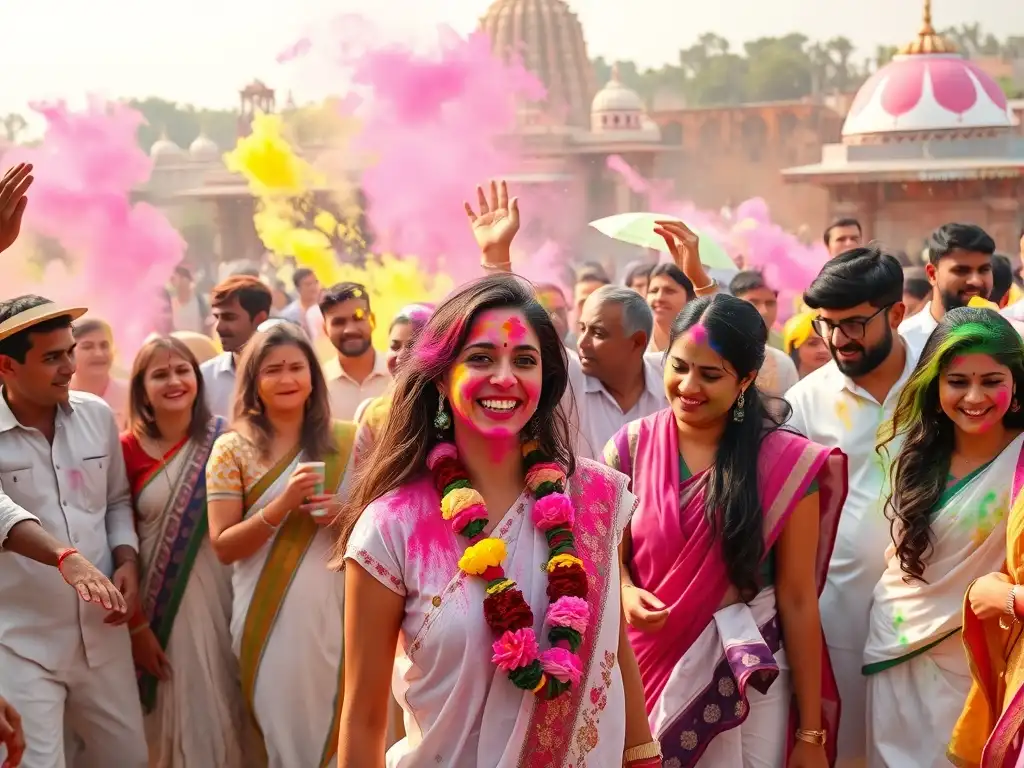
Welcome to Ancient India History, where we embark on a vibrant journey through time, unraveling the rich tapestry of ancient Indian civilizations. As we dive into our featured article, "Unraveling the Mysteries of Holi: The Colorful Celebration of Spring," prepare to discover the significance of the Holi festival in India—a celebration that not only heralds the arrival of spring but also embodies the spirit of unity and joy.
Join us as we explore the fascinating traditions and cultural heritage that make this festival a timeless symbol of renewal. Let the colors of Holi inspire your curiosity and encourage you to delve deeper into the enchanting stories of our past!
Introduction to Holi Festival in India
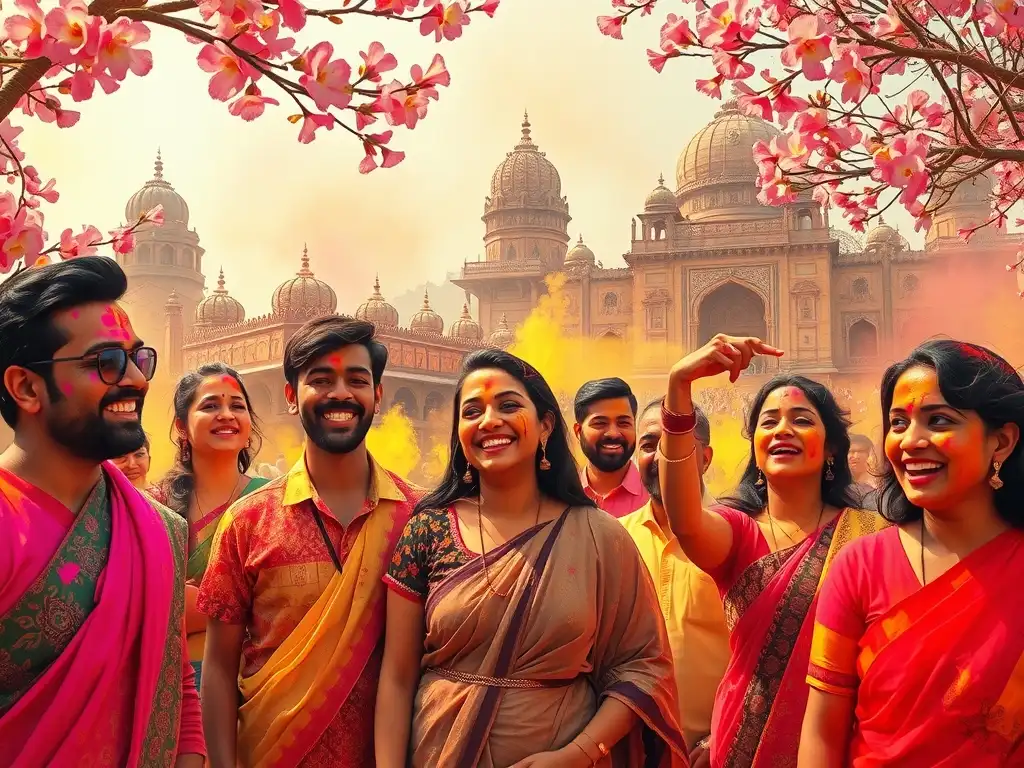
Holi, often referred to as the "Festival of Colors," is one of the most vibrant and joyous celebrations in India, marking the arrival of spring and the triumph of good over evil. This festival, celebrated with exuberance and enthusiasm, transcends religious boundaries, uniting people from diverse backgrounds in a colorful display of joy, forgiveness, and love.
While many associate Holi with the playful throwing of colored powders, its significance runs much deeper, rooted in ancient traditions and cultural practices that have evolved over centuries. This article delves into the Holi festival significance in India, exploring its origins, cultural importance, and historical context, providing insights into a celebration that is as rich as the colors it embodies.
Overview of Holi: Significance and Origins
The origins of Holi can be traced back to various ancient legends, with one of the most popular being the tale of Prahlad and Hiranyakashipu. This mythological story highlights the victory of devotion and righteousness over tyranny, symbolizing the triumph of good over evil. Holi is celebrated on the full moon day in the month of Phalguna, which typically falls in March, heralding the onset of spring.
The festival is also associated with the playful antics of Lord Krishna, who is said to have joyfully splashed colors on his beloved Radha and the gopis (cowherd girls). This divine love story adds a layer of romantic significance to the festival, making it a celebration not only of nature's bounty but also of love and friendship.
The Cultural Importance of Holi in Ancient India
In ancient India, Holi held a multifaceted role that extended beyond mere festivity. It was a time for the renewal of social ties, reconciliation, and the celebration of nature's rejuvenation. During this festival, barriers of caste, creed, and social status were broken down, fostering a sense of community and unity among people.
Traditionally, Holi involved various rituals, such as the lighting of bonfires on the eve of the festival, known as Holika Dahan. This act symbolizes the destruction of evil forces and serves as a reminder of the importance of righteousness. The following day, people would gather to celebrate with colors, music, and dance, creating an atmosphere of joy and camaraderie.
Historical Context of Holi Celebrations
The Evolution of Holi Through the Ages
Holi has undergone significant transformations throughout its history. Initially celebrated as a religious observance among specific communities, it gradually gained popularity across the Indian subcontinent. Historical texts and records indicate that the festival was celebrated in various forms as far back as the 4th century AD.
During the Mughal era, Holi evolved further, influenced by Persian customs and the royal courts. The introduction of water balloons and the use of fragrant powders became prominent during this time, adding a new dimension to the celebratory practices. The festival continued to adapt, incorporating local traditions and customs, which enriched its significance across different regions of India.
Holi in Ancient Texts and Literature
Holi is prominently mentioned in ancient Indian texts and literature, from the Puranas to classical poetry. One of the earliest references can be found in the “Bhagavata Purana,” where the playful interactions of Krishna and Radha during Holi are described in vivid detail. Similarly, various literary works from medieval poets celebrate the essence of Holi, emphasizing themes of love, joy, and the arrival of spring.
The rich tapestry of Holi’s representation in literature showcases its enduring cultural significance and offers insights into the values and beliefs of ancient Indian society. As we further explore this festival, we will uncover the myriad ways in which Holi continues to resonate in contemporary times, reflecting the enduring spirit of unity and joy.
The Significance of Colors in Holi
The festival of Holi, often referred to as the "Festival of Colors," holds profound significance in Indian culture and tradition. Colors are not only a means of celebration during Holi but also represent deeper meanings and emotions. Each hue used in the festivities encapsulates various aspects of life, spirituality, and the blossoming of nature in spring. The vibrant colors symbolize the triumph of good over evil, the arrival of spring, and the joy of human relationships. This section explores how colors play a pivotal role in the celebration of Holi and their associated meanings.
Symbolism of Colors in Indian Culture
In Indian culture, colors are imbued with symbolism and are often associated with various deities, emotions, and concepts. During Holi, the use of different colors signifies:
- Red: Symbolizing love, passion, and fertility, red is often associated with the goddess Durga and is used to celebrate the vibrant energy of life.
- Yellow: This color represents knowledge and learning, often linked to the holy text Bhagavad Gita. It is also associated with the harvest season, signifying prosperity.
- Green: A color of nature, green symbolizes growth, harmony, and renewal. It reflects the lush landscapes that emerge with the arrival of spring.
- Blue: Associated with Lord Krishna, blue embodies divine love and the playfulness of life. It represents the sky and the depth of the universe.
- Pink: This color represents affection and care, bringing a sense of warmth and joy, reflecting the spirit of community and togetherness during celebrations.
These colors are not merely decorative; they carry with them layers of meaning that enrich the experience of Holi, reminding participants of the importance of life’s diverse aspects.
How Colors Represent Different Aspects of Life
Colors in Holi also reflect various life themes and the human experience. The vibrant explosions of color symbolize:
- Joy and Happiness: The playful throwing of colors fosters a sense of joy, encouraging people to forget their grievances and celebrate unity.
- Fertility and Abundance: The arrival of spring and the blossoming of flowers are represented through bright colors, symbolizing the fertility of the earth and the abundance of life.
- Social Harmony: Holi serves as a reminder of the importance of social bonds. The act of exchanging colors breaks down social barriers, promoting love and friendship among individuals from different backgrounds.
- Spiritual Awakening: The colors used during Holi also signify the spiritual awakening and enlightenment that can come with the arrival of spring, encouraging introspection and renewal.
In essence, the colors of Holi encapsulate the myriad emotions and experiences that define human life, making the festival a vibrant celebration of existence itself.
Rituals and Traditions Associated with Holi
Holi is not just about colors; it is steeped in rituals and traditions that have been passed down through generations. These practices add depth and meaning to the celebration, creating an atmosphere of joy and togetherness. The following sections delve into the preparatory rituals leading up to Holi and the key activities that take place during the festival.
Preparatory Rituals Leading Up to Holi
Preparations for Holi begin well in advance and involve several rituals that set the stage for the celebration:
- Holika Dahan: This is a significant ritual performed on the eve of Holi, symbolizing the victory of good over evil. A bonfire is lit, representing the burning of the demoness Holika, who tried to kill Prahlada, a devotee of Lord Vishnu. People gather around the bonfire to sing and dance, signifying the triumph of righteousness.
- Gathering of Colors: In the days leading to Holi, friends and families gather natural colors made from flowers, herbs, and other organic materials. The preparation of these colors adds an eco-friendly aspect to the celebration, reflecting a connection to nature.
- Preparing Traditional Sweets: Families prepare traditional sweets like gujiya, a pastry filled with sweetened khoya and dry fruits. These delicacies are shared with friends and neighbors, fostering a spirit of community.
These preparatory rituals not only enhance the festive spirit but also reinforce the cultural significance of Holi.
Key Activities During the Holi Festival
On the day of Holi, various activities take place that contribute to the joyous atmosphere:
- Playing with Colors: The hallmark of Holi is the playful throwing of colored powders and water. People of all ages participate, creating a vibrant scene filled with laughter and joy. This act fosters camaraderie among participants, breaking down social barriers.
- Water Balloon Fights: In many regions, water balloons filled with colored water are used, adding an element of playfulness to the celebrations. This activity is particularly popular among children and young adults, enhancing the festive mood.
- Singing and Dancing: Traditional songs and dances are integral to Holi celebrations. The music resonates through the streets, inviting everyone to join in the festivities. Folk dances, such as the Bhangra and Gidda, bring a lively energy to the occasion.
- Sharing Food and Sweets: Holi is also a time for feasting. Families and friends share a variety of foods, especially sweets like gujiya, along with savory snacks. This communal aspect of sharing food symbolizes unity and togetherness.
These activities not only embody the essence of Holi but also strengthen the bonds between individuals, making the festival a cherished occasion in Indian culture.
Regional Variations of Holi Celebrations
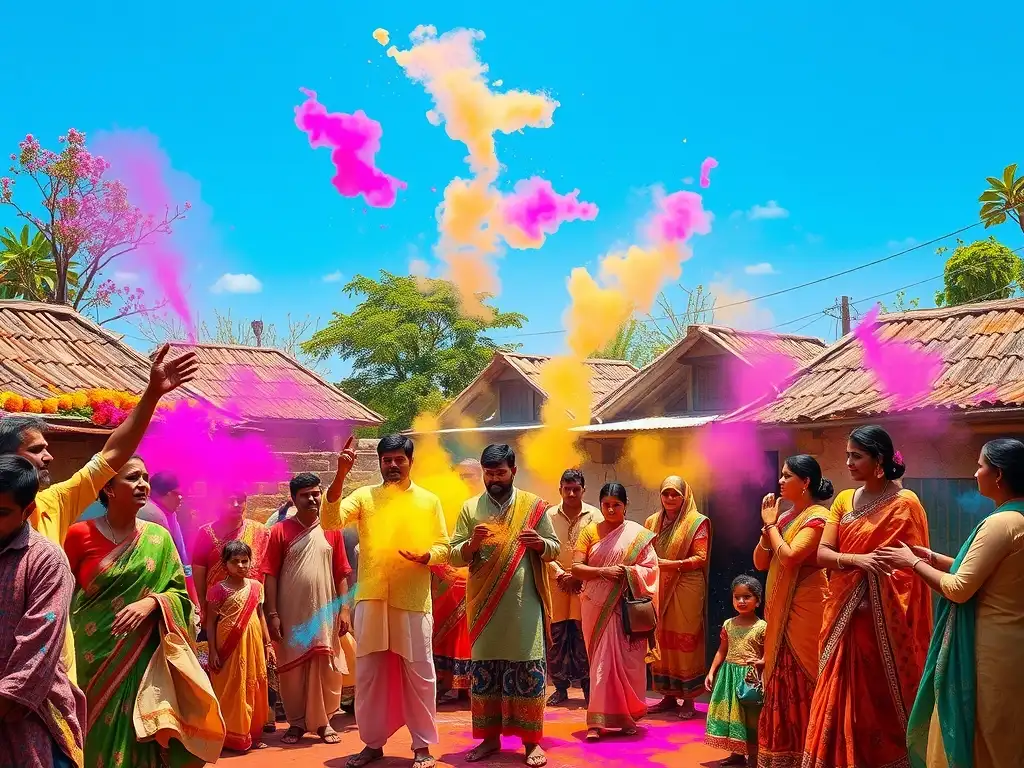
Holi, known as the festival of colors, showcases a rich tapestry of regional variations across India, each infused with unique cultural nuances and traditions. The diversity in celebrations reflects the local customs, historical influences, and the distinct ways communities interpret the essence of this vibrant festival. From the exuberant streets of Mathura to the serene celebrations in South India, the regional flavors of Holi contribute to its significance in the cultural fabric of India.
Unique Practices in Different States of India
- Uttar Pradesh: The birthplace of Holi, particularly in Mathura and Vrindavan, where the festival is celebrated with immense fervor. Here, the "Lathmar Holi" tradition involves women playfully hitting men with sticks, embodying the playful spirit of Radha and Krishna. The festivities are marked by devotional songs and reenactments of mythological tales.
- Maharashtra: In this state, Holi is celebrated with the "Holi dahan," symbolizing the victory of good over evil through the burning of Holika. The following day, people partake in vibrant gatherings, throwing colors and indulging in traditional sweets like puran poli.
- Punjab: Known for its energetic celebrations, Holi in Punjab features lively folk songs and the famous "Bhangra" dance. The use of bright colors symbolizes the arrival of spring, and people gather for bonfires and communal feasts.
- West Bengal: Here, Holi is celebrated as "Dol Jatra" or "Dol Purnima," where idols of Krishna and Radha are placed on swings and worshipped. The celebration is marked by the throwing of colored powders and water, along with traditional songs known as "Holi geet."
- South India: While Holi is not as widely celebrated, some regions observe it with a unique twist. In Tamil Nadu, "Kaman Pandigai" is celebrated, where colorful powders are thrown, and traditional sweets like "payasam" are prepared.
How Cultural Influences Shape Local Holi Traditions
Cultural influences play a pivotal role in shaping local Holi traditions, as each region integrates its historical narratives, religious beliefs, and societal norms into the celebration. For instance, the influence of Bhakti movement can be seen in the devotional aspects of Holi in places like Vrindavan, where the focus is on celebrating the divine love of Krishna and Radha. Similarly, in areas like Rajasthan, the royal patronage of Holi festivals has led to grand celebrations that showcase traditional arts, crafts, and local cuisine, reflecting the royal legacy of the region.
Moreover, the integration of local languages and folk art further enriches the celebrations. In Maharashtra, the use of folk songs in the local dialect enhances the communal spirit, while in Punjab, traditional music and dance forms like "Gidda" and "Bhangra" highlight the culture's vibrancy. These adaptations ensure that Holi remains a living tradition, evolving while retaining the core values of joy, community, and love.
Holi transcends mere celebration; it embodies the spirit of community and social bonding. This festival serves as a powerful reminder of the importance of unity, breaking down barriers of caste, creed, and social status, allowing people to come together in a colorful display of joy and camaraderie. The act of throwing colors at one another symbolizes the shedding of past grievances and the embracing of new beginnings, fostering a sense of belonging and togetherness.
Holi as a Festival of Unity and Togetherness
The essence of Holi as a festival of unity is evident in the way communities actively participate in the celebrations. Streets filled with laughter, music, and vibrant colors create an atmosphere of inclusivity, where differences are set aside for a day of shared joy. Families invite neighbors and friends to partake in the festivities, reinforcing social bonds and community ties.
Furthermore, Holi also serves as a bridge for reconciliation. It provides an opportunity for individuals to mend broken relationships, as the playful act of color throwing encourages forgiveness and the rekindling of friendships. This aspect of Holi contributes significantly to its significance in India, making it not just a festival of colors but a celebration of human connections.
The Role of Music and Dance in Holi Celebrations
Music and dance are integral components of Holi celebrations, enhancing the festive atmosphere and encouraging communal participation. Traditional songs, often accompanied by folk instruments, create a joyful ambiance that invites everyone to join in the merriment. In many regions, Holi songs narrate the tales of Radha and Krishna, enriching the spiritual context of the festival.
Dance forms like "Bhangra" in Punjab and "Dandiya" in Gujarat add a dynamic element to the festivities, as people come together to celebrate with energetic movements and rhythmic beats. These performances not only entertain but also strengthen community bonds, as participants engage in collective expressions of joy.
Additionally, contemporary influences have also found their way into Holi celebrations, with popular music and dance trends being embraced by the younger generation. This blend of traditional and modern elements makes Holi a vibrant festival that resonates across age groups, ensuring that its significance continues to thrive in the cultural landscape of India.
The Modern-Day Celebration of Holi
In contemporary India, Holi has evolved into a vibrant and unifying festival that transcends regional and cultural boundaries. Traditionally associated with the arrival of spring and the victory of good over evil, the modern-day celebration of Holi is marked by exuberance, color, and a spirit of togetherness. Streets across the country come alive with the sounds of laughter, music, and playful shouts as people of all ages engage in a riot of colors.
Families and friends gather to play with colored powders, known as "gulal," and water balloons, creating an atmosphere filled with joy and camaraderie. The celebration typically begins with rituals, including the lighting of the Holika bonfire, symbolizing the destruction of evil. As night falls, the festivities shift to joyous revelry, where people dance, sing, and share festive foods, reinforcing social bonds and community spirit.
In urban areas, public events and organized gatherings have become increasingly popular, attracting large crowds. Cultural programs, food stalls, and performances often accompany these celebrations, enhancing the festive experience. The modern interpretation of Holi reflects not only traditional practices but also the integration of contemporary influences and the spirit of inclusivity.
Contemporary Interpretations of Holi
Contemporary interpretations of Holi often emphasize themes of love, friendship, and renewal. While the traditional significance remains, modern festivities focus on promoting harmony and social cohesion among diverse groups. Many people use Holi as an opportunity to bridge cultural gaps and foster connections between communities.
The use of eco-friendly colors and water conservation has gained traction as awareness of environmental issues increases. Many organizers advocate for "green Holi," encouraging participants to opt for natural colors and minimize water wastage. This shift reflects a growing desire to celebrate in a way that respects both cultural traditions and the environment.
Moreover, the festival has become a canvas for artistic expression, with many artists and performers incorporating innovative elements into their Holi celebrations. Public art installations and community-based projects often emerge during this time, highlighting the festival's role in fostering creativity and social engagement.
Holi Celebrations in the Global Context
As the Indian diaspora has spread across the globe, so too has the celebration of Holi. Cities around the world, from New York to Sydney, host colorful parades and festivals, attracting both Indian and non-Indian participants. These global celebrations often blend traditional practices with local customs, creating unique experiences that resonate with diverse audiences.
In many countries, Holi serves as a platform for promoting cultural exchange and understanding. Events are often organized in collaboration with local communities, fostering interactions that celebrate the richness of Indian culture while embracing the multicultural fabric of the host nation. This cultural diffusion not only enriches the celebration of Holi but also strengthens ties between different ethnic groups.
Furthermore, social media has played a significant role in the global popularity of Holi. The vibrant colors and joyous expressions captured in photographs and videos have gone viral, inspiring people to participate in the festivities, regardless of their cultural backgrounds. The festival's universal themes of joy, love, and renewal resonate widely, making Holi a truly global celebration.
Conclusion: The Lasting Impact of Holi Festival Significance in India
The significance of the Holi festival in India extends far beyond its immediate celebrations. As a cultural touchstone, Holi embodies the values and traditions that have shaped Indian society for centuries. Its emphasis on community, forgiveness, and the triumph of good over evil resonates deeply within the cultural psyche of the nation.
Holi fosters a sense of belonging and unity, serving as a reminder of the importance of relationships and social connections. The festival encourages individuals to let go of past grievances, promoting forgiveness and reconciliation. This aspect of Holi is particularly significant in a diverse society like India, where various communities coexist and interact.
Reflection on Holi's Role in Preserving Cultural Heritage
Holi plays a crucial role in preserving and promoting India's rich cultural heritage. The festival is steeped in history, mythology, and local traditions, providing a platform for generations to pass down stories, songs, and customs. The participation of diverse communities in Holi celebrations reflects the pluralistic nature of Indian society, allowing for a rich tapestry of cultural practices to flourish.
Moreover, Holi's rituals and symbols often incorporate elements of spirituality and devotion, linking the festival to broader religious narratives. These connections reinforce the cultural significance of Holi as a time to reflect on moral values and the importance of communal harmony.
The celebration of Holi also serves as an opportunity for educational initiatives that teach younger generations about the festival's significance, ensuring that its traditions continue to thrive in modern society.
Future Prospects for Holi Celebrations in India and Beyond
Looking ahead, the future of Holi celebrations in India and around the world seems promising. As globalization continues to shape cultural exchanges, Holi is likely to evolve further while retaining its core values. The integration of technology, such as virtual celebrations and online workshops, may provide new avenues for participation, especially in the context of global events.
As awareness of social and environmental issues grows, initiatives promoting sustainable Holi practices are expected to gain more traction. This shift not only aligns with global sustainability goals but also reflects the evolving values of younger generations who seek to celebrate in ways that honor their heritage while being mindful of the planet.
The Holi festival's significance in India will likely continue to adapt, reflecting both traditional roots and contemporary realities. As a vibrant celebration of life, love, and renewal, Holi remains a cherished event that fosters unity and joy across cultures, ensuring its relevance for generations to come.
- Introduction to Holi Festival in India
- Historical Context of Holi Celebrations
- The Significance of Colors in Holi
- Rituals and Traditions Associated with Holi
- Regional Variations of Holi Celebrations
- The Social and Community Aspects of Holi
- The Modern-Day Celebration of Holi
- Conclusion: The Lasting Impact of Holi Festival Significance in India
Frequently Asked Questions
What is the significance of the Holi festival in India?
The Holi festival significance in India lies in its celebration of spring's arrival, the victory of good over evil, and the importance of social harmony among communities.
How is Holi celebrated across different regions in India?
Holi celebrations vary widely, with some regions focusing on traditional rituals, while others emphasize music, dance, and vibrant colors, reflecting the diverse cultural practices across the country.
What are the traditional foods associated with Holi?
During Holi, people enjoy special sweets and snacks, such as gujiya (sweet dumplings) and dahi bhalla (lentil dumplings in yogurt), which add to the festive spirit of the occasion.
Holi encourages people to come together, regardless of social status or background, fostering a sense of unity and community through shared festivities and colorful celebrations.
What myths and legends are associated with Holi?
Holi is steeped in mythology, with stories such as the legend of Prahlad and Holika, symbolizing the triumph of devotion and faith over adversity and evil.
Final Reflection: Embracing the Vibrancy of Holi's Significance
The Holi festival significance in India resonates deeply in today's world, reminding us of the power of unity and joy in diversity. As we navigate through challenging times, the colorful celebration of Holi serves as a beacon of hope, illustrating how traditions can foster connection and understanding among people from various backgrounds. The essence of Holi transcends mere festivity; it embodies the spirit of renewal and the importance of celebrating life together.
Culturally, Holi has woven itself into the fabric of Indian society, influencing art, music, and community interactions. Its vibrant colors symbolize the triumph of good over evil and the arrival of spring, making it a pivotal moment in the cultural calendar. As we witness the growing global recognition of this festival, we are reminded of its profound message. Holi is not just a festival; it's a celebration of love, friendship, and the joy of living.
This ongoing influence encourages us to embrace our differences and find common ground through shared experiences.
As you reflect on the lessons of Holi, consider how you can incorporate its spirit of joy and unity into your own life. Take a moment to celebrate the colors of your own relationships, fostering connections that transcend barriers. Whether through acts of kindness, open conversations, or simply sharing a smile, let the essence of Holi inspire you to create a more vibrant and inclusive world. Embrace the opportunity to spread joy and understanding, just as the festival encourages us to do every spring.
Embrace the Colors of Holi and Celebrate Spring!
Thank you for exploring the vibrant festival of Holi with us! We hope you gained a deeper understanding of this beautiful celebration and its significance in Indian culture. As you step into this colorful season, it's time to take action and immerse yourself in the spirit of Holi.
Here are a few ways to bring the joy of Holi into your life:
- Join a local Holi celebration: Find a nearby event or gathering where you can experience the festivities firsthand. Don't forget to invite your friends along!
- Learn to prepare traditional Holi snacks: Experiment in the kitchen by making popular treats such as gujiya or thandai to share with family and friends.
- Share the love on social media: Spread the joy of Holi by posting your favorite moments or insights from this article with the hashtag #HoliCelebration.
How do you plan to incorporate the joyful essence of Holi into your life this year?