
How Geography Shaped Educational Practices in Different Regions of Ancient India

Welcome to Ancient India History, where we embark on a fascinating journey through the rich tapestry of India's past. In our latest exploration, we delve into the intricate relationship between geography and education in ancient India. How did the diverse landscapes influence the educational practices across different regions?
This captivating article uncovers the profound impact that geography had on shaping the minds of ancient scholars and the systems that emerged. Prepare to be intrigued as you discover the unique ways in which the land and its features guided the pursuit of knowledge in one of the world's oldest civilizations. Join us and expand your understanding of this remarkable history!
- Introduction to Geography and Education in Ancient India
- Geographic Regions of Ancient India
- Key Educational Practices Influenced by Geography
- The Influence of Geography on Educational Institutions
- Conclusion: The Interconnection of Geography and Educational Practices
- Frequently Asked Questions
- Final Reflection: The Enduring Legacy of Geography on Education in Ancient India
- Uncover the Influence of Geography on Ancient Education!
Introduction to Geography and Education in Ancient India
The relationship between geography and education in ancient India is a fascinating topic that reveals how the diverse landscapes and environments influenced the learning methodologies and educational practices in various regions. From the fertile plains of the Indus Valley to the mountainous terrains of the Himalayas, each geographical feature played a crucial role in shaping not only the curriculum but also the accessibility and dissemination of knowledge.
Understanding this interplay provides insights into how ancient Indian civilizations adapted their educational frameworks to suit their unique environmental contexts, ultimately fostering a rich legacy of learning that continues to influence contemporary educational systems.
Overview of Ancient India's Diverse Geography
Ancient India was characterized by its remarkable geographical diversity, which included:
- The Indus Valley: A cradle of early civilization, noted for its advanced urban planning and agricultural practices.
- The Ganges River Basin: Fertile lands that supported agriculture and became a cultural hub for religious and philosophical thought.
- The Deccan Plateau: A region that contributed to trade and cultural exchanges, owing to its strategic location.
- The Western and Eastern Ghats: Mountain ranges that influenced climate and biodiversity, fostering unique local customs and educational traditions.
This geographical variety led to distinct regional identities and learning practices, reflecting the environmental needs and cultural dynamics of each area.
Importance of Geography in Shaping Educational Practices
The influence of geography on education in ancient India can be understood through several key aspects:
- Accessibility to Resources:
- Regions with abundant resources enabled the establishment of centers of learning, such as Taxila and Nalanda, which attracted students from across the subcontinent.
- Cultural Exchange:
- Trade routes facilitated the exchange of ideas and knowledge, leading to a more integrated educational framework that encompassed diverse subjects, from philosophy to mathematics.
- Environmental Adaptation:
- Educational practices were often tailored to the local environment. For example, communities in arid regions developed unique agricultural techniques that were incorporated into their learning systems.
- Religious and Philosophical Influences:
- Geography also played a role in the spiritual and philosophical teachings that emerged in specific regions, with certain areas becoming centers for religious education, such as the Buddhist monastic schools in the northeastern regions.
The geographical landscape of ancient India was not merely a backdrop for civilization; it was a dynamic force that molded educational practices, shaping the way knowledge was shared and preserved across different communities. This exploration into the synergy of geography and education in ancient India offers a deeper appreciation for the complexities of its historical narrative.
Geographic Regions of Ancient India
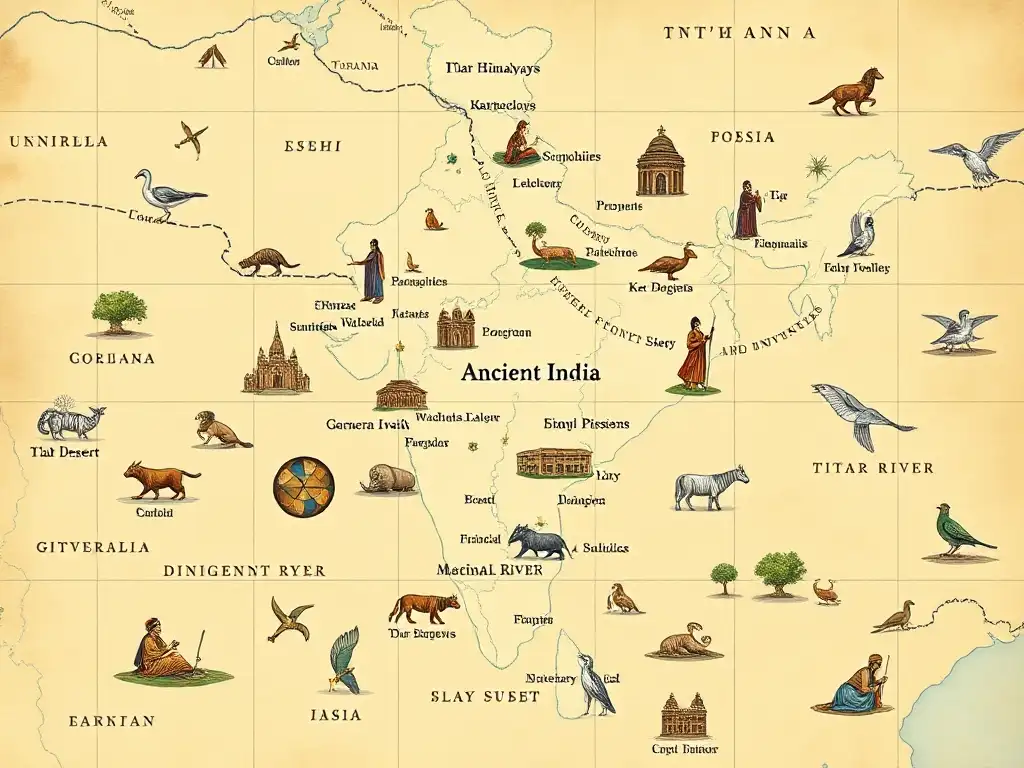
The geographic diversity of ancient India played a crucial role in shaping educational practices across different regions. Each area, with its unique environment and societal needs, influenced how knowledge was transmitted and what subjects were prioritized in the educational curriculum. Below, we explore two significant geographic regions of ancient India: the Indus Valley and the Northern Plains.
The Indus Valley Region
The Indus Valley, one of the world's earliest urban civilizations, was characterized by its advanced city planning and sophisticated societal structure. The geography of this region, primarily located around the Indus River, provided fertile land for agriculture, which significantly influenced the social and educational frameworks of its inhabitants.
Urban Centers and Their Influence on Education
The urban centers of the Indus Valley, such as Harappa and Mohenjo-Daro, were hubs of trade, culture, and education. These cities allowed for the interaction of diverse groups, facilitating the exchange of ideas and knowledge. The presence of well-planned streets, drainage systems, and public baths suggests a level of civic organization that likely supported communal learning environments.
- Key Features of Education in Urban Centers:
- Trade and Commerce: With economic activities thriving, education was likely focused on practical knowledge, including mathematics and administration.
- Cultural Exchange: Interaction among various cultures allowed for the sharing of literary and artistic knowledge, possibly influencing curricula.
- Public Facilities: Availability of public spaces may have served as informal educational settings where community members shared knowledge.
Curriculum Elements in Indus Valley Schools
While direct evidence of formal schooling from the Indus Valley is limited, archaeological findings suggest that education likely revolved around practical skills and cultural education.
- Curriculum Elements:
- Mathematics: Due to trade and commerce, mathematical skills would have been crucial.
- Writing Systems: The Indus script, though not fully deciphered, indicates a form of literacy that may have been taught.
- Craftsmanship: Skills related to pottery, metallurgy, and textiles would have been essential, reflecting the region's economic activities.
The Northern Plains
The Northern Plains, enriched by the Ganges River and its tributaries, were characterized by fertile agricultural land, which played a critical role in shaping educational practices. The agrarian society that flourished here had distinct educational needs and approaches.
Agricultural Society and Its Impact on Learning
The Northern Plains’ reliance on agriculture significantly influenced the educational landscape. Education was often oriented towards practical agricultural skills, as well as the cultural and spiritual teachings necessary for community living.
- Impact of Agriculture on Education:
- Practical Knowledge: Education focused on farming techniques, seasonal cycles, and crop management.
- Community Learning: Local elders likely played a crucial role in passing down agricultural wisdom and cultural traditions through oral teachings.
- Religious Education: The connection between agriculture and spirituality often led to the incorporation of religious teachings in education, emphasizing harmony with nature.
Role of Gurukuls in Northern Indian Education
Gurukuls were traditional Indian schools established in forested or rural settings, where students lived and learned under the guidance of a teacher (guru). This educational system was particularly prominent in the Northern Plains.
- Features of Gurukuls:
- Holistic Learning: Education in Gurukuls encompassed a wide range of subjects, including philosophy, arts, medicine, and warfare, alongside practical skills.
- Residential Structure: The live-in model fostered a close-knit community where students learned not just from formal instruction but also from daily interactions.
- Cultural Transmission: Gurukuls played a vital role in preserving and transmitting cultural and spiritual knowledge, shaping the moral and ethical framework of society.
The geographical distinctions of ancient India significantly influenced educational practices. From the urban centers of the Indus Valley to the rural Gurukuls of the Northern Plains, the relationship between geography and education reveals a rich tapestry of learning that catered to the unique needs of each region. Understanding these dynamics not only enriches our knowledge of ancient Indian civilizations but also highlights the importance of contextual factors in shaping educational systems.
The Deccan Plateau
The Deccan Plateau, a vast expanse of elevated land in southern India, played a pivotal role in shaping the educational practices of ancient Indian civilizations. This region, characterized by its rugged terrain, distinct climatic conditions, and rich mineral resources, fostered unique cultural and educational developments that were reflective of its geography. The Deccan Plateau was home to various kingdoms, including the Satavahanas and the Chalukyas, which contributed significantly to the region's educational landscape.
The isolation of certain areas within the plateau led to the emergence of distinct local cultures, which in turn influenced how education was approached. The prominence of agricultural practices, particularly in areas near rivers, established a need for practical education related to farming, irrigation, and resource management. Additionally, the terrain facilitated the establishment of fortified cities that served as educational hubs, often attracting scholars and students from various regions.
Unique Cultural Practices and Educational Systems
In the Deccan Plateau, local traditions and customs heavily influenced educational practices. The educational systems were often decentralized and community-based, with focus areas that included agriculture, trade, and military skills. Gurukuls, or traditional schools, were prevalent, where students lived with their teachers and received instruction in various disciplines, including Vedic studies, philosophy, and martial arts.
Cultural festivals and rituals also played a significant role in education, often intertwined with learning. For instance, festivals that celebrated harvests were opportunities for communal learning about sustainable agricultural practices, showcasing how cultural events were educational in nature. Moreover, the plateau's diverse linguistic landscape gave rise to multiple languages and dialects, emphasizing the importance of linguistic studies and literature in the educational curriculum.
Influence of Local Geography on Curriculum
The geography of the Deccan Plateau directly influenced its educational curriculum. The region's varied climate and topography necessitated a focus on subjects pertinent to survival and prosperity. For instance, the study of geology and meteorology became essential as communities learned to navigate the changing weather patterns that impacted agriculture and water supply.
Furthermore, the accessibility of minerals and resources led to the inclusion of metallurgy and craftsmanship in educational practices. Students were taught the skills needed to work with local materials, resulting in a curriculum that was practical and relevant. This geographical context encouraged a hands-on approach to education, where theoretical knowledge was complemented by practical applications, enhancing the overall learning experience.
The Coastal Regions
The coastal regions of ancient India, stretching along the Arabian Sea and the Bay of Bengal, were significant centers of trade and cultural exchange. The geography of these areas, with their access to the sea and fertile plains, profoundly impacted educational practices, particularly in the context of trade, commerce, and maritime activities. The vibrant coastal trade networks not only fostered economic prosperity but also facilitated the flow of ideas and knowledge across regions.
Trade and Transportation: Impact on Educational Exchange
Trade played a crucial role in shaping educational exchanges in the coastal regions. The ports served as melting pots where merchants, scholars, and travelers converged, leading to the dissemination of knowledge and cultural practices. This exchange enriched the educational landscape, introducing new subjects and methodologies.
The importance of navigation and maritime skills prompted educational systems to prioritize training in these areas. Courses focusing on astronomy, mathematics, and cartography became essential for navigating the seas and understanding trade routes. Additionally, the interaction with foreign traders led to the incorporation of different languages and cultural practices into the local curriculum, fostering a cosmopolitan educational environment.
Maritime Education in Ancient Coastal Communities
Maritime education was a distinctive feature of ancient coastal communities. The proximity to the sea encouraged the development of specialized knowledge in shipbuilding, fishing techniques, and trade practices. Educational institutions often included practical training in these skills, ensuring that the youth were well-equipped for livelihoods that revolved around the ocean.
Communities along the coastline celebrated their maritime heritage through storytelling and oral traditions, which were integral to the educational process. Folktales and legends about the sea served not only as entertainment but also as moral and practical lessons for the younger generations. This integration of maritime knowledge with cultural narratives exemplifies how geography shaped the educational systems in coastal regions, leading to a rich and diverse learning environment that was well adapted to the needs of the community.
Key Educational Practices Influenced by Geography
Localized Learning: Adapting to Geographic Conditions
Ancient India's educational practices were deeply intertwined with the geographical landscapes in which they developed. The region's diverse topography — from the arid deserts of Rajasthan to the lush valleys of the Ganges — necessitated different approaches to education that reflected local conditions.
In agrarian societies, for instance, education was often focused on agricultural techniques, seasonal cycles, and practical skills necessary for farming. Schools were typically set up in proximity to fertile lands, where students learned not only theoretical knowledge but also hands-on practices. The Guru-Shishya tradition, a hallmark of ancient Indian education, thrived in such environments, promoting personalized learning experiences that were tailored to the needs of the community.
Regional Variations in Teaching Methods
The teaching methods employed in ancient India varied significantly across regions due to geographical influences. For example:
- Himalayan Regions: Here, education was often centered around survival skills and spiritual teachings, reflecting the harsh living conditions. Monastic schools became prominent, focusing on philosophy, meditation, and ethics.
- Coastal Areas: In regions like Kerala and Tamil Nadu, maritime education became essential. Schools taught navigation, trade practices, and the understanding of tides and currents, preparing students for careers in fishing and merchant shipping.
- Desert Regions: In places like Rajasthan, where water scarcity was a challenge, education emphasized resource management, sustainable living, and the art of craftsmanship. Students learned traditional crafts that utilized local materials, ensuring the preservation of cultural practices.
Community Involvement in Education
Community engagement played a vital role in shaping educational practices across different regions. Local leaders and elders often contributed their knowledge, ensuring that education was relevant and accessible.
- Collaborative Learning: In many villages, learning was a communal affair. Elders shared stories and wisdom, while children learned through observation and imitation. This informal yet structured approach fostered a strong sense of community.
- Cultural Transmission: Festivals and local events served as opportunities for learning. Art, music, and dance became integral parts of education, with each region emphasizing its unique heritage. For instance, the tradition of storytelling in Maharashtra not only entertained but also imparted moral lessons and historical knowledge.
- Role of Temples and Gurukuls: Temples often doubled as educational centers, where priests taught scriptures alongside practical skills relevant to the community. Gurukuls, on the other hand, were informal residential schools that adapted to regional needs, focusing on subjects pertinent to local occupations.
The Role of Natural Resources in Shaping Educational Content
The availability of natural resources significantly influenced the content and focus of education in ancient India. Different regions capitalized on their unique resources, creating specialized curricula that addressed local needs.
Agriculture-Based Learning in Fertile Regions
In the fertile plains of northern India, education was heavily oriented towards agriculture. Learning revolved around:
- Crop Cultivation: Students studied various farming techniques, crop rotation, and the importance of monsoon patterns. This knowledge was essential for maximizing yield and sustaining the community.
- Irrigation Techniques: With resources like the Indus and Ganges rivers, educational content often included lessons on irrigation and water management, critical for maintaining agricultural productivity.
- Sustainable Practices: Ancient texts, such as the Arthashastra, also provided insights into sustainable farming methods, which were taught to ensure long-term ecological balance.
Mining and Craftsmanship Education in Resource-Rich Areas
Regions rich in minerals and natural resources, such as the Deccan plateau, developed educational practices centered around mining and craftsmanship. These centers of learning focused on:
- Metallurgy and Mining: Students learned the science behind extracting and processing metals, which was vital for local economies. This included hands-on training in ore extraction and smelting techniques.
- Artisanal Skills: Regions known for their handicrafts, such as Gujarat for textiles and Madhya Pradesh for pottery, offered specialized training in these crafts. Education emphasized both artistic expression and technical skills, ensuring artisans were well-versed in their trades.
- Trade Education: With thriving trade routes, education also included lessons on commerce, negotiation, and market dynamics, preparing students for roles in local and regional markets.
The interplay between geography and education in ancient India created a rich tapestry of localized learning that adapted to the unique conditions of each region. This resulted in a diverse array of educational practices, ensuring that knowledge was relevant and practical for the communities involved.
The Influence of Geography on Educational Institutions
Prominent Educational Centers and Their Locations
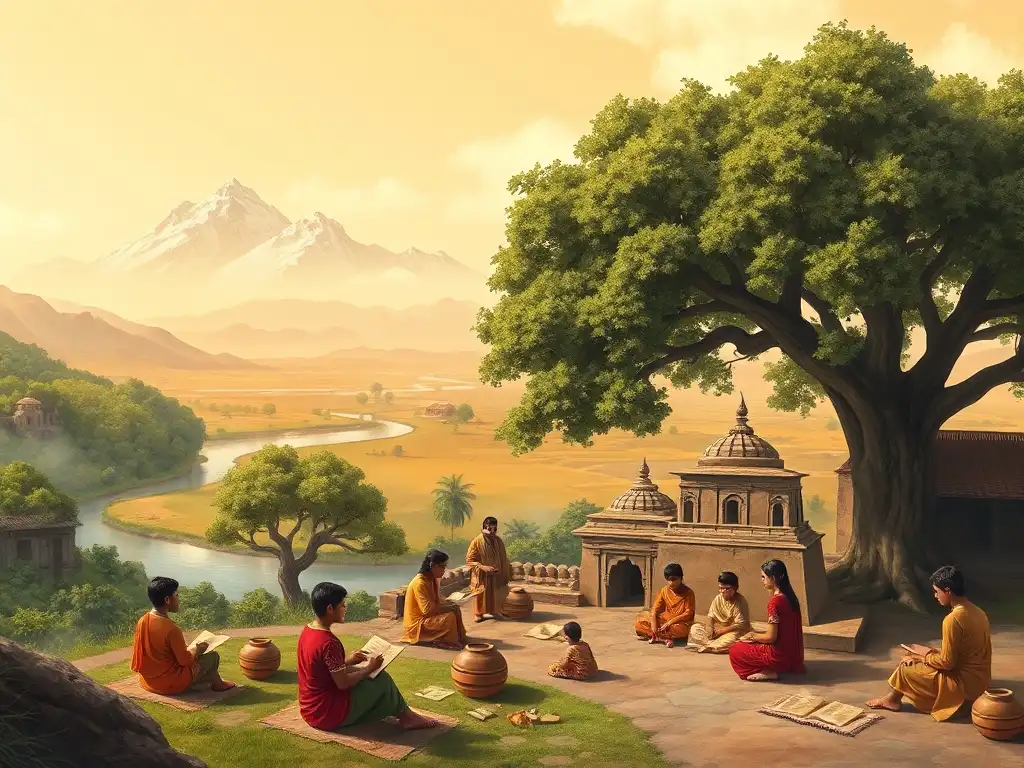
The geographical landscape of ancient India played a significant role in the establishment and prominence of educational centers. Notably, these institutions were often located near trade routes, riverbanks, or fertile plains, which facilitated the influx of students and scholars from diverse backgrounds. The accessibility of these regions contributed to their development as hubs of knowledge.
Nalanda University: A Hub of Learning in the East
Nalanda University, established in the 5th century CE in present-day Bihar, was one of the most renowned educational institutions in ancient India. Its location near the Ganges River provided a strategic advantage, allowing easy access for students and scholars traveling from various parts of India and beyond.
- Curriculum: Nalanda offered a comprehensive curriculum that included subjects such as philosophy, astronomy, medicine, and grammar. The university attracted scholars from as far as China, Korea, Tibet, and Japan, making it a melting pot of intellectual exchange.
- Infrastructure: The university boasted a sophisticated infrastructure, including lecture halls, dormitories, and libraries. The geographical setting allowed for the establishment of these facilities, creating an environment conducive to learning and discussion.
Taxila: A Melting Pot of Knowledge from Various Regions
Taxila, located at the crossroads of major trade routes in present-day Pakistan, flourished as an educational center from the 6th century BCE. Its geographical positioning made it a vibrant hub for students from different regions, including Persia, Greece, and Central Asia.
- Diverse Curriculum: Taxila's curriculum encompassed various fields such as medicine, philosophy, and military science, reflecting the diverse needs of its student body. The confluence of cultures in Taxila enriched its educational practices, fostering an environment of innovation and critical thinking.
- Cultural Exchange: The geographical location facilitated cultural exchanges and interactions with different civilizations, allowing students to gain a broader perspective on knowledge and learning methodologies.
Geography and Accessibility of Educational Resources
The accessibility of educational resources in ancient India was heavily influenced by geography. Different terrains and climates affected how resources were distributed and utilized, consequently shaping educational practices.
Impact of Terrain on Educational Accessibility
The varied terrain of ancient India, from the Himalayan mountains to the vast river valleys, played a crucial role in determining the accessibility of educational institutions.
- Mountainous Regions: In areas with rugged terrain, such as the Himalayas, educational opportunities were limited. Scholars often had to travel long distances, which made it challenging for them to access institutions of learning.
- River Valleys: In contrast, regions surrounding major rivers like the Ganges and Indus experienced easier access, leading to the establishment of numerous educational centers. The fertile plains supported agriculture, which in turn supported larger populations that could sustain educational endeavors.
The Role of Geography in the Spread of Knowledge
Geography not only influenced the locations of educational institutions but also played a vital role in the dissemination of knowledge across ancient India.
- Trade Routes: The extensive network of trade routes connected different regions, allowing for the exchange of ideas and educational practices. Merchants, travelers, and scholars shared knowledge, facilitating a vibrant intellectual culture.
- Cultural Integration: Geographic features such as rivers and mountains often acted as barriers but also as conduits for cultural integration. The interactions between diverse groups spurred advancements in various fields, from science to philosophy, deeply enriching the educational landscape of ancient India.
The interplay of geography and education in ancient India is a testament to how physical landscapes shaped the development of educational practices and institutions. Understanding this relationship provides valuable insights into the rich tapestry of India's historical educational systems.
Conclusion: The Interconnection of Geography and Educational Practices
Summary of Key Points on Geography and Education in Ancient India
In examining the educational practices of ancient India, it becomes clear that geography played a pivotal role in shaping the curriculum and methods of instruction across different regions. Here are some key points to consider:
- Regional Variations: The diverse geographical landscapes, ranging from the fertile plains of the Indus Valley to the arid deserts of Rajasthan, influenced the subjects taught and the pedagogical approaches employed. For instance:
- In agricultural regions, education emphasized agronomy, irrigation techniques, and sustainability.
- Conversely, in trade-centric areas like the coastal cities, subjects focused more on commerce, navigation, and maritime skills.
- Access to Resources: Geographic features directly impacted the availability of educational resources. Areas rich in natural resources, like minerals and water, facilitated the establishment of learning centers that could support extensive curricula. This accessibility fostered the growth of institutions such as Gurukuls and monasteries.
- Cultural Exchange: Trade routes, facilitated by geographical positioning, allowed for cultural exchanges that enriched educational practices. Knowledge from other civilizations, such as Persian and Greek, was integrated into the Indian education system, particularly in urban centers. This exchange led to a more holistic approach to education that included philosophy, mathematics, and astronomy.
- Influence of Climate: The climatic conditions of a region determined the daily routines of students and teachers, which in turn influenced the structure of educational practices. For example, in regions with extreme weather, education often took place during cooler parts of the day, allowing for more participation and engagement.
Final Thoughts on the Legacy of Geographic Influence on Education
The legacy of geographic influence on education in ancient India is profound and multifaceted. It not only shaped the curriculum of various regions but also established a framework for educational practices that would evolve over centuries. As we reflect on this interconnection, several enduring themes emerge:
- Adaptability: The ability to adapt educational practices to suit geographic contexts is a hallmark of ancient Indian civilizations. This adaptability ensured that education remained relevant and accessible to diverse populations.
- Holistic Education: The integration of various subjects, influenced by geographic conditions, laid the groundwork for a holistic approach to learning. This philosophy resonates in modern educational practices, emphasizing the need for interdisciplinary education.
- Cultural Heritage: The rich tapestry of knowledge and practices shaped by geography continues to influence contemporary educational systems in India and beyond. Understanding this historical context enriches our appreciation of how geography and education are intertwined, reminding us that learning is not only a cognitive process but also a reflection of the environment in which it occurs.
The study of geography and education in ancient India reveals a complex relationship that highlights the importance of environmental context in shaping knowledge systems. This legacy continues to inspire educational methodologies, affirming the significance of geography in the realm of education.
Frequently Asked Questions
What role did geography play in education in ancient India?
Geography significantly influenced educational practices, with different regions developing unique systems based on their environmental and cultural contexts.
How did the Indus Valley civilization contribute to education?
The Indus Valley civilization established early forms of writing and urban planning, which laid the groundwork for knowledge sharing and educational systems in subsequent cultures.
What were the major educational centers in ancient India?
Key educational centers included Nalanda and Takshashila, renowned for their emphasis on higher learning and attracting students from across the region.
How did the Gupta Empire impact education?
The Gupta Empire is often referred to as the Golden Age of India, during which arts and sciences flourished, leading to advancements in mathematics, astronomy, and medicine.
Were there any specific curricula unique to different regions?
Yes, various regions had specific curricula tailored to their cultural and geographical needs, focusing on subjects like agriculture, trade, and philosophy based on local relevance.
Final Reflection: The Enduring Legacy of Geography on Education in Ancient India
The interplay between geography and education in ancient India remains profoundly relevant today, as it underscores how our surroundings shape our learning environments and practices. The diverse landscapes of ancient India, from the fertile plains of the Ganges to the arid deserts of Rajasthan, not only influenced the subjects taught but also the methods of education employed. This relationship between geography and education is a striking reminder of how our physical context can dictate the flow of knowledge and cultural development.
The impact of geography on educational practices in ancient India continues to resonate in our modern world, where regional differences still inform educational approaches. From the traditional Gurukul system to contemporary educational reforms, the geographical context remains a crucial factor in shaping curricula and teaching methodologies. As we reflect on this, it is essential to remember the words of Mahatma Gandhi: Live as if you were to die tomorrow. Learn as if you were to live forever.
This quote encapsulates the idea that education is a lifelong journey, influenced by the environment we inhabit.
As we look to the future, I invite you to consider how your own surroundings influence your learning and growth. Reflect on the ways in which geography shapes not only educational practices but also your personal experiences and opportunities. Whether you are a student, educator, or lifelong learner, understanding this connection can empower you to embrace the richness of your environment and leverage it for your educational journey. Let us carry forward the lessons from ancient India and cultivate a deeper appreciation for the diverse landscapes that shape our learning experiences today.
Uncover the Influence of Geography on Ancient Education!
Thank you for diving into the fascinating interplay between geography and educational practices in ancient India! Your exploration has revealed how the diverse landscapes shaped unique learning environments. Now, it’s time to take that knowledge a step further.
Here are some actionable ways to deepen your understanding and engage with this rich history:
- Visit a local museum or library that features exhibits on ancient India, and discover artifacts that highlight the geographical influences on education.
- Join an online forum or social media group focused on ancient civilizations, and share your insights on how geography influenced educational practices.
- Create a mind map that connects different regions of ancient India with their respective educational methods and geographical features.
Which geographical factors do you believe had the most significant impact on educational practices in ancient India? We would love to hear your thoughts below!