
The Art of Rhetoric: How Ancient Indians Mastered Persuasive Communication

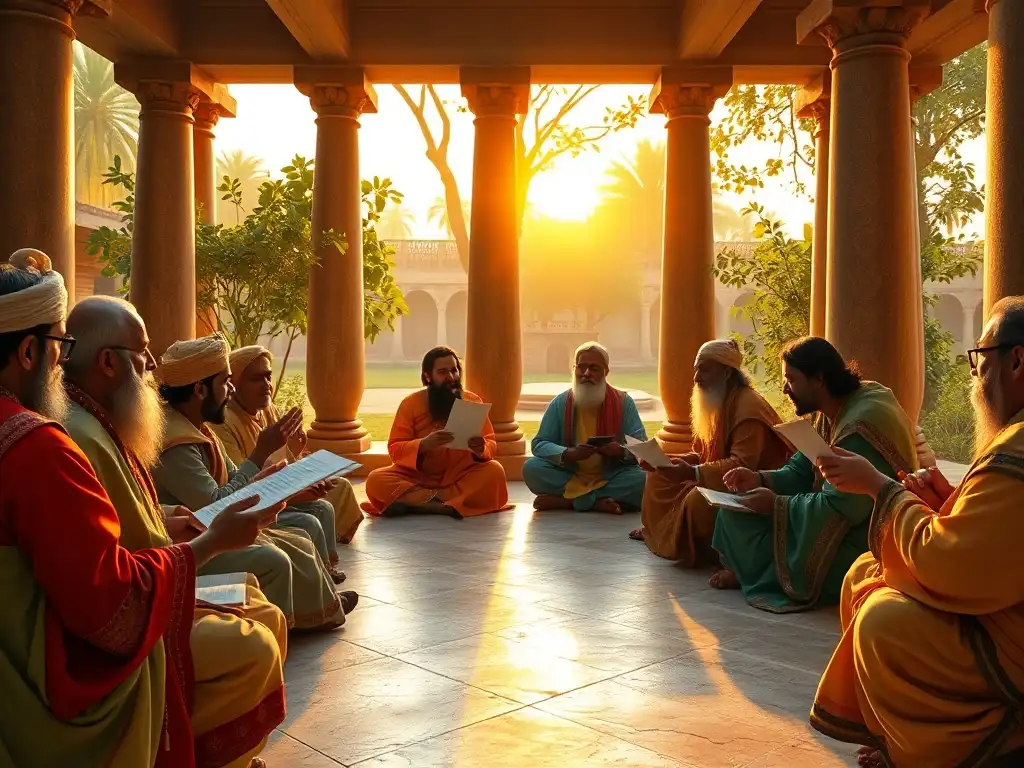
Welcome to Ancient India History, where we embark on a fascinating journey through the vibrant tapestry of ancient Indian civilizations. Here, we delve deep into the art of rhetoric and unveil how Ancient Indians mastered persuasive communication long before modern techniques emerged. Have you ever wondered how the echoes of their eloquence shaped cultural narratives and influenced societies? Join us as we explore the profound impact of their communication skills, inviting you to uncover the secrets behind their persuasive prowess and the legacies that continue to resonate today. Don't miss out on the insights that await you!

Introduction to Ancient Indian Persuasive Communication
The art of rhetoric, or persuasive communication, has deep roots in ancient civilizations, and Ancient India is no exception. The mastery of rhetoric in ancient Indian society not only played a crucial role in governance and law but also permeated various aspects of daily life, including education, philosophy, and spirituality.
As we delve into the intricacies of ancient Indian persuasive communication, we will uncover the methods and strategies that made it so effective and influential. From the Indus Valley to the Gupta Empire, the techniques employed by ancient orators and scholars have left an indelible mark on both Indian culture and the broader field of communication.
Overview of Rhetoric in Ancient India
Rhetoric in Ancient India was intricately linked to the philosophical and cultural frameworks of the time. Scholars and thinkers like Aristotle and Plato discussed rhetoric in the context of Western philosophy, but in India, the roots of persuasive speech can be traced back to texts such as the Natyashastra and the Arthashastra. These works, attributed to the sage Bharata Muni and the strategist Kautilya respectively, encompassed various aspects of communication, including verbal and non-verbal strategies, audience analysis, and the importance of context in persuasion.
- Key Components of Ancient Indian Rhetoric:
- Audience Engagement: Understanding the audience's values, beliefs, and emotions.
- Ethos, Pathos, Logos: Establishing credibility, appealing to emotions, and using logical reasoning.
- Cultural Context: Employing metaphors and allegories that resonate with the cultural backdrop.
Importance of Persuasive Communication in Ancient Indian Society
Persuasive communication was vital in ancient Indian society for several reasons:
- Governance and Law: Rulers and administrators used rhetoric to enforce laws and convey policies effectively to their subjects.
- Religious Teachings: Spiritual leaders and philosophers utilized persuasive techniques to spread their teachings and foster a deeper understanding of complex spiritual concepts.
- Education: The ancient educational system emphasized debate and discourse, encouraging students to develop their rhetorical skills as a means of intellectual growth.
The ability to communicate persuasively was not just an art; it was a necessary skill that shaped leadership, religious practices, and educational methodologies.
Historical Context of Rhetoric in Ancient India
To understand the evolution of rhetoric in Ancient India, it is essential to explore its historical context. Various dynasties and empires contributed to the development of persuasive techniques, influenced by the interplay of different cultures and philosophies.
The Evolution of Communication Practices
The evolution of communication practices in Ancient India can be traced through several key periods:
- Indus Valley Civilization: Early forms of communication, including seals and inscriptions, hint at a sophisticated society with established methods of conveying messages.
- Vedic Period: The oral tradition dominated, with texts like the Vedas being recited, highlighting the significance of tone, rhythm, and mnemonic devices in persuasive speech.
- Post-Vedic Period: The emergence of written texts led to a more formalized understanding of rhetoric, with scholars documenting strategies for effective communication.
Influential Texts on Rhetoric and Persuasion
Several ancient texts laid the groundwork for understanding rhetoric and persuasion in India:
- Natyashastra: A comprehensive treatise on the performing arts that includes guidelines on effective communication and the use of emotion in persuasion.
- Arthashastra: A strategic manual that covers political theory, including the role of rhetoric in governance and diplomacy.
- Kālidāsa's Works: Literature that showcases the use of poetic devices and rhetorical questions to engage the audience and evoke emotions.
These texts not only provided practical advice but also reflected the cultural values and social norms of their time, cementing the importance of persuasive communication in Ancient Indian civilization.
Key Elements of Ancient Indian Persuasive Communication
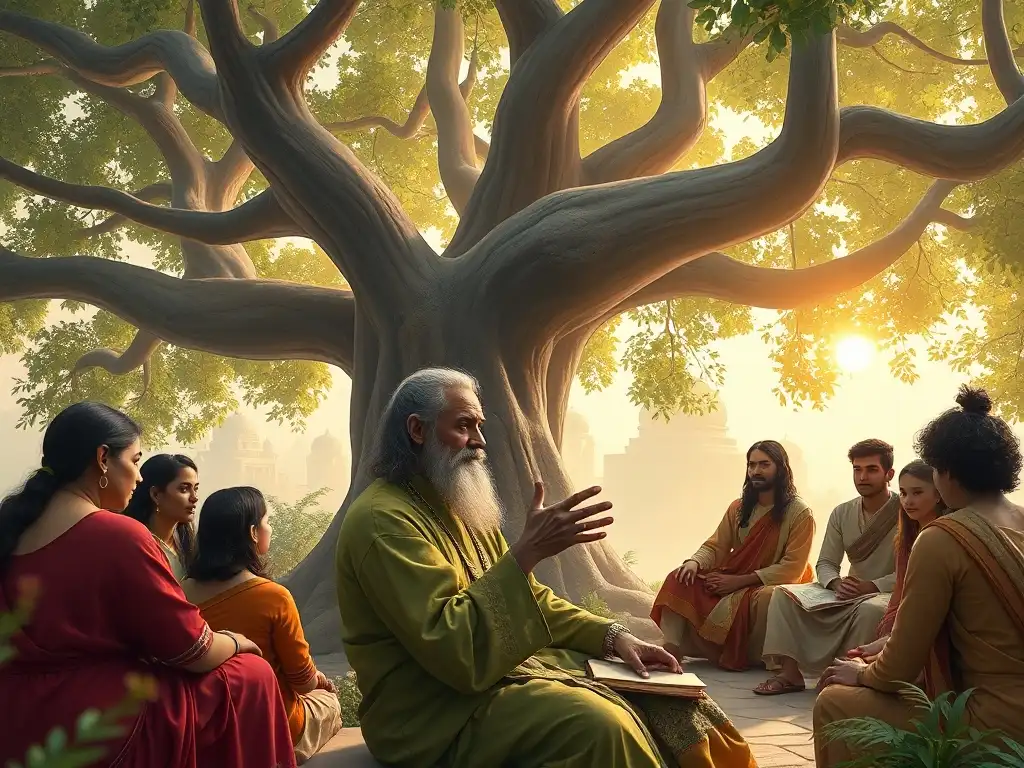
Ancient Indian persuasive communication was characterized by several key elements that contributed to its effectiveness. These elements were rooted in the cultural and philosophical traditions of the time, particularly influenced by texts such as the Vedas, Upanishads, and later, the epics like the Mahabharata and Ramayana.
- Ethos (Character): The credibility of the speaker played a crucial role. Ancient Indian orators often established their authority by demonstrating their knowledge of sacred texts and philosophical concepts. Their moral standing was also vital; a respected figure's words were more likely to persuade the audience.
- Pathos (Emotion): Emotion was harnessed to connect with the audience. Storytelling techniques, often found in epic tales, were employed to evoke feelings of compassion, anger, or joy. This emotional resonance made arguments more relatable and impactful.
- Logos (Logic): Logical reasoning was fundamental in persuading audiences. Ancient Indian scholars used syllogistic arguments, analogies, and examples from nature or daily life to support their claims. This structured approach helped to clarify complex ideas and made them more convincing.
- Cultural Context: The rich tapestry of Indian mythology, philosophy, and history provided a deep reservoir of references that speakers could draw upon. By weaving these cultural elements into their rhetoric, speakers could enhance the persuasive power of their messages.
- Dialogue and Debate: Ancient Indian communication often took the form of dialogues, as seen in texts like the Upanishads. Engaging in debates allowed for the exploration of multiple viewpoints, enriching the persuasive process and promoting critical thinking.
Techniques of Persuasion Used by Ancient Indians
Ancient Indian communicators employed various techniques to enhance their persuasive abilities. These techniques were not only effective in rhetoric but also served to solidify social and political relationships.
- Rhetorical Questions: This technique involved posing questions to provoke thought and engage the audience. By inviting listeners to reflect on their answers, speakers could lead them to a desired conclusion.
- Analogies and Metaphors: Drawing comparisons between familiar concepts and complex ideas helped clarify arguments. Metaphors related to nature, society, or mythology made the message more vivid and memorable.
- Recitation and Repetition: Repetitive phrases or ideas reinforced key messages, making them easier for audiences to remember. This technique was common in oral traditions where information was passed down through generations.
- Parables and Fables: These storytelling formats were rich with moral lessons and were widely used to illustrate points. By embedding persuasive messages within entertaining narratives, speakers could engage their audience on multiple levels.
- Appeals to Authority: Citing revered texts, historical figures, or deities when making a point lent weight to arguments. This appeal to authority could significantly enhance the persuasive power of the communicator.
The Role of Education in Mastering Rhetoric
Education in ancient India played a pivotal role in the mastery of rhetoric and persuasive communication. The educational systems were designed not only to impart knowledge but also to cultivate the art of discourse and argumentation among students.
- Gurukula System: The traditional Gurukula system emphasized learning through direct interaction with a teacher (Guru). This setting allowed for personalized guidance in developing rhetorical skills, where students were trained in the nuances of effective communication.
- Study of Texts: Students were exposed to various ancient texts that outlined principles of rhetoric, philosophy, and ethics. Mastery of these texts was essential for developing persuasive skills, as students learned to analyze arguments and construct their own.
- Debates and Discussions: Regular participation in debates was a cornerstone of education. These discussions fostered critical thinking and allowed students to practice their rhetorical techniques in a supportive environment, honing their ability to persuade others.
- Interdisciplinary Learning: Education encompassed various disciplines, including philosophy, logic, and poetry. This interdisciplinary approach enriched students' understanding of language and enhanced their capacity for persuasive expression.
Traditional Educational Practices in Ancient India
Ancient Indian educational practices were deeply rooted in cultural and philosophical traditions, shaping the way rhetoric and communication skills were taught.
- Oral Tradition: Knowledge was primarily transmitted orally, emphasizing the importance of verbal skills. Students learned to articulate their thoughts clearly and persuasively, often through memorization of texts and oral recitation.
- Mimetic Learning: Students often learned by imitation, observing their teachers’ styles and techniques. This practice enabled students to develop their own persuasive voices while grounding them in established traditions.
- Holistic Curriculum: The curriculum included a wide range of subjects, such as grammar, poetry, logic, and philosophy. This holistic approach ensured that students became well-rounded communicators capable of engaging with diverse audiences.
- Role of Performance Arts: Incorporating elements of drama and performance into education helped students understand the nuances of delivery and emotional appeal, essential for effective persuasion.
- Mentorship: The relationship between the Guru and the student was paramount. This mentorship not only fostered skill development but also instilled values such as ethics and integrity, which were crucial for responsible persuasive communication.
Through these educational practices, ancient Indians cultivated an environment where rhetoric flourished, laying the foundation for effective and persuasive communication that has influenced generations.
Famous Orators and Their Contributions
In ancient India, the art of rhetoric was not only a skill for effective communication but also a powerful tool for persuasion that shaped societies and influenced governance, philosophy, and culture. Several famous orators emerged during this period, each leaving a distinct mark on the practice of persuasive communication. Their speeches and writings highlighted the importance of eloquence and the mastery of language, which were essential for leaders, philosophers, and spiritual guides.
One of the most notable figures was Chanakya, also known as Kautilya, who was a philosopher and the chief advisor to the Maurya Empire. His work, the Arthashastra, serves as an ancient manual on statecraft and economics, but it is also a rich source of persuasive rhetoric. Chanakya's strategies emphasized the use of impactful speech to motivate and mobilize people, demonstrating how rhetoric could be wielded to gain power and influence.
Another prominent orator was Buddha, whose teachings were delivered through compelling discourses known as suttas. His ability to address complex philosophical concepts in an accessible manner allowed him to attract a wide audience, transcending social barriers. Buddha emphasized clarity, logic, and emotional appeal in his communication, making his ideas resonate deeply with followers.
Mahavira, the 24th Tirthankara of Jainism, also utilized rhetoric to communicate his teachings on non-violence and truth. His dialogues often involved persuasive techniques that encouraged followers to reflect on ethical living and spiritual growth. Mahavira's contributions illustrate how rhetoric can serve not just as a tool for debate but also as a means of ethical and moral persuasion.
The Impact of Ancient Indian Persuasive Communication on Society
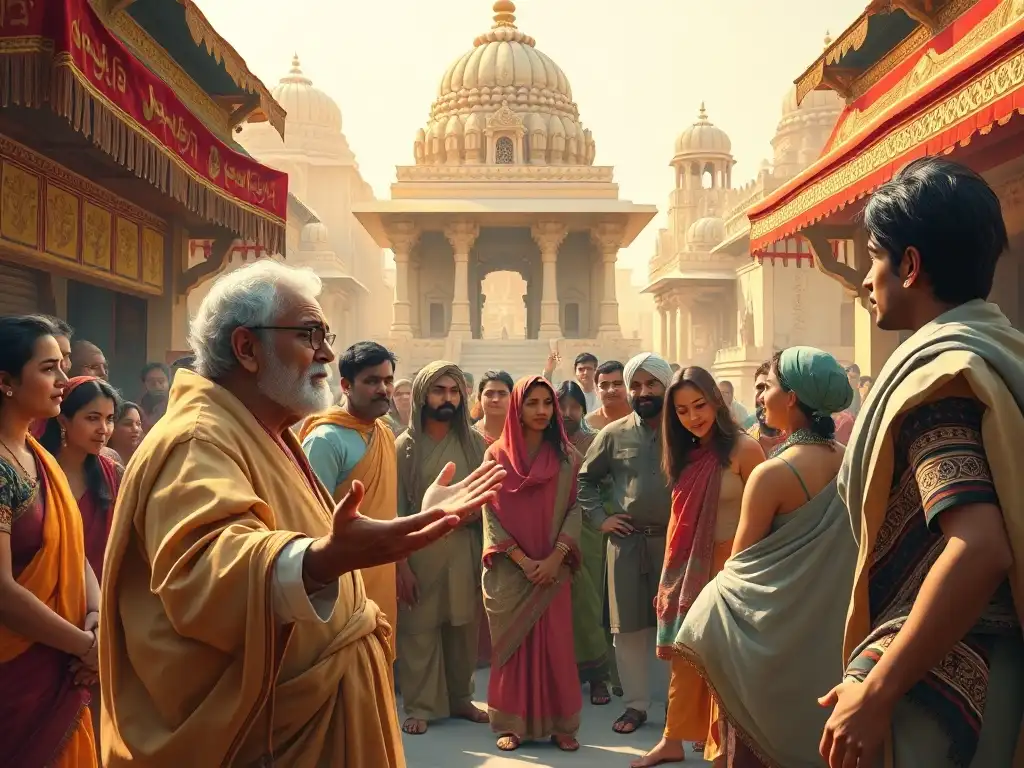
The impact of ancient Indian persuasive communication transcended mere eloquence; it played a crucial role in shaping social, political, and philosophical landscapes. The ability to communicate effectively and persuasively influenced the way ideas were shared, leaders were chosen, and communities were structured.
Social and Political Influence of Rhetoric
Rhetoric in ancient India was instrumental in social and political spheres. It served as a mechanism to mobilize public opinion and instigate social change. For instance, during the time of the Maurya Empire, speeches by rulers and advisors were often designed to unify the populace and reinforce loyalty to the state. The use of rhetoric in governance was essential for maintaining order and ensuring that the populace adhered to the laws and customs of the land.
Moreover, the power of oratory was harnessed during political assemblies where leaders would employ persuasive techniques to sway public sentiment. This not only enhanced the leaders' authority but also established a culture where public discourse was valued and encouraged. The influence of rhetoric extended to the courts of kings, where skilled orators could sway verdicts and decisions through their command of language.
Rhetoric in Religious and Philosophical Discourse
In the realm of religion and philosophy, ancient Indian persuasive communication played a significant role in the dissemination of spiritual teachings. Philosophers and spiritual leaders utilized rhetoric to articulate complex ideas about existence, morality, and the cosmos. The dialogues found in texts such as the Upanishads and Bhagavad Gita showcase the use of rhetorical questions, analogies, and metaphors to engage listeners and provoke thought.
Religious discourses often employed storytelling to convey profound truths, allowing audiences to connect emotionally with the teachings. This method not only facilitated understanding but also made the ideas memorable, ensuring their transmission across generations. The emphasis on persuasive communication in these contexts underlined the belief that effective dialogue could lead to enlightenment and spiritual growth.
Ancient Indian persuasive communication was deeply interwoven with the societal fabric, influencing political structures and spiritual ideologies alike. The legacy of these rhetorical practices continues to inform contemporary approaches to communication in various fields, underscoring the timeless significance of eloquence and persuasion.
Comparative Analysis of Ancient Indian and Western Rhetoric
The art of rhetoric has been a significant aspect of communication in various cultures throughout history. Ancient India and the Western world both developed rich rhetorical traditions, but they approached the art of persuasion in distinct ways. A comparative analysis reveals intriguing similarities and differences in their techniques and cultural contexts.
Similarities in Rhetorical Techniques
Both Ancient Indian and Western rhetorical traditions emphasized the importance of eloquence and persuasion. Key similarities include:
- Structure and Organization: Both traditions recognized the importance of structuring arguments effectively. In Ancient India, texts such as the Arthashastra by Kautilya emphasized logical progression in rhetoric. Similarly, Western rhetoric often followed structured forms like the classical three-part argument: introduction, body, and conclusion.
- Use of Figures of Speech: Figures of speech played a pivotal role in both traditions. Metaphors, similes, and analogies were commonly employed by Indian scholars like Bhartrhari in Vakyapadiya, paralleling the extensive use of these devices by Western rhetoricians such as Aristotle and Cicero.
- Audience Awareness: Persuaders in both cultures recognized the necessity of understanding their audience. Ancient Indian orators tailored their messages to resonate with the values and beliefs of their listeners, much like the Western emphasis on audience engagement articulated by figures like Aristotle.
Differences in Cultural Contexts and Applications
Despite these similarities, the cultural contexts in which rhetoric developed in Ancient India and the Western world led to notable differences:
- Philosophical Foundations: Ancient Indian rhetoric was deeply intertwined with philosophical texts and spiritual teachings, often emphasizing moral and ethical considerations. In contrast, Western rhetoric was more influenced by political and civic life, focusing on debate and oratory in public forums.
- Purpose and Function: In Ancient India, rhetoric was frequently employed to convey dharma (righteousness) and to guide individuals spiritually and ethically. Conversely, Western rhetoric often served more pragmatic purposes, such as persuading audiences in political arenas or legal situations.
- Language and Style: The languages and stylistic elements used in rhetoric also varied significantly. Ancient Indian rhetoric often utilized Sanskrit's rhythmic and poetic qualities, lending itself to more lyrical forms of persuasion, while Western rhetoric traditionally emphasized clarity and logical reasoning through prose.
Conclusion: Legacy of Ancient Indian Persuasive Communication
The legacy of Ancient Indian persuasive communication continues to resonate in contemporary society. Its rich traditions and techniques have not only shaped historical discourse but also laid the groundwork for modern communication practices.
The Continuing Influence of Ancient Rhetoric in Modern India
The principles of persuasive communication developed in ancient times are still evident in modern Indian society. Politicians, educators, and public speakers continue to draw on these rhetorical techniques, blending traditional methods with contemporary styles. The emphasis on ethical communication and audience engagement remains relevant, as seen in political speeches and educational curricula that promote critical thinking and persuasive skills.
Relevance of Ancient Indian Persuasive Communication in Today’s World
In an increasingly globalized world, the principles of Ancient Indian persuasive communication offer valuable insights into effective communication across diverse cultures. Understanding these ancient techniques can enhance intercultural dialogue, fostering better understanding and cooperation among varied communities. As modern challenges require nuanced communication strategies, the wisdom of ancient Indian rhetoric provides timeless guidance for effective persuasion and ethical discourse in today’s interconnected society.
References for Further Reading on Ancient Indian Persuasive Communication
The study of ancient Indian persuasive communication offers a rich tapestry of insights into how rhetoric shaped thought, debate, and societal norms. For those interested in delving deeper into this topic, a variety of books and academic articles can provide comprehensive perspectives.
Suggested Books and Resources on Rhetoric
-
"The Art of Rhetoric in Ancient India" by R. P. Nair
This book explores the foundational principles of rhetoric in ancient Indian texts, including the role of persuasion in various philosophical debates.
-
"Rhetorical Tradition: Readings from Classical Times to the Present" edited by Patricia Bizzell and Bruce Herzberg
Although it covers a broader spectrum of rhetoric, this anthology includes sections focusing on Indian rhetoric, providing context and comparative analysis.
-
"Rhetoric in Ancient India" by S. K. Sharma
A detailed examination of the techniques used in ancient Indian discourse, this book discusses the contributions of notable figures and texts, such as the Arthashastra.
-
"Communication in Ancient India" by Pradip Kumar Ghosh
This resource investigates various modes of communication, emphasizing the significance of rhetoric in shaping social and political dialogues.
-
"Persuasion: Theory and Research" by Daniel J. O'Keefe
While not exclusively about ancient Indian rhetoric, this book offers theoretical frameworks that can be applied to understand ancient practices of persuasion.
Academic Journals and Articles on Ancient Indian Communication Practices
-
Journal of Indian Philosophy
Articles in this journal often examine the philosophical underpinnings of communication practices in ancient Indian texts, emphasizing rhetoric's role in philosophical discourse.
-
"Rhetoric and the Art of Persuasion in Ancient India" - International Journal of Humanities and Social Science
This article presents a detailed analysis of rhetorical strategies used in ancient Indian literature, highlighting specific examples from well-known texts.
-
"The Role of Debate in Ancient Indian Education" - Journal of South Asian Studies
This scholarly article discusses the significance of debate in ancient Indian educational practices and its connection to persuasive communication skills.
-
"Rhetorical Devices in Sanskrit Literature" - Sanskrit Studies Review
A specialized exploration of various rhetorical devices found in ancient Sanskrit texts, this article provides insights into how these devices enhance persuasive communication.
-
"Persuasive Communication in Ancient Indian Epics" - Literary Studies Journal
This piece analyzes the epic narratives of ancient India, focusing on the characters' use of rhetoric to influence and persuade others within the story.
By engaging with these resources, readers can gain a deeper understanding of how ancient Indian persuasive communication not only shaped the cultures of the time but also laid the groundwork for ongoing discussions in rhetoric and communication studies.
- Introduction to Ancient Indian Persuasive Communication
- Overview of Rhetoric in Ancient India
- Importance of Persuasive Communication in Ancient Indian Society
- Historical Context of Rhetoric in Ancient India
- Key Elements of Ancient Indian Persuasive Communication
- Techniques of Persuasion Used by Ancient Indians
- The Role of Education in Mastering Rhetoric
- Famous Orators and Their Contributions
- The Impact of Ancient Indian Persuasive Communication on Society
- Comparative Analysis of Ancient Indian and Western Rhetoric
- Conclusion: Legacy of Ancient Indian Persuasive Communication
- References for Further Reading on Ancient Indian Persuasive Communication
- What is the significance of persuasive communication in ancient India?
- Who were some key figures in ancient Indian rhetoric?
- How did ancient Indian rhetoric differ from other cultures?
- What are the main techniques used in ancient Indian persuasive communication?
- How does the study of ancient Indian rhetoric apply today?
Frequently Asked Questions
What is the significance of persuasive communication in ancient India?
Persuasive communication was vital in ancient Indian society, influencing politics, philosophy, and social interactions. It shaped debates, literature, and the dissemination of cultural values.
Who were some key figures in ancient Indian rhetoric?
Prominent figures include Kautilya, known for his work Arthashastra, and Panini, whose grammatical theories emphasized clarity and persuasion in language.
How did ancient Indian rhetoric differ from other cultures?
Ancient Indian rhetoric emphasized contextuality and audience awareness, focusing on moral and ethical dimensions, unlike the more aggressive styles seen in some Western traditions.
What are the main techniques used in ancient Indian persuasive communication?
Techniques included the use of metaphor, analogies, and storytelling, which engaged the audience emotionally and intellectually, making arguments more compelling.
How does the study of ancient Indian rhetoric apply today?
Understanding ancient Indian persuasive communication can enhance modern communication strategies by highlighting the importance of cultural context and ethical persuasion in effective dialogue.
Final Reflection: The Enduring Legacy of Ancient Indian Persuasive Communication
The art of rhetoric, as mastered by ancient Indians, remains profoundly relevant in today's world of communication. In an era where the power of persuasion shapes opinions, policies, and social movements, understanding the techniques and principles of ancient Indian persuasive communication can empower individuals to express their ideas more effectively. The wisdom of the past continues to resonate, reminding us that the ability to persuade is not merely a skill but an art form that can influence the course of history.
The influence of ancient Indian rhetoric extends beyond historical texts; it permeates our cultural and social landscapes today. As we navigate a world filled with diverse voices and perspectives, the principles of clarity, emotional appeal, and ethical persuasion found in ancient Indian teachings can guide us in fostering meaningful dialogues. Rhetoric is the art of ruling the minds of men.
— Plato. This quote encapsulates the essence of how rhetoric, particularly as practiced in ancient India, serves as a powerful tool for shaping thoughts and inspiring change.
As you reflect on the lessons of ancient Indian persuasive communication, consider how you can incorporate these timeless strategies into your own life. Embrace the power of your voice, and remember that every conversation is an opportunity to persuade, connect, and inspire. Let the legacy of ancient Indian rhetoric guide you in your endeavors to communicate with intention and impact, fostering a culture of understanding and collaboration in your personal and professional spheres.
Unlock the Power of Persuasion in Your Life!
Thank you for diving into the fascinating world of ancient rhetoric! You've explored how the remarkable techniques of ancient Indian communicators can influence and inspire. Now, it's time to put this knowledge into action and enhance your own communication skills.
Here are some impactful steps you can take today:
- Practice your persuasive skills: Select a topic that ignites your passion and craft a compelling persuasive speech. Share it with friends or family to refine your techniques!
- Explore classic texts: Delve into the works of renowned orators like Chanakya and other influential figures from ancient India. Discover how their timeless principles can be effectively applied in today's world.
- Join a local debate club or workshop: Engage with your community and participate in discussions that can sharpen both your rhetoric and listening abilities.
Are you ready to transform how you communicate and connect with others? What persuasive techniques will you experiment with first? Share your thoughts below!