
The Sacred Sounds of Indian Festivals: Music, Chants, and Spirituality

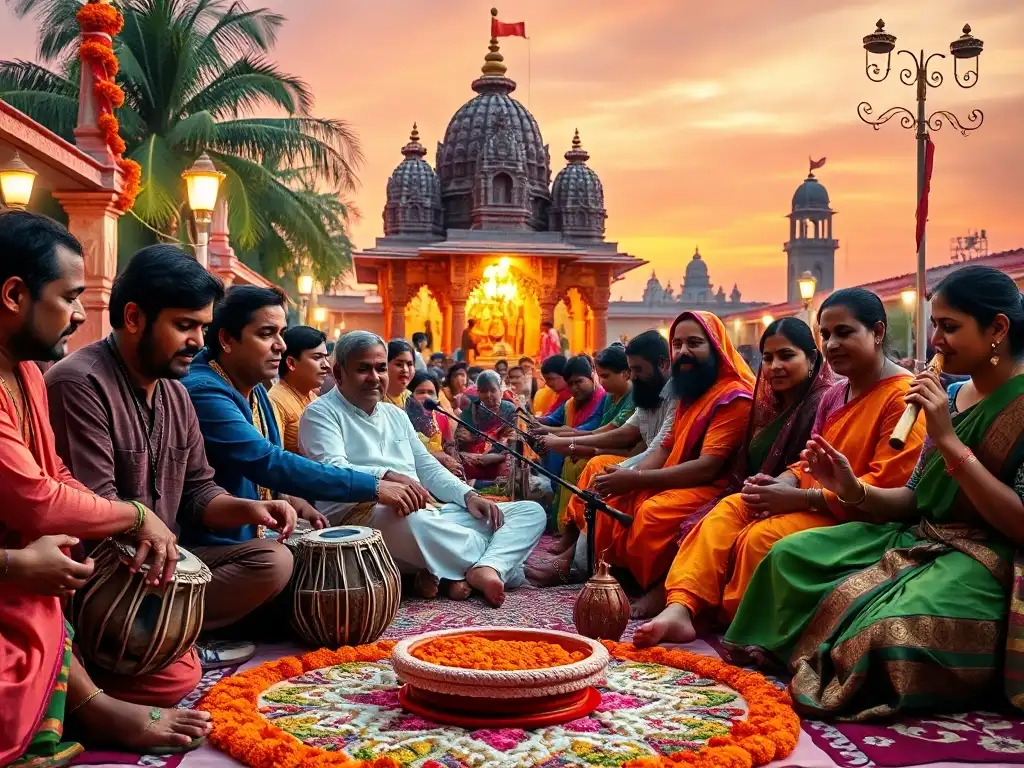
Welcome to Ancient India History, where we embark on a captivating journey through the vibrant tapestry of India's past. Here, we delve into the rich and diverse history, culture, and contributions of ancient Indian civilizations, from the enchanting Indus Valley to the illustrious Gupta Empire. In our featured article, “The Sacred Sounds of Indian Festivals: Music, Chants, and Spirituality,” we invite you to uncover the profound significance of sacred music in Indian festivals.
Discover how these melodious traditions not only celebrate life but also connect us to our spiritual roots. Join us as we explore the harmonious blend of music and spirituality that defines the essence of Indian festivities—your journey into the heart of ancient India begins now!
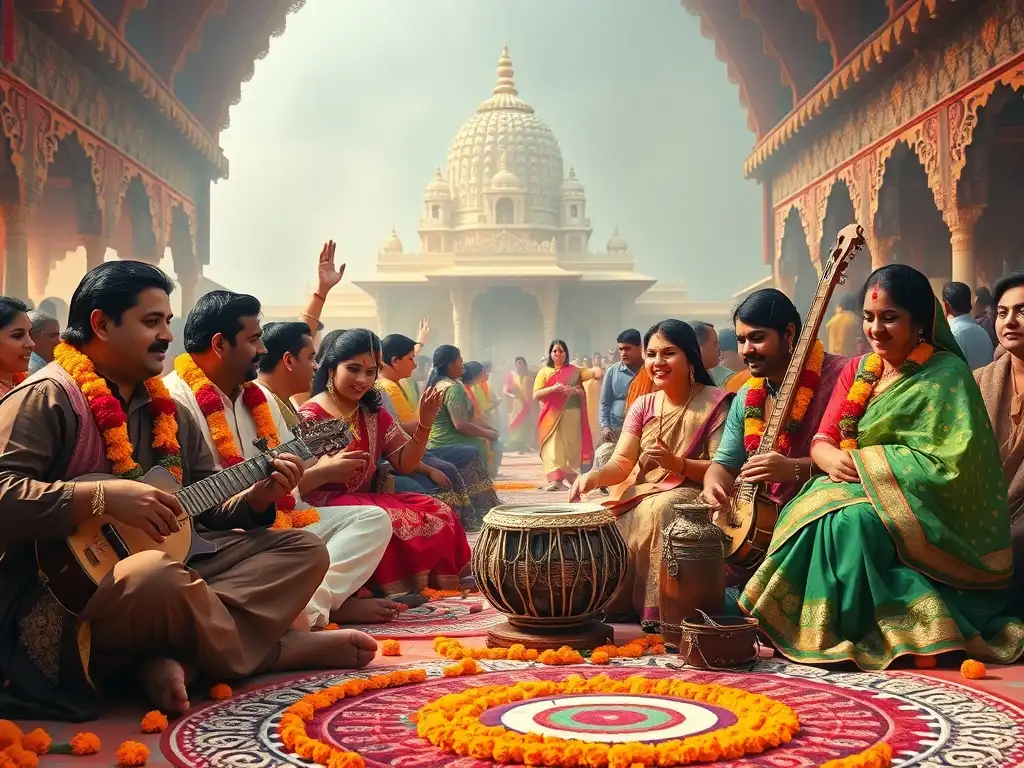
Introduction to Sacred Music in Indian Festivals
Sacred music in Indian festivals serves as a profound expression of spirituality, culture, and communal harmony, weaving together the vibrant tapestry of India's rich heritage. As ancient as the civilizations themselves, these musical traditions encompass a variety of forms, including hymns, chants, and instrumental compositions, each resonating with deep meaning and significance.
From the rhythmic beats that accompany joyous celebrations to the serene melodies that evoke contemplation, music plays a pivotal role in enhancing the spiritual atmosphere during festivals. This article delves into the multifaceted world of sacred sounds in Indian festivals, exploring their cultural roots, historical significance, and the profound impact they have on collective consciousness.
Understanding the Role of Sacred Music in Indian Culture
Sacred music in Indian culture transcends mere entertainment; it is a vital component of religious rituals and ceremonies. Key aspects include:
- Spiritual Connection: Music acts as a conduit for individuals to connect with the divine, creating an ambiance conducive to prayer and meditation.
- Cultural Identity: Different regions and communities in India have their unique musical traditions, reflecting their distinct identities and beliefs.
- Transcendence: The melodies often aim to transport listeners beyond the mundane, facilitating a journey into the spiritual realm.
The integration of music into festivals not only enriches the aesthetic experience but also reinforces cultural values and traditions, making it an integral part of communal celebrations.
Overview of Music, Chants, and Spiritual Practices
The spectrum of sacred music in Indian festivals is broad and diverse, encompassing various genres and styles. Some key elements include:
- Vedic Chants: Rooted in ancient texts, these chants are integral to Hindu rituals, performed by priests during ceremonies to invoke blessings and divine presence.
- Bhajans and Kirtans: These devotional songs capture the essence of love and devotion towards deities, often sung in group settings to foster community spirit.
- Classical Music: Forms such as Hindustani and Carnatic music are often performed during festivals, showcasing intricate compositions that elevate the spiritual experience.
These musical forms are not merely artistic expressions; they are imbued with deep spiritual significance, enhancing the overall atmosphere of festivals.
The Significance of Music in Indian Festivals
Music holds immense significance during Indian festivals, serving both a celebratory and a spiritual purpose. It acts as a bridge between the material and spiritual worlds, enriching the festival experience.
Historical Perspective on Sacred Music in Ancient India
Historically, music has been an essential aspect of Indian civilization, with roots tracing back to the Vedic period. The Natyashastra, an ancient treatise on performing arts, delineates the role of music in rituals and performances, illustrating its importance in society. Over the centuries, various musical traditions evolved, influenced by regional cultures, religious practices, and historical events.
Cultural Importance of Music During Celebrations
During festivals, music plays a crucial role in facilitating communal bonding and expressing collective joy. Notable aspects include:
- Ritualistic Significance: Many festivals incorporate specific musical elements that are believed to appease deities and invite prosperity.
- Community Engagement: Group singing and dancing create a sense of belonging, fostering unity and shared joy among participants.
- Emotional Resonance: Music evokes a wide range of emotions, from joy to introspection, enhancing the overall experience of the celebration.
In essence, sacred music is not just a background element; it is a powerful force that shapes the narrative of Indian festivals, enriching the spiritual and cultural landscape of the nation.
Types of Sacred Music in Indian Festivals
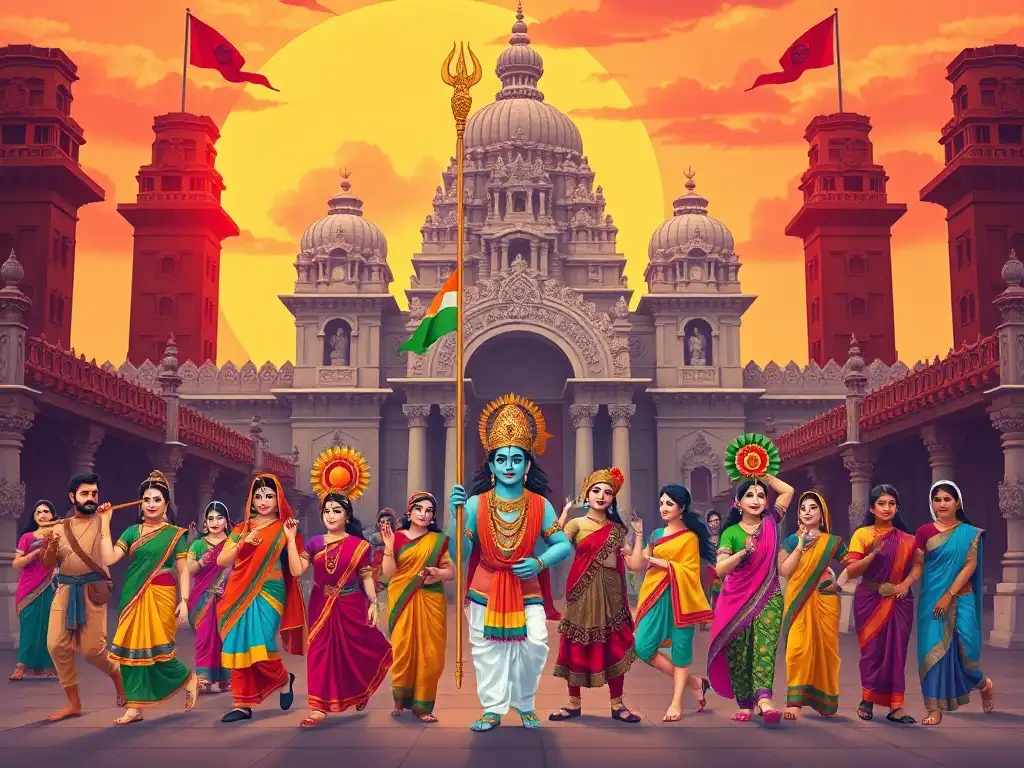
Sacred music in Indian festivals encompasses a rich tapestry of sounds that reflect the spiritual essence and cultural diversity of the country. This music can be broadly categorized into three main types: traditional chants, instrumental music, and folk songs. Each of these types plays a significant role in enhancing the festive atmosphere and connecting participants to the divine.
- Traditional Chants: These are often rooted in ancient scriptures and are recited or sung during religious ceremonies. They serve as a medium to invoke deities, express devotion, and convey spiritual teachings.
- Instrumental Music: This includes the use of various traditional instruments, which not only accompany vocal performances but also stand alone as forms of sacred expression. The melodies produced by these instruments often evoke a sense of peace and spirituality.
- Folk Songs: Many festivals celebrate local culture through folk songs that narrate stories of deities, historical events, or seasonal changes. These songs often have communal participation, fostering a sense of unity among participants.
Each type of sacred music contributes uniquely to the vibrancy of Indian festivals, making them an integral part of the celebrations.
Traditional Chants and Their Spiritual Meanings
Traditional chants, often referred to as "mantras," are an essential component of sacred music during Indian festivals. These chants are typically in Sanskrit, but regional languages are also used to make them accessible. Each chant carries specific meanings and is believed to have unique spiritual benefits.
For instance, the Gayatri Mantra, one of the most revered chants, is recited for enlightenment and wisdom. Similarly, chants like Hare Krishna and Om Namah Shivaya are used to invoke the presence of the divine and to seek blessings.
The spiritual significance of these chants lies not only in their content but also in their rhythmic patterns and melodic structures, which are designed to elevate the consciousness of the devotees. The act of chanting itself is considered a form of meditation, facilitating a deep connection with the divine.
Instrumental Music: Instruments Used in Festivals
Instrumental music is a vital aspect of sacred music in Indian festivals, enhancing the overall ambiance and providing a backdrop for various rituals. Several traditional instruments are commonly used, including:
- Tabla: A percussion instrument that provides rhythmic accompaniment to vocal music.
- Harmonium: A portable keyboard instrument often used in devotional singing.
- Dhol: A double-headed drum that adds energy to celebrations, especially in folk traditions.
- Sitar: A string instrument that produces melodic sounds, often used in classical performances during rituals.
These instruments not only create a festive atmosphere but also serve to deepen the spiritual experience, allowing participants to immerse themselves in the celebration.
Regional Variations of Sacred Music Across India
India's diverse cultural landscape is reflected in the regional variations of sacred music during festivals. Each state has its own unique styles, instruments, and musical traditions that are intertwined with local customs and beliefs.
For example:
- In Punjab, the use of the dhol during Baisakhi highlights the energetic folk tradition, while in West Bengal, Baul songs during Durga Puja emphasize mysticism and devotion.
- Carnatic music from South India plays a central role in festivals like Pongal, showcasing intricate melodies and rhythms.
- In Gujarat, the Garba dance accompanied by traditional folk music during Navratri celebrates community and devotion in a vibrant manner.
These regional variations enrich the experience of sacred music, making each festival a unique celebration of culture and spirituality.
Major Indian Festivals Celebrating Sacred Music
Indian festivals are not just occasions for joy and celebration; they are also moments when sacred music takes center stage. These festivals provide opportunities for communal worship, reflection, and expression through various musical forms.
Diwali: The Festival of Lights and Its Musical Traditions
Diwali, known as the Festival of Lights, is celebrated with a plethora of musical traditions that embody joy and spirituality. Sacred music during Diwali includes the singing of bhajans (devotional songs) and aartis (ritualistic songs offered to deities).
Families gather to perform rituals, often with the background of soothing instrumental music played on the harmonium or flute. The combination of lights and music creates an atmosphere of divine celebration, symbolizing the victory of light over darkness.
Holi: The Festival of Colors and Celebratory Chants
Holi, the Festival of Colors, is renowned for its exuberance and joy, often expressed through vibrant musical traditions. Songs sung during Holi, known as Holi geet, are filled with playful lyrics that celebrate love, friendship, and the arrival of spring.
Chants such as "Holi Hai" are popular, encouraging everyone to participate in the revelry. The use of traditional instruments like the dhol adds a rhythmic pulse to the celebrations, creating an infectious energy that brings people together in joyous camaraderie.
Navratri: The Role of Garba and Dandiya in Spiritual Celebrations
Navratri is a nine-night festival dedicated to the worship of the goddess Durga. During this time, the traditional dances of Garba and Dandiya take precedence, with music playing a crucial role in the celebrations.
The rhythmic clapping and movement during Garba create a sense of devotion and collective energy among participants, while the Dandiya dance, performed with colorful sticks, symbolizes the battle between good and evil. The music accompanying these dances often includes traditional folk songs and instruments, fostering a deep sense of community and spirituality.
Eid and Christmas: Interplay of Sacred Music in Diverse Festivals
The celebration of sacred music is not limited to Hindu festivals; it also manifests prominently in Eid and Christmas.
During Eid, Qawwalis, a form of Sufi devotional music, is performed to express love and reverence for God. The mesmerizing melodies and heartfelt lyrics resonate deeply with the spiritual significance of the festival.
Christmas celebrations in India often feature carols, blending Western musical traditions with local flavors. The joyous singing of carols in churches and homes creates a festive atmosphere, emphasizing themes of love, peace, and goodwill.
These festivals highlight the interplay of sacred music across different cultures, showcasing the universal quest for spirituality and community through music.
The Impact of Sacred Music on Spirituality
Sacred music plays a vital role in enhancing the spiritual experience during Indian festivals. It serves as a conduit that bridges the gap between the material and the spiritual worlds. The melodic and rhythmic patterns of sacred music elevate the atmosphere, encouraging participants to engage in deeper meditative states. This transformation is often facilitated by the use of traditional instruments such as the tabla, harmonium, and flute, which resonate with the core values of spirituality in Indian culture.
The presence of sacred sounds during rituals fosters a sense of community and collective consciousness among participants. When people come together to sing hymns or chant mantras, they create an energetic field that amplifies their intentions, prayers, and aspirations. This communal aspect of sacred music not only enhances individual spirituality but also reinforces social bonds, making the experience of festivals profoundly enriching.
Music as a Medium for Connecting with the Divine
In the realm of Indian spirituality, music is often viewed as a divine language that transcends words. Sacred chants, bhajans, and kirtans are integral to various religious practices, enabling devotees to express their devotion and connect with deities. For instance, the chanting of the Gayatri Mantra or Hare Krishna mantra is believed to invoke spiritual energies that align the devotee with higher consciousness.
The use of raga, a melodic framework in Indian classical music, further emphasizes this connection. Each raga is associated with specific emotions and times of day, allowing musicians to create an atmosphere conducive to spiritual experiences. This intricate relationship between music and spirituality is evident during festivals, where performances are designed to invoke divine presence and foster a deeper connection with the sacred.
Healing and Transformation through Sacred Sounds
Sacred music is not only a means of worship but also a powerful tool for healing and personal transformation. The vibrational frequencies of certain sounds can influence the mind and body, promoting relaxation and emotional release. For many, participating in group chanting during festivals serves as a form of catharsis, allowing individuals to let go of stress and anxiety.
Various studies have indicated that listening to or performing sacred music can lead to positive changes in mental health. The rhythmic patterns and melodic structures can induce a meditative state, enhance focus, and even alleviate symptoms of depression. This healing aspect of sacred music becomes particularly significant during festivals, where the collective experience amplifies these benefits, allowing individuals to emerge rejuvenated and spiritually uplifted.
The Psychological Effects of Sacred Music During Festivals
The psychological impact of sacred music during festivals is profound. Engaging with music that resonates on a spiritual level can evoke powerful emotions, ranging from joy and peace to nostalgia and reverence. The act of singing and participating in musical rituals fosters a sense of belonging and identity, particularly within the context of community celebrations.
The repetition of mantras and chants can also serve as a form of mindfulness practice, helping individuals to focus their thoughts and intentions. This meditative quality of sacred music enables participants to experience a heightened state of awareness, allowing them to immerse themselves fully in the present moment. The psychological benefits extend beyond the festival period, as individuals often carry this sense of peace and connection into their daily lives.
Conclusion: The Enduring Legacy of Sacred Music in Indian Festivals
The legacy of sacred music in Indian festivals is one that has withstood the test of time, continuing to thrive in contemporary celebrations. Its profound impact on spirituality, healing, and psychological well-being underscores the significance of music in cultural practices. As festivals evolve, the core essence of sacred music remains intact, binding generations together through shared experiences and reverence for tradition.
The Future of Sacred Music in Contemporary Celebrations
As society progresses, the future of sacred music in Indian festivals will likely see a blend of traditional and modern influences. While the roots of sacred music will remain, innovative expressions and interpretations may emerge, appealing to younger generations. This evolution can lead to greater inclusivity, allowing diverse musical styles to coexist within sacred contexts, thereby enriching the festival experience.
The integration of technology, such as digital platforms for sharing sacred music, will also play a crucial role in preserving and promoting these traditions. By harnessing the power of social media and streaming services, sacred music can reach a global audience, fostering appreciation and understanding of its cultural significance.
Preserving Sacred Traditions for Future Generations
To ensure the longevity of sacred music in Indian festivals, it is essential to focus on preservation efforts. Education in traditional music forms, workshops, and community initiatives can help instill appreciation among younger generations. By actively engaging youth in these practices, festivals can maintain their vibrancy while passing down invaluable cultural heritage.
Moreover, documentation of sacred music practices through recordings and written accounts will serve as a crucial resource for future scholars and enthusiasts. Such efforts will not only honor the past but also inspire future generations to explore and celebrate the sacred sounds that resonate deeply within Indian culture.
- Introduction to Sacred Music in Indian Festivals
- Understanding the Role of Sacred Music in Indian Culture
- Overview of Music, Chants, and Spiritual Practices
- The Significance of Music in Indian Festivals
- Types of Sacred Music in Indian Festivals
- Major Indian Festivals Celebrating Sacred Music
- The Impact of Sacred Music on Spirituality
- Conclusion: The Enduring Legacy of Sacred Music in Indian Festivals
- What is the significance of sacred music in Indian festivals?
- How does sacred music vary across different Indian festivals?
- What are some common instruments used in sacred music during festivals?
- Can you explain the role of chants in Indian festival music?
- How does the spirituality of Indian festivals influence the composition of their music?
Frequently Asked Questions
What is the significance of sacred music in Indian festivals?
Sacred music plays a vital role in Indian festivals, as it enhances the spiritual atmosphere and fosters a sense of community among participants.
How does sacred music vary across different Indian festivals?
The diversity of sacred music reflects the unique cultural practices of each festival, showcasing regional styles, instruments, and traditional chants that resonate with specific deities and themes.
What are some common instruments used in sacred music during festivals?
Instruments such as the tabla, harmonium, and dholak are commonly used in sacred music to create vibrant rhythms that accompany prayers and chants during festivals.
Can you explain the role of chants in Indian festival music?
Chants serve as a means of devotion, allowing participants to connect spiritually with the divine and invoke blessings, often repeating sacred phrases or mantras in unison.
How does the spirituality of Indian festivals influence the composition of their music?
The spirituality inherent in Indian festivals inspires composers to create music that reflects devotion, reverence, and celebration, often incorporating mythological themes and traditional melodies.
Final Reflection: The Enduring Power of Sacred Music in Indian Festivals
The sacred music of Indian festivals resonates deeply with the essence of spirituality and cultural identity, reminding us that these sounds are not merely entertainment but a profound connection to our roots. In today's fast-paced world, where distractions abound, the significance of these sacred sounds has never been more relevant. They serve as a reminder of the power of tradition and the importance of community, inviting us to pause and reflect on our shared humanity through the universal language of music.
The influence of sacred music in Indian festivals extends beyond mere celebration; it shapes our cultural landscape and fosters a sense of belonging. Each note and chant carries with it the weight of history and the spirit of collective memory, weaving together the fabric of our identities. As we immerse ourselves in these sounds, we are reminded of the words of Rabindranath Tagore: The highest education is that which does not merely give us information but makes our life in harmony with all existence.
This harmony is what sacred music offers, bridging the gap between the individual and the divine, the past and the present.
As we reflect on the lessons of sacred music in Indian festivals, let us embrace the opportunity to integrate these teachings into our daily lives. Take a moment to listen, to engage with the rhythms and melodies that surround you, and to appreciate the spiritual significance they hold. By doing so, you not only honor the traditions of your ancestors but also cultivate a deeper connection to the world around you. Let the sacred sounds inspire you to create your own moments of reflection and celebration, fostering a sense of peace and unity in your life and community.
Embrace the Melody of Indian Festivals Today!
Thank you for diving into the sacred sounds of Indian festivals with us! We hope you discovered the rich tapestry of music, chants, and spirituality that elevate these celebrations. Now, it's time to embrace this cultural heritage and make it a part of your life!
Here are some inspiring actions to keep the music alive:
- Listen to Traditional Indian Music: Explore playlists featuring the enchanting sounds of festival music on various streaming platforms. Let the rhythms transport you into the heart of these vibrant celebrations!
- Join a Local Cultural Event: Check for upcoming Indian festival celebrations in your community. Participate in the festivities to experience the spirituality and joy first-hand!
- Share with Friends: Spread the magic of Indian festival traditions by sharing this article or your newfound knowledge with friends and family through social media. Let the spirit of celebration resonate far and wide!
Which aspects of Indian festival music resonate with you the most, and how do you plan to incorporate them into your life?