
The Sacred Symphony: Unraveling the Rituals of Ancient Indian Festivals

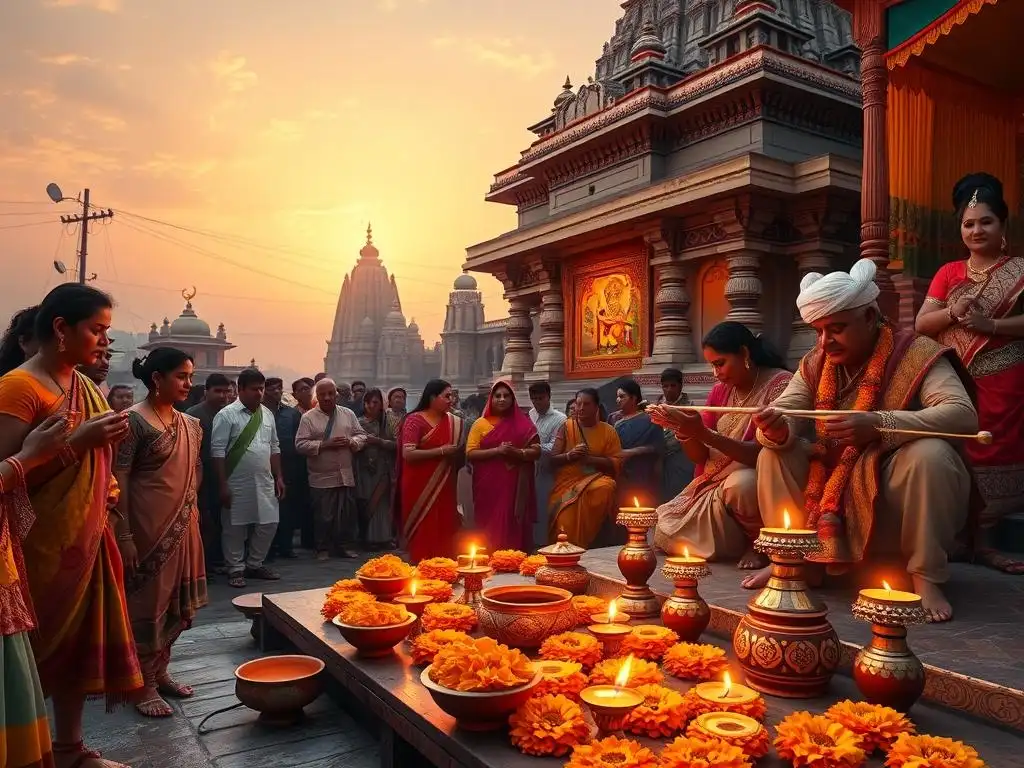
Welcome to Ancient India History, where we journey through the rich tapestry of time that shaped one of the world's oldest civilizations. In this exploration, we invite you to delve into the enchanting world of ancient Indian festival rituals, a vibrant thread woven into the cultural fabric of India. Discover how these sacred celebrations reflect the beliefs and practices of ancient societies, showcasing their reverence for nature, deities, and community.
Join us as we unravel the mysteries behind these rituals in our featured article, "The Sacred Symphony: Unraveling the Rituals of Ancient Indian Festivals." Continue reading to ignite your curiosity and uncover the timeless traditions that resonate through the ages!
The vibrant tapestry of ancient Indian festivals is woven with threads of spirituality, community, and tradition, reflecting the diverse cultural heritage of the subcontinent. From the sacred rites of the Indus Valley Civilization to the elaborate ceremonies of the Gupta Empire, these ancient Indian festival rituals serve as a window into the beliefs, values, and social dynamics of past civilizations.
Each festival, steeped in mythology and historical significance, showcases a unique blend of rituals that not only honor the divine but also foster social cohesion and cultural continuity. This exploration delves into the essence of these rituals, highlighting their importance in the context of ancient Indian society and their lasting impact on contemporary practices.
The Historical Context of Festival Rituals in Ancient India
The roots of festival rituals in ancient India can be traced back to the earliest civilizations, where they were intertwined with agricultural cycles, seasonal changes, and celestial events. Festivals were often celebrated to appease deities, ensure bountiful harvests, and mark significant life events.
- Indus Valley Civilization:
- Evidence suggests that rituals were conducted to honor water and fertility deities, reflected through the discovery of terracotta figurines and seals.
- Major festivals likely coincided with the agricultural calendar, celebrating the sowing and harvesting seasons.
- Vedic Period:
- The emergence of Vedic texts brought a structured approach to rituals, with offerings (yajnas) performed to please gods like Agni and Indra.
- Festivals such as Ashvamedha (horse sacrifice) symbolized royal authority and divine favor.
- Post-Vedic Era:
- With the rise of various dynasties, local deities and regional customs began to influence festival practices, leading to a rich amalgamation of rituals across different cultures in India.
Key Elements of Ancient Indian Festival Rituals
Ancient Indian festival rituals are characterized by several key elements that enhance their spiritual and communal significance:
- Ritual Offerings:
- Offerings of food, flowers, and incense are central to many rituals, symbolizing gratitude and devotion to the divine.
- Chants and Mantras:
- Recitation of sacred texts and hymns plays a crucial role in invoking blessings and creating a spiritual ambiance.
- Processions and Celebrations:
- Festivals often feature vibrant processions, with participants adorned in traditional attire, showcasing the unity and diversity of the community.
- Theatrical Performances:
- Dance and drama are integral to reenacting mythological stories, making the spiritual teachings accessible to all.
The Influence of Ancient Festival Rituals on Modern Practices
The legacy of ancient Indian festival rituals continues to resonate in modern celebrations across India. Contemporary festivals, while adopting new forms and practices, retain the core essence of the ancient customs.
- Continuity and Change:
- Many rituals have evolved, incorporating local traditions and contemporary values, yet they still honor the spiritual and communal bonds established by their ancestors.
- Cultural Significance:
- Festivals today serve as a reminder of India’s rich history, fostering a sense of identity and belonging among diverse communities.
Understanding the ancient Indian festival rituals offers invaluable insights into the cultural and spiritual landscape of ancient civilizations. As we unravel these sacred symphonies, we not only appreciate their historical significance but also acknowledge their enduring influence on contemporary practices, ensuring that the rich heritage of ancient India continues to thrive in modern society.
- The Historical Context of Festival Rituals in Ancient India
- Key Elements of Ancient Indian Festival Rituals
- The Influence of Ancient Festival Rituals on Modern Practices
- What are some key ancient Indian festival rituals?
- How did ancient Indian festivals contribute to cultural identity?
- What role did agricultural cycles play in ancient festivals?
- How did the Indus Valley Civilization influence festival rituals?
- Why are ancient Indian festival rituals still relevant today?
Introduction to Ancient Indian Festival Rituals
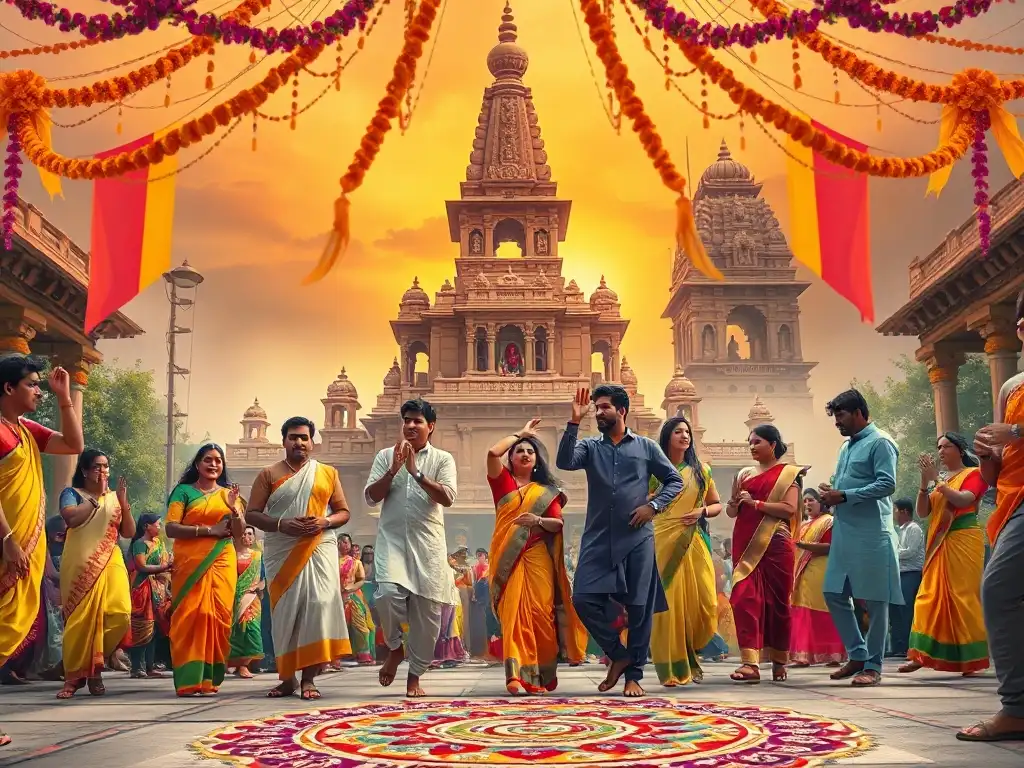
Ancient Indian festival rituals are a vibrant tapestry woven from the threads of spirituality, community, and tradition. These rituals not only mark significant events in the agricultural and lunar calendars but also celebrate the rich cultural heritage of India. From the elaborate ceremonies of the Indus Valley civilization to the grand celebrations during the Gupta Empire, these practices have evolved while retaining their core significance. The essence of these rituals often lies in their ability to bring communities together, fostering a sense of belonging and continuity through generations.
Overview of Ancient Indian Festivals
Ancient Indian festivals can be categorized into several types based on their origins, themes, and the deities they honor. Some of the most prominent festivals include:
- Agricultural Festivals: These festivals, such as Makar Sankranti and Pongal, celebrate the harvesting season and express gratitude to the earth for its bounty.
- Religious Festivals: Festivals like Diwali and Holi honor various deities and signify triumph over evil, the arrival of spring, or the celebration of love.
- Cultural Festivals: Events such as Navaratri and Durga Puja integrate regional traditions, folk dances, and music, showcasing the diversity of Indian culture.
Each festival is accompanied by a unique set of rituals that enhance the communal experience. For example, during Diwali, families clean their homes, decorate with rangoli, light diyas, and perform pujas to invoke divine blessings.
Importance of Rituals in Ancient Indian Culture
Rituals serve as the backbone of ancient Indian culture, providing structure and meaning to everyday life. They are imbued with symbolic significance, connecting the physical and spiritual realms. Some key aspects of the importance of these rituals include:
- Cultural Identity: Rituals help preserve the cultural identity of communities, passing down traditions and values from one generation to the next. They reinforce the shared beliefs and practices that define a group.
- Spiritual Connection: Rituals facilitate a connection to the divine, offering a medium through which practitioners can express devotion and seek blessings. The act of performing rituals often involves chants, prayers, and offerings that invoke spiritual energy.
- Community Bonding: Festivals and their associated rituals foster social cohesion. They bring people together, creating a sense of unity and shared experience. Community participation in rituals enhances relationships and strengthens ties among individuals.
The significance of these rituals extends beyond mere celebration; they encapsulate the philosophical and spiritual ethos of ancient Indian civilization.
The Connection Between Music and Rituals
Music plays a pivotal role in ancient Indian festival rituals, serving as both a medium of expression and a vehicle for spiritual connection. The intricate relationship between music and rituals can be examined through several lenses:
- Enhancing the Atmosphere: Music elevates the festive spirit, creating an ambiance conducive to celebration. Traditional instruments like the tabla, sitar, and dhol add rhythm and melody to rituals, making them more immersive.
- Ritual Chants and Mantras: Many rituals involve the recitation of mantras or hymns, which are often set to melodic forms. These chants are believed to resonate with cosmic energies, enhancing the efficacy of the rituals.
- Cultural Transmission: Through music, the stories and spiritual teachings associated with rituals are transmitted across generations. Folk songs and devotional music preserve historical narratives and theological concepts, ensuring they remain alive in the collective memory of the community.
The connection between music and ancient Indian festival rituals is profound, enriching the experience and adding layers of meaning to the celebrations. These elements combined create a sacred symphony that resonates through time, reflecting the depth of ancient Indian culture.
Key Elements of Ancient Indian Festival Rituals
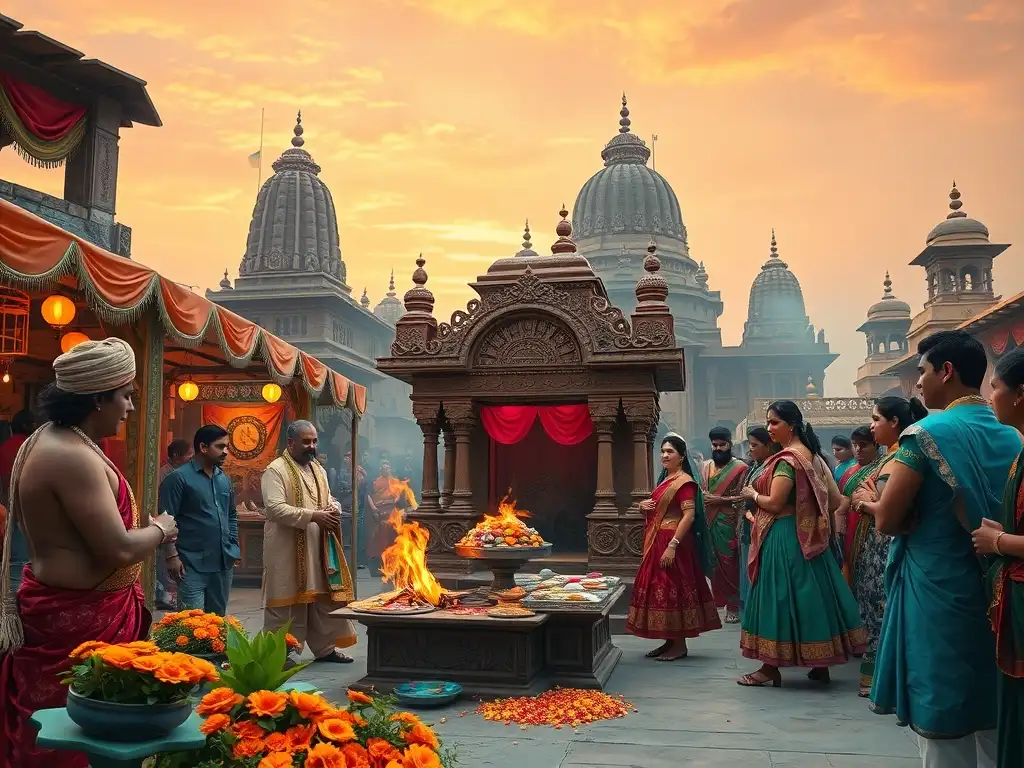
Ancient Indian festival rituals are rich in symbolism and deeply rooted in the cultural and spiritual practices of the civilization. These rituals serve as a bridge between the divine and the human, allowing participants to express their devotion, seek blessings, and celebrate the cycles of life. Understanding the key elements of these rituals provides insight into the values and beliefs that shaped ancient Indian society.
Offerings and Sacrifices in Festivals
Offerings and sacrifices are fundamental components of ancient Indian festival rituals. These acts are not merely physical gestures but are imbued with spiritual significance.
- Types of Offerings: Offerings can be broadly categorized into:
- Food Offerings: Fruits, grains, and cooked dishes are often prepared and presented to deities. For example, during Navaratri, devotees offer naivedya (food offerings) that include sweets and savory dishes.
- Floral Offerings: Flowers are symbolic of purity and beauty. Marigolds and lotus flowers are commonly used during rituals to adorn altars and deities.
- Sacrificial Offerings: In some ancient practices, animal sacrifices were part of the rituals, though these have largely been replaced by symbolic offerings in modern times.
- Purpose of Sacrifices: The act of offering is believed to purify the devotee and foster a connection with the divine. It is seen as an exchange where humans offer their gratitude in hopes of receiving blessings in return.
Symbolic Decorations and Their Meanings
The decorations used during ancient Indian festivals are rich in symbolism, each element serving a specific purpose in the ritualistic context.
- Rangoli and Kolam: These intricate designs made from colored powders or rice symbolize prosperity and welcome. They are typically created at the entrance of homes and temples during festivals like Diwali and Pongal.
- Torans (Door Hangings): Often made from mango leaves and flowers, torans signify the arrival of auspiciousness and are hung at doorways to ward off negative energies.
- Illumination: The use of lamps and lights during festivals symbolizes the triumph of light over darkness. For instance, lanterns and diyas are lit during Diwali to represent the victory of Lord Rama over the demon king Ravana.
These decorations not only enhance the aesthetic appeal of the celebrations but also serve as visual reminders of the deeper spiritual meanings behind the festivals.
The Role of Music and Dance in Rituals
Music and dance are integral to ancient Indian festival rituals, serving as expressions of devotion and cultural identity.
- Musical Instruments: Traditional instruments such as the tabla, sitar, and flute are often played during rituals and festivities. Each instrument carries its own significance, contributing to the overall atmosphere of the celebration.
- Chanting and Mantras: Recitation of hymns and mantras is a common practice during rituals. This auditory element enhances the spiritual energy of the gathering and is believed to invoke divine presence.
- Dance Forms: Various classical dance forms, such as Bharatanatyam and Kathak, are performed during festivals. These dances often narrate mythological stories or pay homage to deities, making the rituals more engaging and meaningful.
Through the combination of music, dance, and ritualistic practices, ancient Indian festivals become a vibrant tapestry of cultural expression, highlighting the significance of communal participation and the celebration of life.
Major Ancient Indian Festivals and Their Rituals
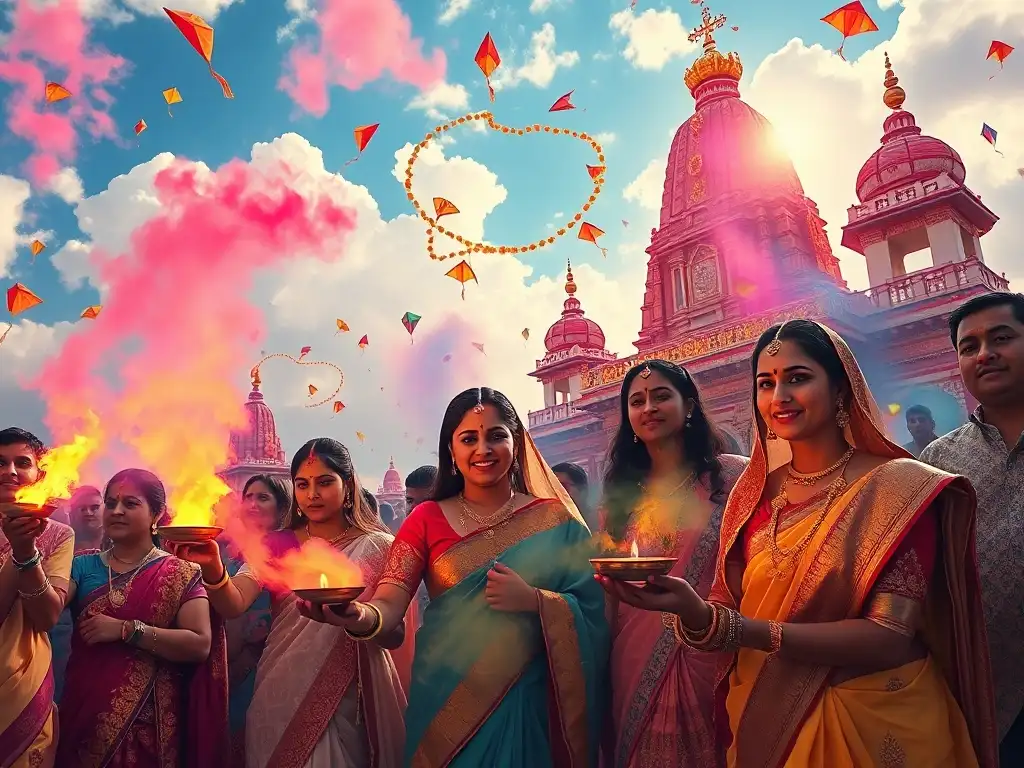
Ancient Indian festivals are deeply rooted in the cultural and spiritual fabric of the civilization, showcasing a plethora of rituals that symbolize various aspects of life, nature, and spirituality. Among these, two of the most significant festivals are Diwali and Holi, each with its unique set of rituals and cultural importance.
Diwali: The Festival of Lights
Diwali, also known as Deepavali, is one of the most celebrated festivals in India, symbolizing the victory of light over darkness and good over evil. The festival usually falls in October or November and spans five days, each with distinct rituals and meanings.
Rituals Involved in Diwali Celebrations
- Cleaning and Decorating Homes:
- In preparation for Diwali, families clean their homes thoroughly, signifying the removal of negativity and welcoming positivity.
- Homes are decorated with diyas (oil lamps) and rangoli (colorful designs made on the floor), creating a vibrant atmosphere.
- Puja (Worship) of Goddess Lakshmi:
- The main ritual involves performing a puja for Goddess Lakshmi, the deity of wealth and prosperity.
- Offerings of sweets, fruits, and flowers are made, accompanied by chanting of sacred hymns.
- Fireworks and Sparklers:
- In the evening, fireworks light up the sky, symbolizing joy and celebration, while sparklers are shared among children and families.
- Feasting and Sharing:
- Families prepare special dishes and sweets, which are shared with neighbors and friends, reinforcing community bonds.
Cultural Significance of Diwali Rituals
The rituals of Diwali are not merely ceremonial; they carry profound meanings. The lighting of diyas symbolizes the dispelling of ignorance and the emergence of knowledge. The worship of Goddess Lakshmi is a reminder of the importance of prosperity in life, not just in material terms, but also in terms of spiritual wealth. Furthermore, the act of sharing food fosters community spirit, reinforcing the interconnectedness of society.
Holi: The Festival of Colors
Holi, celebrated in March, is another major ancient Indian festival, known for its vibrant colors and exuberant celebrations. This festival marks the arrival of spring and the triumph of good over evil.
Unique Rituals Associated with Holi
- Holika Dahan:
- The festivities begin with Holika Dahan, where people gather to light bonfires, symbolizing the burning of evil. This ritual commemorates the story of Prahlad and Holika.
- Throwing Colors:
- On the day of Holi, participants throw colored powders and water at each other, representing joy, love, and the arrival of spring.
- The various colors signify different emotions and aspects of life, fostering a sense of unity and celebration.
- Traditional Foods:
- Special delicacies, such as gujiya (sweet dumplings) and thandai (a chilled milk drink), are prepared and shared among friends and family.
- Singing and Dancing:
- Music and dance play an integral role, with traditional songs and folk dances enhancing the festive spirit.
The Historical Background of Holi Rituals
The rituals of Holi are deeply intertwined with ancient Indian mythology. The central story revolves around the demon king Hiranyakashipu, his son Prahlad, and the boon granted to Holika, which ultimately led to her demise. This legend not only celebrates the victory of devotion over tyranny but also highlights the cyclical nature of life, as reflected in the seasonal transition to spring. The playful throwing of colors during Holi is a manifestation of the joy and freedom associated with the season, making it a festival that transcends age, social status, and religion.
The rituals associated with ancient Indian festival rituals like Diwali and Holi reflect the rich cultural heritage of India, emphasizing themes of light, color, community, and the continuous cycle of life. Each festival serves as a reminder of the values cherished by ancient Indian civilizations, which continue to resonate in modern celebrations.
Navaratri, meaning "nine nights," is one of the most significant festivals in ancient Indian culture, celebrated in honor of the divine feminine energy manifested through Goddess Durga. This festival, typically observed in the lunar month of Ashwin (September-October), spans nine nights and culminates in the celebration of Vijayadashami or Dussehra. Each night is dedicated to a different form of the goddess, symbolizing the triumph of good over evil. Navaratri is not only a time for worship but also a vibrant celebration of music, dance, and community gatherings, reflecting the rich cultural tapestry of ancient India.
The festival is marked by various rituals, including fasting, prayer, and vibrant dance forms like Garba and Dandiya Raas. Participants engage in these activities with fervor, creating a sense of unity and devotion. The diversity of practices across regions further enriches the festival, making it a fascinating study of ancient Indian traditions.
Detailed Examination of Navaratri Rituals
The rituals performed during Navaratri are deeply rooted in ancient traditions and beliefs, each serving a unique purpose in the worship of Goddess Durga. Here’s a detailed breakdown of the key rituals associated with Navaratri:
- Ghatasthapana (Installation of the Sacred Pot): The festival begins with Ghatasthapana, where a pot filled with holy water is placed on a bed of barley seeds, symbolizing the goddess's arrival. This ritual signifies the commencement of the nine nights of worship.
- Fasting (Vrat): Many devotees observe fasts during Navaratri, which may vary from complete abstention from food to consuming only specific items like fruits and milk. Fasting is seen as a means to purify the body and mind, enhancing spiritual focus.
- Aarti and Bhog: Each day, devotees perform aarti (a devotional song accompanied by lighting of lamps) and offer bhog (food offerings) to the goddess. These rituals create an atmosphere of reverence and gratitude, reinforcing the bond between the devotees and the divine.
- Dance and Music: Traditional dance forms such as Garba and Dandiya Raas are integral to the celebrations. These dances, often performed in circles, symbolize the cosmic rhythm of life and the victory of light over darkness.
- Navratri Puja (Worship): Each day of Navaratri is dedicated to one of the nine forms of Durga. Specific mantras and prayers are recited, and elaborate pujas take place, with each day's rituals tailored to honor the corresponding goddess.
- Durga Visarjan: The festival concludes with Durga Visarjan, where idols of the goddess are immersed in water bodies, symbolizing her return to her celestial abode. This act represents the cyclical nature of creation and destruction, a core belief in ancient Indian philosophy.
The Connection to Goddess Durga
Goddess Durga is the central figure of Navaratri, embodying the powerful and protective aspects of the divine feminine. Her depiction as a warrior goddess symbolizes the relentless fight against evil forces, making her an embodiment of strength, courage, and resilience. The narratives surrounding Durga often highlight her battles against formidable demons, which serve as allegories for the struggles individuals face in their lives.
The connection to Goddess Durga during Navaratri reinforces the festival's themes of empowerment and victory. Each form of Durga worshiped during the nine nights represents different attributes—such as knowledge, wealth, and strength—encouraging devotees to seek these qualities in their own lives. This connection to the divine feminine not only uplifts the spirit but also fosters a sense of community and shared values among participants.
In ancient texts, such as the Devi Mahatmya, the stories of Goddess Durga serve to inspire and motivate individuals to confront their challenges with bravery and determination. The rituals and celebrations of Navaratri thus become not just a spiritual exercise but also a collective reaffirmation of faith in the power of good over evil, deeply rooted in the cultural consciousness of ancient Indian society.
Regional Variations in Ancient Indian Festival Rituals
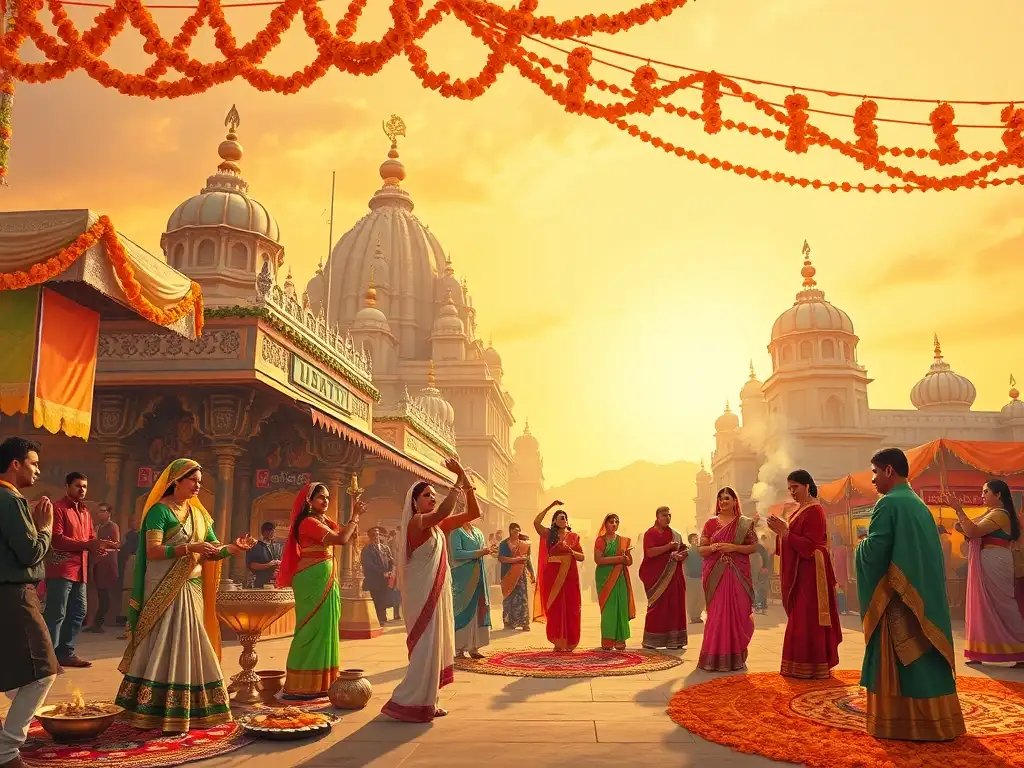
The ancient Indian festival rituals exhibit a remarkable diversity across different regions, reflecting the unique cultural, linguistic, and religious influences that have shaped these practices over centuries. Each region boasts its own set of rituals, traditions, and celebrations that not only mark the passage of time but also reinforce community bonds and cultural identity. Below, we explore the distinctive elements of festival rituals in Eastern, Southern, and Northern India.
Eastern India: The Unique Practices of Bengal
In Eastern India, particularly in Bengal, festival rituals are characterized by their vibrancy and deep-rooted cultural significance. One of the most notable festivals is Durga Puja, a celebration dedicated to the goddess Durga, symbolizing the victory of good over evil.
- Rituals and Preparations: The rituals begin weeks in advance, with elaborate preparations for the idol of Durga, crafted by skilled artisans. The rituals include:
- Bodhon: The invocation of the goddess, marking the beginning of the festival.
- Sandhi Puja: Performed at the juncture of the last day of Mahalaya and the first day of Durga Puja, this ritual is considered particularly auspicious.
- Bisarjan: The immersion of the idol in water at the end of the festival signifies the goddess's return to her celestial abode.
- Cultural Significance: Durga Puja serves as a time for community gathering, cultural performances, and feasting, with traditional foods such as bhog (offerings) being shared among devotees. The festival rituals in Bengal epitomize the blend of devotion, artistry, and communal harmony.
Southern India: Rituals in Tamil Nadu and Kerala
In Southern India, particularly in Tamil Nadu and Kerala, festival rituals are steeped in ancient traditions that often have links to classical dance, music, and temple worship.
- Pongal in Tamil Nadu: This harvest festival is celebrated with great enthusiasm and involves several rituals:
- Bhogi: The first day, marked by the burning of old items to signify new beginnings.
- Pongal: The main event, where rice is boiled with milk and jaggery in a clay pot, symbolizing prosperity.
- Kaanum Pongal: The final day, dedicated to family gatherings and expressing gratitude.
- Onam in Kerala: A harvest festival that highlights the rich cultural heritage of the region:
- Pookalam: The creation of floral designs at homes is one of the first rituals marking the festival.
- Vamana Jayanti: Celebrating the homecoming of the mythical King Mahabali, rituals include traditional games, music, and dance.
- Sadya: A grand feast featuring a variety of vegetarian dishes served on banana leaves.
These festival rituals in Southern India emphasize agricultural cycles, familial bonds, and the vibrancy of local culture.
Northern India: Traditions in Uttar Pradesh and Punjab
Northern India showcases a plethora of festival rituals that are deeply intertwined with religious beliefs and historical narratives, particularly in Uttar Pradesh and Punjab.
- Diwali in Uttar Pradesh: Known as the festival of lights, Diwali rituals include:
- Dhanteras: The first day, where people worship wealth by buying gold or silver.
- Naraka Chaturdashi: The second day includes performing rituals to honor the deceased.
- Lakshmi Puja: On the main day, homes are illuminated with diyas (lamps) and sweets are exchanged.
- Baisakhi in Punjab: Celebrated as the harvest festival and the Sikh New Year:
- Nishan Sahib: The hoisting of the Sikh flag at gurdwaras, symbolizing faith and community.
- Langar: The community meal prepared and served to all, reflecting the values of equality and service.
- Gidda and Bhangra: Traditional dances performed during the celebrations, showcasing the region's rich cultural heritage.
Festival rituals in Northern India not only honor deities and celebrate harvests but also foster a sense of community and shared identity among the people.
The exploration of ancient Indian festival rituals across these regions illustrates the diverse cultural landscape of India, where each celebration reflects local customs, beliefs, and the rich tapestry of history. Understanding these variations enhances our appreciation of ancient Indian civilization and its enduring legacy.
Western India: Celebrations in Gujarat and Maharashtra
Western India, particularly the states of Gujarat and Maharashtra, is renowned for its vibrant and diverse festival rituals that reflect the rich cultural heritage of the region. These celebrations are not only a showcase of local traditions but also a fusion of religious beliefs, artistic expressions, and community bonding. Here, we delve into some of the prominent ancient Indian festival rituals observed in these states.
Navratri: The Nine Nights of Dance and Devotion
One of the most significant festivals celebrated in Gujarat is Navratri, dedicated to the worship of the goddess Durga. This nine-night festival is characterized by vibrant dance forms, particularly Garba and Dandiya Raas.
- Rituals and Practices:
- Each night, devotees gather to perform Garba around a centrally placed idol of the goddess, symbolizing the cycle of life and the victory of good over evil.
- Offerings of fruits, flowers, and traditional sweets are made to the goddess, and the rituals culminate in a grand celebration on the tenth day, known as Dussehra, marking the triumph of Durga over the buffalo demon Mahishasura.
Makar Sankranti: The Kite Festival
In January, Gujarat celebrates Makar Sankranti, a harvest festival that marks the transition of the sun into the zodiac sign of Capricorn. This festival is particularly famous for its kite flying competitions.
- Rituals and Practices:
- Families prepare traditional sweets like tilgul (made from sesame and jaggery) and exchange them as a symbol of goodwill.
- Communities gather on rooftops, competing to cut each other’s kites while enjoying the festive atmosphere filled with music, laughter, and camaraderie.
Ganesh Chaturthi: A Celebration of Lord Ganesha
Maharashtra is widely known for its grand celebration of Ganesh Chaturthi, which marks the birth of Lord Ganesha. This festival involves elaborate rituals, community processions, and artistic displays.
- Rituals and Practices:
- Homes and public spaces are adorned with beautifully crafted idols of Ganesha, and rituals such as pranapratishtha (invoking life into the idol) are performed.
- The festival culminates in a grand procession where the idol is taken to a nearby water body for immersion, symbolizing the cycle of creation and dissolution.
The Role of Community and Culture
The festival rituals in Gujarat and Maharashtra are not merely religious observances; they are crucial in fostering community spirit and cultural identity.
- Community Involvement:
- Local organizations and groups often come together to organize events, ensuring that the rich traditions are passed down through generations.
- These celebrations also promote tourism and cultural exchange, drawing visitors from across the country and the globe.
The festival rituals of Gujarat and Maharashtra are a testament to the region's rich cultural tapestry, blending spirituality, art, and community life. From the rhythmic dances of Navratri to the vibrant kite flying of Makar Sankranti, each celebration adds a unique note to the sacred symphony of ancient Indian festival rituals.
The Evolution of Ancient Indian Festival Rituals
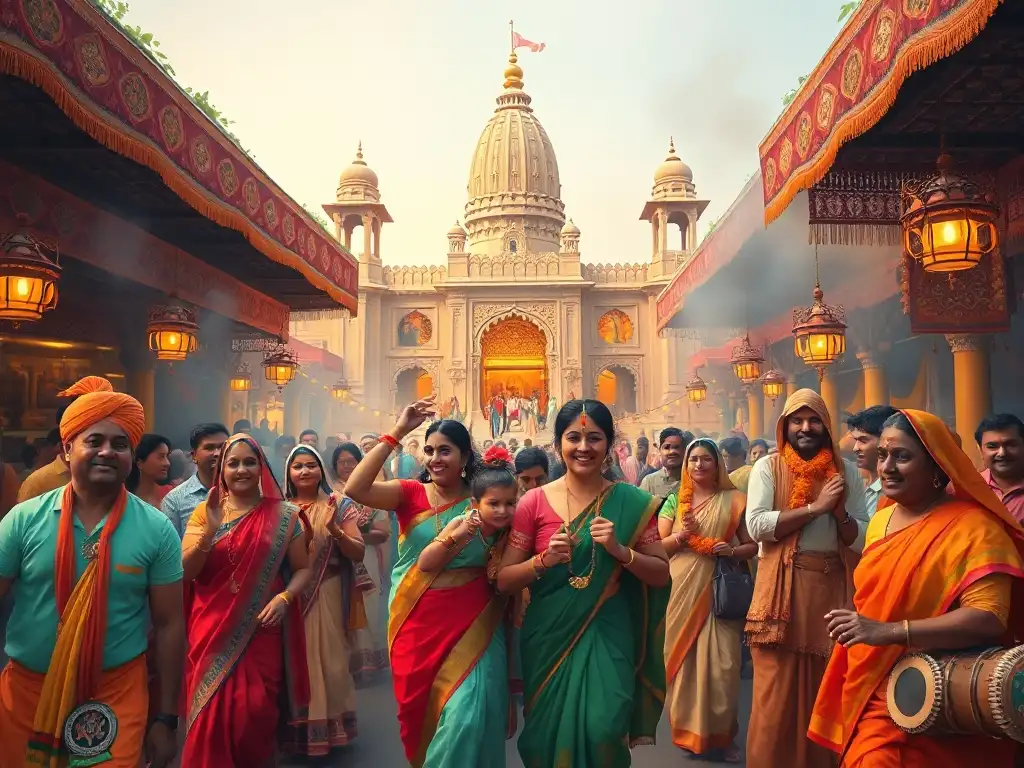
Historical Changes in Ritual Practices
The evolution of ancient Indian festival rituals can be traced through various historical epochs, each leaving a distinct mark on how these celebrations were conducted. Initially, during the Indus Valley Civilization (circa 3300–1300 BCE), evidence suggests that rituals revolved around agricultural cycles, fertility, and natural elements. Archaeological findings, such as terracotta figurines and seals, indicate that rituals may have included offerings to deities associated with fertility and prosperity.
As we transition to the Vedic period (circa 1500–500 BCE), the focus shifted towards elaborate rituals known as Yajnas, which were performed by priests to appease the gods and ensure cosmic order. These rituals involved hymns, chants, and offerings, highlighting the growing significance of religious texts like the Vedas in shaping festival practices.
The Maurya (322–185 BCE) and Gupta (circa 240–550 CE) empires further diversified these rituals, integrating local traditions and regional deities. Festivals like Durga Puja and Makar Sankranti began to emerge, incorporating local customs and agricultural cycles, reflecting the socio-political changes of the time.
With the advent of Bhakti movements in the medieval period, the focus of festival rituals shifted from grandiose ceremonies to personal devotion, incorporating more accessible practices that resonated with the common people. This democratization of rituals allowed for a blend of various cultural elements, making festivals more inclusive.
Influence of Religion on Festival Rituals
Religion has played a pivotal role in the shaping of ancient Indian festival rituals. The interplay between various religious beliefs—Hinduism, Buddhism, Jainism, and later Islam—has molded the ways in which festivals are celebrated.
- Hinduism: Central to many ancient Indian festivals, Hindu rituals often involve prayer, music, dance, and offerings to deities. Festivals such as Diwali, symbolizing the victory of light over darkness, involve rituals that vary regionally but retain core religious significance.
- Buddhism: Festivals like Buddha Purnima commemorate the birth, enlightenment, and death of Gautama Buddha, incorporating rituals such as meditation and public processions. These practices highlight the importance of spiritual reflection, rather than merely celebratory activities.
- Jainism: Jain festivals often revolve around themes of non-violence and truth, with rituals like Paryushana emphasizing self-discipline and repentance through fasting and prayer.
The syncretism of these religions has led to a rich tapestry of festival rituals that often overlap and borrow from one another, creating a unique cultural fabric that exemplifies ancient Indian civilization.
Preservation of Ancient Rituals in Modern Times
The preservation of ancient Indian festival rituals in contemporary society serves as a testament to their enduring significance. Many ancient practices have been carefully maintained through generations, often adapting to modern contexts while retaining their historical essence.
- Cultural Festivals: Major festivals like Holi and Diwali continue to be celebrated with their traditional rituals, including the throwing of colored powders during Holi and the lighting of diyas during Diwali. These practices not only connect the modern populace to their cultural roots but also foster communal harmony.
- Revival Movements: In recent years, there has been a resurgence in interest towards authentic ancient Indian festival rituals. Organizations and communities are actively working to revive traditional practices that may have waned over time. This includes the use of traditional music, dance, and art forms during festivals.
- Digital Era: The rise of digital platforms has also played a role in the preservation and promotion of these ancient rituals. Online resources, virtual celebrations, and social media campaigns have made it easier for people, especially the younger generation, to engage with and learn about ancient Indian festival rituals.
The evolution of ancient Indian festival rituals is marked by historical changes influenced by religion, socio-political contexts, and modern preservation efforts. This dynamic interplay continues to enrich the cultural landscape of India, showcasing the resilience and adaptability of its ancient traditions.
Conclusion: The Enduring Legacy of Ancient Indian Festival Rituals
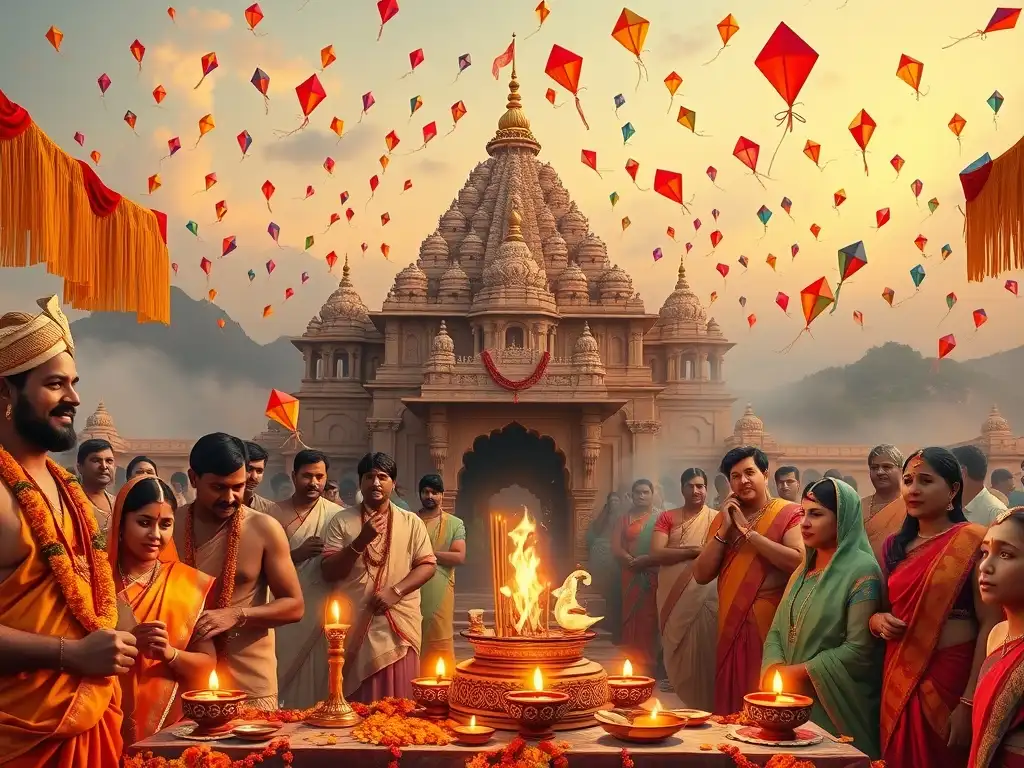
The rich tapestry of ancient Indian festival rituals has woven itself into the very fabric of contemporary Indian society. These rituals, deeply rooted in the cultural, spiritual, and social contexts of ancient civilizations, continue to influence modern celebrations, preserving traditions while adapting to new interpretations. The essence of these ancient practices reflects the values, beliefs, and communal bonds that were pivotal in shaping early Indian societies.
As we explore the legacy of these rituals, it becomes evident that their impact transcends mere observance; they are a living embodiment of history, art, and spirituality. From the vibrant colors of Holi to the solemnity of Diwali, the echoes of ancient practices resonate in every celebration, serving as a reminder of the profound connection between the past and present.
The Impact of Ancient Rituals on Contemporary Celebrations
Ancient Indian festival rituals have significantly influenced the way festivals are celebrated today, with many contemporary practices tracing their origins back to these time-honored traditions. The rituals serve various purposes, including:
- Cultural Continuity: Many festivals, such as Makar Sankranti, are celebrated with rituals that have been passed down through generations, ensuring the continuity of cultural heritage.
- Community Bonding: Festivals like Durga Puja and Ganesh Chaturthi foster a sense of community, as people come together to perform rituals, share meals, and celebrate together, just as their ancestors did.
- Spiritual Significance: The spiritual underpinnings of ancient rituals, such as the pujas (prayers) performed during Navratri, continue to be central to contemporary celebrations, emphasizing the importance of devotion and reverence.
The integration of these ancient elements into modern festivities not only preserves cultural identity but also enriches the collective experience of celebration, making it more meaningful and inclusive.
Lessons from Ancient Indian Festival Rituals for Today's Society
The ancient Indian festival rituals offer valuable lessons for contemporary society, particularly in the realms of:
- Sustainability: Many ancient rituals were closely aligned with nature, emphasizing the importance of seasonal cycles and environmental stewardship. Modern celebrations can draw inspiration from these practices to promote sustainability, such as using eco-friendly materials during festivals.
- Inclusivity: The communal aspect of ancient rituals highlights the importance of inclusivity and collective participation. Today’s society can benefit from fostering inclusiveness in celebrations, encouraging participation from diverse groups and communities.
- Spiritual Connection: The emphasis on spirituality in ancient rituals serves as a reminder of the need for mindfulness and introspection in today’s fast-paced world. Incorporating elements of ancient spirituality into modern celebrations can enhance personal well-being and community harmony.
Reflecting on these lessons can help bridge the gap between tradition and modernity, allowing society to grow while remaining rooted in the rich heritage of ancient Indian festival rituals. By honoring these traditions, we not only celebrate our past but also pave the way for a more connected and harmonious future.
References and Further Reading on Ancient Indian Festival Rituals
Suggested Books and Articles
-
The Festivals of India: A Cultural Encyclopedia by Ramesh Chandra Dutta
This comprehensive work provides an in-depth analysis of various Indian festivals, focusing on their historical origins, cultural significance, and the rituals associated with them. The author intricately weaves together narratives that showcase how these festivals have evolved over time.
-
Rituals of India: The Sacred and the Secular by Meenakshi Jain
Jain explores the intersection of the sacred and secular in Indian festival rituals, highlighting how ancient practices influence contemporary celebrations. This book is essential for understanding the continuity of traditions through the ages.
-
Festivals of India: Celebrating the Seasons by R. K. Sharma
This book captures the essence of seasonal festivals in ancient India, detailing the rituals performed during each celebration and their significance in agrarian society. It serves as a valuable resource for those interested in the agricultural roots of festival practices.
-
The Vedic Rituals: A Historical Perspective by Sudhir Kumar
Kumar delves into the Vedic texts to uncover ancient rituals, offering insights into their meanings and purposes. This scholarly work is indispensable for understanding the religious and social contexts of ancient Indian festival rituals.
-
Hindu Festivals and Their Significance by Aditi Sharma
This article examines specific Hindu festivals, detailing the rituals performed and their underlying philosophical meanings. It provides a modern interpretation of ancient practices, making it accessible for contemporary readers.
Online Resources for Learning About Ancient Indian Festivals
-
Digital Library of India
A treasure trove of ancient texts, this online library houses manuscripts and books that shed light on the rituals and customs associated with ancient Indian festivals. Scholars and enthusiasts can access a wealth of information at their fingertips.
-
Encyclopedia Britannica - Festivals of India
This online entry offers a succinct overview of various Indian festivals, including the rituals involved. It serves as a useful starting point for those looking to understand the broader context of ancient Indian festival rituals.
-
India Heritage Portal
This resource features articles, images, and videos related to ancient Indian festivals, providing a multimedia approach to learning. It emphasizes the cultural significance and rituals associated with various celebrations.
-
YouTube Channels: "Indian Culture" and "Ancient Indian History"
These educational channels frequently upload videos discussing ancient Indian festivals and their rituals. They combine visual elements with narrative explanations, making the content engaging and informative.
-
University Courses on Indian History and Culture
Many universities offer online courses focusing on ancient Indian civilizations, including their festival rituals. Platforms like Coursera and edX host such courses, allowing learners to dive deeply into the subject matter with expert guidance.
Frequently Asked Questions
What are some key ancient Indian festival rituals?
Ancient Indian festivals featured ceremonial rituals like pujas (prayer offerings), yajnas (fire sacrifices), and processions to honor deities and celebrate seasonal changes.
How did ancient Indian festivals contribute to cultural identity?
These festivals were integral in shaping community bonds and reinforcing cultural values, providing a platform for traditions to be passed down through generations.
What role did agricultural cycles play in ancient festivals?
Many ancient Indian festivals were aligned with agricultural cycles, celebrating harvests and seasonal changes, which were essential for the community's sustenance and prosperity.
How did the Indus Valley Civilization influence festival rituals?
The Indus Valley Civilization laid the groundwork for future ritualistic practices, with evidence of early worship and ceremonial sites that highlighted the importance of spirituality in daily life.
Why are ancient Indian festival rituals still relevant today?
These rituals continue to promote cultural heritage, fostering a sense of belonging and continuity in modern society, allowing people to connect with their ancient roots.
Final Reflection: The Timeless Echo of Ancient Indian Festival Rituals
The exploration of ancient Indian festival rituals reveals their profound relevance in today’s world, as they serve as a bridge connecting us to our rich cultural heritage. In an era dominated by rapid technological advancements and globalization, these rituals remind us of the importance of community, tradition, and spirituality. They are not merely relics of the past; they resonate with the essence of human experience, inviting us to celebrate life in all its vibrancy.
The influence of these rituals extends far beyond their immediate cultural context, shaping social interactions and fostering a sense of belonging. The vibrant colors, sounds, and practices associated with these festivals create a tapestry of shared memories and collective identity. As we engage with these traditions, we find ourselves part of a larger narrative that transcends time and space. Tradition is not the worship of ashes, but the preservation of fire.
This quote encapsulates the spirit of ancient Indian festival rituals, emphasizing their role in keeping the flame of culture alive.
As you reflect on the lessons embedded within these sacred symphonies, consider how you can incorporate the values of unity, gratitude, and reverence into your own life. Take a moment to celebrate your own traditions, however big or small, and recognize the beauty in the rituals that shape your existence. By embracing these practices, we not only honor our ancestors but also pave the way for future generations to experience the joy and significance of their cultural heritage. Let the echoes of these ancient rituals inspire you to create your own symphony of celebration in the present.
Embrace the Rhythm of Tradition: Dive Into Ancient Festivals!
Thank you for exploring the vibrant world of ancient Indian festivals with us! We hope you’ve uncovered new insights into the rich tapestry of rituals and traditions that celebrate life, community, and spirituality. Now, it's time to take that knowledge and transform it into action!
Here’s how you can connect more deeply with these fascinating festivals:
- Join a local cultural event or festival: Immerse yourself in the experience, participate in traditional activities, and engage with your community.
- Share your favorite festival story: Write a blog post or share on social media what you’ve learned and how these ancient traditions continue to inspire you today.
- Start a discussion group: Connect with friends or family to explore the significance of these rituals and their relevance in our modern lives.
Which festival tradition resonates most with you, and how do you plan to incorporate it into your daily life?