
The Vedas and Ayurveda: The Intersection of Health and Spirituality


Welcome to Ancient India History, where we embark on a fascinating journey through time to uncover the rich tapestry of ancient Indian civilizations. In our featured article, "The Vedas and Ayurveda: The Intersection of Health and Spirituality," we delve into the profound wisdom of the Vedas and the holistic practices of Ayurveda, revealing how these ancient texts intertwine health with spirituality.
Prepare to be captivated as we explore the depths of knowledge that have shaped wellness traditions for millennia. Join us as we unlock the secrets of a vibrant past, inviting you to discover the remarkable contributions of a civilization that continues to inspire the world today.

Introduction to the Vedas and Ayurveda
The profound interconnection between health and spirituality in ancient Indian civilization is exemplified through the Vedas and Ayurveda. These two pillars not only shaped the philosophical and practical aspects of life but also provided a holistic framework for understanding the universe and human existence. The Vedas, as the oldest sacred texts of India, encompass a wide range of knowledge, including rituals, philosophy, and ethics, while Ayurveda, the ancient science of life, focuses on health, wellness, and healing.
Together, they offer insights into how the spiritual and physical dimensions of life are intertwined, promoting a balanced and harmonious existence. This exploration of the Vedas and Ayurveda reveals their enduring legacy and relevance in contemporary discussions about health and spirituality.
Overview of the Vedas
The Vedas consist of four primary texts: the Rigveda, Samaveda, Yajurveda, and Atharvaveda, each serving distinct purposes within the spiritual and ritualistic practices of ancient India.
- Rigveda: The oldest of the Vedas, it comprises hymns dedicated to various deities, expressing the spiritual aspirations and rituals of early Indo-Aryan society.
- Samaveda: Known as the "Veda of Melodies," it focuses on the musical aspects of the rituals described in the Rigveda, emphasizing the importance of sound and chant.
- Yajurveda: This Veda provides instructions for rituals and sacrifices, detailing the practical aspects of performing ceremonies to appease the gods.
- Atharvaveda: A unique text that incorporates spells, charms, and practical wisdom, it reflects the everyday concerns of the people, including health, family, and social issues.
The Vedas also contain philosophical concepts that underpin various schools of thought in Hinduism, making them crucial for understanding the spiritual landscape of ancient India.
Significance of Ayurveda in Ancient Indian Culture
Ayurveda, often referred to as the "science of life," is deeply rooted in Vedic philosophy and encompasses a holistic approach to health and wellness. It emphasizes the balance of body, mind, and spirit and recognizes the interconnectedness of these elements in promoting overall well-being. Key aspects of Ayurveda include:
- Doshas: The three fundamental energies (Vata, Pitta, and Kapha) that define an individual's constitution and influence their health.
- Diet and Lifestyle: Ayurveda advocates for personalized dietary recommendations and lifestyle practices tailored to one's dosha, aiming to maintain harmony within the body.
- Spiritual Practices: The integration of meditation, yoga, and herbal remedies in Ayurveda highlights the spiritual dimension of health, promoting not just physical healing but also mental and emotional stability.
The teachings of Ayurveda, derived from the Vedas, continue to influence holistic health practices today, blending ancient wisdom with modern understanding.
Historical Context of the Vedas and Ayurveda
Understanding the historical context of the Vedas and Ayurveda is essential to appreciate their significance in shaping ancient Indian civilization and their lasting impact on health and spirituality.
The Origins of the Vedas
The Vedas are believed to have been composed between 1500 and 500 BCE, during a period of significant cultural and social transformation in ancient India. Their origins are linked to the arrival of the Indo-Aryans, who brought with them a rich oral tradition that eventually evolved into written texts. The Vedic period laid the foundation for various religious and philosophical systems, influencing not only Hinduism but also the development of other Indian religions. The preservation and transmission of Vedic knowledge through generations underscore its importance in the historical narrative of India.
The Development of Ayurveda in Ancient India
Ayurveda's roots can be traced back to the Vedic texts, where early references to medicinal practices and health principles are found. By the later Vedic period, Ayurveda began to emerge as a distinct system of medicine, integrating elements of spirituality and philosophy. Prominent texts such as the Charaka Samhita and Sushruta Samhita, compiled around 400 BCE, further codified Ayurvedic principles and practices, establishing it as a comprehensive medical system.
The development of Ayurveda reflects the ancient Indian understanding of health as a holistic concept, where physical ailments are often seen as manifestations of spiritual or emotional imbalances. This perspective continues to resonate in modern wellness practices, highlighting the timeless relevance of Ayurveda in the quest for health and spirituality.
The Philosophical Foundations of Vedas and Ayurveda
The Vedas, the oldest sacred texts of Hinduism, serve not only as spiritual guides but also as foundational texts for various aspects of life, including health and wellness. The intersection of the Vedas and Ayurveda reflects a profound understanding of the human experience, where health is viewed as a holistic balance of body, mind, and spirit. This philosophical foundation emphasizes that well-being is not merely the absence of disease but a harmonious state achieved through spiritual practices, ethical living, and a balanced lifestyle.
Ayurveda, meaning "knowledge of life," derives its principles from the Vedic texts, particularly in its understanding of the universe's interconnectedness. The Vedas articulate concepts such as dharma (duty/righteousness), karma (action and its consequences), and the pursuit of moksha (liberation), which are integral to Ayurvedic philosophy. These concepts guide individuals toward a balanced life that nurtures physical health and spiritual growth, highlighting the importance of aligning one’s lifestyle with cosmic principles.
Spiritual Teachings in the Vedas
The Vedas encompass a vast array of spiritual teachings that shape the understanding of health and wellness in Ayurveda. Central to these teachings is the idea of Brahman, the ultimate reality, which signifies that everything in existence is interconnected. This perspective encourages individuals to seek unity with the divine, leading to a state of spiritual well-being.
Moreover, the Vedas emphasize meditation, chanting, and ritual practices as vital components of spiritual health. These practices not only cultivate inner peace but also enhance mental clarity and emotional stability—essential elements for overall health. By integrating these spiritual teachings into daily life, practitioners can achieve a balanced state of being, ultimately fostering both mental and physical health.
Holistic Health Principles in Ayurveda
Ayurveda's holistic approach to health is deeply rooted in the Vedic worldview. It posits that health encompasses a triad of physical, mental, and emotional well-being, which can be maintained through the following principles:
- Svasthya: The state of being balanced and healthy in body and mind.
- Prakriti: Understanding one's unique constitution and inherent qualities, which informs personalized health strategies.
- Tri-Dosha Model: The balance of the three doshas—Vata, Pitta, and Kapha—as essential for maintaining health. Each individual's dosha influences their physical characteristics, mental tendencies, and health needs.
Additionally, Ayurveda advocates for a lifestyle that is in harmony with nature and the seasons. This includes dietary choices, daily routines, and seasonal practices that align with the natural rhythms of life, emphasizing the importance of living in accordance with one's environment to achieve optimal health.
The Role of Vedas in Ayurvedic Practices
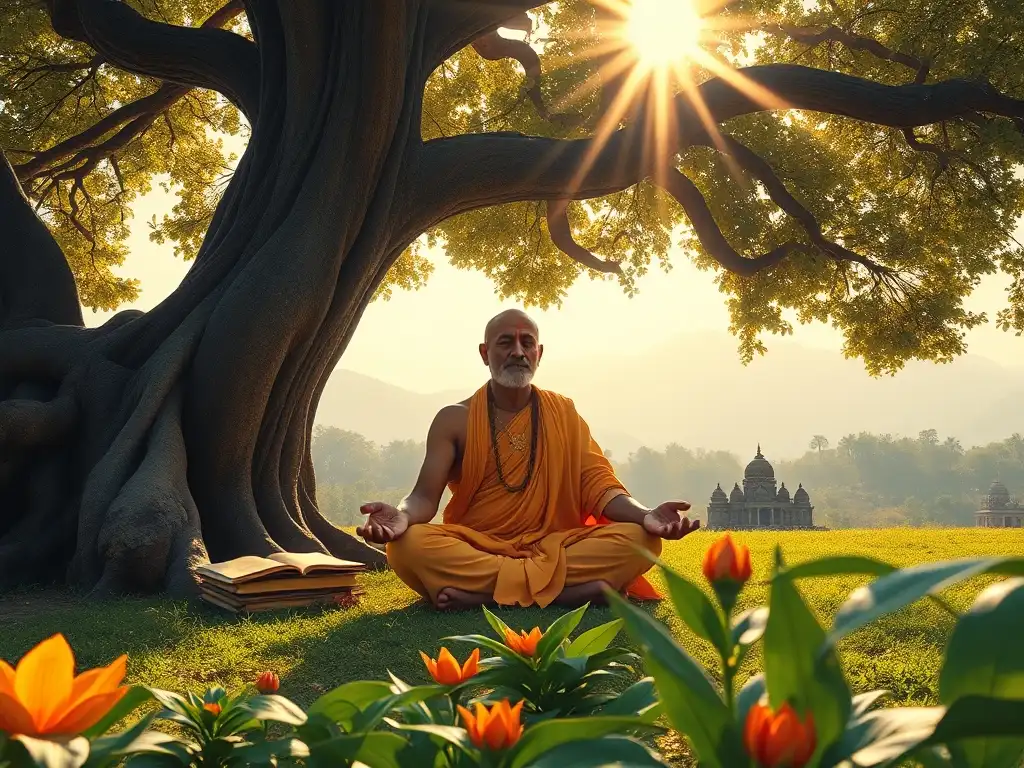
The Vedas play a pivotal role in shaping Ayurvedic practices, serving as both a philosophical and practical guide. Their teachings inform the principles of diagnosis, treatment, and holistic approaches to health. This relationship forms a comprehensive system where spirituality and health intertwine, allowing practitioners to address both physical ailments and spiritual imbalances.
Vedic Texts as Sources of Ayurvedic Knowledge
Various Vedic texts, such as the Atharva Veda, contain extensive references to health, medicinal plants, and healing rituals. These texts outline not only the importance of maintaining physical health but also the spiritual dimensions of healthcare. For instance, they discuss the use of herbs and natural remedies in healing, emphasizing the need to consider the patient's mental and emotional states.
Additionally, the Samhitas, collections of ancient Indian texts, further elaborate on health practices derived from the Vedas. They provide practical guidelines for maintaining health and outline treatment protocols based on individual constitution and health conditions. This rich repository of knowledge underscores the Vedas' enduring influence on Ayurvedic medicine.
Rituals and Their Impact on Health in Ayurveda
Rituals play a significant role in Ayurveda, deriving their essence from Vedic practices. These rituals, whether performed individually or collectively, are believed to have profound effects on both physical and psychological health.
- Health Rituals: Activities such as daily prayers (puja), chanting mantras, and engaging in yoga are seen as essential for purifying the body and mind.
- Seasonal Rituals: Practices aligned with seasonal changes, such as detoxification during specific times of the year, contribute to maintaining balance within the body.
Through these rituals, individuals can cultivate a sense of spiritual connection and mindfulness, leading to improved health outcomes. The Vedic emphasis on ritualistic practices reinforces the idea that health and spirituality are intimately linked, advocating for a comprehensive approach to well-being that encompasses physical, mental, and spiritual dimensions.
Key Concepts Linking Vedas, Ayurveda, Health, and Spirituality
The Vedas, ancient sacred texts of India, serve as the foundational pillars of various aspects of Indian culture, including health and spirituality. This intersection is particularly evident in Ayurveda, the traditional system of medicine that emphasizes holistic well-being. The Vedas articulate a profound understanding of life that encompasses not only physical health but also mental and spiritual wellness.
At the core of this relationship is the belief that true health involves a balance between the body, mind, and spirit. The Vedas introduce concepts such as Rta (cosmic order) and Dharma (duty/righteousness), which underline the importance of living in harmony with oneself and the universe. This harmony is essential for maintaining health and spiritual growth, suggesting that imbalances in one's life can lead to both physical ailments and spiritual distress.
Furthermore, Ayurveda draws from Vedic principles by emphasizing the importance of sattva (purity), rajas (activity), and tamas (inertia) within an individual. Understanding these qualities encourages a lifestyle that promotes mental clarity, emotional stability, and physical health. Thus, the Vedas and Ayurveda together create a comprehensive framework that connects health and spirituality, offering insights into achieving overall wellness.
The Concept of Dharma in Vedic Philosophy
In Vedic philosophy, Dharma represents the moral and ethical duties that individuals are expected to follow in their lives. This concept is pivotal in Ayurveda, as it emphasizes the alignment of health practices with one's personal and societal responsibilities. Living according to one's Dharma fosters a sense of purpose and direction, which contributes significantly to mental and spiritual well-being.
The adherence to Dharma is believed to promote balance in life; when one's actions are aligned with their duties, they experience harmony and reduce stress. This alignment is crucial for maintaining health, as stress and discontent can lead to various physical ailments. Thus, the practice of Dharma not only guides individuals in their interactions with others but also influences their personal health and spiritual journey.
Moreover, the Vedic texts encourage individuals to reflect on their unique circumstances, lifestyle, and environment when determining their Dharma. This personalized approach underscores the Ayurvedic principle that health is not a one-size-fits-all solution but must be tailored to the individual’s needs, thereby reinforcing the connection between Dharma, health, and spirituality.
Doshas and the Balance of Health in Ayurveda
In Ayurveda, the concept of Doshas—Vata, Pitta, and Kapha—plays a crucial role in understanding health and wellness. Each Dosha represents a combination of the five elements (space, air, fire, water, and earth) and governs various physiological and psychological functions in the body. The balance among these Doshas is vital for maintaining health; when any one Dosha becomes predominant or deficient, it can lead to disease.
According to Ayurvedic beliefs, achieving harmony among the Doshas requires a personalized approach rooted in the principles found within the Vedas. This involves dietary choices, lifestyle practices, and therapeutic interventions that help restore balance. For instance, a person with a predominance of Pitta may benefit from cooling foods and calming practices to counteract excess heat, thus promoting physical health and emotional stability.
Furthermore, Ayurveda encourages individuals to be aware of their unique Dosha constitution, known as Prakriti, and to engage in practices that support their natural balance. This awareness fosters a deeper connection to one's body and spirit, promoting a holistic understanding of health that is in alignment with Vedic teachings.
The Influence of Vedic Literature on Ayurvedic Treatments
The influence of Vedic literature on Ayurvedic treatments is profound and multifaceted. The foundational texts of Ayurveda, such as the Charaka Samhita and Sushruta Samhita, integrate concepts and philosophies drawn from the Vedas. These texts detail various treatment modalities, herbal remedies, and surgical procedures, all of which are informed by the principles of Vedic thought.
For example, Vedic texts emphasize the importance of Ahara (diet) and Vihara (lifestyle) in maintaining health, principles that are foundational in Ayurvedic practice. The emphasis on natural remedies and the use of herbs found in the Vedas is reflected in Ayurvedic pharmacopoeia, which categorizes various substances based on their properties and effects on the Doshas.
Moreover, the spiritual dimensions of healing found in the Vedas are echoed in Ayurvedic treatments that focus on not just the physical body but also the mind and spirit. This holistic approach recognizes that emotional and spiritual imbalances can manifest as physical ailments, thereby reinforcing the need for comprehensive treatment that encompasses all aspects of being.
Ayurvedic Therapies Rooted in Vedic Traditions
Ayurvedic therapies are deeply rooted in the traditions established by Vedic texts, often emphasizing techniques that promote both physical health and spiritual growth. For instance, practices such as Panchakarma (detoxification) and Abhyanga (oil massage) are not merely physical treatments but are also seen as methods to enhance spiritual awareness and cleanse the mind.
The Vedic tradition places significant importance on rituals and chants, which are often incorporated into Ayurvedic therapies to enhance their efficacy. These rituals can create a sacred environment that fosters healing and encourages individuals to connect with their inner selves. The use of mantras, which are powerful sound vibrations, is also prevalent in both Vedic and Ayurvedic practices, believed to promote healing at a cellular level.
Additionally, many Ayurvedic practitioners draw upon the Vedic concept of Prana (life force) in their treatments, emphasizing the importance of energizing and balancing this vital force through various therapies. This holistic perspective not only addresses physical symptoms but also nurtures the spirit, aligning with the overarching Vedic philosophy of unity between the body, mind, and soul.
Meditation and Mindfulness in Vedic and Ayurvedic Practices
Meditation and mindfulness are central components of both Vedic and Ayurvedic practices, serving as essential tools for enhancing health and spiritual well-being. The Vedas advocate for meditation as a means to achieve higher consciousness, promote inner peace, and develop a deeper understanding of oneself. This practice is mirrored in Ayurveda, where mindfulness is considered crucial for maintaining balance and health.
In Ayurvedic philosophy, mindfulness extends to all aspects of life, including diet, daily routines, and interpersonal relationships. By being present and aware, individuals can make conscious choices that support their health and align with their spiritual goals. This practice allows for greater self-awareness, enabling individuals to recognize imbalances in their Doshas and make necessary adjustments.
Moreover, meditation is often prescribed as a therapeutic intervention within Ayurveda for managing stress, anxiety, and various health conditions. Techniques such as Dhyana (focused meditation) and Pranayama (breath control) are utilized to harmonize the mind and body, fostering a sense of calm and clarity. The integration of these practices underscores the holistic approach of Ayurveda, highlighting the profound connection between health and spirituality as taught in the Vedas.
Modern Relevance of Vedas and Ayurveda in Health and Spirituality

The Vedas, ancient texts that form the foundation of Indian philosophy and spirituality, have a profound influence on contemporary health practices. Ayurveda, often termed the "science of life," is one of the most significant contributions of Vedic literature. Its holistic approach to health and wellness emphasizes the integration of body, mind, and spirit, reflecting the Vedic ideals that prioritize a balanced and harmonious lifestyle. In today's fast-paced world, the teachings of the Vedas and Ayurveda serve as a guide for individuals seeking to enhance their physical health while nurturing their spiritual well-being.
The resurgence of interest in natural and holistic health solutions has led to a renewed appreciation for Ayurveda, which promotes preventive care through lifestyle adjustments, herbal remedies, and mindfulness. This movement aligns with the Vedic philosophy that emphasizes living in accordance with nature's rhythms, fostering a greater connection to oneself and the universe. As individuals increasingly seek meaning in their health choices, the Vedas and Ayurveda provide a rich tapestry of knowledge that informs modern wellness practices.
Integrating Vedic Wisdom into Contemporary Health Practices
Integrating Vedic wisdom into contemporary health practices involves adopting principles that emphasize balance, prevention, and holistic well-being. One key aspect is the recognition of individual differences in constitution, or "doshas," which Ayurveda categorizes into three primary types: Vata, Pitta, and Kapha. By understanding their unique dosha, individuals can tailor their diets, exercise routines, and daily habits to align with their innate nature, promoting optimal health.
Moreover, mindfulness and meditation, rooted in Vedic traditions, have gained significant traction in modern wellness regimens. Practices such as yoga and meditation not only enhance physical health but also foster mental clarity and emotional resilience. The integration of these practices into daily life can lead to reduced stress and improved overall well-being, reflecting the Vedic belief in the interconnectedness of health and spirituality.
Current Trends in Ayurveda Inspired by Vedic Teachings
Current trends in Ayurveda are increasingly inspired by Vedic teachings, as more practitioners and enthusiasts explore the depth of this ancient system. One notable trend is the emphasis on personalized health plans that consider not only physical symptoms but also emotional and spiritual dimensions. This holistic approach resonates with the Vedic belief that true health encompasses more than just the absence of disease.
Another trend is the growing popularity of Ayurvedic nutrition, which stresses the importance of seasonal and locally sourced foods in maintaining balance. This practice is deeply rooted in Vedic teachings that advocate for living in harmony with nature's cycles. Additionally, the incorporation of Ayurvedic herbs and remedies into mainstream health products reflects a broader acceptance of traditional wisdom in modern healthcare.
Conclusion: The Enduring Legacy of Vedas and Ayurveda
The enduring legacy of the Vedas and Ayurveda continues to shape our understanding of health and spirituality. These ancient texts offer timeless insights that remain relevant in today's context, highlighting the importance of a holistic approach to well-being. As society grapples with the challenges of modern life, the principles derived from Vedic wisdom provide a pathway to achieving balance and harmony.
Summary of Key Insights on Health and Spirituality
The key insights from the intersection of Vedas, Ayurveda, health, and spirituality emphasize that:
- Holistic Health: Both the Vedas and Ayurveda advocate for a comprehensive understanding of health that includes physical, mental, and spiritual dimensions.
- Personalization: Tailoring health practices to individual needs, based on dosha types and personal experiences, is a cornerstone of both traditions.
- Preventive Care: The focus on prevention through lifestyle choices aligns with contemporary health trends that prioritize wellness over merely treating illness.
The Future of Vedic and Ayurvedic Integration in Wellness
The future of Vedic and Ayurvedic integration in wellness looks promising as more individuals and healthcare providers recognize the value of these ancient teachings. As the wellness industry continues to evolve, there is potential for greater collaboration between traditional practices and modern science. This could lead to innovative health solutions that honor the wisdom of the Vedas while addressing contemporary health challenges.
Moreover, as the global interest in holistic health grows, educational initiatives aimed at disseminating Vedic and Ayurvedic knowledge are likely to expand. By bridging ancient wisdom with modern science, the integration of these traditions can enhance our understanding of well-being, ultimately enriching the lives of many. The ongoing exploration of the relationship between health and spirituality rooted in the Vedas and Ayurveda will undoubtedly inspire future generations to seek holistic paths to wellness.
References and Further Reading
The Vedas and Ayurveda are rich subjects that intertwine spirituality and health, offering a profound insight into ancient Indian civilizations. For those interested in delving deeper into these topics, several texts and resources can provide a comprehensive understanding of the historical, philosophical, and practical aspects of Vedic literature and Ayurvedic practices.
Recommended Texts on Vedas and Ayurveda
-
The Vedas: An Introduction by Robert H. Ellwood
This book serves as an accessible introduction to the Vedas, detailing their historical context, structure, and significance in Indian culture. It explores the spiritual teachings contained within these ancient texts.
-
Ayurveda: The Mind-Body Connection by David Frawley
Frawley provides an in-depth look at Ayurveda, emphasizing the link between mental and physical health. This text is essential for understanding how Ayurvedic principles are derived from Vedic teachings.
-
The Complete Book of Ayurvedic Home Remedies by Vasant Lad
This practical guide combines the wisdom of Ayurveda with modern health practices, offering remedies and lifestyle advice based on Vedic principles.
-
The Upanishads translated by Eknath Easwaran
While not strictly a Vedic text, the Upanishads are philosophical writings that elaborate on the spiritual aspects of the Vedas. Easwaran’s translation makes these complex ideas accessible to modern readers.
-
Vedic Astrology: A Guide to the Future by R. S. Agarwal
This text explores the astrological component of Vedic traditions, providing insights into how spirituality influences health and well-being according to ancient Indian beliefs.
Suggested Resources for Exploring Ancient Indian Health Practices
- Online Courses: Websites such as Coursera and Udemy offer courses focused on Ayurveda and its integration with Vedic philosophy, which are beneficial for both beginners and advanced learners.
- Documentaries and Lectures: Platforms like YouTube feature lectures by renowned Ayurvedic practitioners and scholars discussing the historical context and contemporary relevance of Vedic health practices.
- Ayurvedic Clinics and Retreats: Visiting Ayurvedic clinics or wellness retreats can provide firsthand experience of ancient practices and treatments. Many establishments also offer workshops that delve into the philosophy of Ayurveda.
- Academic Journals: Resources such as the Journal of Ayurveda and Integrative Medicine publish research articles exploring the effectiveness and applications of Ayurvedic treatments, providing a scientific perspective on these ancient practices.
- Podcasts: Listening to podcasts focused on Ayurveda and Vedic teachings can offer insights from experts in the field, as well as personal stories from practitioners and patients who have experienced the benefits of these ancient health systems.
These resources serve as a starting point for anyone interested in exploring the intricate relationship between the Vedas, Ayurveda, health, and spirituality in ancient India, illuminating a path to deeper understanding and application in modern life.
- Introduction to the Vedas and Ayurveda
- Historical Context of the Vedas and Ayurveda
- The Philosophical Foundations of Vedas and Ayurveda
- The Role of Vedas in Ayurvedic Practices
- Key Concepts Linking Vedas, Ayurveda, Health, and Spirituality
- The Influence of Vedic Literature on Ayurvedic Treatments
- Modern Relevance of Vedas and Ayurveda in Health and Spirituality
- Conclusion: The Enduring Legacy of Vedas and Ayurveda
- References and Further Reading
Frequently Asked Questions
What are the Vedas?
The Vedas are ancient Indian texts that form the foundation of Hindu philosophy, covering various aspects of life, including spirituality, rituals, and health.
How does Ayurveda relate to the Vedas?
Ayurveda, a traditional Indian system of medicine, is deeply rooted in the Vedic texts, emphasizing the importance of balance in physical, mental, and spiritual health.
What are the key contributions of Ayurveda to health?
Ayurveda promotes holistic health through natural remedies, lifestyle practices, and spiritual wellness, aiming for a complete integration of mind, body, and spirit.
How does spirituality influence Ayurvedic practices?
In Ayurveda, spirituality plays a crucial role in health, as it emphasizes the interconnectedness of mind, body, and soul, fostering a sense of inner peace and balance.
Why is the study of Vedas and Ayurveda important today?
Understanding the Vedas and Ayurveda can provide insights into ancient practices that promote well-being, offering valuable lessons for modern health and spiritual practices.
Final Reflection: Embracing the Harmony of Health and Spirituality
The exploration of the Vedas and Ayurveda reveals an undeniable truth: our health is intricately linked to our spiritual well-being. In a world increasingly dominated by fast-paced lifestyles and superficial remedies, the wisdom of ancient texts offers a profound reminder of the holistic nature of health. The teachings of the Vedas and the principles of Ayurveda encourage us to look beyond mere physical symptoms and recognize the interconnectedness of body, mind, and spirit. This understanding is not just relevant; it is essential for cultivating a balanced and fulfilling life.
Cultural and social landscapes are continuously shaped by the principles of Ayurveda, which emphasize preventive care and self-awareness. As we navigate the complexities of modern living, the teachings of the Vedas remind us to honor our inner selves and the natural world around us. This ongoing influence is beautifully encapsulated in the words of Mahatma Gandhi: It is health that is real wealth and not pieces of gold and silver.
The integration of health and spirituality as proposed by Ayurveda encourages us to seek wealth in our well-being, fostering a deeper connection to ourselves and the universe.
As you reflect on the insights shared in this article, consider how you can incorporate the principles of the Vedas and Ayurveda into your daily life. Take a moment to pause, breathe, and reconnect with your inner self. Embrace the wisdom of these ancient teachings, allowing them to guide your journey toward holistic health and spiritual fulfillment.
By nurturing both your body and spirit, you not only enhance your own life but also contribute to a more harmonious world. Let this be an invitation to explore the profound intersection of health and spirituality, and to cultivate a life that resonates with balance and purpose.
Embrace Your Well-Being Journey Today!
Thank you for taking the time to explore the profound connections between the Vedas and Ayurveda. We hope you gained valuable insights into how ancient wisdom can enrich your health and spiritual practice. Now, let’s put that knowledge into action!
- Dive deeper into Ayurvedic practices by experimenting with personalized routines that cater to your individual needs.
- Share your discoveries with friends and family – invite them to join you on this journey toward holistic health.
- Consider joining online communities or local groups focused on Ayurveda and Vedic knowledge to exchange ideas and experiences with others who share your interests.
How will you incorporate the wisdom of the Vedas into your daily life to enhance both your health and your spiritual well-being?