
The Vedas and Yoga: Ancient Practices for Modern Seekers

Welcome to Ancient India History, where we embark on a journey through the rich tapestry of ancient Indian civilizations. Dive into the depths of ancient Indian yoga practices, a profound tradition that has transcended time, shaping not only the spiritual landscape of the past but also inspiring modern seekers today. In our featured article, "The Vedas and Yoga: Ancient Practices for Modern Seekers," we unveil the sacred texts and transformative rituals that continue to resonate with those on a quest for deeper understanding.
Are you ready to explore how these age-old practices can illuminate your path? Let’s uncover the secrets of the past together!
The ancient Indian texts known as the Vedas serve as the foundation for a vast array of spiritual and philosophical practices, among which yoga stands out as a transformative discipline. Originating over 3,000 years ago, the Vedas encompass a rich tapestry of knowledge that not only defines the spiritual landscape of ancient India but also continues to influence modern practices. As seekers of wisdom and well-being turn to these ancient teachings, understanding the intersection of the Vedas and yoga becomes paramount.
This article delves into the historical context, core principles, and enduring relevance of ancient Indian yoga practices, illustrating how they have evolved while remaining deeply rooted in their Vedic origins. By exploring these practices, modern practitioners can glean insights that enhance their personal journeys towards physical, mental, and spiritual harmony.
The Historical Context of the Vedas and Yoga
The Vedas, comprising four main texts—Rigveda, Samaveda, Yajurveda, and Atharvaveda—are considered the oldest scriptures of Hinduism. They encompass hymns, rituals, and philosophical discourses that articulate the spiritual framework of ancient Indian civilization.
- Rigveda: Contains hymns praising deities and natural phenomena.
- Samaveda: Focuses on melodies and chants used in rituals.
- Yajurveda: Offers prose mantras and instructions for rituals.
- Atharvaveda: Includes spells and incantations for everyday life.
Yoga, as described in these texts, was not merely a physical practice but a holistic approach to life and spirituality, aiming for union with the divine through disciplined practice.
Core Principles of Ancient Indian Yoga Practices
Ancient Indian yoga practices are deeply embedded in the philosophical teachings of the Vedas and later texts like the Upanishads and the Bhagavad Gita. These practices emphasize:
- Meditation (Dhyana): A means to attain self-realization and inner peace.
- Physical Postures (Asanas): Designed to prepare the body for long periods of meditation.
- Breath Control (Pranayama): Techniques to regulate life force and enhance concentration.
- Ethics and Morality (Yamas and Niyamas): Guidelines for living a virtuous life, essential for a successful yoga practice.
The Relevance of Ancient Practices in Modern Times
As we navigate the complexities of contemporary life, the ancient Indian yoga practices rooted in the Vedas offer profound insights and tools for personal growth.
- Stress Relief: Modern seekers often turn to yoga as a means to alleviate stress and anxiety.
- Physical Health: The asanas promote flexibility, strength, and overall wellness.
- Spiritual Growth: Engaging with the Vedic texts fosters a deeper understanding of oneself and one's place in the universe.
The resurgence of interest in these practices highlights their timeless nature and adaptability to modern needs, making ancient Indian yoga practices a treasure trove for seekers of all backgrounds.
As we explore the profound connections between the Vedas and yoga, we invite you to embark on a journey that honors ancient wisdom while enriching your contemporary experience.
- The Historical Context of the Vedas and Yoga
- Core Principles of Ancient Indian Yoga Practices
- The Relevance of Ancient Practices in Modern Times
- What are the Vedas, and how do they relate to ancient Indian yoga practices?
- How did ancient Indian yoga practices evolve over time?
- What are some key contributions of ancient Indian yoga to modern practices?
- Can the teachings from the Vedas be applied in today's lifestyle?
- How can one start exploring ancient Indian yoga practices today?
Introduction to Ancient Indian Yoga Practices
The ancient Indian yoga practices hold a profound significance in the spiritual and philosophical landscape of India. Rooted in the teachings of the Vedas, these practices not only encompass physical postures but also integrate mental and spiritual development. The Vedas, as the oldest sacred texts of Hinduism, provide a comprehensive framework that underpins the principles of yoga, offering insights into the nature of existence, consciousness, and the universe. By exploring these ancient texts, modern seekers can uncover the profound wisdom that has shaped yoga into a holistic practice, facilitating personal growth and enlightenment.
Overview of the Vedas and Their Significance
The Vedas, composed around 1500 BCE to 500 BCE, are revered texts that form the foundation of Hindu philosophy and spirituality. They are divided into four primary collections:
- Rigveda: The oldest Veda, consisting of hymns and praises for various deities.
- Samaveda: A collection of musical chants and melodies, primarily used in rituals.
- Yajurveda: A compilation of prose mantras that guide sacrificial rituals.
- Atharvaveda: A text that includes hymns, spells, and incantations with a focus on everyday life.
The Connection Between Vedas and Yoga
The connection between the Vedas and yoga is deeply rooted in the philosophical underpinnings of ancient Indian thought. The Vedas introduce concepts such as dharma (duty), karma (action), and moksha (liberation), which are essential for understanding the purpose of yoga.
- Philosophical Basis: The Vedic texts explore the nature of reality and the self, laying the groundwork for the metaphysical aspects of yoga. For instance, the Upanishads, which are part of the Vedic literature, delve into meditation and the pursuit of spiritual knowledge, emphasizing the importance of self-realization.
- Ritualistic Practices: Vedic rituals often incorporated early forms of meditation and physical practices that would later evolve into yoga. These rituals emphasized the connection between the individual and the cosmos, suggesting that through disciplined practice, one could attain higher states of consciousness.
- Yoga Sutras of Patanjali: While not directly a Vedic text, the Yoga Sutras draw heavily from Vedic philosophy, systematically outlining the eight limbs of yoga ( Ashtanga Yoga), which includes ethical practices, physical postures, breath control, and meditation. This framework aligns closely with the spiritual ideals found in the Vedas.
Ancient Indian yoga practices are intrinsically linked to the Vedas, which provide both a historical context and a philosophical foundation. As modern seekers delve into these ancient teachings, they can uncover transformative practices that resonate with contemporary spiritual aspirations. The exploration of such rich traditions not only honors the past but also enriches the present understanding of yoga as a way of life.
Historical Context of Yoga in the Vedas
The Origins of Yoga in Ancient Indian Texts
The Vedas, composed between 1500 and 500 BCE, are the oldest sacred texts of Hinduism and provide a foundational understanding of yoga and its philosophies. The term "yoga" itself is derived from the Sanskrit root "yuj," which means "to unite" or "to join." In the context of the Vedas, yoga represents the union of the individual self (Atman) with the universal consciousness (Brahman).
The Rigveda, one of the four Vedas, contains hymns that hint at early forms of meditation and spiritual practices. For instance, the practice of meditation (dhyana) is alluded to in several hymns where sages describe their transcendental experiences. Here, meditation serves as a tool for connecting with divine forces and understanding the nature of existence.
- Key Concepts:
- Meditation: A means to achieve higher states of consciousness.
- Mantras: Sacred sounds or phrases used to aid concentration and elevate spiritual awareness.
The Yajurveda introduces the concept of rituals (yajnas) that are essential for spiritual development. These rituals often incorporate physical postures and breathing techniques, laying the groundwork for what later evolved into more structured forms of yoga.
The Evolution of Yoga Practices Through the Ages
As ancient Indian civilization progressed, so did the interpretation and practice of yoga. The Vedic period gave way to the Upanishadic period, where the concept of yoga further developed into a more philosophical framework. The Upanishads emphasized self-realization and the pursuit of knowledge through introspection and meditation.
During this time, various schools of thought emerged, each contributing unique perspectives on yoga practice. Notably:
- Jnana Yoga: The path of knowledge and wisdom, focusing on understanding the nature of reality.
- Bhakti Yoga: The path of devotion, emphasizing love and devotion towards a personal deity.
- Karma Yoga: The path of selfless action, highlighting the importance of performing one's duty without attachment to outcomes.
The synthesis of these approaches culminated in the classical period, where texts like the Yogasutras of Patanjali (circa 400 CE) codified yoga practices into an organized system. Patanjali's eightfold path (Ashtanga Yoga) outlined methodologies that include ethical principles, physical postures (asanas), breath control (pranayama), and meditation, establishing a comprehensive guide for practitioners.
Throughout the centuries, yoga has continued to evolve, influenced by various cultural and philosophical shifts. The integration of ancient Indian yoga practices with local traditions and newer philosophies has led to the development of diverse schools of yoga, each tailored to the needs of different seekers.
- Modern Interpretations: Today, ancient Indian yoga practices are often adapted for contemporary lifestyles, emphasizing wellness and holistic living.
The historical context of yoga in the Vedas highlights its significance as a spiritual practice deeply woven into the fabric of ancient Indian civilization, providing a rich legacy that continues to inspire modern seekers around the world.
Key Concepts of Ancient Indian Yoga Practices
Understanding the Philosophy of Yoga in the Vedas
The Vedas, the oldest sacred texts of Hinduism, lay the foundational philosophy of yoga that continues to influence modern practices. The philosophical underpinnings of yoga can be traced back to the Rigveda, which introduces concepts of unity, harmony, and the interconnectedness of all life. The essence of yoga, as delineated in these texts, revolves around the pursuit of spiritual knowledge, self-realization, and the attainment of moksha (liberation).
- Yogic Terminology: The term "yoga" itself is derived from the Sanskrit root yuj, meaning "to unite" or "to join." This signifies the union of the individual self ( atman) with the universal consciousness ( brahman). The Vedas articulate various paths to achieve this unity, emphasizing that yoga is both a physical and spiritual discipline.
- Four Paths of Yoga: The Vedic texts highlight different paths to spiritual growth:
- Karma Yoga: The path of selfless action, which teaches individuals to perform their duties without attachment to the results.
- Bhakti Yoga: The path of devotion, emphasizing love and devotion to a personal god as a means to achieve spiritual fulfillment.
- Jnana Yoga: The path of knowledge, which involves the study of scriptures and contemplation to understand the nature of reality.
- Raja Yoga: Often referred to as the "royal path," it encompasses meditation and the practice of mental control.
- Integration of Body and Mind: The Vedas recognize the importance of both physical practices and mental discipline. The concept of asana (postures) and pranayama (breath control) are not explicitly detailed in early Vedic texts but are implied through the emphasis on maintaining physical health as a prerequisite for spiritual progress.
- Ethical Foundations: The Vedic philosophy also stresses ethical living as a precursor to successful yoga practice. Principles such as ahimsa (non-violence), satya (truthfulness), and asteya (non-stealing) form the moral framework within which yoga should be practiced.
The Role of Meditation and Mindfulness in Ancient Yoga
Meditation and mindfulness are integral components of ancient Indian yoga practices, as highlighted in the Vedic texts. They serve as powerful tools for achieving mental clarity, emotional stability, and spiritual insight.
- Meditative Practices in the Vedas: The Vedas refer to various meditative techniques aimed at quieting the mind and focusing the inner self. These practices include:
- Dhyana: A form of meditation that involves deep concentration on a single point or idea, allowing practitioners to transcend ordinary thought and experience higher states of consciousness.
- Upasana: Devotional meditation that combines prayer and ritual, focusing on the divine as a means to cultivate a personal relationship with the sacred.
- Mindfulness as a Yogic Discipline: Mindfulness, though a contemporary term, resonates with the Vedic practice of smriti, which means "remembrance." It emphasizes being fully present and aware in each moment. Ancient practitioners cultivated mindfulness through daily rituals, ethical living, and meditative exercises, allowing them to connect more deeply with themselves and the world around them.
- Scientific Perspectives on Meditation: Recent studies have begun to validate the ancient practices of meditation and mindfulness, uncovering benefits such as reduced stress, improved cognitive function, and enhanced emotional well-being. These findings echo the Vedic belief in the transformative power of meditation.
- Practical Applications: Modern seekers can draw from the ancient Vedic teachings by incorporating meditation and mindfulness into their daily lives. This may include setting aside time for formal meditation practices, engaging in mindful movements, or simply fostering awareness during routine activities.
The ancient Indian yoga practices rooted in the Vedas offer rich philosophical and practical insights. By understanding these concepts, modern seekers can cultivate a balanced approach to yoga that harmonizes body, mind, and spirit.
Different Types of Yoga Mentioned in the Vedas
Bhakti Yoga: The Path of Devotion
Bhakti Yoga, or the "Path of Devotion," is one of the most profound and accessible forms of yoga mentioned in the Vedas. Rooted in the concept of loving devotion towards a personal deity, Bhakti Yoga emphasizes the importance of surrendering oneself to divine will. This practice encourages practitioners to cultivate a deep emotional connection with God, often expressed through prayer, chanting, and rituals.
The essence of Bhakti Yoga lies in its ability to transcend intellectual understanding and reach the heart. It promotes qualities such as faith, love, and humility, which are essential for spiritual growth. In the Vedas, particularly in texts like the Bhagavad Gita, Bhakti is depicted as a means of achieving liberation and union with the divine.
Key practices associated with Bhakti Yoga include:
- Chanting Mantras: Repeating sacred phrases or names of deities.
- Singing Devotional Songs: Engaging in Kirtan, a communal singing of hymns.
- Offering Rituals: Performing pujas or ceremonies as acts of devotion.
Through these practices, followers of Bhakti Yoga experience a transformation of the heart, fostering a sense of community and connection to the divine.
Karma Yoga: The Path of Action
Karma Yoga, known as the "Path of Action," emphasizes the importance of selfless action without attachment to outcomes. This form of yoga is grounded in the belief that actions performed with a spirit of service can lead to spiritual awakening. The Vedas teach that every action has consequences, and by engaging in karma (action) with the right intention, individuals can purify their hearts and minds.
Central to Karma Yoga is the idea of performing one's duties and responsibilities—whether in personal life, social interactions, or professional environments—with complete dedication. The emphasis is on acting without desire for personal gain. This practice cultivates qualities of selflessness, discipline, and resilience.
Key elements of Karma Yoga include:
- Performing Duties: Engaging in one's responsibilities with a sense of duty.
- Detachment from Results: Focusing on the action rather than the fruits of the action.
- Service to Others: Helping others as a means of serving the divine.
Karma Yoga teaches that true liberation comes from understanding the interconnectedness of all actions and recognizing that selfless service leads to spiritual growth.
Jnana Yoga: The Path of Knowledge
Jnana Yoga, or the "Path of Knowledge," is a rigorous and intellectual approach to spiritual practice that focuses on the pursuit of wisdom and understanding. This form of yoga encourages seekers to engage in self-inquiry and contemplation to discern the nature of reality and the self. The Vedas emphasize that through knowledge, one can overcome ignorance and attain Moksha, or liberation.
The fundamental principles of Jnana Yoga revolve around discrimination (Viveka) between the real and the unreal, and the realization of the Atman (true self) as distinct from the Anatman (false self). This practice is often described as a journey of enlightenment, where the seeker questions the nature of existence and seeks to understand their place in the universe.
Key aspects of Jnana Yoga include:
- Study of Sacred Texts: Engaging with the Vedas, Upanishads, and other philosophical writings.
- Meditation and Contemplation: Practicing focused meditation to gain insight into the self.
- Discrimination: Learning to differentiate between transient pleasures and lasting truths.
Through Jnana Yoga, practitioners strive to attain a higher state of consciousness and ultimately realize their oneness with the cosmos, making it a vital aspect of ancient Indian yoga practices.
Raja Yoga: The Path of Royal Control
Raja Yoga, often referred to as the "Royal Path," represents a comprehensive approach to spiritual development that emphasizes the control of the mind and body. This form of yoga is rooted in the teachings found in the Vedas and later elaborated upon in the Yoga Sutras of Patanjali. Raja Yoga is distinguished by its focus on meditation and the eight limbs (Ashtanga) that guide practitioners toward self-realization and enlightenment.
At its core, Raja Yoga seeks to cultivate a state of inner peace and self-mastery through disciplined practices. The eight limbs of Raja Yoga include:
- Yama (Ethical Disciplines): These are moral guidelines that govern a practitioner's behavior towards others and the world. Key principles include non-violence (Ahimsa), truthfulness (Satya), and moderation (Brahmacharya).
- Niyama (Self-Discipline): Niyamas are personal observances that encourage self-purification and spiritual growth. They include practices such as contentment (Santosha) and self-study (Svadhyaya).
- Asana (Postures): Physical postures are designed to prepare the body for meditation. They promote physical health and stability, allowing practitioners to sit in meditation for extended periods.
- Pranayama (Breath Control): This involves techniques that regulate breath to enhance the flow of vital energy (prana) in the body, promoting mental clarity and calmness.
- Pratyahara (Withdrawal of the Senses): Practitioners learn to withdraw their senses from external distractions, turning their focus inward to prepare for deeper meditation.
- Dharana (Concentration): This stage involves intense focus on a single point or object, honing the mind's ability to concentrate and quiet its chatter.
- Dhyana (Meditation): As practitioners progress, they engage in meditation, fostering a deep connection with their inner self and the universe.
- Samadhi (Union with the Divine): This final stage represents a state of blissful union with the divine consciousness, where the practitioner transcends the ego and experiences oneness with all.
Raja Yoga is not merely a physical practice; it encompasses a holistic approach to life, integrating ethical conduct, self-discipline, and meditation. It is a path that encourages practitioners to explore their own consciousness and develop a deeper understanding of their place in the universe.
Historically, Raja Yoga has been practiced by sages and seekers in ancient India, who viewed it as a means to attain higher states of consciousness and ultimately liberation (moksha). Its teachings continue to resonate with modern practitioners, offering a structured framework for personal growth and spiritual exploration.
Raja Yoga stands as a significant component of ancient Indian yoga practices, embodying an integrative methodology that remains relevant for contemporary seekers aiming for mental clarity and spiritual enlightenment. Its principles and techniques provide a pathway for individuals to navigate the complexities of modern life while fostering a deeper connection to their inner selves.
The Relevance of Vedic Yoga Practices in Modern Times
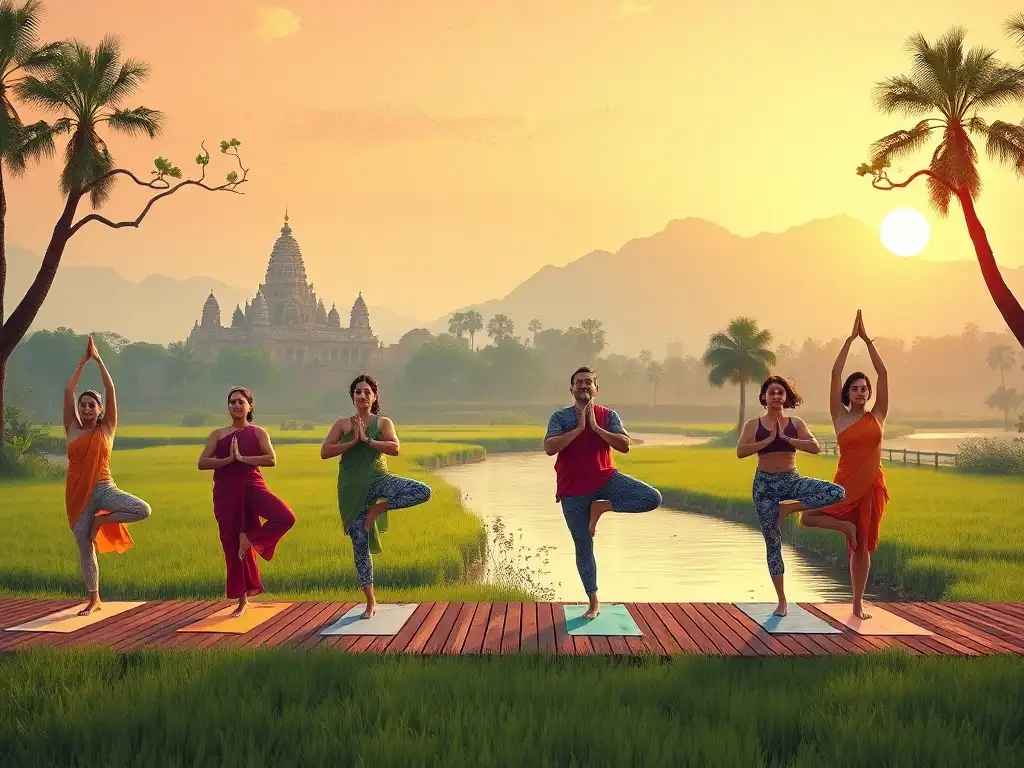
The ancient Indian yoga practices rooted in the Vedas hold significant relevance in today's fast-paced world. As modern society increasingly seeks holistic approaches to wellness, Vedic yoga offers profound insights that extend beyond mere physical postures. The emphasis on mental clarity, spiritual connection, and ethical living found in Vedic texts resonates deeply with contemporary seekers looking for balance and harmony in their lives.
How Ancient Yoga Practices Influence Contemporary Wellness
Ancient yoga practices, as delineated in the Vedas, stress the integral connection between body, mind, and spirit. This triad is essential for achieving overall well-being. Here are some ways in which these practices influence modern wellness:
- Mindfulness and Meditation: The Vedic tradition emphasizes meditation (Dhyana) as a pathway to self-realization. Today, mindfulness practices derived from these ancient teachings are recognized for their benefits in reducing stress and anxiety. Research indicates that mindfulness meditation can enhance emotional regulation and cognitive flexibility, making it a powerful tool for mental health.
- Holistic Health: The Vedic texts promote a holistic view of health, advocating for the balance of physical, mental, and spiritual aspects. This approach is mirrored in contemporary wellness trends that emphasize integrative health practices. For instance, many wellness programs today incorporate elements such as nutrition, exercise, and mental health support, reflecting the Vedic philosophy of treating the whole person.
- Yoga as Therapy: Ancient Indian yoga practices have been adapted into therapeutic modalities that address specific health issues. Techniques like Pranayama (breath control) and Asanas (postures) are used in clinical settings to manage conditions such as chronic pain, anxiety disorders, and even cardiovascular issues. This therapeutic application underscores the enduring relevance of Vedic practices in promoting health.
The Integration of Vedic Principles into Modern Yoga Styles
Modern yoga styles often draw heavily from the principles laid out in the Vedas, creating a bridge between ancient wisdom and contemporary practice. This section explores how Vedic principles manifest in various modern yoga styles:
- Hatha Yoga:
- Focuses on physical postures and breathing techniques, embodying the Vedic emphasis on the physical body as a means to achieve spiritual awareness.
- Practitioners are encouraged to cultivate a disciplined practice, reflecting the Vedic value of Tapas (austerity).
- Ashtanga Yoga:
- Incorporates the eight limbs of yoga (Ashtanga), which align closely with the Vedic teachings on ethical living and self-discipline.
- The practice emphasizes the importance of Pratyahara (withdrawal of senses) to enhance concentration and inner peace.
- Kundalini Yoga:
- Centers on awakening the dormant energy within, which resonates with the Vedic idea of Shakti (divine energy).
- Integrates chanting and meditation, akin to the Vedic practices of Mantra and Dhyana, promoting spiritual growth.
- Restorative Yoga:
- Focuses on relaxation and recuperation, reflecting the Vedic understanding of balance and harmonious living.
- Encourages practitioners to connect with their inner selves through gentle, restorative postures and breathwork.
The ancient Indian yoga practices outlined in the Vedas continue to shape and influence modern wellness paradigms. By integrating Vedic principles into contemporary yoga styles, practitioners not only honor a rich heritage but also cultivate a deeper understanding of the interconnectedness of body, mind, and spirit. The enduring legacy of Vedic yoga serves as a guiding light for modern seekers in their journey toward holistic well-being.
Practical Applications of Vedic Yoga Practices
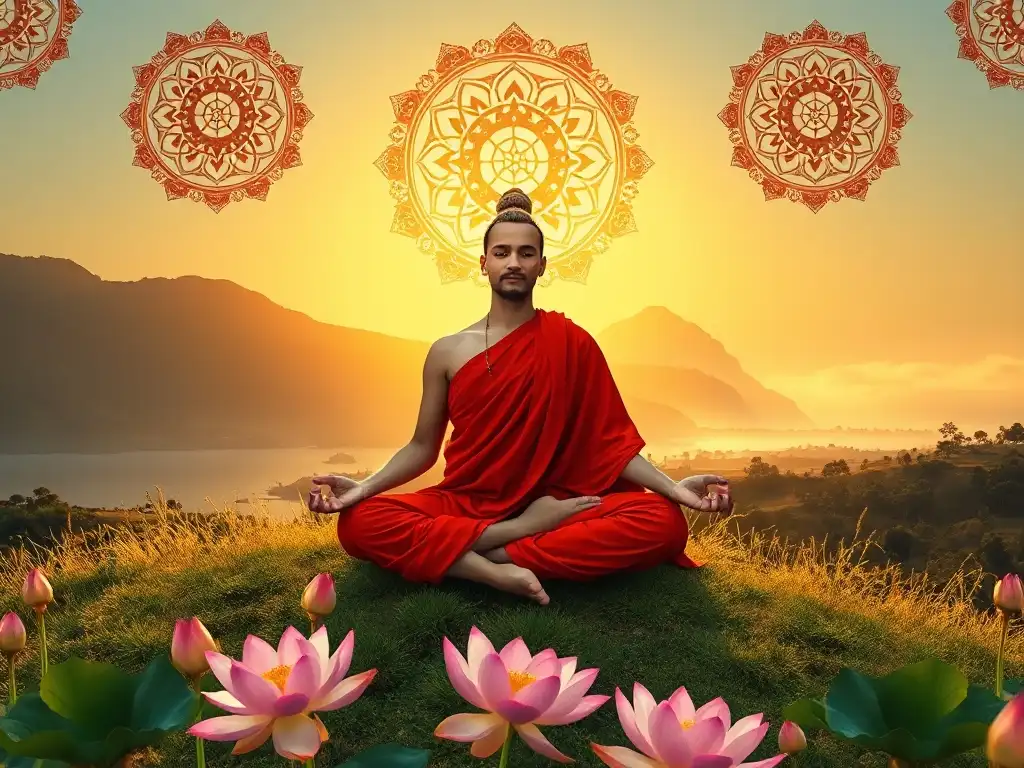
The ancient Indian yoga practices outlined in the Vedas offer a profound wisdom that can be seamlessly integrated into modern lifestyles. By understanding these practices, contemporary seekers can enhance their well-being, cultivate mindfulness, and deepen their spiritual journeys.
Daily Routines Inspired by Ancient Indian Yoga
Incorporating daily routines inspired by ancient Indian yoga practices can significantly improve physical health, mental clarity, and emotional balance. Here are some key elements to consider:
- Morning Rituals:
- Surya Namaskar (Sun Salutation): This sequence of yoga postures serves as a warm-up and energizes the body. Practicing it at dawn, facing the rising sun, aligns with Vedic principles of gratitude and connection to nature.
- Pranayama (Breath Control): Techniques such as Nadi Shodhana (alternate nostril breathing) can be practiced in the morning to balance energy and enhance focus for the day ahead.
- Mindful Eating:
- Sattvic Diet: Following a Sattvic diet, which emphasizes fresh, wholesome foods, can help maintain physical and mental purity. Foods such as fruits, vegetables, nuts, and whole grains align with the principles of Ayurveda, which is closely linked to yoga practices.
- Evening Practices:
- Japa (Chanting): Engaging in Japa by repeating mantras or sacred sounds in the evening helps in calming the mind and preparing for restful sleep. The repetition of mantras, such as the Gayatri Mantra, enhances concentration and spiritual connection.
- Reflection and Journaling:
- Setting aside time for reflection at the end of the day allows individuals to assess their experiences and intentions. This practice encourages mindfulness and self-awareness, crucial elements in Vedic teachings.
Meditation Techniques Derived from Vedic Texts
Meditation is a cornerstone of ancient Indian yoga practices, deeply rooted in Vedic texts. Here are prominent techniques that modern practitioners can adopt:
- Dhyana (Focused Meditation):
- Techniques: Dhyana involves focusing the mind on a single point, such as the breath or a specific object. This practice enhances concentration and brings about a state of tranquility.
- Example: Practicing Dhyana by visualizing a flame or focusing on the heart center can lead to profound inner peace.
- Mantra Meditation:
- Sound Vibration: The use of mantras, such as "Om" or "So Hum," is a powerful technique derived from the Vedas. The vibration created by sound can align the practitioner with higher consciousness and facilitate deeper states of awareness.
- Application: Repeating a mantra during meditation sessions can help in quieting the mind and achieving a higher state of consciousness.
- Trataka (Candle Gazing):
- Practice: This technique involves gazing steadily at a candle flame to improve focus and concentration. It is believed to enhance vision and stimulate the third eye chakra.
- Steps: Light a candle in a dimly lit room, sit comfortably, and focus on the flame for 5-10 minutes, allowing thoughts to dissolve.
- Guided Visualization:
- Imagery: Utilizing guided imagery techniques from Vedic texts can help practitioners visualize positive outcomes, healing, or spiritual growth. This method is especially beneficial for those who find it challenging to quiet their minds.
- Process: Practitioners can listen to recordings or follow scripts that guide them through a visual journey, enhancing relaxation and mental clarity.
By integrating these daily routines and meditation techniques rooted in ancient Indian yoga practices, modern seekers can cultivate a rich, fulfilling spiritual life. The wisdom of the Vedas continues to offer practical tools for personal growth and self-discovery in today’s fast-paced world.
Challenges and Misconceptions About Vedic Yoga Practices
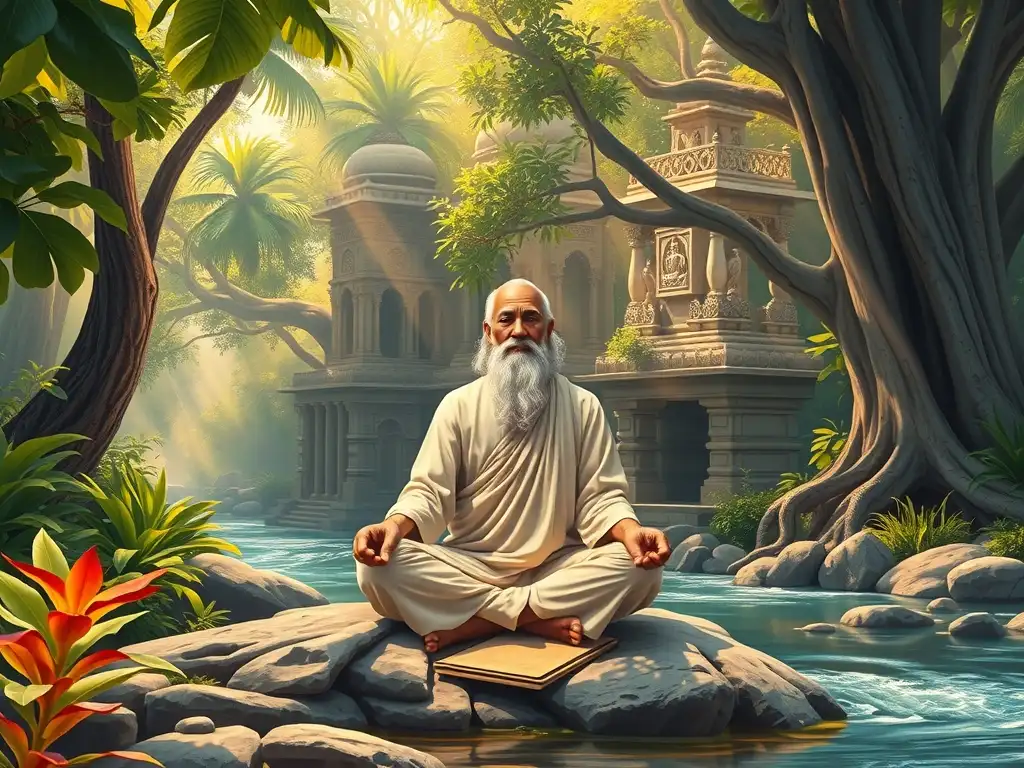
The exploration of ancient Indian yoga practices, particularly those rooted in the Vedas, often encounters a series of challenges and misconceptions. This is largely due to the evolution of yoga over centuries and the diverse interpretations that have emerged in the modern context. Understanding these challenges is crucial for anyone seeking to engage with the authentic essence of Vedic yoga.
One of the most prevalent misunderstandings is the belief that yoga is solely a physical exercise. While asanas (postures) are a significant aspect of yoga, they represent only one facet of the comprehensive practice delineated in the Vedas. The Vedic texts emphasize a holistic approach that integrates physical, mental, and spiritual dimensions.
- Yoga as a Fitness Regimen: Many modern practitioners view yoga primarily as a tool for physical fitness. However, ancient texts describe yoga as a means to achieve self-realization and spiritual enlightenment. This often gets overshadowed by the contemporary fitness culture surrounding yoga.
- Cultural Appropriation vs. Cultural Appreciation: The Western adaptation of yoga has sometimes been criticized for lacking cultural sensitivity. It is essential to differentiate between cultural appropriation, which can lead to the commodification of sacred practices, and cultural appreciation, where one engages with and respects the origins of these traditions.
- Misinterpretation of Terms: Terms like "Namaste" and "Om" are frequently used without a full understanding of their significance. For instance, "Namaste" is more than just a greeting; it expresses respect and acknowledges the divinity in another person. Similarly, "Om" is a sacred sound representing the universe's essence, often misused in a secular context.
- Superficial Knowledge of the Texts: The Vedas, including the Upanishads and the Bhagavad Gita, contain intricate philosophies and teachings about yoga that are often simplified in modern teachings. This reductionist view can lead to a lack of depth in practice and understanding.
The Importance of Authentic Practice in Modern Yoga
Authentic practice of ancient Indian yoga practices involves a commitment to understanding the philosophical underpinnings and cultural contexts of these techniques. Engaging with Vedic yoga authentically allows practitioners to connect with the deeper aspects of yoga that transcend mere physical exercise.
- Preserving Tradition: Authentic practice involves respecting the traditions and teachings of the Vedas. This means studying the texts, understanding their historical contexts, and applying their teachings in a respectful manner. It is essential to honor the roots of yoga to maintain its integrity.
- Holistic Approach: Practicing Vedic yoga encourages a holistic approach that integrates physical postures with meditation, breath control (pranayama), and ethical living (yamas and niyamas). This comprehensive practice aids in achieving balance and harmony in one’s life.
- Community and Guidance: Engaging with knowledgeable teachers who are well-versed in Vedic traditions is crucial for authentic practice. They can provide guidance and support, helping practitioners navigate the complexities of yoga's philosophical dimensions.
- Mindfulness and Intention: Modern practitioners are encouraged to approach their practice with mindfulness and intention. This means being aware of one’s motivations for practicing yoga and aligning them with the deeper purposes of self-discovery and spiritual growth.
- Integrating Ancient Wisdom in Contemporary Life: By integrating ancient Indian yoga practices into modern life, practitioners can benefit from the wisdom of the Vedas, fostering a sense of connectedness and purpose that enriches their daily experiences.
Addressing the challenges and misconceptions surrounding ancient Indian yoga practices is essential for anyone looking to delve deeper into the Vedic traditions. By embracing authenticity and understanding the foundational philosophies, modern seekers can cultivate a more meaningful and transformative yoga practice.
Conclusion: Embracing Ancient Indian Yoga Practices Today
The exploration of ancient Indian yoga practices through the lens of the Vedas reveals a profound relationship between spirituality, health, and self-realization. As seekers in the modern world, we have the unique opportunity to delve into these ancient texts that not only define yoga as a physical discipline but also as a holistic approach to life. The teachings contained within the Vedas guide us towards understanding the essence of existence, the nature of consciousness, and the interconnectedness of all beings.
By engaging with the Vedic wisdom, modern practitioners can reconnect with the roots of yoga, embracing its original purpose of achieving harmony between the body, mind, and spirit. This connection not only enhances individual practice but also fosters a deeper appreciation for the cultural heritage of ancient India.
The Timeless Wisdom of the Vedas for Modern Seekers
The Vedas, composed thousands of years ago, serve as the foundational texts for many aspects of Indian philosophy and spirituality. They encompass a range of knowledge, from rituals and hymns to meditative practices and philosophical inquiries. Among their many teachings, the Vedas articulate the principles of yoga as a means to attain spiritual liberation (moksha) and self-awareness.
- Understanding Yoga Beyond Asanas:
- The Vedas introduce yoga as a comprehensive system that includes ethical precepts (Yamas and Niyamas), meditative techniques, and rituals aimed at aligning oneself with the cosmic order.
- Modern practitioners often focus on physical postures (asanas), yet the Vedic perspective encourages a broader understanding that integrates moral conduct and mental discipline.
- Meditation and Mindfulness:
- Ancient texts emphasize the importance of meditation (dhyana) as a path to self-discovery. The practice encourages individuals to cultivate mindfulness and presence, enhancing emotional well-being and clarity of thought.
- Techniques such as Pranayama (breath control) are outlined in the Vedas, promoting the flow of prana (life force) and contributing to both physical and mental health.
- Connection to Nature and the Universe:
- The Vedas teach that humans are an integral part of the cosmos. This understanding fosters a sense of responsibility towards nature and encourages sustainable living practices.
- Engaging with the natural world through yoga deepens our connection with the universe, enhancing the spiritual experience.
Encouragement to Explore and Integrate Vedic Yoga in Daily Life
To truly benefit from ancient Indian yoga practices, it is essential for modern seekers to actively explore and integrate these teachings into their daily lives. Here are some practical suggestions:
- Daily Practice: Establish a routine that incorporates physical postures, breath control, and meditation, allowing for a balanced approach to health and spirituality.
- Study and Reflection: Engage with Vedic texts, attend workshops, or join study groups to deepen your understanding of the principles behind yoga.
- Mindful Living: Apply the ethical teachings of the Vedas to your everyday interactions, promoting compassion and mindfulness in all aspects of life.
- Community Engagement: Join yoga communities that emphasize Vedic teachings, fostering shared growth and learning.
By embracing the timeless wisdom of the Vedas, modern seekers can cultivate a fulfilling practice that honors the ancient roots of yoga while adapting to contemporary needs. The integration of these practices not only enriches personal well-being but also contributes to a collective resurgence of respect for ancient Indian culture and its invaluable contributions to the world.
Frequently Asked Questions
What are the Vedas, and how do they relate to ancient Indian yoga practices?
The Vedas are the oldest sacred texts of Hinduism, containing hymns, rituals, and philosophical teachings that form the foundation for ancient Indian yoga practices. They emphasize the importance of self-realization and meditation.
How did ancient Indian yoga practices evolve over time?
Ancient Indian yoga practices evolved from Vedic rituals to more structured systems like Raja Yoga and Bhakti Yoga, adapting to the changing spiritual needs of society while maintaining a focus on self-discipline and spiritual growth.
What are some key contributions of ancient Indian yoga to modern practices?
Ancient Indian yoga introduced crucial concepts such as mindfulness, breath control (pranayama), and meditative techniques, which have significantly influenced contemporary wellness and fitness practices around the world.
Can the teachings from the Vedas be applied in today's lifestyle?
Yes, the teachings from the Vedas emphasize balance, mindfulness, and the pursuit of inner peace, making them highly relevant for modern seekers looking to enhance their mental and spiritual well-being.
How can one start exploring ancient Indian yoga practices today?
To begin exploring ancient Indian yoga practices, one can start with yoga classes, read Vedic texts, or engage in meditation and breath control exercises to connect with the profound teachings of the past.
Final Reflection: Embracing Ancient Wisdom for Modern Well-Being
The teachings of the Vedas and the practices of yoga are not relics of the past; they are vibrant pathways to personal and collective transformation. In today's fast-paced world, where stress and disconnection are rampant, these ancient Indian yoga practices offer profound insights and techniques for achieving balance and inner peace. The relevance of these teachings is more pronounced than ever, as they provide a sanctuary for those seeking to navigate the complexities of modern life with grace and mindfulness.
Cultural and social landscapes are continually shaped by the wisdom of our ancestors, and the resurgence of interest in yoga is a testament to its enduring power. The principles found in the Vedas encourage us to cultivate a deeper connection with ourselves and the universe, fostering a sense of community and shared purpose. As Mahatma Gandhi once said, "> The best way to find yourself is to lose yourself in the service of others." This sentiment resonates deeply in the practice of yoga, which emphasizes self-awareness and compassion, ultimately leading to a more harmonious existence.
As you reflect on the teachings of the Vedas and the transformative potential of yoga, I invite you to consider how you can integrate these ancient practices into your daily life. Take a moment to breathe, to connect with your inner self, and to explore the rich tapestry of wisdom that has been passed down through generations. Let these practices inspire you to cultivate mindfulness, compassion, and resilience, not only for your own well-being but also for the betterment of those around you. The journey of self-discovery and connection awaits—embrace it wholeheartedly.
Unveil the Power of the Vedas and Yoga Today!
Thank you for exploring the ancient wisdom of the Vedas and Yoga! You've uncovered valuable insights that connect our modern lives to time-tested practices. Now, it’s time to take that knowledge off the page and into your life.
Here are a few steps you can take right now:
- Start your yoga journey today: Find a local class or an online tutorial that resonates with you, and experience the positive impact it can have on your well-being.
- Explore a verse from the Vedas: Select a principle that inspires you and reflect on how you can integrate it into your daily routine.
- Share your experiences: Engage with friends or join online communities to discuss insights and challenges, fostering a deeper connection to these ancient teachings.
How can you weave the ancient wisdom of the Vedas into your modern life for a transformative experience?