
The Role of Inscriptions in Ancient Indian Warfare and Diplomacy

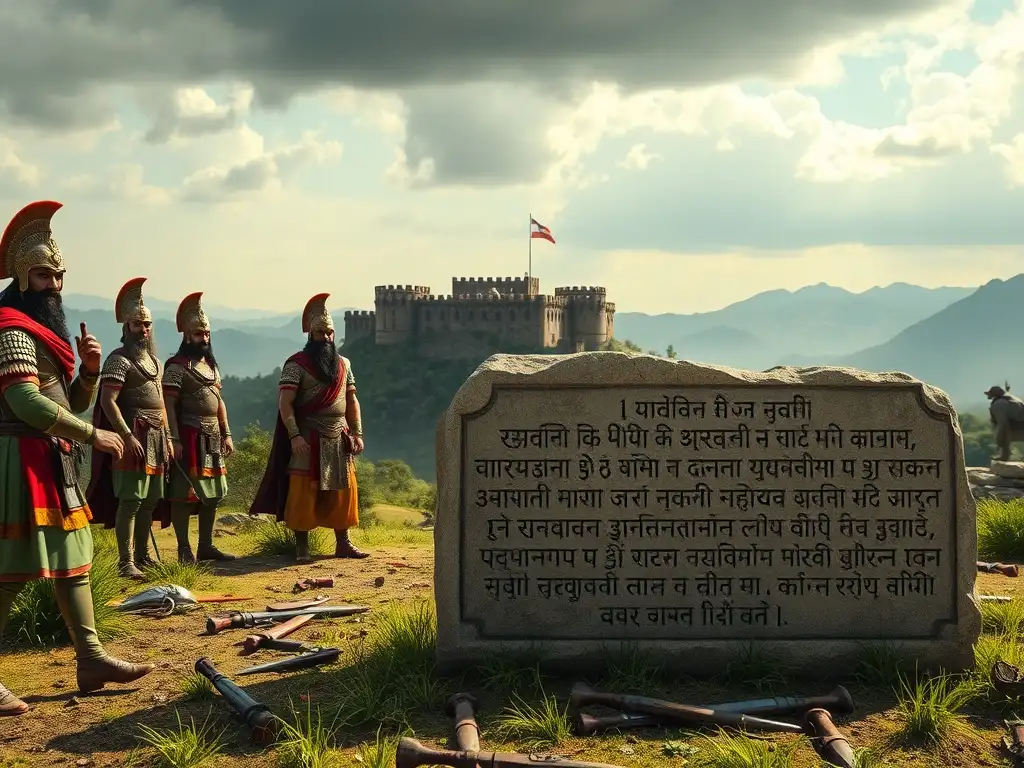
Welcome to Ancient India History, where we embark on an intriguing journey through time, uncovering the rich tapestry of ancient Indian civilizations. Our latest article delves into the fascinating world of ancient Indian warfare inscriptions, revealing how these remarkable artifacts not only chronicled battles but also shaped the very fabric of diplomacy. What secrets do these inscriptions hold, and how did they influence the course of history?
Join us as we explore the profound impact of language and scripts on warfare, and discover the stories etched in stone that continue to resonate with us today. Your adventure into the past begins here!
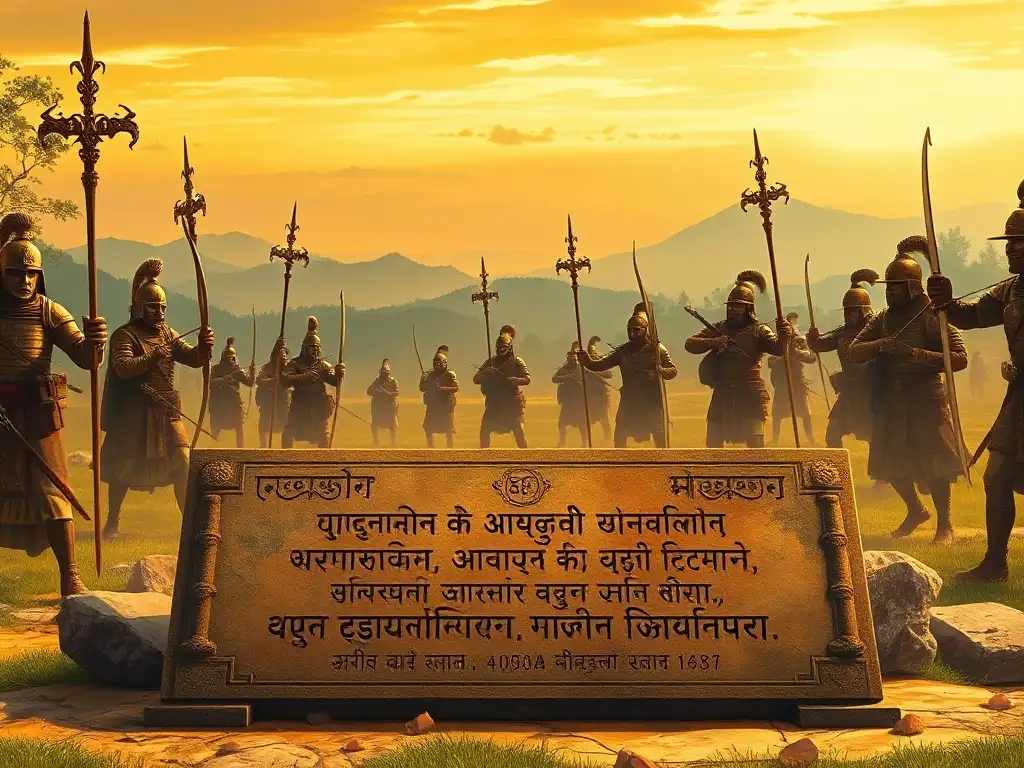
Introduction to Ancient Indian Warfare Inscriptions
Inscriptions serve as a vital link to understanding the multifaceted aspects of ancient Indian warfare and diplomacy. These engravings, often etched on stone, metals, and other materials, provide critical insights into the political and military frameworks of ancient Indian civilizations.
From the Indus Valley Civilization to the Gupta Empire, the role of inscriptions transcends mere documentation; they encapsulate the ethos of warfare, the strategies employed, and the diplomatic relations fostered between various kingdoms. As we delve into this topic, we will uncover how these ancient Indian warfare inscriptions not only narrate stories of conquests and treaties but also reflect the cultural and social dynamics of their time.
Overview of Ancient Indian Warfare
The landscape of ancient Indian warfare was characterized by a variety of military strategies, weapons, and techniques that evolved over centuries.
- Key Features of Ancient Indian Warfare:
- Infantry and Cavalry: Armies typically comprised infantry units and cavalry, with chariots playing a significant role in battles.
- Fortifications: Many cities were fortified with walls and moats, showcasing advanced military architecture.
- Tactical Warfare: Strategies often included ambushes and the element of surprise, reflecting a deep understanding of terrain and troop movements.
Evidence of these military practices can be traced through historical texts, archaeological findings, and notably, through inscriptions that detail battles, victories, and military organization.
Importance of Inscriptions in Historical Context
Inscriptions are crucial for reconstructing the historical narrative of ancient Indian warfare. They serve multiple purposes:
- Documentation of Events: They chronicle significant battles, the valor of kings, and the outcomes of conflicts.
- Cultural Insights: The language and themes reflected in inscriptions provide a glimpse into the societal values and beliefs regarding war.
- Political Legitimacy: Rulers often used inscriptions to assert their authority and justify military actions, reinforcing their legitimacy in the eyes of their subjects.
As such, these inscriptions are invaluable for historians seeking to understand the complexities of ancient Indian military history and its implications on governance and diplomacy.
Military Inscriptions: Definition and Examples
Military inscriptions specifically refer to engravings that document military achievements, royal edicts, and the organization of armies.
- Examples:
- Inscriptions from the Maurya Empire detailing the conquests of Ashoka.
- Records of battles etched on temple walls, celebrating victories and commemorating fallen soldiers.
These inscriptions are not merely historical records but also serve to inspire future generations about their cultural heritage and military prowess.
Diplomatic Inscriptions: Role in Peace Treaties
Diplomatic inscriptions play a crucial role in understanding the peace treaties and alliances formed between ancient kingdoms.
- Key Functions:
- Formalization of Agreements: Many inscriptions were created to formalize treaties, outlining terms of peace and mutual cooperation.
- Cultural Exchange: These documents often reflect the cultural exchanges that occurred as a result of diplomatic relations, showcasing how warfare and diplomacy were interlinked.
By studying these inscriptions, historians gain insights into how ancient Indian states navigated complex political landscapes and maintained stability through diplomacy.
Inscriptions on Pillars and Monuments: A Historical Perspective
Inscriptions on pillars and monuments provide a broader context to ancient Indian warfare and diplomacy, often showcasing grand narratives of empires.
- Significant Examples:
- The Ashoka Pillars, which not only convey messages of non-violence but also recount military achievements and diplomatic missions.
- Various stone edicts that celebrate victories and commemorate alliances, thereby serving as lasting legacies of their time.
These inscriptions are not only important for their content but also for their artistic and architectural significance, reflecting the technological advancements and cultural richness of ancient India.
Key Historical Inscriptions and Their Significance
Inscriptions from ancient India serve as vital records that shed light on various facets of warfare and diplomacy. These inscriptions, often engraved on stone and metal, not only documented military achievements and territorial conquests but also reflected the political ideologies and cultural values of the time.
They provide insights into the relationships between kingdoms, alliances formed through marriage or diplomacy, and the manner in which leaders sought to legitimize their rule. The significance of these inscriptions lies in their ability to offer a narrative that complements historical texts, allowing historians to construct a more comprehensive understanding of ancient Indian warfare.
In particular, the inscriptions often included proclamations of victories, descriptions of battles, and dedications to deities for their favor in conflicts. Analyzing these inscriptions also reveals the evolving strategies and tactics used in warfare, as well as the impact of warfare on society and governance. Through the study of these artifacts, we can trace the patterns of conflict and cooperation among the diverse kingdoms of ancient India.
The Edicts of Ashoka: A Case Study
The Edicts of Ashoka, inscribed during the reign of Emperor Ashoka (circa 268–232 BCE), stand as one of the most significant examples of ancient Indian warfare inscriptions. Ashoka, a proponent of Buddhism, utilized these edicts to promote non-violence and dharma (moral law), especially after his conversion following the Kalinga War. The edicts, carved on rocks and pillars across the Indian subcontinent, convey messages that reflect his remorse over the bloodshed of war, emphasizing the importance of compassion and ethical governance.
However, the edicts also serve as a record of military campaigns, detailing his conquests and the subsequent establishment of peace. Inscriptions such as the ones at Dhauli and Lumbini illustrate how Ashoka sought to frame his military achievements in a narrative of civilizational progress, aligning warfare with moral imperatives. This case study exemplifies how inscriptions can encapsulate the duality of warfare as both a tool of statecraft and a subject of ethical contemplation.
Inscriptions from the Gupta Empire
The Gupta Empire (circa 320–550 CE) is often referred to as the "Golden Age" of ancient India, marked by remarkable advancements in art, science, and governance. The inscriptions from this period reveal a sophisticated understanding of warfare and diplomacy. These inscriptions often celebrated military victories, the valor of kings, and the establishment of territorial dominance. Notable examples include the Allahabad Pillar Inscription of Samudragupta, which chronicles his military campaigns and conquests across northern India.
The Gupta inscriptions also reflect the strategic alliances formed through marriages and treaties. They highlight the importance of diplomacy alongside military prowess, showcasing how rulers balanced warfare with negotiation to expand their influence. Additionally, the inscriptions from the Gupta period often include poetic language and elaborate metaphors, illustrating the cultural significance of warfare in the context of governance and societal values.
Regional Variations in Warfare Inscriptions
Regional variations in warfare inscriptions across ancient India highlight the diverse practices and interpretations of conflict among different cultures. For instance, inscriptions from southern India, particularly those from the Chola dynasty, often emphasize naval power and maritime conquests, reflecting the significance of trade routes and coastal territories in their military strategy. In contrast, northern inscriptions, such as those from the Mauryan and Gupta empires, focus more on land-based conquests and the establishment of vast empires.
These regional differences are also evident in the languages and scripts used in the inscriptions, with variations ranging from Brahmi and Kharosthi in the north to Tamil scripts in the south. The content and style of warfare inscriptions reveal how local customs, traditions, and geopolitical contexts influenced the portrayal of military exploits. Understanding these regional variations allows historians to appreciate the plurality of ancient Indian warfare practices and the cultural tapestry that shaped them.
Analyzing the Content of Warfare Inscriptions
Analyzing the content of warfare inscriptions provides crucial insights into the values, beliefs, and political motivations of ancient Indian civilizations. These inscriptions not only record historical events but also serve as a reflection of the societal attitudes toward warfare and conflict. By examining the language, themes, and symbolism embedded in these inscriptions, scholars can glean a deeper understanding of the ancient Indian worldview.
Themes and Messages in Military Inscriptions
Military inscriptions often convey several recurring themes, such as valor, duty, and divine sanction. The emphasis on the heroism of kings and warriors reflects a societal admiration for bravery in battle, while also underscoring the moral obligations rulers had towards their subjects. Many inscriptions invoke the blessings of deities, suggesting a belief that military success was contingent upon divine favor.
Additionally, themes of justice and retribution are prevalent, with rulers justifying their military campaigns as necessary for restoring order and punishing transgressors. This narrative strategy not only legitimizes warfare but also reinforces the ruler's authority as a protector of dharma. The messages encoded in these inscriptions serve to rally public support for military actions and to foster a sense of national identity among the populace.
The Language and Script Used in Warfare Inscriptions
The language and script used in ancient Indian warfare inscriptions vary significantly, reflecting the linguistic diversity of the subcontinent. Most inscriptions are found in Brahmi, Kharosthi, and Tamil scripts, with the choice of script often corresponding to the region and period. The language employed in these inscriptions ranges from formal and poetic to straightforward and pragmatic, depending on the intended audience and purpose.
Inscriptions such as those from the Ashokan edicts utilize a clear and direct style to convey moral messages, while Gupta inscriptions often adopt a more elaborate and ornate language to celebrate victories. The linguistic choices made by rulers not only reveal their educational background and exposure to literary traditions but also indicate their intent to communicate effectively with their subjects. The evolution of language and script in warfare inscriptions mirrors the broader linguistic shifts in ancient India over time.
Symbolism and Imagery in Ancient Indian Warfare Inscriptions
Symbolism and imagery play a crucial role in ancient Indian warfare inscriptions, often serving to enhance the narratives conveyed through the text. Common symbols, such as the lion and the elephant, are frequently employed to represent strength, power, and royalty. These animals, often associated with specific rulers or dynasties, serve to reinforce the authority of the king and his divine right to rule.
Moreover, inscriptions may include visual elements that depict scenes of battle, victory, and divine intervention. Such imagery not only embellishes the written content but also engages the viewer's emotions, creating a more profound connection to the historical events being commemorated. The use of symbolism and imagery in warfare inscriptions allows for a multi-layered interpretation, enriching our understanding of how ancient Indian societies perceived and represented conflict.
The Role of Inscriptions in Diplomacy
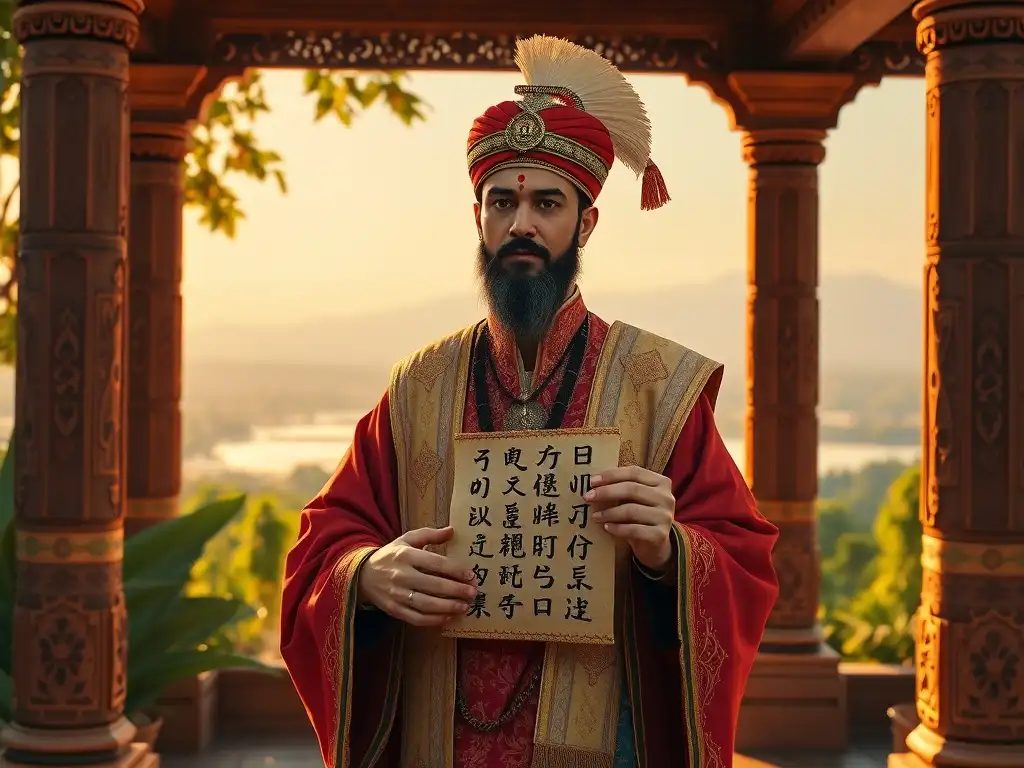
In ancient India, inscriptions served as crucial tools for diplomacy, playing a significant role in documenting and facilitating interactions between kingdoms and empires. These inscriptions not only communicated the intentions and agreements of rulers but also acted as public declarations of alliances, treaties, and diplomatic overtures. They were etched on stone, metal, and other durable materials, ensuring that the messages were preserved for posterity and could be referred to in future negotiations.
The strategic use of inscriptions in diplomacy allowed rulers to assert their power and legitimize their claims. By publicly announcing treaties and alliances, they could rally support from their subjects and deter potential adversaries. The lasting nature of these inscriptions meant that they could serve as historical records, providing insights into the political landscape of ancient India.
Diplomatic Communication Through Inscriptions
Diplomatic communication in ancient India often relied on inscriptions to convey messages and agreements between rulers. These inscriptions were meticulously crafted to include details such as the names of the parties involved, the terms of the agreement, and the date of the contract. For instance, the famous Rock Edicts of Ashoka contain proclamations that reflect his approach to diplomacy, emphasizing non-violence and mutual respect among nations.
Inscriptions were not limited to treaties; they also included letters and proclamations sent to other kings, highlighting the importance of written communication in establishing and maintaining diplomatic relations. The clarity and permanence of these inscriptions helped to prevent misunderstandings and disputes in negotiations, as they provided a definitive record of what had been agreed upon.
Inscriptions Reflecting Alliances and Treaties
Many ancient Indian inscriptions explicitly mention alliances and treaties between kingdoms, showcasing the intricate web of relationships that existed in the region. For example, inscriptions found in Kalinga and Pataliputra detail agreements between various dynasties, illustrating how these alliances were forged to strengthen military and political positions.
These inscriptions often served a dual purpose: not only did they formalize the agreements, but they also publicly displayed the strength and unity of the allied kingdoms. This public acknowledgment could deter enemies and rally public support, fostering a sense of shared identity among the allied states. As such, they were instrumental in shaping the diplomatic landscape of ancient India.
The Impact of Inscriptions on Historical Relationships
The impact of inscriptions on historical relationships is profound, as they provide a tangible connection to the past and a clearer understanding of the dynamics between ancient Indian states. By studying these inscriptions, historians can glean insights into the motivations behind alliances, the nature of conflicts, and the evolution of political relationships over time.
Inscriptions not only document specific events but also reflect broader societal values and norms regarding diplomacy. They reveal how rulers sought to project their power and legitimacy through written words, which were often imbued with religious or moral significance. Ultimately, these inscriptions serve as invaluable resources for reconstructing the complex tapestry of ancient Indian diplomacy.
Archaeological Discoveries of Inscriptions
Archaeological discoveries of inscriptions have significantly enhanced our understanding of ancient Indian warfare and diplomacy. Numerous sites across India have yielded inscriptions that provide critical insights into military strategies, treaties, and the socio-political context of the time. These discoveries have opened new avenues for research, allowing historians to piece together the narratives of past civilizations.
Notable archaeological excavations have uncovered inscriptions in various forms, including stone tablets, pillar edicts, and copper plates. Each of these finds contributes to the broader understanding of how warfare and diplomacy were intertwined in ancient Indian society.
Major Archaeological Sites with Warfare Inscriptions
Significant archaeological sites have revealed a wealth of warfare inscriptions that illuminate the practices and strategies of ancient Indian conflicts. Some of the most notable sites include:
- Ashoka's Edicts: Found across India and in neighboring regions, these inscriptions detail Ashoka’s military campaigns and his subsequent commitment to non-violence.
- Brahmagiri: This site contains inscriptions that reflect both military and diplomatic aspects of the Mauryan Empire.
- Sarnath: Inscriptions here not only discuss warfare but also highlight the transition toward peaceful diplomacy under Ashoka's rule.
These sites serve as crucial links to understanding the militaristic and diplomatic dimensions of ancient Indian civilizations.
Techniques Used in the Study of Ancient Inscriptions
The study of ancient inscriptions employs a variety of techniques, combining archaeological methodologies with linguistic analysis. Scholars utilize methods such as:
- Epigraphy: The study of inscriptions, focusing on the language, script, and content.
- Paleography: The analysis of ancient writing styles to date and contextualize inscriptions.
- Digital Imaging: Technologies like 3D scanning and imaging software help in deciphering worn or damaged inscriptions.
These techniques enable researchers to reconstruct the historical context of inscriptions, illuminating their meanings and significance in ancient Indian warfare and diplomacy.
Challenges in Interpreting Ancient Indian Warfare Inscriptions
Interpreting ancient Indian warfare inscriptions presents several challenges. One of the primary issues is the erosion and damage that many inscriptions have suffered over time, leading to incomplete texts that can obscure meaning. Additionally, the variability of scripts used across different regions and periods can complicate understanding.
Another challenge is the potential for bias in the inscriptions themselves. Many were commissioned by ruling elites, reflecting their perspectives and agendas while potentially omitting dissenting views. Furthermore, the contextual interpretation of inscriptions requires a nuanced understanding of ancient Indian culture, politics, and social norms, which may not always be easily accessible to modern scholars.
Despite these challenges, the study of ancient inscriptions remains a vital avenue for uncovering the complex interplay of warfare and diplomacy in ancient Indian history.
Conclusion: The Legacy of Inscriptions in Ancient Indian Warfare and Diplomacy
The study of ancient Indian inscriptions reveals a complex and nuanced understanding of the interplay between warfare and diplomacy in historical contexts. From the detailed accounts found in the edicts of Ashoka to the inscriptions detailing treaties and alliances, these artifacts provide invaluable insights into the political dynamics of ancient Indian civilizations. They highlight not only the strategies and motivations behind military campaigns but also the significance of communication and record-keeping in maintaining diplomatic relations.
The legacy of these inscriptions extends beyond mere historical documentation; they serve as a testament to the sophistication of ancient Indian societies in their governance and military organization. By examining these texts, scholars can reconstruct narratives that inform us about the values, priorities, and challenges faced by these civilizations, ensuring that their contributions to history are recognized and understood.
Summary of Key Findings
Through a meticulous examination of various inscriptions, key findings emerge that underscore their importance in the context of ancient Indian warfare and diplomacy:
- Strategic Communication: Inscriptions often served as a means of propaganda, emphasizing victories and legitimizing rulers’ authority.
- Diplomatic Relations: Many inscriptions detail treaties and alliances, demonstrating how diplomacy played a crucial role in maintaining peace and negotiating conflicts.
- Cultural Insights: The language and themes present in these inscriptions reflect the cultural values and societal norms of the time.
- Historical Continuity: Inscriptions provide evidence of the continuity and evolution of warfare practices and diplomatic strategies across different eras and dynasties.
The Importance of Preserving Ancient Inscriptions
Preserving ancient inscriptions is vital for several reasons:
- Cultural Heritage: Inscriptions are a key part of our cultural heritage, offering glimpses into the thoughts, beliefs, and practices of ancient societies.
- Historical Accuracy: They serve as primary sources for historians, contributing to a more accurate understanding of historical events and contexts.
- Educational Value: Inscriptions can be valuable teaching tools, providing students and enthusiasts with direct access to historical narratives.
- Archaeological Significance: The physical preservation of these artifacts aids in the broader study of archaeology and ancient languages, contributing to ongoing academic discourse.
Efforts must be made to protect these inscriptions from environmental damage, looting, and neglect, ensuring that future generations can continue to learn from them.
Future Research Directions in Ancient Indian Inscriptions
Future research on ancient Indian inscriptions can take several promising directions:
- Interdisciplinary Studies: Collaborations between historians, linguists, and archaeologists could yield deeper insights into the context and significance of these texts.
- Digital Humanities: Utilizing technology to digitize inscriptions can facilitate broader access and analysis, allowing researchers to study these artifacts more comprehensively.
- Comparative Analysis: Studying inscriptions from other ancient civilizations alongside Indian texts can provide comparative insights into warfare and diplomacy.
- Deciphering and Translation: Ongoing efforts to decipher lesser-known scripts or damaged inscriptions can uncover new historical narratives previously lost to time.
By pursuing these directions, scholars can enhance our understanding of ancient Indian history and its inscriptions.
References and Further Reading
Recommended Books on Ancient Indian Warfare and Inscriptions
- "The Edicts of Ashoka" by Richard McKeon - A detailed examination of the edicts and their implications for understanding Ashoka’s reign and policies.
- "War and Diplomacy in Ancient India" by J.P. Sharma - This book explores the multifaceted aspects of warfare and diplomacy across different Indian kingdoms.
- "Inscriptions of India: A Study of Ancient Scripts" by R. N. Sharma: - An insightful look into various inscriptions, their scripts, and their historical significance.
Online Resources for Exploring Ancient Indian Scripts
- Digital South Asia Library: Offers a plethora of digital resources related to ancient Indian history, including inscriptions.
- The Indian Manuscripts Project: A collaborative effort aimed at digitizing and preserving manuscripts, including inscriptions.
- Inscriptions of India Database: A comprehensive online resource that catalogs various ancient inscriptions, providing access to translations and interpretations.
These resources serve as gateways for further exploration into the rich tapestry of ancient Indian warfare and diplomacy through inscriptions.
- Introduction to Ancient Indian Warfare Inscriptions
- Types of Inscriptions Related to Warfare
- Key Historical Inscriptions and Their Significance
- Analyzing the Content of Warfare Inscriptions
- The Role of Inscriptions in Diplomacy
- Archaeological Discoveries of Inscriptions
- Conclusion: The Legacy of Inscriptions in Ancient Indian Warfare and Diplomacy
- References and Further Reading
- What are ancient Indian warfare inscriptions?
- How did inscriptions contribute to our understanding of ancient Indian warfare?
- What civilizations are known for their warfare inscriptions?
- Where can these inscriptions typically be found?
- Why are warfare inscriptions important for understanding diplomacy in ancient India?
Frequently Asked Questions
What are ancient Indian warfare inscriptions?
Ancient Indian warfare inscriptions are inscriptions found on monuments, edicts, and artifacts that detail military campaigns, treaties, and the strategies used by ancient Indian civilizations.
How did inscriptions contribute to our understanding of ancient Indian warfare?
Inscriptions provide vital historical evidence regarding the tactics, leaders, and significant battles that shaped ancient Indian warfare, allowing historians to reconstruct past events with greater accuracy.
What civilizations are known for their warfare inscriptions?
Notable civilizations that produced warfare inscriptions include the Indus Valley Civilization, the Maurya, and the Gupta Empire, each contributing to the documentation of their military prowess and diplomatic relations.
Where can these inscriptions typically be found?
Inscriptions are often located on temples, stone pillars, and caves, serving as historical records that provide insights into the political and military landscape of ancient India.
Why are warfare inscriptions important for understanding diplomacy in ancient India?
These inscriptions often capture not only military encounters but also treaties and alliances, thereby illustrating how warfare and diplomatic relations were intertwined in ancient Indian history.
Final Reflection: The Enduring Legacy of Ancient Indian Warfare Inscriptions
The exploration of ancient Indian warfare inscriptions reveals not only the strategies and tactics of the past but also their profound relevance in understanding contemporary conflicts and diplomatic relations. Inscriptions serve as a powerful testament to the complexities of human interactions, illustrating how the lessons of history can inform our present-day approaches to warfare and diplomacy. The intricate narratives etched in stone remind us that the echoes of the past continue to shape our world today.
The impact of these inscriptions extends beyond mere historical documentation; they are a vital part of our cultural heritage that influences our identity and collective memory. As we reflect on the significance of these ancient texts, we recognize their role in shaping societal values and norms related to conflict and resolution. History is not a burden on the memory but an illumination of the soul.
This quote encapsulates the essence of how understanding our past can guide us in navigating the complexities of modern society, fostering a deeper appreciation for the lessons embedded in these inscriptions.
As we conclude this exploration, I invite you to reflect on the wisdom contained within ancient Indian warfare inscriptions and consider how these lessons can be applied in your own life. How can the principles of strategy, negotiation, and resilience found in these texts inspire you to approach challenges with a more informed perspective? Embrace the opportunity to learn from history, allowing it to illuminate your path forward as you engage with the world around you.
Uncover the Secrets of Ancient Indian Warfare!
Thank you for joining us on this journey through the fascinating world of inscriptions and their pivotal role in ancient Indian warfare and diplomacy. We appreciate your interest, and we hope you've gained valuable insights into how these relics shaped historical narratives.
Now, it’s time to step into action and deepen your understanding of this captivating topic:
- Explore local museums or archaeological sites to see inscriptions firsthand and connect with your heritage.
- Join a discussion group or forum focused on ancient Indian history to share your thoughts and learn from others.
- Read additional literature on related topics to broaden your perspective; consider exploring engaging books or documentaries that delve deeper into this subject.
What fascinating insights will you uncover about the past when you start exploring inscriptions in your area? We invite you to share your discoveries and reflections with us in the comments!