
Can Ancient Ayurvedic Practices Help Combat Modern Health Crises?


Welcome to Ancient India History, your gateway to the captivating tapestry of India’s rich past! Here, we delve into the profound wisdom and innovations that have shaped civilizations from the Indus Valley to the Gupta Empire. In our featured article, "Can Ancient Ayurvedic Practices Help Combat Modern Health Crises?", we explore the remarkable benefits of ancient Ayurvedic practices and how they can offer solutions to contemporary health challenges. Are you ready to uncover the secrets of ancient healing and its relevance today? Join us on this enlightening journey!
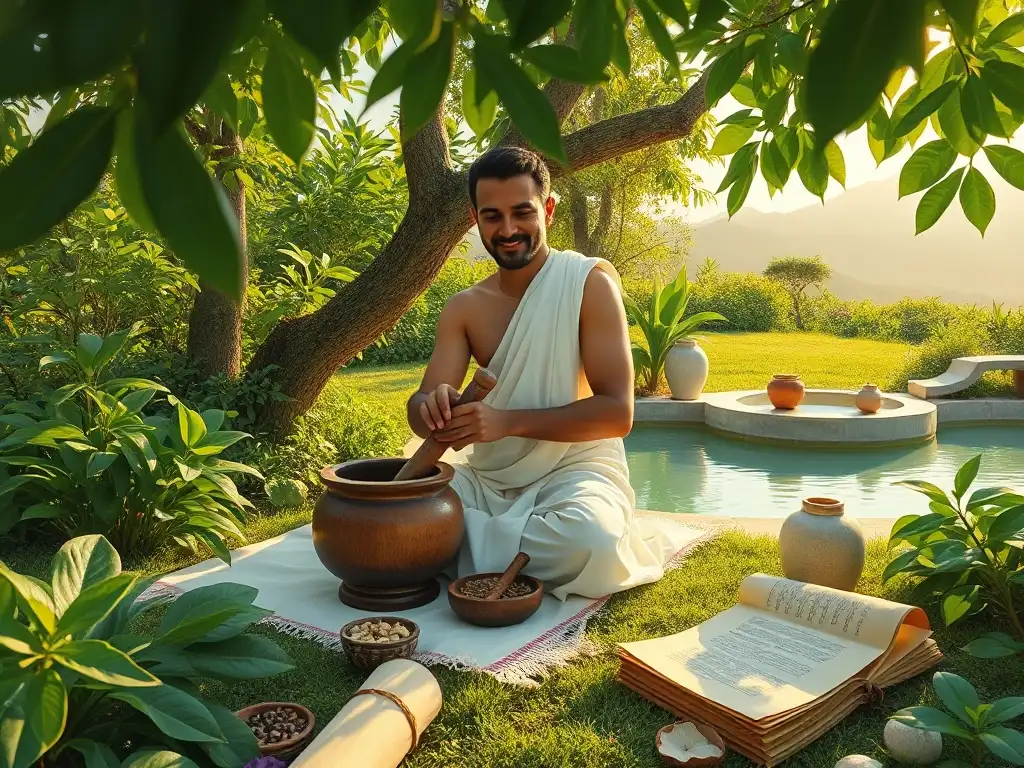
The intersection of ancient wisdom and modern science offers a fertile ground for addressing contemporary health challenges. One such ancient system that has garnered significant attention is Ayurveda, an age-old holistic practice from India that emphasizes balance in physical, mental, and spiritual health.
In recent years, as the modern world grapples with escalating health crises—from chronic diseases to mental health issues—there is a growing interest in how Ancient Ayurvedic practices benefits can be harnessed to promote well-being. This article delves into the relevance of these traditional practices in today's context, exploring their potential to combat various health challenges and enhance our understanding of health and wellness.
Introduction to Ancient Ayurvedic Practices and Their Modern Relevance
Ayurveda, which translates to "the science of life," is more than just a set of treatments; it represents a comprehensive approach to health that has evolved over thousands of years. Rooted in the belief that health is a state of balance among the body, mind, and spirit, Ayurveda employs various practices including herbal medicine, dietary guidelines, yoga, and meditation.
As modern healthcare systems increasingly recognize the importance of holistic approaches, ancient Ayurvedic practices are gaining traction as complementary therapies. The principles of Ayurveda are not only applicable in managing chronic conditions but also play a pivotal role in preventive health. This shift towards integrative health models highlights the need to revisit and reassess the relevance of ancient wisdom in addressing contemporary health crises.
Understanding the Benefits of Ancient Ayurvedic Practices
The benefits of Ayurveda extend far beyond physical health, touching upon mental and emotional well-being as well. By focusing on individual constitution (Prakriti) and imbalances (Vikriti), Ayurvedic practitioners tailor treatments to meet the unique needs of each person. This personalized approach is particularly beneficial in modern healthcare where one-size-fits-all solutions often fall short.
Key Benefits of Ayurveda for Modern Health Crises
- Holistic Healing: Ayurveda promotes a balanced lifestyle that encompasses diet, exercise, and mindfulness, addressing multiple aspects of health simultaneously.
- Chronic Disease Management: Many Ayurvedic herbs and practices have shown promise in managing conditions like diabetes, hypertension, and arthritis.
- Mental Wellness: Techniques such as meditation and yoga are integral to Ayurveda, providing tools for stress management and emotional stability, which are crucial in today’s fast-paced world.
- Preventive Care: Ayurveda emphasizes prevention through lifestyle modifications and dietary adjustments, potentially reducing the incidence of lifestyle-related diseases.
Scientific Evidence Supporting Ayurvedic Practices
While Ayurveda is steeped in tradition, modern research is beginning to validate many of its claims. Studies have shown that certain Ayurvedic herbs, such as turmeric and ashwagandha, possess anti-inflammatory and adaptogenic properties, respectively. Clinical trials and systematic reviews have explored the efficacy of Ayurvedic treatments in various health conditions, highlighting their potential role in enhancing overall health outcomes.
To further understand the integration of Ayurvedic practices into modern healthcare, it is essential to examine both anecdotal evidence and scientific studies, exploring how these ancient methods can complement contemporary medical practices.
By bridging the gap between ancient wisdom and modern science, we can uncover the profound potential of Ayurveda in combating today's health crises, offering a pathway towards a healthier future.
Ancient Ayurvedic Practices and Their Applications
Ancient Ayurvedic practices are rooted in a holistic understanding of health and well-being, emphasizing the balance between mind, body, and spirit. Originating over 5,000 years ago, Ayurveda offers a comprehensive framework for diagnosing and treating various health conditions through natural remedies, lifestyle changes, and dietary modifications. The core principle of Ayurveda is the concept of doshas, or life energies (Vata, Pitta, and Kapha), which govern individual health and wellness. By identifying a person's unique dosha, practitioners can tailor treatments to restore balance and promote optimal health.
Ayurveda integrates various healing modalities, including herbal medicine, yoga, meditation, and detoxification techniques. These practices not only address physical ailments but also enhance mental and emotional well-being. For instance, herbal formulations like Ashwagandha and Turmeric are well-known for their anti-inflammatory and stress-relieving properties. Additionally, practices such as Panchakarma, a detoxification and rejuvenation process, are utilized to cleanse the body and enhance vitality. As modern health crises continue to proliferate, the application of these ancient methodologies presents a valuable resource for preventive and therapeutic care.
Popular Ayurvedic Treatments for Common Health Issues
Ayurvedic treatments offer effective solutions for a variety of common health conditions. Here are some popular options:
- Digestive Disorders: Herbal remedies like Triphala and Ginger are commonly used to improve digestion, reduce bloating, and alleviate constipation. Ghee, or clarified butter, is also recommended for its ability to soothe the digestive tract.
- Stress and Anxiety: Adaptogens such as Ashwagandha and Brahmi help in managing stress levels by supporting the adrenal glands and promoting mental clarity. Techniques such as Pranayama (breath control) and meditation further enhance relaxation and mental peace.
- Skin Conditions: Ayurvedic formulations containing Neem and Turmeric are known for their antimicrobial and anti-inflammatory properties, making them effective in treating acne, eczema, and psoriasis.
- Joint Pain and Arthritis: Herbal oils infused with ingredients like Moringa and Eucalyptus are used for topical applications, providing relief from inflammation and pain. Additionally, dietary recommendations focus on incorporating anti-inflammatory foods like turmeric and ginger.
- Respiratory Disorders: Nasal irrigation using saline solutions and herbal steam inhalation with eucalyptus can help alleviate symptoms of allergies and respiratory infections.
These treatments highlight Ayurveda's preventive approach, emphasizing the importance of lifestyle and dietary choices in maintaining health.
Ayurvedic Dietary Guidelines for Enhanced Well-being
Ayurvedic dietary guidelines focus on customizing nutrition to suit individual constitutions and health conditions. The following principles guide the Ayurvedic approach to diet:
- Eating According to Dosha: Individuals are encouraged to consume foods that balance their specific dosha. For instance, Vata types benefit from warm, moist foods, while Pitta types thrive on cooling, hydrating options.
- Seasonal Eating: Ayurveda promotes eating seasonal and locally sourced foods to align with nature’s rhythms. For example, lighter foods in summer and richer, warming foods in winter help maintain balance.
- Mindful Eating: Practicing mindfulness during meals—such as chewing thoroughly, avoiding distractions, and focusing on the flavors—enhances digestion and promotes satisfaction.
- Herbal Infusions: Incorporating herbal teas made from ingredients like Tulsi (Holy Basil) and Peppermint can aid digestion and boost immunity.
- Avoiding Processed Foods: A diet rich in whole, natural foods while minimizing processed items is recommended to prevent imbalance and disease.
By adhering to these guidelines, individuals can significantly enhance their well-being and prevent various health challenges.
Integrating Ancient Ayurvedic Practices into Modern Healthcare
The integration of ancient Ayurvedic practices into modern healthcare offers a promising avenue for enhancing patient care and promoting holistic health. As more healthcare professionals recognize the importance of treating the whole person rather than just symptoms, Ayurveda's comprehensive approach becomes increasingly relevant.
This integration includes the use of Ayurvedic principles in preventive care, where lifestyle modifications and dietary choices can significantly reduce the risk of chronic diseases. Additionally, Ayurvedic practices can complement existing treatments, offering patients a broader spectrum of options.
Collaboration Between Ayurveda and Western Medicine
Collaboration between Ayurveda and Western medicine presents an opportunity to merge the strengths of both systems. This partnership can lead to:
- Shared Knowledge: Healthcare professionals from both disciplines can learn from each other’s methodologies, enhancing treatment protocols and patient outcomes.
- Research and Validation: Rigorous scientific studies can validate the efficacy of Ayurvedic treatments, paving the way for wider acceptance in the medical community.
- Integrated Treatment Plans: Physicians can incorporate Ayurvedic insights into patient care, offering personalized treatment options that address both physical and mental health.
For example, a patient suffering from chronic pain may benefit from a combination of Western analgesics and Ayurvedic therapies, such as herbal supplements and lifestyle adjustments, resulting in a more comprehensive healing approach.
Ayurvedic Products Revolutionizing Health and Wellness
The modern health and wellness market is witnessing a surge in Ayurvedic products that capitalize on ancient knowledge. These products are designed to meet contemporary health challenges while promoting natural healing. Some notable categories include:
- Herbal Supplements: Capsules and powders containing traditional herbs like Ashwagandha, Turmeric, and Triphala are gaining popularity for their adaptogenic and anti-inflammatory properties.
- Skincare Lines: Ayurvedic skincare products, utilizing natural ingredients such as Neem, Sandalwood, and Aloe Vera, are becoming mainstream for their gentle and effective solutions to various skin issues.
- Detox Kits: Comprehensive detox programs based on Ayurvedic principles are available, providing individuals with structured ways to cleanse and rejuvenate their bodies safely.
- Teas and Infusions: Herbal teas infused with Ayurvedic herbs promote wellness and can aid in digestion, stress relief, and immune support.
- Cooking Ingredients: The rise of Ayurvedic cooking oils and spices is encouraging healthier culinary practices, making it easier for individuals to incorporate Ayurvedic principles into their daily diet.
The innovation of Ayurvedic products not only caters to modern health concerns but also emphasizes the importance of natural, holistic care, reinforcing Ayurveda’s relevance in today’s health landscape.
Addressing Common Misconceptions About Ayurvedic Practices
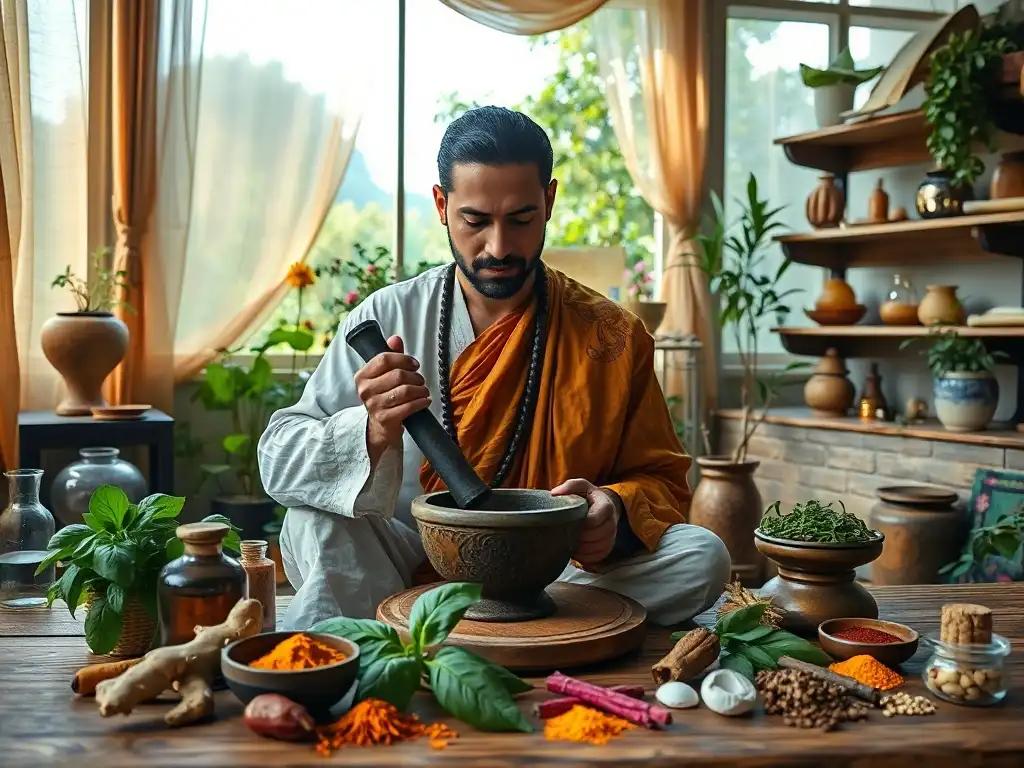
Ayurveda, one of the oldest systems of medicine in the world, often faces skepticism and misconceptions in modern healthcare discussions. A prevalent misunderstanding is that Ayurveda is merely a collection of herbal remedies without scientific backing. However, Ayurveda is deeply rooted in a holistic understanding of health, emphasizing the balance of body, mind, and spirit.
Another common myth is that Ayurvedic practices are not suitable for modern disease management. In reality, many Ayurvedic principles, such as dietary recommendations, lifestyle modifications, and stress management techniques, have been validated by contemporary research. These practices can complement modern medicine, offering a more integrated approach to health.
Moreover, some people believe that Ayurveda is a one-size-fits-all solution. In contrast, Ayurveda emphasizes individualization, tailoring treatments based on one's unique constitution (Prakriti) and current state of health (Vikriti). This personalized approach can effectively address various health issues, from chronic illnesses to everyday stressors.
Myths vs. Realities: Understanding Ayurveda’s Role in Modern Health
To further clarify the role of Ayurveda in contemporary health, it is essential to differentiate between myths and realities:
-
Myth 1: Ayurveda is outdated.
Reality: Ayurveda has evolved over thousands of years, adapting to new knowledge and practices. Modern research is increasingly validating its concepts, leading to a resurgence of interest in Ayurveda as a complementary health system.
-
Myth 2: Ayurvedic treatments are ineffective.
Reality: Numerous studies have demonstrated the efficacy of Ayurvedic herbs and treatments in managing various health conditions, including inflammation, digestive disorders, and stress-related ailments.
-
Myth 3: Ayurveda is only about herbal medicine.
Reality: While herbal remedies are a significant part of Ayurveda, the system encompasses a wide range of practices, including diet, yoga, meditation, and detoxification techniques, all aimed at achieving holistic health.
-
Myth 4: All Ayurvedic products are safe.
Reality: Not all Ayurvedic products are created equal. It is crucial to choose high-quality, standardized products from reputable sources to ensure safety and effectiveness.
By dispelling these myths, we can better appreciate Ayurveda's contributions to modern health and its potential to address contemporary health crises.
Conclusion: The Future of Ancient Ayurvedic Practices in Modern Healthcare
As the world grapples with various health crises, including chronic diseases, mental health issues, and the side effects of modern pharmaceuticals, the integration of ancient Ayurvedic practices into modern healthcare presents a promising avenue. Ayurveda's holistic approach, focusing on prevention and balance, aligns well with the growing emphasis on wellness in contemporary medicine.
The future of Ayurvedic practices in healthcare hinges on several factors:
- Research and Validation: Continued scientific research is essential to validate the efficacy of Ayurvedic practices and establish their place in modern healthcare. Rigorous clinical trials can help bridge the gap between traditional knowledge and contemporary medical standards.
- Integration into Healthcare Systems: By integrating Ayurvedic principles into mainstream healthcare, practitioners can provide comprehensive treatment plans that address not just symptoms but also root causes. This can lead to improved patient outcomes and satisfaction.
- Education and Awareness: Increasing awareness about the benefits of Ayurveda among healthcare professionals and the public can foster acceptance and encourage the adoption of these practices in everyday life.
The ancient wisdom of Ayurveda holds significant potential to contribute to modern health solutions. By embracing its principles and addressing misconceptions, we can enhance our healthcare systems and promote a more holistic approach to well-being.
Call to Action: Explore Ayurvedic Products and Practices
In today's fast-paced world, many individuals are turning to ancient wisdom to address contemporary health challenges. Ayurveda, a holistic healing system that has been practiced for thousands of years, offers a wealth of knowledge that can be integrated into modern healthcare. By exploring Ayurvedic products and practices, you can discover natural ways to enhance your well-being and combat health crises effectively.
Why Embrace Ayurvedic Practices?
- Holistic Approach: Ayurveda treats the individual as a whole, focusing on the balance of body, mind, and spirit. This is particularly beneficial for addressing chronic health conditions that require a multifaceted approach.
- Natural Remedies: Many Ayurvedic products are derived from herbs, plants, and minerals, offering natural alternatives to synthetic medications. This can reduce side effects and promote overall wellness.
- Preventive Care: Ayurveda emphasizes prevention through lifestyle choices, diet, and regular detoxification practices, which can help maintain health and prevent diseases before they arise.
Key Ayurvedic Products to Consider
- Herbal Supplements: Products such as Ashwagandha and Turmeric are known for their anti-inflammatory and adaptogenic properties, making them excellent choices for stress management and immune support.
- Essential Oils: Incorporating essential oils like Lavender and Eucalyptus can enhance mental clarity and promote relaxation, crucial for mental health.
- Ayurvedic Teas: Herbal teas, such as Tulsi tea, not only boost immunity but also provide soothing effects, aiding in stress relief.
How to Integrate Ayurveda into Your Daily Routine
- Consult an Ayurvedic Practitioner: Seek guidance from a qualified Ayurvedic expert who can tailor a program specific to your needs.
- Adopt Daily Routines: Implement simple Ayurvedic practices such as morning rituals (Dinacharya) that include oil pulling, tongue scraping, and meditation.
- Mindful Eating: Follow Ayurvedic dietary principles that promote seasonal and local foods, which can enhance digestion and overall health.
Join the Movement Toward Wellness
Now is the perfect time to explore how ancient Ayurvedic practices can complement modern healthcare. By incorporating these time-tested methods into your lifestyle, you can take proactive steps toward achieving optimal health. Embrace the benefits of Ayurveda, and start your journey towards a healthier, more balanced life today!
- Introduction to Ancient Ayurvedic Practices and Their Modern Relevance
- Understanding the Benefits of Ancient Ayurvedic Practices
- Ancient Ayurvedic Practices and Their Applications
- Integrating Ancient Ayurvedic Practices into Modern Healthcare
- Addressing Common Misconceptions About Ayurvedic Practices
- Myths vs. Realities: Understanding Ayurveda’s Role in Modern Health
- Conclusion: The Future of Ancient Ayurvedic Practices in Modern Healthcare
- Call to Action: Explore Ayurvedic Products and Practices
Frequently Asked Questions
What are Ancient Ayurvedic practices?
Ancient Ayurvedic practices are traditional healing methods originating from India, focusing on balancing the body, mind, and spirit through natural remedies, diet, and lifestyle choices.
How can Ayurveda address modern health crises?
Ayurveda offers holistic solutions for modern health issues by promoting preventive care and using herbal treatments, which can help manage conditions like stress, obesity, and chronic diseases.
What are the benefits of incorporating Ayurvedic practices into daily life?
Incorporating Ayurvedic practices can lead to improved digestion, enhanced mental clarity, and greater emotional stability, contributing to overall well-being and vitality.
Are there any scientific studies supporting Ayurvedic practices?
Yes, various studies have highlighted the effectiveness of Ayurveda in treating specific ailments and improving quality of life, although more research is needed to fully understand its benefits.
How can one begin to explore Ancient Ayurvedic practices?
To explore Ayurvedic practices, start by consulting a qualified Ayurvedic practitioner, incorporating herbal remedies, and adopting a balanced diet tailored to your body type (dosha).
Final Reflection: Embracing Ancient Wisdom for Modern Wellness
The exploration of ancient Ayurvedic practices reveals their profound relevance in today's health landscape. As we navigate through modern health crises, the timeless principles of Ayurveda offer holistic solutions that resonate with our current struggles. The integration of mind, body, and spirit in these practices not only promotes physical well-being but also nurtures emotional resilience. In a world increasingly dominated by fast-paced lifestyles and chronic stress, the call for a return to these ancient practices is more urgent than ever.
Cultural and social landscapes are continually shaped by our health choices, and Ayurveda stands as a beacon of wisdom in this journey. The ongoing influence of these practices is evident in the growing interest in natural remedies and preventive healthcare. As more individuals seek alternatives to conventional medicine, the teachings of Ayurveda remind us that health is not merely the absence of disease but a harmonious state of being. When we heal the body, we heal the mind, and when we heal the mind, we heal the spirit.
This interconnectedness is a cornerstone of Ayurvedic philosophy that continues to inspire a holistic approach to health.
As we reflect on the lessons from ancient Ayurvedic practices, I invite you to consider how these principles can enrich your own life. Take a moment to explore the benefits of incorporating Ayurvedic wisdom into your daily routine. Whether it's through mindful eating, meditation, or herbal remedies, each small step can lead to significant transformations in your well-being. Embrace this opportunity to reconnect with ancient knowledge and empower yourself to combat modern health challenges with grace and resilience.
Unveil Transformative Health Solutions Through Ayurveda!
Thank you for taking the time to explore the profound ways ancient Ayurvedic practices can address today's health challenges. By understanding these timeless concepts, you've taken the first step toward a healthier, balanced life. Now, let’s put that knowledge into action!
Here are a few impactful steps you can take right now:
- Implement an Ayurvedic ritual into your daily routine, such as starting your day with warm lemon water to kickstart digestion.
- Deepen your understanding by researching and experimenting with specific Ayurvedic herbs that can cater to your health needs.
- Share your journey with friends or family who might benefit— start a discussion group to explore how Ayurveda can collectively enhance well-being.
What unique Ayurvedic practice are you excited to introduce into your life, and how do you believe it will positively impact your well-being?