
The Role of Sariputta: The Disciple Who Excelled in Wisdom

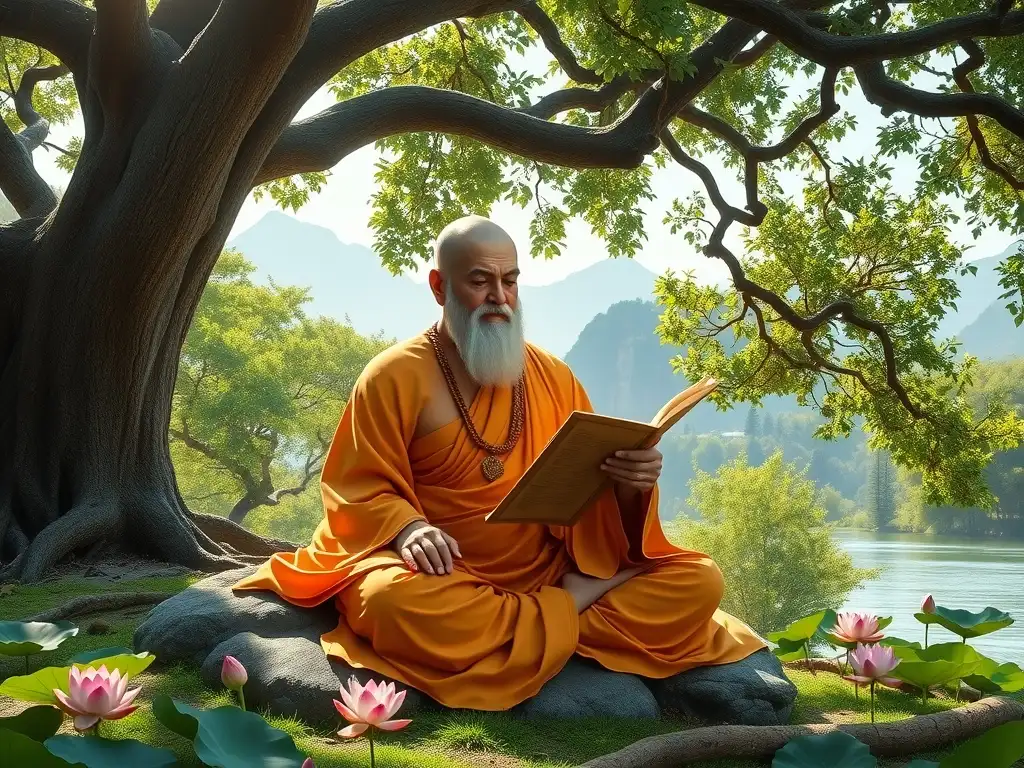
Welcome to Ancient India History, where we embark on a journey through the rich tapestry of India's past, exploring its diverse cultures and monumental contributions. In our featured article, "The Role of Sariputta: The Disciple Who Excelled in Wisdom," we delve into the profound insights and teachings of Sariputta, a pivotal figure in Buddhism whose wisdom continues to resonate through the ages. What secrets lie within his teachings, and how did they shape the philosophical landscape of ancient India?
Join us as we uncover the remarkable legacy of this extraordinary disciple and the ancient religions that flourished during this transformative era. Your exploration of history begins here!
Introduction to Sariputta in Buddhism
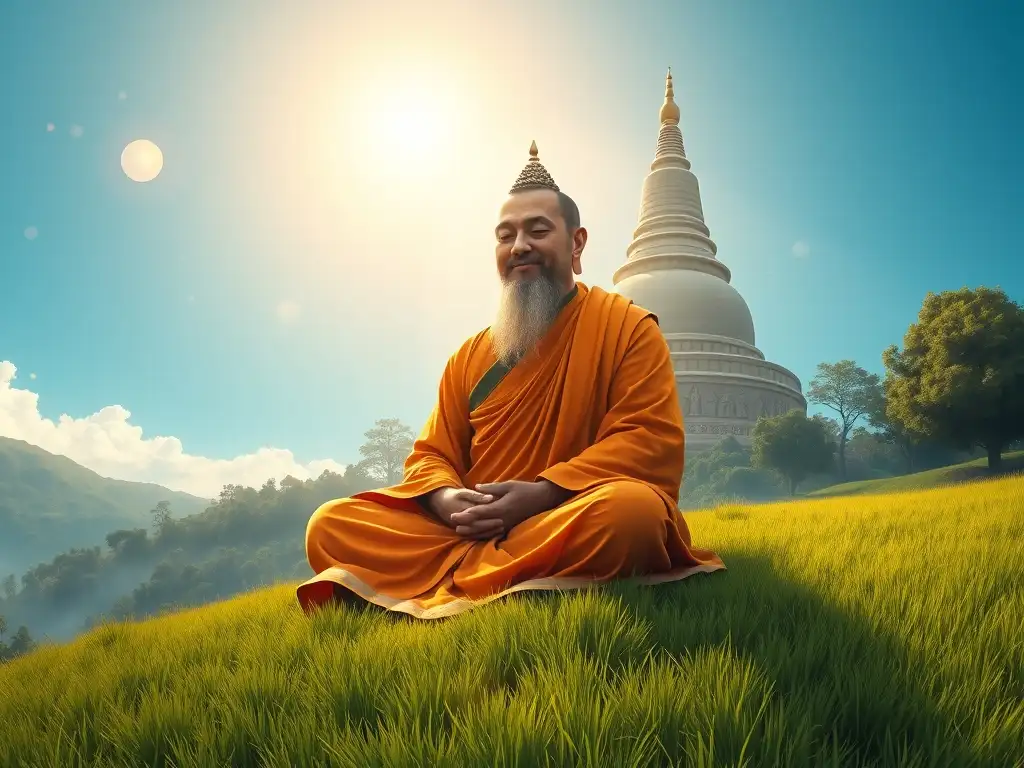
Sariputta, one of the foremost disciples of Gautama Buddha, is renowned for his profound wisdom and deep understanding of Buddhist teachings. His contributions to the early Buddhist community were not only pivotal in spreading the Dharma but also in shaping the philosophical underpinnings of Buddhism as a whole. This article delves into the life, teachings, and enduring significance of Sariputta, particularly focusing on the "wisdom of Sariputta in Buddhism." Understanding his role provides valuable insights into the teachings of Buddhism and the paths toward enlightenment that he exemplified.
Overview of Sariputta's Life and Background
Sariputta, originally named Upatissa, was born in the ancient city of Savatthi, where he lived a life of inquiry and contemplation before meeting the Buddha. He was known for his keen intellect and was a disciple of the ascetic Sañjaya, which provided him with a strong foundational knowledge of various philosophies. His eventual encounter with the Buddha marked a turning point, leading to his ordination as a monk. Sariputta quickly became one of the most respected disciples, often regarded as the "foremost in wisdom" among the Buddha's followers.
- Key Points about Sariputta's Background:
- Born in Savatthi, known for his intellectual pursuits.
- Disciple of Sañjaya before meeting the Buddha.
- Ordained as a monk, rapidly gaining respect within the monastic community.
Significance of the Wisdom of Sariputta in Buddhist Teachings
The wisdom of Sariputta is central to many Buddhist teachings and texts. His ability to articulate complex concepts in accessible terms helped disseminate the Buddha's messages widely. Sariputta's teachings often emphasized the importance of insight and understanding in achieving liberation from suffering. His interpretations of the Dharma continue to influence Buddhist thought and practice today, making him a vital figure in the historical narrative of Buddhism.
The Teachings and Philosophy of Sariputta
Core Principles of Sariputta's Wisdom
Sariputta's wisdom can be distilled into several core principles that reflect the essence of Buddhist philosophy. These principles include:
- The Four Noble Truths: Understanding the nature of suffering and the path to its cessation.
- Dependent Origination: Recognizing the interconnectedness of all phenomena and the importance of insight into this relationship.
- Mindfulness and Meditation: Emphasizing the significance of mental cultivation in achieving wisdom and tranquility.
Sariputta's teachings often highlight that wisdom is not merely intellectual understanding but involves experiential insight that leads to transformation.
The Role of Wisdom in the Path to Enlightenment
In the Buddhist tradition, wisdom (prajna) plays a crucial role in the path to enlightenment (nirvana). Sariputta's approach to wisdom emphasizes that it must be accompanied by ethical conduct (sila) and mental discipline (samadhi). His teachings suggest that wisdom illuminates the path, enabling practitioners to discern the true nature of reality and overcome ignorance—a central theme in Buddhist philosophy.
- Wisdom's Components in Enlightenment:
- Ethical Conduct: Living in harmony with others through moral actions.
- Mental Discipline: Cultivating a focused and tranquil mind through meditation.
- Insight: Gaining a deep understanding of the impermanence and interdependence of all things.
Comparisons with Other Key Figures in Buddhism
When examining Sariputta's wisdom, it is beneficial to compare his teachings with those of other notable figures in Buddhism, such as Mahakasyapa and Ananda. While Mahakasyapa is often associated with direct experience and the practice of meditation, Ananda is known for his role in preserving the Buddha's teachings. Sariputta, in contrast, stands out for his analytical approach and his ability to distill complex ideas into practical wisdom, making his contributions distinct yet complementary to those of his peers.
The legacy of Sariputta is not only significant in the context of early Buddhism but continues to resonate with practitioners and scholars today. His wisdom remains a guiding light for those seeking a deeper understanding of the Buddhist path.
Sariputta's Contributions to Buddhist Community
Sariputta, one of the foremost disciples of the Buddha, played a pivotal role in shaping the early Buddhist community, known as the Sangha. His unparalleled wisdom and deep understanding of Buddhist teachings not only helped to disseminate the Dharma but also provided a framework for the practice and interpretation of Buddhist principles. As a key figure, Sariputta was instrumental in establishing a strong foundation for the Sangha, fostering a culture of inquiry and learning among his peers.
His ability to articulate complex concepts in a simple and comprehensible manner made him an invaluable resource for both novice and seasoned monks. Sariputta's contributions extended beyond his immediate teachings; he was deeply involved in the operational and administrative aspects of the Sangha, ensuring that the monastic community functioned harmoniously and effectively. His legacy is marked by his commitment to the ideals of the Middle Path, emphasizing both wisdom and compassion in the pursuit of enlightenment.
Leadership Roles within the Sangha
Sariputta's leadership within the Sangha was characterized by his role as the chief disciple of the Buddha. He was often regarded as the "wisest" of the Buddha's followers, earning him the title of "Sāriputta," which means "son of Sārī." His leadership was not authoritarian; rather, he exemplified a collaborative approach, guiding his fellow monks through personal example and shared understanding.
He was frequently called upon to lead discussions and meditative retreats, where he would share his insights on the teachings of the Buddha. Sariputta was also instrumental in resolving disputes among monks, using his wisdom to foster unity and harmony within the community. His ability to listen and engage with others made him a respected figure, both among the Buddha's contemporaries and future generations.
Influence on Early Buddhist Teachings and Practices
Sariputta's influence on early Buddhist teachings is profound. He was a key figure in the development of core doctrines such as the Four Noble Truths and the Noble Eightfold Path. His interpretations and explanations of these foundational concepts helped clarify their meanings and applications, making them accessible to a broader audience.
Moreover, Sariputta's emphasis on the importance of wisdom (prajna) as a critical component of the path to enlightenment has had lasting implications in Buddhist thought. His systematic approach to understanding the nature of suffering and the mechanisms for overcoming it laid the groundwork for future Buddhist scholars and practitioners. His contributions ensured that the teachings of the Buddha were not only preserved but also adapted and expanded upon in subsequent generations.
Sariputta as a Teacher: Notable Discourses and Dialogues
As a teacher, Sariputta engaged in numerous notable discourses and dialogues that highlighted his profound understanding of the Dharma. One of the most significant dialogues was with the monk named Upatissa, who later became Sariputta's close companion. In this discourse, Sariputta elucidated the essence of right understanding and the importance of insight into the nature of reality.
Additionally, his conversations with other prominent figures, such as Mahakasyapa and Ananda, served to reinforce key teachings and foster debate on philosophical issues within Buddhism. These dialogues not only showcased his wisdom but also illustrated the importance of inquiry and discussion in the pursuit of enlightenment. His teachings often centered around practical applications of wisdom in daily life, encouraging practitioners to integrate the Dharma into their everyday experiences.
The Legacy of Sariputta: Wisdom Through the Ages
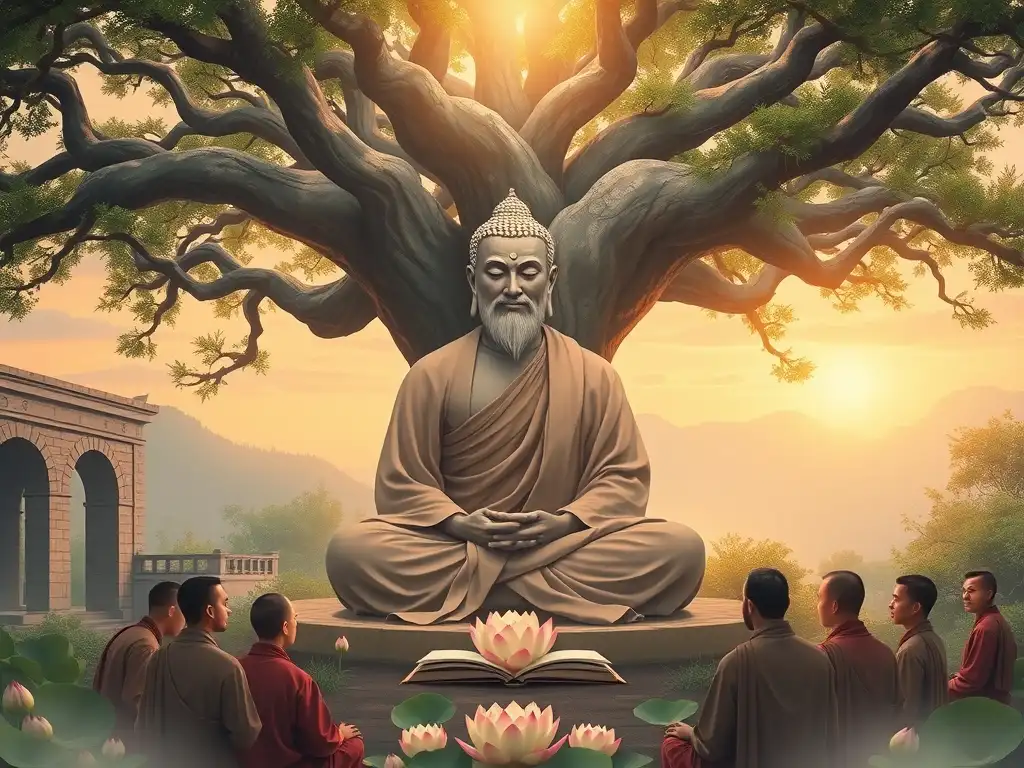
Sariputta's legacy is one of enduring wisdom that continues to resonate through the ages. His teachings and interpretations of the Buddha's message have become integral to the fabric of Buddhist philosophy. As a figure of exemplary wisdom, Sariputta has inspired countless practitioners and scholars throughout history, underscoring the importance of wisdom in the Buddhist tradition.
Continued Relevance of Sariputta's Wisdom in Modern Buddhism
In modern Buddhism, Sariputta's wisdom remains highly relevant. His teachings on the necessity of developing insight and understanding continue to guide practitioners in their spiritual journeys. Many contemporary Buddhist teachers reference Sariputta's methods as effective tools for cultivating mindfulness and wisdom, highlighting his relevance in today's fast-paced world.
Moreover, his emphasis on community and the collective pursuit of enlightenment resonates with modern practices that prioritize sangha and communal support. Sariputta's insights into the nature of suffering and the path to liberation are applied in various contexts, from meditation practices to ethical living, demonstrating the timelessness of his contributions.
Sariputta in Buddhist Texts: Canonical References and Interpretations
Sariputta is prominently featured in various canonical texts, including the Pali Canon, where he is depicted as a key figure in many discourses. His interactions with the Buddha are recorded in the Sutta Pitaka, particularly within the Samyutta Nikaya, where his wisdom is frequently highlighted.
Scholars have interpreted these texts in numerous ways, recognizing Sariputta not only as a disciple but also as a teacher in his own right. His role in the development of early Buddhist scriptures has led to extensive commentary and analysis, further solidifying his place in Buddhist history. His teachings are often cited in discussions about the nature of wisdom and its role in achieving enlightenment, providing a rich source of inspiration for both practitioners and scholars.
Sariputta's Influence on Buddhist Thought and Philosophy
The influence of Sariputta on Buddhist thought and philosophy is significant. His interpretations of key doctrines have shaped the way subsequent generations understand and practice Buddhism. The concept of wisdom as a foundational element of the spiritual path can be traced back to his teachings, emphasizing the interplay between knowledge and ethical conduct.
Moreover, his methodological approach to understanding the Dharma has influenced various schools of thought within Buddhism. Sariputta's legacy continues to inspire philosophical inquiry and debate, encouraging practitioners to explore the depths of Buddhist teachings. His life and work serve as a testament to the power of wisdom and its capacity to transform lives and communities in the pursuit of enlightenment.
Conclusion: The Enduring Impact of Sariputta’s Wisdom
Sariputta's wisdom has left an indelible mark on Buddhism, influencing not only the teachings and practices of the early Buddhist community but also the broader framework of Buddhist philosophy. His profound understanding of the Dharma and his ability to articulate complex concepts made him a pivotal figure in the dissemination of Buddhist teachings. Sariputta's role as a chief disciple of the Buddha established a model for future generations of monks and lay practitioners, emphasizing the importance of wisdom in the path to enlightenment.
The impact of Sariputta’s wisdom is evident in various Buddhist texts, where he is often depicted as a paragon of insight and understanding. His teachings continue to resonate in modern Buddhist practice, inspiring countless practitioners to seek wisdom as a fundamental aspect of their spiritual journey. The reverence for Sariputta within different Buddhist traditions highlights his significance, demonstrating that the quest for wisdom is a timeless pursuit that transcends cultural and historical boundaries.
Summary of Sariputta’s Role in Buddhism
Sariputta, known for his exceptional wisdom, was one of the foremost disciples of Gautama Buddha. His contributions to the early Buddhist community were crucial, as he played a vital role in the establishment and spread of the Buddha's teachings. Sariputta was renowned for his intellectual prowess and logical reasoning, which allowed him to clarify the complexities of the Dharma.
He is often credited with formulating key doctrines, such as the Four Noble Truths and the Noble Eightfold Path, making these teachings more accessible to followers. His dialogues and interactions with other disciples and laypeople illustrate his ability to convey deep philosophical concepts in relatable terms. As a result, Sariputta's teachings not only supported the Buddha's mission but also helped shape the foundational beliefs of Buddhism, ensuring that his wisdom endured through the ages.
Final Thoughts on the Legacy of Wisdom in Buddhist Traditions
The legacy of Sariputta's wisdom is a cornerstone of Buddhist traditions, emphasizing the transformative power of understanding and insight. His teachings encourage practitioners to cultivate wisdom through study, meditation, and ethical living, highlighting that wisdom is not merely intellectual knowledge but a profound realization of the nature of reality.
In contemporary Buddhism, the emphasis on wisdom as a path to liberation continues to thrive, with Sariputta serving as an enduring symbol of this pursuit. His life and teachings remind us that the quest for wisdom is essential for spiritual growth, guiding practitioners on their journey toward enlightenment. As such, Sariputta's legacy is not only a historical account but also a living tradition that inspires countless individuals to seek wisdom in their lives, fostering a deeper connection to the teachings of the Buddha.
- Introduction to Sariputta in Buddhism
- The Teachings and Philosophy of Sariputta
- Sariputta's Contributions to Buddhist Community
- The Legacy of Sariputta: Wisdom Through the Ages
- Conclusion: The Enduring Impact of Sariputta’s Wisdom
Frequently Asked Questions
What is the significance of Sariputta in Buddhism?
Sariputta is renowned for his exceptional wisdom, serving as one of the foremost disciples of Buddha. He is often regarded as a model of insight and understanding, guiding many on the path to enlightenment.
How did Sariputta acquire his wisdom?
Sariputta was known for his dedication to learning and meditation. He spent significant time studying the Buddha's teachings, which contributed to his profound insight into the nature of reality.
What teachings did Sariputta emphasize?
Sariputta emphasized the importance of wisdom (prajna) in Buddhism. His teachings often focused on understanding the Four Noble Truths and the Eightfold Path as essential for achieving enlightenment.
How did Sariputta influence other disciples?
Sariputta's wisdom and ability to explain complex concepts made him a key figure among the disciples. He frequently served as a mentor, helping others grasp the Buddha's teachings more effectively.
What is the legacy of Sariputta in modern Buddhism?
Sariputta's legacy endures as a symbol of wisdom and clarity in Buddhist practice. His life and teachings continue to inspire practitioners who seek to cultivate a deep understanding of the Dharma.
Final Reflection: Embracing the Wisdom of Sariputta in Our Lives
The wisdom of Sariputta in Buddhism remains profoundly relevant today, as we navigate an increasingly complex world. His teachings and insights serve as a guiding light, reminding us that true wisdom is not merely about knowledge but about understanding and compassion. In a time when information is abundant yet clarity is scarce, Sariputta's example encourages us to seek depth in our understanding and to apply it in our daily lives.
The legacy of Sariputta continues to shape the cultural and spiritual landscape of Buddhism and beyond. His ability to distill profound truths into practical wisdom resonates with seekers of all paths. As we reflect on his teachings, we recognize that wisdom is a journey, not a destination. Wisdom is the light that guides us through the darkness of ignorance.
This quote encapsulates the essence of Sariputta's influence, reminding us that the pursuit of wisdom is a collective endeavor that enriches our communities and ourselves.
As you contemplate the lessons from Sariputta's life, I invite you to integrate his wisdom into your own journey. Consider how you can embody the principles of understanding and compassion in your interactions and decisions. Let Sariputta's example inspire you to seek not just knowledge, but the deeper insights that lead to a more meaningful existence. In doing so, you contribute to a legacy of wisdom that transcends time and space, illuminating the path for others as well.
Unleash Your Wisdom: Embrace the Teachings of Sariputta!
Thank you for taking the time to explore the remarkable journey of Sariputta, the disciple celebrated for his unparalleled wisdom. Your interest in his teachings is a valuable step toward personal growth and understanding. Now it's time to transform those insights into meaningful actions!
Here are a few empowering steps you can take:
- Delve deeper into Sariputta's teachings by reading a variety of texts or commentaries on his life and philosophy to enhance your understanding.
- Share your newfound knowledge with friends or in study groups to spark discussions that could inspire and enlighten others.
- Engage in mindfulness and reflective meditation inspired by Sariputta’s wisdom to cultivate your own clarity and insight.
How do you plan to integrate the wisdom of Sariputta into your daily life? Let's discuss your thoughts and experiences!