
The Psychology of Warfare in Ancient India: Understanding the Warrior's Mind

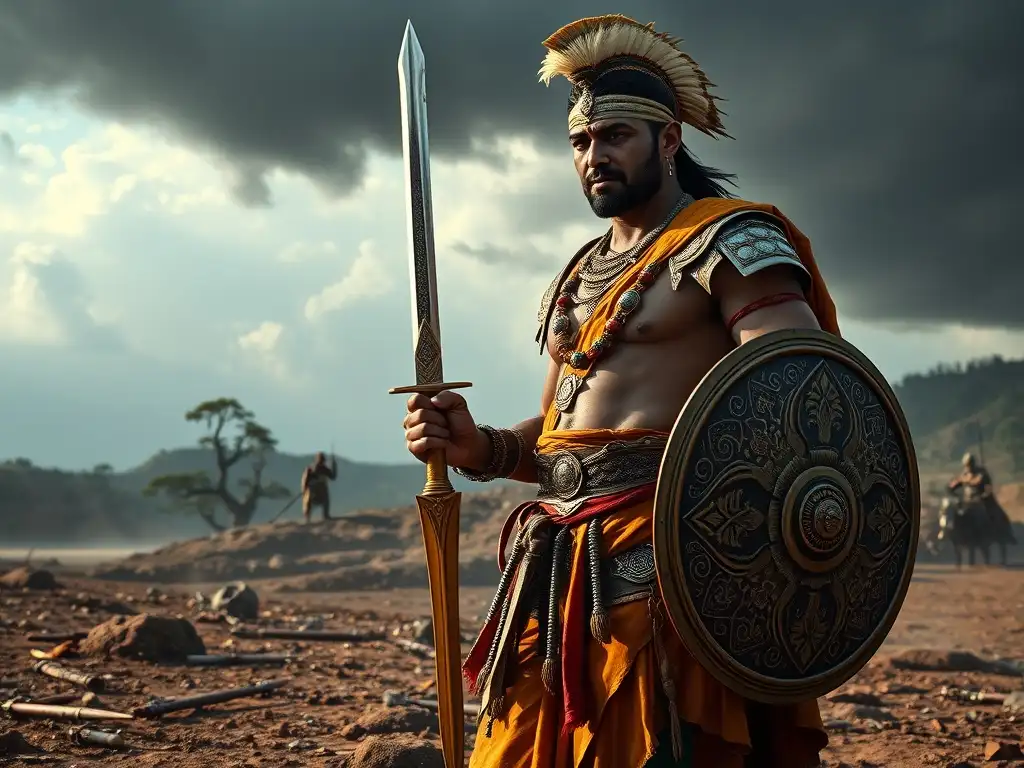
Welcome to Ancient India History, where we delve into the rich tapestry of civilizations that shaped one of the world's oldest cultures. In this exploration, we invite you to uncover the fascinating concept of warrior psychology in ancient India. What drove these remarkable individuals into the throes of battle?
What mental frameworks shaped their strategies and decisions? As you embark on this journey through The Psychology of Warfare in Ancient India, prepare to gain insights into the minds of those who fought valiantly, leaving a legacy that resonates through time. Join us as we unravel the complexities of military history and the profound impact of these ancient warriors on our understanding of conflict today.
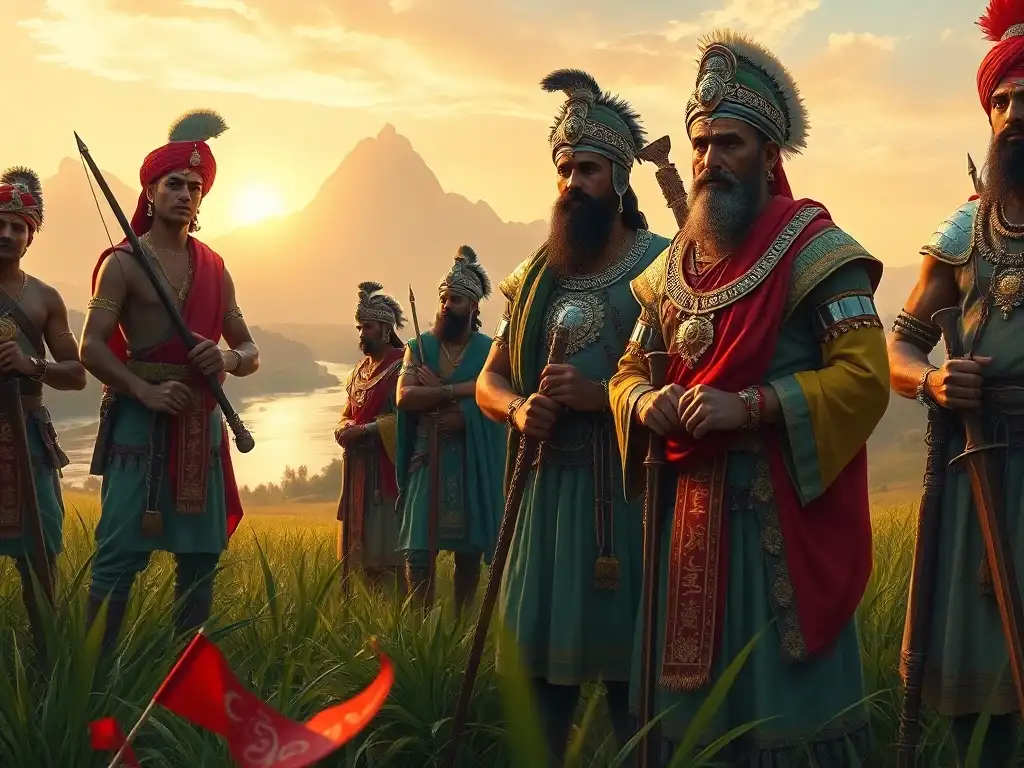
The study of warrior psychology in ancient India reveals profound insights into the motivations, beliefs, and mental frameworks that shaped the conduct of warfare among ancient Indian civilizations. From the strategic brilliance during the Indus Valley period to the valor showcased in the Gupta Empire, the warrior's mind was not merely a vessel of martial prowess but a complex interplay of cultural, philosophical, and psychological elements.
This article delves into the intricate relationship between psychology and warfare in ancient India, exploring how the mindset of warriors influenced their actions on the battlefield and the larger socio-political landscape of their times.
Introduction to Warrior Psychology in Ancient India
Warrior psychology in ancient India was deeply intertwined with the cultural, spiritual, and philosophical ethos of the time. The warriors were not just fighters; they were often guided by a sense of duty (Dharma), honor, and the philosophical teachings of texts like the Bhagavad Gita, which emphasized the moral dilemmas faced in warfare. Understanding this psychological framework is essential to grasp the motivations behind their actions, the strategies employed, and the outcomes of significant battles.
Overview of Warrior Psychology in Historical Context
The psychology of warriors in ancient India can be traced through various periods, reflecting the evolution of societal values and military philosophies. For instance:
- Indus Valley Civilization (c. 2500–1900 BCE): Evidence suggests that early warriors were influenced by a strong sense of community and defense of the city-state.
- Vedic Period (c. 1500–500 BCE): The emergence of concepts like Kshatriya (warrior class) ushered in a more defined warrior identity, where valor was celebrated in oral epics and texts.
- Mauryan Empire (c. 322–185 BCE): The psychological aspects of warfare were further shaped by the state’s bureaucratic military structure and the philosophical teachings of Buddhism and Jainism, which influenced perceptions of violence and morality.
Importance of Understanding the Warrior's Mind in Ancient India
Exploring the warrior's psyche is crucial for several reasons:
- Historical Insight: It provides context for understanding strategic decisions made during key battles.
- Cultural Reflection: The mindset of warriors reflects broader societal values, revealing how culture influenced warfare.
- Philosophical Implications: Understanding the psychological struggle faced by warriors can offer insights into the moral complexities of war, as discussed in texts like the Mahabharata.
Historical Background of Warfare in Ancient India
To comprehend warrior psychology, one must first explore the historical backdrop of warfare in ancient India. This period was characterized by a variety of military tactics and changing technologies, influenced by regional dynamics and cultural exchanges.
Evolution of Warfare Tactics in Ancient Indian Civilizations
Warfare in ancient India evolved significantly over time, marked by the following phases:
- Chariot Warfare: Early battles often involved chariots, which were symbols of power and speed.
- Infantry and Cavalry: As empires expanded, the importance of infantry and cavalry grew, leading to more complex battle formations and strategies.
- Siege Warfare: As fortified cities emerged, strategic sieges became a critical aspect of military tactics.
This evolution was not merely tactical; it also impacted the warrior's mindset, as they adapted to new challenges and enemy strategies.
Key Battles and Their Influence on Warrior Psychology
Several decisive battles in ancient India exemplified the psychological dimensions of warfare:
- The Battle of the Ten Kings (c. 1000 BCE): This conflict highlighted the importance of alliances and the psychological tactics of intimidation and morale.
- The Kalinga War (261 BCE): Emperor Ashoka’s experience in this war profoundly affected his outlook on violence and led to a pivotal transformation in his approach to warfare and leadership.
- The Battle of Kurukshetra (c. 3000 BCE): A legendary conflict, it encapsulates the moral and psychological struggles faced by warriors, serving as a thematic exploration of duty versus personal beliefs.
These battles not only shaped the course of Indian history but also left an indelible mark on the warrior psyche, influencing how subsequent generations approached warfare and conflict.
In the upcoming sections, we will delve deeper into these themes, analyzing the intricate relationship between psychology and warfare in ancient Indian civilizations.
Core Elements of Warrior Psychology in Ancient India
Warrior psychology in ancient India was multifaceted, rooted in cultural, spiritual, and social frameworks that shaped the mindset of warriors. Central to this psyche were concepts of honor, valor, and duty, which influenced how warriors approached battle and their roles in society. The warrior’s mindset was not only about physical prowess but also involved deep psychological aspects that defined their identity and purpose.
One significant element was the concept of Dharma (duty/righteousness), which dictated a warrior's actions and decisions. Adhering to one's dharma was paramount; it guided warriors in their moral and ethical choices, particularly in warfare, where the distinction between right and wrong could often be blurred. Additionally, the sense of belonging to a warrior class, or Kshatriya, fostered a strong group identity that reinforced loyalty and camaraderie among warriors.
Furthermore, the psychological impact of fear and its management played a critical role. Ancient Indian warriors were trained to confront fear head-on, using various techniques to cultivate bravery and resilience. This training often included physical conditioning, mental exercises, and philosophical teachings that emphasized the importance of facing one's fears for the greater good.
The Role of Honor and Valor in the Warrior's Mindset
Honor and valor were pivotal in shaping the warrior's psyche in ancient India. The warrior was expected to embody these virtues, often viewing them as integral to their identity. The pursuit of honor was not merely personal but deeply connected to familial and societal expectations. A warrior's reputation on the battlefield could elevate their family's status and legacy, further motivating them in combat.
The concept of Shaurya (bravery) was celebrated in various texts and oral traditions, reinforcing the idea that valor was a noble pursuit. Warriors were often depicted as fearless champions, willing to sacrifice their lives for their principles and loved ones. This heroic ideal served to inspire warriors and instill a sense of purpose, pushing them to achieve extraordinary feats during warfare.
Moreover, the fear of dishonor was a powerful psychological deterrent. Ancient warriors understood that failure in battle could lead to disgrace, not just for themselves but also for their families and communities. This understanding created a profound psychological drive to succeed, often leading warriors to push beyond their limits to protect their honor.
Psychological Impact of Training and Discipline on Ancient Warriors
Training and discipline were cornerstones of ancient Indian warrior culture, significantly impacting their psychological makeup. Rigorous physical training, including martial arts, archery, and horseback riding, was essential in developing not only skills but also mental fortitude. The training regimen was designed to instill a sense of discipline that transcended mere physical capability, fostering a warrior's ability to endure hardship and maintain focus under pressure.
The psychological benefits of such training were evident in the development of self-control and emotional resilience. Warriors learned to manage their emotions, particularly aggression, which was crucial in battle. They were taught to channel their emotions constructively, using techniques that included meditation and mindfulness practices, aligning with the broader spiritual traditions of ancient India.
Additionally, the communal aspect of training forged strong bonds among warriors, creating a sense of unity and shared purpose. This camaraderie was vital in building a collective identity that enhanced psychological resilience in the face of adversity, as warriors knew they were not alone in their struggles.
Cultural Representations of Warrior Psychology
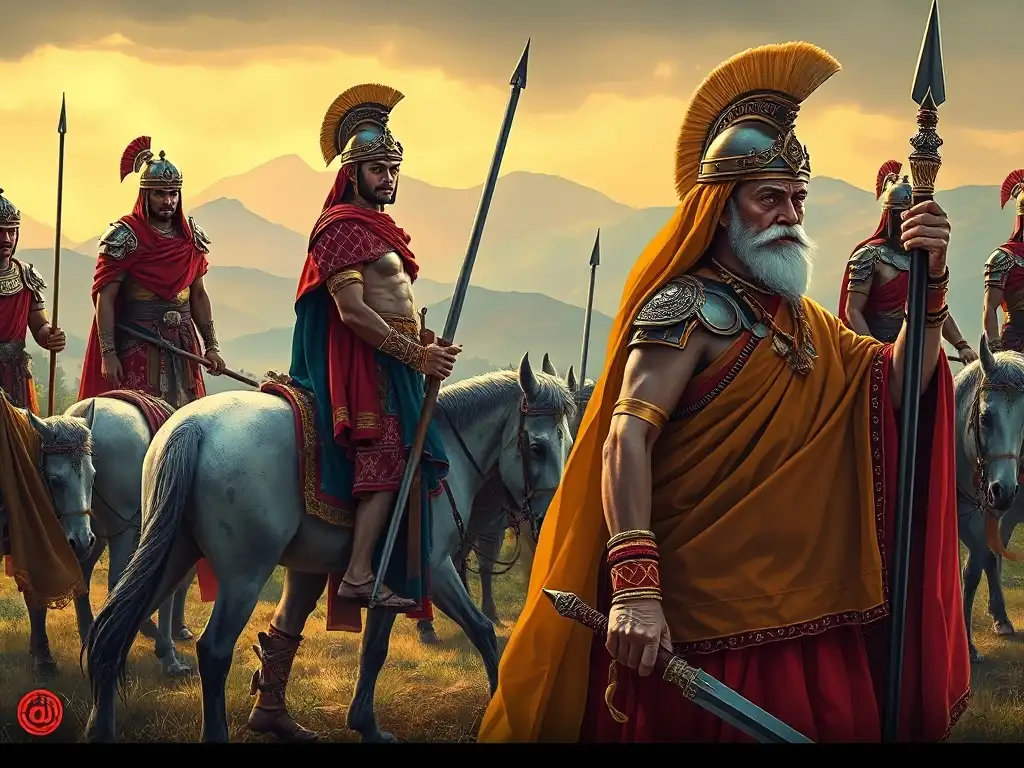
Cultural representations of warrior psychology in ancient India reveal significant insights into the mindset of warriors. These depictions often serve as a mirror reflecting the values, beliefs, and ideals of the society that produced them, offering a deeper understanding of the psychological landscape of ancient warriors.
Depictions in Ancient Indian Texts: Mahabharata and Ramayana
The epic texts of the Mahabharata and Ramayana are rich sources for exploring warrior psychology in ancient India. Both texts illustrate the complexities of warrior behavior, encapsulating the ideals of honor, duty, and moral dilemmas faced by warriors.
In the Mahabharata, the character of Arjuna exemplifies the struggles inherent in the warrior’s mindset. His internal conflict before the battle of Kurukshetra highlights the psychological turmoil that can arise from duty versus personal ethics. This narrative underscores the importance of dharma and the psychological burden that comes with making difficult choices in warfare.
Similarly, the Ramayana showcases the valor and righteousness of figures like Rama, who epitomizes the ideal warrior. His unwavering commitment to dharma and justice not only serves as a model for warrior behavior but also reflects the spiritual dimensions of warrior psychology, emphasizing that true strength lies in moral integrity.
Symbolism and Iconography of Warriors in Ancient Art
Ancient Indian art, particularly sculpture and painting, provides a visual representation of warrior psychology that complements textual narratives. Warriors are often depicted in dynamic poses, showcasing their physical prowess and readiness for battle. The symbolism in these artworks frequently conveys deeper meanings related to bravery, honor, and divine protection.
For instance, the depiction of warriors with weapons and armor signifies not just their martial capabilities but also their roles as protectors of dharma. The intricate details of their armor and adornments often symbolize their status and the responsibilities that come with their warrior identity.
Additionally, the use of specific colors, such as red for valor and blue for divine protection, enhances the psychological narrative that these artworks convey. The iconography surrounding ancient warriors serves not only as artistic expression but also as a powerful medium for communicating the values and psychological attributes that defined warrior culture in ancient India.
Case Studies of Notable Warriors in Ancient India
The exploration of warrior psychology in ancient India is significantly enriched by examining notable figures whose experiences and mindsets reveal the complexities of their martial roles. This analysis not only highlights individual struggles and triumphs but also provides insights into broader societal attitudes towards warfare. Two prominent warriors, Arjuna and Chandragupta Maurya, serve as exemplary case studies illustrating the diverse psychological landscapes that shaped ancient Indian warfare.
Arjuna: The Psychological Struggles of a Legendary Archer
Arjuna, one of the central characters in the Indian epic Mahabharata, embodies the profound psychological struggles faced by warriors. On the battlefield of Kurukshetra, Arjuna is confronted with a moral and existential crisis that challenges his identity as a warrior. His initial reluctance to engage in battle against friends and family underscores a deep-seated conflict between duty (dharma) and personal ethics.
This moment of hesitation reveals a critical aspect of warrior psychology, where the weight of familial loyalty clashes with the obligations of a Kshatriya (warrior class). Arjuna's emotional turmoil is articulated through his dialogue with Lord Krishna, who serves as his charioteer and philosophical guide. This interaction illustrates the importance of mentorship and spiritual guidance in navigating psychological challenges.
Arjuna's eventual acceptance of his role as a warrior signifies a transformation that highlights the importance of resilience and commitment to duty. His journey reflects a broader theme in warrior psychology: the necessity of reconciling personal beliefs with societal expectations. This struggle is not unique to Arjuna but resonates with many warriors throughout history, making his case a profound study of the psychological complexities inherent in the warrior's mind.
Chandragupta Maurya: The Mind of a Conqueror
Chandragupta Maurya, the founder of the Maurya Empire, presents another fascinating case study in ancient Indian warrior psychology. His rise to power is marked by strategic cunning, ambition, and an understanding of political dynamics, which are essential psychological traits for a successful conqueror.
Chandragupta's psychological profile is characterized by his ability to adapt to shifting circumstances. His early years, spent under the mentorship of Chanakya, highlight the importance of intelligence and strategy in warfare. Chanakya's teachings not only emphasized military tactics but also the psychological manipulation of opponents, reflecting an understanding of the mental aspects of warfare.
Furthermore, Chandragupta's interactions with various adversaries and allies reveal his capacity for empathy and relationship-building, essential traits for a leader in ancient India. His psychological resilience is evident in his ability to recover from setbacks and maintain focus on his ultimate goal of unifying India. This adaptability and mental fortitude are crucial elements of warrior psychology that enabled him to navigate the complexities of ancient Indian politics and warfare.
The Influence of Environment on Warrior Psychology
The environment in which ancient Indian warriors operated played a pivotal role in shaping their psychological makeup. Factors such as geographical terrain, political landscapes, and cultural beliefs contributed to the development of unique warrior mentalities, influencing their strategies, motivations, and overall approach to warfare.
Geopolitical Factors Shaping Warrior Mentality
Geopolitical dynamics in ancient India, characterized by the constant interplay of various kingdoms and empires, significantly impacted warrior psychology. The need for survival and dominance in a fragmented political landscape fostered a competitive mindset among warriors. This environment cultivated a sense of urgency and determination, pushing warriors to hone their skills and develop strategies for both offensive and defensive engagements.
The frequent conflicts between regional powers necessitated a warrior's ability to adapt to changing circumstances and forge alliances. The psychological readiness to engage in warfare became a defining trait, where warriors not only prepared for battle but also for the complex social interactions that accompanied alliances and rivalries. This adaptability is evident in the historical narratives of various kingdoms, where the psychological resilience of warriors allowed them to thrive amidst chaos and uncertainty.
The Impact of Religion and Mythology on Warfare Psychology
Religion and mythology profoundly influenced the psyche of ancient Indian warriors, shaping their motivations and justifications for warfare. The narratives found in texts like the Mahabharata and Ramayana provided archetypal models of heroism, duty, and valor, instilling a sense of purpose in warriors.
The concept of dharma, or righteous duty, was central to the warrior's identity in ancient India. It framed their actions in the context of moral righteousness, providing psychological justification for engaging in battle. This intertwining of spirituality and warfare fostered a unique mindset where the act of fighting was not merely an exercise of physical prowess but a fulfillment of a divine mandate.
Moreover, the symbolism associated with deities and mythological figures served to inspire warriors, reinforcing their resolve and commitment to their cause. Rituals and invocations before battles underscored the psychological preparation that warriors underwent, blending faith with martial prowess. This interplay between religion and warfare psychology created a profound sense of identity and purpose, distinguishing ancient Indian warriors within the broader tapestry of military history.
Comparative Analysis of Warrior Psychology Across Ancient Cultures
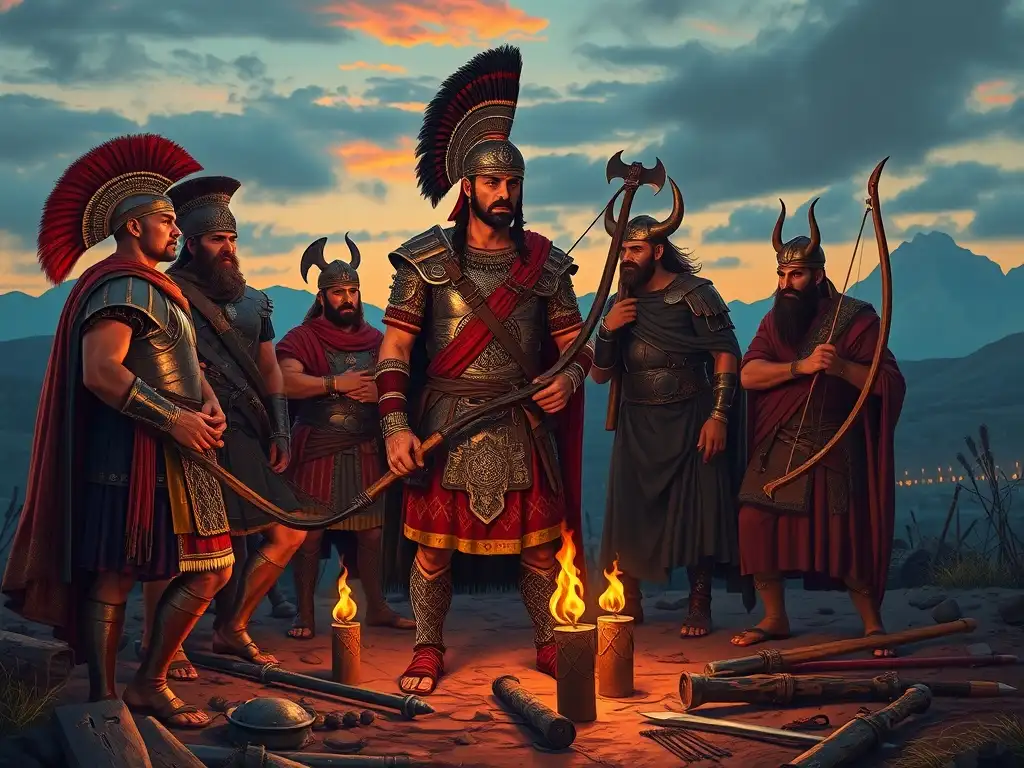
The study of warrior psychology reveals fascinating parallels and contrasts among ancient civilizations. In ancient India, warriors were not merely fighters; they were often seen as embodiments of dharma (duty) and valor. This perspective shaped their mental frameworks and influenced their approach to combat. In contrast, ancient Greek warriors, such as the Spartans, were deeply rooted in a culture of discipline and collective identity. Their training emphasized physical strength and mental fortitude, focusing on the glory of individual heroism within the context of the polis (city-state).
Similarly, the Roman legions fostered a psychology of loyalty and military discipline, with soldiers viewing themselves as part of a grand narrative of conquest and civilization. Each of these cultures trained their warriors to embrace specific mindsets influenced by their unique societal values, religious beliefs, and historical contexts.
For instance, the samurai of feudal Japan exhibited a warrior code that integrated Zen philosophy, emphasizing inner peace, self-discipline, and readiness for death. This spiritual aspect often contrasted sharply with the more utilitarian and pragmatic approach seen in the Roman military, where the emphasis was largely placed on strategy and tactics. Thus, while warrior psychology served similar purposes across cultures—preparing individuals for combat and instilling resilience—the underlying motivations and philosophical frameworks varied significantly.
Contrasting Indian Warrior Psychology with Other Civilizations
Indian warrior psychology, particularly during the Vedic and epic periods, was heavily influenced by the concept of dharma, signifying a moral duty that extended beyond mere physical prowess. Warriors like the Kshatriyas were seen as protectors of society, tasked with upholding justice and righteousness. This perspective fostered a psychological construct where warriors viewed combat as a sacred duty, not just a means to victory.
In contrast, ancient Greek warriors often operated under a more individualistic ethos, where personal honor and glory were paramount. The narratives surrounding figures like Achilles illustrate a warrior psychology driven by personal revenge and fame, differing from the collective responsibility emphasized in Indian culture.
Moreover, the psychological preparation for battle varied; Indian warriors often engaged in spiritual practices and rituals, seeking divine favor before combat. This spiritual dimension contrasts with the Roman focus on discipline and strategy, where psychological preparation was rooted in training and the development of tactical skills.
Understanding these differences highlights the diverse ways in which ancient societies conceptualized warfare and the psychological implications for their warriors. It shows that warrior psychology is not monolithic but is deeply woven into the cultural fabric of each civilization.
Lessons Learned: What Ancient India Teaches Us About Warfare Psychology
Ancient India offers crucial insights into the psychology of warfare that continue to resonate today. One of the key lessons is the importance of purpose and moral grounding in the warrior's mindset. The emphasis on dharma instilled a sense of duty and righteousness, which can be vital for modern military personnel seeking to understand the deeper motivations behind their roles.
Additionally, the integration of spirituality and psychological resilience is another lesson from ancient India. The rituals and meditative practices employed by warriors fostered a stronger mental fortitude, enabling them to face the chaos of battle with clarity and focus. This holistic approach to warrior psychology can inform contemporary military training, emphasizing mental well-being alongside physical preparedness.
Furthermore, the concept of collective responsibility among warriors showcases the importance of unity and camaraderie. In ancient India, the idea that a warrior fought not just for personal gain but for the protection of community and family can inspire modern forces to cultivate a sense of belonging and shared purpose, enhancing team cohesion and morale.
Conclusion: The Legacy of Warrior Psychology in Ancient India
The legacy of warrior psychology in ancient India is profound and multifaceted. It highlights not only the unique characteristics of Indian warfare but also the enduring principles that can inform contemporary military practices. The psychological frameworks established by ancient Indian warriors continue to influence how we understand the mental aspects of combat and leadership.
Lasting Impact on Modern Warfare and Military Psychology
The principles derived from ancient Indian warrior psychology have implications for modern military training and strategy. The focus on moral duty and ethical considerations, as seen in the concept of dharma, encourages modern militaries to reflect on the ethical dimensions of warfare. This reflection can foster a more humane approach to conflict, promoting accountability and moral decision-making in military operations.
Additionally, the emphasis on mental resilience and the integration of spiritual practices can enhance modern psychological training. Techniques such as mindfulness and stress management, rooted in ancient practices, can equip soldiers to handle the psychological stresses of combat more effectively.
Reflections on the Warrior's Mind in Contemporary Context
In a contemporary context, the reflections on the warrior's mind reveal the necessity of understanding the psychological challenges faced by modern combatants. As warfare evolves, so do the psychological demands placed on soldiers. The lessons from ancient India remind us that a holistic approach to warrior psychology—one that incorporates ethics, spirituality, and community—can be invaluable in addressing the complexities of modern warfare.
Ultimately, exploring the warrior psychology in ancient India allows us to appreciate the depth of the warrior's experience, offering insights that extend beyond the battlefield and into the realms of leadership, ethics, and human resilience. The legacy of these ancient practices remains relevant, urging us to consider the psychological dimensions of warfare as we navigate the challenges of our time.
References
The study of warrior psychology in ancient India is deeply enriched by various texts and resources that illuminate the mental frameworks, cultural contexts, and strategic thinking of ancient Indian warriors. Below, we explore key texts and resources that provide essential insights into this fascinating subject.
Key Texts and Resources on Ancient Indian Warfare and Psychology
-
Mahabharata
This ancient epic is not just a narrative of the Kurukshetra war but also a profound exploration of dharma (duty) and the moral dilemmas faced by warriors. The psychological depth of characters like Arjuna, who grapples with fear and duty, offers valuable insights into warrior psychology.
-
Arthashastra by Kautilya (Chanakya)
This ancient treatise on statecraft, economic policy, and military strategy provides a pragmatic view of warfare. Kautilya's emphasis on espionage, psychological warfare, and diplomatic strategies reflects the complex mental calculations that ancient Indian warriors and rulers had to make.
-
Yoga Sutras of Patanjali
While primarily a philosophical text, the Yoga Sutras emphasize mental discipline, control, and the importance of a calm mind—qualities essential for warriors. The teachings on meditation and self-control are particularly relevant when considering the psychological resilience required in battle.
-
Bhagavad Gita
This sacred text forms part of the Mahabharata and is a dialogue between Arjuna and Lord Krishna. It addresses the moral and philosophical dilemmas of warfare, showcasing the mental conflict of a warrior facing the conscription of battle and the spiritual dimensions of duty.
-
Military Treatises and Manuals
Various manuscripts and archaeological finds, such as the Samarangana Sutradhara, discuss military tactics and strategies, revealing the psychological elements of leadership, training, and the mindset necessary for success in warfare.
Suggested Further Reading on Warrior Psychology and Military History
-
"War in Ancient India" by R. S. Sharma
This book delves into different aspects of warfare in ancient India, emphasizing the socio-political and psychological implications of war on the warriors and society at large.
-
"The Psychology of War: Comprehending the Warrior's Mind" by R. K. Sharma
This modern analysis presents a detailed exploration of warrior psychology, offering insights derived from both ancient texts and contemporary psychological theories.
-
"A History of Indian Military Thought" by K. K. Sinha
This work examines the evolution of military strategies and the underlying psychological principles that have shaped the Indian warrior ethos through different historical periods.
-
"The Mind of the Strategist: The Art of War in Ancient India" by A. P. Gupta
This book analyzes the psychological aspects of strategy and leadership in ancient Indian warfare, providing a comprehensive understanding of the mindset required for effective military leadership.
-
"Warriors of the Word: The World of the Ancient Indian Warrior" by Prakash Tiwari
A fascinating read that explores the cultural and psychological aspects of ancient Indian warriors, drawing connections between their mindset, the spiritual dimensions of battle, and their societal roles.
These resources create a comprehensive foundation for understanding warrior psychology in ancient India, providing insights into the thought processes, cultural influences, and philosophical underpinnings that shaped the minds of ancient warriors.
- Introduction to Warrior Psychology in Ancient India
- Historical Background of Warfare in Ancient India
- Core Elements of Warrior Psychology in Ancient India
- Cultural Representations of Warrior Psychology
- Case Studies of Notable Warriors in Ancient India
- The Influence of Environment on Warrior Psychology
- Comparative Analysis of Warrior Psychology Across Ancient Cultures
- Conclusion: The Legacy of Warrior Psychology in Ancient India
- References
- What is "warrior psychology" in the context of ancient India?
- How did ancient Indian texts contribute to our understanding of warrior psychology?
- What role did spirituality play in the mindset of ancient Indian warriors?
- How did the caste system influence warrior psychology in ancient India?
- Can modern psychology learn from ancient Indian warrior strategies?
Frequently Asked Questions
What is "warrior psychology" in the context of ancient India?
Warrior psychology refers to the mental and emotional aspects that influenced warriors in ancient Indian civilizations, focusing on their strategies, motivation, and responses to combat.
How did ancient Indian texts contribute to our understanding of warrior psychology?
Ancient Indian texts, such as the Mahabharata and Arthashastra, provide insights into the strategies, ethics, and mental conditioning of warriors, reflecting their psychological approach to warfare.
What role did spirituality play in the mindset of ancient Indian warriors?
Spirituality was crucial, as many warriors relied on rituals, prayers, and philosophical teachings to bolster their courage, instill discipline, and maintain a sense of dharma (righteous duty) during battles.
How did the caste system influence warrior psychology in ancient India?
The caste system defined roles within society, with the Kshatriyas (warrior class) being trained in martial arts and leadership, shaping their identity and psychological outlook towards warfare and honor.
Can modern psychology learn from ancient Indian warrior strategies?
Yes, modern psychology can draw from ancient Indian concepts like mental resilience, emotional control, and the importance of a strong moral compass in shaping effective strategies for handling stress and conflict.
Final Reflection: The Enduring Legacy of Warrior Psychology in Ancient India
The exploration of warrior psychology in ancient India reveals profound insights that resonate with our contemporary understanding of conflict and resilience. In a world where the complexities of warfare and human behavior continue to evolve, the lessons drawn from the minds of ancient warriors remain strikingly relevant. The psychological strategies and philosophies that guided these warriors not only shaped their actions on the battlefield but also laid the groundwork for understanding the human condition in times of strife.
The influence of warrior psychology extends far beyond the historical context, permeating our cultural narratives and social frameworks. Today, we find ourselves grappling with the same themes of courage, honor, and the psychological toll of conflict that ancient warriors faced. As we reflect on their experiences, we can draw parallels to modern struggles, whether in personal battles or societal conflicts. The greatest victory is that which requires no battle.
– Sun Tzu. This quote encapsulates the essence of understanding the mind before engaging in conflict, a lesson that remains vital in our quest for peace and resolution.
As we conclude this exploration, I invite you to reflect on the lessons of warrior psychology in ancient India and consider how they can inform your own life. How can the principles of resilience, strategy, and mental fortitude guide you in facing your challenges? Embrace the wisdom of the past as you navigate the complexities of the present, and let the legacy of these ancient warriors inspire you to cultivate a mindset that not only confronts adversity but also seeks harmony and understanding in all aspects of life.
Unleash the Warrior Within!
Thank you for exploring the insightful world of the warrior's mindset in ancient India. This journey through rich history not only enhances your understanding of strategic thinking and resilience but also empowers you to reflect on your own mental strength. Now, it's time to take actionable steps toward embodying the principles you've learned!
- Embrace strategy in your daily life: Start by identifying a current challenge and outlining a strategic plan to address it, drawing inspiration from ancient military tactics.
- Join the conversation: Share your thoughts on how the philosophies of ancient warfare can apply to modern challenges in the comments section below!
- Explore further: Discover books or documentaries on ancient Indian warfare to deepen your understanding of the era and its influential strategies.
What ancient wisdom or principle do you believe can best guide you in overcoming a personal challenge today?