
The Influence of Ancient Indian Battles on Modern Warfare

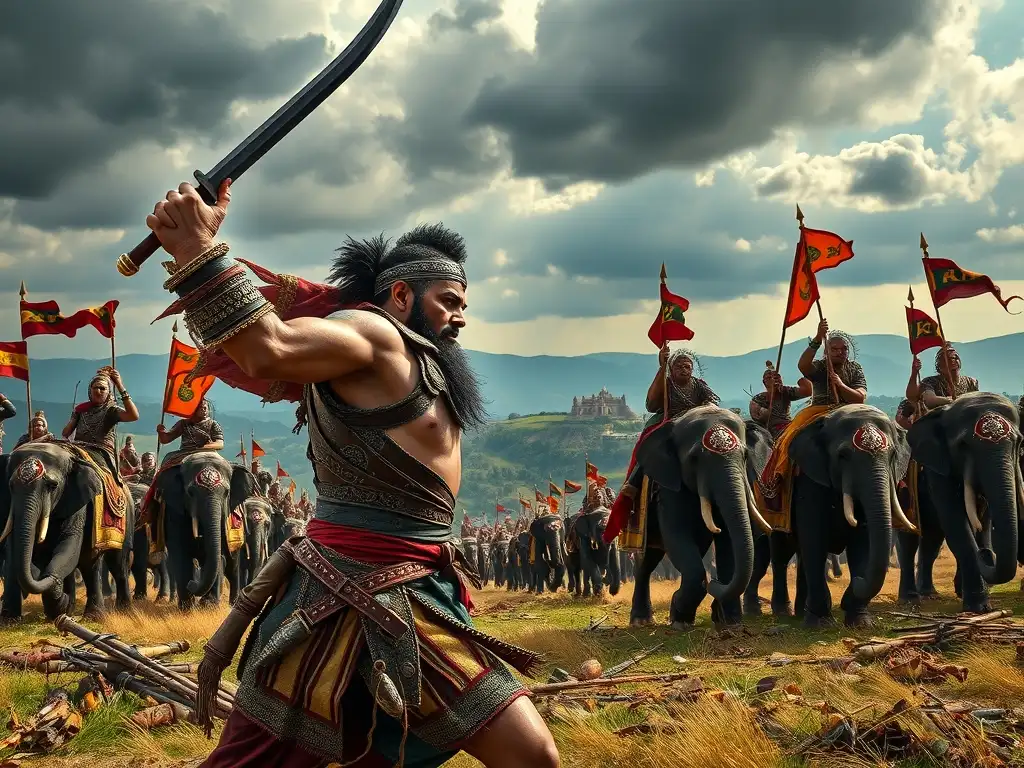
Welcome to Ancient India History, where we invite you to embark on a journey through the rich tapestry of ancient Indian civilizations. From the monumental achievements of the Indus Valley to the intellectual fervor of the Gupta Empire, our exploration lays bare the vital contributions that have shaped not only India but also the world. In this captivating article, we delve into the impact of ancient Indian battles on modern warfare, uncovering how strategies and philosophies from the past resonate in today’s military practices.
Prepare to ignite your curiosity and deepen your understanding as we connect the dots between history and its lasting legacy. Let the adventure begin!
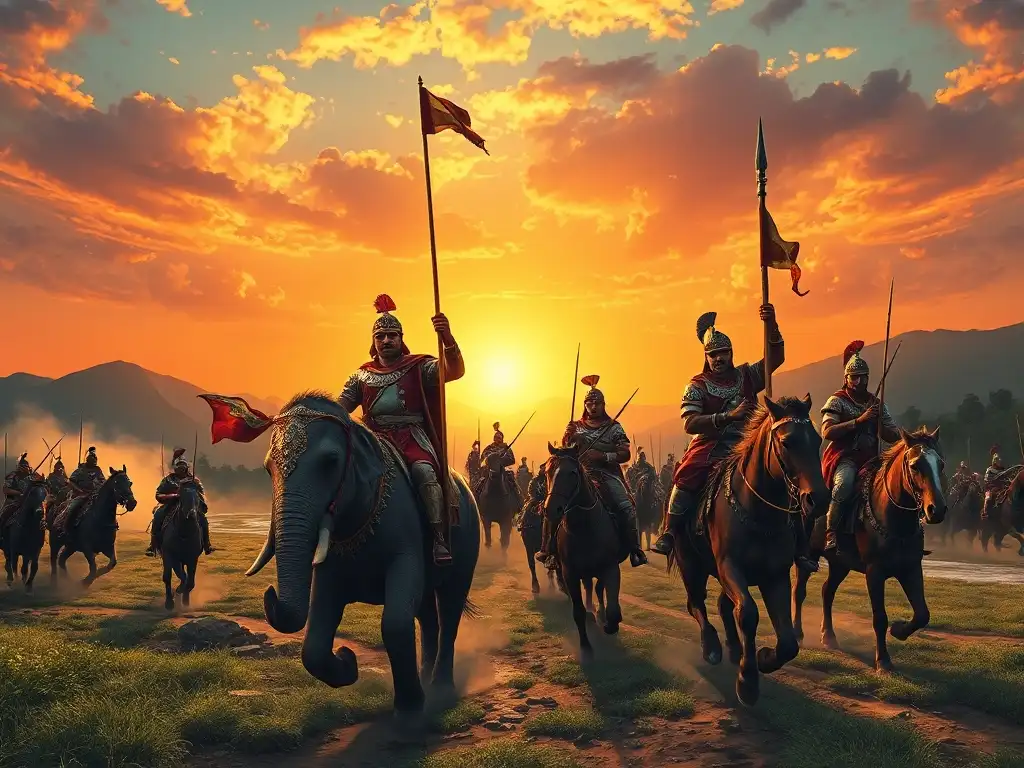
The profound impact of ancient Indian battles extends far beyond the historical narrative; it resonates within the framework of modern warfare. By examining the strategies, philosophies, and techniques developed during significant conflicts in ancient India, we can uncover valuable insights that continue to shape contemporary military thought.
From the systematic approaches of the Maurya and Gupta empires to the tactical innovations seen in battles such as the Kalinga War and the Mahabharata, the legacies of these ancient military engagements offer lessons that are still studied and applied today. This article delves into the intricate connections between historical battles and their influence on modern military practices, providing a comprehensive understanding of how ancient Indian warfare has left an indelible mark on the art of combat.
Understanding Ancient Indian Battles
Overview of Notable Ancient Indian Battles
Ancient India was characterized by a multitude of significant battles that defined the course of its history. Some of the most notable include:
- The Battle of Kalinga (261 BCE): Fought between the Mauryan Empire led by Emperor Ashoka and the state of Kalinga, this battle is renowned for its massive loss of life and the subsequent transformation of Ashoka into a proponent of peace and Buddhism.
- The Mahabharata War (circa 3102 BCE): A legendary conflict that forms the backbone of the Indian epic, the Mahabharata, this war is not only a tale of rivalry between the Pandavas and Kauravas but also serves as a philosophical exploration of dharma (duty) and righteousness in warfare.
- The Battle of the Hydaspes (326 BCE): This battle between Alexander the Great and King Porus showcased advanced military tactics and the use of war elephants, illustrating the tactical ingenuity of Indian forces.
These battles illustrate the complexity and depth of military engagements in ancient India, each contributing to the evolution of warfare.
Key Characteristics of Ancient Indian Warfare
Ancient Indian warfare was marked by several unique characteristics:
- Use of Elephants: Elephants played a central role in battles, serving as both a means of transport and a formidable force on the battlefield.
- Chariotry and Infantry Tactics: The use of chariots was prevalent, alongside well-organized infantry units that employed various formations and strategies.
- Philosophical Underpinnings: Warfare in ancient India was deeply intertwined with philosophical and moral considerations, often reflecting the values of dharma and ethics in combat.
These elements not only defined the nature of warfare but also influenced subsequent generations of military leaders and strategists.
The Historical Context of Ancient Indian Battles
Major Empires and Their Military Strategies
Throughout ancient Indian history, several empires emerged, each with distinct military strategies that shaped the landscape of warfare:
- Maurya Empire: Known for its centralized military command and extensive use of spies, the Mauryas effectively expanded their territory through both warfare and diplomacy.
- Gupta Empire: The Guptas are often credited with military innovations, including the use of cavalry and advanced fortifications, which allowed them to maintain a vast empire during the Golden Age of India.
These empires set the groundwork for military organization and strategy that would influence future generations.
Cultural Significance of Warfare in Ancient India
Warfare in ancient India was not merely a political tool; it held significant cultural importance. Battles were often seen as a means to uphold dharma and protect the state. The narratives surrounding these conflicts, such as those found in epics like the Ramayana and Mahabharata, highlight the moral dilemmas and heroic ideals associated with combat. This cultural lens continues to inform the understanding of warfare in modern India, where the legacies of ancient battles are celebrated and remembered.
By exploring the complexities of ancient Indian battles, we gain a deeper appreciation for their impact on modern military practices and the enduring lessons they offer in the realm of strategy and ethics.
Ancient Indian Battles Impact on Modern Warfare
The realm of ancient Indian battles has left an indelible mark on the evolution of modern warfare. From the strategic approaches utilized during the Indus Valley civilization to the sophisticated military doctrines developed during the Gupta Empire, these historical conflicts have shaped contemporary military strategies across the globe. The principles derived from these battles, including innovative tactics, psychological warfare, and logistical management, are still relevant today, influencing both military leaders and strategists in their quest for victory.
The impact of ancient Indian battles on modern military thought can be observed in various aspects, such as the emphasis on adaptability in battle, the importance of intelligence and reconnaissance, and the integration of diverse combat units. These elements have been instrumental in the development of modern warfare, where flexibility and strategic foresight are paramount.
Tactical Innovations Derived from Ancient Indian Warfare
Ancient Indian warfare was characterized by several tactical innovations that have transcended time. One notable innovation was the use of war elephants, which played a crucial role in both psychological warfare and physical combat. The deployment of elephants created a formidable presence on the battlefield, often causing chaos among enemy ranks.
Additionally, the formation of mixed troops—incorporating infantry, cavalry, and chariots—allowed for a versatile combat approach that is mirrored in modern military practices today. This tactic not only maximized the strengths of various units but also facilitated a more comprehensive battlefield strategy.
Moreover, the use of fortifications in ancient Indian battles, such as the construction of strongholds and defensive structures, laid the groundwork for modern military engineering. These innovations highlight the foresight of ancient strategists who understood the significance of terrain and fortification in warfare.
Strategies Adopted from Historical Battles in India
The strategic principles gleaned from ancient Indian battles have been adopted and adapted by military leaders worldwide. One prominent example is the emphasis on guerrilla warfare, which was effectively employed by Indian warriors such as the Marathas. This strategy involved using the element of surprise, mobility, and knowledge of local terrain to outmaneuver larger, conventional forces.
Historical battles also demonstrated the importance of psychological tactics. The ability to instill fear and confusion in the enemy by employing deceptive maneuvers or feigned retreats has been a staple in military strategy, echoing the practices of ancient Indian generals. Such strategies underscore the significance of morale and the psychological dimensions of warfare.
Furthermore, the integration of diplomacy and alliances during conflicts, as seen in various ancient Indian battles, is a timeless strategy that continues to influence modern military and political discussions. The ability to forge alliances and engage in diplomacy has proven vital in achieving strategic objectives without direct confrontation.
Influence on Modern Military Doctrines and Practices
The doctrines of modern militaries can trace their roots back to the lessons learned from ancient Indian battles. The principles of flexibility, mobility, and combined arms operations are integral to contemporary military strategies. These doctrines emphasize the need for forces to adapt quickly to changing battlefield conditions, a lesson well understood by ancient Indian commanders.
Additionally, modern military practices regarding logistics and supply chains are heavily influenced by the extensive logistical planning evident in ancient warfare. The ability to sustain troops and manage resources effectively was a hallmark of successful campaigns, underscoring the importance of logistics in achieving victory.
The integration of technology in warfare today also reflects the innovative spirit of ancient Indian battles, which saw the introduction of various weapons and tools designed to maximize effectiveness in combat. This ongoing evolution showcases the enduring legacy of ancient Indian military thought in shaping the frameworks of modern warfare.
Case Studies of Specific Ancient Indian Battles
The Battle of Kalinga: Lessons Learned
The Battle of Kalinga, fought in 261 BCE, stands as a pivotal moment in Indian history, not only for its immediate consequences but also for the lessons it imparted on warfare and ethics. The sheer scale of the conflict and the subsequent devastation led Emperor Ashoka to embrace non-violence, illustrating how the aftermath of a battle can shape a ruler's policies and philosophies.
From a tactical perspective, the strategies employed during the battle, including the use of intelligence gathering and territorial advantage, provide crucial lessons for modern military operations. The emphasis on understanding the enemy's strengths and weaknesses remains a fundamental principle in contemporary warfare.
Moreover, the shift in Ashoka's approach highlights the importance of humanitarian considerations in military strategy, a theme that resonates with modern doctrines advocating for the protection of civilians and ethical conduct in warfare.
The Role of the Mahabharata in Military Ethics and Strategy
The Mahabharata, one of the greatest epics of ancient India, serves not only as a narrative of conflict but also as a profound source of military ethics and strategy. The epic presents various dilemmas faced by its characters, illustrating concepts such as dharmic warfare, where the righteousness of actions is as crucial as victory itself.
The strategies depicted in the Mahabharata, including the use of deception and cunning, have been studied by military leaders throughout history. The tale of the Chakra Vyuha, for example, emphasizes the need for strategic foresight and planning, demonstrating how even the most formidable defenses can be breached through clever tactics.
Additionally, the ethical considerations raised in the Mahabharata continue to influence modern military thought, prompting discussions about the moral implications of warfare and the responsibilities of commanders toward their troops and the civilian population.
The Impact of the Gupta Empire's Warfare on Subsequent Conflicts
The Gupta Empire, often referred to as the Golden Age of India, made significant contributions to military strategy that influenced subsequent conflicts in the region. The Gupta military system, characterized by its well-organized infantry and cavalry, showcased the importance of training and discipline, elements that are foundational in modern military organizations.
The Gupta approach to warfare also included the use of advanced weaponry and tactics, such as the incorporation of archers and siege engines. These innovations not only enhanced their battlefield effectiveness but also set a precedent for the technological advancements that would follow in later centuries.
The diplomatic strategies employed by the Gupta rulers in managing their territories and engaging with neighboring states further illustrate their influence on military practices. The ability to maintain stability through both military and diplomatic means has been a critical lesson for future leaders, underscoring the multifaceted nature of warfare that extends beyond mere combat.
Comparing Ancient Indian Warfare with Other Civilizations
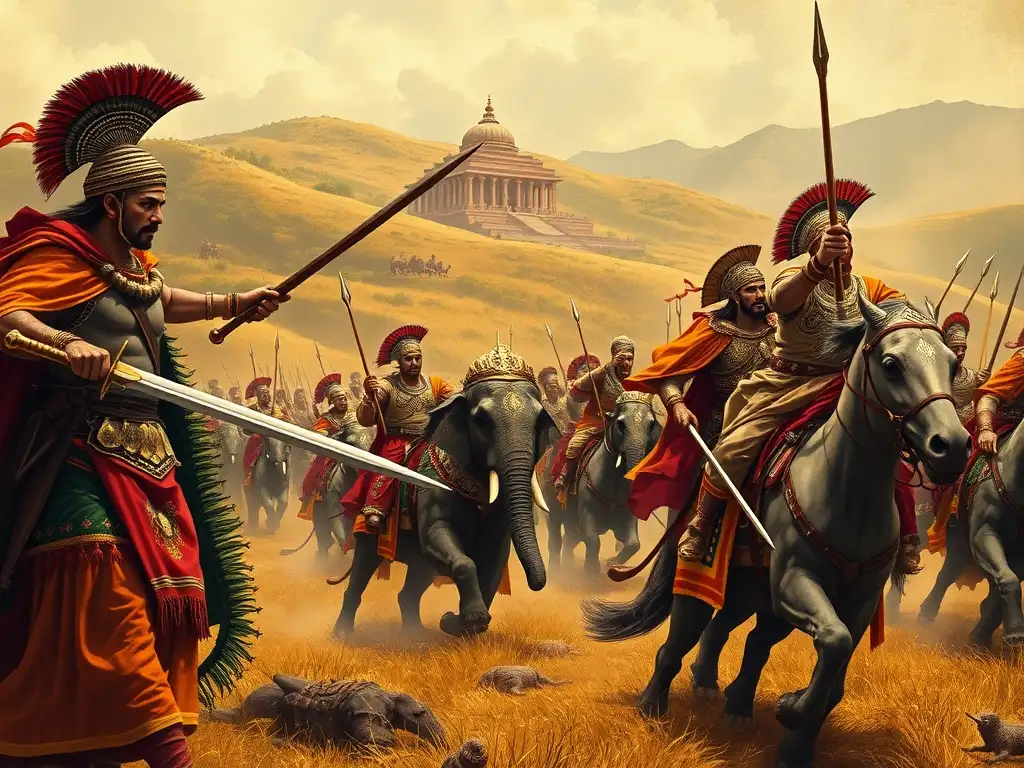
Ancient Indian warfare exhibits a complex tapestry of strategies, tactics, and philosophies that can be compared and contrasted with other ancient civilizations. The rich military history of India, particularly during the Vedic period and into the time of the Maurya and Gupta empires, presents both similarities and differences when viewed alongside the military practices of cultures such as the Greeks, Romans, and Chinese. Understanding these connections aids in appreciating how ancient Indian battles have shaped modern warfare.
Similarities with Greek and Roman Military Strategies
Both ancient Indian and Mediterranean civilizations, particularly the Greeks and Romans, placed significant emphasis on organized military formations and the strategic use of cavalry and infantry. For instance, the use of phalanx-like formations is noted in both the ancient Indian context, particularly in battles described in epics like the Mahabharata, and in Greek battle tactics.
- Combined Arms Approach: Just as the Greeks utilized hoplites and cavalry in concert, ancient Indian armies often integrated infantry, cavalry, and war elephants, showcasing an understanding of combined arms that parallels that of their Greek counterparts.
- Siege Warfare: The Romans are well-known for their advanced siege techniques. Similarly, ancient Indian kingdoms employed sophisticated methods of besieging fortifications, as documented in texts like the Arthashastra, which outlines various strategies for warfare, including psychological tactics to demoralize defenders.
Both cultures also recognized the importance of logistics and supply chains in sustaining prolonged campaigns, which is crucial for effective military operations.
Contrasting Approaches: Ancient India vs. Ancient China
While ancient India and China both developed rich military traditions, their approaches to warfare reveal distinct philosophies and methodologies.
- Philosophical Underpinnings: Ancient Indian warfare was often influenced by dharma (duty and righteousness), especially in epic narratives. In contrast, Chinese military thought, especially as articulated by Sun Tzu in "The Art of War," emphasized strategy, deception, and the psychological aspects of warfare.
- Engagement Styles: Indian warfare frequently involved large-scale battles with a strong focus on valor and honor, reflecting the cultural narratives of the time. In contrast, ancient Chinese military strategies often emphasized flexibility and adaptability, favoring maneuver warfare over head-on confrontations.
This divergence highlights how cultural values and philosophical beliefs shape military practices, leading to unique methodologies in warfare.
The Unique Aspects of Ancient Indian Battle Tactics
Ancient Indian battle tactics were characterized by several unique elements that set them apart from other civilizations.
- Role of Elephants: War elephants were not just a means of transport but also served as psychological tools in battle, instilling fear in enemy ranks. Their use in warfare is a distinctive feature of ancient Indian military strategy.
- Terrain Utilization: Ancient Indian generals often exhibited a profound understanding of the terrain, using natural features to their advantage. This tactical awareness allowed for ambushes and strategic retreats that were pivotal in many historical battles.
- Naval Power: While not as prominently featured as in other civilizations, ancient Indian states, particularly during the Maurya and Gupta periods, had developed naval capabilities, showcasing a comprehensive approach to warfare that included control of waterways.
These unique aspects contributed significantly to the effectiveness of ancient Indian armies and their ability to adapt to varied combat scenarios.
The Legacy of Ancient Indian Battles in Today's Military
The impact of ancient Indian battles extends beyond their historical context, influencing contemporary military practices and strategies.
Continuing Relevance of Ancient Strategies in Modern Conflicts
Many principles derived from ancient Indian warfare remain relevant in modern military contexts. Concepts such as:
- Asymmetric Warfare: The strategies employed by smaller or less-equipped forces to outmaneuver larger opponents can be traced back to tactics used in ancient Indian battles.
- Psychological Warfare: The emphasis on demoralizing the enemy, a tactic often found in ancient texts, continues to be a critical aspect of modern military operations.
These enduring strategies reflect a timeless understanding of the complexities of warfare and offer valuable lessons for contemporary conflicts.
Training and Education: Incorporating Ancient Tactics
Modern military academies recognize the value of studying historical battles, including those from ancient India. The incorporation of ancient tactics into training programs allows military personnel to learn from past successes and failures. Key areas of focus include:
- Leadership Development: Ancient Indian epics often highlight the qualities of effective leaders in battle, providing modern training programs with valuable insights into leadership under pressure.
- Tactical Flexibility: Understanding the adaptability of ancient Indian generals fosters a mindset of flexibility in modern military operations, essential for success in unpredictable combat environments.
This educational integration helps to bridge the gap between ancient wisdom and contemporary military practices.
The Influence of Ancient Indian Battles on Global Military History
Ancient Indian battles have significantly impacted global military history, contributing to the evolution of warfare strategies worldwide. The exchange of military knowledge through trade routes facilitated the spread of Indian tactics and philosophies to other cultures.
- Cultural Exchange: The interactions between ancient Indian kingdoms and neighboring civilizations, such as Persia and the Hellenistic world, resulted in a cross-pollination of military ideas, influencing strategies across regions.
- Historical Documentation: Texts like the Arthashastra and accounts of battles in epic literature have provided a wealth of knowledge that historians and military strategists continue to study, ensuring that the lessons of ancient Indian warfare remain relevant in the broader context of military history.
The influence of ancient Indian battles on modern warfare is profound, with their strategies, tactics, and philosophies continuing to resonate in military thought today.
Conclusion
The impact of ancient Indian battles on modern warfare is profound and multifaceted. Through strategic innovations, tactical formations, and the philosophical underpinnings of conflict, these historical encounters have left an indelible mark on military practices and theories that continue to resonate in contemporary warfare. As we delve into the lessons learned from these ancient battles, it becomes evident that they not only shaped the military landscape of their time but also laid the groundwork for future generations to build upon.
Summary of Key Influences of Ancient Indian Battles
The key influences of ancient Indian battles on modern warfare can be summarized in several critical areas:
- Tactical Innovations: Battles such as the Battle of Kurukshetra from the Mahabharata illustrate complex battlefield strategies and the importance of terrain and troop formations. The incorporation of these tactics can be seen in modern military doctrines that emphasize maneuverability and adaptability.
- Psychological Warfare: Ancient Indian warriors often employed psychological tactics to intimidate their opponents. The use of misinformation and deception in battles like the Battle of Magadha showcases how these strategies remain relevant in contemporary military engagements, where the mental state of adversaries plays a crucial role.
- Philosophy of War: Texts like the Arthashastra by Kautilya offer timeless wisdom on statecraft and military strategy, stressing the importance of intelligence, diplomacy, and ethical considerations in warfare. These principles continue to inform modern military leaders and strategists.
- Use of Technology: The introduction of chariots and cavalry during ancient battles laid the foundation for technological advancements in warfare. Today's militaries still emphasize the significance of technological superiority, echoing the innovations of ancient times.
Final Thoughts on the Relevance of Ancient Warfare Today
The relevance of ancient warfare in today's military strategies cannot be overstated. The foundational principles and lessons derived from ancient Indian battles serve as a reservoir of knowledge for modern military leaders. By studying these past conflicts, contemporary armies can refine their strategies, enhance their operational effectiveness, and navigate the complexities of modern warfare.
As we continue to explore the rich tapestry of military history, it is essential to recognize that the echoes of ancient battles still resonate in the strategies employed today. The wisdom encapsulated in ancient texts and the tactical prowess demonstrated in historical conflicts provide valuable insights that transcend time, reminding us of the enduring nature of warfare and the lessons that can be gleaned from our past.
- Understanding Ancient Indian Battles
- The Historical Context of Ancient Indian Battles
- Ancient Indian Battles Impact on Modern Warfare
- Case Studies of Specific Ancient Indian Battles
- Comparing Ancient Indian Warfare with Other Civilizations
- The Legacy of Ancient Indian Battles in Today's Military
- Conclusion
- What are some significant ancient Indian battles that shaped history?
- How did ancient Indian battles impact modern warfare?
- What role did cultural values play in ancient Indian warfare?
- How did the Gupta Empire influence military practices?
- Can we see the effects of ancient Indian battles in contemporary military doctrines?
Frequently Asked Questions
What are some significant ancient Indian battles that shaped history?
Several key battles include the Battle of the Hydaspes, the Mahabharata War, and the Kalinga War, each influencing military strategies and political boundaries.
How did ancient Indian battles impact modern warfare?
The tactics and strategies developed during these battles laid the groundwork for modern military practices, showcasing the importance of cavalry, infantry, and war elephants.
What role did cultural values play in ancient Indian warfare?
Cultural values such as honor, dharma, and sacrifice were integral to battles, influencing warrior ethics and the justification of conflicts.
How did the Gupta Empire influence military practices?
The Gupta Empire introduced advanced military organization and logistics, enhancing the effectiveness of their armies and setting precedents for later Indian states.
Can we see the effects of ancient Indian battles in contemporary military doctrines?
Yes, many contemporary military doctrines still reflect the principles and tactics established during ancient Indian battles, emphasizing the importance of strategy and adaptation in warfare.
Final Reflection: The Enduring Legacy of Ancient Indian Battles on Modern Warfare
The impact of ancient Indian battles on modern warfare is not merely a historical curiosity; it is a testament to the timeless principles of strategy, resilience, and cultural identity that continue to shape military tactics today. As we navigate an increasingly complex global landscape, the lessons drawn from these ancient conflicts remind us that the past is not just a series of events but a rich tapestry of insights that can guide contemporary decision-making in warfare and beyond.
The echoes of ancient Indian battles resonate through the corridors of modern military thought, influencing not only tactics but also the very ethos of warfare. The strategic brilliance of figures like Chandragupta Maurya and the philosophical underpinnings found in texts such as the Arthashastra continue to inspire military leaders and strategists around the world. History is a vast early warning system.
– Norman Cousins. This quote encapsulates the essence of learning from the past, highlighting how the strategies and philosophies of ancient battles remain relevant in addressing today's challenges.
As we reflect on the profound impact of these ancient conflicts, I invite you to consider how the lessons of resilience, strategy, and cultural understanding can be applied in your own life. Embrace the wisdom of history, and let it inform your actions and decisions, whether in leadership, conflict resolution, or personal growth. The legacy of ancient Indian battles is not just a story of the past; it is a call to engage thoughtfully with the present and to shape a future that honors the lessons learned from those who came before us.
Discover the Timeless Lessons of Ancient Warfare!
Thank you for diving into the fascinating world of ancient Indian battles with us! By exploring how these historical conflicts shape modern warfare, you've unlocked valuable insights into strategy, resilience, and leadership.
Now, let's take that knowledge further! Here are some action steps to consider:
- Reflect on the Strategies: Choose a particular battle discussed in the article and analyze its tactics. Consider how these lessons can be applied to the modern challenges you face.
- Engage with the Community: Share your thoughts on social media or in our comments section. What aspect of ancient warfare resonates with you the most?
- Explore Further: Delve deeper into specific battles or influential leaders by visiting our archives. Discover the connections between past and present military strategies!
What ancient strategy do you believe could revolutionize modern approaches to conflict today?