
The Siege of Chittorgarh: A Tale of Valor and Sacrifice

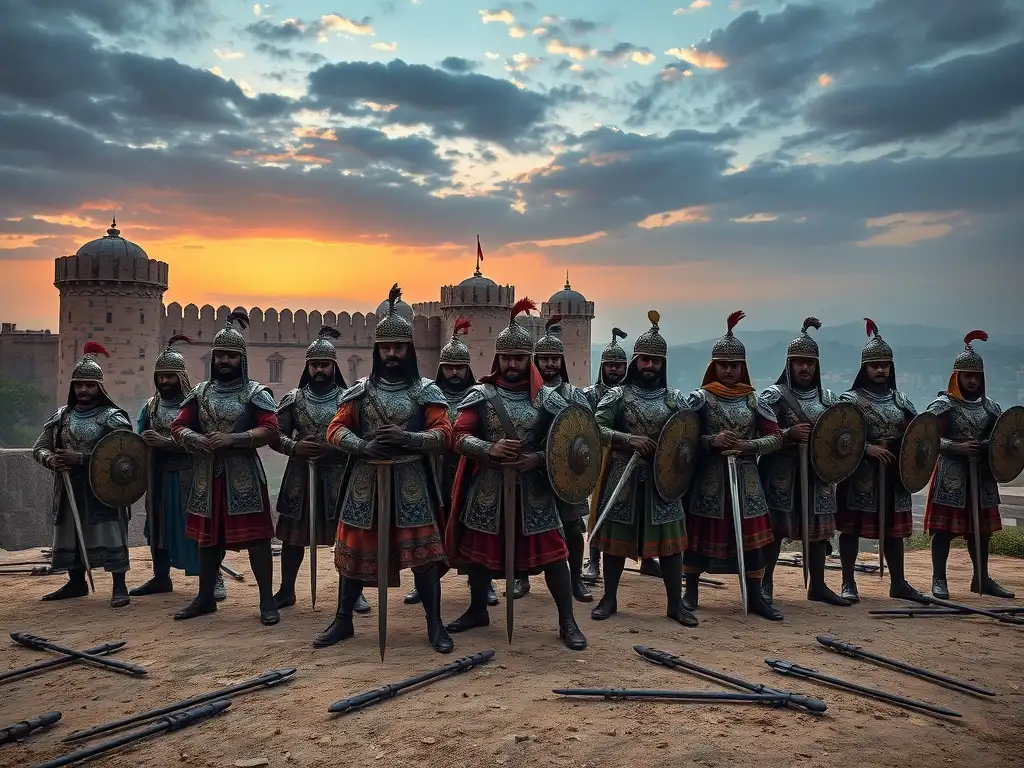
Welcome to Ancient India History, where we embark on an enlightening journey through time, uncovering the rich tapestry of India's ancient civilizations. In our featured article, "The Siege of Chittorgarh: A Tale of Valor and Sacrifice," we delve into the gripping Chittorgarh siege history in India, exploring the courage and resilience that defined this monumental event.
Prepare to be captivated by tales of heroism and strategic brilliance that shaped not just a city, but the very spirit of a nation. Join us as we unlock the secrets of the past and invite you to explore the extraordinary legacy of ancient India!
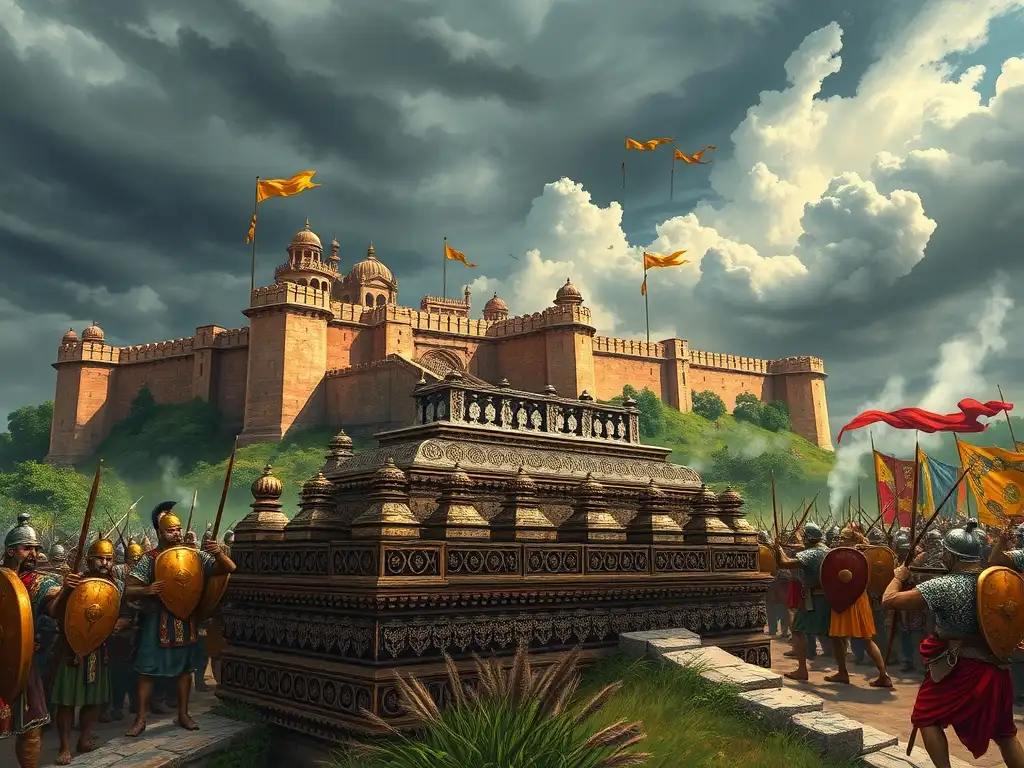
Introduction to Chittorgarh Siege History in India
The Siege of Chittorgarh stands as one of the most significant events in Indian military history, embodying tales of valor and sacrifice that resonate through the ages. This historical siege, marked by intense conflict and unwavering bravery, is not just a reflection of the military strategies employed during the time but also a testament to the cultural and social dynamics of ancient Indian civilizations.
The Chittorgarh siege history in India reveals the enduring spirit of its defenders and the complexities of their struggles against formidable foes. As we delve into this remarkable episode, we uncover the layers of significance that Chittorgarh holds in the broader context of Indian history.
Overview of the Siege of Chittorgarh
The siege occurred in the 16th century, primarily between 1535 and 1568, when the formidable Mughal Empire sought to conquer the Rajput stronghold of Chittorgarh. With its towering fortifications, Chittorgarh was a symbol of Rajput pride and resistance. The siege tested the limits of military endurance and the intrinsic ethos of sacrifice among the Rajputs, culminating in a desperate defense led by the valorous Maharana Pratap and his loyal warriors. As the Mughals, under the command of Akbar, advanced, the defenders faced overwhelming odds, showcasing a narrative steeped in heroism and tragic loss.
Importance of Chittorgarh in Indian Military History
Chittorgarh is often regarded as a crucible of resistance against imperial forces, illustrating the fierce independence of the Rajput clans. The events surrounding the siege not only highlight strategic military maneuvers but also reflect the socio-political landscape of the time. The fort’s storied past serves as a reminder of the rich tapestry of Rajput valor, and its legacy continues to inspire generations. Moreover, the siege has become emblematic of the struggle against oppression, marking it as a pivotal chapter in the annals of Indian military history.
Historical Background of Chittorgarh Fort
Significance of Chittorgarh Fort in Ancient India
Chittorgarh Fort, a UNESCO World Heritage Site, stands as a monumental testament to the architectural and cultural advancements of ancient India. Established in the 7th century, the fort served not only as a military bastion but also as a center of political power and cultural development. Its strategic location on the Aravalli hills provided a crucial vantage point for monitoring and defending against invasions, further enhancing its significance in the region's history.
Architectural Features of Chittorgarh Fort
The architectural marvels of Chittorgarh Fort are awe-inspiring, showcasing the ingenuity of ancient Indian engineering. The fort is characterized by its:
- Massive Walls: Stretching over 13 kilometers, these walls are a formidable barrier against invaders.
- Palaces and Towers: Structures like the Vijay Stambha (Victory Tower) and Rani Padmini's Palace reflect the opulence and artistry of the Rajput era.
- Water Reservoirs: Ingeniously designed to collect and store water, these reservoirs were crucial for sustaining the defenders during prolonged sieges.
The Role of Chittorgarh in Rajputana History
Chittorgarh Fort is often seen as the heart of Rajputana, symbolizing the pride and valor of the Rajput clans. Throughout its history, the fort has been the site of numerous battles, betrayals, and acts of chivalry. It served as the capital of various Rajput kingdoms, becoming a cultural and political hub in ancient India. The legacy of Chittorgarh continues to inspire tales of heroism, making it an enduring symbol of resistance against adversity.
Causes of the Siege of Chittorgarh
The Siege of Chittorgarh, a pivotal moment in the military history of India, was spurred by a confluence of political, social, and cultural factors. The fort of Chittorgarh, renowned for its grandeur and strategic significance, became a focal point of conflict between the Rajput kingdoms and the expanding Mughal Empire. This section delves into the intricate causes that led to this monumental siege.
Political Context Leading to the Siege
During the early 16th century, the Indian subcontinent was marked by intense rivalry among regional powers. The Mughal Empire, under the leadership of Emperor Akbar, sought to consolidate its influence over northern India. The Rajputs, particularly those from the Mewar kingdom, were seen as a formidable obstacle to Mughal expansion. The political landscape was fraught with alliances, betrayals, and shifting loyalties, which created a volatile environment ripe for conflict.
Chittorgarh, the capital of Mewar, was a symbol of Rajput pride and autonomy. Its strategic location made it a critical asset for controlling trade routes and military movements. As Akbar aimed to expand his empire, the necessity to subdue such strongholds became paramount, laying the groundwork for the siege.
Key Figures Involved in the Conflict
Several key figures played crucial roles in the Siege of Chittorgarh, shaping its course and legacy.
- Maharana Udai Singh II: The ruler of Mewar, known for his resolute commitment to Rajput honor and independence. His leadership inspired fierce resistance among the defenders.
- Akbar the Great: The Mughal emperor whose ambition to unify India under his rule drove the military campaign against Chittorgarh. His tactical acumen and resource mobilization were critical to the siege.
- Rani Padmini: A legendary figure whose beauty and bravery became symbolic of Rajput valor. Her story is intertwined with the siege, particularly regarding the morale of the defenders.
- Mirza Raja Jai Singh: A trusted general of Akbar, known for his strategic prowess. His role in the siege exemplified the Mughal approach to warfare during this period.
Each of these figures contributed significantly to the unfolding events, influencing both the siege's tactics and its ultimate outcome.
Motivations Behind the Attack on Chittorgarh
The motivations for the Mughal attack on Chittorgarh were multifaceted, reflecting both strategic objectives and deeper cultural aspirations.
- Strategic Control: Capturing Chittorgarh would not only disrupt Rajput resistance but also secure vital trade routes and bolstered Mughal dominance in the region.
- Political Consolidation: The siege represented Akbar's broader efforts to unify India under a single administration, which necessitated the subjugation of rebellious states.
- Cultural Symbolism: The Rajputs' fierce independence and their romanticized code of honor made their defeat a significant statement of Mughal power, sending ripples through the socio-political fabric of India.
These motivations underscored the importance of Chittorgarh in the context of both military strategy and cultural narratives of the time.
The Siege: Events and Strategies
The Siege of Chittorgarh was not merely a military confrontation but a complex interplay of tactics, leadership, and human emotions. This section outlines the significant events and strategies that characterized the siege, illustrating the valor and sacrifice of the defenders.
Timeline of the Siege of Chittorgarh
The timeline of the siege spans several critical days, showcasing the intensity of the conflict:
- Initial Assault (February 1567): Akbar's forces launched a surprise attack on Chittorgarh, aiming to catch the defenders off guard.
- Defensive Preparations: Under Udai Singh's command, the Rajputs fortified their defenses, preparing for a prolonged conflict.
- Siege Warfare (February-March 1567): The Mughals employed traditional siege tactics, including blockades and artillery bombardment.
- Final Assault (March 1567): After months of resistance, the Mughal forces breached the fort's defenses, leading to fierce hand-to-hand combat.
This timeline encapsulates the escalating tensions and the strategic maneuvers employed by both sides.
Tactics Used by the Defenders of Chittorgarh
The defenders of Chittorgarh employed several innovative tactics to withstand the siege, showcasing their military acumen and determination:
- Fortifications: The fort's natural landscape and man-made defenses played a crucial role in delaying the Mughal advance. High walls and strategically placed towers provided a formidable barrier.
- Guerrilla Warfare: The Rajput defenders utilized guerrilla tactics, conducting raids on Mughal supply lines and harassing their forces to disrupt their operations.
- Morale and Unity: The legendary tales of Rani Padmini and other warriors instilled a sense of pride and determination within the ranks of the defenders, fostering unity against the common enemy.
These tactics illustrated the resilience and ingenuity of the Rajputs during the siege.
The Role of Leadership in the Siege
Effective leadership was pivotal in shaping the course of the Siege of Chittorgarh. The contrasting styles of Maharana Udai Singh and Akbar influenced the strategies and morale of their respective forces.
- Maharana Udai Singh II: His leadership was characterized by bravery and an unwavering commitment to his people's welfare. He rallied the defenders, emphasizing the importance of honor and sacrifice in the face of overwhelming odds.
- Akbar's Strategic Vision: Akbar's ability to adapt his strategies and foster loyalty among his commanders allowed the Mughal forces to maintain pressure on the defenders. His decision to employ both conventional and guerrilla tactics showcased his military ingenuity.
The interplay of leadership styles significantly impacted the siege's dynamics, ultimately contributing to the legacy of valor associated with Chittorgarh.
Valor and Sacrifice: Stories from the Siege
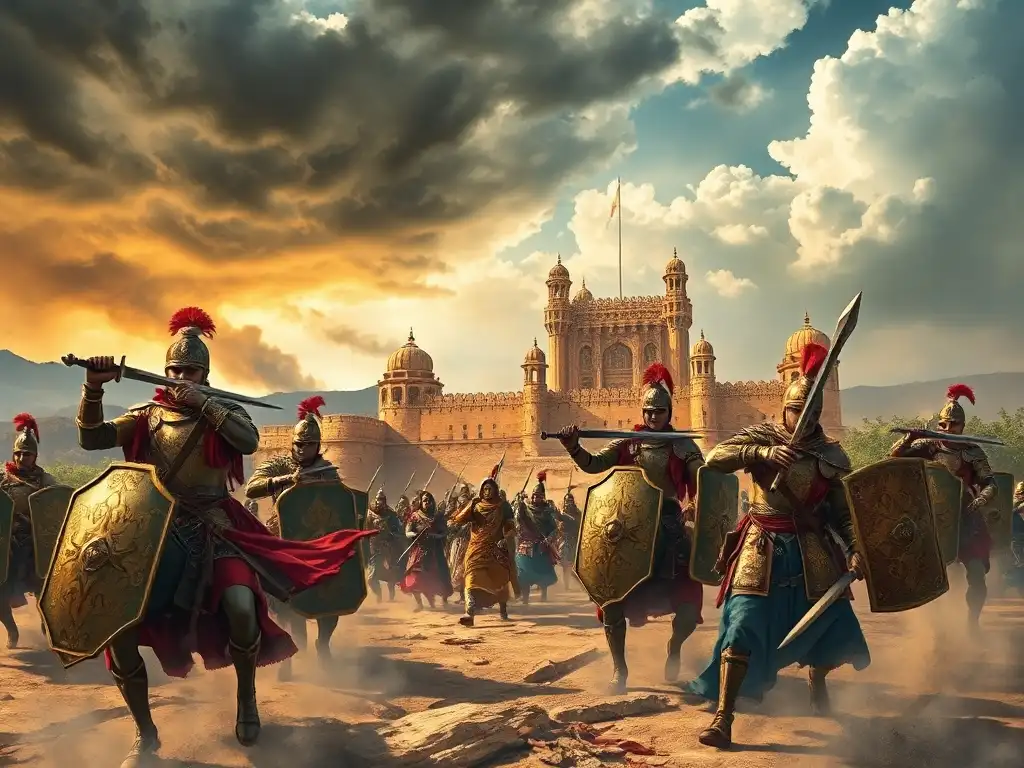
The Siege of Chittorgarh, a pivotal event in Indian history, is marked by extraordinary tales of valor and sacrifice. The defenders, primarily Rajput warriors, displayed remarkable bravery against overwhelming odds during multiple assaults by the Mughal forces led by Emperor Akbar. The stories from this siege are not just accounts of military engagements; they encompass the spirit of resistance, loyalty, and the fierce determination of those who fought to protect their homeland.
Notable Heroes of the Siege of Chittorgarh
Among the many heroes who emerged during the siege, Maharana Kumbha stands out as a symbol of Rajput valor. Known for his military acumen and leadership, he played a crucial role in organizing the defense of Chittorgarh. Another notable figure was Rani Padmini, whose legendary beauty and unwavering commitment to her people inspired the defenders. Her story, intertwined with the events of the siege, has become a cornerstone of Rajput folklore. The valor of warriors like Jaimal and Fateh Singh, who led daring sorties against the Mughal forces, further exemplifies the courage displayed during these trying times.
Acts of Bravery by the Defenders
The defenders of Chittorgarh engaged in numerous acts of bravery that are etched in the annals of history. One of the most celebrated episodes was the valiant defense led by Jaimal, who valiantly fought to hold the fort against the Mughals. Despite suffering heavy casualties, he and his men launched counterattacks that delayed Akbar's forces. The defenders also employed guerilla tactics, using the fort's complex terrain to their advantage, showcasing their ingenuity and resolve.
The ultimate act of sacrifice was epitomized by the women of Chittorgarh, who chose jauhar (self-immolation) over capture, solidifying their legacy of honor in the face of defeat.
The Tradition of Jauhar: A Cultural Insight
The tradition of jauhar during the Siege of Chittorgarh is a profound cultural practice that reflects the values of honor and dignity among Rajput women. When defeat seemed inevitable, women, led by Rani Padmini, chose to perform jauhar, believing that death was preferable to dishonor. This act of self-sacrifice not only highlighted the severity of the situation but also served as a powerful statement against oppression. The ritual of jauhar has since become a symbol of resistance and valor, deeply ingrained in the cultural ethos of Rajasthan and celebrated in various literary and artistic expressions across India.
Aftermath of the Siege of Chittorgarh
The aftermath of the Siege of Chittorgarh had far-reaching implications for both the Rajputs and the Mughal Empire. The siege underscored the intense rivalry between these two powers, marking a significant moment in the larger narrative of Indian history.
Consequences for the Rajputs and Mughal Empire
The immediate consequence of the siege was the consolidation of Mughal power in Rajasthan. With Chittorgarh captured, the Mughal Empire gained a strategic stronghold, enabling them to further extend their influence in the region. For the Rajputs, the loss was devastating; it marked the decline of their power and the beginning of a new era of Mughal dominance. Many Rajput clans faced disintegration and were forced to negotiate their autonomy under Mughal rule, forever altering the landscape of Rajputana.
Historical Legacy of the Siege in Indian Culture
The siege of Chittorgarh has left an indelible mark on Indian culture, serving as a source of inspiration for countless artistic and literary works. The tales of valor and sacrifice have been immortalized in poetry, folklore, and cinema, reinforcing the ideals of honor and bravery among future generations. This historical event is often viewed as a symbol of resistance against tyranny, resonating deeply within the collective memory of the Rajput community and Indian society at large.
Commemoration and Remembrance of the Siege Today
Today, the Siege of Chittorgarh is commemorated through various cultural festivals and events that celebrate Rajput heritage. The fort itself stands as a monument to this tumultuous chapter in Indian history, attracting visitors who seek to understand the tales of bravery associated with it. Memorials and statues dedicated to the heroes of the siege can be found throughout Rajasthan, serving both as a reminder of their sacrifices and a celebration of their enduring legacy. The spirit of valor and sacrifice continues to be honored, ensuring that the stories of Chittorgarh remain alive for generations to come.
Conclusion: The Legacy of Chittorgarh Siege History in India
The Siege of Chittorgarh stands as a monumental episode in the military history of India, epitomizing the valor and tenacity of its defenders. The legacy left by this historic confrontation is not merely confined to the annals of military strategy but resonates deeply within the cultural fabric of India. The tales of heroism, particularly those surrounding figures like Maharana Kumbha and Rani Padmini, have transcended time, inspiring generations with their narratives of sacrifice and unwavering commitment to their homeland.
The fort itself, a UNESCO World Heritage Site, serves as a poignant reminder of this legacy, attracting scholars, historians, and tourists alike who seek to immerse themselves in the rich tapestry of its history. The stories of valor woven into the very stones of Chittorgarh fort evoke a sense of pride and resilience, highlighting the indomitable spirit of its people in the face of overwhelming odds.
Reflection on Valor and Sacrifice
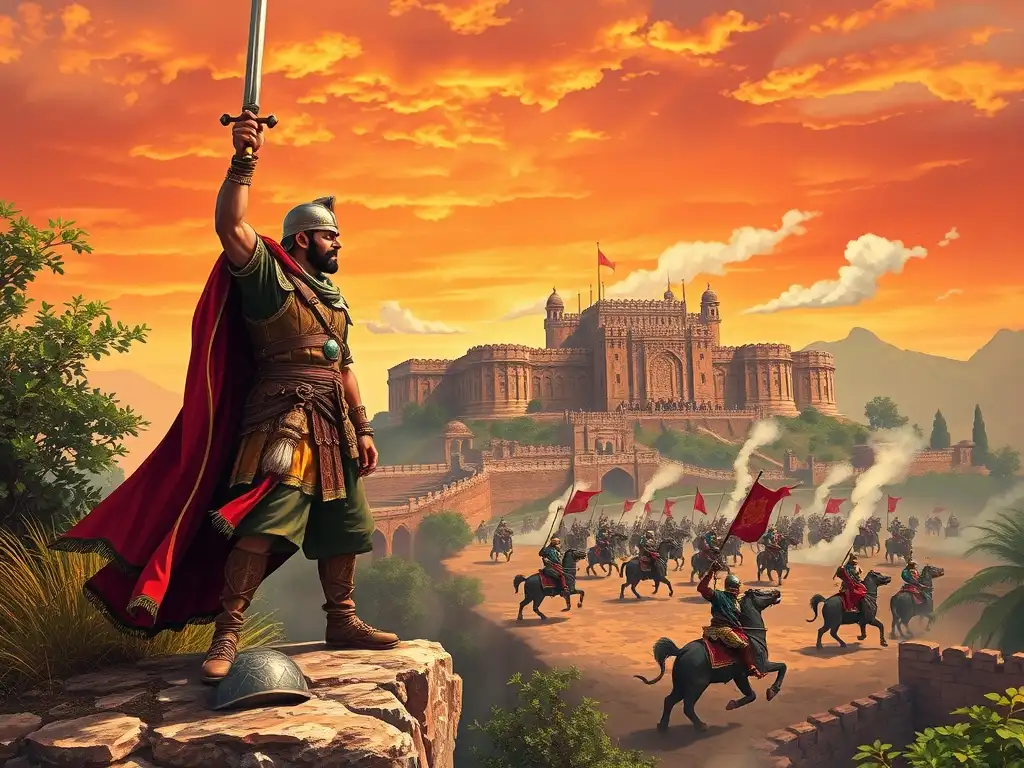
The siege is a testament to the extraordinary valor exhibited by the Rajput warriors who defended Chittorgarh against the formidable forces of Alauddin Khilji. Their readiness to fight to the last breath, coupled with the ultimate sacrifice made by many, exemplifies a fierce dedication to honor and duty. The phenomenon of Jauhar, where women chose to end their lives rather than be captured, resonates with profound sorrow yet reflects the extreme lengths to which they went to preserve their dignity and the honor of their families.
Reflecting on these events invites a deeper understanding of the socio-political context of medieval India, where warfare was often intertwined with issues of honor, loyalty, and identity. The siege and its aftermath continue to inspire discussions about courage and sacrifice in contemporary society, serving as reminders of the costs associated with conflict and the enduring human spirit in the pursuit of freedom and dignity.
Lessons Learned from the Siege of Chittorgarh
The Siege of Chittorgarh offers several essential lessons relevant even today.
- Resilience in Adversity: The defenders of Chittorgarh exemplified remarkable resilience despite being outnumbered. Their ability to strategize and endure prolonged hardships teaches the importance of mental fortitude in challenging situations.
- Unity in Diversity: The siege highlighted the strength that comes from unity among diverse groups. The Rajputs, despite their various clans and factions, came together to defend a common cause, illustrating the power of collaborative effort in the face of a unified threat.
- Cultural Valorization: The narratives of bravery that emerged from the siege underscore the importance of cultural memory. Celebrating such stories fosters a sense of identity and pride, encouraging future generations to uphold values of courage and sacrifice.
These lessons remain relevant in contemporary discussions about leadership, community, and national identity, reinforcing the need to learn from history to navigate present and future challenges.
Further Reading and Resources on Chittorgarh Siege History
For those interested in delving deeper into the history surrounding the Siege of Chittorgarh, a variety of resources offer comprehensive insights into this significant event. Whether through books, articles, or visual media, the following recommendations provide a thorough understanding of the siege's context and implications.
Recommended Books and Articles
-
"The History of Chittorgarh" by R.K. Sharma
This book offers a detailed account of the historical significance of Chittorgarh, including the events of the siege and its aftermath.
-
"Rajput History: The Siege of Chittorgarh" by A.S. Rao
An insightful exploration into the socio-political dynamics of the Rajput clans during the siege, providing a broader context.
-
"Women Warriors of India" by Jaya Bhatia
Focuses on the role of women in the Chittorgarh siege, particularly the act of Jauhar and its implications for gender and honor in Indian society.
Documentaries and Historical Films on Chittorgarh Siege
-
"Chittorgarh: The Last Stand"
A documentary that vividly recreates the siege, featuring expert analysis and on-location filming that brings the history to life.
-
"Rani Padmini: The Legend of Chittorgarh"
This historical film dramatizes the events surrounding the siege, focusing on the legendary queen's valor and the poignant narratives of the siege.
-
"Siege of Chittorgarh: A Testament to Courage"
A compelling documentary that outlines the military strategies employed during the siege and the cultural impact it had on the region.
These resources not only provide factual accounts but also enrich the understanding of the emotional and cultural significance of the Chittorgarh siege in Indian history.
- Introduction to Chittorgarh Siege History in India
- Historical Background of Chittorgarh Fort
- Causes of the Siege of Chittorgarh
- The Siege: Events and Strategies
- Valor and Sacrifice: Stories from the Siege
- Aftermath of the Siege of Chittorgarh
- Conclusion: The Legacy of Chittorgarh Siege History in India
- Reflection on Valor and Sacrifice
- Lessons Learned from the Siege of Chittorgarh
- Further Reading and Resources on Chittorgarh Siege History
- What was the significance of the Chittorgarh siege in Indian history?
- Who were the key figures involved in the Chittorgarh siege?
- What were the main events that led to the Chittorgarh siege?
- How did the siege of Chittorgarh impact Rajput culture?
- What lessons can be learned from the Chittorgarh siege history?
Frequently Asked Questions
What was the significance of the Chittorgarh siege in Indian history?
The Chittorgarh siege is notable for its symbolism of valor and sacrifice, representing the resilience of Rajput warriors against invasions, particularly by Alauddin Khilji in the 14th century.
Who were the key figures involved in the Chittorgarh siege?
Key figures include Rani Padmini, the legendary queen whose beauty was said to have prompted the siege, and Rawal Ratan Singh, her husband, who valiantly defended the fort against the Delhi Sultanate.
What were the main events that led to the Chittorgarh siege?
The siege was initiated when Alauddin Khilji sought to capture Rani Padmini after hearing tales of her beauty. This led to a prolonged battle and the eventual siege of the fort in 1303.
How did the siege of Chittorgarh impact Rajput culture?
The siege became a symbol of Rajput honor and bravery, influencing the cultural narrative of valor, sacrifice, and the practice of jauhar, where women chose self-immolation over capture.
What lessons can be learned from the Chittorgarh siege history?
The Chittorgarh siege history teaches the importance of courage, resilience, and the sacrifices made in the name of honor, serving as a powerful reminder of the struggles faced by ancient civilizations in India.
Final Reflection: The Enduring Legacy of Valor and Sacrifice
The Siege of Chittorgarh resonates profoundly in today's world, reminding us of the timeless values of courage and sacrifice. As we navigate through modern challenges, the stories of those who stood firm against overwhelming odds inspire us to confront our own battles with resilience and honor. The legacy of the Chittorgarh siege is not merely a chapter in history; it is a testament to the human spirit's unwavering strength in the face of adversity.
Cultural narratives like the Siege of Chittorgarh shape our collective identity and continue to influence contemporary society. The valor displayed during this tumultuous period serves as a powerful reminder of the sacrifices made for freedom and honor. As we reflect on these events, we can draw parallels to our current struggles, where the fight for justice and integrity remains ever relevant. Courage is not the absence of fear, but the triumph over it.
This quote encapsulates the essence of the siege, urging us to embrace our fears and rise above them, just as the defenders of Chittorgarh did.
As we close this exploration of the Chittorgarh siege, I invite you to reflect on your own life and the battles you face. Consider how the lessons of valor and sacrifice can guide your actions and decisions. Let the spirit of Chittorgarh inspire you to stand firm in your convictions, to honor those who came before us, and to forge a path of courage in your own journey. Together, we can ensure that the legacy of Chittorgarh continues to illuminate our lives and the lives of future generations.
Embrace the Legacy of Valor and Sacrifice!
Thank you for diving into the remarkable tale of the Siege of Chittorgarh! Your interest in this monumental chapter in history not only enriches your knowledge but also honors the **valor** and **sacrifice** of those who stood strong. Now, it’s time to take action and further explore this inspiring legacy.
Here are a few steps you can take:
- Dive Deeper: Read about legendary figures from Ancient India and their remarkable stories. Each tale carries lessons of **bravery** and **resilience**.
- Share Your Thoughts: Post your reflections on social media or in our community forum. Engage in conversations that keep the spirit of Chittorgarh alive!
- Create Your Timeline: Craft a personal timeline of significant events from this era and visualize how these stories have shaped India's history.
What aspect of the Siege of Chittorgarh resonates most with you, and why do you think such stories are vital in today’s world?