
The Legacy of the Pala Empire's Military Expeditions

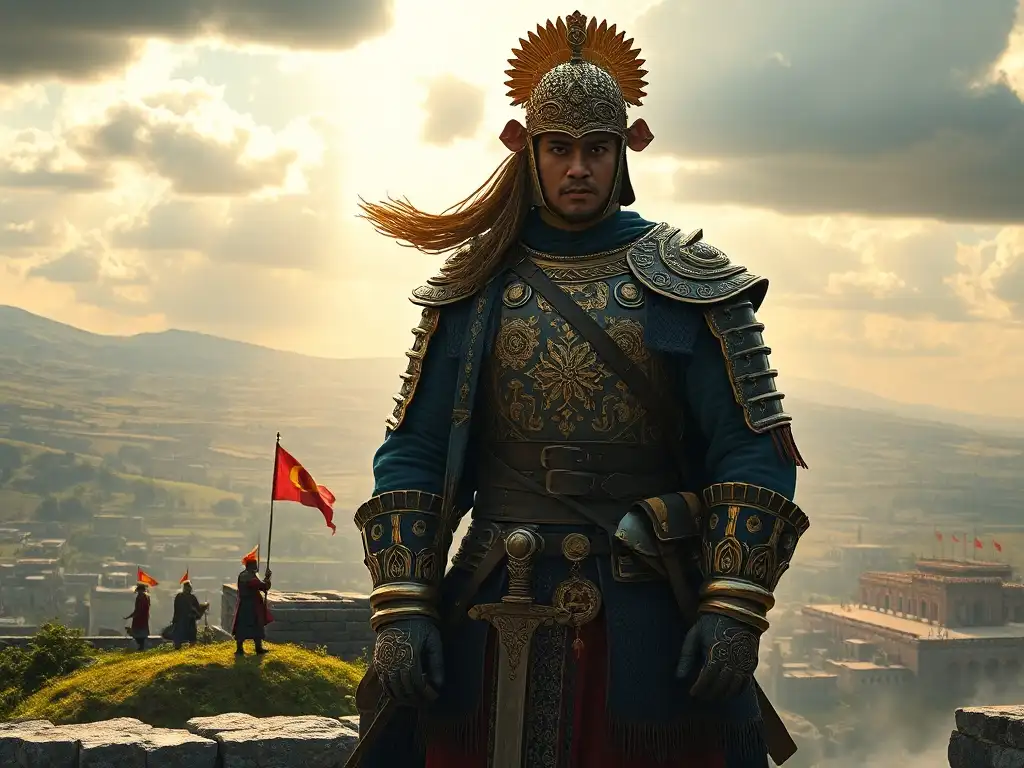
Welcome to Ancient India History, where we embark on a journey through the vibrant tapestry of India's past. Here, you will uncover the profound contributions and legacies of ancient civilizations, from the enigmatic Indus Valley to the illustrious Gupta Empire. In today’s exploration, we delve into the intriguing military history of the Pala Empire, a formidable force that shaped the subcontinent's landscape through its expeditions and strategies.
What secrets lie within their conquests? Join us as we unveil the stories of valor, innovation, and enduring influence that continue to echo through time. Your adventure into the depths of history starts now!
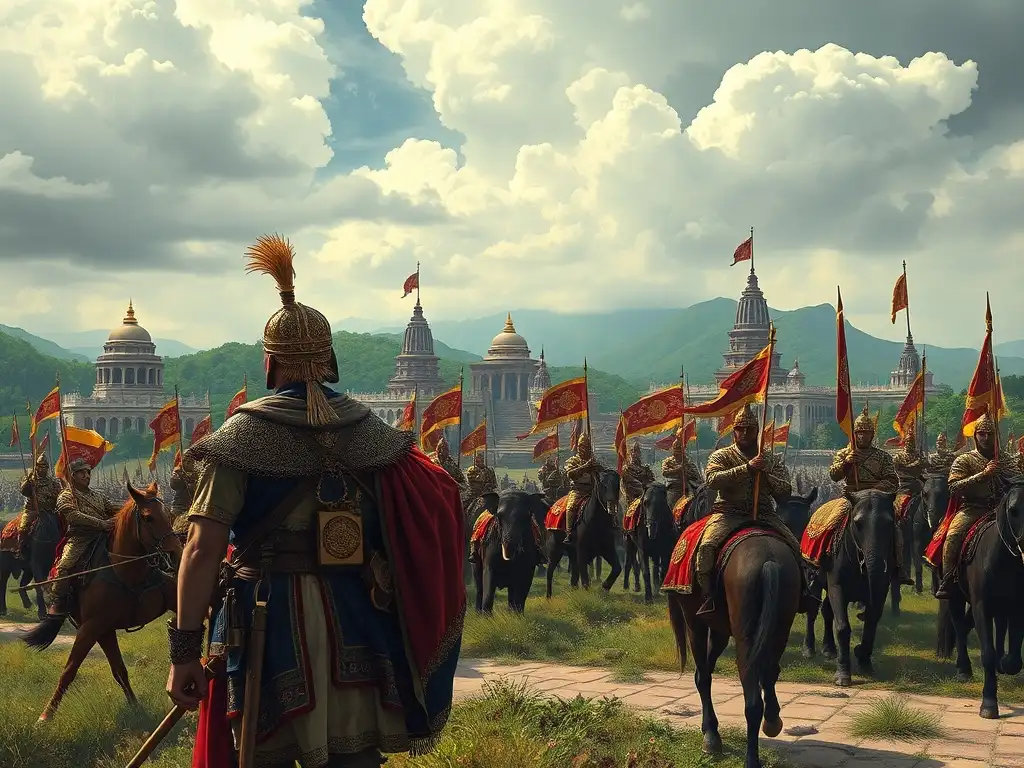
The Pala Empire, which flourished in ancient India from the 8th to the 12th centuries CE, is often recognized for its profound contributions to art, culture, and education. However, one of its most significant yet less explored aspects is its military history. The Pala Empire's military expeditions not only played a crucial role in expanding its territory but also in shaping the political landscape of the Indian subcontinent.
This article delves into the intricate details of the Pala Empire's military endeavors, examining the strategies employed, notable battles fought, and the lasting legacy these expeditions left on subsequent generations. By understanding the Pala Empire military history, we can gain valuable insights into the complexities of warfare and governance during this vibrant period of Indian history.
Introduction to the Pala Empire Military History
Overview of the Pala Empire
The Pala Empire, founded by Gopala in the late 8th century, emerged as a dominant force in northeastern India. Stretching across modern-day Bihar, Bengal, and parts of Assam, the empire is celebrated for its promotion of Buddhism and patronage of learning. The Palas were instrumental in the revival of Buddhist monasticism, establishing renowned institutions like Vikramashila and Nalanda. Their military prowess was equally significant, as they defended their realm against various invaders and expanded their influence through calculated campaigns.
Significance of Military Expeditions in Ancient India
Military expeditions were not merely about conquest; they were pivotal in defining the political boundaries and cultural exchanges in ancient India. The Pala Empire's military strategies contributed to the safeguarding of trade routes and the promotion of cultural syncretism. Through these expeditions, the Palas established their dominance over rival kingdoms, such as the Rashtrakutas and the Chalukyas, ensuring a balance of power that facilitated economic prosperity and cultural exchanges across the region.
The Origins of the Pala Empire's Military Strategy
Early Military Influences on the Pala Empire
The military strategies of the Pala Empire were influenced by earlier Indian dynasties, particularly the Gupta Empire. The Palas adopted and adapted various military practices, including the use of war elephants, cavalry, and fortified structures. Additionally, they incorporated lessons from conflicts with neighboring kingdoms, allowing them to refine their tactics and strengthen their defense mechanisms. This blend of traditional Indian warfare with innovative strategies positioned the Pala Empire as a formidable military power of its time.
Key Military Leaders and Their Contributions
The success of the Pala Empire's military campaigns can be attributed to several key leaders who played instrumental roles in shaping its military history. Figures such as Dharmapala and Devapala not only led successful campaigns but also reformed military organization and strategy. Their leadership was characterized by a blend of aggression and diplomacy, enabling the Pala Empire to expand its territories and maintain stability within its borders. The legacy of these leaders is evident in the historical narratives that celebrate their military conquests and contributions to the empire's enduring influence in the region.
Major Military Campaigns of the Pala Empire
The Pala Empire, which flourished from the 8th to the 12th centuries CE, is renowned for its formidable military prowess and strategic campaigns. The Pala rulers, particularly Dharmapala and Devapal, led several military expeditions that not only expanded their territorial influence but also ensured the stability of Buddhism in the region. Their campaigns were characterized by a blend of military innovation and tactical brilliance, which played a crucial role in establishing the Pala Empire as a dominant force in ancient India.
The Conquest of Bengal and Bihar
One of the most significant military achievements of the Pala Empire was the conquest of Bengal and Bihar. Under the leadership of Dharmapala, the Pala forces executed a series of well-coordinated military campaigns that resulted in the annexation of these strategically important regions. The Pala army utilized a combination of infantry, cavalry, and war elephants to overpower local kingdoms such as the Maitrakas and the Kanyakubja rulers.
The conquest of Bengal not only expanded the empire's territory but also served as a catalyst for the spread of Buddhism in the region. The Pala rulers established numerous monasteries and educational institutions, such as the renowned Nalanda University, which became a center for Buddhist learning. This military campaign solidified the Pala Empire's influence and laid the groundwork for its role as a patron of Buddhism.
Campaigns against the Western and Southern Kingdoms
The Pala Empire's military history is marked by campaigns against several western and southern kingdoms, including the Rashtrakutas and the Chalukyas. These conflicts were often driven by the desire to control trade routes and assert dominance over rival powers. The Pala forces were known for their strategic maneuvers and effective use of heavy cavalry, which played a crucial role in their victories.
The battles against the Rashtrakutas, particularly during the reign of Devapal, showcased the Pala's military resilience. Despite facing a well-equipped enemy, the Pala army employed guerrilla tactics and leveraged their knowledge of the terrain to achieve significant victories. These campaigns not only expanded the empire’s influence but also facilitated cultural exchanges between the Pala Empire and southern Indian kingdoms.
The Invasion of the Ghaznavids and Their Impact
The Pala Empire faced significant challenges from external forces, particularly the invasions by the Ghaznavid Empire in the early 11th century. The Ghaznavids, led by Mahmud of Ghazni, posed a serious threat to the Pala territories, particularly in the northwestern regions. The Pala military responded with defensive strategies aimed at protecting their borders and preserving their cultural heritage.
The invasions had profound implications for the Pala Empire. While they managed to fend off some attacks, the continued pressure from the Ghaznavids led to a gradual decline in the Pala military's dominance. The impact of these invasions was felt in the subsequent years, as the empire struggled to maintain its territorial integrity. The Ghaznavid incursions also resulted in a shift in trade routes, affecting the economic stability of the Pala Empire.
The Pala Empire's military expeditions were not solely reliant on land forces; they also recognized the strategic importance of naval power in their military campaigns. The Pala navy played a pivotal role in securing trade routes and conducting military operations along the eastern coastline of India, particularly in the Bay of Bengal.
Maritime Warfare and Its Strategic Importance
The Pala Empire’s naval capabilities allowed them to conduct expeditions that extended their reach beyond the mainland. Maritime warfare became an essential aspect of their military strategy, particularly in protecting trade routes and engaging in conflicts with rival coastal kingdoms, such as the Srivijaya Empire. The Pala navy was equipped with a variety of vessels, including larger ships capable of transporting troops and supplies, along with smaller ships for faster reconnaissance and raids.
The strategic importance of naval power was evident during conflicts where control over maritime trade routes could influence the economic and political landscape of the region. By establishing a strong naval presence, the Pala Empire not only safeguarded its trade interests but also facilitated cultural exchanges with Southeast Asia, further enhancing its influence.
Key Naval Battles and Their Outcomes
Several key naval battles marked the Pala Empire's military history, showcasing their prowess at sea. One notable engagement was the battle against the forces of the Srivijaya Empire. The Pala navy, utilizing superior tactics and knowledge of maritime navigation, achieved a decisive victory, which allowed them to establish dominance over trade routes in the region.
These naval victories had lasting implications, as they not only secured the Pala Empire's economic interests but also reinforced its status as a significant maritime power in ancient India. The outcomes of these battles underscored the importance of naval strength in the overall military strategy of the Pala Empire and highlighted how maritime capabilities complemented their land-based military operations.
Military Innovations and Tactics of the Pala Empire
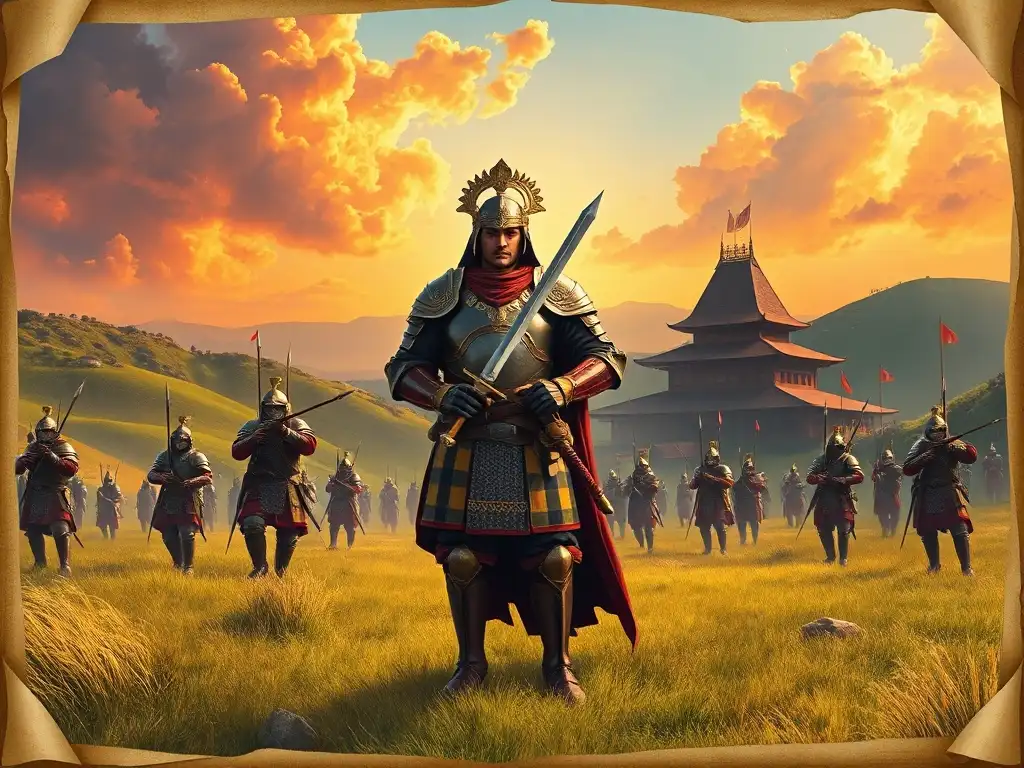
The Pala Empire, flourishing from the 8th to the 12th centuries, is renowned for its military prowess and innovative strategies that significantly influenced the Indian subcontinent's military landscape. The Pala army was characterized by its disciplined formations, strategic planning, and the effective integration of various units that allowed for versatility on the battlefield. Among the innovations, the Pala military developed advanced siege techniques and fortifications which enabled them to conduct prolonged campaigns against fortified cities and rival states.
Additionally, the Pala Empire emphasized training and organization within the military ranks, ensuring that soldiers were well-equipped and prepared for various combat scenarios. This emphasis on discipline and coordination contributed to the Pala army’s effectiveness during their numerous military expeditions, establishing a legacy that would be emulated by subsequent Indian empires.
Unique Warfare Tactics Employed by the Pala Army
The Pala army employed several unique warfare tactics that set them apart from their contemporaries. One notable strategy was the use of feigned retreats, where troops would simulate a withdrawal to lure enemy forces into vulnerable positions. This tactic, combined with swift counterattacks, often turned the tide in battles against larger or better-equipped armies.
Furthermore, the Pala commanders relied on intelligence and reconnaissance to gather crucial information about enemy movements and terrain. This allowed them to plan their engagements meticulously, often choosing the battlefield to their advantage. The Pala military also excelled in guerilla warfare, utilizing the dense forests and mountainous terrains of their homeland to surprise and ambush unsuspecting foes.
Use of Elephants and Cavalry in Battles
The Pala Empire's military strategy heavily incorporated elephants and cavalry, which played a pivotal role in their campaigns. War elephants were not only a symbol of power but also served as formidable combatants on the battlefield. They were equipped with armor and weapons, and their sheer size and strength could disrupt enemy formations and create chaos among infantry ranks.
Cavalry units were equally significant, providing mobility and speed that could outmaneuver slower foot soldiers. The Pala cavalry was often used for flanking maneuvers, harassing enemy troops, and securing strategic points. The combination of elephants and cavalry allowed the Pala army to engage in dynamic and flexible warfare, adapting to various combat situations with ease.
The Aftermath of Pala Military Campaigns
The military campaigns of the Pala Empire had far-reaching consequences, not only for the empire itself but also for the regions they engaged with. The aftermath of these campaigns often led to significant cultural exchanges and shifts in political dynamics, shaping the future of the Indian subcontinent.
Cultural Exchanges Resulting from Military Expeditions
As the Pala Empire expanded its reach through military conquests, it facilitated cultural exchanges that enriched both the Pala civilization and the regions they encountered. The Pala armies interacted with diverse cultures, leading to the spread of Buddhism, art, and architecture. Their expeditions into regions such as present-day Bengal and Bihar not only spread Pala influence but also integrated local customs and practices into their own culture.
These exchanges fostered a melting pot of ideas, resulting in the emergence of unique artistic styles and religious philosophies that blended local and Pala traditions. The architectural advancements seen in Pala-era structures, such as the famous Vikramshila and Nalanda universities, were direct results of these cultural interactions, showcasing the empire's commitment to education and enlightenment.
The Influence of Pala Military History on Future Indian Empires
The military history of the Pala Empire set a precedent for future Indian empires, influencing their military strategies and organizational structures. Subsequent dynasties, such as the Sena and the Mughals, drew lessons from the Pala military innovations, adapting them to their own contexts. The effective use of cavalry, elephants, and organized military formations became staples in the Indian subcontinent's warfare.
Moreover, the Pala Empire's emphasis on stability and governance through military strength highlighted the importance of a well-structured army in maintaining control over vast territories. This legacy of military efficiency continued to resonate through Indian history, shaping the military doctrines of later rulers and contributing to the evolution of warfare in the region.
Legacy of the Pala Empire’s Military Expeditions
The Pala Empire, which flourished between the 8th and 12th centuries CE in the eastern regions of the Indian subcontinent, is renowned for its extensive military expeditions that significantly influenced the political landscape of ancient India and beyond. The Pala rulers, particularly Dharmapala and Devapala, utilized their military prowess not only to defend their territory but also to expand their influence across regions such as Bengal, Bihar, and even parts of present-day Nepal and Tibet.
These expeditions were marked by strategic planning and execution, showcasing a sophisticated understanding of warfare that included the use of cavalry, infantry, and naval forces. The Pala military was not merely focused on conquest; it played a significant role in the cultural and religious dissemination of Buddhism, supporting monasteries and learning centers that attracted scholars from various regions. Thus, the legacy of the Pala Empire’s military expeditions extends beyond battles won, as it laid the groundwork for the spread of ideas and cultural exchanges that enriched the tapestry of ancient Indian civilization.
Historical Perspectives on Pala Military Achievements
From a historical perspective, the military achievements of the Pala Empire are often viewed through the lens of their interactions with neighboring kingdoms and empires, such as the Gurjara-Pratihara and the Rashtrakuta. These encounters were pivotal in shaping the military strategies employed by the Pala rulers. The Pala military campaigns against these rivals were not only about territorial expansion but also about asserting dominance over trade routes and religious influence, particularly in promoting Buddhism.
Historians have meticulously documented various battles, including the notable victory at the Battle of Kanyakubja, which underscored the Pala's tactical superiority and the effective use of war elephants. The empire's ability to adapt and innovate in response to challenges is a testament to its military acumen. The detailed accounts of these conflicts, preserved in inscriptions and texts, provide valuable insights into the organizational structure of the Pala forces, including their hierarchy, equipment, and logistical strategies.
The Pala Empire's Contributions to Military History in Ancient India
The Pala Empire's contributions to military history in ancient India are significant and multifaceted. They introduced new military technologies and strategies that influenced subsequent Indian dynasties. For instance, the Pala's effective use of war elephants in combat became a standard practice in the subcontinent. Their naval capabilities also marked a notable advancement, allowing them to control trade routes across the Bay of Bengal.
Moreover, the Pala military system was characterized by a well-organized administrative structure that ensured efficient resource allocation and troop mobilization. This organization was crucial during campaigns, enabling the Pala rulers to maintain a robust military presence in contested areas. The empire’s approach to warfare also included the establishment of fortified cities, which served as strategic bases for launching military operations and protecting trade interests.
The Pala military legacy is further enriched by their patronage of art and architecture, as many forts and military structures were built during this period. These contributions have left a lasting imprint on the cultural landscape of India, reflecting the interconnectedness of military and civilian life in ancient times.
Conclusion
Summary of the Pala Empire's Military Legacy
The military legacy of the Pala Empire is characterized by its innovative strategies, successful campaigns, and significant contributions to the cultural and religious fabric of ancient India. The Pala rulers demonstrated a keen understanding of the complexities of warfare, which allowed them to establish a powerful empire that influenced not only their immediate surroundings but also distant lands. Their military expeditions were pivotal in shaping the historical narrative of the Indian subcontinent, leaving an indelible mark on the region's political and cultural evolution.
Reflection on the Importance of Understanding Pala Military History
Understanding the military history of the Pala Empire is crucial for several reasons. It provides insights into the dynamics of power, conflict, and cultural exchange during a transformative period in Indian history. By examining the Pala military expeditions, historians can better appreciate the intricate relationships between different empires, the impact of warfare on society, and the ways in which military endeavors influenced the spread of Buddhism and learning across Asia.
Furthermore, the legacy of the Pala Empire serves as a reminder of the complexity of ancient Indian military systems and their far-reaching effects on contemporary history. By studying these historical narratives, scholars and enthusiasts can gain a deeper understanding of the socio-political landscape of ancient India and the enduring influences of the Pala Empire on subsequent generations.
- Introduction to the Pala Empire Military History
- The Origins of the Pala Empire's Military Strategy
- Major Military Campaigns of the Pala Empire
- The Role of Naval Power in Pala Military Expeditions
- Military Innovations and Tactics of the Pala Empire
- The Aftermath of Pala Military Campaigns
- Legacy of the Pala Empire’s Military Expeditions
- Conclusion
- What was the significance of the Pala Empire's military history?
- How did the Pala Empire manage its military expeditions?
- Which regions were influenced by the Pala Empire's military campaigns?
- What were the key military achievements of the Pala Empire?
- How did the Pala Empire's military history contribute to its legacy?
Frequently Asked Questions
What was the significance of the Pala Empire's military history?
The Pala Empire's military history played a crucial role in establishing its dominance in ancient India, particularly in the Bengal and Bihar regions, and facilitated the spread of Buddhism.
How did the Pala Empire manage its military expeditions?
The Pala Empire employed a combination of strategic alliances, advanced warfare techniques, and a well-trained infantry to successfully conduct military expeditions across its territories.
Which regions were influenced by the Pala Empire's military campaigns?
The military campaigns of the Pala Empire extended into Nepal, Tibet, and parts of Southeast Asia, significantly influencing the cultural and political landscape of those areas.
What were the key military achievements of the Pala Empire?
Key military achievements include the defeat of rival kingdoms and the establishment of control over trade routes, which contributed to the economic prosperity and cultural exchange during their rule.
How did the Pala Empire's military history contribute to its legacy?
The military history of the Pala Empire is a testament to its strength and resilience, leaving a lasting legacy in the form of art, architecture, and the spread of Buddhism throughout Asia.
Final Reflection: The Enduring Legacy of the Pala Empire's Military Expeditions
The military expeditions of the Pala Empire not only shaped the political landscape of their time but also laid the groundwork for cultural and intellectual exchanges that resonate today. As we delve into the complexities of the Pala Empire's military history, we uncover a narrative that transcends mere conquest; it is a story of resilience, strategy, and the enduring impact of military prowess on civilization. The lessons drawn from their expeditions remind us that history is not just a series of events but a continuous thread that influences our present and future.
The Pala Empire's military endeavors were not solely about territorial expansion; they fostered a rich tapestry of cultural interactions that continue to influence South Asian society. The Pala rulers were instrumental in the spread of Buddhism and the promotion of education, which cultivated a legacy of enlightenment and intellectual growth. As noted by historian R.C. Majumdar, The Palas were not only warriors but also patrons of learning, and their influence can be seen in the flourishing of art and culture that followed their reign.
This duality of their military might and cultural patronage serves as a powerful reminder of the multifaceted nature of power and its potential to shape societies for generations.
As we reflect on the Pala Empire's military history, let us consider how we can apply these lessons of resilience, cultural exchange, and strategic thinking in our own lives. What can we learn from their ability to adapt and thrive in a complex world? I invite you to explore your own legacy—how can you contribute to the cultural and intellectual fabric of your community? Embrace the spirit of the Pala Empire by fostering connections, promoting understanding, and championing knowledge in your endeavors. The past holds valuable insights for our future; let us honor it by applying its lessons today.
Uncover the Legacy of the Pala Empire Today!
Thank you for diving deep into the fascinating military expeditions of the Pala Empire! Your interest empowers our exploration of Ancient India’s remarkable history. Now, it’s time to take the next step in your journey of discovery.
Here are some **simple yet impactful actions** you can take today:
- Explore More: Visit our in-depth articles on other powerful dynasties of Ancient India to broaden your understanding of historical influences.
- Engage with Others: Share what you learned about the Pala Empire on your social media. Invite friends to join the conversation!
- Join Our Community: Sign up for our newsletter to receive exclusive insights and captivating stories directly to your inbox.
What aspect of the Pala Empire's military campaigns intrigues you the most, and how do you think it shaped the future of India? **Share your thoughts below! **