
The Influence of Geography on Ancient Indian Warfare Tactics

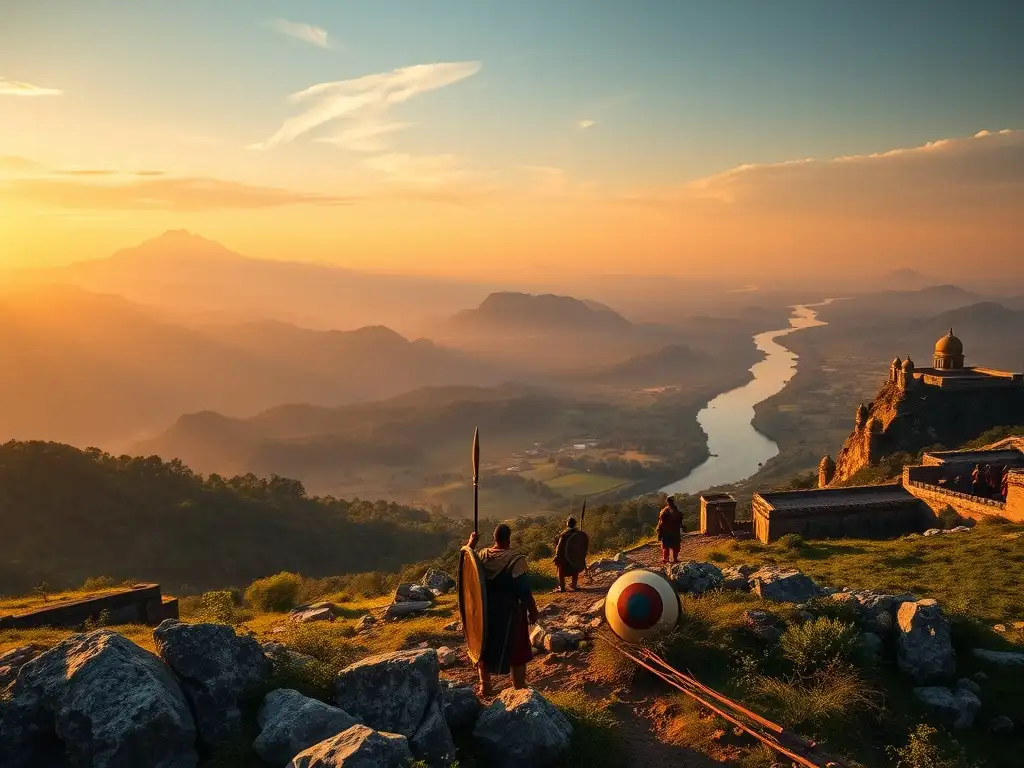
Welcome to Ancient India History, where we delve into the rich tapestry of India’s past, exploring the profound impact of geography on ancient warfare tactics. In our featured article, The Influence of Geography on Ancient Indian Warfare Tactics, we unravel how the diverse landscapes shaped military strategies and outcomes throughout history. Are you curious about how mountains and rivers influenced the rise and fall of empires? Join us on this fascinating journey through time, and discover the intricate connections between terrain and warfare that defined an era. Your exploration begins here!
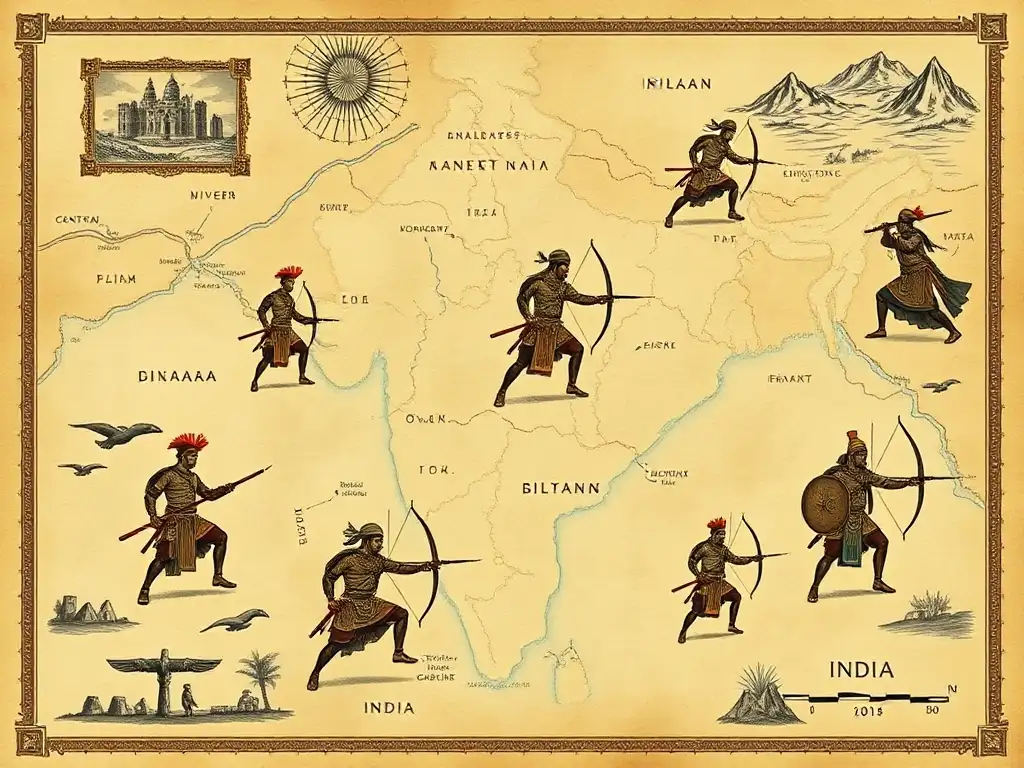
Introduction to Geography's Impact on Indian Warfare
The geography of ancient India played a pivotal role in shaping the warfare tactics and military strategies of its various civilizations. From the towering Himalayas to the expansive plains of the Gangetic region, the unique landscapes influenced not only the ways in which battles were fought but also the very nature of conflicts throughout history.
Understanding how geography impacted Indian warfare is essential to appreciating the complexities of military engagements from the Indus Valley Civilization to the Gupta Empire. This article delves into the intricate relationship between geography and warfare tactics in ancient India, shedding light on how the land shaped the strategies employed by Indian armies, their choice of weapons, and the outcomes of their conflicts.
Overview of Ancient Indian Warfare
Ancient Indian warfare was characterized by a blend of tactics, weapons, and philosophies that evolved over thousands of years. The diverse cultures and regional variations led to a rich tapestry of military practices. Warfare was not merely about brute force; it encompassed elements of strategy, diplomacy, and psychological warfare. Armies were often composed of infantry, cavalry, and war elephants, each serving distinct roles on the battlefield. Notable ancient texts, such as the Arthashastra by Kautilya, provide invaluable insights into the military doctrines and strategic principles that governed warfare during this period.
Importance of Geography in Military Strategy
Geography served as both a facilitator and a constraint in ancient Indian military strategy. The natural landscape dictated the movement of troops, the establishment of fortifications, and the selection of battle sites. Commanders had to consider terrain types, climate conditions, and resource availability to effectively plan military campaigns. For instance, mountainous regions provided natural defenses, while river valleys offered fertile grounds for agriculture and troop sustenance. Consequently, an understanding of the geographical context became crucial for any successful military leader in ancient India.
Geographic Regions of Ancient India
The Indus Valley: A Strategic Landscape
The Indus Valley, one of the world's earliest urban civilizations, showcased a strategic landscape that influenced its military dynamics. The region's rivers, particularly the Indus and its tributaries, were vital for irrigation and transportation, making them key factors in sustaining large populations and armies. The flat terrain allowed for the easy movement of troops, while the urban centers were often fortified, indicating a sophisticated approach to defense. Additionally, archaeological evidence suggests that the Indus people had a structured military organization, hinting at the significance of geography in their warfare tactics.
The Gangetic Plain: Fertile Grounds for Conflict
The Gangetic Plain, known for its rich alluvial soil and abundant water supply, became a battleground for various kingdoms and empires throughout history. This region supported large agrarian societies, which directly influenced the scale of warfare. The availability of resources meant that armies could be larger and better supplied, while the numerous rivers facilitated rapid troop movements. The strategic significance of the Gangetic Plain is evident in the numerous battles fought here, as control over this fertile land often determined the fate of empires.
The Deccan Plateau: Natural Fortifications
The Deccan Plateau, with its rugged terrain and elevated elevation, presented both challenges and advantages for military operations. This region's natural fortifications made it difficult for invaders to conquer, while local kingdoms utilized the landscape to their advantage, establishing stronghold fortresses. The unique geography promoted guerrilla warfare tactics, as armies could effectively use the terrain to launch surprise attacks or ambushes against larger forces. The Deccan Plateau's geography thus played a crucial role in shaping the military strategies employed by its rulers.
The Himalayan Barrier: Defense and Isolation
The majestic Himalayas served as a formidable natural barrier, offering both defense and isolation for the ancient Indian subcontinent. This imposing mountain range not only protected India from invasions but also influenced trade routes and cultural exchanges with neighboring regions. Armies seeking to cross the Himalayas faced significant challenges, which limited large-scale military campaigns into the Indian heartland. Consequently, the geography of the Himalayas shaped the defense strategies of ancient Indian states, encouraging the development of fortified borders and strategic alliances with mountain tribes.
Climate and Its Influence on Warfare Tactics
The climate of ancient India played a pivotal role in shaping warfare tactics across various regions. The diverse climatic conditions, ranging from arid deserts to lush tropical areas, dictated the military strategies employed by different kingdoms. For instance, the monsoon season brought heavy rainfall, which not only affected troop movements but also influenced the timing of military campaigns. Understanding these climatic variations was crucial for commanders to optimize their strategies and ensure the success of their military endeavors.
Seasonal Changes and Military Campaigns
Seasonal changes in ancient India were a double-edged sword for military leaders. The summer season, characterized by soaring temperatures, often compelled armies to alter their campaigns. Troops faced the threat of heat exhaustion, leading generals to prefer nighttime maneuvers or rely on lighter armaments for swift movements. Conversely, the winter months provided a more temperate climate, allowing for prolonged campaigns and the deployment of heavier equipment, such as war elephants and chariots.
The harvest seasons also influenced military activities; armies would often refrain from engaging in battles during crucial agricultural periods, knowing that a disrupted harvest could lead to famine. Thus, the synchronization of military campaigns with seasonal changes was vital for maintaining both the strength of the army and the stability of the kingdom.
Monsoon Patterns and Their Tactical Implications
The monsoon season, lasting from June to September, was a significant factor in ancient Indian warfare. The heavy rains transformed the landscape, creating challenges for troop movements and supply lines. However, savvy commanders utilized this to their advantage, employing guerrilla tactics to disrupt enemy forces. The flooding of rivers could hinder enemy advances, allowing defenders to fortify positions and utilize natural barriers for protection.
Moreover, the monsoon could dictate the timing of invasions; for example, the onset of heavy rains could provide cover for surprise attacks or ambushes. This strategic use of monsoon patterns exemplifies how understanding climatic conditions enabled ancient Indian armies to turn potential disadvantages into tactical advantages.
Terrain and Military Strategies
The diverse terrain of ancient India significantly shaped military strategies. From the fertile plains of the Ganges to the rugged mountains of the Himalayas, each geographical feature presented unique opportunities and challenges for warfare. Leaders had to adapt their tactics based on the environmental context, utilizing the landscape to maximize their effectiveness in battle.
River Systems: Routes for Invasion and Supply
Ancient India's extensive river systems, particularly the Indus and Ganges, served as vital arteries for both invasion and supply. Rivers not only facilitated the movement of troops but also enabled the transportation of supplies, weapons, and reinforcements. Commanders often established their camps along these rivers, ensuring a constant flow of resources to sustain their armies.
Additionally, river systems were strategic points for launching attacks. Armies could navigate upstream or downstream to surprise enemies or cut off their retreat routes. Control of river crossings became a focal point in battles, often determining the outcome of military engagements.
Mountain Passes: Strategic Advantages and Challenges
The mountainous regions of ancient India, particularly the Himalayas, presented both strategic advantages and challenges for military commanders. Mountain passes served as critical chokepoints for trade and military movements. Control over these passes could dictate the flow of armies into and out of territories. Notorious for their treacherous conditions, these passes tested the endurance and preparedness of troops.
While the mountains provided natural fortifications, they also posed logistical challenges. Supply lines were often stretched thin, necessitating careful planning and resource management. Additionally, armies needed to be prepared for ambushes from local tribes who knew the terrain intimately, leading to a reliance on scouts and reconnaissance.
Forests and Deserts: Guerrilla Warfare Techniques
The dense forests and arid deserts of ancient India fostered unique guerrilla warfare techniques. Forested regions allowed smaller, agile units to launch surprise attacks and harass larger enemy forces, employing hit-and-run tactics that exploited the terrain. The ability to blend into the natural surroundings provided a significant advantage for defenders, making it difficult for invading armies to engage in traditional formations.
Conversely, the vast deserts required different strategies. Armies often employed deception and misdirection, using the landscape to create false trails and ambush points. Knowledge of the terrain was crucial, as commanders needed to navigate through harsh conditions while maintaining troop morale. The adaptability of military tactics in response to these geographical features highlights the critical role that terrain played in ancient Indian warfare.
Case Studies: Geography's Role in Notable Battles
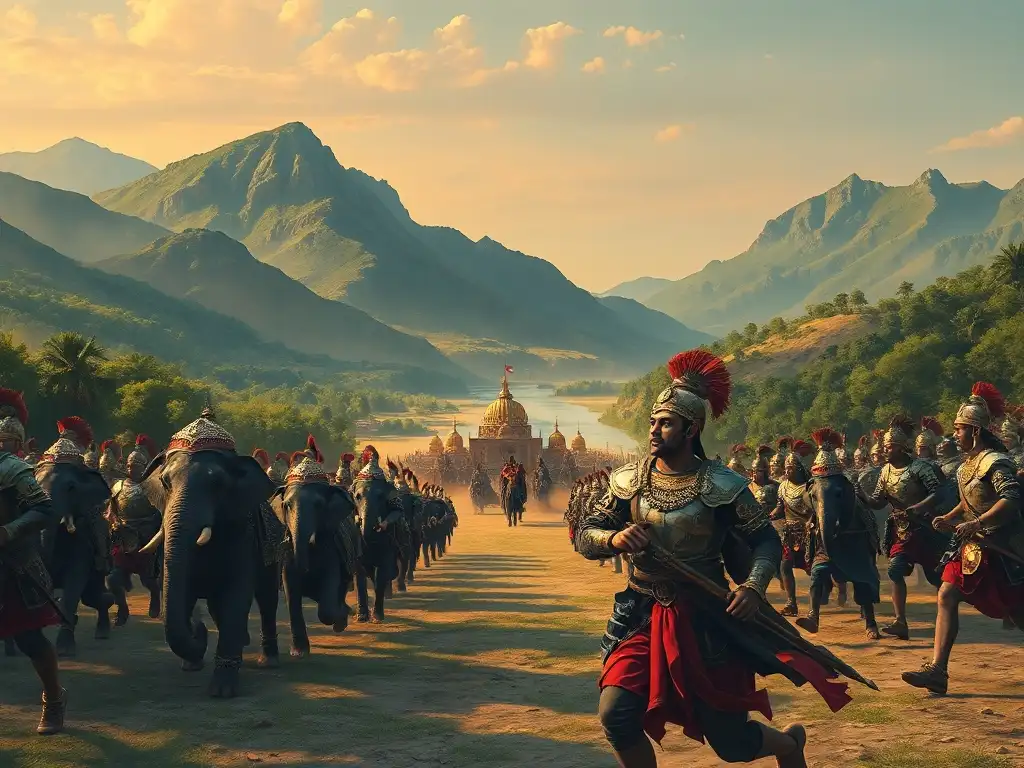
The geographical landscape of ancient India played a crucial role in shaping military tactics and strategies. Various case studies exemplify how terrain, climate, and natural resources influenced the outcomes of significant battles. These battles not only highlight the military prowess of ancient Indian leaders but also demonstrate their adaptability to diverse geographical conditions.
The Battle of the Hydaspes: Terrain Advantages
The Battle of the Hydaspes, fought in 326 BCE between Alexander the Great and King Porus, is a prime example of how terrain can impact warfare. The battle took place near the Jhelum River, which presented both advantages and challenges for the opposing forces.
- Riverine Challenges: The Hydaspes River posed a formidable barrier, complicating troop movements and logistics. Alexander's forces had to strategize to cross the river and engage Porus's army effectively.
- Strategic Positioning: King Porus utilized the dense forest cover and the riverbanks to conceal his war elephants and troops, giving him a tactical advantage. The elephants played a pivotal role in the battle, disrupting Alexander’s phalanx formations.
- Flanking Maneuvers: Alexander's forces, despite being outnumbered, used their knowledge of the terrain to execute flanking maneuvers, showcasing how understanding geographical features can lead to tactical victories.
The outcome of the battle not only marked a significant moment in Alexander’s campaign but also underscored the importance of terrain in ancient warfare.
The Conquests of Chandragupta Maurya: Geographic Considerations
Chandragupta Maurya, the founder of the Maurya Empire, adeptly navigated the diverse geography of India in his military campaigns. His conquests illustrate the strategic use of geography in warfare.
- Access to Key Resources: Chandragupta’s rise to power was facilitated by his control over critical resources, including fertile lands and trade routes, which were essential for sustaining his army.
- Utilizing River Systems: The extensive river systems in northern India allowed for the movement of troops and supplies. Chandragupta capitalized on these waterways to launch surprise attacks and reinforce his positions.
- Adaptation to Terrain: His forces were trained to adapt to various terrains, from the mountainous regions of the north to the plains and forests, enabling him to confront diverse adversaries effectively.
Chandragupta’s military strategies were deeply influenced by the geographical landscape, contributing to the establishment of one of ancient India’s most significant empires.
The Gupta Empire: Utilizing Geography for Expansion
During the Gupta Empire (circa 320-550 CE), geography continued to shape military tactics and expansion strategies. The Guptas leveraged the geographical features of the Indian subcontinent to bolster their military campaigns.
- Strategic Fortifications: The Guptas built fortified cities in strategically advantageous locations, such as Ujjain and Pataliputra, which provided defense against invasions and control over trade routes.
- Military Campaigns in Diverse Terrains: The empire expanded across various terrains, including the Himalayan foothills and the Deccan plateau. The Guptas adapted their tactics, employing cavalry for swift movements in open plains and infantry for close combat in mountainous regions.
- Encouragement of Trade and Resources: By controlling key trade routes, the Gupta Empire ensured a steady supply of arms and resources, which were crucial for sustaining military endeavors.
The Gupta Empire's ability to utilize geographical features for military expansion illustrates the enduring influence of geography on warfare tactics throughout ancient Indian history.
Weapons and Military Technology Influenced by Geography
Geography not only influenced tactical decisions but also the development and variation of weapons and military technology in ancient India. The unique environmental conditions and available resources shaped the armaments used by different regions.
Regional Variations in Weaponry
The geographical diversity of ancient India led to distinct regional variations in weaponry, reflecting the local resources and combat styles.
- Terrain-Specific Weaponry: In forested regions, lighter weapons such as bows and arrows became predominant, allowing for quick maneuvers and ambush tactics. Conversely, in open plains, heavier weaponry, including chariots and cavalry, was favored.
- Material Resources: The availability of certain materials influenced weapon construction. For instance, regions rich in iron ore developed advanced metallurgy techniques, producing durable swords and armor, while regions lacking such resources relied on wooden or bamboo weapons.
- Cultural Influences: The interaction of various cultures through trade and conquest led to the exchange of weaponry techniques, further diversifying the arsenal available to different armies.
These regional variations in weaponry underscore how geography shaped the martial capabilities of ancient Indian civilizations.
The Role of Local Resources in Military Technology
Local resources played a critical role in the development of military technology in ancient India. The abundance or scarcity of certain materials directly impacted the effectiveness of military forces.
- Metallurgy and Armaments: Regions with access to high-quality metals, such as iron and bronze, were able to produce superior weapons and armor. This technological advantage often translated into battlefield success.
- Agricultural Surplus: Areas with fertile lands could sustain larger armies through agricultural surplus, allowing for prolonged military campaigns and greater logistical support during conflicts.
- Natural Barriers: The presence of mountains, rivers, and forests not only influenced tactics but also the types of siege equipment developed. For example, the use of siege towers and battering rams was often adapted to counteract the defenses offered by these geographical features.
The interplay between local resources and military technology illustrates the profound impact of geography on the evolution of warfare in ancient India.
Conclusion: The Lasting Impact of Geography on Indian Warfare
The geography of ancient India played a pivotal role in shaping its military tactics and strategies. The diverse landscapes—from the towering Himalayas in the north to the vast deserts of Rajasthan and the fertile plains of the Indo-Gangetic region—created a unique context for warfare. This geographical diversity influenced not only the types of weapons used but also the tactical approaches adopted by various kingdoms throughout history. The availability of resources, the movement of armies, and the strategies employed during conflicts were all intrinsically linked to the geographical features of the region.
Additionally, geographical barriers such as rivers and mountains provided natural defenses, affecting how battles were fought and armies were positioned. The interaction between geography and military strategy in ancient India serves as a testament to the adaptive nature of its civilizations. Understanding this relationship offers valuable insights into the complexities of ancient warfare and the broader socio-political dynamics of the time.
Summary of Key Points
- Geographical Diversity: Ancient India's varied landscapes, including mountains, rivers, and plains, significantly influenced military tactics.
- Natural Defenses: Features such as the Himalayas and the Thar Desert served as barriers and strategic advantages during conflicts.
- Resource Availability: The distribution of natural resources affected the logistics of warfare, including the supply of weapons and provisions.
- Adaptive Strategies: Ancient Indian kingdoms demonstrated remarkable adaptability in their military tactics in response to geographical challenges.
Reflection on the Evolution of Warfare Tactics in Ancient India
The evolution of warfare tactics in ancient India is a reflection of the changing geographical landscape and the socio-political context. As different empires rose and fell, their military strategies evolved in response to both internal and external pressures. The introduction of new technologies, such as chariots and later, cavalry, transformed traditional practices and required adjustments in tactics.
Moreover, as trade routes expanded and cultural exchanges increased, new ideas about warfare were introduced, leading to further innovations. This continuous evolution highlights the dynamic interplay between geography and military strategy, showcasing how ancient Indian civilizations adapted to their environments while also influencing their approaches to warfare. The impact of geography on warfare tactics remains a critical area of study for understanding the complexities of military history in ancient India.
Further Reading and Resources
To delve deeper into the intricate relationship between geography and warfare in ancient India, several resources can provide comprehensive insights and analyses.
Recommended Books on Ancient Indian Military History
- "The Art of Warfare in Ancient India" by S. R. Sharma: This book explores the military strategies and tactics employed by various Indian kingdoms, highlighting the influence of geography on their warfare.
- "War and Society in Ancient India" by R. C. Gupta: A detailed analysis of the social and geographical factors that shaped warfare in ancient Indian societies.
- "The Indian Military: History and Heritage" by A. K. Bhattacharya: This work examines the evolution of military practices in India, with a focus on geographical influences.
Online Resources for Exploring Geography and Warfare in Ancient India
- Digital South Asia Library: Offers a wealth of resources, maps, and documents related to ancient Indian geography and military history.
- Ancient India: A Historical Overview: A comprehensive online resource that provides articles, timelines, and maps that illustrate the geographical context of warfare in ancient India.
- India's Ancient Military History: A collection of research papers and articles that delve into various aspects of military tactics and geography in ancient India.
By engaging with these recommended readings and online resources, readers can gain a richer understanding of how geography impacted Indian warfare and the broader implications for military history.
- Introduction to Geography's Impact on Indian Warfare
- Geographic Regions of Ancient India
- Climate and Its Influence on Warfare Tactics
- Terrain and Military Strategies
- Case Studies: Geography's Role in Notable Battles
- Weapons and Military Technology Influenced by Geography
- Conclusion: The Lasting Impact of Geography on Indian Warfare
- Further Reading and Resources
- What role did geography play in ancient Indian warfare?
- How did the Indus Valley's geography impact its military?
- What geographic features were crucial during the Gupta Empire?
- How did ancient Indian states adapt their tactics based on geography?
- Were there any specific battles influenced by geography in ancient India?
Frequently Asked Questions
What role did geography play in ancient Indian warfare?
Geography significantly influenced military strategies and tactics in ancient India, with terrain types like mountains and rivers affecting troop movements and battle formations.
How did the Indus Valley's geography impact its military?
The Indus Valley's strategic location near rivers provided a natural defense, facilitating trade and communication while also influencing the development of warfare techniques.
What geographic features were crucial during the Gupta Empire?
During the Gupta Empire, the Himalayas and plains were vital as they offered both protection and accessibility, shaping the empire's military campaigns and expansion strategies.
How did ancient Indian states adapt their tactics based on geography?
Ancient Indian states utilized their surrounding landscapes to formulate unique warfare tactics, such as ambushes in forests and defensive positions in mountainous regions to counter enemy advances.
Were there any specific battles influenced by geography in ancient India?
Yes, several battles in ancient India, like the Battle of the Hydaspes, were significantly shaped by geographical factors, including river crossings and terrain, which determined the outcome of conflicts.
Final Reflection: The Enduring Legacy of Geography in Indian Warfare
The intricate relationship between geography and warfare tactics in ancient India remains profoundly relevant today, as it underscores the significance of environmental factors in shaping military strategies. As we navigate a world where geopolitical landscapes are continually shifting, understanding how geography influenced the warfare of the past can offer valuable insights into contemporary conflicts and military planning. The lessons drawn from ancient Indian warfare remind us that the terrain, climate, and resources of a region can dictate not only the outcomes of battles but also the broader narratives of history.
The influence of geography on warfare tactics has left an indelible mark on the cultural and social fabric of India. The strategic maneuvers employed by ancient Indian warriors, shaped by the diverse landscapes of the subcontinent, continue to resonate in modern military doctrines and strategies.
As we reflect on this historical context, we can appreciate the words of Sun Tzu, who famously stated, “Know your enemy and know yourself and you can fight a hundred battles without disaster.” This wisdom highlights the timeless relevance of understanding one’s environment in the art of warfare, a principle that transcends time and geography.
As we conclude this exploration of geography's impact on Indian warfare, I invite you to reflect on how the lessons of the past can inform our understanding of conflict today. Consider the landscapes that surround you and how they shape your own experiences and decisions. Whether in personal challenges or broader societal issues, recognizing the influence of our environment can empower us to navigate complexities with greater awareness and strategic insight. Let us carry forward the wisdom of history, using it as a guide to foster peace and understanding in our ever-evolving world.
Unveil the Secrets of Ancient Warfare!
Thank you for diving into the fascinating world of ancient Indian warfare and its deep connection to geography. You’ve explored how terrain, climate, and resources shaped the strategies and tactics of warriors throughout history. Now, it's time to take what you've learned and put it into action!
Here are some specific steps you can take to expand your knowledge and engage with this captivating subject:
- Join a historical discussion group: Connect with fellow history enthusiasts to exchange ideas and deepen your understanding of ancient tactics.
- Explore ancient battlefields: If possible, visit locations where significant historical events took place to gain firsthand insight into how geography influenced warfare.
- Share your newfound knowledge: Write a blog post or start a conversation on social media about what you discovered—the more we share, the more we grow!
Which geographical factors do you believe had the most profound impact on ancient Indian warfare tactics, and how might those factors be relevant to modern military strategies?