
The Importance of Training and Discipline in Ancient Indian Armies

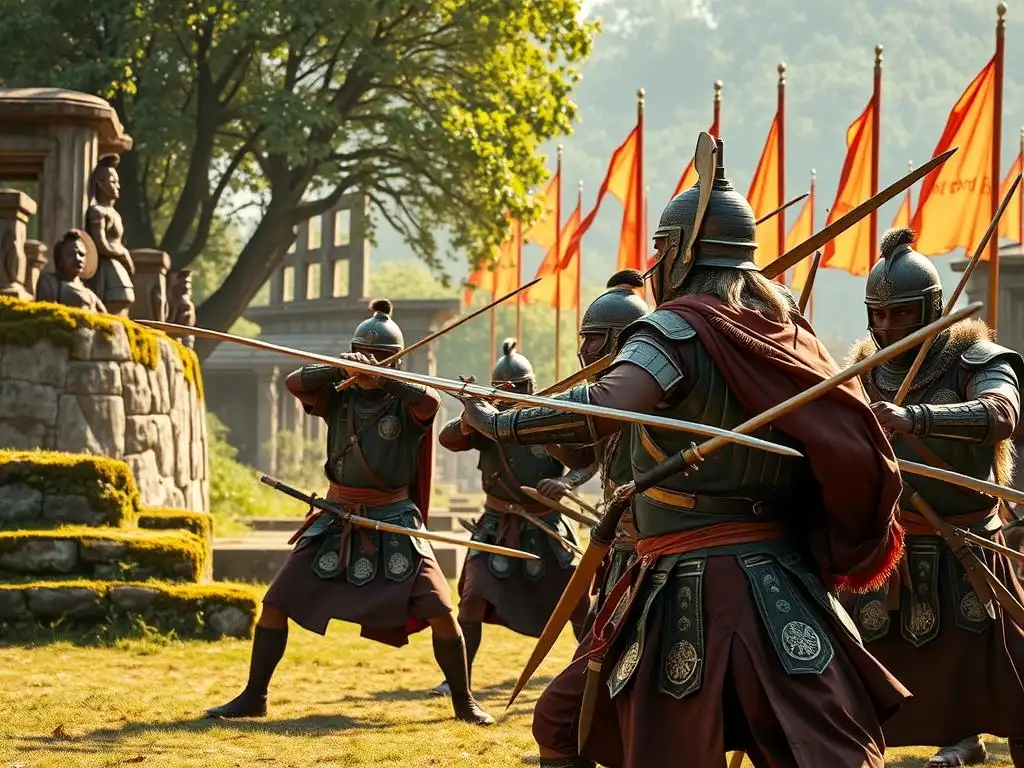
Welcome to Ancient India History, where we invite you to embark on a fascinating journey through the rich tapestry of India’s past. Delve into the Importance of Training and Discipline in Ancient Indian Armies, a pivotal aspect that shaped the military prowess of civilizations from the Indus Valley to the Gupta Empire. Discover how rigorous training regimes and a deep-rooted sense of discipline forged not only formidable warriors but also a legacy that influenced military strategies across the ages. Ready to uncover the secrets of ancient military might? Let’s dive deeper into this captivating chapter of history!
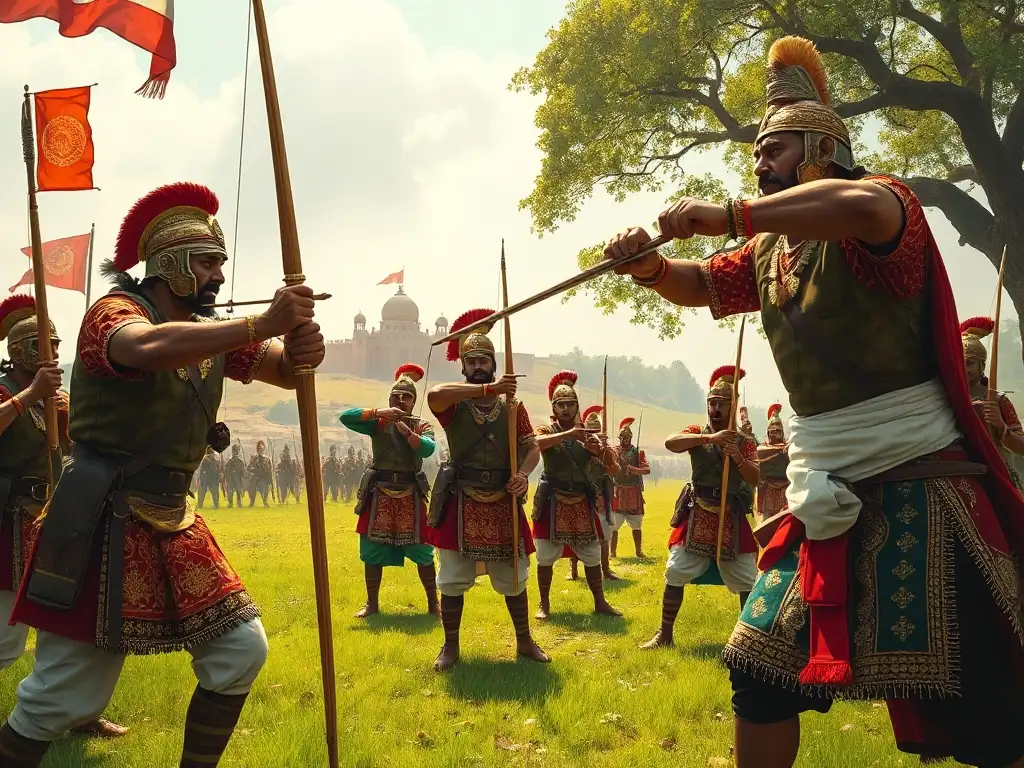
Introduction to Ancient Indian Military Training
The ancient Indian military was characterized by its well-structured training regimens and a strong emphasis on discipline, which played a crucial role in shaping the effectiveness of its armies. The concept of military training in ancient India was not merely about physical prowess; it encompassed a holistic approach that integrated strategic thinking, mental fortitude, and adherence to codes of conduct.
This comprehensive training ensured that soldiers were not only skilled in combat but also imbued with a sense of duty and loyalty to their kingdoms. As we explore the importance of training and discipline in ancient Indian armies, we will delve deeper into the historical context, techniques, and influences that molded these formidable military forces.
Overview of Military Training in Ancient India
Military training in ancient India was a systematic and rigorous process, often initiated at a young age. Young warriors, known as Kshatriyas, underwent extensive training that included:
- Physical Conditioning: Emphasis on strength, agility, and endurance through various forms of exercise.
- Weaponry Skills: Mastery of a variety of weapons, such as swords, bows, and spears, along with the art of hand-to-hand combat.
- Strategic Warfare: Understanding tactics and strategies, often learned through mentorship under seasoned warriors and military leaders.
The combination of these elements created a well-rounded soldier capable of adapting to various combat situations, thereby enhancing the overall effectiveness of ancient Indian military forces.
Significance of Discipline in Ancient Indian Armies
Discipline was the backbone of ancient Indian military organizations. It ensured that soldiers operated cohesively and effectively under the command of their leaders. The significance of discipline can be highlighted through several key aspects:
- Chain of Command: Strict adherence to orders and respect for hierarchy fostered unity and coordination during battles.
- Morale and Motivation: A disciplined army instilled a sense of pride and loyalty among the soldiers, encouraging them to fight valiantly for their kingdom.
- Training Routines: Regular drills and exercises not only honed combat skills but also reinforced the importance of teamwork and reliability among troops.
In essence, the discipline ingrained in ancient Indian armies was vital for maintaining order and effectiveness on the battlefield.
Historical Context of Ancient Indian Military Training
To understand the intricacies of military training in ancient India, it is essential to consider its historical context, which reflects the evolution of warfare and the societal values of the time.
Evolution of Military Training Techniques
The techniques of military training in ancient India evolved significantly over time, influenced by various factors, including:
- Geopolitical Dynamics: The rise and fall of empires, such as the Maurya and Gupta dynasties, necessitated the adaptation of military strategies and training methods.
- Cultural Exchanges: Interactions with neighboring cultures introduced new warfare techniques and philosophies, enriching the training curriculum.
- Technological Advancements: Innovations in weaponry and fortification techniques prompted adjustments in training to maximize effectiveness.
These evolving techniques contributed to the formation of a robust military tradition that was both adaptive and resilient.
Influences on Military Discipline from Ancient Texts
Ancient Indian texts, such as the Arthashastra by Kautilya and the Mahabharata, provided foundational principles regarding military training and discipline. Key influences include:
- Philosophical Insights: These texts emphasized the importance of dharma (duty) and the moral obligations of warriors, reinforcing the concept of disciplined conduct.
- Strategic Guidelines: The Arthashastra outlined various aspects of warfare, including the importance of training, strategy, and maintaining discipline within ranks.
By drawing from these ancient writings, military leaders were able to instill a strong sense of discipline and purpose among their troops, thereby enhancing the overall effectiveness of their armies.
Key Components of Ancient Indian Military Training
The effectiveness of ancient Indian armies was significantly attributed to their rigorous military training, which encompassed several key components. These components ensured that soldiers were not only physically prepared but also mentally equipped to face the challenges of warfare. The training regimen was comprehensive, incorporating physical fitness, weapons mastery, and strategic thinking, all of which were essential for creating competent and formidable warriors.
Physical Training Regimens
Physical training was the backbone of ancient Indian military training. Soldiers engaged in various exercises aimed at enhancing their strength, endurance, and agility. Common practices included:
- Running and Sprinting: Soldiers were required to run long distances to build stamina, essential for the prolonged engagements typical in ancient battles.
- Wrestling and Combat Sports: These activities helped improve hand-to-hand combat skills and fostered physical resilience.
- Calisthenics: Exercises such as push-ups, squats, and jumping helped in overall fitness and muscle development.
- Horse Riding and Archery Drills: Mastery over horses and bows was crucial, as cavalry units and archers formed the backbone of many ancient Indian armies.
The combination of these regimens not only prepared soldiers for the physical demands of battle but also instilled a sense of camaraderie and teamwork.
Weapons Training and Mastery
Weapons training was a critical aspect of military preparedness in ancient India. Soldiers trained extensively with various arms, which included:
- Swords and Shields: Mastery in swordsmanship and the effective use of shields during combat were essential skills.
- Archery: Archers underwent rigorous training to achieve precision and speed, as the use of bows was a significant component of ancient warfare.
- Spears and Polearms: Training involved learning the art of throwing spears and using long weapons effectively in close combat.
Additionally, soldiers often participated in mock battles to practice their skills in real-time scenarios, which allowed them to refine their techniques and adapt strategies under pressure.
Tactical Training and Strategy Development
Beyond physical and weapons training, ancient Indian military training emphasized the importance of tactics and strategy. Key elements included:
- Formation Drills: Soldiers learned to maneuver in various formations, such as phalanxes or wedge formations, depending on the battlefield context.
- Role-Playing Scenarios: Commanders would simulate various battle scenarios, allowing soldiers to develop quick decision-making skills and adaptability.
- Understanding Terrain and Environment: Training included lessons on how to leverage the battlefield's geography to gain a tactical advantage over opponents.
This focus on strategy ensured that ancient Indian armies were not only skilled in combat but also capable of executing complex maneuvers during actual engagements.
The Role of Discipline in Combat Effectiveness
Discipline played a pivotal role in the effectiveness of ancient Indian armies. It was the glue that held the diverse elements of military training together and ensured cohesive action during warfare. A disciplined army could execute strategies with precision and maintain order amidst the chaos of battle.
The Relationship Between Discipline and Military Success
The relationship between discipline and military success in ancient India is exemplified by several historical accounts. A well-disciplined army was more likely to follow commands, maintain formation, and execute tactics effectively. Key factors include:
- Adherence to Command: Soldiers trained to respect hierarchy and follow orders without question, which was essential during the heat of battle.
- Morale and Cohesion: Discipline fostered a strong sense of camaraderie and loyalty among soldiers, enhancing overall morale.
- Resilience Under Pressure: A disciplined force could withstand the psychological stress of combat and maintain focus on objectives.
This discipline was often reinforced through various rituals and codes of conduct that instilled a strong sense of duty among the soldiers.
Case Studies of Successful Ancient Indian Battles
Several ancient Indian battles illustrate the importance of training and discipline in achieving military success. Notable examples include:
- The Battle of Kalinga (261 BCE): This battle, fought by Emperor Ashoka, showcased the disciplined tactics of his army against the Kalingan forces. The meticulous training and strategic planning led to a decisive victory, albeit with heavy losses that later prompted Ashoka's conversion to Buddhism.
- The Battle of the Chandragupta Maurya (c. 322 BCE): Chandragupta Maurya's forces, trained under the guidance of Chanakya, demonstrated exceptional discipline and tactical acumen, leading to the establishment of the Maurya Empire.
These case studies highlight how discipline, when combined with effective training, contributed significantly to the military successes of ancient Indian states, shaping the course of Indian history.
Comparison of Ancient Indian Military Training to Other Civilizations
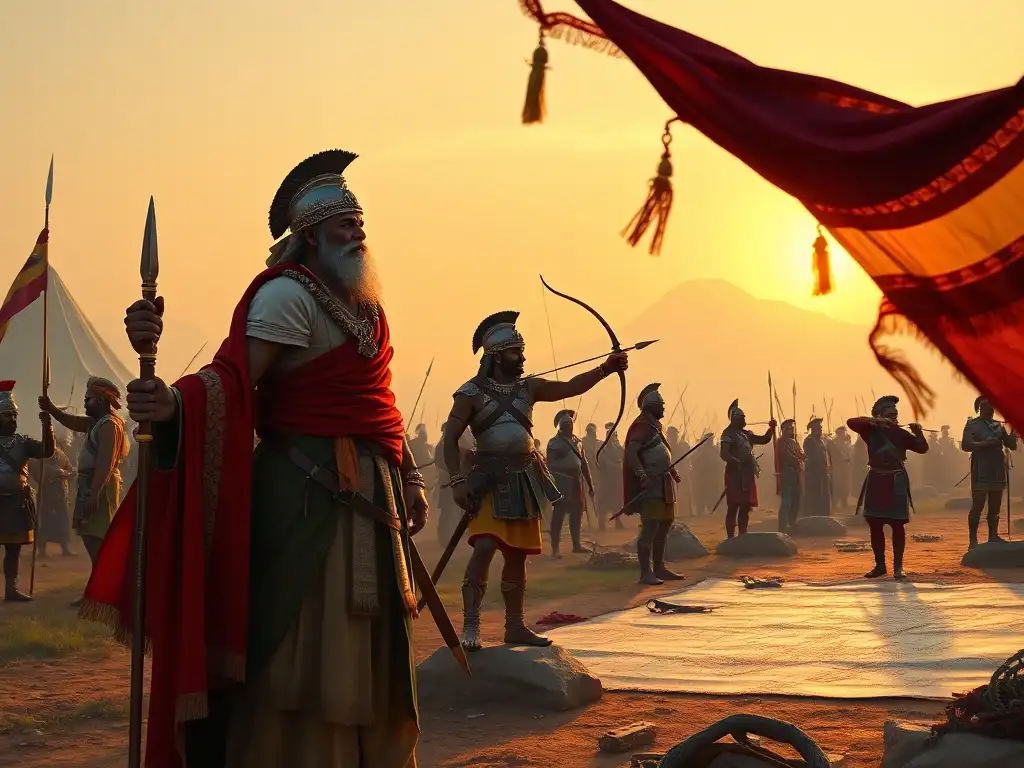
Ancient Indian military training was characterized by a unique blend of discipline, strategy, and physical prowess, which set it apart from the military systems of other ancient civilizations. The emphasis on rigorous training and the integration of martial skills with spiritual and philosophical teachings played a significant role in shaping the effectiveness of ancient Indian armies. By comparing ancient Indian military training with that of the Greeks and Romans, we can gain deeper insights into its distinctive features and contributions to military history.
Ancient Indian Armies vs. Ancient Greek Military Training
The ancient Greek military training system, particularly exemplified by the Spartan model, was renowned for its rigorous physical conditioning, communal living, and an emphasis on endurance and bravery. Spartan boys underwent a strict training regimen known as the agoge, which instilled discipline and a warrior ethos from a young age.
In contrast, ancient Indian military training included a diverse range of combat skills, including archery, swordsmanship, and hand-to-hand combat. Training often took place in gurukuls (traditional schools) and was not only focused on physical prowess but also on wisdom, ethics, and the philosophy of warfare. The Indian approach highlighted the importance of strategy and adaptability on the battlefield, incorporating lessons from ancient texts like the Arthashastra by Kautilya.
While both civilizations placed a high value on discipline, the Greeks emphasized individual valor and heroism, as seen in their hoplite formations. Conversely, Indian armies often employed a more collective approach, integrating soldiers from various backgrounds, reflecting the diverse social fabric of their society.
Ancient Indian Armies vs. Roman Military Training
Roman military training was highly structured and methodical, characterized by a focus on discipline, organization, and the effectiveness of formations like the testudo. Roman soldiers underwent extensive drills that emphasized unit cohesion and the ability to execute complex maneuvers on the battlefield.
Ancient Indian military training, while also organized, was more fluid and adaptable, allowing for a variety of combat styles and tactics. Indian armies were known for their use of war elephants, cavalry, and archers, which required a different training approach compared to Rome's infantry-centric tactics. Additionally, the Indian military training system often included spiritual elements, where warriors were encouraged to cultivate a sense of dharma (righteousness) alongside their martial skills.
The Romans prioritized military hierarchy and discipline through their extensive use of ranks and formalized training regimens, whereas Indian armies often operated under the leadership of local chieftains and kings, reflecting a more decentralized approach. This flexibility allowed Indian forces to adapt to different combat situations, making them formidable opponents on the battlefield.
The Impact of Military Training on Ancient Indian Society
Military training in ancient India was not merely a means to prepare for warfare; it also had profound implications for social structures and governance. The integration of martial skills into everyday life shaped the values and relationships within society, influencing everything from social mobility to political leadership.
How Military Training Shaped Social Structure
In ancient India, military training was often linked to social status and caste. The Kshatriyas, or warrior class, were primarily responsible for military affairs and underwent extensive training to uphold their duties. This not only reinforced the importance of martial skills within the Kshatriya community but also created a sense of honor and duty towards the protection of the realm.
Furthermore, military accomplishments could elevate individuals from lower castes into positions of respect and authority, demonstrating that merit and skill could transcend traditional social barriers. This dynamic contributed to a more fluid social structure, where martial prowess played a crucial role in determining one's status and opportunities within society.
The Influence of Discipline on Leadership and Governance
Discipline, cultivated through military training, was a cornerstone of leadership in ancient India. Leaders were expected to exemplify the virtues of bravery, honor, and ethical conduct, which were instilled through their military experiences. The emphasis on discipline not only shaped effective military commanders but also influenced political rulers, as many kings were also skilled warriors.
The principles of discipline and strategy learned in military training were applied to governance, with leaders often employing military tactics in their administration and diplomacy. This interplay between military and political realms created a unique governance model that balanced power with responsibility, ensuring that rulers were prepared to defend their territories while maintaining social order.
Ancient Indian military training was a multifaceted system that profoundly impacted both society and governance, shaping the cultural landscape of the time and contributing to the rich tapestry of ancient Indian history.
Conclusion
The significance of training and discipline in ancient Indian armies cannot be overstated. These elements were pivotal in shaping not only the effectiveness of military operations but also the socio-political structures of the time. The rigorous training regimens and the emphasis on discipline among soldiers fostered a sense of unity and purpose, which was crucial for the success of various military campaigns. Ancient Indian military training techniques, rooted in the philosophies of warfare and statecraft, provided a foundation that influenced subsequent generations and military strategies beyond the subcontinent.
Summary of the Importance of Training and Discipline
Training and discipline in ancient Indian military practices were instrumental in developing skilled warriors who were adept in various forms of combat. The comprehensive training programs included physical conditioning, weapon mastery, and strategic education, which enabled soldiers to respond effectively to diverse battlefield scenarios. Discipline ensured that these warriors adhered to a code of conduct, fostering loyalty and cohesion within the ranks. The combination of these factors not only enhanced the operational efficiency of armies but also played a crucial role in establishing and maintaining the authority of rulers across different dynasties.
Lasting Legacy of Ancient Indian Military Practices
The military training methodologies and discipline fostered in ancient Indian armies left a lasting legacy that influenced both contemporary and later military systems. Many principles derived from ancient Indian military texts, such as the Arthashastra, emphasized strategic thinking and the importance of moral conduct in warfare. These teachings transcended geographical boundaries, impacting military practices in neighboring regions and cultures. The emphasis on training as a continuous process can still be observed in modern military doctrines, highlighting the timeless relevance of ancient military wisdom.
References
Key Texts on Ancient Indian Military History
- Arthashastra by Kautilya: A foundational text that outlines various aspects of statecraft, military strategy, and governance in ancient India.
- Mahabharata: An epic that not only narrates tales of war but also delves into the philosophies of duty, righteousness, and the art of warfare.
- Ramayana: Another epic that provides insights into ancient military strategies, heroism, and the importance of loyalty and honor in warfare.
Suggested Further Reading on Military Training in Ancient Civilizations
- "The Art of War" by Sun Tzu: A classic text on strategy and military discipline that has influenced military thought worldwide.
- "On War" by Carl von Clausewitz: A seminal work that explores the complex nature of warfare and the importance of preparation and training.
- "War and Peace in Ancient India" by Various Authors: A compilation that discusses various facets of warfare, including military training, strategies, and philosophies in ancient Indian contexts.
- Introduction to Ancient Indian Military Training
- Historical Context of Ancient Indian Military Training
- Key Components of Ancient Indian Military Training
- The Role of Discipline in Combat Effectiveness
- Comparison of Ancient Indian Military Training to Other Civilizations
- The Impact of Military Training on Ancient Indian Society
- Conclusion
- References
- What was the significance of military training in ancient Indian armies?
- How did ancient Indian military training differ from other civilizations?
- What role did ancient texts play in military training?
- Were there any specific methods used for training soldiers?
- How did discipline influence ancient Indian military success?
Frequently Asked Questions
What was the significance of military training in ancient Indian armies?
Military training was crucial for ensuring discipline and effectiveness in ancient Indian armies, preparing soldiers for battle scenarios and maintaining order during conflicts.
How did ancient Indian military training differ from other civilizations?
Ancient Indian military training emphasized a combination of physical endurance, tactical skills, and spiritual discipline, setting it apart from other civilizations that may have prioritized sheer strength or numbers.
What role did ancient texts play in military training?
Ancient texts like the Arthashastra and Mahabharata provided essential guidelines and strategies for military training, outlining the importance of strategy, logistics, and leadership in warfare.
Were there any specific methods used for training soldiers?
Yes, ancient Indian soldiers underwent rigorous physical training, weapon handling, and combat techniques, often complemented by martial arts practices to enhance their combat readiness.
How did discipline influence ancient Indian military success?
Discipline was a cornerstone of ancient Indian military success, fostering cohesion and teamwork among soldiers, which was essential for executing complex battle strategies effectively.
Final Reflection: The Enduring Legacy of Ancient Indian Military Training
The significance of training and discipline in ancient Indian armies remains profoundly relevant today, as it underscores the timeless values of dedication and preparation. In a world where rapid change often challenges our resolve, the principles of rigorous training and unwavering discipline serve as a reminder that success is not merely a product of talent but a culmination of consistent effort and strategic planning. The ancient Indian military exemplified this ethos, demonstrating that the strength of a nation lies in the commitment of its warriors to their craft.
The influence of ancient Indian military training extends beyond historical battles; it shapes our cultural and social landscapes even now. The rigorous training regimens and disciplined practices of these armies fostered not only skilled warriors but also a sense of unity and purpose among diverse groups. As we reflect on this legacy, we can draw inspiration from the words of Chanakya, who said, “As soon as the fear approaches near, attack and destroy it.” > This quote encapsulates the spirit of resilience and proactive action that remains vital in our personal and collective endeavors today.
As we contemplate the lessons from ancient Indian military training, let us strive to incorporate discipline and commitment into our own lives. Whether in our careers, personal growth, or community engagement, the principles of training and discipline can guide us toward achieving our goals. I invite you to reflect on how you can harness these timeless values to overcome challenges and cultivate a path of excellence in your own journey. Embrace the spirit of the ancient warriors, and let their legacy inspire you to forge your own path with determination and purpose.
Embrace the Legacy: Train, Discipline, and Excel!
Thank you for exploring the rich tapestry of ancient Indian military strategies! You've uncovered the invaluable role of training and discipline in shaping powerful armies. Now, it's your turn to apply these lessons in your own journey.
Here are some actions you can take to deepen your understanding and connection to this transformative theme:
- Start a daily practice: Incorporate a training routine into your life, whether it's physical fitness, mindfulness, or skill development—just like the ancient warriors did!
- Explore further: Delve into specific tactics or notable figures from ancient Indian history that exemplify this discipline. Utilize online resources or visit your local library!
- Share your insights: Engage with others! Discuss how the principles of ancient discipline continue to resonate in today’s world by sharing this article on social media.
What personal discipline or training technique will you adopt to honor the legacy of ancient Indian armies?