
The Role of Music and Dance in Caste Identity in Ancient Indian Culture

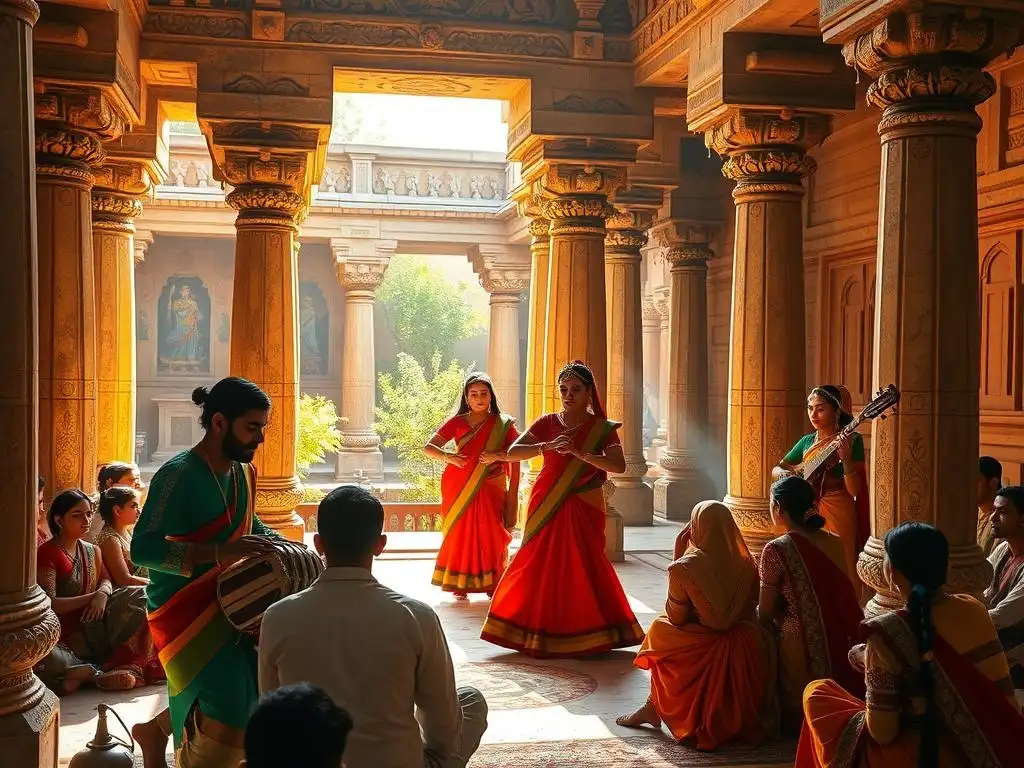
Welcome to Ancient India History, where we invite you to embark on a fascinating journey through the vibrant tapestry of ancient Indian civilizations. Delve into the intricate relationship between music and dance and their profound influence on caste identity within the cultural landscape of India.
In our featured article, "The Role of Music and Dance in Caste Identity in Ancient Indian Culture," you'll uncover how these art forms were not merely entertainment, but essential threads woven into the fabric of social structure and identity. Prepare to be captivated as we explore the melodies and movements that echo through time, revealing the stories of a diverse heritage waiting to be discovered.
Introduction to Music and Dance in Ancient India
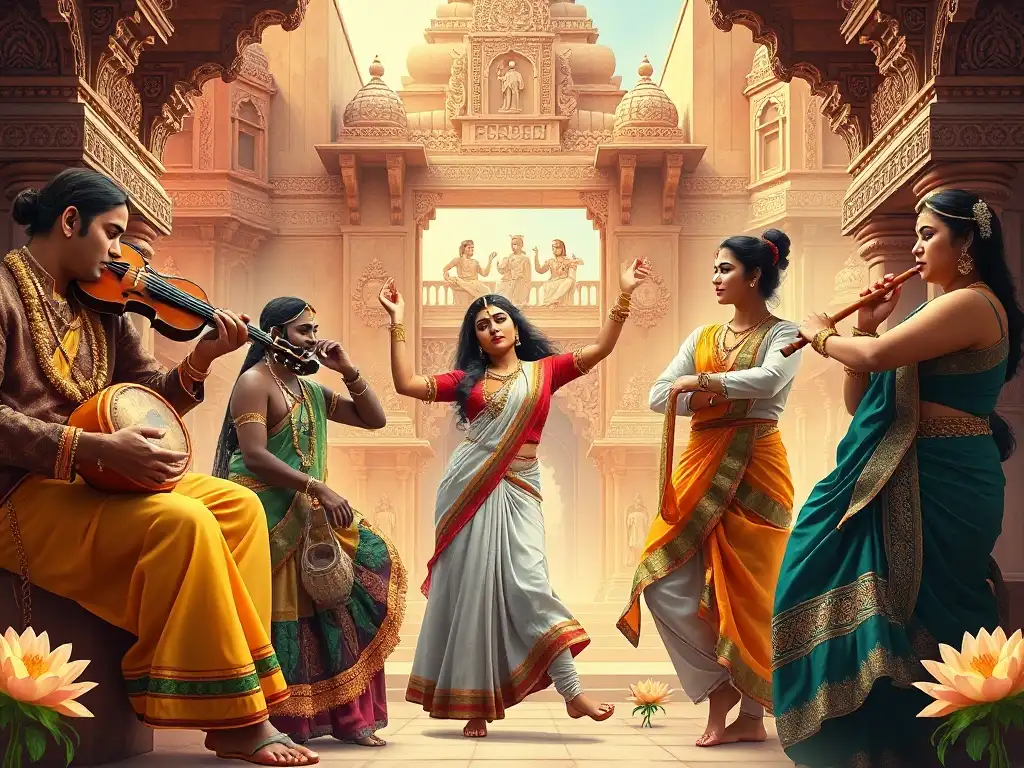
Music and dance have long been integral components of the cultural fabric in ancient India, serving not only as forms of artistic expression but also as vital tools for identity formation within the complex social structure of the time. The interplay between music, dance, and the caste system illustrates how these art forms were more than mere entertainment; they were deeply woven into the socio-religious tapestry of ancient Indian life.
This article seeks to explore the significance of music and dance in ancient India, especially in relation to caste identity, shedding light on their roles in daily life and society.
Overview of Ancient Indian Culture
Ancient Indian culture is renowned for its remarkable diversity and richness, shaped by various influences over millennia. From the early Indus Valley Civilization to the later Gupta Empire, Indian society has been characterized by a dynamic interplay of various cultures, languages, and traditions. Central to this cultural milieu was the caste system, which organized society into hierarchical groups based on occupation, birth, and social status.
The arts, particularly music and dance, served as reflections of this complex social order, with different castes often associated with specific musical styles and dance forms. This intricate relationship between art and social structure not only defined individual identities but also reinforced societal norms and values.
Importance of Arts in Daily Life
In ancient India, music and dance were indispensable to daily life, playing crucial roles in religious rituals, festivals, and communal gatherings. These art forms were not just leisure activities; they were vital expressions of spirituality and cultural identity, often intertwined with the agricultural calendar and seasonal celebrations.
Moreover, music and dance provided a means of storytelling, preserving history and traditions through generations. They facilitated communication among different castes and communities, fostering a sense of unity while also highlighting the unique characteristics of each group.
Definition of Caste Identity in Ancient India
Caste identity in ancient India was defined by a combination of social, occupational, and religious factors. The caste system categorized individuals into distinct groups, each with specific duties, rights, and privileges. This stratification was not merely a social construct but was often justified through religious texts and cultural narratives.
Music and dance played a pivotal role in reinforcing caste identity. Different castes had their own traditional music and dance forms that were emblematic of their cultural heritage and social status. The performances were not only a source of pride but also essential for maintaining the cultural continuity of each caste.
Historical Context of Music and Dance
Evolution of Musical Traditions in Ancient India
The evolution of musical traditions in ancient India can be traced back to the Vedic period, where hymns and chants formed the foundation of Indian music. Over time, various regional styles emerged, influenced by local customs, instruments, and the socio-political landscape.
The incorporation of instruments such as the veena, tabla, and flute enriched the musical repertoire, allowing for a wide variety of expressions that reflected the diverse cultural landscape of ancient India. The development of classical music systems, such as Hindustani and Carnatic, further underscored the significance of music in societal and spiritual contexts.
Dance Forms and Their Cultural Significance
Dance in ancient India was not merely a form of entertainment; it was a profound expression of spirituality and storytelling. Each dance form, from Bharatanatyam to Kathak, was steeped in cultural narratives and religious symbolism.
These dances often depicted themes from mythology and folklore, reinforcing the values and beliefs of the society. Furthermore, specific dance styles were often associated with particular castes, serving as a marker of identity and social status within the broader cultural framework.
Influence of Religion on Music and Dance
Religion played a crucial role in shaping the music and dance of ancient India, with both art forms deeply embedded in spiritual practices and rituals. Temples served as centers for musical and dance performances, where devotees engaged in worship through artistic expression.
The confluence of various religious traditions, including Hinduism, Buddhism, and Jainism, further enriched the musical and dance landscape. This intersection not only enhanced the diversity of styles and techniques but also highlighted the importance of these art forms in conveying spiritual messages and fostering communal harmony.
The exploration of music and dance in ancient India reveals their profound significance in shaping caste identity and cultural expression. By understanding these art forms within their historical and social contexts, we gain deeper insights into the lived experiences of ancient Indian societies and the enduring legacy of their artistic traditions.
Music and Dance as Expressions of Caste Identity
Music and dance have played a pivotal role in shaping and expressing caste identity in ancient India. These art forms not only served as entertainment but also acted as a means of cultural expression and social delineation. Each caste developed its unique musical styles and dance forms, which were often tied to the rituals, traditions, and everyday lives of its members. Through music and dance, individuals could showcase their cultural heritage, reaffirm their caste identity, and maintain social cohesion within their community.
The intricate relationship between music, dance, and caste identity is evident in the way these forms were interwoven into the fabric of daily life. For instance, the performance of specific songs and dances during festivals and religious ceremonies reinforced the values, beliefs, and histories associated with each caste. Furthermore, these performances were often exclusive to certain castes, thereby serving as a marker of identity and belonging.
Caste-Specific Music Traditions
Caste-specific music traditions emerged as a significant aspect of ancient Indian society. Different castes cultivated distinct musical styles that reflected their social status, occupations, and regional influences. For example, Brahmins, associated with religious rituals, often employed melodious chants and Vedic hymns in their performances, emphasizing spirituality and devotion. In contrast, the Dalits developed folk music that often conveyed themes of daily struggles, resilience, and communal life, serving as a form of social commentary.
Musical instruments also varied across caste lines, with certain instruments being emblematic of specific communities. The use of the sitar or veena was often linked to higher castes, while simpler instruments like the dholak or madal were more common among lower castes. This differentiation in both style and instrumentation not only highlighted the diversity of music in ancient India but also reinforced the stratified nature of its society.
Dance Forms Associated with Different Castes
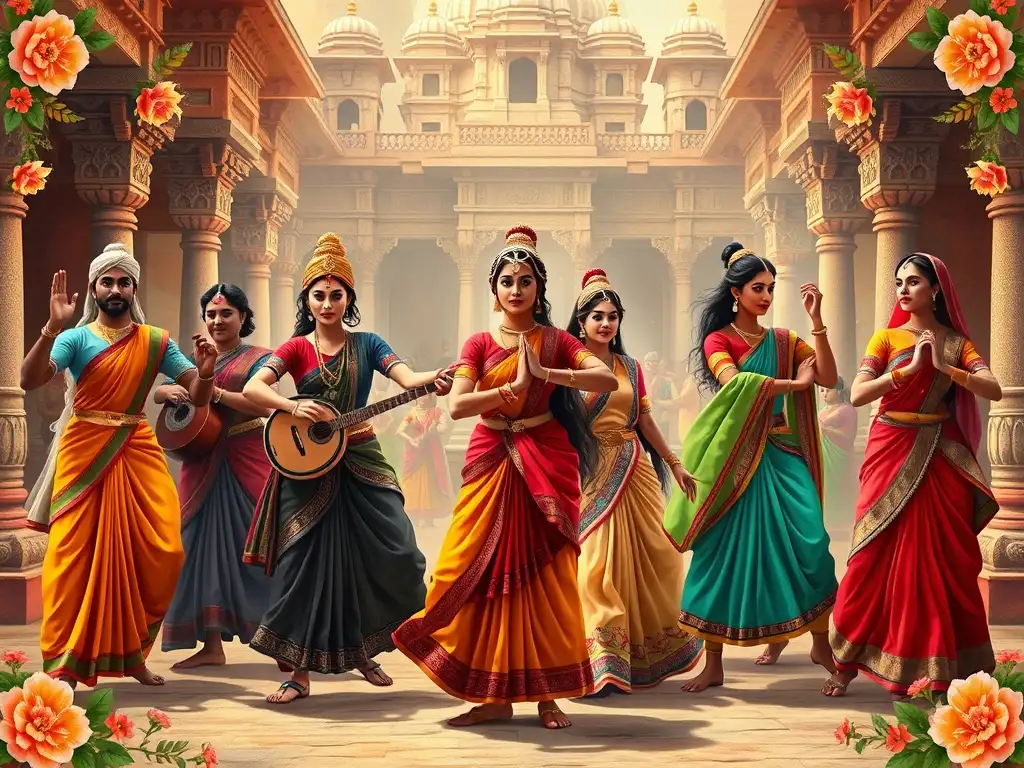
Similar to music, dance forms in ancient India were deeply rooted in caste identity. Each caste had its traditional dance styles that encapsulated their cultural narratives and social roles. For instance, the classical dance form Bharatanatyam is traditionally associated with the Devadasi system, where temple dancers were often of lower castes, yet held a revered status within their religious context. This dance not only showcased the aesthetic beauty of movement but also served to narrate mythological tales, reinforcing the connection between spirituality and caste.
Conversely, folk dances such as Garba and Bhangra were predominantly performed by specific communities during harvest festivals and celebrations, reflecting their agrarian lifestyle. These dances fostered a sense of unity among participants and were often characterized by vibrant attire and communal participation, emphasizing the collective identity of the caste.
The Role of Music and Dance in Caste Festivals and Rituals
Music and dance are integral components of caste festivals and rituals, serving both spiritual and social functions. Festivals often provided a platform for different castes to showcase their unique art forms, enabling them to express their cultural identity and reinforce social ties within the community. For example, during the Pongal festival, various castes would engage in traditional music and dance, highlighting their respective customs and practices.
Rituals associated with birth, marriage, and death also prominently featured music and dance, marking significant life transitions. Specific songs and dances were performed at these events, often imbued with symbolic meanings that reflected the values and beliefs of the caste. Such practices not only reinforced caste identity but also facilitated the passing down of traditions from one generation to the next.
Music and dance served various social functions within the caste systems of ancient India, acting as vehicles for communication, unity, and stratification. These art forms were not merely entertainment; they played a crucial role in defining social dynamics and relationships among different castes.
Music and Dance in Community Gatherings
Community gatherings were often enlivened by music and dance, providing an opportunity for individuals to come together and celebrate their shared identity. These events, such as village fairs or seasonal festivals, were characterized by performances that showcased the unique talents of different castes. Through collective participation, music and dance fostered a sense of belonging and solidarity, reinforcing the bonds within the community.
Role in Marriage and Other Life Cycle Events
In the context of marriage and other life cycle events, music and dance held significant importance. Each caste had specific songs and dances associated with these milestones, often performed to invoke blessings and ensure prosperity. For example, the Sangeet ceremony, rich in music and dance, was an integral part of weddings, highlighting the joyous nature of the occasion while also serving to strengthen familial ties and caste identity.
Impact on Social Hierarchies and Relationships
The interplay of music and dance within caste systems also had implications for social hierarchies and relationships. Certain performances were restricted to specific castes, thus reinforcing social boundaries. For instance, upper castes often looked down upon the music and dance of lower castes, perpetuating a sense of superiority and exclusion. This dynamic not only affected the performers but also shaped the audience's perception of caste roles, influencing social interactions and relationships across the caste spectrum.
Music and dance in ancient India were not only art forms but also vital expressions of caste identity, social cohesion, and cultural heritage, intricately woven into the social fabric of the time.
Case Studies of Music and Dance in Caste Identity
Throughout ancient India, music and dance played pivotal roles in expressing and reinforcing caste identity. Various case studies illustrate how specific musical traditions and dance forms were intricately linked to the social hierarchies of the time. For instance, the Bhagavata Mela, a traditional dance-drama form, is closely associated with the Vaishnavite community, wherein performers often belonged to the higher castes, showcasing their privilege and religious affiliation through elaborate performances.
Similarly, the Tappa style of singing, with its roots in the life of rural folk, often highlighted the struggles and narratives of the lower castes. This music became a voice for the marginalized, revealing how even within rigid caste structures, music served as a means of both oppression and resistance.
In this context, the interplay between music, dance, and caste identity is evident, as these art forms not only reflect the societal norms but also contribute to the maintenance and challenge of those very structures.
Analysis of Specific Caste Music Traditions
Various musical traditions in ancient India directly correlate with specific castes, each embodying unique characteristics that reflect their cultural milieu. For example, the Nath community is renowned for their Dhrupad singing, which is often performed in temples and is marked by its deep spiritual essence. This form of music is not only a representation of the caste's artistic heritage but also an assertion of their religious beliefs and social standing.
On the other hand, the Bhangra, traditionally associated with the Punjabi agricultural community, exemplifies a joyous celebration of life, marking the seasonal harvests. This lively folk music and dance form served to strengthen community bonds and identity among the agrarian caste, showcasing their lifestyle and values.
The analysis of these specific traditions provides insights into how music and caste intersect, illustrating a complex narrative of identity, social roles, and cultural expression.
Examination of Dance Forms and Their Evolution
Dance forms in ancient India were not merely entertainment; they embodied the values, beliefs, and social structures of the time. The evolution of dance can be traced through various historical periods, with each era contributing to the richness of the art form.
For instance, classical dances like Bharatanatyam and Kathak evolved from temple rituals, where dancers were often of the devadasi caste, illustrating the sacred connection between dance and spirituality. Over time, these forms transcended their religious origins and became integral to the cultural fabric of society.
Moreover, folk dances such as Garba and Dandiya have regional variations, reflecting the local customs and influences of different castes. These dances, often tied to agricultural cycles and festivals, serve as a lens through which to understand the socio-economic conditions and cultural practices of various communities over time.
Examples of Regional Variations in Music and Dance
Ancient India was a tapestry of diverse cultures and traditions, and this diversity is vividly reflected in its music and dance forms. For example, in the southern regions, Kuchipudi emerged as a dance-drama that conveys stories from scriptures, often performed by Brahmin artists, thereby illustrating a connection between performance and caste identity.
Conversely, in the northern parts of India, Gidda and Bhangra are quintessential folk dance forms that celebrate communal life and are performed predominantly by agricultural castes. These regional variations highlight how music and dance were not just artistic expressions but also markers of regional identity and social stratification.
The differences in music and dance across regions further emphasize the localized interpretations of caste identity, showcasing how these art forms adapt and evolve while maintaining their core significance within their respective communities.
Conclusion
Summary of Music and Dance's Role in Caste Identity
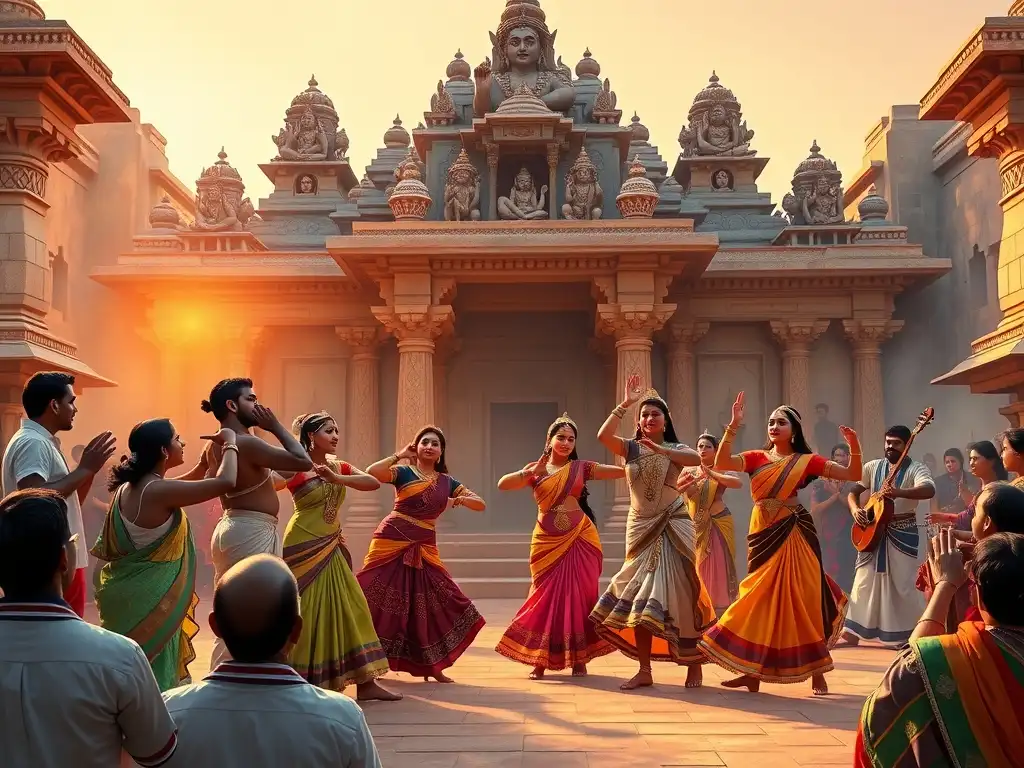
Music and dance in ancient India were crucial in shaping and expressing caste identity. They served as powerful tools for communication and cultural transmission, reinforcing social norms while also providing avenues for resistance and change. The interplay between these art forms and caste systems reveals a layered understanding of ancient Indian society, wherein cultural practices mirrored and influenced social hierarchies.
Reflection on the Legacy of Music and Dance in Ancient Indian Society
The legacy of music and dance in ancient Indian society is profound and enduring. These art forms have not only survived through centuries but have also evolved to reflect contemporary societal changes. The rituals and performances that once defined caste boundaries have transformed into broader cultural expressions, celebrating diversity and shared heritage.
The historical significance of these art forms continues to inspire modern artists and serves as a reminder of the rich tapestry of ancient Indian culture, where music and dance were integral to everyday life.
Implications for Understanding Ancient Indian Social Structures
Understanding the role of music and dance in ancient India provides valuable insights into the complexities of social structures and caste dynamics. It highlights how cultural expressions can both reflect and shape societal norms, offering a deeper comprehension of the historical context in which these art forms thrived.
By studying these elements, researchers and enthusiasts alike can gain a more nuanced understanding of ancient Indian civilization, recognizing the interplay between art, identity, and social order in shaping the legacies that persist to this day.
Further Reading and Resources
Exploring the intricate relationship between music, dance, and caste identity in ancient Indian culture provides a deeper understanding of the social fabric of the time. The following resources offer valuable insights into this topic, covering various perspectives from scholarly works to historical texts.
Suggested Books and Articles on Music and Dance in Ancient India
-
"The Music of India" by Reginald Massey
This book examines the evolution of Indian music, including its connection to different social classes and its role in rituals and celebrations across various regions of ancient India.
-
"Dancing to the Flute: Music and Dance in Indian Culture" by Amita Sarwal
A thorough exploration of the role of music and dance in the cultural practices of ancient India, highlighting how these art forms contributed to the identity of different castes.
-
"Indian Classical Dance: A Complete Guide" by Mohan Kaul
This comprehensive guide provides insights into the classical dance forms of India, discussing their historical significance and how they relate to social structure.
-
"The Role of Music in Ancient Indian Rituals" by Ananya Sharma
An academic article that delves into the importance of music in various rituals, demonstrating how it served as a form of identity for different castes.
-
"Caste and the Cultural History of Music in India" by Priya Rao
This article investigates the intersection between caste systems and musical traditions, illustrating the social implications embedded in musical practices.
Links to Related Topics on Caste and Society in Ancient India
- Caste System in Ancient India: Understanding the foundational structure of society and its implications on various aspects of daily life.
- The Influence of Religion on Music and Dance: Exploring how religious practices shaped musical genres and dance forms across different castes.
- Cultural Festivals and Their Significance: Analyzing the role of music and dance in festivals and their importance in caste identity formation.
- The Evolution of Dance Forms in Ancient India: A historical overview of how dance forms developed and were categorized by caste and region.
References
To substantiate the assertions regarding music and dance in ancient India and their connection to caste identity, the following academic sources and historical texts are indispensable.
Academic Sources and Historical Texts on Music and Dance in Ancient India
-
"The Nāṭyaśāstra" by Bharata Muni
An ancient treatise on performing arts that serves as a foundational text in understanding the theories of music, dance, and drama in ancient India.
-
"Indian Music: A Historical Survey" by S. S. Bhatia
This work provides a detailed historical account of Indian music, tracing its development and the influence of caste on its evolution.
-
"Cultural History of India" by R. C. Sharma
This text discusses the broader cultural context of ancient India, with specific chapters dedicated to music and dance as reflections of societal structure.
-
"Dance in India: A Historical Perspective" by K. R. Srinivasan
A scholarly article that highlights the various dance forms in India and their societal implications, specifically relating to caste identity.
Documentation of Dance Forms and Musical Traditions
-
"Encyclopedia of Indian Classical Dances"
A comprehensive resource documenting various classical dance forms, their origins, and their connections to caste identities.
-
"The Music of the Indian Subcontinent: A Historical Overview"
This documentation discusses various musical traditions in the context of social structures and caste, detailing significant contributions from different communities.
-
"Traditional Music of India: A Study of the Gharanas"
This study analyzes various gharanas (schools) in Indian classical music, their historical contexts, and how they relate to caste dynamics.
-
"The Role of Folk Music in Caste Identity"
An exploration of the significance of folk music in shaping and expressing caste identities within different regions of India.
- Introduction to Music and Dance in Ancient India
- Historical Context of Music and Dance
- Music and Dance as Expressions of Caste Identity
- Caste-Specific Music Traditions
- Dance Forms Associated with Different Castes
- The Role of Music and Dance in Caste Festivals and Rituals
- Social Functions of Music and Dance in Caste Systems
- Case Studies of Music and Dance in Caste Identity
- Conclusion
- Further Reading and Resources
- References
- What was the significance of music and dance in ancient Indian culture?
- How did caste identity influence musical traditions in ancient India?
- Were there any specific instruments associated with different castes?
- What role did dance play in ancient Indian storytelling?
- How did the Gupta Empire contribute to the evolution of music and dance?
Frequently Asked Questions
What was the significance of music and dance in ancient Indian culture?
Music and dance were integral to religious rituals, festivals, and social gatherings, reflecting the caste identity and cultural values of ancient Indian societies.
How did caste identity influence musical traditions in ancient India?
Different castes had unique musical styles and dance forms, which served to express their cultural identities and reinforce their social roles within the community.
Were there any specific instruments associated with different castes?
Yes, various musical instruments were linked to specific castes, with certain instruments symbolizing particular social statuses or occupations in ancient Indian society.
What role did dance play in ancient Indian storytelling?
Dance was often used as a medium for narrating stories from mythology and history, helping to convey moral lessons and preserve cultural heritage through performative arts.
How did the Gupta Empire contribute to the evolution of music and dance?
The Gupta Empire marked a golden age for arts, fostering advancements in music and dance that incorporated regional styles and promoted cultural exchange across the empire.
Final Reflection: The Enduring Legacy of Music and Dance in Ancient Indian Caste Identity
The intricate relationship between music and dance in ancient India not only shaped cultural expressions but also served as a powerful tool for defining caste identities. Today, as we navigate a world increasingly aware of social stratification and cultural heritage, the lessons from ancient practices resonate more than ever. The rhythms and melodies that once echoed through the courts and villages of India remind us that art is not merely entertainment; it is a vital thread in the fabric of society, capable of uniting and dividing, celebrating and critiquing.
The influence of music and dance on caste identity continues to be felt in contemporary Indian society, where these art forms remain a means of cultural expression and social commentary. The vibrant performances that once delineated social boundaries now serve as platforms for dialogue and change. As noted by scholar Rukmini Bhaya Nair, “Art is the mirror of society, reflecting its complexities and contradictions.” This reflection invites us to consider how the legacies of the past inform our present and shape our future.
As we conclude this exploration, I invite you to reflect on the role of music and dance in your own life and community. How can you harness the power of these art forms to foster understanding and bridge divides? Let the rhythms of ancient India inspire you to engage with the world around you, celebrating diversity and promoting unity through the universal language of art. Embrace the lessons of history, and let them guide you toward a more harmonious future.
Embrace Your Roots: Dive Deeper into Caste Identity Through Music and Dance!
Thank you for exploring the fascinating intersection of music, dance, and caste identity in ancient Indian culture! We hope you uncovered valuable insights that enrich your understanding of this vibrant heritage. Now, let’s take a moment to bring this knowledge to life through action.
- Join a local dance workshop that celebrates traditional Indian styles—experience the rhythm and grace firsthand while connecting with your community.
- Curate a playlist of classical Indian music that reflects the diverse cultural backgrounds—share it with friends and spark conversations about its significance.
- Engage in discussions online about the role of arts in shaping social identities—consider sharing your thoughts on platforms or forums dedicated to cultural history.
How do you believe music and dance have influenced our current understanding of caste identity in society today? Let’s discuss in the comments!