
The Role of Labor in Trade: Ancient Indian Merchants and Their Professions

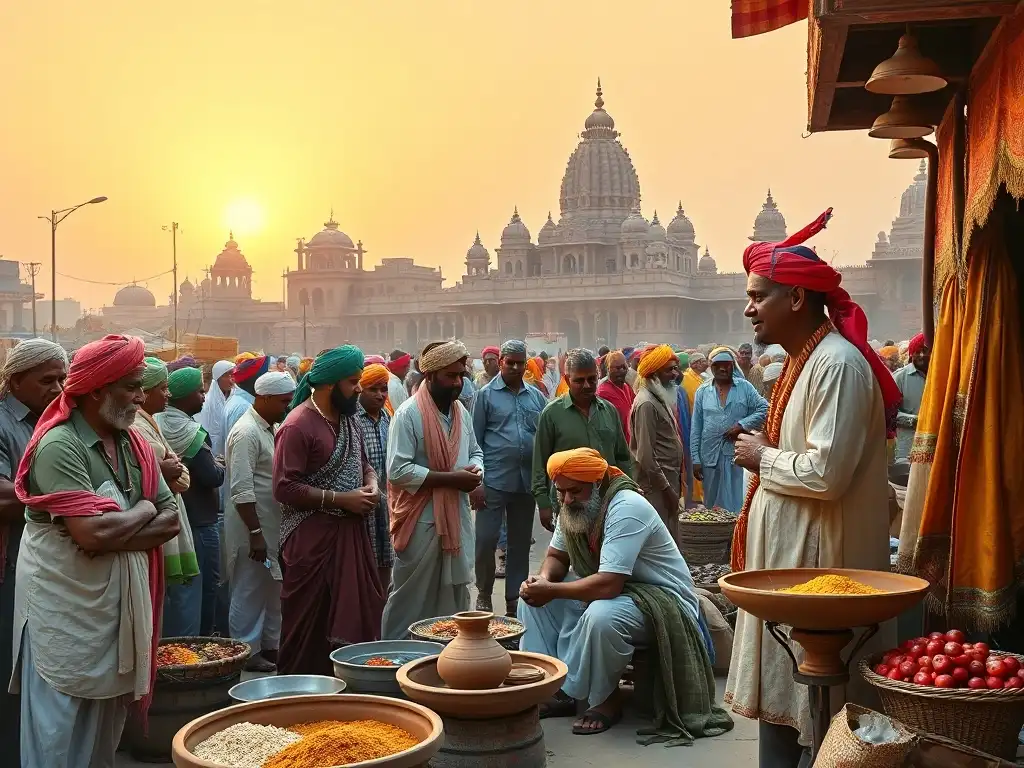
Welcome to Ancient India History, where we embark on an enlightening journey through the rich tapestry of ancient Indian civilizations. Have you ever wondered about the intricate web of trade professions that thrived from the bustling markets of the Indus Valley to the sophisticated exchanges of the Gupta Empire? In our featured article, "The Role of Labor in Trade: Ancient Indian Merchants and Their Professions," we delve deep into the lives of these remarkable individuals who shaped the economy and culture of their time.
Prepare to uncover the fascinating stories behind ancient Indian trade and the enduring legacy of its skilled artisans and merchants. Let your curiosity guide you as you explore the profound impact of these professions on daily life and society!
Introduction to Ancient Indian Trade Professions
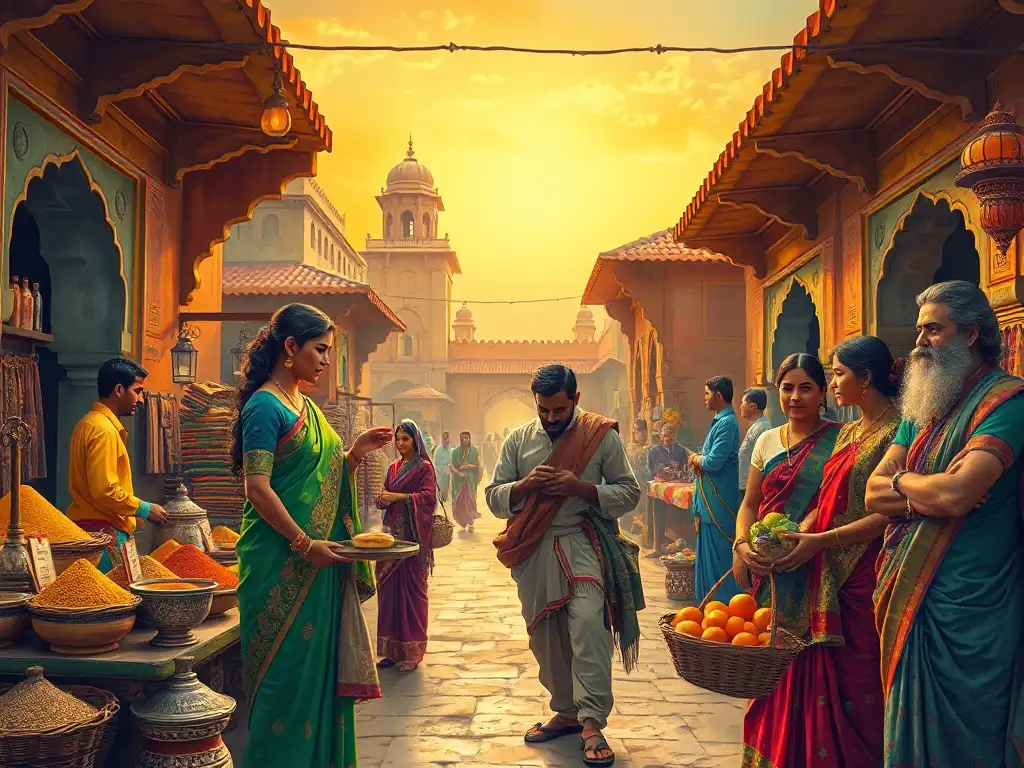
The intricate tapestry of ancient Indian society is woven with the threads of diverse professions that played a crucial role in the economy and cultural exchange of the time. Among these, trade professions stand out as vital contributors to the prosperity of ancient Indian civilizations, ranging from the sophisticated urban centers of the Indus Valley to the flourishing markets of the Gupta Empire.
This article delves into the multifaceted roles of merchants and laborers in ancient Indian trade, exploring how their skills, knowledge, and interactions shaped not only the economy but also the sociocultural landscape of the era. By examining historical contexts, trade routes, and key centers of commerce, we aim to illuminate the significance of these professions in the grand narrative of ancient Indian history.
Overview of Trade in Ancient India
Trade in ancient India was not merely a means of exchanging goods; it was a complex and dynamic system that facilitated the movement of ideas, cultures, and technologies across vast distances. Ancient Indian merchants engaged in both local and long-distance trade, dealing in a variety of goods such as spices, textiles, metals, and luxury items. The significance of trade can be seen in the establishment of specialized market towns, where artisans and traders congregated, trading their products and services.
- Key Goods Traded:
- Spices (e.g., pepper, cardamom)
- Textiles (e.g., silk, cotton)
- Metals (e.g., gold, silver, iron)
- Gemstones (e.g., diamonds, rubies)
The emergence of trade guilds also played a pivotal role, as these organizations provided support and regulation for merchants, ensuring quality standards and fair practices. Overall, trade was integral to the economic sustainability and social development of ancient India.
Importance of Labor in Economic Systems
Labor was the backbone of ancient Indian trade, encompassing a wide range of professions that contributed to the economic systems of the time. The roles of laborers, artisans, and merchants were interconnected, creating a network of economic activity that sustained local economies and promoted inter-region commerce.
- Roles of Labor:
- Merchants: Facilitated trade, managed logistics, and handled negotiations.
- Artisans: Crafted goods, from pottery to textiles, that were essential for trade.
- Laborers: Engaged in various support roles, ensuring the smooth operation of trade activities.
The division of labor allowed for specialization, which in turn increased productivity and innovation within trade practices. This specialization also led to the development of certain professions becoming esteemed within society, as merchants and skilled artisans gained wealth and respect.
Historical Context of Ancient Indian Trade
Understanding the role of labor in ancient Indian trade requires a closer look at the historical context, including the trade routes and centers that facilitated these economic activities.
Trade Routes and Their Significance
Ancient Indian trade was characterized by well-established routes that connected various regions, both within the subcontinent and beyond, to neighboring civilizations. The significance of these trade routes was profound, fostering not only economic exchange but also cultural and technological diffusion.
- Major Trade Routes:
- Silk Road: Linked India with Central Asia and beyond.
- Maritime Routes: Connected Indian ports with Southeast Asia, Africa, and the Middle East.
These routes were not just pathways for goods; they were conduits for ideas and cultural practices. The interactions along these routes helped shape the identity of ancient Indian civilization and established it as a vital hub in global trade networks.
Major Trade Centers in Ancient India
The flourishing of trade in ancient India led to the rise of several major trade centers, each serving as a focal point for commercial activities. These centers became vibrant hubs of economic and cultural exchange.
- Prominent Trade Centers:
- Taxila: A renowned center for trade and education, linking various regions of Asia.
- Ujjain: Famous for its strategic location and as a center for trade in textiles and spices.
- Pataliputra: The capital of the Maurya Empire, known for its thriving markets and diverse goods.
These centers not only contributed to the local economies but also played a significant role in shaping the broader economic landscape of ancient India, emphasizing the importance of labor and trade professions in this historical context.
Professions of Ancient Indian Merchants
Ancient Indian merchants played a vital role in the economic tapestry of their societies, engaging in a variety of professions that facilitated trade both locally and internationally. These merchants were not just simple traders; they were skilled professionals who specialized in different aspects of trade, commerce, and logistics. Among the prominent professions were:
- Traders (Vanij): These individuals were directly involved in buying and selling goods. They traveled extensively, often using trade routes that connected India to distant lands, including the Roman Empire and Southeast Asia.
- Bankers (Sreshthins): Essential to the financial aspect of trade, these merchants provided credit to traders, facilitated currency exchange, and managed deposits. Their role was crucial in supporting trade activities and ensuring liquidity.
- Transporters (Pattavikas): Specializing in the logistics of transporting goods, these merchants organized caravans and shipping, ensuring that products reached their destinations safely and efficiently.
- Artisans and Craftsmen: Many merchants were also skilled artisans who produced goods for trade. This included weavers, potters, metalworkers, and jewelers, who created high-demand products that were traded both locally and abroad.
The presence of such professions not only enriched the trade networks but also contributed to the cultural exchanges that characterized ancient Indian civilization.
Types of Ancient Indian Trade Professions
The ancient Indian trade landscape was diverse, with several specialized professions emerging over time. Here are some key types of trade professions found in ancient India:
- Wholesale Merchants: These traders dealt in bulk goods, often purchasing large quantities from producers and selling them to retailers or directly to consumers.
- Retail Merchants: Operating at a more local level, retail merchants sold goods directly to customers, often establishing permanent market stalls or shops in bustling towns and cities.
- Shipowners and Mariners: As maritime trade flourished, skilled shipowners and sailors became essential for transporting goods across seas. They navigated trade routes and ensured the safe passage of merchandise.
- Market Organizers: Some merchants took on the role of organizing markets, facilitating trade fairs, and creating a space for various goods and services to be exchanged, thus enhancing economic activity.
- Trade Guilds (Shrenis): These were associations of merchants and artisans who regulated trade practices, set quality standards, and protected their members' interests, fostering cooperation and competition alike.
Each of these professions contributed significantly to the overall trade ecosystem, ensuring that ancient Indian trade was vibrant and economically robust.
The Impact of Labor on Trade Practices
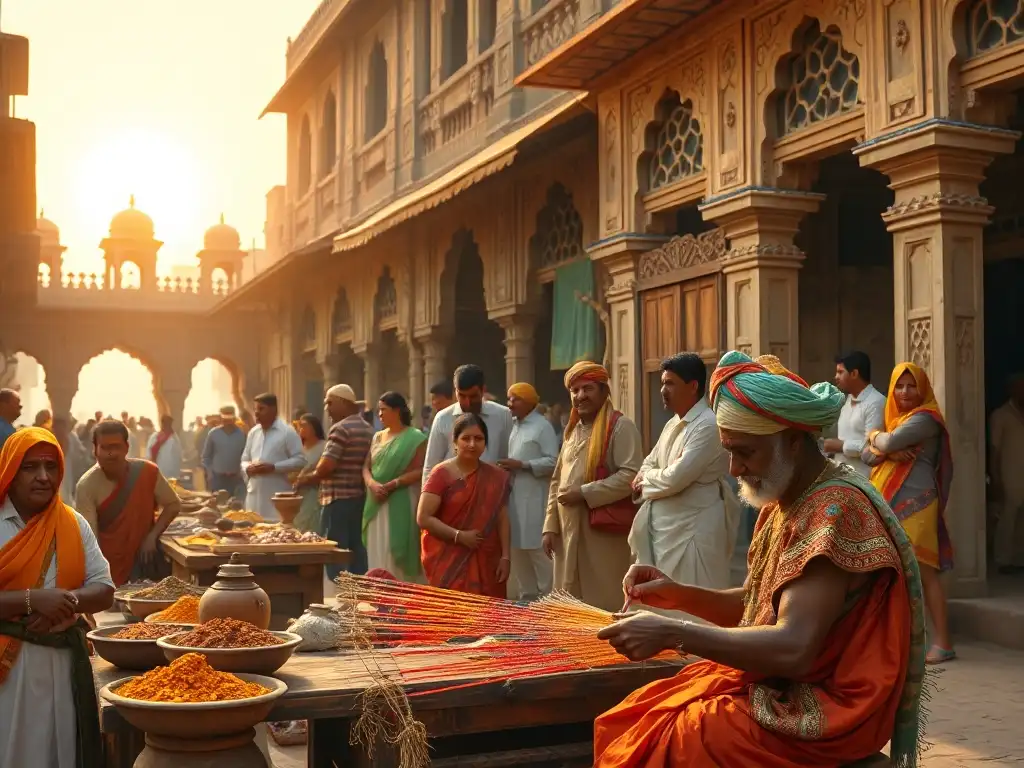
Labor was a cornerstone of ancient Indian trade practices, with the division of labor enhancing efficiency and productivity. The specialization of various professions allowed for the development of expertise, which in turn improved the quality of goods and services.
Labor Division in Ancient Indian Trade
The division of labor in ancient Indian trade was marked by a clear differentiation of roles and responsibilities among various stakeholders:
- Specialization: Different groups focused on specific tasks, such as production, transportation, marketing, and financial management. This specialization led to higher efficiency, with each group honing their skills over time.
- Collaboration: Various professions worked in tandem, with traders relying on artisans for goods, transporters for logistics, and bankers for credit. This collaborative effort was essential for ensuring smooth trade operations.
- Regional Roles: Different regions often specialized in particular goods due to local resources. For instance, coastal areas were known for maritime trade, while inland regions focused on agricultural products.
This structured division of labor not only optimized trade practices but also strengthened economic ties across regions, fostering interdependence among various professions.
The Influence of Occupations on Economic Growth
Occupations within the realm of ancient Indian trade directly impacted economic growth in several ways:
- Wealth Creation: Merchants and their associated professions stimulated wealth generation, creating a prosperous merchant class that contributed to urban development and cultural advancements.
- Cultural Exchange: Through trade, occupations facilitated cultural exchanges that enriched Indian society, leading to the integration of diverse ideas, technologies, and goods from various civilizations.
- Infrastructural Development: The demands of trade led to improvements in infrastructure, such as roads and ports, which further enhanced trade efficiency and economic growth.
- Employment Opportunities: The growth of trade professions created numerous employment opportunities, fostering a vibrant economy that could support various ancillary industries.
Thus, the diverse occupations associated with ancient Indian trade not only enriched the lives of individuals involved but also laid the foundation for a thriving economy that resonated through the ages.
The social structure of ancient Indian trade professions was deeply intertwined with the larger societal frameworks of the time. Trade and commerce were essential components of the economy, and they fostered a complex hierarchy that defined the roles and statuses of individuals engaged in these professions. Merchants, known as vaishyas, were typically part of a broader caste system that dictated their social standing and occupational roles. This intricate web of social dynamics influenced everything from the types of goods traded to the methods of transaction, creating a vibrant yet structured environment for commerce.
In addition to the vaishyas, various other groups participated in trade, including artisans, laborers, and service providers. These roles were often hereditary, passing from generation to generation, which established a continuity of skills and knowledge within families. As trade routes expanded, the emergence of guilds and merchant associations began to formalize these professions, further entrenching the social structure surrounding trade in ancient India.
Caste System and Its Influence on Trade Professions
The caste system played a pivotal role in shaping ancient Indian trade professions. Each caste had its designated roles, and merchants were generally classified within the vaishya caste, which also included farmers and landowners. This classification determined not only the types of goods they could trade but also their interactions with other castes. For instance, shudras, or laborers, often provided the necessary manpower for transporting goods, while brahmins might be involved in the administration of trade regulations and taxation.
Moreover, the caste system restricted upward mobility within trade professions. While some merchants could amass wealth and influence, their social status remained tied to their caste identity. This stratification created a scenario where trade was both a means of economic advancement and a reflection of social standing, making it essential for merchants to navigate these dynamics carefully to maintain their position in society.
Gender Roles in Ancient Indian Trade
Gender roles in ancient Indian trade were distinctly defined, with men predominantly occupying positions as merchants and traders. Women, on the other hand, were often relegated to supportive roles within the family business or engaged in small-scale trade activities. They played a crucial part in managing household resources and could engage in local markets, but their opportunities for larger-scale trade were limited by cultural norms and societal expectations.
However, historical records indicate that some women did break these barriers, particularly in regions where matrilineal societies thrived. In such cases, women could inherit property and take on roles that allowed them to participate more fully in trade. The presence of women in trade, though often understated, highlights the complexities of gender dynamics in ancient Indian commerce. As a result, while men predominantly led trade endeavors, women contributed significantly to the economic fabric through their involvement, albeit in less recognized capacities.
Tools and Techniques in Ancient Indian Trade Professions
The tools and techniques employed in ancient Indian trade professions were crucial to the efficiency and success of commerce. Merchants utilized various instruments and methods that facilitated the exchange of goods both locally and across long distances. The development of trade routes, including land and maritime pathways, necessitated innovative practices that would allow for the safe and effective transportation of merchandise.
Among the notable techniques were barter systems, weight systems for measuring goods, and local currencies that helped standardize transactions. The use of seals and inscriptions also played an essential role in trade documentation and record-keeping, which were vital for maintaining trust and accountability in commercial exchanges.
Tools Used by Ancient Merchants
Ancient Indian merchants employed a range of tools that assisted them in their trade activities. Some of the most common tools included:
- Weights and Measures: Essential for ensuring fair trade, merchants used stone weights and measuring devices to quantify goods accurately.
- Trade Seals: These were utilized to authenticate transactions and denote ownership or origin, especially in trade involving textiles and precious materials.
- Wagons and Pack Animals: For land transport, merchants relied on carts and domesticated animals like oxen and camels to carry heavy loads across trade routes.
- Boats and Ships: In maritime trade, boats made from wood were common for transporting goods along rivers and coastal areas.
These tools not only facilitated trade but also represented the technological advancements of the time, reflecting the ingenuity of ancient Indian merchants.
Innovations in Trade Practices
Innovations in trade practices were pivotal in enhancing the efficiency and scope of commerce in ancient India. One significant advancement was the establishment of trade networks that connected various regions, facilitating the exchange of goods like spices, textiles, and precious stones. The creation of standardized weights and currency systems simplified transactions and reduced disputes among traders.
Additionally, the introduction of written contracts and documentation enabled merchants to establish clearer terms of trade, fostering trust and reliability in commercial dealings. The use of maritime navigation techniques also allowed traders to expand their reach beyond the Indian subcontinent, engaging with distant civilizations. These innovations not only transformed trade practices but also contributed to the richness and diversity of ancient Indian commerce, laying the groundwork for future economic developments.
Case Studies of Prominent Ancient Indian Merchants
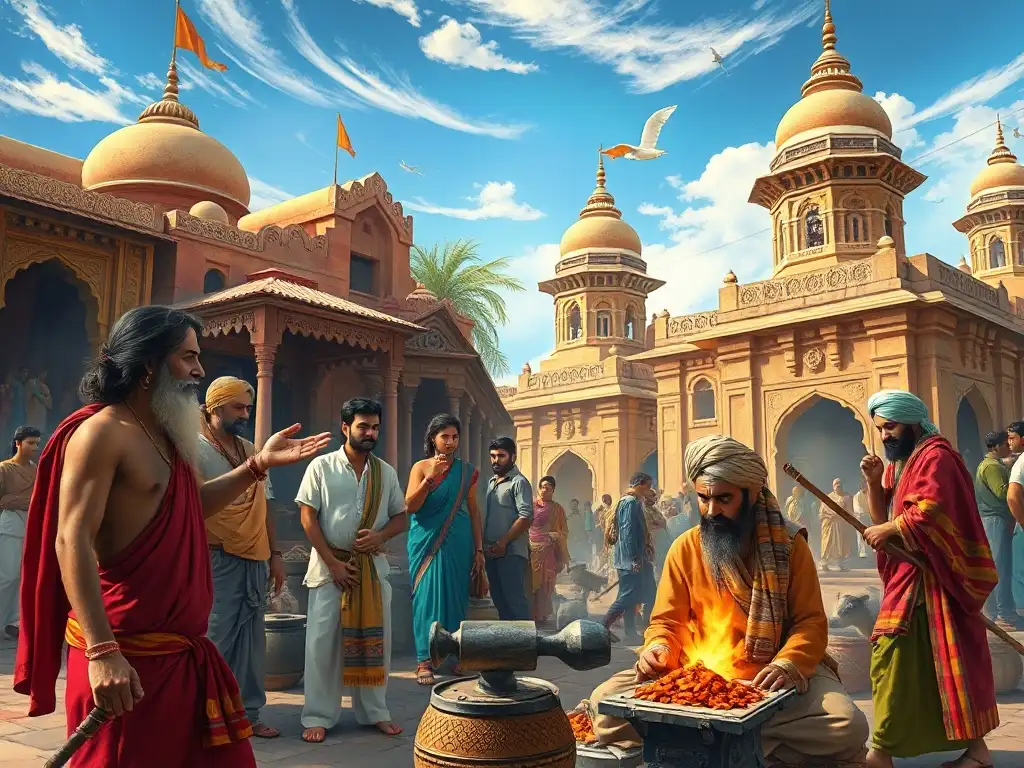
Throughout ancient Indian history, several merchants have left a significant mark on trade practices and economic developments. These individuals not only contributed to the wealth of their communities but also facilitated cultural exchanges across regions. By examining the lives of notable merchants, we can gain insight into their roles in shaping trade networks and the broader socio-economic landscape of ancient India.
Notable Merchants and Their Contributions
- Kautilya (Chanakya): Though primarily known as a political strategist and philosopher, Kautilya also engaged in trade practices. His work, Arthashastra, outlines strategies for trade regulation and taxation, emphasizing the importance of merchants in sustaining the economy. His insights into market dynamics laid the groundwork for future economic policies in India.
- Vishakhadatta: A merchant from the Gupta era, Vishakhadatta was famous for his extensive trade in textiles and spices. His contributions to the Silk Road trade routes facilitated the exchange of not just goods but also ideas, fostering cultural interactions between India and other civilizations.
- Siddhartha: Known as one of the wealthiest merchants of the Mauryan empire, Siddhartha's vast network spanned across the Indian subcontinent and beyond. He was instrumental in introducing standardized weights and measures, which streamlined trade practices and boosted economic exchanges.
- The Sreni System: This guild system comprised various merchants, artisans, and traders. The Srenis played a crucial role in regulating trade practices, providing support for their members, and maintaining quality standards in goods, thereby enhancing consumer trust.
These merchants and systems exemplify the diversity and complexity of ancient Indian trade professions, showcasing their contributions to economic growth and cultural exchange.
Analysis of Their Impact on Trade and Society
The impact of these prominent merchants on trade and society was profound. Their activities not only enriched their communities but also shaped the economic policies of their times.
- Economic Development: Merchants like Siddhartha were pivotal in developing trade routes that connected India with distant lands. This not only increased the flow of goods but also fostered economic interdependence among regions.
- Cultural Exchange: The trade networks established by these merchants facilitated significant cultural exchanges. Ideas, art, and religious beliefs flowed along with goods, enriching Indian culture and promoting a sense of unity despite regional diversities.
- Social Structures: Merchants gained substantial influence, often leading to the emergence of a new social class. Their economic power contributed to shifts in traditional social hierarchies, allowing for greater mobility and opportunities for individuals from various backgrounds.
- Regulatory Frameworks: The practices and systems established by these merchants led to the development of trade regulations that ensured fairness and transparency. This laid the foundation for modern trading practices and legal frameworks in India.
Conclusion: The Legacy of Ancient Indian Trade Professions
The legacy of ancient Indian trade professions is vibrant and far-reaching. The contributions of merchants not only shaped the economic landscape of their time but also left an indelible mark on Indian culture and society.
The Evolution of Trade Practices
Ancient Indian trade practices evolved significantly over time, influenced by various factors including geography, culture, and technological advancements. From barter systems to the introduction of coinage, these changes reflect the adaptability and innovation of ancient merchants. The evolution of trade practices laid the groundwork for modern economic systems, showcasing the ingenuity of ancient Indian civilizations.
Continuing Influence of Ancient Trade Professions in Modern India
The influence of ancient trade professions can still be seen in contemporary India. Modern trade networks often draw from the principles established by ancient merchants, such as the importance of trust, quality, and cultural exchanges. Additionally, the legacy of trade guilds continues in the form of modern cooperatives and trade associations that support various industries.
The rich history of ancient Indian trade professions serves as a testament to the foundational role that merchants played in shaping economic and cultural landscapes, continuing to influence societal structures in contemporary times.
References and Further Reading on Ancient Indian Trade Professions
To gain a comprehensive understanding of ancient Indian trade professions, a variety of sources can provide valuable insights into the economic systems, social structures, and the roles of different professions within trade. Below is a curated list of references and further reading materials that can deepen your knowledge on this topic:
-
Books:
-
"The Economy of Ancient India" by R. C. Majumdar
This book offers an extensive overview of the economic practices in ancient India, including trade, agriculture, and the various occupations that supported these sectors.
-
"Trade and Traders in Ancient India" by S. K. Maity
A detailed analysis of the trading practices in ancient India, this work highlights the roles of merchants and other professions in facilitating trade.
-
-
Academic Journals:
-
Journal of Historical Geography
Articles within this journal often explore the geographical aspects of trade routes in ancient India and the professions that emerged around them.
-
Indian Economic and Social History Review
This journal covers a wide range of topics related to economic history, including special issues focused on trade and labor systems in ancient Indian societies.
-
-
Online Resources:
-
Ancient India: A Historical Overview
This online resource provides a comprehensive timeline and analysis of significant events in ancient Indian history, including trade and professions.
-
Encyclopedia of Ancient Indian Trade
An extensive online encyclopedia that covers various aspects of trade, including the professions associated with it, the goods traded, and major trading hubs.
-
-
Documentaries and Lectures:
-
"The Silk Road: Connecting the Past and Present"
This documentary explores the ancient trade routes, including those in India, and discusses the professions that arose from these interactions.
-
Lectures on Indian History from prominent universities
Many universities offer free online lectures that delve into ancient Indian history, including discussions on trade and labor.
-
-
Theses and Dissertations:
-
"Merchant Life in Ancient India: A Study of Trade Professions" (University of Delhi)
This thesis examines the life of merchants in ancient India and the various professions that were integral to trade.
-
By exploring these resources, readers can gain a deeper appreciation for the intricate web of ancient Indian trade professions and their significance in shaping the economic landscape of the time. Each work provides a unique perspective, contributing to a well-rounded understanding of how labor influenced trade and commerce in ancient India.
- Introduction to Ancient Indian Trade Professions
- Historical Context of Ancient Indian Trade
- Professions of Ancient Indian Merchants
- The Impact of Labor on Trade Practices
- The Social Structure of Trade Professions
- Tools and Techniques in Ancient Indian Trade Professions
- Case Studies of Prominent Ancient Indian Merchants
- Conclusion: The Legacy of Ancient Indian Trade Professions
- References and Further Reading on Ancient Indian Trade Professions
Frequently Asked Questions
What were the main trade professions in ancient India?
In ancient India, merchants, traders, and craftsmen played crucial roles in the economy, engaging in the exchange of goods like spices, textiles, and metals.
How did ancient Indian merchants conduct their trade?
Ancient Indian merchants utilized trade routes that connected various regions, employing methods such as barter and currency to facilitate the exchange of goods.
What impact did trade have on ancient Indian civilizations?
Trade significantly contributed to the economic prosperity and cultural exchange between ancient Indian civilizations, leading to advancements in various fields including art, science, and technology.
Which regions were prominent in ancient Indian trade?
Key regions included the Indus Valley, Gangetic plains, and southern coastal areas, which were vital for both domestic and international trade.
How did ancient Indian trade influence global commerce?
Ancient Indian trade established connections with other civilizations, such as the Romans and Chinese, thus playing a vital role in the development of global commerce through the exchange of goods and ideas.
Final Reflection: The Enduring Legacy of Ancient Indian Trade Professions
The exploration of ancient Indian trade professions reveals not only the intricate web of commerce that shaped societies but also the profound impact these roles have on our modern economy. Today, as we navigate a global marketplace, the lessons learned from the skilled artisans, merchants, and laborers of ancient India resonate deeply. Their commitment to craftsmanship and trade ethics serves as a reminder of the value of integrity and innovation in our current professional landscapes.
Cultural and social dynamics have been significantly influenced by the professions that emerged in ancient Indian trade. These roles fostered a sense of community, collaboration, and economic interdependence that still echoes in contemporary society. As we reflect on this, it becomes clear that the foundations laid by these ancient merchants continue to inspire modern entrepreneurship and trade practices. Commerce is the lifeblood of civilization, and the merchants are its heartbeat.
This quote encapsulates the essence of how trade professions have shaped not just economies, but the very fabric of society.
As we look to the future, I invite you to consider how the principles of ancient Indian trade can be applied in your own life. Reflect on the skills you possess and how they can contribute to your community and the larger world. Embrace the spirit of innovation and collaboration that characterized ancient trade professions, and let it guide your personal and professional endeavors. By honoring the legacy of those who came before us, we can forge paths that not only enrich our lives but also uplift those around us.
Unearth the Legacy of Ancient Indian Trade!
Thank you for exploring the fascinating world of ancient Indian merchants and their professions! You've just taken a step into a rich tapestry of history that shaped trade and commerce. Now, it’s time to put this newfound knowledge into action!
- Dive deeper into the stories of trade: Research and read more about specific ancient Indian merchants. Discover how their practices continue to influence modern commerce!
- Share your insights: Start engaging conversations with friends or on social media about your discoveries and how they connect to today’s economy.
- Join a community: Connect with forums or groups dedicated to the study of ancient trade. Share ideas and uncover unique aspects of this historical legacy!
What aspect of ancient Indian trade intrigues you the most, and how do you believe it has shaped the modern world?