
The Dynamics of Rural vs. Urban Labor in Ancient India

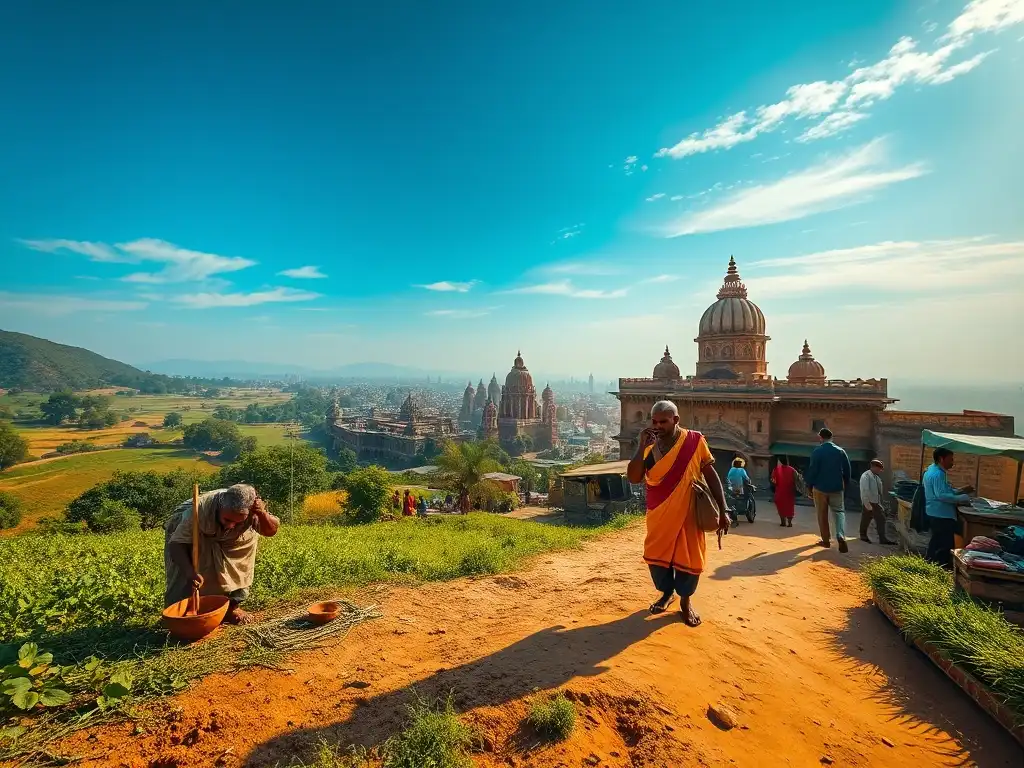
Welcome to Ancient India History, where we embark on a fascinating journey through the rich tapestry of ancient Indian civilizations. Today, we invite you to delve into the intriguing world of labor dynamics, a vital aspect that shaped daily life and societal structures from the bustling streets of urban centers to the serene fields of rural landscapes. Our featured article, "The Dynamics of Rural vs. Urban Labor in Ancient India," will unveil how these contrasting worlds interacted and influenced one another, offering a unique lens through which to understand the complexities of ancient Indian society.
Are you ready to uncover the secrets that lie within this remarkable history? Let’s explore!
- Introduction to Ancient India Labor Dynamics
- Understanding the Rural Labor System in Ancient India
- The Urban Labor Landscape in Ancient India
- Comparative Analysis of Rural vs. Urban Labor Dynamics
- Influences on Labor Dynamics in Ancient India
- Case Studies of Labor Systems in Ancient Indian Civilizations
- Conclusion: The Legacy of Ancient India Labor Dynamics
- References for Further Reading on Ancient India Labor Dynamics
-
Frequently Asked Questions
- What were the primary labor dynamics in ancient India?
- How did the caste system influence labor in ancient India?
- What role did gender play in labor during ancient Indian times?
- How did urbanization affect labor dynamics in ancient India?
- What were some contributions of ancient Indian civilizations to labor practices?
- Final Reflection: Understanding the Ancient Labor Dynamics and Their Modern Echoes
- Dive Deeper into the Lives of Ancient Workers!
Introduction to Ancient India Labor Dynamics
The labor dynamics of ancient India present a fascinating tapestry of social, economic, and cultural interactions that shaped the lives of countless individuals. From the bustling streets of urban centers to the quiet fields of rural villages, the distinctions between labor in these two settings were marked by unique practices, challenges, and contributions.
Understanding the intricacies of these dynamics not only illuminates the daily lives of ancient Indians but also offers insights into the broader socio-economic structures that governed their civilization. This exploration will delve into the various facets of labor—its organization, roles, and significance—providing a comprehensive view of how work was perceived and executed across different contexts in ancient India.
Overview of Labor in Ancient India
In ancient India, labor was deeply intertwined with societal roles, religious beliefs, and economic necessities. The division of labor often reflected the caste system, with specific occupations assigned to different groups. Here are some key aspects of labor in ancient India:
- Caste System Influence: The caste system played a crucial role in determining occupational roles. For instance:
- Brahmins were typically priests and scholars.
- Kshatriyas served as warriors and rulers.
- Vaishyas engaged in trade and agriculture.
- Shudras performed labor-intensive tasks and served the higher castes.
- Urban vs. Rural Labor:
- Urban Labor: In cities, occupations were diverse, ranging from artisans and merchants to traders and laborers. Urban centers like Pataliputra and Taxila became hubs for economic activity, leading to specialization in crafts and trade.
- Rural Labor: Most of the population lived in rural areas, primarily engaged in agriculture. Farming was the backbone of rural life, accompanied by various ancillary activities such as pottery and weaving.
- Craftsmanship and Trade: Skilled artisans played a vital role in the economy, producing goods that were traded locally and with distant regions. The rise of markets and trade routes facilitated the exchange of labor and goods.
Importance of Labor Dynamics in Historical Context
Understanding the labor dynamics in ancient India is essential for several reasons:
- Economic Development: Labor systems directly influenced economic growth. The interplay between rural agriculture and urban commerce fostered a robust economy, contributing to the prosperity of ancient Indian civilizations.
- Social Structure: The organization of labor reflected and reinforced the social hierarchy. By examining labor dynamics, we gain insights into the complexities of social relations and the impact of the caste system on daily life.
- Cultural Contributions: The labor of various groups contributed to the rich cultural tapestry of ancient India. Artistic expressions, religious practices, and technological innovations were all products of the labor force, showcasing the ingenuity and creativity of its people.
- Historical Narratives: Analyzing labor dynamics allows historians to reconstruct narratives about daily life, societal challenges, and adaptive strategies employed by ancient communities. These narratives enrich our understanding of ancient Indian history as a whole.
The labor dynamics of ancient India reveal a multifaceted landscape of social roles, economic interactions, and cultural expressions. By exploring these themes, we can better appreciate the contributions of ancient Indian civilizations to the world and the legacies they have left behind.
Understanding the Rural Labor System in Ancient India
Key Occupations in Rural Areas
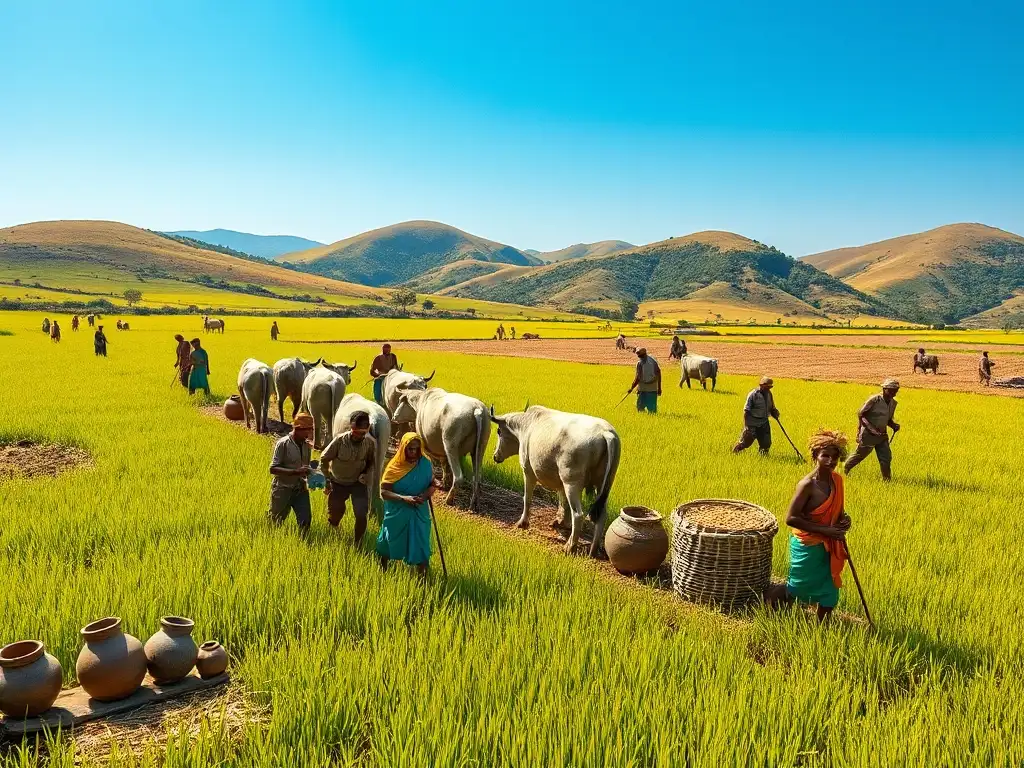
In ancient India, the rural labor system was predominantly agrarian, with a significant portion of the population engaged in various agricultural activities. The key occupations in these regions included:
- Farmers (Kisaan): The backbone of the rural economy, farmers cultivated staple crops such as rice, wheat, and barley. They utilized traditional farming techniques and tools, such as the plow and sickle, to enhance productivity.
- Artisans and Craftsmen: Many rural areas were home to skilled artisans who produced goods like pottery, textiles, and metalwork. These craftsmen played a pivotal role in local economies, often working on a barter system with farmers.
- Herders and Pastoralists: In regions where agriculture was less viable, herding cattle, sheep, and goats became a primary occupation. This lifestyle not only provided food but also contributed to trade through the sale of dairy products and wool.
- Laborers (Mazdoor): Seasonal laborers played a crucial role in the agricultural cycle, assisting in planting and harvesting. They often traveled between regions to find work, thereby contributing to the labor dynamics of ancient India.
Overall, these occupations were interdependent, creating a complex web of economic activity in rural societies.
Role of Agriculture in Rural Labor Dynamics
Agriculture was the cornerstone of rural labor dynamics in ancient India, influencing not only the livelihoods of the population but also the social fabric of communities. Key aspects of this agricultural impact include:
- Seasonal Labor Patterns: The agricultural calendar dictated the rhythm of rural life, with labor demands fluctuating based on planting and harvesting seasons. This seasonal variation often led to migration patterns where laborers sought work in different regions during off-peak agricultural periods.
- Cooperative Labor Systems: Villagers often engaged in cooperative farming, where community members would work together on larger plots of land. This collaboration fostered social bonds and ensured that labor was available during critical agricultural tasks.
- Economic Exchange and Trade: Surplus produce from agriculture allowed for trade with urban centers, facilitating economic exchanges. This interaction between rural and urban economies helped in the establishment of market systems and trade routes, linking diverse regions of ancient India.
- Impact of Monsoons: The dependence on monsoon rains for crop yields greatly affected rural labor dynamics. Favorable weather conditions led to prosperity, while droughts could result in labor shortages and migration to urban areas in search of alternative work.
Agriculture thus not only shaped the economic landscape but also dictated social interactions and labor availability within rural communities.
The social structure in ancient India's rural areas was hierarchical and influenced by various factors, including caste, occupation, and wealth. Key points regarding social dynamics and rural laborers include:
- Caste System: The caste system played a significant role in determining the occupations of individuals. Specific castes were traditionally associated with particular trades, leading to a rigid social structure that often dictated labor roles within the community.
- Wealth Disparities: Land ownership was a critical factor influencing social status. Wealthier landowners often employed poorer farmers and laborers, creating a distinct divide between different social strata. This dynamic had implications for labor relations and access to resources.
- Gender Roles: Gender also influenced labor participation in rural areas. While men primarily engaged in agricultural labor, women contributed significantly through household tasks and supplementary agricultural work, such as tending to livestock and processing food.
- Community Bonds: Rural laborers often formed close-knit communities where mutual support was essential for survival. Festivals, rituals, and collective farming efforts fostered a sense of identity and belonging, highlighting the communal aspects of rural labor dynamics.
Understanding these social structures provides insight into how labor systems functioned in ancient India, revealing the complexities of rural life and the interplay between various factors that shaped labor dynamics.
The Urban Labor Landscape in Ancient India
Key Occupations in Urban Centers
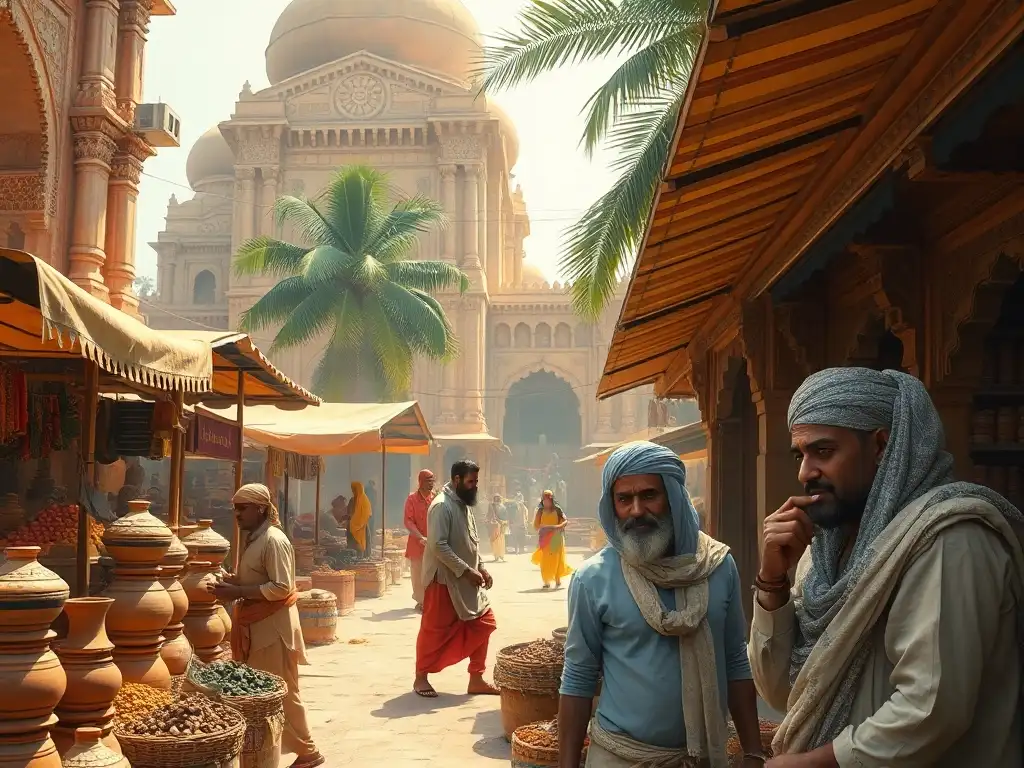
In ancient Indian urban centers, a variety of occupations thrived, catering to both local needs and broader trade networks. Major cities such as Pataliputra, Ujjain, and Taxila became bustling hubs where diverse professions emerged. The following categories illustrate the key occupations prevalent in these urban environments:
- Artisans and Craftsmen: Skilled labor was critical in urban areas, with artisans specializing in textiles, pottery, metalwork, and woodcraft. For instance, the weaving of cotton and silk was a prominent craft, with cities like Varanasi known for its fine silk sarees.
- Merchants and Traders: Trade flourished in urban locales, with merchants engaging in local and long-distance trade. They dealt with commodities like spices, textiles, and precious stones, establishing trade routes that extended to regions such as Central Asia and the Mediterranean.
- Laborers and Service Providers: A significant number of urban dwellers worked as laborers in construction, cleaning, and maintenance services. They played a crucial role in the upkeep of cities, including roads and public facilities.
The symbiotic relationship between these occupations contributed to the urban economy, creating a vibrant labor landscape that supported the growth of ancient Indian civilizations.
Impact of Trade and Commerce on Urban Labor Dynamics
The rise of trade and commerce had a profound impact on the labor dynamics within urban centers of ancient India. As trade networks expanded, the demand for various goods increased, leading to the following effects on labor dynamics:
- Job Creation: The influx of traders and merchants stimulated the creation of new jobs. Marketplaces became focal points for economic activity, drawing people into sectors such as retail, logistics, and finance.
- Specialization of Labor: With the growth of commerce, there was a notable trend towards specialization. Artisans began to refine their crafts, leading to higher quality products, which in turn attracted more trade. This specialization allowed urban workers to develop expertise, enhancing their economic status and opportunities.
- Cultural Exchange: Trade facilitated cultural exchange, introducing new techniques and ideas that enriched various professions. For example, exposure to foreign textile designs influenced local craftsmanship and led to the development of unique styles, further enhancing the labor market.
- Social Mobility: The bustling trade environment provided opportunities for social mobility among urban workers. Successful merchants could elevate their status, becoming influential members of society, while skilled artisans gained recognition and respect for their contributions.
Through these dynamics, trade not only shaped the economic landscape of urban India but also influenced the social structures and opportunities available to its labor force.
In ancient Indian cities, the social hierarchy among urban workers was complex and often dictated by factors such as occupation, skill level, and economic status. The following points illustrate the nuances of this hierarchy:
- Brahmins and Educated Class: At the top of the urban social hierarchy were the Brahmins and educated individuals. Though primarily engaged in religious and scholarly pursuits, their influence extended into administrative roles, shaping policy and governance.
- Merchants and Wealthy Artisans: Next in line were wealthy merchants and skilled artisans. Those involved in trade enjoyed considerable economic power, which often translated into social influence. Wealthy artisans who produced sought-after goods also gained respect and status within urban communities.
- Laborers and Unskilled Workers: At the base of the social hierarchy were unskilled laborers and service providers. Despite their essential role in maintaining urban life, they often faced economic struggles and limited social mobility. Their work, while vital, was frequently undervalued compared to more specialized occupations.
- Caste Influences: The caste system played a significant role in determining the placement of individuals within this hierarchy. Certain occupations were traditionally associated with specific castes, which could affect not only access to opportunities but also the societal perception of value and respect.
The social hierarchy among urban workers in ancient India reflected a combination of economic, occupational, and caste dynamics, shaping the experiences and opportunities of individuals within the urban labor landscape.
Comparative Analysis of Rural vs. Urban Labor Dynamics
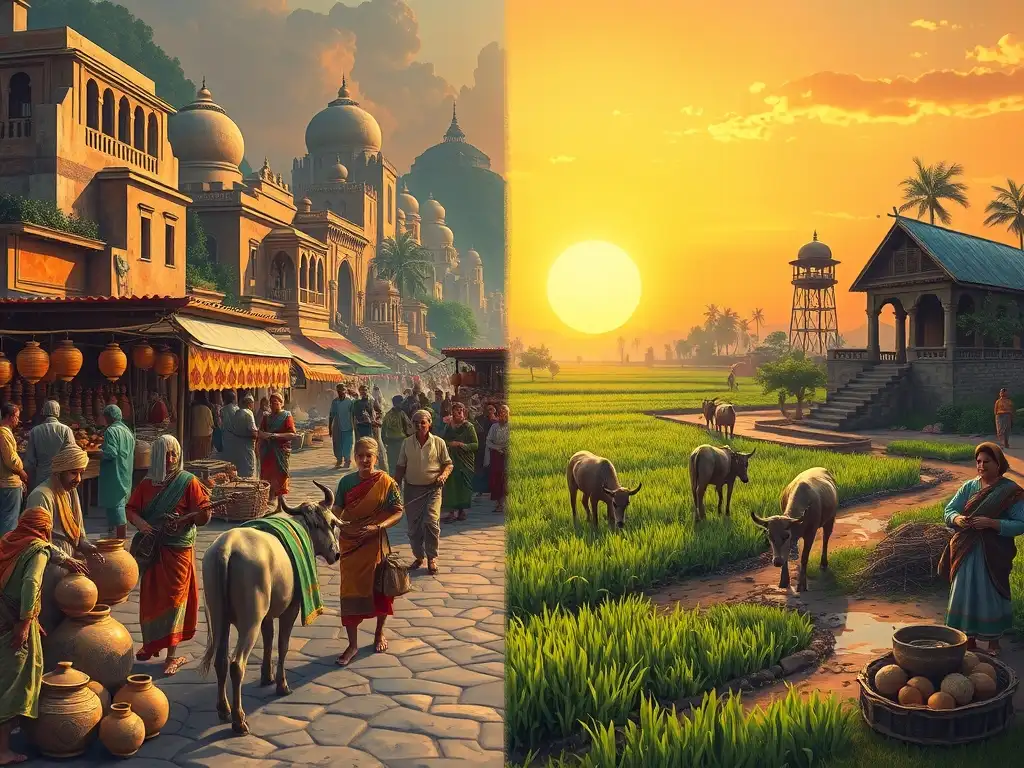
The labor dynamics in ancient India were significantly influenced by the contrasting environments of rural and urban settings. Understanding these differences provides insight into the occupational structures, economic contributions, and social mobility within ancient Indian society.
Differences in Job Types and Responsibilities
In ancient India, the job types and responsibilities varied greatly between rural and urban areas, reflecting the unique needs and resources of each environment.
- Rural Labor:
- Agricultural Work: The primary occupation in rural areas was agriculture, where the majority of the population was engaged in farming, livestock rearing, and related activities. Tasks included planting, harvesting, and animal husbandry.
- Artisanal Production: Many rural inhabitants were also involved in artisanal crafts, such as pottery, weaving, and carpentry, often producing goods for local markets or for personal use.
- Seasonal Variations: Responsibilities were often dictated by seasonal cycles, leading to fluctuations in labor intensity, particularly during sowing and harvest times.
- Urban Labor:
- Trade and Commerce: Urban centers were hubs of trade, where merchants and traders played a vital role. Occupations included shopkeeping, trade facilitation, and services related to commerce.
- Specialized Crafts: Urban laborers specialized in intricate crafts such as metalworking, jewelry making, and textiles, which required skills honed over years.
- Administrative Roles: Cities also hosted various administrative roles, including tax collectors and scribes, who managed the bureaucratic needs of urban governance.
The division of labor in these settings highlights a clear distinction in job types, with rural areas focusing more on subsistence and artisanal work, while urban environments fostered trade and specialized crafts.
Economic Contributions of Rural vs. Urban Labor
The economic contributions of rural and urban labor were fundamental to the overall prosperity of ancient Indian societies, each playing a distinct yet complementary role.
- Rural Economy:
- Sustenance Production: The rural economy was primarily agrarian, contributing significantly to food production and the sustenance of populations. Agriculture not only supported rural families but also provided surplus goods for trade.
- Local Markets: Rural artisans contributed to local markets, supplying goods that were essential for daily life, thus bolstering the rural economy and ensuring self-sufficiency.
- Resource Management: Sustainable practices in resource management, such as crop rotation and livestock breeding, were crucial for maintaining economic stability in rural areas.
- Urban Economy:
- Trade Networks: Urban centers acted as crucial points in trade networks, connecting diverse regions through commerce. The economic activities in cities facilitated the exchange of goods, ideas, and cultures.
- Tax Revenue: The urban labor force contributed to the collection of taxes, which funded public works and administrative functions, thus playing a vital role in statecraft and governance.
- Economic Innovation: Cities were often centers of innovation, where new techniques and technologies emerged, influencing agricultural practices and craft production in rural areas.
While rural labor focused on sustenance and local production, urban labor drove economic innovation and trade, creating a symbiotic relationship that was essential for the growth of ancient Indian economies.
The dynamics of social mobility and opportunities varied between rural and urban areas, influencing individuals’ prospects for advancement and success.
- Rural Social Structure:
- Caste System Influence: In rural areas, the caste system heavily influenced labor dynamics, often limiting opportunities for individuals based on their caste. Certain occupations were hereditary, restricting social mobility.
- Community Networks: Social mobility was often facilitated through strong community networks, where families supported one another in trade and agricultural practices. However, opportunities for advancement remained limited.
- Gender Roles: Women often had defined roles within the agricultural and domestic spheres, with limited opportunities for social mobility beyond their traditional responsibilities.
- Urban Opportunities:
- Diverse Occupations: Urban settings provided a wider array of occupations, allowing individuals from various backgrounds to pursue different trades and crafts, thus enhancing social mobility.
- Education and Skills: Access to education and training in urban areas allowed individuals to acquire new skills, leading to better job opportunities and increased social status.
- Merit-Based Advancement: In urban economies, merit-based systems began to emerge, where skilled artisans and successful merchants could rise in status independent of their birth.
While rural areas were often characterized by rigid social structures and limited mobility, urban centers offered greater opportunities for advancement based on skill and trade, reflecting a dynamic interplay between labor, economy, and social structure in ancient India.
Influences on Labor Dynamics in Ancient India
Geographic Factors Affecting Labor Distribution
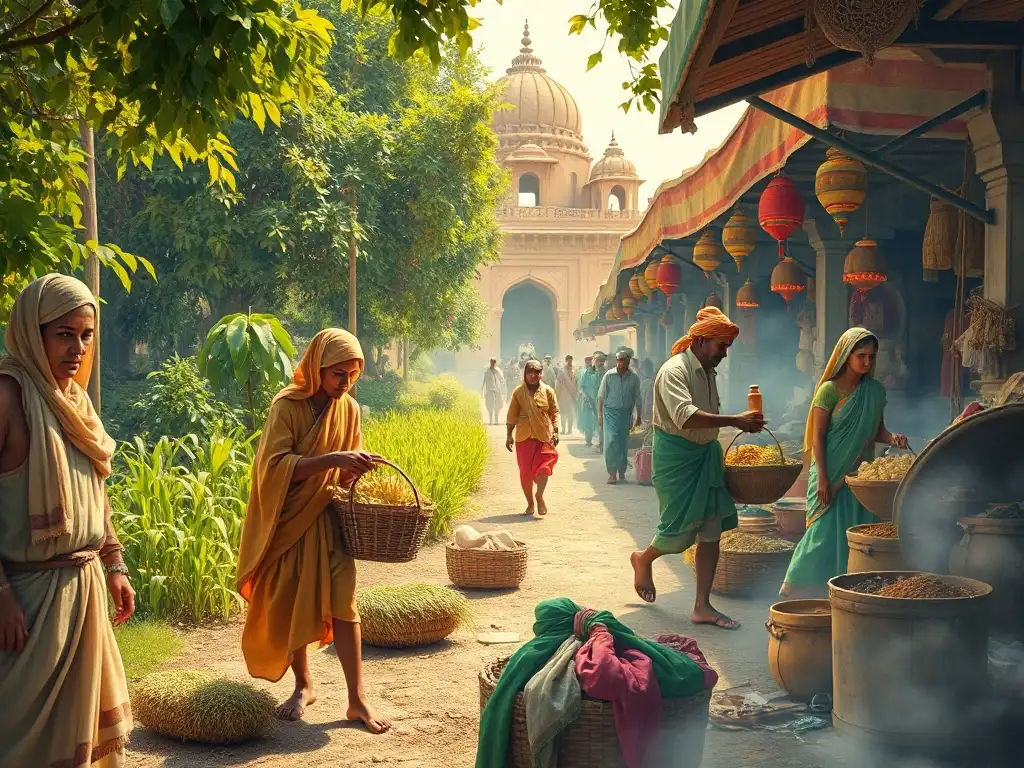
The geography of ancient India played a crucial role in shaping labor dynamics across the region. The diverse landscape, which included fertile plains, arid deserts, and mountainous terrains, influenced the types of occupations that emerged in various areas. For instance, the Indus Valley, with its rich soil and access to water from the Indus River, became a hub for agriculture. This led to a labor force primarily engaged in farming, irrigation, and related activities.
Conversely, in regions like the Deccan Plateau, where agriculture was more challenging due to rocky soil, populations leaned towards pastoralism and trade. The coastal areas thrived on fishing and trade, giving rise to a different set of labor dynamics influenced by maritime activities.
| Region | Primary Occupations | Influencing Geographic Factor |
|---|---|---|
| Indus Valley | Agriculture, Irrigation | Fertile plains and river access |
| Deccan Plateau | Pastoralism, Trade | Rocky terrain, limited agriculture |
| Coastal Areas | Fishing, Trade | Proximity to sea |
Geographic isolation in certain areas also contributed to the development of unique labor practices. Regions separated by mountains or forests often maintained distinct cultures and labor systems, reflecting localized adaptations to their environments.
Cultural and Religious Influences on Labor Practices
Cultural and religious beliefs significantly influenced labor practices in ancient India. The caste system, a fundamental aspect of Indian society, dictated occupational roles and responsibilities. Each caste had specific duties associated with its social status, which shaped labor dynamics across different regions. For example, the Brahmins were traditionally engaged in religious and scholarly pursuits, while Shudras were tasked with manual labor and service roles.
Religious texts and rituals also played a role in defining the nature of work. Certain occupations were viewed as sacred or polluting, which further stratified labor dynamics. For instance, those involved in cleaning and sanitation were often marginalized, despite their essential role in society.
Moreover, festivals and agricultural cycles dictated labor patterns, as communities would come together for sowing and harvesting activities, showcasing a collective effort that transcended caste boundaries during these crucial periods.
The intertwining of labor and spirituality in ancient India reflects a complex relationship where work was both a duty and a means of fulfilling religious obligations.
Economic Policies and Their Impact on Labor Dynamics
Economic policies in ancient India were often shaped by the ruling dynasties and their administrative structures. The Mauryan Empire, for example, implemented extensive trade networks and agricultural reforms that significantly altered labor dynamics. State-sponsored projects, such as the construction of roads and irrigation systems, required a coordinated labor force, often leading to shifts from rural to urban labor as workers migrated to cities for new opportunities.
Taxation policies also influenced labor practices. Agricultural taxes were levied on farmers, creating a need for efficient farming techniques and labor specialization. This resulted in the emergence of skilled laborers, such as artisans and traders, who contributed to the economy in urban centers.
| Economic Policy | Impact on Labor Dynamics |
|---|---|
| State-sponsored projects | Shifted labor from rural to urban |
| Agricultural taxation | Encouraged labor specialization |
The growth of urban centers like Pataliputra illustrated this transition, as they became melting pots of various labor practices, blending rural agricultural skills with urban trade expertise. As a result, the labor dynamics of ancient India were not only a reflection of geographic and cultural factors but were also significantly shaped by economic policies that evolved over time.
Case Studies of Labor Systems in Ancient Indian Civilizations
Labor Dynamics in the Indus Valley Civilization
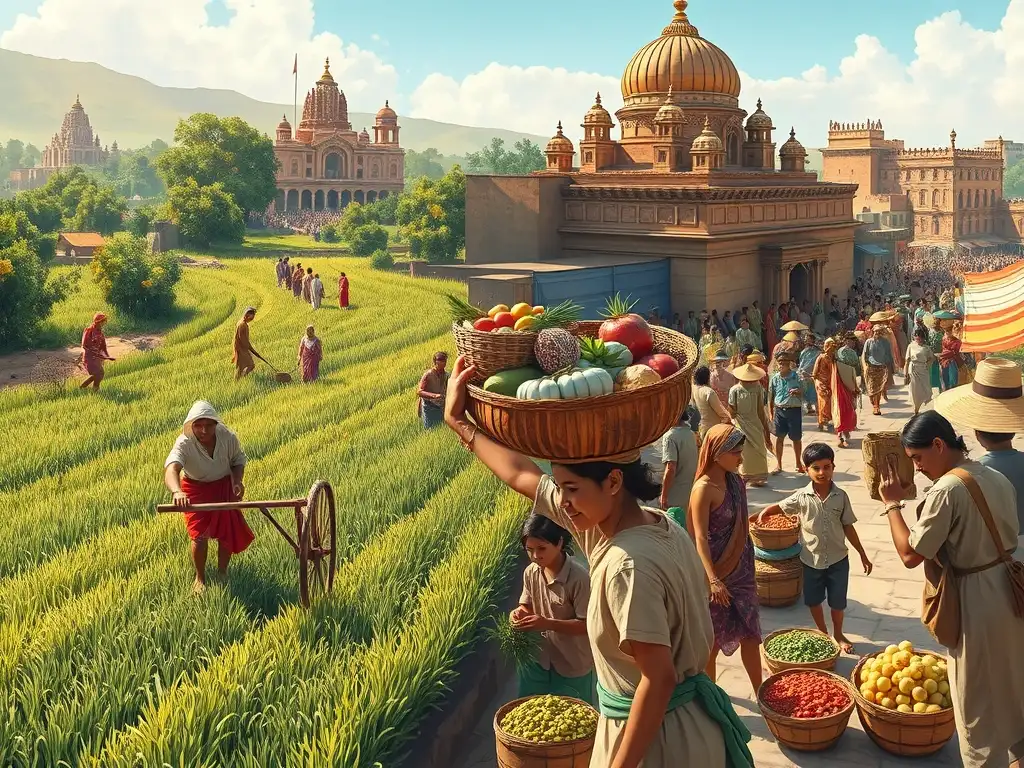
The Indus Valley Civilization (IVC), flourishing around 3300–1300 BCE, presents a fascinating example of ancient India labor dynamics. Evidence suggests a complex and highly organized labor system that supported its urban centers, such as Harappa and Mohenjo-Daro.
- Specialization of Labor:
- The IVC was characterized by a diverse workforce, including artisans, merchants, and farmers.
- Artisans specialized in various crafts, such as bead-making, pottery, and metallurgy. This specialization led to the development of trade networks, both locally and with distant civilizations.
- Urban Versus Rural Labor:
- Urban centers were hubs of economic activity, where labor was concentrated in crafts and trade.
- In contrast, rural areas focused on agriculture, with labor primarily dedicated to farming and livestock rearing. The surplus produced by rural labor supported urban populations.
- Evidence of Labor Organization:
- Archaeological findings, including standardized weights and measures, indicate the existence of regulated trade practices, suggesting coordinated labor efforts.
- The presence of granaries points to organized agricultural production, which was vital for sustaining urban life.
Labor Systems during the Maurya Empire
The Maurya Empire (322–185 BCE) marked a significant evolution in ancient India labor dynamics. Under the reign of Chandragupta Maurya and his successor Ashoka, labor systems became more formalized and state-regulated.
- State Control and Regulation:
- The Mauryan state played a pivotal role in managing labor forces, particularly in agriculture and trade.
- A system of taxation was established, which required agricultural producers to contribute a portion of their yield to the state, thereby integrating labor into the imperial economy.
- Diverse Occupations:
- The Maurya period saw a variety of occupations, including artisans, traders, and laborers in construction and infrastructure projects.
- Notable constructions, such as roads and stupas, required large labor forces. The state often employed workers on these projects, leading to an increase in urban labor opportunities.
- Role of Guilds:
- Guilds (shrenis) emerged during this period, serving as associations for various trades.
- These organizations regulated trade practices, set standards for quality, and provided a support system for artisans and merchants, thereby enhancing the labor dynamics within urban settings.
The Gupta Period and Its Labor Innovations
The Gupta Empire (c. 240–550 CE) is often regarded as a golden age of Indian history, marked by significant advancements in various fields, including labor dynamics.
- Economic Prosperity:
- The Gupta period experienced economic growth, which was reflected in the diversification of labor. Agriculture remained the backbone, but trade and commerce flourished, leading to the rise of various professions.
- Advancements in Craftsmanship:
- Innovations in metallurgy and textile production became prominent during this era.
- Skilled craftsmen created intricate jewelry and textiles, which were highly sought after in both domestic and international markets.
- Labor Mobility:
- The period witnessed increased labor mobility, with artisans and traders traveling between regions for opportunities.
- This mobility facilitated cultural exchange and the dissemination of skills, enriching the labor landscape of ancient India.
- Caste and Labor:
- The caste system began to play a more defined role in labor dynamics during the Gupta period.
- Specific occupations became associated with particular castes, leading to a more structured, albeit rigid, labor hierarchy.
The labor dynamics in ancient India evolved significantly from the Indus Valley Civilization through the Maurya Empire to the Gupta period. Each phase contributed to the rich tapestry of ancient Indian society, reflecting the complexities of occupational structures and economic systems. The study of these labor systems provides valuable insights into the everyday lives and social organization of ancient Indian civilizations.
Conclusion: The Legacy of Ancient India Labor Dynamics
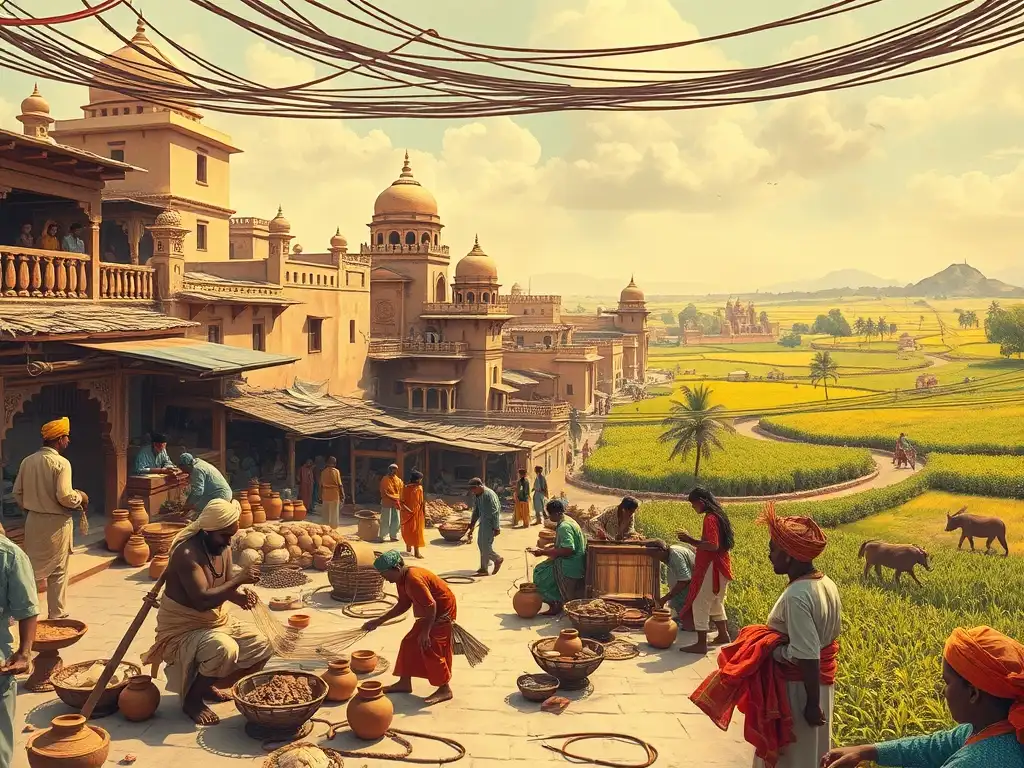
The labor dynamics of ancient India present a complex and nuanced picture of how rural and urban occupations interplayed to shape society and economy. Understanding these dynamics not only sheds light on the historical context of labor practices but also informs our comprehension of modern labor structures and societal roles.
Summary of Key Insights on Rural and Urban Labor
The examination of labor dynamics in ancient India reveals several key insights:
- Diverse Occupational Structure:
- Rural labor primarily revolved around agriculture, crafts, and trade. Agricultural practices were seasonal, which created a demand for labor during harvest times, leading to the emergence of seasonal labor patterns.
- Urban labor, in contrast, encompassed a variety of trades including textiles, metallurgy, and trade activities. Cities like Varanasi and Pataliputra became hubs for specialized crafts and commerce.
- Caste System Influence:
- The caste system significantly shaped labor roles. Occupational roles were often inherited, dictating the types of work individuals engaged in. This system facilitated a division of labor that optimized production but also entrenched social hierarchies.
- Labor Organization:
- Guilds (Shrenis) played a crucial role in urban labor dynamics, overseeing trade practices and ensuring quality standards. These organizations provided a support system for artisans and traders, enhancing their bargaining power.
- Economic Interdependence:
- Rural and urban economies were interdependent. Rural areas supplied agricultural products to urban centers, while urban areas provided manufactured goods and services back to rural communities.
- Gender Roles in Labor:
- Labor dynamics also reflected gender roles, with men often engaged in more visible economic activities while women’s contributions, especially in rural settings, were vital yet less formally recognized.
The Influence of Ancient Labor Practices on Modern Perceptions
The legacy of ancient India labor dynamics continues to influence contemporary understanding of labor and occupation in several ways:
- Cultural Attitudes Toward Work: The historical significance of various occupations continues to shape cultural perceptions of labor. For instance, the reverence for agricultural work persists in rural communities, while urban settings often idolize technological and industrial occupations.
- Social Structures: The caste system's impact on labor persists in modern India, influencing employment opportunities and social mobility. This historical context provides insight into ongoing discussions about equality and labor rights.
- Economic Models: The ancient systems of trade and guilds serve as a foundation for modern economic models. The principles of cooperation and collective bargaining found in ancient guilds can be seen in contemporary labor unions and cooperatives.
- Gender Dynamics: Historical labor practices inform current dialogues about gender roles in the workforce. The recognition of women’s contributions in various sectors can stem from a better understanding of their historical roles in both rural and urban labor.
The labor dynamics of ancient India provide a rich tapestry that not only reflects the past but also offers valuable lessons for contemporary society. The interplay of rural and urban labor, shaped by cultural, social, and economic factors, continues to resonate today, underscoring the importance of historical context in understanding modern labor systems.
References for Further Reading on Ancient India Labor Dynamics
Suggested Books and Articles
-
"The Economic History of Ancient India" by R.C. Dutt
This comprehensive work delves into the economic structures of ancient Indian societies, including the labor systems that defined rural and urban settings. Dutt's analysis provides insights into how labor dynamics were influenced by geographical and cultural factors.
-
"The Indus Valley Civilization: A Contemporary Perspective" by Jane McIntosh
McIntosh explores the socio-economic aspects of the Indus Valley Civilization, focusing on its labor practices. The book highlights the roles of various occupational groups and how they contributed to urbanization.
-
"The Gupta Empire: A Study in Cultural History" by R. C. Majumdar
This scholarly text examines the labor dynamics during the Gupta period, providing a detailed account of the diverse occupations and the social hierarchies that emerged.
-
"Society and Economy in Ancient India" edited by B. N. Mukherjee
This collection of essays covers various aspects of society and economy in ancient India, with specific chapters dedicated to labor dynamics in both rural and urban contexts.
-
"Caste and Labor in Ancient India" by R. S. Sharma
Sharma's work focuses on how caste influenced labor roles and occupational distribution in ancient Indian societies, providing a nuanced understanding of labor dynamics.
Online Resources for Exploring Ancient Indian Labor Systems
-
Digital Library of India
An extensive repository of texts and manuscripts that cover various aspects of ancient Indian history, including labor systems. Researchers can access historical documents that shed light on occupational practices.
-
Ancient History Encyclopedia
This online platform offers articles and resources related to ancient India, with sections dedicated to labor dynamics, social structures, and economic practices. It serves as a valuable tool for those looking to understand the complexities of labor in ancient societies.
-
The Indian History Congress
The Congress publishes proceedings that often include papers on labor dynamics in ancient India. Their archives are a useful resource for academics and enthusiasts seeking in-depth studies.
-
Google Scholar
A great tool for finding academic papers and articles on ancient Indian labor dynamics. By searching specific terms like "Ancient Indian labor systems," users can access a wealth of scholarly articles that explore various facets of the topic.
-
JSTOR
An extensive digital library that provides access to thousands of academic journal articles, including those focused on ancient Indian economies and labor systems. A valuable resource for in-depth research.
Frequently Asked Questions
What were the primary labor dynamics in ancient India?
The labor dynamics in ancient India varied significantly between rural and urban areas, with agriculture dominating rural life and craftsmanship and trade being more prominent in urban centers.
How did the caste system influence labor in ancient India?
The caste system established rigid social hierarchies that dictated the occupations individuals could pursue, significantly shaping the labor dynamics across various regions and communities.
What role did gender play in labor during ancient Indian times?
In ancient India, gender roles were well-defined, with men primarily engaged in agriculture and trade, while women often focused on domestic responsibilities and weaving, impacting overall labor distribution.
How did urbanization affect labor dynamics in ancient India?
As urbanization increased, there was a shift towards specialized trades and crafts, leading to a more diverse economic structure and altering traditional rural labor practices.
What were some contributions of ancient Indian civilizations to labor practices?
Ancient Indian civilizations contributed significantly to labor practices through innovations in agriculture, the establishment of trade routes, and advancements in craftsmanship, all of which influenced economic dynamics.
Final Reflection: Understanding the Ancient Labor Dynamics and Their Modern Echoes
The exploration of Ancient India labor dynamics reveals a profound connection between the past and present, illustrating how the interplay of rural and urban labor shaped societal structures. Today, as we navigate the complexities of globalization and urbanization, the lessons from ancient labor practices resonate more than ever. The stark contrasts and collaborations between rural and urban laborers in ancient times serve as a reminder of the intricate web of interdependence that still exists in our modern economies.
The influence of these ancient labor dynamics extends beyond historical curiosity; they continue to shape our cultural and social landscapes. In recognizing the value of both rural and urban contributions, we can appreciate the diverse skill sets that drive our societies forward. As we reflect on this, we are reminded of the words of Mahatma Gandhi: The future depends on what you do today.
This quote encapsulates the ongoing relevance of labor dynamics, urging us to honor the contributions of all workers, regardless of their geographical roots.
As we conclude this exploration, I invite you to reflect on your own role within the labor dynamics of today. Consider how your actions and choices can contribute to a more equitable and interconnected society. Let the lessons of ancient India inspire you to foster collaboration and appreciation for all forms of labor, ensuring that the legacy of those who came before us continues to thrive in the future.
Dive Deeper into the Lives of Ancient Workers!
Thank you for exploring the fascinating dynamics of labor in ancient India with us! We hope you’ve gained valuable insights into the unique roles and experiences of both rural and urban workers. Now, let’s transform your newfound knowledge into action!
- Take a moment to research specific labor practices from a region or time period in ancient India that intrigues you. Consider how geographical and social factors influenced these practices.
- Share this article with friends or fellow history enthusiasts to spark a conversation about the importance of understanding labor dynamics in our historical narrative.
- Join our community by subscribing to our newsletter for more exciting articles and discussions about ancient civilizations.
What aspect of labor life in ancient India surprised you the most, and how do you think it relates to today’s workforce?