
Inscriptions as Historical Evidence of Daily Life in Ancient India


Welcome to Ancient India History, where we embark on a fascinating journey through time to uncover the intricacies of one of the world’s oldest civilizations. Dive into our featured article, "Inscriptions as Historical Evidence of Daily Life in Ancient India," and discover how ancient texts and engravings illuminate the everyday experiences, customs, and innovations of the people who shaped this vibrant culture. As we peel back the layers of history, you’ll find that the echoes of daily life from the Indus Valley to the Gupta Empire still resonate today.
Join us in exploring these remarkable stories and learn how they continue to influence modern society. Your adventure into the past begins now!

Introduction to Daily Life in Ancient India
The study of daily life in ancient India offers a fascinating glimpse into the routines, practices, and cultural norms that shaped the lives of its people. From the bustling streets of the Indus Valley Civilization to the sophisticated courts of the Gupta Empire, inscriptions serve as invaluable historical evidence that document the everyday experiences of individuals across various strata of society.
These ancient records not only highlight the socio-economic conditions but also reflect the artistic and intellectual achievements of the time. Understanding these inscriptions is crucial for piecing together the intricate tapestry of life in ancient India, revealing how people lived, interacted, and contributed to the evolution of Indian civilization.
Overview of Ancient Indian Civilizations
Ancient India was home to a multitude of civilizations, each contributing significantly to the region’s rich cultural heritage. Key civilizations include:
- Indus Valley Civilization (c. 2500–1900 BCE): Known for its advanced urban planning, architecture, and trade networks.
- Vedic Period (c. 1500–500 BCE): Marked by the composition of the Vedas, this period laid the foundation for Hindu philosophy and societal structure.
- Maurya Empire (c. 322–185 BCE): Famous for its political unification under Ashoka, who promoted Buddhism and non-violence.
- Gupta Empire (c. 240–550 CE): Often referred to as the Golden Age of India, noted for advancements in science, mathematics, and the arts.
These civilizations illustrate the diversity of daily life, social hierarchy, and cultural practices, which have been preserved through various forms of inscriptions.
Importance of Daily Life in Historical Context
Understanding daily life in ancient India is vital for comprehending the broader historical narrative. It provides insights into:
- Social Structure: Inscriptions reveal the roles and responsibilities of different social classes, including traders, artisans, and rulers.
- Economic Activities: Evidence of trade practices, agricultural techniques, and craftsmanship can be gleaned from various inscriptions.
- Cultural Practices: Rituals, festivals, and religious beliefs are often documented, showcasing the spiritual life of ancient Indians.
- Political Dynamics: Inscriptions frequently record edicts and laws, clarifying the governance and political frameworks of the time.
Through these lenses, historians can reconstruct a more nuanced understanding of ancient Indian societies beyond mere dates and events.
Understanding Inscriptions and Their Significance
Definition of Inscriptions in Ancient India
Inscriptions in ancient India refer to written records carved or engraved on surfaces such as stone, metal, pottery, or seals. These artifacts serve as primary sources of historical data, providing direct evidence of the language, culture, and practices of the time. The inscriptions often include decrees, religious texts, commemorative messages, and personal dedications, showcasing the diverse aspects of life in ancient Indian civilizations.
Types of Inscriptions Found in Ancient India
Inscriptions can be categorized based on their purpose and material:
- Epigraphs: These are inscriptions on stone or metal, often commemorating significant events or rulers.
- Seal Inscriptions: Found on small seals used for trade and administrative purposes, these often contain symbols and script.
- Temple Inscriptions: Typically found in religious contexts, detailing donations, rituals, and patronage.
- Funerary Inscriptions: These provide insights into burial practices and beliefs about the afterlife.
Each type of inscription offers unique insights into the societal norms and daily life of ancient Indians.
The Role of Inscriptions in Epigraphy
Epigraphy, the study of inscriptions, plays a crucial role in historical research. It helps historians:
- Decipher Languages: Inscriptions often contain ancient scripts like Brahmi and Kharosthi, which are essential for understanding early Indian languages.
- Establish Chronology: Dating inscriptions allows scholars to construct timelines for historical events and societal changes.
- Contextualize Historical Events: Inscriptions can provide context to archaeological findings, enriching the understanding of ancient civilizations.
Through epigraphy, the study of daily life in ancient India becomes more than a mere academic exercise; it transforms into an exploration of humanity’s shared heritage and the complexities of past societies.
How Inscriptions Reflect Daily Life in Ancient India
Inscriptions serve as a vital source of information concerning daily life in ancient India, offering insights that extend beyond mere historical dates and events. These engravings, often found on pillars, rocks, pottery, and seals, encapsulate a wealth of data regarding the socio-economic conditions, cultural practices, and the day-to-day activities of various ancient civilizations. By analyzing the content of inscriptions, historians can reconstruct the fabric of daily existence, illustrating how people interacted with each other and their environment.
The language, symbols, and themes prevalent in inscriptions provide a window into the values and priorities of ancient Indian societies. For example, references to trade practices, religious rituals, and community organization depict a vibrant tapestry of life that reflects the complexities of human experience. This rich documentation allows scholars to comprehend the nuances of ancient lifestyles, offering a narrative that is both informative and engaging.
Economic Activities Recorded in Inscriptions
Economic activities are prominently featured in many ancient inscriptions, revealing the foundations of trade, agriculture, and craftsmanship that sustained early Indian societies. The inscriptions often document:
- Trade Transactions: References to trade routes and commodities highlight the exchange of goods, such as textiles, spices, and precious metals. They indicate the existence of a robust trade network that connected various regions, facilitating cultural and economic exchanges.
- Agricultural Practices: Inscriptions frequently mention crops, irrigation techniques, and land ownership, providing insight into the agrarian lifestyle of the time. The emphasis on agricultural prosperity reflects the importance of farming in sustaining communities.
- Crafts and Artisanship: Many inscriptions celebrate local artisans and their trades, showcasing the skills and craftsmanship that characterized ancient Indian society. This includes mentions of metalwork, pottery, and textiles, illustrating the significance of craftsmanship in everyday life.
By examining these economic inscriptions, researchers gain a clearer view of how ancient Indians managed resources and engaged in commerce, which was essential for their survival and development.
Social Structure and Daily Interactions
The social fabric of ancient India is intricately woven into the inscriptions of the time, which reflect the complexities of relationships, hierarchies, and community interactions. Key aspects include:
- Caste and Class: Inscriptions often reveal the stratification of society, with references to different castes and classes. This structure influenced daily interactions, labor divisions, and social responsibilities, showing how individuals fit into the broader societal framework.
- Family and Kinship: Many inscriptions mention familial ties, marriage alliances, and kinship networks, underscoring the importance of family in daily life. They often highlight the roles of women and men within these structures, providing insight into gender dynamics.
- Community Life: Public inscriptions frequently celebrate festivals, communal gatherings, and rituals that brought people together. These references illustrate the social cohesion and cultural identity that were integral to community life.
Through the lens of these inscriptions, historians can piece together the social dynamics and daily interactions that characterized ancient Indian civilization, revealing a society rich in relationships and community bonds.
Cultural Practices and Daily Routines
Cultural practices and daily routines are vividly depicted in ancient inscriptions, offering a glimpse into the rituals, beliefs, and activities that shaped everyday life. Notable elements include:
- Religious Rituals: Many inscriptions document religious practices, including rituals and offerings to deities. This reflects the central role of spirituality in guiding daily actions and community gatherings.
- Festivals and Celebrations: Inscriptions often commemorate significant festivals, indicating how these events punctuated the routine lives of people. They highlight communal participation and the celebration of cultural identity.
- Art and Literature: References to poetry, music, and dance in inscriptions reveal the artistic expressions that were part of daily life. This cultural richness enriched the lives of individuals and communities, emphasizing the importance of art in society.
By examining these cultural references, we can better understand how ancient Indians integrated their beliefs and values into their daily routines, creating a vibrant cultural landscape.
Case Studies of Notable Inscriptions
The Edicts of Ashoka and Their Insights on Daily Life
The Edicts of Ashoka, inscribed on pillars and rocks throughout the Indian subcontinent, serve as a monumental example of how inscriptions reflect daily life. These edicts not only convey messages of governance and morality but also provide insights into the day-to-day concerns of the populace. Ashoka’s emphasis on non-violence, compassion, and community welfare illustrates the ruler's commitment to improving the lives of his subjects.
- Public Welfare Initiatives: The edicts highlight the establishment of hospitals, wells, and rest houses, indicating a focus on public health and well-being in daily life.
- Moral and Ethical Guidelines: By promoting ethical behavior and social harmony, Ashoka’s edicts reflect the values that shaped interpersonal relationships and societal expectations.
The insights derived from these edicts offer a unique perspective on how governance and moral philosophy impacted daily life in ancient India.
Inscriptions from the Indus Valley Civilization: A Glimpse into Urban Life
Inscriptions from the Indus Valley Civilization provide valuable evidence of urban life during one of the earliest known advanced societies in India. The seals and tablets recovered from sites like Harappa and Mohenjo-Daro reveal a complex urban society characterized by:
- Trade and Commerce: The presence of standardized weights and measures suggests a sophisticated system of trade, indicating how commerce was integrated into daily life.
- Urban Planning: Inscriptions highlight the advanced urban infrastructure, including well-planned streets and drainage systems, reflecting the importance of hygiene and organization in city living.
- Cultural Symbols: The symbols engraved on seals signify religious and cultural beliefs, hinting at the daily religious practices and the role of spirituality in urban settings.
These inscriptions allow us to reconstruct aspects of daily life within one of the world's first urban civilizations, showcasing their achievements and societal organization.
Gupta Inscriptions: Reflecting the Golden Age of Culture and Society
The Gupta period, often referred to as the Golden Age of India, produced a wealth of inscriptions that illuminate the cultural, artistic, and intellectual life of the time. These inscriptions reveal:
- Patronage of the Arts: Many inscriptions celebrate artistic achievements in sculpture, literature, and science, reflecting the flourishing of creativity and intellectual pursuits that characterized daily life during this era.
- Religious Tolerance: Gupta inscriptions often mention various religious practices, indicating a society that embraced diversity and allowed for a range of beliefs to coexist peacefully.
- Education and Learning: References to universities and scholars highlight the emphasis on education and knowledge, suggesting that learning was an integral part of daily life in Gupta society.
By studying these inscriptions, we can appreciate the cultural richness of the Gupta period and its lasting contributions to Indian civilization.
Challenges in Interpreting Inscriptions
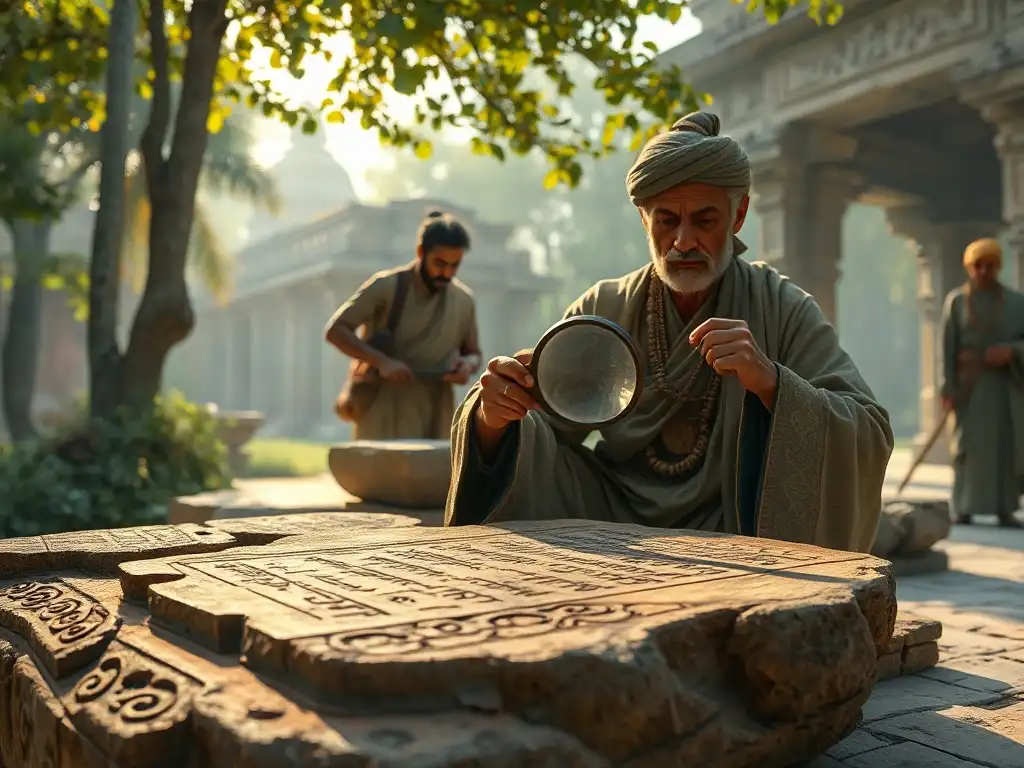
Interpreting inscriptions from ancient India poses several challenges that can complicate our understanding of daily life during that period. These challenges stem from a variety of factors, including the language used, the context of the inscriptions, and the physical condition of the artifacts themselves.
One of the primary challenges is the linguistic diversity present in ancient Indian inscriptions. Various scripts, such as Brahmi, Kharosthi, and others, were used across different regions and periods. This linguistic variation requires scholars to possess a deep understanding of multiple scripts and languages, which can be a barrier to accurate interpretation. Furthermore, many inscriptions contain specialized terminology that may not be well-documented or understood today, leading to potential misinterpretations.
Additionally, the context in which inscriptions were found plays a crucial role in their interpretation. Inscriptions may be discovered in temples, public buildings, or private homes, each offering different insights into societal norms, religious practices, and daily activities. The surrounding archaeological context can significantly influence how we understand the purpose and meaning of the inscriptions, making it essential to consider them alongside other historical evidence.
Limitations of Inscriptions as Historical Evidence
While inscriptions are invaluable for reconstructing aspects of daily life in ancient India, they also come with inherent limitations. One significant limitation is the selectivity of the information recorded. Inscriptions often reflect the perspectives of the elite or ruling classes, potentially sidelining the experiences of lower social strata, women, and marginalized communities. Consequently, they may not provide a holistic view of daily life across all segments of society.
Moreover, inscriptions are often fragmentary and incomplete due to weathering, damage, or intentional destruction over time. This fragmentation can lead to gaps in our understanding, where crucial details about daily practices, social interactions, and economic activities may remain unknown. As a result, scholars must approach these artifacts with caution, recognizing the potential for bias in the historical narrative they help construct.
Lastly, the temporal aspect of inscriptions can be misleading. Many inscriptions were created for specific purposes, such as commemorating events or honoring individuals, and may not accurately reflect the day-to-day realities of the broader population. Thus, while they offer invaluable insights, they must be contextualized within a wider array of historical sources and archaeological findings to achieve a more comprehensive understanding of daily life in ancient India.
Contextual Factors Influencing Interpretation
The interpretation of inscriptions is heavily influenced by several contextual factors, including the historical environment, cultural norms, and archaeological settings. Understanding the historical context in which an inscription was created is crucial for grasping its significance. For instance, political changes, such as the rise and fall of empires, can impact the content and focus of inscriptions, revealing much about societal concerns during specific periods.
Cultural norms also play a pivotal role. The values and beliefs of the time often shape what is inscribed. For instance, inscriptions related to religious practices may reveal how deeply intertwined daily life was with spirituality, while commercial inscriptions could highlight trade practices and economic interactions. By analyzing the cultural context, historians can draw connections between inscriptions and the broader societal framework, enriching our understanding of daily life.
The archaeological setting is equally important. The location where an inscription is found can provide critical insights into its intended audience and purpose. For example, inscriptions discovered in urban centers might indicate different social dynamics compared to those found in rural areas. Additionally, the presence of other archaeological artifacts can provide complementary evidence, thereby enhancing our interpretation of daily life in ancient India.
Conclusion: The Legacy of Daily Life in Ancient India
The study of inscriptions as historical evidence offers a compelling glimpse into the daily life of ancient India, revealing the complexities and nuances that characterized everyday existence. Through careful analysis, scholars have been able to piece together various aspects of life, from social structures to economic practices, contributing to a richer understanding of this ancient civilization.
The Lasting Impact of Inscriptions on Understanding Ancient Cultures
Inscriptions serve as a bridge connecting contemporary society with the past, offering insights that continue to shape our understanding of ancient cultures. They not only document historical events but also reflect the values, beliefs, and aspirations of the people who lived during those times. The impact of these inscriptions extends beyond mere historical records; they have become vital tools for cultural identity and heritage, fostering a sense of continuity and connection to a shared past.
Furthermore, the preservation and study of inscriptions promote an appreciation for the linguistic and artistic achievements of ancient civilizations. By analyzing the styles and techniques employed in these inscriptions, scholars gain insights into the cultural exchanges that occurred across regions, thus enriching our understanding of ancient Indian history.
Future Research Directions on Daily Life in Ancient India
Looking ahead, future research on daily life in ancient India will benefit from an interdisciplinary approach, combining epigraphy with archaeology, anthropology, and comparative studies. This holistic perspective will allow for more nuanced interpretations of inscriptions and their implications for understanding daily life.
Advancements in technology, such as digital imaging and 3D scanning, can also play a significant role in preserving and analyzing inscriptions, making them more accessible for research and education. Additionally, expanding the scope of research to include lesser-known inscriptions and exploring the voices of marginalized groups will enhance our understanding of the diverse experiences that shaped daily life in ancient India.
The study of inscriptions as historical evidence is a vital endeavor that not only illuminates the past but also paves the way for future explorations into the rich tapestry of daily life in ancient India.
References
Inscriptions serve as crucial historical evidence that sheds light on the daily life in ancient India. They provide insights into various aspects such as social structure, economic activities, religious practices, and cultural norms. To understand these inscriptions better, it is essential to delve into key texts and sources that explore their significance and context within ancient Indian society.
Key Texts and Sources on Inscriptions and Daily Life
-
The Indus Script: A Collection of Historical Contexts
This work focuses on inscriptions from the Indus Valley Civilization, analyzing how symbols and seals reflect trade, governance, and daily activities.
-
Inscriptions of Ashoka
The edicts of Emperor Ashoka, inscribed on pillars and rocks, provide a wealth of information regarding governance, moral values, and social welfare initiatives, illustrating daily life during his reign.
-
The Epigraphia Indica
A comprehensive collection of inscriptions across India, this series includes translations and commentaries that reveal insights into various facets of life, including administration, religion, and societal roles.
-
Indian Epigraphy: A Historical Perspective
This text delves into the development of writing and inscriptions in India, highlighting their role in documenting historical events and daily practices across different eras.
-
Daily Life in Ancient India: A Study of Material Culture
This book explores artifacts and inscriptions to reconstruct the lifestyle, habits, and social dynamics of ancient Indian civilizations, providing a vivid picture of everyday life.
Suggested Further Reading on Ancient Indian History
-
The History of India: From the Earliest Times to the Present
This comprehensive overview covers various periods in Indian history, including the significance of inscriptions as primary sources for understanding daily life.
-
Life in Ancient India as Depicted in the Jataka Tales
This collection of stories provides insight into the moral and ethical dilemmas faced by people in ancient Indian society, complementing the information gleaned from inscriptions.
-
Cultural History of Ancient India
This book examines the interplay between culture, religion, and daily life, offering context to the inscriptions that document these aspects.
-
The Art of Ancient India
This text discusses the artistic expressions found in inscriptions and how they reflect the cultural and social realities of ancient Indian life.
-
Inscriptions in Ancient India and Their Historical Significance
This scholarly work highlights the importance of inscriptions as primary historical documents, providing case studies and interpretations that illuminate daily life in various regions.
These texts collectively provide a rich foundation for understanding the complexities of daily life in ancient India, as reflected in the inscriptions that have survived through the ages.
- Introduction to Daily Life in Ancient India
- Understanding Inscriptions and Their Significance
- How Inscriptions Reflect Daily Life in Ancient India
- Case Studies of Notable Inscriptions
- Challenges in Interpreting Inscriptions
- Conclusion: The Legacy of Daily Life in Ancient India
- References
Frequently Asked Questions
What are inscriptions in the context of ancient India?
Inscriptions are written records engraved on durable materials like stone or metal, providing valuable insights into the daily life and culture of ancient Indian civilizations.
How do inscriptions help us understand daily life in ancient India?
They serve as historical evidence, revealing details about social structures, economic activities, and cultural practices, thereby painting a vivid picture of everyday existence.
What time periods do these inscriptions cover?
Inscriptions span from the Indus Valley Civilization to the Gupta Empire, highlighting various aspects of daily life across different eras of ancient Indian history.
Are there specific themes reflected in these inscriptions?
Yes, themes such as religion, administration, trade, and family life are commonly depicted, showcasing the diverse experiences of people during ancient times.
How can we access these inscriptions today?
Many inscriptions are preserved in museums or archaeological sites, and some are documented in scholarly publications, making them accessible for research and study.
Final Reflection: Unveiling the Tapestry of Daily Life in Ancient India
Inscriptions serve as invaluable windows into the past, revealing the intricate details of daily life in ancient India. Today, as we navigate a world increasingly driven by technology and rapid change, understanding the nuances of our history becomes essential. The stories etched in stone and metal not only document the mundane but also celebrate the cultural richness that shaped societies long before us. These inscriptions remind us that the essence of human experience—our joys, struggles, and daily routines—transcends time.
The exploration of daily life in ancient India through inscriptions has profoundly influenced our understanding of cultural heritage and social dynamics. The insights gleaned from these artifacts allow us to appreciate the complexities of past civilizations and their relevance to contemporary society. As we reflect on the lives of those who came before us, we recognize the continuity of human experience across millennia. History is not a burden on the memory but an illumination of the soul.
This quote encapsulates the importance of engaging with our past, as it enriches our present and informs our future.
As we conclude this exploration, I invite you to reflect on your own daily life and the stories you create each day. Consider how your experiences contribute to the broader narrative of humanity. Just as the inscriptions of ancient India have preserved moments of life for future generations, so too can your actions and memories shape the world to come. Embrace the lessons of history and let them inspire you to live meaningfully, ensuring that your own story is one worth telling.
Unveil the Stories of Ancient India Today!
Thank you for diving into the fascinating world of inscriptions and their insights into daily life in ancient India. You've uncovered the rich tapestry of history that shapes our understanding of past civilizations. Now, let’s take those insights and transform them into action!
Here are a few ways you can further immerse yourself in this captivating topic:
- Visit a local museum that features ancient artifacts and inscriptions—experience history firsthand!
- Join an online community dedicated to discussing ancient civilizations, where you can share your thoughts and learn from others.
- Start a blog or social media page to share what you've learned about these inscriptions and encourage discussions around their significance.
What discovery about ancient inscriptions has inspired you to explore this topic further? Share your thoughts in the comments below!