
The Ramayana's Representation of the Human Condition and Emotion

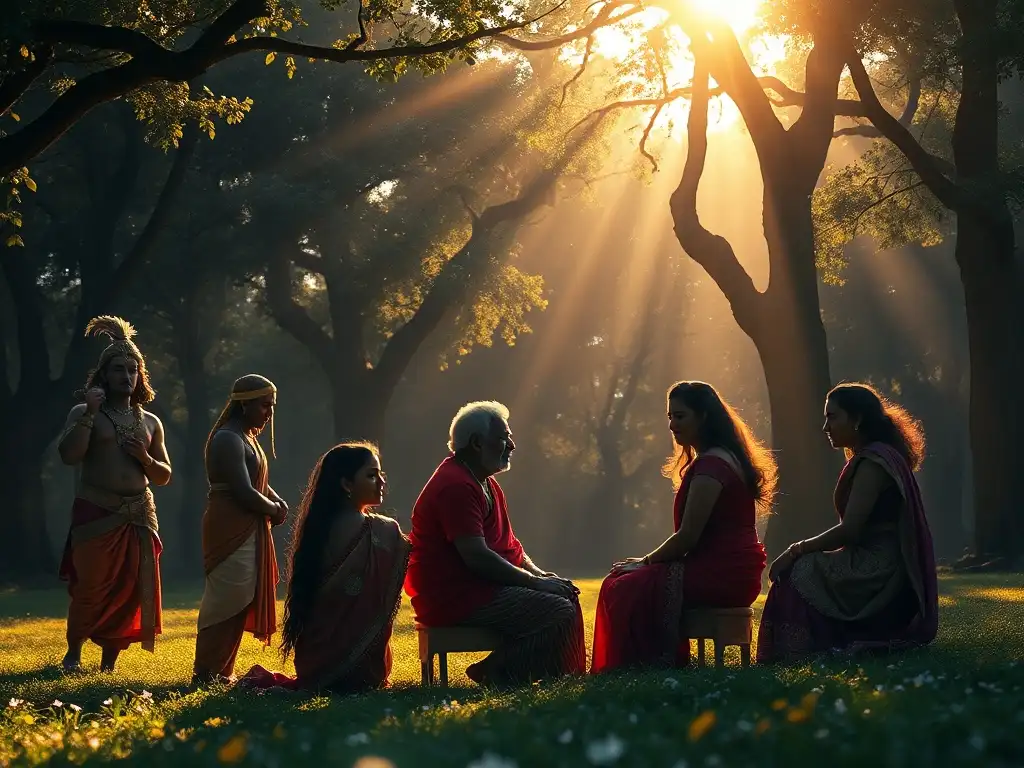
Welcome to Ancient India History, where we embark on a journey through the vibrant tapestry of India’s past. Here, we delve into the profound narratives that shape our understanding of ancient civilizations, from the ingenuity of the Indus Valley to the splendor of the Gupta Empire. In our featured article, “The Ramayana's Representation of the Human Condition and Emotion,” we explore the intricate layers of this epic, revealing how its timeless tales reflect the complexities of human experience.
Join us as we unravel the emotional depths of the Ramayana and discover the rich insights it offers into our own lives. Prepare to be captivated and inspired!
Introduction to the Ramayana and Its Significance
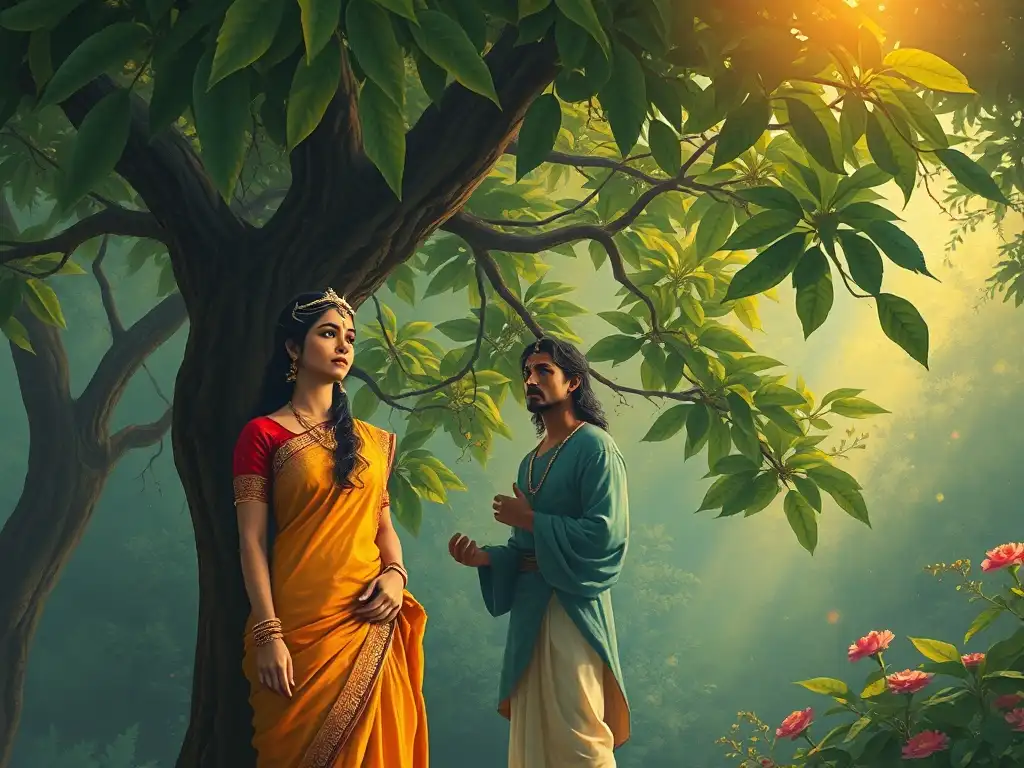
The Ramayana, one of the two great epics of ancient Indian literature, is not merely a story of heroism and adventure; it is a profound exploration of the human condition and the emotions that define our existence. Composed by the sage Valmiki, this epic weaves together the tale of Lord Rama, his wife Sita, and his loyal companion Hanuman, encapsulating themes that resonate with the complexities of human life.
This article aims to provide a comprehensive analysis of how the Ramayana serves as a mirror reflecting the myriad emotions and moral dilemmas faced by individuals, thereby offering insights into the essence of humanity itself.
Overview of the Ramayana
The Ramayana is divided into seven books, known as Kandas, and spans a vast narrative landscape. It details Rama's journey from his idyllic life in Ayodhya to his exile in the forest, the abduction of Sita by the demon king Ravana, and the eventual battle to rescue her. Each character in this epic embodies different facets of human nature, from valor and loyalty to betrayal and despair. The Ramayana is not just a tale of good versus evil; it is an intricate tapestry of human experiences that elevates it to the status of a philosophical text.
Importance of Human Condition in Epic Literature
Epic literature often delves into the fundamental aspects of the human experience—identity, morality, love, and loss. The Ramayana, in particular, stands out as a significant work that probes these themes deeply. By examining the choices and actions of its characters, readers are invited to reflect on their own lives and the emotions that govern them. This exploration of the human condition is vital for understanding not only the text itself but also the cultural and ethical frameworks of ancient India that continue to influence society today.
The Human Condition in the Ramayana
Key Themes Reflecting the Human Condition
The Ramayana encapsulates several key themes that reflect the human condition, including:
- Dharma (duty and righteousness): The concept of duty is central to the Ramayana, guiding characters like Rama and Sita through their trials and tribulations. Their commitment to dharma highlights the importance of ethical conduct in navigating life's challenges.
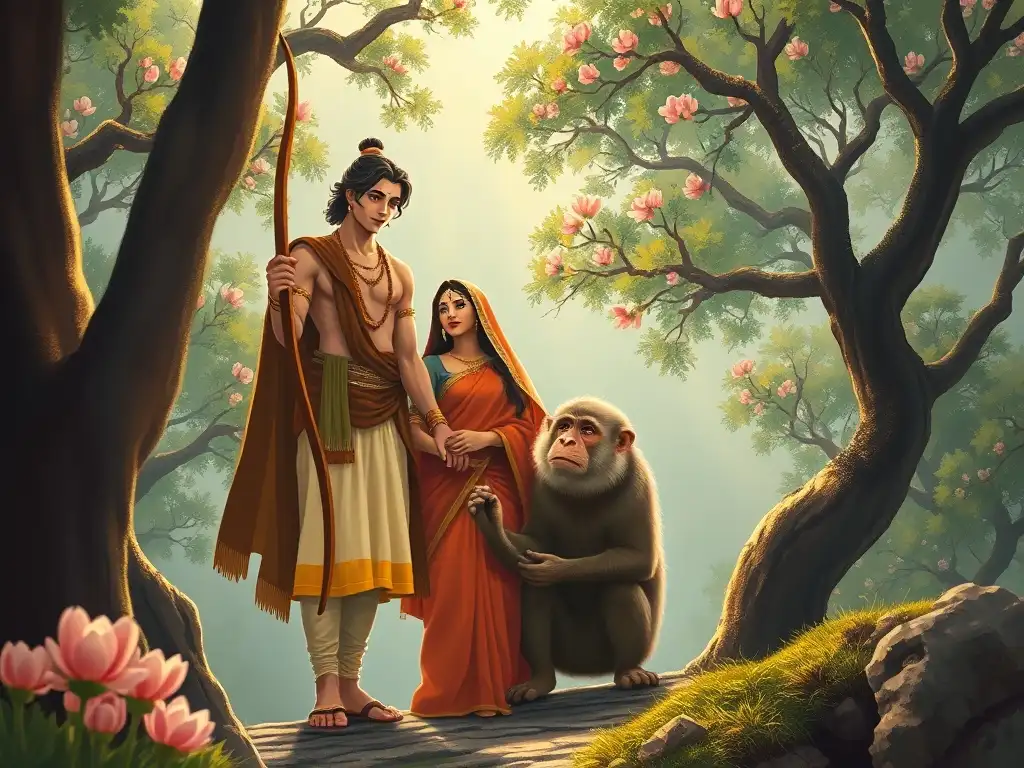
- Love and Devotion: The relationship between Rama and Sita exemplifies the ideals of love and loyalty, while Hanuman's unwavering devotion to Rama illustrates the power of selfless love. These portrayals resonate with readers, evoking a sense of empathy and understanding.
- Suffering and Redemption: The Ramayana does not shy away from depicting suffering, whether through Sita's trials in captivity or Rama's anguish over his exile. These moments of despair serve as a reminder of the resilience of the human spirit and the possibility of redemption.
The Role of Emotion in the Narrative
Emotions play a pivotal role in the Ramayana, driving the plot and shaping character development. From the intense love Rama feels for Sita to the profound sorrow experienced by the characters during their trials, emotions are intricately woven into the fabric of the narrative. This emotional depth allows readers to connect with the characters on a personal level, fostering a greater understanding of their motivations and struggles.
The Ramayana is not just a story of gods and demons; it is a timeless exploration of the human condition, rich in emotional complexity and moral inquiry. As we delve deeper into this epic, we uncover layers of meaning that resonate with the essence of humanity, making the Ramayana a vital text for both literary and philosophical exploration.
Characters as Representations of Human Emotions
The Ramayana is not just a tale of adventure; it is a profound exploration of human emotions through its multifaceted characters. Each character embodies specific traits and experiences that reflect the complexities of human nature. Their interactions and journeys reveal timeless themes such as duty, love, sacrifice, and the struggle between good and evil. By analyzing these characters, we gain insight into how the Ramayana encapsulates the human condition.
Rama: The Ideal Human and His Struggles
Rama, the protagonist of the Ramayana, is often viewed as the epitome of dharma (righteousness) and virtue. His journey is marked by personal struggles that explore the nuances of human morality. Despite being the ideal son, husband, and king, Rama faces tremendous challenges that test his resolve and beliefs. His exile, prompted by the betrayal of his father, King Dasharatha, showcases the conflict between personal desires and duties.
Rama's character is a study in the concept of the "hero's journey," where he must confront his own vulnerabilities. His unwavering dedication to righteousness, even in the face of adversity, represents the struggle between maintaining one's ideals and navigating the complexities of life. This duality makes Rama a relatable figure, as he embodies the human experience of striving for goodness while grappling with hardship.
Sita: The Embodiment of Virtue and Sacrifice
Sita, Rama's wife, is a powerful representation of virtue, fidelity, and resilience. Her character is central to the themes of sacrifice and the maternal archetype. Sita's unwavering loyalty to Rama, even during her abduction by Ravana, highlights her strength and commitment. Her trials, including the fire ordeal (Agni Pariksha), symbolize the societal pressures on women and the sacrifices they often make for their families.
Sita's emotional journey reflects the complexities of love and the pain of separation. Through her trials, she exhibits profound resilience and courage, which resonate with the struggles faced by women throughout history. Sita's character invites readers to reflect on the nature of virtue and the often-unseen sacrifices that underpin personal relationships.
Hanuman: Devotion and Loyalty
Hanuman, the devoted monkey god, serves as a crucial figure in the Ramayana, representing unwavering loyalty and selfless devotion. His character embodies the ideal of bhakti (devotion), showcasing how love for a higher cause can inspire extraordinary acts of courage and strength. Hanuman's journey to rescue Sita not only highlights his physical prowess but also his deep emotional connection to Rama and Sita.
His unwavering faith and determination during seemingly insurmountable challenges illustrate the power of devotion in overcoming adversity. Hanuman's character reinforces the idea that true loyalty transcends personal boundaries, allowing individuals to act for the greater good. His presence in the narrative emphasizes the importance of companionship and support in the human experience.
Ravana: The Complexity of Desire and Ambition
Ravana, the antagonist of the Ramayana, is a complex character whose ambition and desire make him a multifaceted representation of the darker aspects of the human condition. As a powerful king of Lanka, Ravana embodies intelligence and strength, yet his overwhelming desire for Sita leads to his downfall. His character serves as a cautionary tale about how unchecked ambition and desire can lead to moral corruption and conflict.
Ravana's internal struggles reflect the human experience of grappling with one's impulses and the consequences of choices made in pursuit of power and satisfaction. His portrayal invites readers to consider the duality of good and evil within themselves, emphasizing that even the most powerful figures are not immune to the flaws that plague humanity.
Analysis of Key Events Illustrating Human Emotions
The Ramayana is rich with events that vividly illustrate the spectrum of human emotions. These pivotal moments reveal the characters' struggles and triumphs, offering a deeper understanding of the human condition.
The Exile of Rama: Themes of Sacrifice and Duty
Rama's exile is a seminal event in the Ramayana that encapsulates the themes of sacrifice and duty. Forced to leave his kingdom and loved ones behind, Rama chooses to uphold his father's word, demonstrating his commitment to dharma. This moment highlights the conflict between personal desires and familial obligations, showcasing the pain of sacrifice required to maintain honor and integrity.
The emotional weight of this event extends beyond Rama to encompass Sita and Lakshmana, who willingly accompany him into exile. Their shared journey emphasizes the importance of loyalty and support in times of hardship, illustrating how love can endure even in the face of adversity.
Sita's Abduction: Love, Fear, and Resilience
Sita's abduction by Ravana serves as a pivotal moment that encapsulates themes of love, fear, and resilience. This event not only separates Sita from Rama but also plunges her into a world of uncertainty and danger. Her emotional turmoil as she navigates her captivity reflects the innate human fears of loss and helplessness.
Despite the overwhelming fear, Sita's resilience shines through as she remains steadfast in her love for Rama. Her unwavering hope and determination to reunite with him highlight the strength of emotional bonds and the power of love to endure even the darkest of circumstances.
The Battle of Good vs. Evil: Conflict and Resolution
The climactic battle between Rama and Ravana epitomizes the eternal conflict between good and evil, a central theme in the Ramayana. This showdown is not merely a physical confrontation; it is a manifestation of the emotional and moral struggles faced by both characters. Rama fights not only to rescue Sita but also to restore dharma and justice.
The resolution of this conflict signifies the triumph of good over evil, yet it also serves as a reminder of the emotional toll that such battles exact. The aftermath of the war illustrates the complexities of victory, as characters grapple with loss, grief, and the weight of their choices. The Ramayana ultimately portrays the human condition as a tapestry woven from both light and shadow, where every emotion plays a crucial role in the narrative of life.
Philosophical Insights into the Human Condition
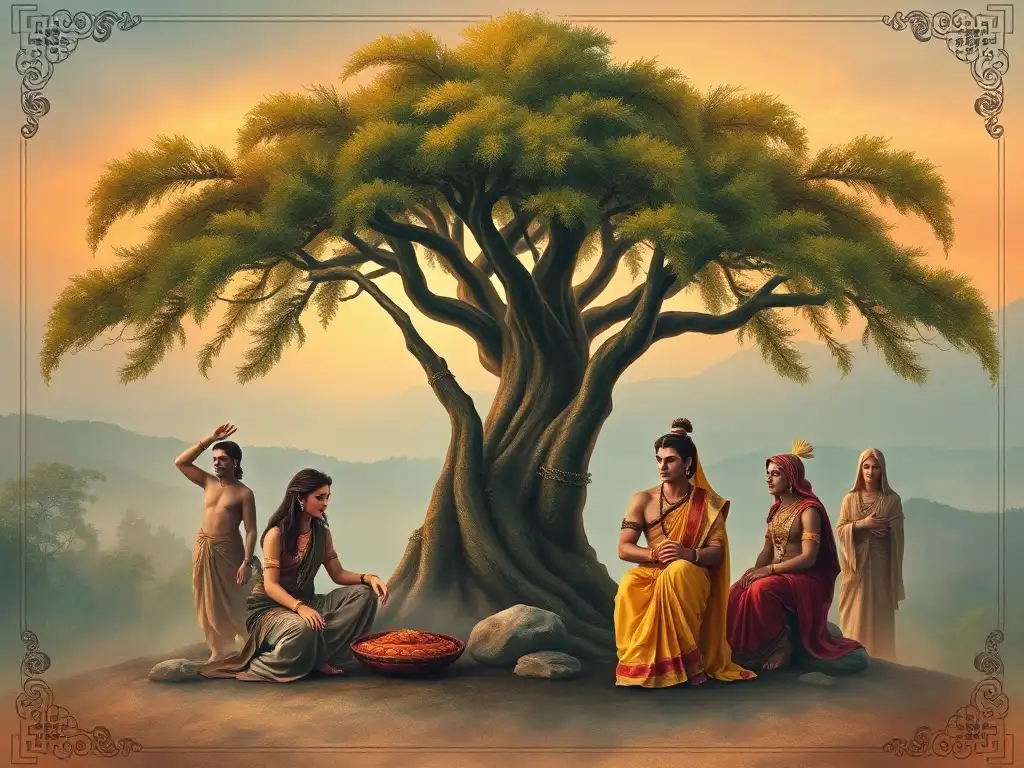
The Ramayana, one of the greatest epics in Indian literature, delves deep into the philosophical underpinnings of human existence. Its narrative encapsulates the complexities of life, exploring themes such as duty, righteousness, love, sacrifice, and the eternal struggle between good and evil. Through its characters and their journeys, the Ramayana presents a rich tapestry of human emotions and dilemmas, making it a profound source for understanding the human condition.
The characters in the Ramayana are not mere archetypes; they embody the struggles and triumphs inherent in the human experience. From Rama's adherence to dharma even in the face of personal loss to Sita's unwavering devotion amidst adversity, the epic illustrates how individuals navigate their paths through moral and ethical challenges. This exploration of human nature offers timeless insights into how emotions and decisions shape our lives, reflecting the trials and tribulations that resonate across generations.
Dharma and Its Role in Human Experience
At the heart of the Ramayana lies the concept of dharma, which signifies duty, righteousness, and moral law. Rama, as the ideal man, exemplifies the adherence to dharma in every aspect of his life. His journey emphasizes the importance of fulfilling one’s responsibilities towards family, society, and the universe at large. This commitment to dharma reflects the belief that individual actions have repercussions not just for oneself but for the broader fabric of existence.
The conflict faced by characters like Rama and Sita illustrates the complexities of adhering to dharma. For instance, Rama's choice to exile Sita, despite his love for her, underscores the intricate balance between personal desires and societal expectations. This duality reveals the often-painful sacrifices required to uphold righteousness, thus portraying dharma as a guiding yet demanding force in the human experience.
The Cycle of Life and Death in the Ramayana
The Ramayana also presents a philosophical exploration of the cycle of life and death, highlighting the transient nature of existence. The epic underscores the inevitability of mortality and the importance of understanding one’s role within this cycle. Characters encounter death and rebirth, not only in a literal sense but also through the evolution of their identities and values.
For instance, the death of Ravana symbolizes the end of a tyrannical reign, ushering in a new era of peace. Similarly, the return of the exiled Rama to Ayodhya represents the restoration of order and harmony. These narrative arcs serve to remind readers that life is a continuous cycle of challenges and resolutions, encapsulating the philosophical notion that every end leads to a new beginning, thereby encouraging a deeper contemplation of existence.
The Quest for Truth and Justice
Throughout the Ramayana, the pursuit of truth and justice emerges as a central theme. Rama's journey is not merely about reclaiming his rightful throne but also about restoring dharma and justice in the world. His battles against adversaries like Ravana are emblematic of the struggle between good and evil, truth and falsehood. This quest resonates deeply with the human condition, as individuals often find themselves grappling with moral dilemmas and the quest for justice in their lives.
The narrative illustrates that the path to truth is fraught with challenges, as seen through the trials faced by Rama and Sita. Their unwavering commitment to truth, despite immense personal suffering, serves as an inspiration for readers to pursue justice in their own lives. This theme reinforces the notion that the quest for truth is an integral aspect of human existence, driving individuals to confront their fears and uphold their principles.
Conclusion: The Ramayana as a Mirror of Human Emotions
The Ramayana transcends its narrative to become a profound exploration of human emotions, offering insights that resonate with readers across time and cultures. Its rich characterizations and intricate plots serve as a mirror reflecting the depth of human experiences, from love and loyalty to despair and triumph.
Summary of Human Condition Analysis in the Ramayana
In analyzing the Ramayana through the lens of the human condition, several key themes emerge: the significance of dharma, the inevitability of life and death, the relentless pursuit of truth, and the complexity of human emotions. These elements interweave to create a narrative that is not only captivating but also deeply philosophical, urging readers to reflect on their own lives and the moral choices they face.
The Relevance of Ramayana's Lessons in Contemporary Society
The lessons embedded within the Ramayana remain remarkably relevant in contemporary society. As individuals navigate the complexities of modern life, the themes of duty, justice, and emotional resilience continue to resonate. The epic encourages a thoughtful examination of one’s actions and their implications, fostering a sense of responsibility towards oneself and the larger community. By embodying the timeless values depicted in the Ramayana, individuals can find guidance and inspiration in their own quests for meaning and fulfillment in a rapidly changing world.
The exploration of the Ramayana's representation of the human condition and emotion opens avenues for deeper inquiry into various dimensions of this epic. Scholars and enthusiasts alike can benefit from engaging with a range of texts and themes that complement the Ramayana's rich narrative. The following sections highlight suggested texts for a deeper understanding and related themes found in other epic literature.
Suggested Texts for Deeper Understanding of the Ramayana
- The Ramayana by Valmiki: The original text remains the cornerstone for any serious study of the Ramayana. Translations and commentaries, such as those by R.K. Narayan and Arshia Sattar, offer insights into the nuances of the narrative.
- The Ramayana: A New Translation: by Robert Alter: This contemporary translation provides a fresh perspective on the ancient text, making it accessible while retaining its poetic essence.
- Ramayana: Divine Loophole: by Sanjay Patel: Illustrated with engaging visuals, this book presents the story of the Ramayana in a format that appeals to younger audiences while preserving the core themes.
- The Ramayana: A Historical Analysis: by V.N. Mishra: This scholarly work delves into the historical context of the Ramayana, exploring its impact on culture, religion, and society across centuries.
- The Epic of Gilgamesh: While not a direct counterpart to the Ramayana, this ancient Mesopotamian epic offers insights into the human condition, including themes of friendship, mortality, and the quest for immortality.
Related Themes in Other Works of Epic Literature
The themes explored in the Ramayana resonate with those found in other epic literary works across cultures. Here are some related themes:
- Heroism and Valor:
- The Iliad: Homer's classic examines the nature of heroism, particularly through the character of Achilles, and the emotional turmoil of war.
- The Mahabharata: Another significant Indian epic, it highlights the complexity of duty (dharma) and the moral dilemmas faced by its characters.
- Love and Sacrifice:
- The Aeneid: Virgil's epic reflects on love's transformative power and the sacrifices that must be made for duty and destiny.
- The Divine Comedy: Dante Alighieri's work explores love in various forms, culminating in the ultimate sacrifice for divine love.
- The Quest for Identity:
- Beowulf: This Anglo-Saxon epic details the protagonist's quest for identity through battles against formidable foes, echoing the struggles of Rama in the Ramayana.
- The Odyssey: Homer's tale of Odysseus' journey home parallels Rama's quest to reclaim his rightful place, emphasizing themes of perseverance and self-discovery.
By engaging with these suggested texts and related themes, readers can deepen their understanding of the Ramayana's profound insights into the human condition and emotion, enriching their appreciation of this literary masterpiece.
- Introduction to the Ramayana and Its Significance
- Overview of the Ramayana
- Importance of Human Condition in Epic Literature
- The Human Condition in the Ramayana
- Characters as Representations of Human Emotions
- Analysis of Key Events Illustrating Human Emotions
- Philosophical Insights into the Human Condition
- Conclusion: The Ramayana as a Mirror of Human Emotions
- Further Reading and Related Topics
- What is the significance of the Ramayana in understanding the human condition?
- How does the Ramayana depict emotional struggles?
- What themes related to the human condition are explored in the Ramayana?
- How do the characters in the Ramayana represent different aspects of the human experience?
- In what ways can the Ramayana's analysis of the human condition be applied today?
Frequently Asked Questions
What is the significance of the Ramayana in understanding the human condition?
The Ramayana offers profound insights into the complexities of human emotions and moral dilemmas, illustrating how characters navigate love, duty, and sacrifice.
How does the Ramayana depict emotional struggles?
Through its characters, the Ramayana portrays a range of emotional struggles, from grief to loyalty, reflecting the universal experiences of humanity.
Key themes include dharma (duty), devotion, and the struggles between good and evil, emphasizing the moral choices individuals face in their lives.
How do the characters in the Ramayana represent different aspects of the human experience?
Each character symbolizes various aspects of the human experience, showcasing traits like bravery, compassion, and betrayal, which resonate across cultures and time.
In what ways can the Ramayana's analysis of the human condition be applied today?
The Ramayana's exploration of emotions and ethical dilemmas remains relevant, offering lessons on resilience and compassion that can guide individuals in contemporary society.
Final Reflection: The Ramayana's Timeless Insight into the Human Condition
The Ramayana's exploration of the human condition remains profoundly relevant today, as it delves into the complexities of love, duty, and morality that resonate with our contemporary struggles. In a world where individuals often grapple with conflicting emotions and ethical dilemmas, the epic serves as a mirror reflecting our own experiences. The timeless narratives of sacrifice, loyalty, and the quest for righteousness remind us that these themes are not confined to ancient texts but are woven into the very fabric of our lives.
The Ramayana continues to shape our cultural and social landscape, influencing how we perceive relationships and personal responsibilities. Its characters embody the spectrum of human emotions, allowing us to connect deeply with their journeys. As we navigate our own challenges, we can draw inspiration from the wisdom of the epic. The greatest gift of the Ramayana is its ability to teach us about the nuances of human emotions and the importance of empathy.
This ongoing influence encourages us to reflect on our own actions and the impact they have on those around us.
As you close this chapter on the Ramayana, I invite you to take a moment to reflect on your own life through the lens of its teachings. Consider how the lessons of duty, love, and resilience can guide you in your daily interactions and decisions.
Embrace the opportunity to embody the virtues exemplified by its characters, and let their stories inspire you to navigate your own human condition with grace and understanding. The Ramayana is not just an ancient tale; it is a call to action for each of us to live with purpose and compassion in a complex world.
Explore the Depths of the Human Experience Through The Ramayana!
Thank you for diving into the intricate world of the Ramayana and its profound representations of the human condition and emotions. You've uncovered rich insights that reflect our own lives and relationships. Now, let's take those reflections further!
Here are some actionable steps you can take to deepen your understanding and share your insights:
- Reflect on Your Emotions: Spend a moment journaling about how the characters’ emotions resonate with your own life experiences. Consider the lessons you can learn from their journeys.
- Join the Conversation: Share your thoughts on social media regarding the Ramayana's influence on contemporary views about emotions and relationships. Invite friends who might find it engaging!
- Attend a Local Discussion Group: Look for or initiate a community group focused on Indian epics. Engaging with others can offer fresh perspectives and insights!
Which aspect of the Ramayana do you believe best represents the struggles we face in today’s world?