
The Samaveda: The Musical Heart of Vedic Chanting

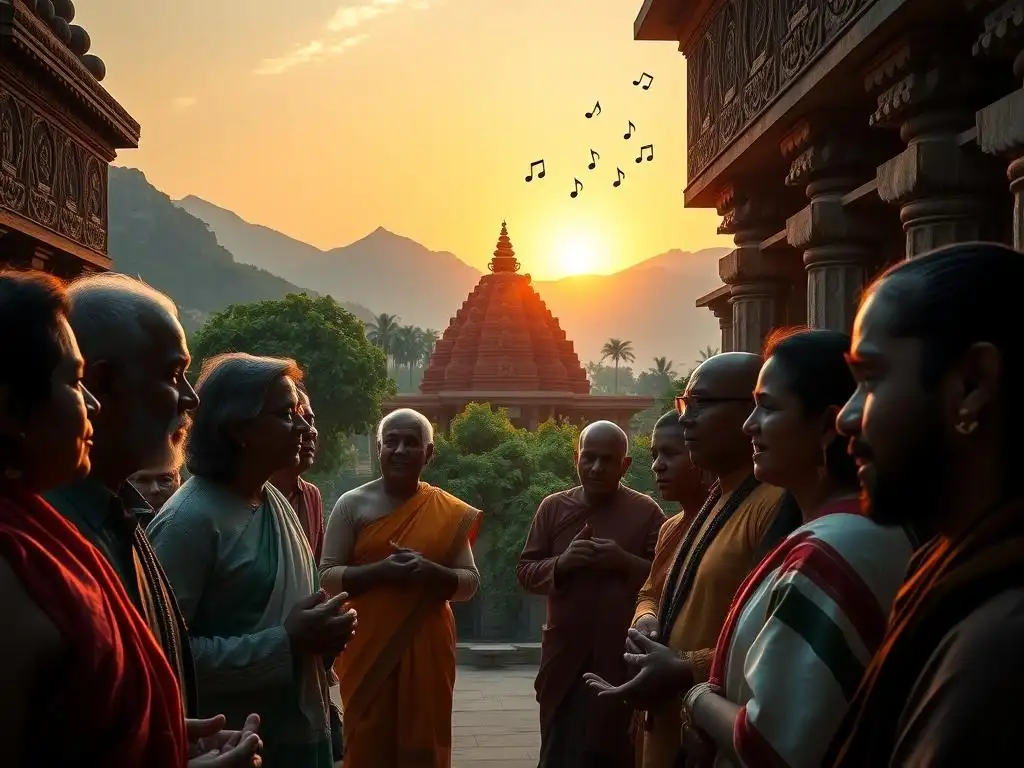
Welcome to Ancient India History, where we embark on a journey through the rich tapestry of ancient Indian civilizations! Today, we invite you to delve into the captivating world of Vedic chanting, specifically exploring the profound significance of the Samaveda. As the musical heart of Vedic literature, the Samaveda not only embodies the rhythm of ancient spirituality but also reveals the intricate connections between music, culture, and ritual in India's past.
Are you ready to uncover the melodies that have shaped a civilization? Join us as we unravel the enchanting history of the Samaveda and its enduring legacy in the realm of epic literature!

The Samaveda holds a unique position in the vast tapestry of ancient Indian scriptures, revered not only for its spiritual significance but also for its profound impact on the musical traditions of Vedic chanting. As one of the four Vedas, the Samaveda primarily focuses on the melodic aspects of hymns and chants, embodying the essence of ritualistic music integral to Vedic ceremonies. This article delves into the Samaveda Vedic chanting history, providing a comprehensive exploration of its origins, significance, and enduring legacy within the broader context of ancient Indian culture.
Introduction to Samaveda Vedic Chanting History
The Samaveda, often referred to as the "Veda of melodies," is a treasure trove of sacred chants that played a pivotal role in the spiritual and communal life of ancient Indian society. Unlike the other Vedas, which emphasize prose and philosophical discourse, the Samaveda is characterized by its lyrical and musical quality. This rich tradition of Vedic chanting is not merely an artistic expression; it represents a deep connection between sound, spirituality, and the cosmos. Understanding the history of Samaveda Vedic chanting reveals the intricate interplay between music and worship in ancient India.
Overview of the Vedas in Ancient Indian Culture
The Vedas, composed during the early periods of Indian history, serve as the foundational texts of Hindu philosophy and spirituality. They are divided into four main collections: the Rigveda, Yajurveda, Samaveda, and Atharvaveda. Each Veda has its distinct focus and purpose:
- Rigveda: Contains hymns and praises to deities.
- Yajurveda: Focuses on ritual instructions and sacrificial formulas.
- Samaveda: Emphasizes melodies and chants for rituals.
- Atharvaveda: Encompasses spells, prayers, and everyday wisdom.
The Vedas collectively provide insights into the socio-religious practices, cosmology, and philosophy of ancient Indian civilization, establishing a framework for understanding the spiritual and cultural ethos of the time.
Significance of Samaveda in Vedic Traditions
The Samaveda holds a distinctive place in the Vedic tradition due to its role in ritualistic practices. Its chanting was believed to invoke divine presence and create a sacred atmosphere during ceremonies. Key aspects of its significance include:
- Ritualistic Importance: The Samaveda is essential for the performance of various Yajnas (sacrificial rituals), where specific melodies are chanted to please the gods.
- Musical Heritage: It laid the foundation for Indian classical music, influencing various genres and styles that evolved over centuries.
- Cultural Transmission: The oral tradition of chanting the Samaveda facilitated the preservation and transmission of Vedic knowledge across generations.
Historical Context of Samaveda
Understanding the historical backdrop of the Samaveda is crucial to appreciating its development and influence throughout the ages.
Origins of Samaveda in Ancient India
The origins of the Samaveda can be traced back to the early Vedic period (approximately 1500–500 BCE), reflecting the spiritual and cultural milieu of ancient India. It is believed that the hymns of the Samaveda were composed by the Brahmins, who were responsible for conducting rituals and preserving sacred knowledge. The melodies associated with these hymns were not merely for aesthetic enjoyment; they held profound spiritual significance, aimed at harmonizing the physical and metaphysical realms.
Evolution of Samaveda Through the Ages
As centuries passed, the Samaveda underwent significant transformations. The transition from oral tradition to written texts marked a pivotal moment in its history. Key points in its evolution include:
- Integration with Other Vedic Texts: The Samaveda began to incorporate elements from the Rigveda, enriching its content and expanding its influence.
- Commentaries and Exegeses: Scholars and theologians produced extensive commentaries, elucidating the meanings and interpretations of the Samaveda's verses, which contributed to its scholarly study.
Influence of Samaveda on Other Vedic Texts
The Samaveda's impact extends beyond its own hymns, influencing various Vedic texts and practices. Some notable influences include:
- Yajurveda: The chanting styles and musical compositions from the Samaveda significantly shaped the ritualistic practices outlined in the Yajurveda.
- Later Texts: The principles of melody and rhythm established in the Samaveda can be seen in later works, including the Natyashastra and various Upanishads, highlighting its enduring legacy in Hindu philosophy and performing arts.
Through this exploration, the Samaveda emerges as a critical component of ancient India's spiritual and cultural heritage, illuminating the profound connections between music, ritual, and divine worship.
Structure and Composition of Samaveda
The Samaveda is one of the four Vedas in ancient Indian literature, primarily focusing on music and melody. Its structure is unique compared to the other Vedas, as it predominantly consists of hymns that are intended to be sung rather than simply recited. The text is organized into two main parts: the Samhita, which comprises the actual hymns, and the Brahmanas, which provide explanations and guidelines for rituals associated with these chants.
The Samaveda consists of 1,875 verses, many of which are borrowed from the Rigveda. However, they are rearranged and set to specific musical notations. This arrangement emphasizes the importance of rhythm and tonality in Vedic chanting, making it a crucial element in rituals and religious observances. The verses are often categorized into three primary groups: the Gāyatrī, Udgītha, and Anushtubh, each serving different purposes and contexts in ritualistic performances.
Literary Features of Samaveda
The literary features of the Samaveda highlight its musical nature. The text is rich in metaphorical language, employing various figures of speech that enhance its poetic quality. The verses often contain alliteration and repetition, which not only aid memorization but also create a rhythmic flow that is essential for chanting.
Moreover, the Samaveda exhibits a distinctive use of musical notation, which is not merely a transcription of words but a complex system that indicates the pitch and tone for each syllable. This notation system is crucial for preserving the proper intonation and emotional expression of the chants. The Samaveda's literary style is thus intricately linked to its performative aspects, making it a unique artifact in the landscape of ancient Indian literature.
Types of Chants in Samaveda
The Samaveda encompasses various types of chants, primarily categorized based on their usage in rituals. These include:
- Gāyatrī Chants: These are melodic recitations used during various ceremonies, invoking deities and seeking blessings.
- Udgītha Chants: These chants are central to the Soma sacrifices, performed to elevate the spiritual ambiance and invoke divine presence.
- Anushtubh Chants: Often utilized in more informal settings, these chants serve as prayers and meditative tools.
Each type of chant carries its own significance and is performed in specific contexts, reflecting the diverse applications of the Samaveda in Vedic rituals.
Comparison with Other Vedic Texts (Rigveda and Yajurveda)
When comparing the Samaveda with the Rigveda and Yajurveda, several distinctions emerge. The Rigveda serves as a collection of hymns that are primarily meant for recitation, focusing on philosophical and cosmological themes. In contrast, the Yajurveda is more practical, providing detailed instructions for rituals and sacrifices.
The Samaveda, however, stands out due to its musical orientation. While it borrows many hymns from the Rigveda, it transforms them into musical compositions, emphasizing melody and rhythm. This musical adaptation differentiates the Samaveda from the other two Vedas, illustrating the unique role that music plays in Vedic traditions.
The Role of Music in Samaveda Vedic Chanting
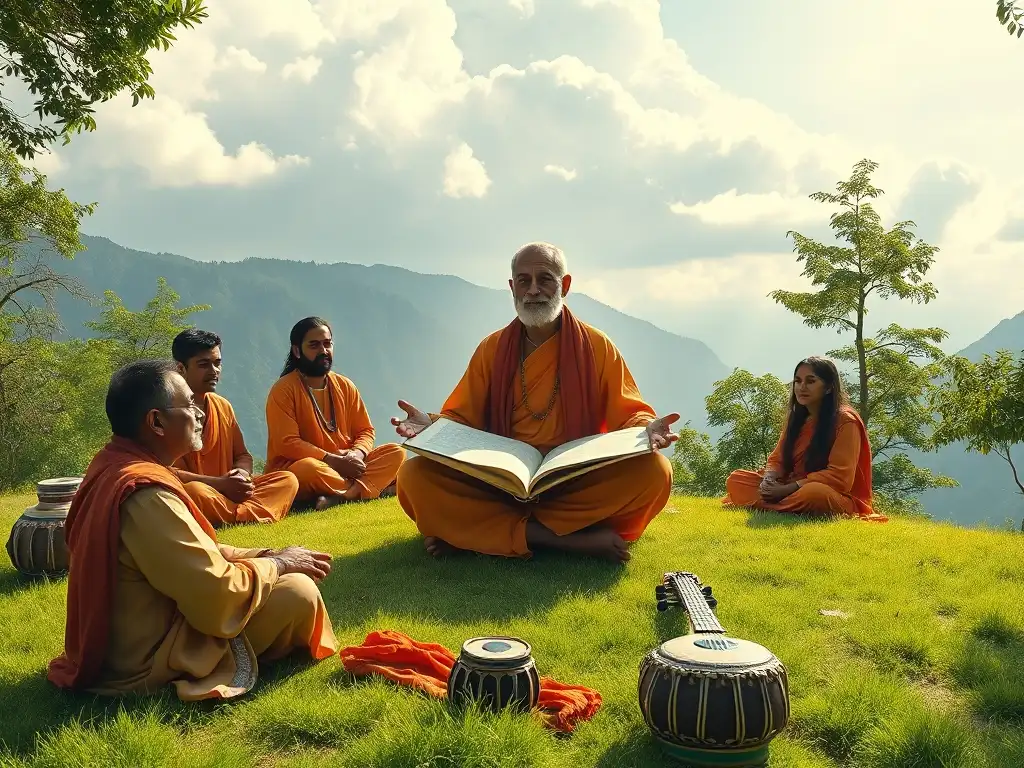
Music is a fundamental aspect of Samaveda Vedic chanting, serving not only as an artistic expression but also as a means of spiritual connection. The melodic structures of the chants are believed to resonate with cosmic frequencies, facilitating a deeper interaction between the chant and the divine.
The rhythmic patterns and tonal variations in Samaveda chants are meticulously crafted to enhance the emotional and spiritual experience of the performers and listeners alike. This underscores the idea that music is not merely an accompaniment but is integral to the efficacy of the rituals it supports.
Importance of Melodic Elements in Samaveda
Melodic elements in the Samaveda are crucial for the proper execution of chants. Each melody, known as a svara, corresponds to specific syllables in the text, guiding the chanter in pitch and intonation. These melodic patterns are believed to invoke specific energies and deities, making their correct application vital for the success of the ritual.
The interplay of melody and rhythm in Samaveda chants also serves to enhance memory retention, allowing practitioners to internalize the sacred texts more effectively. This musical aspect reflects a sophisticated understanding of the psychological and spiritual dimensions of chanting in Vedic traditions.
Musical Instruments Associated with Samaveda
Several musical instruments are traditionally associated with the performance of Samaveda chants. Key instruments include:
- Veena: Often used to accompany vocal performances, the veena’s resonant tones add a harmonic backdrop to the chants.
- Mridangam: This percussion instrument provides rhythmic support, enhancing the overall musicality of the chanting.
- Flute: The flute’s melodic lines enrich the auditory experience, creating a serene atmosphere conducive to spiritual practices.
These instruments not only complement the vocal elements but also play a role in establishing the ritualistic environment, thus enhancing the sacredness of the chanting ceremonies.
Ritualistic Context of Samaveda Chanting
Samaveda chanting is deeply embedded in the ritualistic practices of ancient Indian culture. It is primarily performed during sacrificial ceremonies, where the musical aspect of the Samaveda is believed to invoke divine blessings and ensure the success of the rituals. The chants are often accompanied by offerings of Soma, a sacred drink, and are integral to various Vedic sacrifices.
The ritualistic context of Samaveda chanting underscores its importance within the broader framework of Vedic traditions. By engaging with the chants, practitioners not only honor the deities but also connect with the cosmic order, thus affirming their place within the universe. This interplay of music and ritual highlights the unique role of the Samaveda as the musical heart of Vedic chanting.
Cultural Impact of Samaveda Vedic Chanting
The Samaveda, often referred to as the "Veda of Melodies," plays a pivotal role in shaping the cultural landscape of ancient India. Its unique combination of music and spirituality has influenced various aspects of Indian life, from religious practices to artistic expressions. The rich tradition of Vedic chanting, particularly that associated with the Samaveda, has fostered a deep appreciation for the auditory arts, leading to an enduring legacy that continues to resonate throughout Indian culture.
One of the most significant impacts of Samaveda chanting is its contribution to the ritualistic practices of Hinduism. The hymns of the Samaveda are intricately woven into the fabric of various ceremonies, including sacrifices and festivals. These musical chants not only enhance the spiritual atmosphere but also serve as a medium for invoking divine blessings. By fostering a communal spirit during rituals, the Samaveda has helped shape the social and religious identity of countless generations.
Influence on Indian Classical Music
The Samaveda's influence extends far beyond religious settings; it has profoundly shaped the development of Indian classical music. The melodies and rhythmic patterns found in the Samaveda have laid the groundwork for various musical forms, such as Hindustani and Carnatic music. The intricate connection between the Vedic chants and classical music can be seen in the use of ragas and talas, which are essential components of Indian music theory.
The Samaveda's emphasis on melody and rhythm has inspired numerous musicians and composers throughout history. Many classical compositions draw upon the chanda (meter) and svara (notes) from the Samaveda, illustrating its lasting impact on the art of music. Moreover, the chanting techniques developed from the Samaveda have influenced the vocal styles in classical music, showcasing the Veda's role as a foundational text for musical innovation.
Samaveda's Role in Spiritual Practices and Rituals
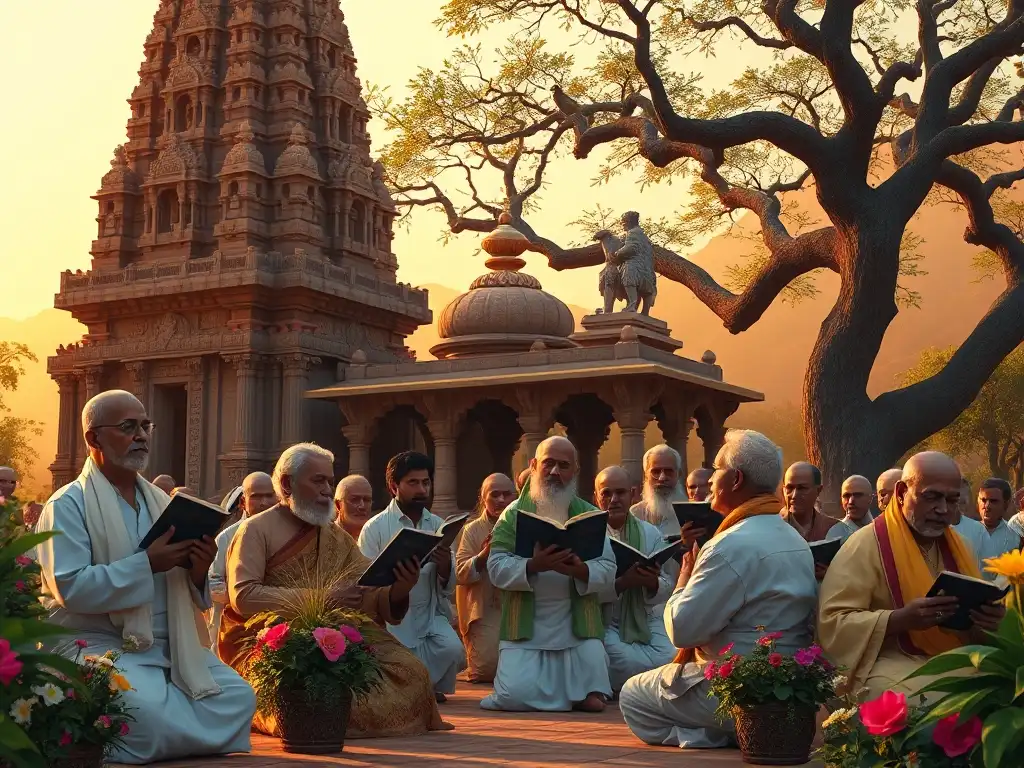
The spiritual significance of the Samaveda cannot be overstated. It serves as a critical guide for performing various Vedic rituals, with chanting being considered a means to connect with the divine. The hymns of the Samaveda are often recited during significant life events, such as weddings, naming ceremonies, and rites of passage, underscoring its integral role in personal and communal spirituality.
In addition to ritualistic uses, the Samaveda is also associated with meditative practices. The melodic nature of its chants is believed to facilitate a deeper state of meditation, allowing practitioners to experience a heightened sense of awareness and connection to the universe. This aspect of the Samaveda underscores its importance not only as a textual source but as a living tradition that continues to nourish the spiritual lives of many.
Preservation and Transmission of Samaveda Traditions
The preservation of Samaveda traditions has been a remarkable journey through history. Oral transmission has played a crucial role in maintaining the authenticity and integrity of the chants. Gurus (teachers) and shishyas (students) have engaged in rigorous training, often spanning years, to master the intricate nuances of Samaveda chanting. This method of passing down knowledge ensures that the melodies and meanings of the hymns remain intact.
In modern times, the advent of technology has further facilitated the preservation of Samaveda traditions. Audio recordings, digital archives, and online platforms have made it easier for practitioners and enthusiasts to access and learn the chants. This evolving landscape not only helps in preserving the tradition but also promotes its dissemination to wider audiences, ensuring that the Samaveda continues to thrive in contemporary society.
Conclusion: The Legacy of Samaveda in Modern Times
The legacy of the Samaveda is profound, influencing various aspects of life in India and beyond. Its unique blend of music and spirituality has established a cultural framework that continues to inspire artists, musicians, and spiritual seekers. The Samaveda's teachings and practices are not merely relics of the past; they are dynamic traditions that adapt and evolve over time.
Contemporary Relevance of Samaveda in Vedic Chanting
In today's world, the Samaveda remains relevant in multiple dimensions. Its hymns are often incorporated into modern spiritual practices, yoga sessions, and wellness retreats, where the meditative quality of the chants is appreciated for their calming effects. Additionally, the revival of interest in traditional arts has led to a resurgence in the study and practice of Samaveda chanting, fostering a deeper understanding of its historical and cultural significance.
The contemporary relevance of the Samaveda is also reflected in its integration into academic studies. Scholars are increasingly exploring its philosophical dimensions, musical aspects, and cultural implications, contributing to a richer understanding of this ancient text and its enduring impact on Indian civilization.
Future of Samaveda Studies and Practices
Looking ahead, the future of Samaveda studies and practices appears promising. As interest in Vedic chanting grows, new generations are embracing these ancient traditions, ensuring their survival in an ever-changing world. Educational institutions and cultural organizations are recognizing the importance of the Samaveda, offering workshops, courses, and performances that celebrate its rich heritage.
Moreover, the increasing globalization of culture presents an opportunity for the Samaveda to reach diverse audiences. Collaborations between traditional practitioners and contemporary artists are fostering innovative interpretations of Samaveda chants, allowing this ancient Vedic text to resonate with a global audience while remaining rooted in its historical context. This fusion of old and new is likely to keep the spirit of the Samaveda alive for years to come.
References
The Samaveda, as one of the four Vedas, holds a significant place in the Vedic tradition, particularly in its musical aspects and the chanting practices that have persisted through centuries. The references below provide insights into its historical context, composition, and the role of music in the Vedic rituals:
- Macdonell, Arthur Anthony. A History of Sanskrit Literature. This foundational text explores the evolution of Sanskrit literature, including an in-depth discussion on the Vedas and the Samaveda's place within them.
- Rohde, E. Pindar and the Samaveda: The Vedic Chanting Tradition. This study provides a comparative analysis of Vedic chanting traditions, particularly focusing on the Samaveda's unique contributions to ritualistic and musical practices.
- Witzel, Michael. The Vedas: Texts and Transmission. Witzel delves into the historical transmission of Vedic texts, including the Samaveda, and its implications for understanding ancient Indian culture and religion.
Recommended Readings on Samaveda and Vedic Chanting History
For those interested in a deeper exploration of the Samaveda and its historical significance, the following readings are highly recommended:
- Kane, P.V. History of Dharmashastra. This comprehensive work covers the evolution of law and religious practices in ancient India, highlighting the role of Vedic texts, including the Samaveda.
- Nambudiri, M.K. Samaveda: The Book of Chants. This book provides an analysis of the Samaveda’s structure, its musical notations, and the philosophical underpinnings of its chants.
- De, P.K. The Samaveda: An Introduction. This introductory text outlines the basic concepts of the Samaveda, including its significance in Vedic chanting and ritual performances.
Resources for Further Exploration of Vedic Texts
To further engage with the Vedic texts and their historical context, the following resources are invaluable:
- Online Archives and Libraries: Many universities and institutions host digital collections of ancient Indian texts, including the Samaveda. Websites such as the Digital Library of India offer access to scanned versions of important manuscripts.
- Vedic Chanting Workshops: Various cultural organizations and institutions offer workshops that teach the art of Vedic chanting. Participating in these can provide practical insights into the techniques and traditions associated with the Samaveda.
- Academic Journals: Journals such as the Journal of Indian Philosophy and the International Journal of Hindu Studies often publish articles on Vedic studies, including research on the Samaveda and its chanting practices.
These resources collectively help in understanding the rich tapestry of Vedic chanting history and the instrumental role of the Samaveda in the broader context of ancient Indian civilization.
- Introduction to Samaveda Vedic Chanting History
- Historical Context of Samaveda
- Structure and Composition of Samaveda
- Literary Features of Samaveda
- Types of Chants in Samaveda
- Comparison with Other Vedic Texts (Rigveda and Yajurveda)
- The Role of Music in Samaveda Vedic Chanting
- Importance of Melodic Elements in Samaveda
- Musical Instruments Associated with Samaveda
- Ritualistic Context of Samaveda Chanting
- Cultural Impact of Samaveda Vedic Chanting
- Influence on Indian Classical Music
- Samaveda's Role in Spiritual Practices and Rituals
- Preservation and Transmission of Samaveda Traditions
- Conclusion: The Legacy of Samaveda in Modern Times
- Contemporary Relevance of Samaveda in Vedic Chanting
- Future of Samaveda Studies and Practices
- References
Frequently Asked Questions
What is the Samaveda?
The Samaveda is one of the four Vedas in ancient Indian scriptures, primarily known for its musical and chanting aspects, forming the foundation of Vedic chanting practices.
How does Samaveda differ from the other Vedas?
Unlike the Rigveda, which focuses on hymns, the Samaveda emphasizes melodic chanting and the musical interpretation of Vedic texts, making it unique among the Vedic texts.
What role does Vedic chanting play in ancient Indian rituals?
Vedic chanting, particularly from the Samaveda, is integral to sacrificial rituals and ceremonies, believed to invoke divine blessings and maintain harmony in the universe.
How has the Samaveda influenced Indian music?
The Samaveda laid the groundwork for various Indian musical forms, influencing traditional music and ragas, emphasizing the importance of melody and rhythm in spiritual practices.
What is the historical significance of the Samaveda in ancient Indian civilization?
The Samaveda reflects the cultural richness and spiritual depth of ancient Indian civilization, showcasing the connection between music, rituals, and the philosophy of the time.
Final Reflection: The Timeless Resonance of Samaveda
The Samaveda stands as a testament to the profound connection between music and spirituality, illustrating how Vedic chanting has shaped not only religious practices but also cultural identities throughout history. Today, as we navigate a world increasingly disconnected from its roots, the melodies of the Samaveda remind us of the power of sound to transcend time and space, fostering a deeper understanding of our shared human experience.
Culturally, the Samaveda has influenced countless generations, weaving its way through the tapestry of Indian music and spirituality. Its chants resonate in temples and homes alike, serving as a bridge between the ancient and the modern. "Music is the shorthand of emotion," as Leo Tolstoy once said, and the Samaveda encapsulates this beautifully, allowing us to express our innermost feelings and connect with the divine through its melodic verses. The ongoing practice of Vedic chanting continues to inspire not only those within the tradition but also those seeking solace and meaning in a chaotic world.
As we reflect on the significance of the Samaveda in our lives, let us embrace the opportunity to explore its teachings and melodies. Consider how the rhythms of Vedic chanting can enrich your own spiritual journey. Whether through listening, chanting, or studying its history, I invite you to engage with the Samaveda and allow its music to resonate within you. In doing so, we honor the past while nurturing a future where the heart of Vedic chanting continues to thrive, inspiring generations to come.
Unveil the Melodies of Ancient Wisdom!
Thank you for diving into the rich world of the Samaveda! By exploring its profound influence on Vedic chanting, you've taken a step toward appreciating the musical heritage of ancient India. Now, it’s time to immerse yourself in this enchanting tradition and discover how it can enrich your life today.
Here are a few engaging actions you can take right now:
- Listen and Chant: Find a recording of Samaveda chants online and sing along to experience the rhythm and spirituality of this unique tradition.
- Share Your Insights: Discuss the significance of the Samaveda with your friends and family or in online communities—your perspective could inspire others to explore its beauty!
- Join a Workshop: Look for local or virtual workshops that offer lessons in Vedic chanting to deepen your understanding and practice of these ancient melodies.
How do you plan to integrate the powerful sounds of the Samaveda into your life? **We would love to hear your thoughts below! **