
The Influence of the Mahabharata on Indian Culture and Society Today

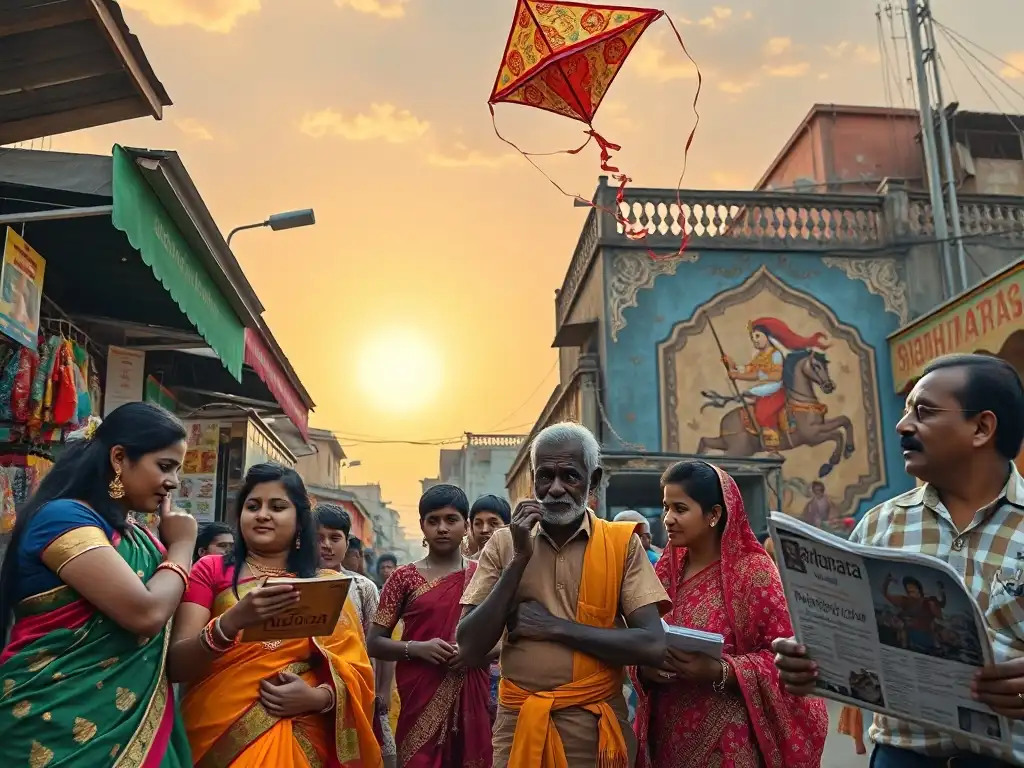
Welcome to Ancient India History, where we embark on a fascinating journey through the rich tapestry of India's past. As you delve into our exploration of the Impact of Mahabharata on Modern India, prepare to uncover how this epic tale continues to shape contemporary society and culture. From its profound ethical dilemmas to its vibrant characters, the Mahabharata offers timeless lessons that resonate even today. Join us as we unravel the threads connecting ancient narratives to modern life, and discover the enduring legacy of one of the world's greatest epics. Your adventure into the depths of history begins here!
Introduction to the Mahabharata
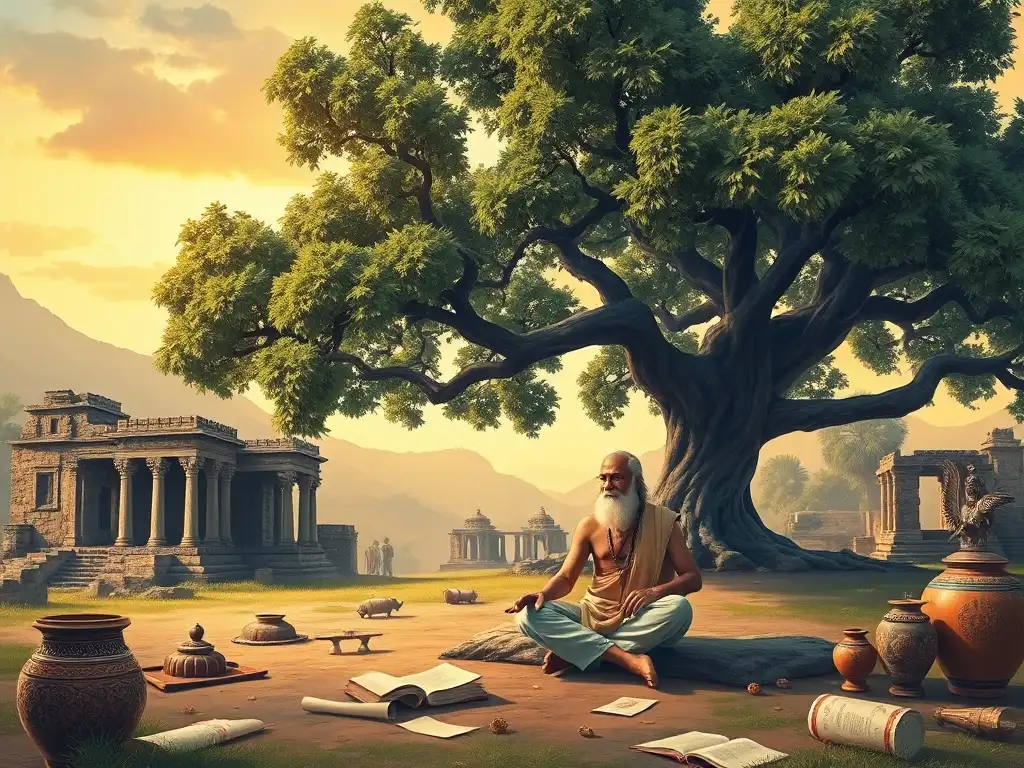
The Mahabharata stands as one of the most significant epics in Indian literature, encompassing a wealth of narratives that delve into the complexities of human nature, ethics, and the timeless struggle between good and evil. Composed over several centuries, the Mahabharata is not merely a story of a dynastic conflict; it also serves as a vital repository of ancient Indian philosophy, spirituality, and cultural practices.
This epic has profoundly influenced Indian society, shaping its values, traditions, and even its political landscape. Today, the impact of the Mahabharata is evident in various aspects of modern Indian life, offering insights into moral dilemmas and societal challenges that resonate even in the contemporary era.
Overview of the Mahabharata as an Epic
The Mahabharata is attributed to the sage Vyasa and is considered the longest epic poem in the world, featuring over 100,000 shlokas (verses). It narrates the story of the Kurukshetra War between the Pandavas and Kauravas, alongside numerous subplots that explore themes of duty (dharma), righteousness, and the nature of reality. Key elements such as the Bhagavad Gita, which is a philosophical dialogue between Prince Arjuna and Lord Krishna, are embedded within this epic. This dialogue addresses profound existential questions, making the Mahabharata a philosophical guide as much as a historical narrative.
Historical Context of the Mahabharata
The origins of the Mahabharata can be traced back to ancient Indian society, where oral traditions were prevalent. Scholars suggest that the epic was likely composed between 400 BCE and 400 CE, reflecting the socio-political dynamics of its time, including the rise and fall of kingdoms, the caste system, and the transition from Vedic to post-Vedic society. This historical backdrop not only enriches the narrative but also provides a lens through which to understand the evolution of Indian culture and governance.
Significance of the Mahabharata in Indian Heritage
The Mahabharata is more than just a literary work; it is a cornerstone of Indian heritage. Its characters embody various virtues and flaws, allowing individuals to find relatable traits within themselves. The epic has inspired countless adaptations in theater, dance, and visual arts, further cementing its place in Indian culture. Festivals, rituals, and community gatherings often reference stories and lessons from the Mahabharata, thereby keeping its teachings alive across generations.
The Impact of Mahabharata on Modern India
The influence of the Mahabharata extends well beyond literature and arts; it permeates modern Indian society in various dimensions, shaping contemporary values, ethical frameworks, and political discourse.
How the Mahabharata Shapes Contemporary Indian Values
Modern Indian values are deeply intertwined with the philosophical teachings of the Mahabharata. Concepts such as justice, duty, and sacrifice resonate strongly in the fabric of contemporary society. For instance, the conflict between personal desires and societal obligations, as depicted through characters like Arjuna, continues to inspire individuals in their personal and professional lives, guiding them to navigate the complexities of modern existence.
Moral and Ethical Lessons from the Mahabharata in Today's Society
The Mahabharata offers a plethora of moral and ethical lessons that remain relevant today. Issues such as corruption, loyalty, and the consequences of war are as pertinent now as they were in ancient times. The dilemmas faced by its characters often serve as case studies for contemporary ethical discussions, encouraging modern audiences to reflect on their own values and choices.
The Role of Mahabharata in Indian Political Discourse
In the political arena, the Mahabharata serves as a reference point for leaders and policymakers. The epic’s narratives provide a framework for discussing governance, justice, and the responsibilities of leadership. Politicians often invoke characters and stories from the Mahabharata to justify their actions or criticize opponents, illustrating how deeply ingrained these narratives are in the psyche of Indian political life.
By understanding the enduring influence of the Mahabharata, we gain insight into how ancient wisdom continues to shape the trajectory of modern India, reinforcing its relevance across time and space.
Cultural Influence of the Mahabharata
The Mahabharata is not just an epic; it is a cornerstone of Indian culture that permeates various aspects of life in modern India. Its themes of duty, ethics, and the complexity of human relationships resonate deeply with contemporary society. The narratives within the Mahabharata have inspired countless works of art, literature, and performance, allowing its lessons and stories to transcend time.
The characters and events of the Mahabharata serve as archetypes that provide moral guidance, often referenced in discussions about family dynamics, governance, and personal conduct. Festivals, rituals, and even social customs in India frequently draw from the rich tapestry of stories and teachings contained within this epic, showcasing its enduring relevance in shaping cultural identity.
Representation of Mahabharata in Indian Art and Literature
Throughout history, the Mahabharata has inspired a multitude of artistic expressions. Traditional Indian art forms, such as paintings, sculptures, and murals, often depict scenes from the epic, highlighting its dramatic narratives and vivid characters. For instance, the famous Pahari and Mysore paintings illustrate pivotal moments like the Bhagavad Gita's teachings and the Kurukshetra war.
In literature, the Mahabharata's themes have been adapted into various genres, including poetry, prose, and modern novels. Contemporary authors often reinterpret characters and scenarios to address current social issues, making the epic accessible to new generations. Notable adaptations include "The Palace of Illusions" by Chitra Banerjee Divakaruni, which offers a feminist perspective on the story of Draupadi, and "The Mahabharata Secret" by Vikram Chandra, which blends the epic with modern thriller elements.
Mahabharata's Influence on Indian Theater and Performance Arts
The Mahabharata's impact on Indian theater is profound, with numerous traditional and contemporary plays inspired by its narratives. Forms such as Kathakali, Yakshagana, and Bharatanatyam frequently feature stories from the Mahabharata, showcasing its characters' emotional depth and moral dilemmas through dance and drama.
Modern Indian theater continues to explore the epic's themes, often presenting innovative interpretations that resonate with contemporary audiences. Notable productions, like the National School of Drama's adaptations, have highlighted the story's relevance in modern socio-political contexts, encouraging discussions around justice, power, and ethics.
The Adaptation of Mahabharata in Modern Cinema and Television
The Mahabharata has been a significant source of inspiration for Indian cinema and television, shaping narratives and character arcs across various genres. Iconic films, such as "Mahabharat" (1989) and "Ghar Ek Mandir" (1984), have explored its themes, while recent adaptations continue to reinterpret the epic for modern audiences.
Television serials, particularly the 1988 adaptation by B.R. Chopra, played a pivotal role in popularizing the Mahabharata, reaching millions of viewers and embedding its stories into the collective consciousness of Indian society. The ongoing interest in the Mahabharata is evident in contemporary series and web adaptations, which often infuse modern storytelling techniques while remaining faithful to the epic's core messages.
Religious and Philosophical Aspects
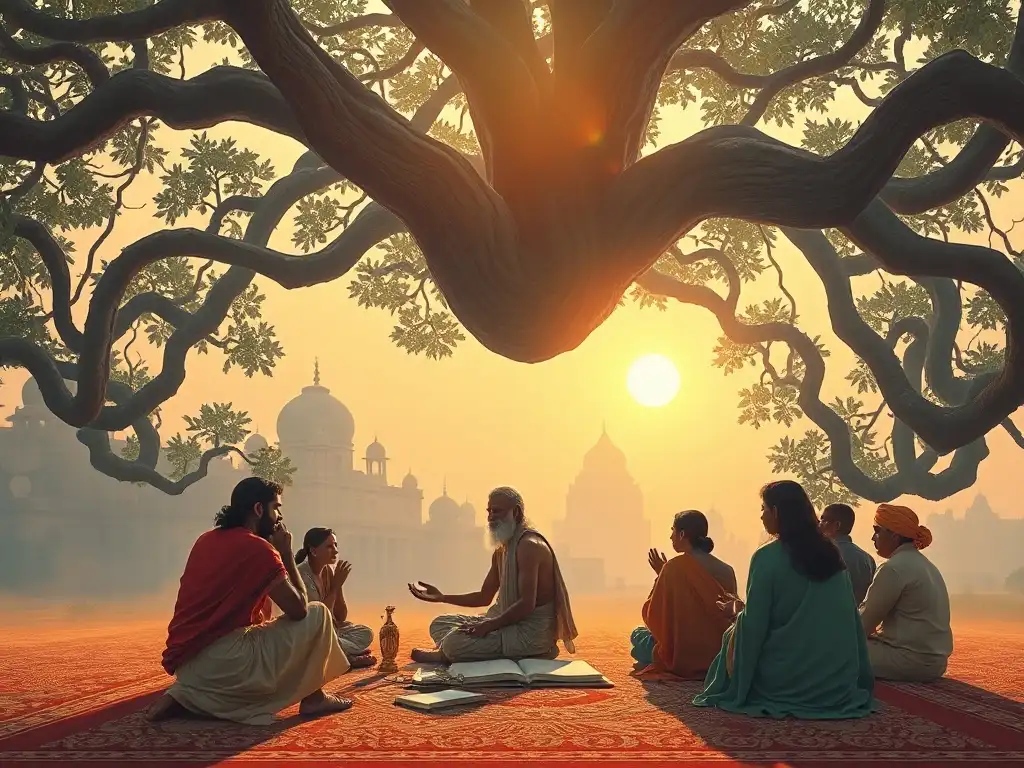
The Mahabharata is rich in religious and philosophical teachings, serving as a vital source of spiritual wisdom for many. Its exploration of ethical dilemmas, human nature, and the divine has made it a reference point for discussions on morality and spirituality in contemporary life.
The Spiritual Teachings of the Mahabharata in Modern Practices
The spiritual teachings of the Mahabharata, particularly those found in the Bhagavad Gita, continue to influence modern spiritual practices in India and beyond. The Gita's teachings on selflessness, devotion, and the pursuit of knowledge resonate with individuals seeking personal growth and inner peace.
Many contemporary spiritual leaders and practices draw upon the Mahabharata's insights, encouraging followers to engage with its teachings through meditation, yoga, and ethical living. This integration of ancient wisdom into modern spirituality fosters a deeper connection to cultural heritage and promotes values that enhance personal development.
The Concept of Dharma in Mahabharata and Its Relevance Today
Dharma, or duty, is a central theme in the Mahabharata, guiding characters through complex moral choices. This concept remains highly relevant in today's society, where individuals grapple with their responsibilities toward family, community, and self.
In contemporary discourse, the idea of dharma encourages ethical decision-making and a sense of accountability. Various organizations and movements advocate for social justice and environmental responsibilities, reflecting the Mahabharata's teachings on the importance of fulfilling one’s duties with integrity and compassion.
Influence of Mahabharata on Indian Philosophical Thought
The Mahabharata has significantly shaped Indian philosophical thought, intertwining with various schools of philosophy, including Vedanta, Mimamsa, and Nyaya. Its exploration of fundamental questions regarding existence, morality, and the nature of reality has inspired philosophers and thinkers throughout history.
The epic's dialogues, particularly between Krishna and Arjuna, offer profound insights into human nature and the pursuit of knowledge, influencing modern philosophical debates and discourses. Today, scholars continue to analyze the Mahabharata's philosophical dimensions, ensuring its teachings on ethics, justice, and the human experience remain a vital part of India's intellectual heritage.
The Mahabharata in Education and Scholarship
The Mahabharata, one of the longest epics in the world, has significantly influenced education and scholarship in contemporary India. Its narratives, ethical dilemmas, and philosophical teachings are incorporated into various educational frameworks, highlighting its relevance beyond mere literary value. The epic serves as a rich resource for discussions on morality, governance, and human relationships, making it an essential component in the curriculum of literature, philosophy, and social studies.
Teaching the Mahabharata in Modern Indian Curricula
In modern Indian curricula, the Mahabharata is not just relegated to the realm of folklore but is treated as a critical text that offers insights into human behavior and societal dynamics. Schools and universities across India include excerpts from the epic in language and literature classes, encouraging students to explore its themes of duty (dharma), justice, and conflict resolution.
Moreover, educators often utilize the Mahabharata to teach critical thinking skills. By analyzing the characters' motivations and the consequences of their actions, students engage in deeper discussions about ethics and morality. The integration of the Mahabharata into various disciplines, including political science and psychology, underscores its multifaceted nature and enduring relevance in contemporary education.
Scholarly Research and Interpretations of the Mahabharata Today
The Mahabharata continues to be a subject of extensive scholarly research, with numerous interpretations emerging from various cultural and academic perspectives. Scholars examine its narratives through lenses such as feminism, post-colonialism, and psychoanalysis, enriching the discourse surrounding the epic's influence on Indian culture and society.
Modern interpretations often emphasize the Mahabharata's complex characters, such as Draupadi and Karna, exploring their roles and struggles within a patriarchal society. This nuanced analysis fosters a deeper understanding of the text's implications on gender roles, social justice, and moral philosophy. Academic conferences and publications dedicated to the Mahabharata highlight its scholarly significance and ensure that the epic remains a living text, continuously relevant to contemporary issues.
The Role of Mahabharata in Promoting Indian Culture Globally
The Mahabharata has transcended geographical boundaries, promoting Indian culture on a global scale. Through translations, adaptations, and performances, the epic has found its way into various cultural contexts, enabling audiences worldwide to engage with its rich narratives.
In recent years, international collaborations in theater and film have brought the Mahabharata to a broader audience, illustrating its universal themes of conflict, love, and righteousness. These adaptations often reinterpret the epic for modern sensibilities, yet they retain the core messages, contributing to a global appreciation of Indian heritage and philosophy. Festivals celebrating Indian culture often feature performances of the Mahabharata, serving as a bridge for cultural exchange and understanding.
Conclusion
Summary of the Mahabharata's Ongoing Influence
The Mahabharata's influence on modern Indian culture and society is multifaceted, impacting education, scholarship, and global cultural exchanges. Its themes resonate with contemporary issues, making it not only a historical text but also a living source of inspiration. The epic's teachings continue to guide moral and ethical frameworks, shaping the values of future generations.
Future of Mahabharata's Impact on Indian Society
Looking ahead, the Mahabharata is poised to maintain its relevance in Indian society as new technologies and media formats emerge. Digital storytelling, interactive platforms, and social media provide opportunities for engaging with the epic in innovative ways, ensuring that its teachings reach younger audiences. The adaptability of the Mahabharata promises that its impact will evolve, continuing to influence societal values and cultural practices.
Final Thoughts on Preserving the Legacy of the Mahabharata
Preserving the legacy of the Mahabharata requires a collective effort to keep its narratives alive in educational frameworks, cultural practices, and scholarly discourse. As society grapples with modern challenges, the wisdom encapsulated in the Mahabharata offers valuable lessons that can guide individuals and communities. Emphasizing its teachings and adaptations will ensure that this monumental epic remains an integral part of India's cultural identity for generations to come.
- Introduction to the Mahabharata
- The Impact of Mahabharata on Modern India
- Cultural Influence of the Mahabharata
- Religious and Philosophical Aspects
- The Mahabharata in Education and Scholarship
- Conclusion
- What is the Mahabharata and its significance in Indian culture?
- How does the Mahabharata impact modern Indian society?
- In what ways has the Mahabharata influenced Indian literature and arts?
- How does the Mahabharata relate to contemporary politics in India?
- What role does the Mahabharata play in education and moral teaching in India?
Frequently Asked Questions
What is the Mahabharata and its significance in Indian culture?
The Mahabharata is an ancient Indian epic that narrates the history of the Kuru dynasty and explores themes of dharma, ethics, and morality. Its influence extends beyond literature, shaping Indian values and societal norms.
How does the Mahabharata impact modern Indian society?
The Mahabharata's teachings on duty, justice, and relationships continue to resonate in modern India, influencing social behaviors and cultural practices. Many principles from the epic are reflected in contemporary ethical discussions.
In what ways has the Mahabharata influenced Indian literature and arts?
The Mahabharata has inspired countless works in literature, theater, and visual arts. Its characters and stories serve as archetypes that are often revisited, showcasing the epic's lasting relevance in creative expressions.
How does the Mahabharata relate to contemporary politics in India?
The themes of power, conflict, and governance in the Mahabharata are often referenced in political discourse today. Politicians and leaders draw parallels between historical events in the epic and current socio-political issues.
What role does the Mahabharata play in education and moral teaching in India?
The Mahabharata is frequently included in school curricula as a means to teach moral values and critical thinking. Its narratives provide valuable lessons on human behavior and the consequences of actions, fostering ethical development in students.
Final Reflection: The Enduring Legacy of the Mahabharata in Modern India
The Mahabharata's influence on Indian culture and society today is profound and multifaceted, shaping our values, ethics, and narratives. As we navigate the complexities of modern life, the epic's timeless lessons resonate with contemporary issues, reminding us that the struggles of dharma (righteousness) and adharma (unrighteousness) are as relevant now as they were thousands of years ago. The Mahabharata is not just a story of war and conflict; it is a mirror reflecting the moral dilemmas we face in our daily lives.
The Mahabharata continues to be a source of inspiration and introspection, influencing everything from literature and art to politics and social justice in India. Its characters, with their strengths and flaws, provide us with archetypes that help us navigate our own journeys. As Mahatma Gandhi once said, The Mahabharata is a great book of life, and it is a guide to the right path.
This statement underscores the epic's role as a moral compass, encouraging us to reflect on our choices and their impact on society.
As we look to the future, let us embrace the lessons of the Mahabharata and apply them to our lives. I invite you to reflect on your own journey and consider how the themes of duty, sacrifice, and justice can guide your actions in today's world. By internalizing these teachings, we can contribute to a more just and compassionate society, ensuring that the legacy of the Mahabharata continues to thrive in the hearts and minds of future generations.
Unveil the Legacy of the Mahabharata Today!
Thank you for joining us on this enlightening journey through the profound influence of the Mahabharata on Indian culture and society. You’ve uncovered how this epic continues to resonate in our modern lives, inspiring values, art, and philosophy. Now, it's time to take that inspiration and make it a meaningful part of your own life!
Here are some actions you can take to deepen your connection with the Mahabharata and share its timeless wisdom:
- Dive into a retelling or adaptation of the Mahabharata to explore its themes in contemporary contexts.
- Engage with your community by starting a book club or discussion group focused on the lessons and insights from the Mahabharata.
- Explore your creative side by creating art or writing inspired by the characters and teachings found within this epic tale.
As you reflect on the Mahabharata's teachings, what lesson or value do you believe is most relevant to today’s society? We invite you to share your thoughts below!