
Ancient Techniques: The Art of Gem Cutting in Early Indian Civilizations

Welcome to Ancient India History, where we embark on a captivating journey through the tapestry of time, exploring the rich and diverse history of ancient Indian civilizations. Today, we delve into the exquisite world of Ancient Indian gem cutting techniques, uncovering how these master artisans shaped not only stunning jewelry but also the cultural legacy of their era. What secrets lie within the intricate facets of these gemstones? Join us as we reveal the artistry and innovation behind this ancient craft, igniting your curiosity and inviting you to explore the fascinating contributions of India’s past.
- Introduction to Ancient Indian Gem Cutting Techniques
- Historical Context of Gem Cutting in Ancient India
- Tools and Materials Used in Ancient Indian Gem Cutting
- Techniques of Gem Cutting in Ancient Indian Civilizations
- Cultural Significance of Gem Cutting Techniques
- Comparisons of Ancient Indian Gem Cutting Techniques with Other Cultures
- Famous Gem Cutters and Workshops in Ancient India
- Modern Applications of Ancient Indian Gem Cutting Techniques
- Conclusion: The Enduring Legacy of Ancient Indian Gem Cutting Techniques
- Recommended Resources for Further Exploration
-
Frequently Asked Questions
- What were the ancient Indian gem cutting techniques known for?
- How did the Indus Valley Civilization contribute to gem cutting?
- What materials were typically used in ancient Indian gem cutting?
- Were there any notable gem cutting centers in ancient India?
- What impact did the Gupta Empire have on gem cutting techniques?
- Final Reflection: The Timeless Craft of Ancient Indian Gem Cutting
- Unveil the Craft of Gem Cutting: Take Your First Step Today!
Introduction to Ancient Indian Gem Cutting Techniques
The art of gem cutting in ancient India is a fascinating subject that intertwines the rich history, culture, and technological advancements of early Indian civilizations. From the intricate designs of the Indus Valley Civilization to the refined techniques employed during the Gupta Empire, the practice of gem cutting not only showcases the artisans' skills but also reflects the significance of gemstones in societal and religious contexts. This article delves into the ancient Indian gem cutting techniques, exploring the methods employed by artisans and the cultural importance of gemstones throughout history.
Overview of Gem Cutting in Early Indian Civilizations
In ancient India, gem cutting was a highly regarded craft that evolved over centuries, influenced by both local traditions and external interactions. The cutting and polishing of gemstones can be traced back to as early as the Indus Valley Civilization (circa 3300-1300 BCE), where evidence of lapidary work has been unearthed at archaeological sites like Mohenjo-Daro and Harappa.
- Techniques and Tools:
- Basic Techniques: Early gem cutters utilized rudimentary tools, including simple abrasives and hand-driven devices, to shape and polish stones. Techniques such as cabochon cutting, where stones were shaped into rounded, polished forms, were prevalent.
- Advanced Methods: With time, more sophisticated methods emerged, including faceting and engraving, which allowed artisans to create intricate designs on gemstones, enhancing their aesthetic appeal.
- Materials Used:
- Types of Gemstones: Early Indian gem cutters worked with a variety of stones, including diamonds, rubies, sapphires, and emeralds. Each gemstone required specific techniques to enhance its natural beauty and brilliance.
- Sources of Gemstones: The availability of gemstones varied by region, with certain areas becoming renowned for specific types of stones, influencing trade and cultural exchanges.
- Cultural Significance:
- Gemstones held not only aesthetic value but also symbolic meanings in ancient Indian culture, often associated with power, status, and spirituality. They were used in jewelry, religious artifacts, and royal insignia, reflecting the craftsmanship and beliefs of the time.
Importance of Gemstones in Ancient Indian Culture
Gemstones played a pivotal role in ancient Indian society, serving various purposes that extended beyond mere adornment. Their significance can be categorized into several key areas:
- Cultural Symbolism:
- Different gemstones were believed to possess unique properties, often linked to astrology and health.
- For instance, diamonds were associated with invincibility, while sapphires were believed to bring wisdom and protection.
- Economic Value:
- The gem trade was a vital part of the ancient Indian economy, connecting local artisans to global trade routes. This trade not only facilitated the exchange of goods but also ideas and techniques from other cultures.
- Religious and Spiritual Significance:
- In Hinduism and Buddhism, gemstones were often used in rituals and as offerings, believed to embody divine energies.
- The use of gemstones in temple architecture and idol embellishments highlights their importance in spiritual practices.
The techniques of gem cutting in ancient India reflect not only advanced craftsmanship but also the integral role of gemstones in cultural, economic, and spiritual dimensions of life. Understanding these ancient practices gives us valuable insight into the rich heritage of Indian civilization and its enduring legacy in the world of jewelry and gemstones.
Historical Context of Gem Cutting in Ancient India
Evolution of Gem Cutting Techniques from the Indus Valley
The origins of gem cutting in ancient India can be traced back to the sophisticated societies of the Indus Valley Civilization (c. 3300–1300 BCE). Archaeological findings from sites like Mohenjo-Daro and Harappa reveal evidence of advanced craftsmanship, including the production of intricate jewelry and decorative items using gemstones.
The artisans of this civilization employed rudimentary techniques, primarily using hard stones such as carnelian, agate, and jasper. They utilized tools made from harder materials to shape and polish the stones. The crafting process involved the following steps:
- Selection: Artisans carefully selected raw gemstones based on color, clarity, and size.
- Shaping: Basic tools, possibly made from flint or metal, were used to chip away at the raw stones, gradually shaping them into desired forms.
- Polishing: A combination of abrasive materials and techniques, such as rubbing the stones against softer surfaces, was employed to achieve a smooth finish.
Evidence suggests that the gem cutting techniques evolved over time, becoming more sophisticated by the time of the Vedic period (c. 1500–500 BCE). During this era, texts such as the Atharva Veda mention gemstones and their significance, indicating a growing appreciation for their beauty and supposed mystical properties.
Influence of Ancient Trade Routes on Gemstone Craftsmanship
The emergence of ancient trade routes significantly impacted the development of gemstone craftsmanship in India. These routes facilitated not only the exchange of goods but also the transfer of knowledge and techniques between different cultures.
- Silk Route: The famed Silk Route connected India with Central Asia and beyond, allowing Indian artisans to encounter diverse gem cutting techniques from regions such as Persia and the Mediterranean. This cultural exchange led to innovations in cutting styles, such as cabochon and faceted cuts, which were previously less common in Indian craftsmanship.
- Maritime Trade: The maritime trade routes, particularly those linking India to Southeast Asia, introduced new gemstones and cutting techniques. Artisans learned to work with a wider variety of stones, including exotic imports like sapphires and rubies from Ceylon (present-day Sri Lanka).
- Cultural Infusion: The integration of foreign styles and techniques resulted in a unique blend of craftsmanship in India. For example, the introduction of the rose cut—a style characterized by a flat base and a faceted, domed top—showcases the influence of Persian jewelers. This technique became widespread in Indian gemstones, particularly during the medieval period.
The historical context of gem cutting in ancient India is marked by a rich tapestry of evolution and influence. The combination of indigenous techniques from the Indus Valley and the adaptation of foreign practices through trade routes laid the groundwork for the intricate gemstone craftsmanship that India is renowned for today. Ancient Indian gem cutting techniques not only reflect artistic prowess but also encapsulate the cultural exchanges that shaped the subcontinent's history.
Tools and Materials Used in Ancient Indian Gem Cutting
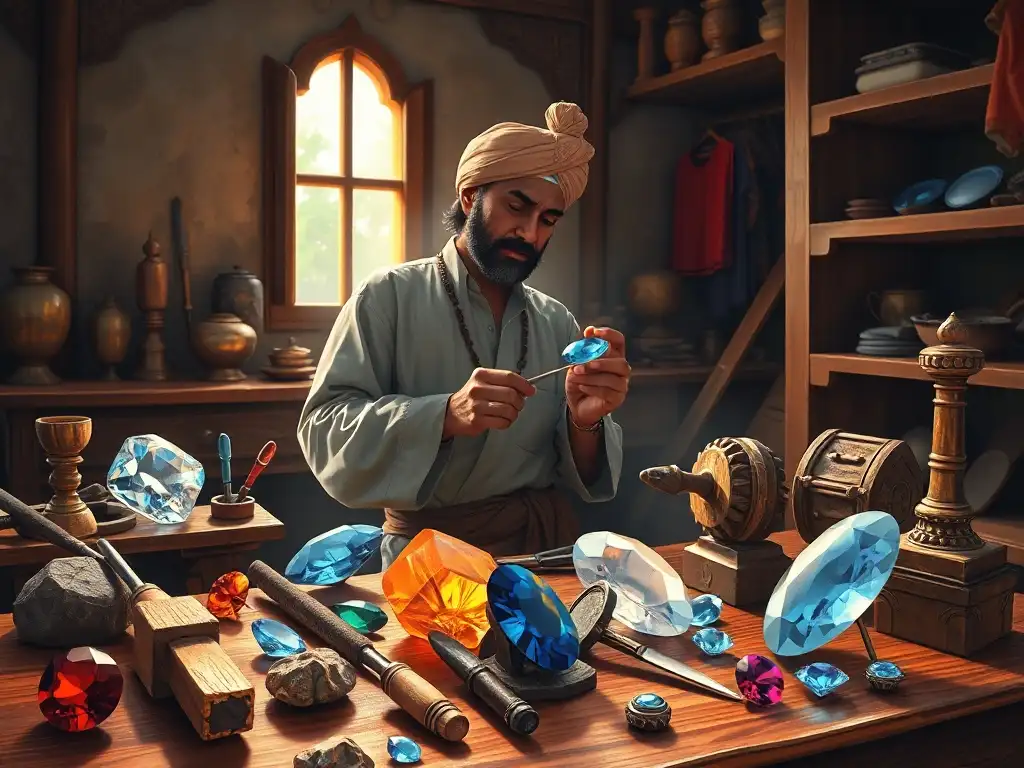
Traditional Tools for Gem Cutting in Ancient India
The art of gem cutting in ancient India was highly sophisticated, relying on a variety of traditional tools that were crafted with precision. The gem cutters, known as manikarnikas, utilized these tools to shape and polish gemstones, creating exquisite jewelry pieces that were sought after by royalty and commoners alike.
Key traditional tools included:
- Chisels and Hammers: These were primarily used for rough shaping of stones. The chisels had pointed or flat ends, allowing craftsmen to carve out specific designs.
- Wheels: Made from hard materials like iron or stone, these were used for grinding and polishing. The wheels would be mounted on a lathe or used manually to refine the shape of the gems.
- Polishing Powders: Ancient gem cutters utilized powdered substances such as diamond dust, emery, and even fine sand for polishing the surfaces of gemstones to achieve a brilliant finish.
- Saws: Simple hand-held saws made from metal or bone were employed to cut larger stones into manageable pieces before the detailed cutting process began.
The use of these tools required a deep understanding of the properties of various gemstones, as each type demanded different techniques and approaches.
Types of Gemstones Commonly Used in Early Indian Gem Cutting
In ancient India, several types of gemstones were prized for their beauty and rarity. The choice of gemstones was not only influenced by their aesthetic appeal but also by their cultural significance and perceived metaphysical properties.
Commonly used gemstones included:
- Diamonds: Valued for their rarity and brilliance, diamonds were expertly cut and polished. Ancient texts like the Arthashastra mention their use in jewelry for royalty.
- Emeralds: Known as Panna, emeralds were believed to bring good fortune and were often set in gold. Their vibrant green color made them a popular choice among the elite.
- Rubies: Revered for their deep red color, rubies symbolized love and passion. Ancient Indian texts described their protective qualities, making them a favorite in amulets.
- Sapphires: Available in various colors, sapphires were associated with wisdom and were often included in royal adornments.
- Pearls: Sourced from the coasts, pearls were highly sought after for their luster and were frequently used in jewelry for both men and women.
The mastery of ancient Indian gem cutting techniques played a crucial role in enhancing the natural beauty of these gemstones, allowing them to shine in various forms of jewelry, from intricate necklaces to ornate crowns. The skills developed during this period laid the foundation for the sophisticated jewelry-making techniques that followed in later Indian civilizations.
Techniques of Gem Cutting in Ancient Indian Civilizations
The history of ancient Indian gem cutting techniques is a testament to the craftsmanship and artistic ingenuity of early Indian civilizations. These techniques enabled artisans to transform rough stones into exquisitely shaped and polished gems that were not only utilized in jewelry but also held cultural and spiritual significance. The evolution of these techniques reflects the broader advancements in technology and artistry that characterized ancient India.
Faceting: The Art of Creating Brilliant Cuts
Faceting is one of the most notable techniques employed in ancient Indian gem cutting. This method involves creating flat surfaces, known as facets, on the surface of gemstones, which enhances their brilliance and light reflection. The ancient Indians mastered this art, particularly with precious stones like diamonds, rubies, and emeralds.
- Historical Evidence: The earliest references to faceting can be traced back to texts like the "Ratna Shastra," a treatise on gemstones dating to around the 6th century CE. This work describes various cutting techniques and their effects on light dispersion.
- Tools Used: Artisans utilized rudimentary tools such as wooden wheels and simple abrasives like emery to achieve the desired facets. The precision required for faceting is indicative of the skill level of these early craftsmen.
- Impact on Trade: The development of faceting techniques significantly impacted trade, as beautifully cut gems became highly sought after in both domestic and international markets. Indian diamonds, in particular, were revered and exported to various parts of the world.
Cabochon Cutting: A Unique Approach to Gemstone Shaping
Cabochon cutting represents another significant technique in the realm of ancient Indian gem cutting. Unlike faceting, cabochon cutting involves shaping a gemstone into a smooth, rounded form without facets, emphasizing the stone's color and natural beauty.
- Characteristics of Cabochon Cuts: This technique often results in a domed top with a flat base, making it ideal for softer stones like opals and turquoise. The absence of facets allows for a more direct display of the stone's inherent qualities.
- Cultural Significance: Cabochons were frequently used in religious artifacts and jewelry, symbolizing wealth and status. They adorned everything from crowns to ceremonial attire, signifying the owner's prestige.
- Techniques Employed: Ancient artisans employed grinding and polishing techniques to achieve a high-gloss finish. The use of natural abrasives, such as quartz and sandstone, was common in this process.
Engraving and Inlay Techniques: Adding Intricate Designs
Engraving and inlay techniques played a crucial role in the artistry of ancient Indian gem cutting. These methods allowed artisans to incorporate detailed designs into gemstones, adding layers of aesthetic appeal.
- Engraving Techniques: Engraving involved carving intricate patterns or motifs directly onto the surface of the gemstone. This was often done using metal tools and required a high degree of precision.
- Inlay Techniques: Inlay work involved setting smaller stones into a larger one, creating contrasting designs and enhancing visual depth. This technique was commonly used in royal jewelry and architecture.
- Cultural Expressions: The designs often held cultural or religious significance, depicting deities, floral patterns, or geometric shapes. This artistry not only showcased the skill of the craftsmen but also conveyed messages and stories through the medium of gemstones.
The ancient Indian gem cutting techniques of faceting, cabochon cutting, engraving, and inlaying were pivotal in shaping the region's rich jewelry heritage. These methods not only reflect the technical prowess of early artisans but also highlight the cultural and economic importance of gemstones in ancient Indian society. The legacy of these techniques continues to influence modern gem cutting practices today.
Cultural Significance of Gem Cutting Techniques
Symbolism of Gemstones in Ancient Indian Society
In ancient Indian society, gemstones held considerable value beyond their aesthetic appeal. They were imbued with deep cultural significance and symbolism that resonated through various aspects of life. Different gemstones were associated with specific attributes, qualities, and even deities, influencing their use in jewelry and ornamentation.
- Wealth and Power: Gemstones such as diamonds and emeralds were not only symbols of wealth but also signified power and status. Rulers and nobles adorned themselves with intricate jewelry made from these precious stones, which were often displayed as a means of asserting authority and prestige.
- Protection and Prosperity: Many gemstones were believed to possess protective qualities. For instance, the ruby was thought to safeguard its wearer from harm while attracting prosperity. This belief made it a popular choice for royal insignias and personal adornments.
- Cultural Identity: Different regions in India had preferences for specific gemstones that were unique to their cultural heritage. For example, the use of turquoise in Rajasthan is a reflection of local customs and traditions, linking gemstones to regional identities.
- Astrological Connections: The ancient practice of astrology played a significant role in the symbolism of gemstones. Each stone was thought to correspond with specific planetary influences, leading individuals to wear certain gemstones to enhance their astrological alignments. This practice fostered a deep connection between gem cutting techniques and the spiritual beliefs of the time.
Gemstones in Religious and Spiritual Practices
Gemstones in ancient India were intricately woven into the religious and spiritual fabric of society. They were not just ornamental but served various ceremonial and ritualistic purposes, reflecting their importance in spiritual practices.
- Sacred Offerings: Gemstones were often used as offerings in temples and religious ceremonies. The act of presenting a beautifully cut gemstone to deities symbolized devotion and reverence. Precious stones like sapphires and pearls were commonly offered to enhance the spiritual atmosphere.
- Talismans and Amulets: Many ancient Indians believed that certain gemstones could ward off evil spirits and bring blessings. Talismans and amulets embedded with specific gemstones were crafted with intricate designs and worn for protection and good fortune. For example, a pendant containing a blue sapphire was believed to bestow wisdom and mental clarity.
- Ritualistic Uses: In various rituals, gemstones played a pivotal role. For instance, during marriage ceremonies, couples exchanged rings set with specific stones that were thought to ensure harmony and balance in their relationship.
- Symbol of Divine Connection: Gemstones were viewed as a means to connect with the divine. The brilliance and unique qualities of each stone were seen as reflections of the divine presence, making them essential in spiritual practices. This connection was often reinforced through the elaborate cutting techniques that enhanced the natural beauty of the gemstones.
The art of gem cutting in ancient Indian civilizations was deeply intertwined with cultural significance, reflecting societal values, beliefs, and practices. The meticulous techniques used to shape these stones were not merely for aesthetic purposes; they served to enhance the spiritual and symbolic importance of gemstones in a richly diverse cultural landscape.
Comparisons of Ancient Indian Gem Cutting Techniques with Other Cultures
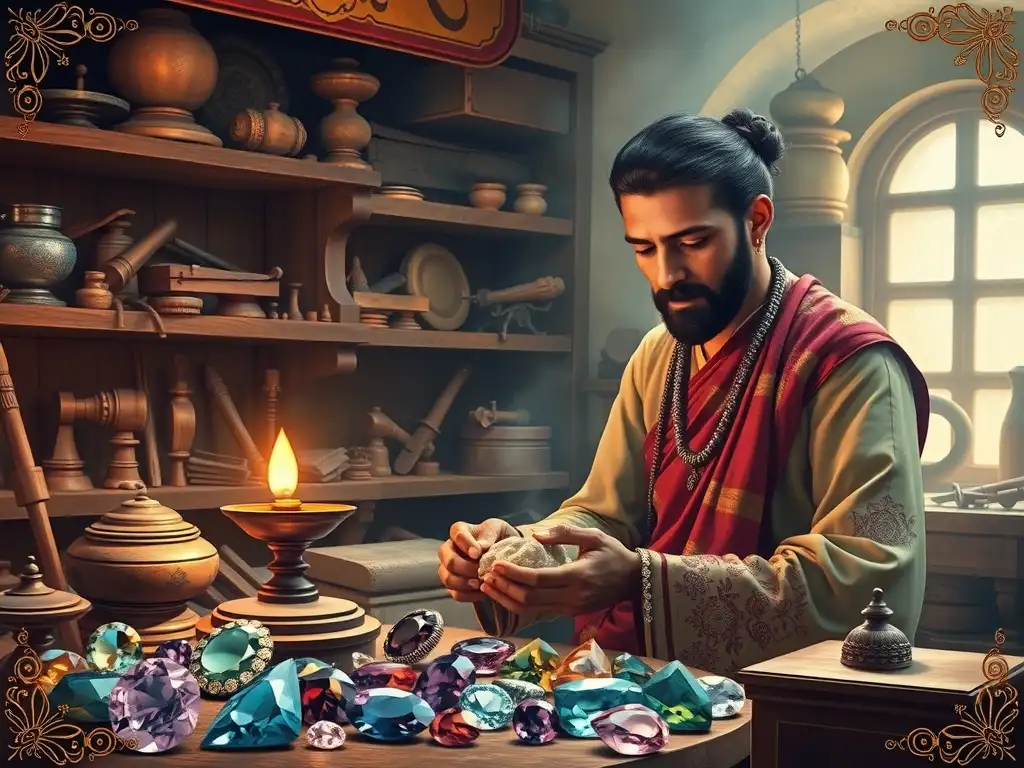
Indian vs. Egyptian Gem Cutting Techniques
The art of gem cutting in ancient civilizations showcases a fascinating exchange of techniques and styles, particularly between Indian and Egyptian cultures. Both civilizations developed their unique methods of crafting gemstones, which reflected their aesthetic values and technological advancements.
- Tools and Techniques:
- Indian Techniques: Ancient Indian gem cutters utilized rudimentary tools such as wooden wheels and abrasives made from harder stones. The cutting process involved shaping the gemstone through a combination of grinding and polishing techniques. These artisans focused on enhancing the natural beauty of the stone, often emphasizing its color and clarity through intricate cuts.
- Egyptian Techniques: In contrast, Egyptian gem cutters employed a more systematic approach with metal tools and advanced techniques, including the use of drills and saws. They often favored cabochon cutting, which involved shaping stones into smooth, rounded forms without facets. This technique enhanced the gemstone’s luster and was commonly used for stones like lapis lazuli and turquoise.
- Gemstone Selection:
- India: Indian artisans exhibited a preference for a wide variety of gemstones, including diamonds, rubies, sapphires, and emeralds. The diversity in choice allowed for elaborate designs and patterns, often reflecting the cultural significance of each stone.
- Egypt: The Egyptians primarily focused on semi-precious stones, which held religious and symbolic meanings. Their use of stones like carnelian and turquoise in jewelry and amulets was often tied to their beliefs and practices related to the afterlife and deities.
- Cultural Significance:
- Indian Context: Gemstones in ancient India were not only decorative but also held astrological significance. Specific stones were associated with planets and were believed to influence the wearer’s fate. This spiritual connection to gems played a crucial role in their cutting and setting.
- Egyptian Context: In Egypt, gemstones were intricately tied to religious beliefs. They believed that certain stones could protect the wearer and provide a connection to the divine. Thus, the craftsmanship often included symbols and motifs that held significant spiritual meaning.
The Similarities and Differences in Gemstone Craftsmanship Across Civilizations
The craftsmanship of gemstones in ancient civilizations reveals both remarkable similarities and distinct differences, reflecting cultural values, technological advancements, and aesthetic preferences.
Similarities
- Artistry and Skill: Both Indian and Egyptian jewelers exhibited exceptional artistry and skill. Their attention to detail and commitment to enhancing the beauty of gemstones is evident in the quality of their work. Both cultures produced jewelry that was not only visually stunning but also held great cultural significance.
- Symbolism: In both cultures, gemstones were imbued with meaning. Whether it was the astrological significance in India or the spiritual symbolism in Egypt, the gemstones transcended mere decoration. They served as talismans or symbols of status, power, and belief.
Differences
- Cultural Influences:
- In India, the techniques were influenced by various dynasties and trade interactions with other cultures, leading to a rich and diverse style of cutting and setting. The techniques evolved significantly through the ages, incorporating influences from Persian, Mughal, and later European styles.
- Egyptian gemstone craftsmanship remained relatively consistent over centuries, heavily influenced by their religious beliefs and artistic conventions. The focus was on ornamental and funerary items, often adhering to traditional styles that emphasized continuity with their cultural heritage.
- Technological Advancements:
- Indian artisans were pioneers in developing innovative cutting techniques, such as the rose cut, which allowed for more light reflection and enhanced brilliance. This innovation set them apart from their contemporaries.
- Egyptian craftsmen, while skilled, tended to rely more on established techniques, prioritizing durability and symbolism over experimental artistry.
The ancient Indian gem cutting techniques, while uniquely developed, share common threads with those of other cultures, particularly in their artistry and symbolic meanings. However, the distinct differences in approach, technology, and cultural significance highlight the rich tapestry of gemstone craftsmanship across civilizations. Understanding these nuances offers valuable insights into the historical context of ancient Indian gem cutting techniques, enriching our appreciation of this timeless art form.
Famous Gem Cutters and Workshops in Ancient India
Notable Gem Cutting Centers in Ancient India
The art of gem cutting in ancient India was not only a reflection of technical skill but also a significant aspect of trade and cultural exchange. Several regions became renowned for their gem cutting workshops, each contributing uniquely to the evolution of ancient Indian gem cutting techniques.
- Varanasi:
- Often referred to as the cultural capital of India, Varanasi was a pivotal center for gem cutting and jewelry making. The city boasted numerous workshops where artisans employed intricate techniques to cut and polish gemstones, particularly lapis lazuli and diamonds.
- Techniques: The craftsmen here utilized primitive tools made of wood and metal, combined with abrasives sourced from local minerals, to achieve precision in cutting.
- Jaipur:
- Known as the "Gem City," Jaipur has been a hub for gemstone trading and cutting since the 16th century. The city became famous for its skilled artisans who mastered the art of cutting rubies, emeralds, and sapphires.
- Techniques: In Jaipur, the "Kundan" technique became prominent, involving the setting of stones in gold without any visible metal. This method highlighted the brilliance of the gems while ensuring durability.
- Surat:
- Surat emerged as an important center during the Mughal era, contributing significantly to the diamond trade. The workshops in Surat were known for their diamond-cutting techniques, which were sought after across continents.
- Techniques: Artisans in Surat utilized innovative faceting methods, leading to the creation of the "rose cut," which enhanced the stone's natural luster and brilliance.
Renowned Gem Cutters and Their Legacy
The legacy of ancient Indian gem cutters is marked by their contribution to both craftsmanship and commerce. Renowned artisans emerged from these workshops, each leaving a lasting imprint on the art of gem cutting.
- Kamal Narayan:
- A legendary gem cutter from Varanasi, Kamal Narayan was known for his exceptional skill in polishing diamonds. His techniques are said to have influenced later generations and are still revered in modern gemology.
- Maharaja Sawai Jai Singh II:
- The ruler of Jaipur, he not only patronized the arts but also had a hand in refining gem cutting techniques. He invited talented artisans from across the region to enhance the craftsmanship in Jaipur, leading to a flourishing industry.
- Vijay Singh:
- A notable figure from Surat, Vijay Singh was instrumental in developing the rose-cut technique. His workshops attracted customers from Europe and the Middle East, making Surat a key player in the global gem trade.
These gem cutters and their workshops played an essential role in establishing India as a significant center for gemstone artistry. Their innovations in ancient Indian gem cutting techniques have left an indelible mark on the history of jewelry and gemstones, influencing styles and methods used in contemporary gemology.
Modern Applications of Ancient Indian Gem Cutting Techniques
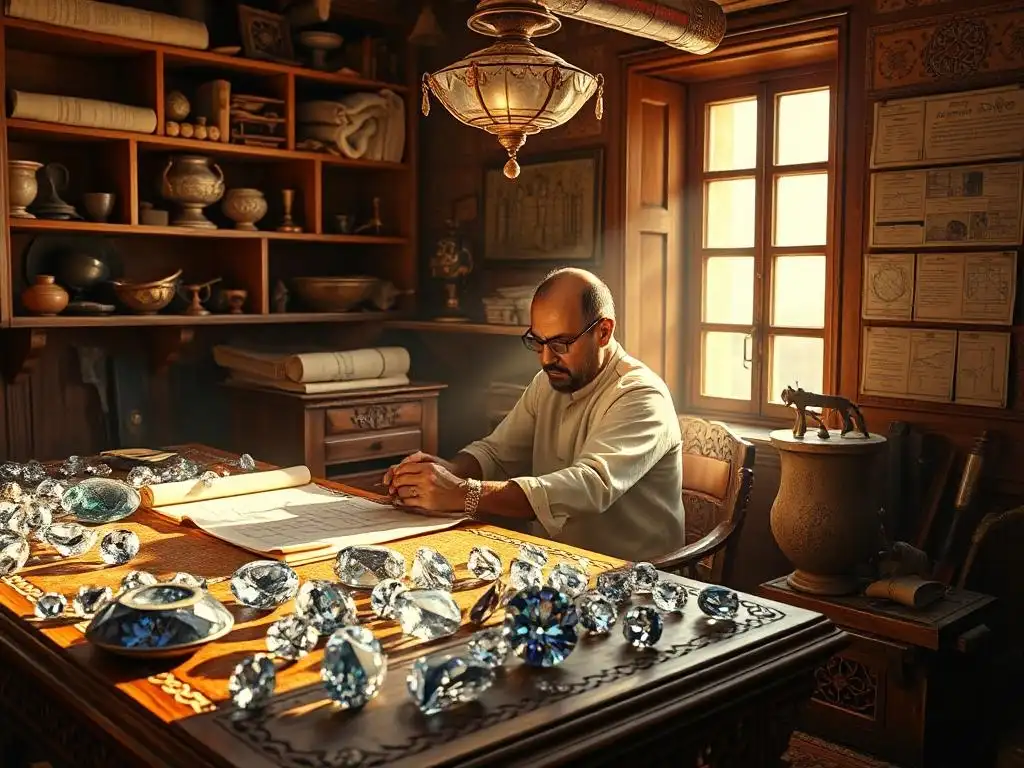
The ancient Indian gem cutting techniques, which date back thousands of years, have not only shaped the jewelry of the past but continue to influence contemporary practices in the gem and jewelry industry. As modern artisans and designers explore these time-honored methods, they bring a unique blend of tradition and innovation to the marketplace, ensuring that the artistry of ancient Indian gem cutting remains relevant today.
Reviving Ancient Techniques in Contemporary Jewelry Design
The revival of ancient Indian gem cutting techniques can be observed in various aspects of contemporary jewelry design. Artisans are increasingly turning to traditional methods such as table cutting, cabochon cutting, and faceting, which were prevalent in early Indian civilizations. These techniques emphasize the inherent beauty of gemstones by enhancing their natural characteristics.
- Table Cutting: This method involves cutting the top flat surface of the gem, allowing light to reflect through the stone, showcasing its color and clarity. This technique is particularly favored for transparent stones like diamonds and topaz.
- Cabochon Cutting: This technique creates a smooth, rounded surface on the gemstone, which is ideal for opaque stones like turquoise and lapis lazuli. The cabochon style is celebrated for its simplicity and elegance, making it a popular choice in modern jewelry.
- Faceting: The intricate process of faceting involves creating multiple flat surfaces on a gemstone to maximize its brilliance. This method, which has roots in ancient Indian practices, is essential for crafting stunning pieces that catch the eye.
Incorporating these techniques into modern designs not only pays homage to India's rich heritage but also enhances the aesthetic appeal of contemporary jewelry. Designers often combine these ancient methods with modern aesthetics, resulting in a fusion that attracts both traditional and modern consumers.
The Role of Ancient Indian Gem Cutting in Today's Market
The influence of ancient Indian gem cutting techniques extends beyond aesthetics; it also plays a significant role in the gemstone market. As consumers increasingly seek authenticity and uniqueness in their jewelry, the demand for pieces crafted using traditional methods has surged.
- Market Trends: The rise of sustainable and ethically sourced jewelry has led to a renewed interest in ancient gem cutting techniques. Many consumers are drawn to the idea of owning a piece of history, and the craftsmanship associated with these techniques adds value to the product.
- Cultural Significance: Ancient Indian gem cutting techniques are not merely artistic; they are deeply embedded in the cultural narrative of the region. Artisans who practice these methods often share stories that connect the pieces to their historical origins, making them more appealing to buyers who value heritage.
- Luxury Segment: High-end jewelry brands are increasingly incorporating ancient techniques into their collections, catering to a niche market that appreciates the craftsmanship and history behind each piece. This trend reflects a broader shift towards personalized luxury, where consumers are willing to invest in unique, handcrafted items that tell a story.
The modern applications of ancient Indian gem cutting techniques highlight the importance of preserving traditional crafts in today's fast-paced market. As artisans revive these methods, they not only keep the legacy of ancient Indian craftsmanship alive but also adapt it to meet contemporary tastes and preferences. The intersection of tradition and modernity continues to shape the landscape of jewelry design, ensuring that the art of gem cutting remains a vibrant and essential aspect of the industry.
Conclusion: The Enduring Legacy of Ancient Indian Gem Cutting Techniques
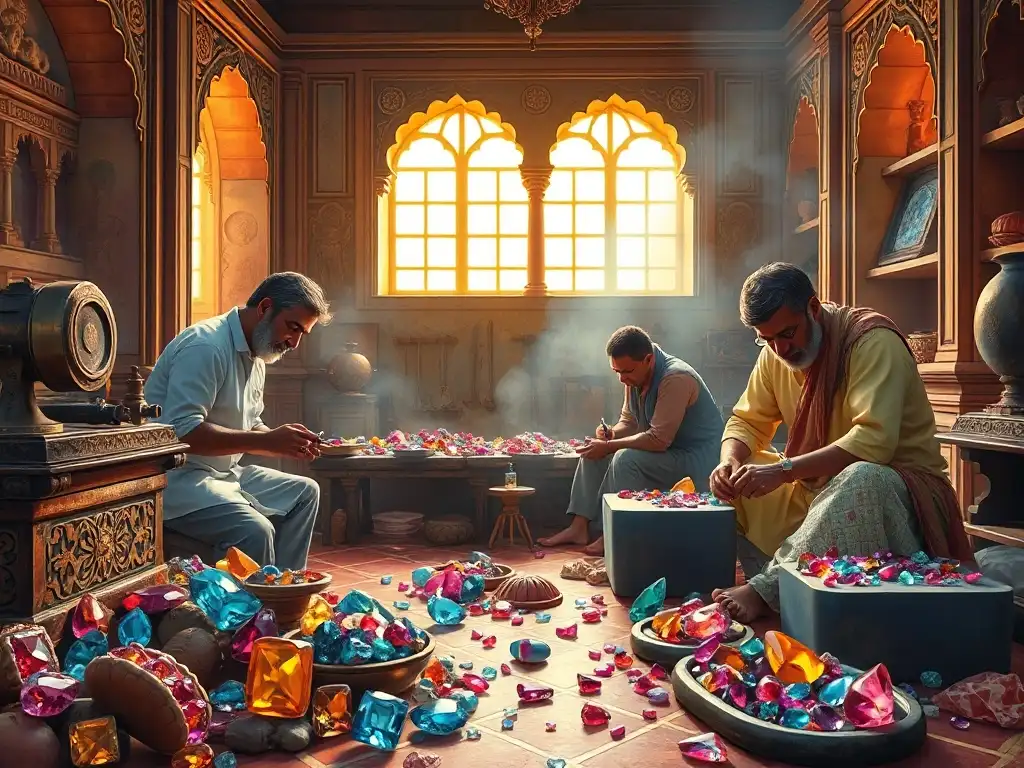
The art of gem cutting in ancient India represents a remarkable intersection of skill, culture, and commerce that has greatly influenced the gemstone industry throughout history. The techniques developed by artisans in civilizations such as the Indus Valley and later during the Gupta Empire laid the groundwork for practices that continue to resonate in modern times.
The Impact on Modern Gemstone Industry and Jewelry
The ancient Indian gem cutting techniques have left a lasting mark on the modern gemstone industry. Many of the methods developed over centuries, including the use of intricate faceting and polishing techniques, are still employed by contemporary gem cutters. For instance, the table cut—a technique that involves creating a flat top with a faceted base—originated from ancient practices and remains a popular choice for various gemstones today.
- Cultural Significance: The influence of ancient Indian techniques extends beyond mere aesthetics. The gemstones cut by ancient artisans often held spiritual significance and were believed to possess healing properties. This cultural reverence for gemstones continues to shape consumer preferences today.
- Innovation in Techniques: Techniques such as cabochon cutting—which produces a smooth, rounded surface—can be traced back to ancient India. This method is favored for softer stones like turquoise and opal, reflecting how ancient practices have adapted to modern tastes while retaining their historical roots.
- Market Trends: The enduring popularity of gemstones cut using ancient techniques is evident in the market. Consumers are increasingly drawn to ethically sourced stones that celebrate traditional craftsmanship, leading to a resurgence of interest in the methods that defined ancient Indian gem cutting.
Future of Ancient Techniques in Gem Cutting
As we look ahead, the future of ancient techniques in gem cutting appears promising. The revival of interest in traditional craftsmanship is driving a new generation of artisans to explore and innovate upon these historical methods.
- Sustainability: There is a growing emphasis on sustainable practices within the gemstone industry. Ancient Indian gem cutting techniques are often aligned with eco-friendly methods, as they typically require fewer resources and less energy compared to modern industrial processes. This sustainability factor enhances the appeal of ancient techniques in contemporary markets.
- Educational Initiatives: Workshops and educational programs focusing on ancient gem cutting techniques are emerging, aimed at preserving this invaluable heritage. By teaching new artisans the intricacies of traditional methods, there is potential for a renewed appreciation and application of these skills.
- Technological Integration: The integration of technology with ancient techniques is also likely to shape the future of gem cutting. Tools that enhance precision while still honoring traditional methods can lead to innovative designs that appeal to both modern sensibilities and historical authenticity.
The ancient Indian gem cutting techniques not only showcase a rich heritage but also hold relevance in the contemporary world. Their impact on modern jewelry and the potential for future adaptations ensure that these practices will continue to thrive. As consumers seek connections to the past through their jewelry, the legacy of ancient Indian artisans remains a beacon of craftsmanship and cultural significance.
Recommended Resources for Further Exploration
Books and Documentaries on Ancient Indian Gem Cutting
To delve deeper into the fascinating world of ancient Indian gem cutting techniques, consider exploring the following books and documentaries. These resources provide valuable insights into the practices, tools, and cultural significance surrounding gem cutting in early Indian civilizations.
- Books:
- "Gemstones of India" by J. S. Sethi
- This comprehensive guide covers the history and significance of various gemstones in India, including detailed sections on ancient cutting techniques.
- "The Art of Gem Cutting" by John Sinkankas
- While this book broadly covers gem cutting techniques, it includes a chapter dedicated to the evolution of gem cutting in ancient cultures, with a focus on India.
- "Indian Jewelry: A History of the Indian Art of Jewelry Making" by R. C. Sharma
- This book provides an in-depth look at the traditional arts of jewelry making and gem cutting in India, emphasizing the historical context and cultural importance.
- "Gemstones of India" by J. S. Sethi
- Documentaries:
- "Gems of India: The Hidden Treasures"
- This documentary explores the rich heritage of Indian gemstones and includes segments on ancient cutting techniques and the artisans who practiced them.
- "Artisans of India: The Legacy of Gem Cutting"
- A visually stunning documentary that highlights the historical techniques of gem cutting, showcasing the craftsmanship passed down through generations.
- "Gems of India: The Hidden Treasures"
These resources will not only enhance your understanding of ancient Indian gem cutting techniques but also provide a broader perspective on the cultural significance of gemstones in Indian history.
Online Courses on Gemstone Cutting Techniques
For those interested in practical applications and hands-on learning about ancient Indian gem cutting techniques, several online courses can be beneficial. These courses often blend historical context with contemporary practices, offering a comprehensive learning experience. Here are some noteworthy options:
- Coursera: "Introduction to Gemology"
- This course offers foundational knowledge about gemstones, including their properties and cutting techniques. While it covers various cultures, it includes modules that touch upon ancient Indian practices.
- Udemy: "Gem Cutting Techniques for Beginners"
- This beginner-friendly course focuses on the basics of gemstone cutting. Although it does not exclusively cover ancient Indian techniques, it provides a solid groundwork for understanding gem cutting, which can be related back to historical practices.
- Skillshare: "The Art of Lapidary: From Rough to Polished"
- This course offers practical skills in lapidary arts, where learners can experience hands-on techniques that may echo ancient practices, fostering a link between the past and present.
- Gemological Institute of America (GIA): "Gems & Jewelry: History and Culture"
- This course examines the historical context of gemstones, including ancient cutting techniques. It provides a scholarly approach to understanding how ancient civilizations, including India, contributed to the art of gem cutting.
By engaging with these online courses, enthusiasts and professionals alike can gain valuable insights into ancient Indian gem cutting techniques, bridging the gap between historical knowledge and modern practices.
Frequently Asked Questions
What were the ancient Indian gem cutting techniques known for?
The ancient Indian gem cutting techniques were renowned for their precision and intricacy, enhancing the natural beauty of gemstones while creating unique designs that reflected cultural significance.
How did the Indus Valley Civilization contribute to gem cutting?
The Indus Valley Civilization utilized advanced tools and methods for cutting and polishing gems, setting the foundation for future techniques and showcasing their artistic skills through exquisite jewelry.
What materials were typically used in ancient Indian gem cutting?
Ancient Indian gem cutting primarily involved diamonds, rubies, emeralds, and sapphires, with artisans employing various techniques to maximize the brilliance and color of these precious stones.
Were there any notable gem cutting centers in ancient India?
Yes, significant gem cutting centers like Jaipur and Delhi emerged, where skilled artisans specialized in creating beautifully crafted gems that were highly sought after both locally and internationally.
What impact did the Gupta Empire have on gem cutting techniques?
During the Gupta Empire, gem cutting techniques advanced significantly, leading to the development of new styles and shapes, which enhanced the artistic expression in jewelry and solidified India's reputation as a gemstone hub.
Final Reflection: The Timeless Craft of Ancient Indian Gem Cutting
The art of gem cutting in ancient Indian civilizations not only showcases the remarkable skills of artisans but also highlights the enduring relevance of these techniques in today's world. As we navigate a modern landscape increasingly driven by technology, the intricate craftsmanship of ancient gem cutters serves as a poignant reminder of the value of tradition and the beauty that can be achieved through patience and dedication. This rich heritage continues to inspire contemporary artisans and jewelers, bridging the gap between past and present.
The influence of ancient Indian gem cutting techniques extends far beyond mere aesthetics; it resonates deeply within our cultural identity and appreciation for craftsmanship. The meticulous methods employed by these early artisans have laid the foundation for modern gemology and jewelry design, emphasizing the importance of skill and artistry. Craftsmanship is the soul of creation; it is the bridge between the artist and the observer.
This quote encapsulates the essence of how ancient techniques continue to shape our understanding of beauty and value in the modern world.
As we reflect on the significance of ancient Indian gem cutting techniques, I invite you to consider how these timeless practices can inspire your own life. Embrace the lessons of patience, precision, and creativity that these artisans exemplified. Whether in your personal projects or professional endeavors, let the spirit of ancient craftsmanship guide you to appreciate the beauty in detail and the stories that each piece of art can tell. Together, we can honor this legacy and ensure that the art of gem cutting continues to shine brightly for generations to come.
Unveil the Craft of Gem Cutting: Take Your First Step Today!
Thank you for diving into the fascinating world of ancient gem cutting techniques in early Indian civilizations! Your curiosity not only enriches your understanding but also connects you to a timeless craft. Now, let’s take this knowledge further and engage with the art of gem cutting.
Here are some ways you can enrich your journey:
- Explore local gem and jewelry workshops to witness traditional cutting techniques in person.
- Join online forums or social media groups dedicated to gemology to share insights and learn from fellow enthusiasts.
- Create a gem-themed project by documenting your findings or experimenting with simple cutting methods at home.
What new gem cutting technique will you experiment with or explore further next? **We'd love to hear your thoughts! **