
The Mahabharata: Exploring the Science of Narration and Story Arc

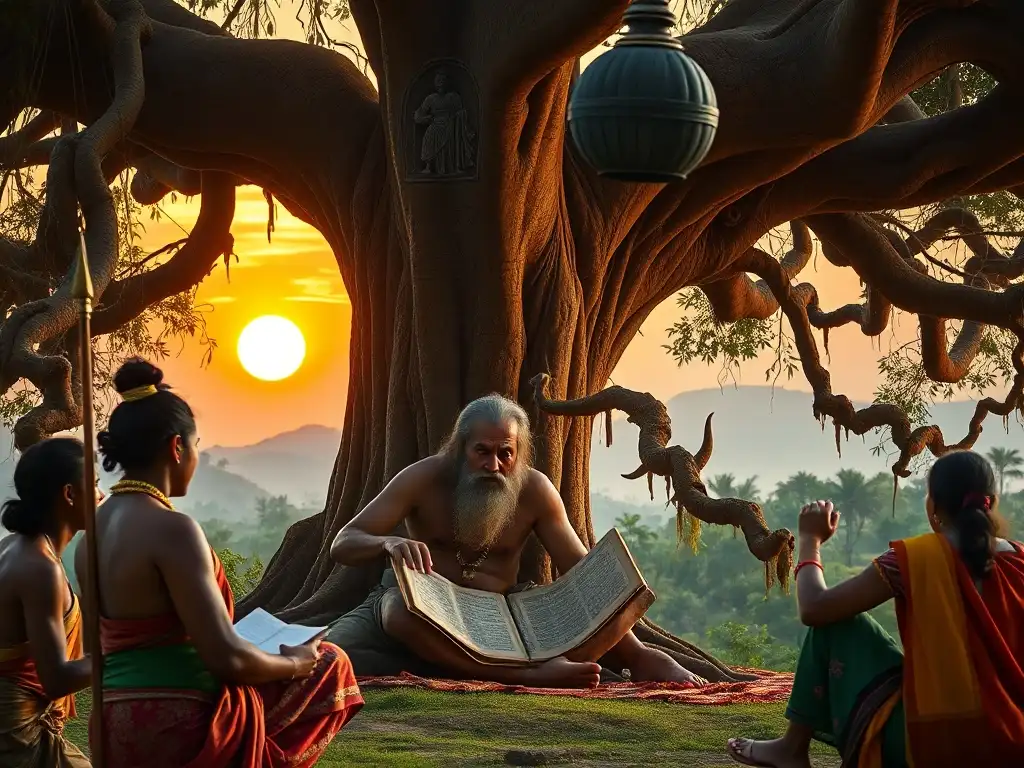
Welcome to Ancient India History, where we invite you to journey through the captivating tapestry of ancient Indian civilizations. Here, you will uncover the profound narratives and cultural richness that shaped an era, from the enigmatic Indus Valley to the illustrious Gupta Empire. In our featured article, "The Mahabharata: Exploring the Science of Narration and Story Arc," we delve into the intricate storytelling techniques that breathe life into one of the world's greatest epics.
Prepare to be intrigued as we unravel the layers of this timeless narrative and its impact on literature and culture. Join us in exploring the depths of Mahabharata and discover how its storytelling mastery continues to resonate through the ages.
- Introduction to the Mahabharata and Its Significance in Epic Literature
- Understanding the Mahabharata Narrative Storytelling Techniques
- The Structure of the Mahabharata: Analyzing the Story Arc
- Techniques of Storytelling in the Mahabharata
- Cultural and Historical Context of the Mahabharata's Storytelling
- Comparative Analysis of Mahabharata Narrative Techniques
- Conclusion: The Enduring Influence of Mahabharata Narrative Techniques
- Further Reading and Resources on the Mahabharata
- Frequently Asked Questions
- Final Reflection: The Enduring Legacy of Mahabharata Narrative Storytelling Techniques
- Unveil the Secrets of Storytelling Today!
Introduction to the Mahabharata and Its Significance in Epic Literature
The Mahabharata, one of the greatest epics of ancient India, stands as a monumental testament to the richness of Indian literature and cultural heritage. Composed over centuries and attributed to the sage Vyasa, this epic not only narrates the tale of the Kurukshetra war between the Pandavas and Kauravas but also encapsulates moral dilemmas, philosophical discussions, and the complexities of human nature.
It serves as an insightful reflection of the socio-political landscape of its time, making it a crucial subject of study for historians, literary scholars, and enthusiasts alike. In this article, we will delve into the intricate narrative storytelling techniques employed in the Mahabharata, exploring how its structure enhances the story arc and contributes significantly to its enduring impact in the realm of epic literature.
Overview of the Mahabharata
The Mahabharata is not merely a story of conflict; it is a rich tapestry woven with diverse characters, intricate plots, and profound teachings. Spanning over 100,000 verses, it is one of the longest epics in the world. The narrative is divided into 18 books, known as parvas, which encompass various subplots, including the illustrious Bhagavad Gita, a philosophical dialogue that addresses the moral dilemmas faced by Arjuna on the battlefield.
Throughout its vast narrative, the Mahabharata incorporates a multitude of genres, such as mythology, drama, and philosophy, reflecting the multifaceted nature of human experience. The epic's characters, from the virtuous Yudhishthira to the vengeful Duryodhana, are richly developed, allowing readers to connect with their motivations and struggles. This depth of characterization is vital in understanding how the Mahabharata employs narrative storytelling techniques to convey themes of duty (dharma), righteousness, and the consequences of war.
Importance of Narrative Storytelling Techniques in Ancient Texts
Narrative storytelling techniques are essential in shaping the reader's experience and interpretation of ancient texts like the Mahabharata. These techniques not only enhance the plot but also serve to engage the audience on a deeper level. Here are some key storytelling techniques found in the Mahabharata:
- Frame Narratives: The use of multiple layers of storytelling allows for a rich exploration of themes and perspectives. For example, the epic often shifts between the main story and various sub-stories, providing a comprehensive view of the characters' motivations and the moral complexities they face.
- Character Arcs: The development of characters throughout the epic illustrates their growth and transformation. The journey of characters like Draupadi and Arjuna showcases how personal struggles intersect with larger societal issues, making the narrative relatable and impactful.
- Symbolism and Allegory: The Mahabharata is replete with symbols and allegorical elements that convey deeper meanings. For instance, the chariot symbolizes the human body, while the battlefield represents the moral dilemmas of life, allowing readers to engage with the text on multiple levels.
- Dialogue and Monologue: The dialogues, especially in the Bhagavad Gita, are pivotal for conveying philosophical ideas and ethical questions. The conversations between Krishna and Arjuna not only drive the narrative but also serve as a medium for profound discourse on duty and righteousness.
By examining these techniques, we can appreciate how the Mahabharata transcends mere storytelling to become a profound exploration of life, ethics, and the human condition. Understanding these narrative techniques is crucial for anyone interested in the art of storytelling, especially within the context of epic literature.
Understanding the Mahabharata Narrative Storytelling Techniques
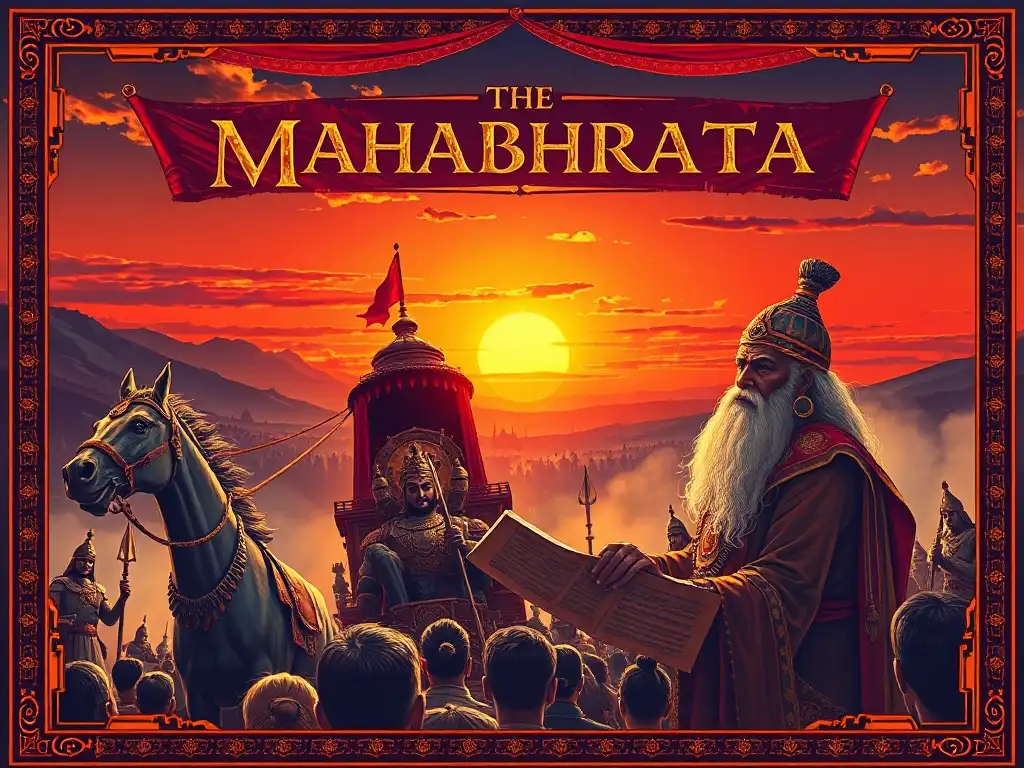
Definition and Features of Narrative Storytelling
Narrative storytelling refers to the structured method of conveying a story, which involves a sequence of events, character development, and thematic exploration. In the context of the Mahabharata, this epic employs a range of narrative techniques that enhance its storytelling potency.
Key features of narrative storytelling found in the Mahabharata include:
- Multiple Perspectives: The Mahabharata weaves together various viewpoints, allowing readers to gain a comprehensive understanding of the events. Each character's perspective adds depth to the narrative, enriching the overall tale.
- Complex Plot Structure: The epic is characterized by its intricate plot, which includes subplots and diversions that contribute to the main storyline. This complexity mirrors real-life experiences, making the narrative relatable and engaging.
- Flashbacks and Foreshadowing: The use of flashbacks provides context to current events, while foreshadowing hints at future occurrences, creating suspense and intrigue. These techniques keep readers invested in the unfolding drama.
- Dialogue and Monologues: The Mahabharata features extensive dialogue between characters, as well as soliloquies that reveal inner thoughts and conflicts. This aids in character development and allows for a deeper emotional connection with the audience.
These storytelling techniques come together to create an epic that is not only a tale of conflict and resolution but also a profound exploration of human nature and morality.
The Role of Characters in the Mahabharata
Characters in the Mahabharata play a pivotal role in driving the narrative forward. Their complexities and conflicts serve as focal points for the themes of duty, righteousness, and the consequences of choices.
- Protagonists and Antagonists: The epic features well-defined protagonists, such as the Pandavas, and antagonists like the Kauravas, who embody the conflict at the heart of the story. Their struggles and moral dilemmas engage the reader and illustrate the tension between dharma (duty/righteousness) and adharma (unrighteousness).
- Multidimensional Characters: Characters such as Arjuna and Krishna are crafted with profound depth, displaying a range of emotions and motivations. For instance, Arjuna's internal conflict on the battlefield exemplifies the struggle between personal ethics and societal obligations, a central theme of the Mahabharata.
- Supporting Characters: Figures like Draupadi and Bhishma add layers to the narrative. Draupadi's strength and resilience in the face of adversity highlight the role of women in ancient society, while Bhishma’s unwavering commitment to his vows raises questions about loyalty and sacrifice.
- Character Arcs: The evolution of characters throughout the epic reflects the transformative power of experiences. For example, Yudhishthira's journey from a righteous prince to a king burdened by guilt illustrates the complexities of leadership and morality.
Through these character dynamics, the Mahabharata not only tells a story but also invites readers to reflect on the moral implications of the characters' choices.
Symbolism and Themes in the Mahabharata Narrative
The Mahabharata is rich in symbolism and thematic content, which serve to enhance its narrative storytelling techniques. These elements provide layers of meaning that resonate with readers across generations.
- Symbolism: Various symbols in the epic convey deeper meanings. For instance, the game of dice represents fate and the unpredictability of life. Similarly, the river Ganga symbolizes purity and the eternal cycle of life and death, reflecting the spiritual undertones present throughout the narrative.
- Themes: Key themes explored in the Mahabharata include:
- Dharma vs. Adharma: The struggle between righteousness and unrighteousness is a central theme, with characters often faced with difficult moral decisions.
- The Nature of Power: Power dynamics are intricately explored, showcasing how ambition and desire can lead to downfall.
- The Consequences of War: The epic does not shy away from depicting the brutal realities of war, emphasizing its devastating effects on individuals and society.
- Interconnectedness of Themes: The Mahabharata intricately weaves these themes into the fabric of its narrative, ensuring that each character's journey contributes to a broader understanding of human existence and ethical dilemmas.
By employing rich symbolism and addressing profound themes, the Mahabharata elevates narrative storytelling to an art form, inviting readers to engage with its timeless wisdom and insights.
The Structure of the Mahabharata: Analyzing the Story Arc
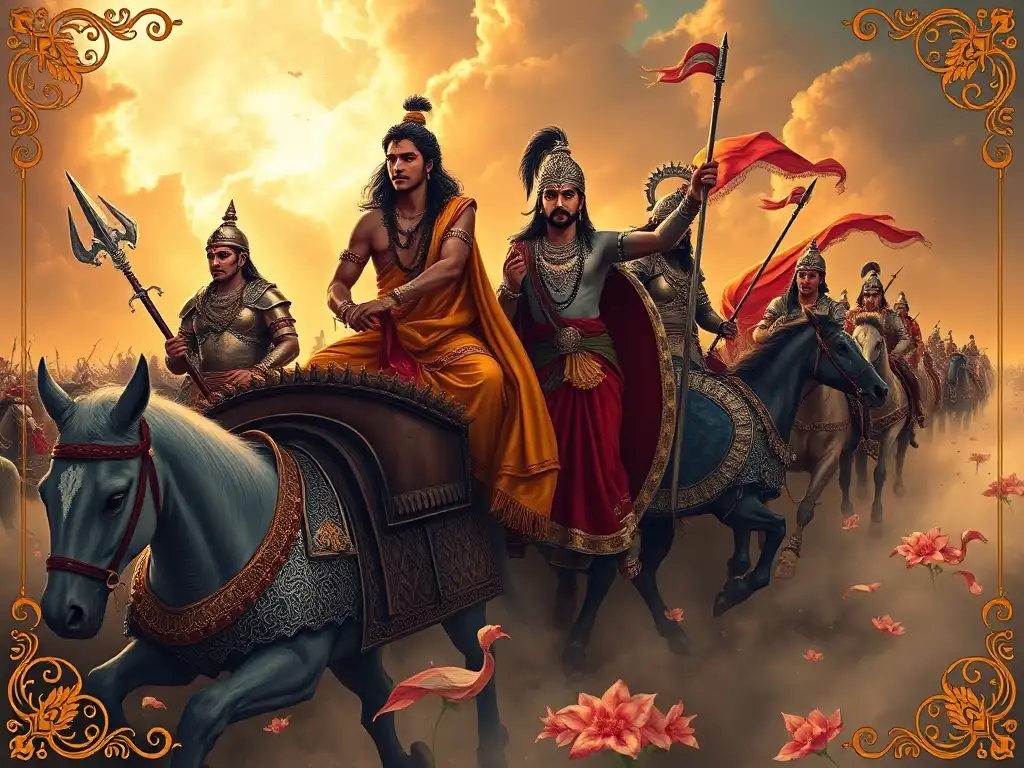
Overview of the Story Arc in Epic Narratives
The Mahabharata is not just a story; it’s a complex tapestry woven with intricate narratives, moral dilemmas, and philosophical discourses. At its core, the Mahabharata follows a traditional epic structure that can be segmented into distinct phases: exposition, rising action, climax, falling action, and resolution. This structure allows for a profound exploration of themes such as dharma (duty/righteousness), fate, and the human condition.
In the context of Mahabharata narrative storytelling techniques, the story arc effectively mirrors the emotional and psychological journeys of its characters, providing a deep engagement for the audience. The narrative employs various methods, such as:
- Flashbacks: Offering insights into characters' backgrounds and motivations.
- Character Development: Evolving characters like Arjuna and Krishna, whose arcs are central to the narrative.
- Subplots: Weaving secondary stories that enrich the main narrative, such as the tales of the Pandavas' and Kauravas' childhood.
These techniques not only advance the plot but also deepen the philosophical inquiries presented throughout the epic.
The Exposition: Setting the Stage for the Mahabharata
The exposition of the Mahabharata is crucial, as it establishes the groundwork for the ensuing narrative. It begins with the origins of the Bharata dynasty, tracing back to King Shantanu and his marriage to Ganga, followed by his union with Satyavati. From this union, two significant lines emerge: the Kauravas and the Pandavas.
Key elements of the exposition include:
- Character Introductions: Key figures are introduced, such as Bhishma, the wise grandfather, and Vidura, the sage. Their roles set the moral compass of the narrative.
- Establishment of Themes: Concepts of justice, morality, and the complexities of familial relationships are introduced. The dharma of the characters is hinted at, laying the groundwork for their future decisions.
- Geographical and Cultural Context: The setting of Hastinapura and the description of ancient Indian society provide a rich background, allowing readers to understand the socio-political dynamics that play a crucial role in the events that unfold.
This detailed exposition ensures that readers are not only acquainted with the characters but also understand the stakes involved in the impending conflict.
Rising Action: Key Events Leading to the Conflict
The rising action in the Mahabharata is marked by a series of escalating events that build tension and lead to the climactic battle of Kurukshetra. This section of the narrative is critical as it intricately develops the characters’ relationships and motives, setting the stage for the ultimate conflict.
Key events during the rising action include:
- The Game of Dice: A pivotal moment where Yudhishthira, the eldest Pandava, loses his kingdom and brothers in a game of chance, orchestrated by the Kauravas. This event highlights themes of fate and manipulation.
- Exile of the Pandavas: Following the dice game, the Pandavas are forced into exile for thirteen years. This period is crucial for character development as they encounter various trials, deepening their resolve and understanding of dharma.
- The Role of Krishna: Krishna emerges as a central figure, guiding the Pandavas and imparting profound wisdom. His teachings on righteousness and duty become crucial as the narrative progresses.
The rising action emphasizes the moral dilemmas faced by the characters and the choices they make, which ultimately lead to the inevitable confrontation. These storytelling techniques ensure that the audience remains engaged and invested in the characters' journeys, making the Mahabharata a timeless epic that resonates across generations.
Climax: The Turning Point of the Mahabharata
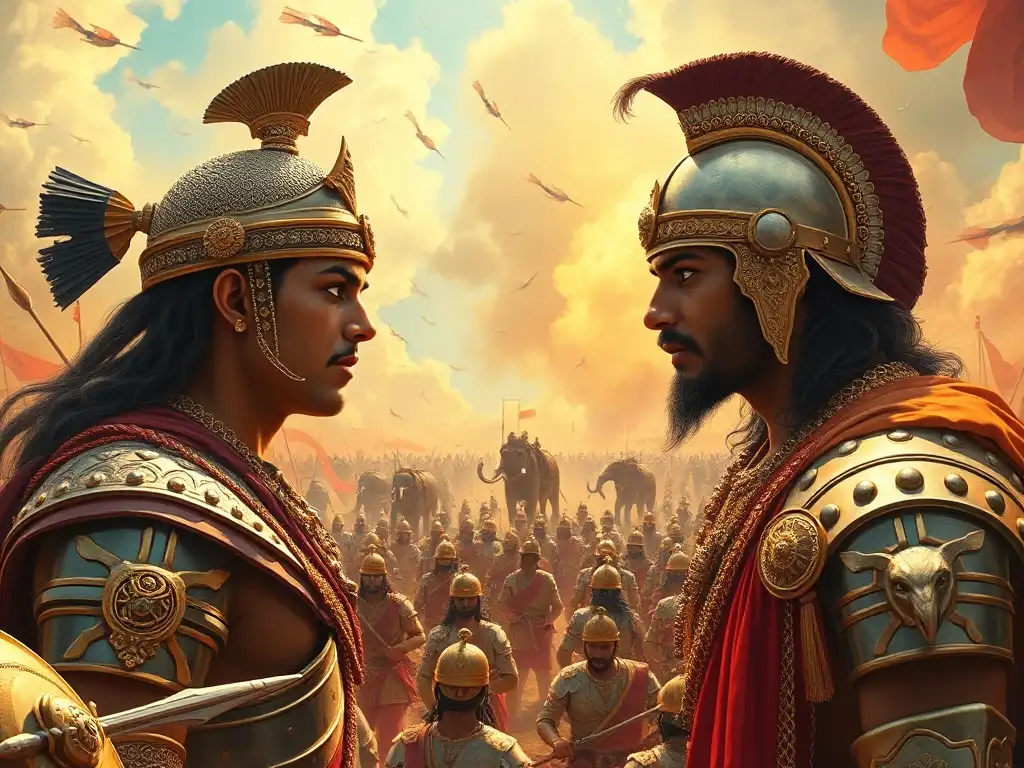
The climax of the Mahabharata is a pivotal moment that determines the fate of its characters and the course of the epic narrative. This turning point is most notably marked by the great Kurukshetra War, a catastrophic conflict between the Pandavas and Kauravas that unfolds over eighteen days. It is here that the moral dilemmas and complex relationships among the characters reach their zenith, forcing them to confront their values, loyalties, and the consequences of their actions.
During the climax, the Bhagavad Gita emerges as a crucial philosophical dialogue between Prince Arjuna and Lord Krishna, who serves as his charioteer. Arjuna's initial reluctance to fight against his own relatives and mentors highlights the intense emotional and ethical conflict at the heart of the narrative. Krishna's teachings on duty (dharma), righteousness, and the nature of life and death serve as a profound commentary on the human experience, elevating the narrative beyond a mere tale of war.
The culmination of the battle scenes is not just a spectacle of valor and strategy; it is also a reflection of the internal struggles faced by each character. The deaths of key figures, such as Bhishma and Drona, illustrate the tragic consequences of the war, intertwining personal grief with the larger themes of fate and destiny. In essence, the climax of the Mahabharata encapsulates the profound complexity of human nature, making it a timeless exploration of moral ambiguity and existential questioning.
Falling Action: Consequences and Resolutions
Following the climax, the falling action of the Mahabharata delves into the aftermath of the Kurukshetra War, which brings about significant consequences for both the victors and the vanquished. The devastation wrought by the conflict leads to a profound sense of loss and reflection among the surviving characters. The Pandavas, though victorious, are burdened with the weight of their actions, as they are forced to come to terms with the enormity of their deeds and the steep price of their triumph.
One of the key events during this phase is the coronation of Yudhishthira as the king of Hastinapura. His ascension is marked by a sense of ambiguity, as he grapples with the moral implications of ruling a kingdom that has been ravaged by war. This moment serves as a critical resolution for the narrative, as Yudhishthira embodies the ideals of dharma, yet he must navigate the complexities of leadership and governance in a shattered world.
Moreover, the falling action explores themes of forgiveness, redemption, and the restoration of social order. The characters seek to rebuild their lives and relationships, addressing the wounds inflicted by the war. The stories of the surviving characters, such as Draupadi and Karna, are woven into this resolution, illustrating the enduring impact of the conflict on personal identities and familial bonds.
Conclusion: The Enduring Legacy of the Mahabharata
The Mahabharata stands as a monumental work of epic literature, not only for its intricate narrative structure but also for its profound exploration of themes that resonate across time and cultures. Its legacy is multifaceted, influencing various aspects of Indian art, philosophy, and spirituality. The narrative storytelling techniques employed in the Mahabharata—such as the use of flashbacks, multiple viewpoints, and the juxtaposition of personal and cosmic struggles—have set a benchmark for storytelling that transcends its historical context.
Furthermore, the Mahabharata's insights into human nature, ethical dilemmas, and the quest for meaning continue to inspire countless adaptations in literature, theater, and cinema. The epic encourages readers to reflect on their own lives, challenging them to confront their beliefs and moral choices. As a timeless narrative, it invites exploration of the complexities of love, duty, and sacrifice, making it relevant even in contemporary discourse.
In essence, the Mahabharata is more than just a story; it is a rich tapestry of human experience, woven with threads of history, philosophy, and moral inquiry. Its enduring legacy lies in its ability to provoke thought, evoke emotion, and inspire generations to engage with the profound questions of existence. Through its narrative storytelling techniques, the Mahabharata remains a cornerstone of epic literature, inviting exploration and reverence for ages to come.
Techniques of Storytelling in the Mahabharata
The Mahabharata is not only a monumental epic but also a masterclass in narrative storytelling techniques. The complexity of its characters, intricate subplots, and rich symbolism are all woven together through various storytelling devices that enhance the depth and resonance of the narrative. Below, we explore some of the key techniques employed in this epic, which contribute significantly to its enduring legacy.
Use of Dialogue and Monologue in Character Development
One of the most effective storytelling techniques in the Mahabharata is the use of dialogue and monologue to develop characters. Through conversations, the motivations, emotions, and internal conflicts of characters are vividly brought to life.
- Dialogue as a Tool for Conflict: The exchanges between characters often serve to highlight ideological differences and personal rivalries. For example, the conversations between Arjuna and Krishna reveal not only Arjuna’s hesitations about fighting in the war but also Krishna's philosophical teachings, which are central to the text.
- Monologue for Inner Reflection: Characters often engage in soliloquies that delve into their thoughts and feelings. These monologues provide insight into their motivations and ethical dilemmas. For instance, Yudhishthira's reflections on dharma (duty) during critical moments showcase his moral struggles, allowing readers to connect with his character on a deeper level.
The interplay of dialogue and monologue not only advances the plot but also enriches character arcs, creating a nuanced portrayal of human experience amid the epic's grand themes.
Flashbacks and Foreshadowing: Creating Intrigue
The Mahabharata employs flashbacks and foreshadowing to build intrigue and deepen the narrative. These techniques create a layered storytelling experience that keeps the audience engaged.
- Flashbacks: By revisiting past events, the epic provides context that enhances the current storyline. For instance, the backstory of the Kuru dynasty, including the rivalry between the Pandavas and Kauravas, is revealed through strategic flashbacks. This technique not only informs the audience about the characters' histories but also heightens the emotional stakes of the unfolding drama.
- Foreshadowing: The use of foreshadowing plants seeds of anticipation and tension throughout the narrative. Early omens and prophecies hint at the tragic outcomes of certain decisions, such as the fateful dice game that leads to the Pandavas' exile. This technique keeps readers on edge, as they are aware of the potential consequences of characters’ actions.
Together, these techniques cultivate a rich tapestry of storytelling that invites readers to reflect on the interconnectedness of past, present, and future within the epic.
The Role of Narrators in the Mahabharata
Narration in the Mahabharata is multifaceted, with multiple narrators contributing to the storytelling process. This diversity of perspective adds depth to the narrative and engages the reader in unique ways.
- Multiple Perspectives: The epic employs different narrators, including characters within the story and omniscient narrators. This allows for varied interpretations of events and characters, enriching the narrative's complexity. For instance, the views of Bhishma, a key figure in the epic, provide insight into the moral dilemmas faced by warriors, while the omniscient narrator offers a broader context of the unfolding events.
- Thematic Narration: The narrators often emphasize central themes such as duty (dharma), justice, and fate. This thematic focus helps guide the reader's understanding of the moral implications of the characters' choices. The narrative voice shifts to underscore different themes at various points in the epic, keeping the audience engaged and reflective.
The role of narrators in the Mahabharata exemplifies how storytelling can be employed to convey profound philosophical ideas while maintaining a captivating narrative flow.
Through these storytelling techniques, the Mahabharata not only tells the story of the Kurukshetra War but also explores the complexities of human nature and morality, making it a timeless epic that continues to resonate with readers today.
Interweaving Subplots: Enhancing the Main Narrative
The Mahabharata is renowned not only for its epic scope but also for its intricate narrative structure, particularly its use of interweaving subplots. These subplots serve as crucial elements that enrich the main storyline, providing depth to characters and themes while maintaining engagement for the audience.
One of the most notable aspects of the Mahabharata's storytelling technique is its ability to incorporate multiple narratives within the main framework. For example, the tales of characters such as Bhishma, Drona, and Karna are masterfully woven into the central conflict between the Pandavas and Kauravas. Each subplot reveals personal struggles, moral dilemmas, and epic quests that parallel the overarching battle, thereby enhancing the emotional and thematic complexity of the main narrative.
Character Development through Subplots
Interweaving subplots also plays a significant role in character development. The backstories and motivations of secondary characters are revealed through these narratives, allowing readers to understand their actions and decisions more deeply. For instance, Karna's loyalty to Duryodhana and his hidden lineage are explored through various subplots, making his eventual fate even more poignant. This layered storytelling technique not only enriches the character arcs but also invites readers to empathize with them, regardless of their positions in the main story.
Thematic Resonance
Moreover, subplots in the Mahabharata often reinforce the central themes of the epic, such as dharma (duty/righteousness), karma (action and consequence), and the complexity of human relationships. The intertwining of these smaller narratives allows for a multifaceted exploration of these themes. For example, the story of Shakuni, who seeks revenge for his family's downfall, serves as a counterpoint to the Pandavas' quest for righteousness. Such thematic interconnections not only enhance the narrative depth but also encourage the audience to reflect on the moral implications of the characters' choices.
Narrative Techniques
The Mahabharata employs various narrative techniques to skillfully interlace these subplots, including flashbacks, foreshadowing, and parallel storytelling. These techniques keep the audience engaged, as they are constantly discovering how seemingly unrelated stories converge and impact one another. The effect is a rich tapestry of narratives that captivates readers while imparting profound lessons about life, duty, and the human condition.
The interweaving of subplots in the Mahabharata not only enhances the main narrative but also transforms it into a complex web of stories that reflects the intricacies of human experience. This storytelling technique exemplifies how narratives can be layered and multifaceted, ultimately contributing to the epic's enduring legacy in the world of literature.
Cultural and Historical Context of the Mahabharata's Storytelling
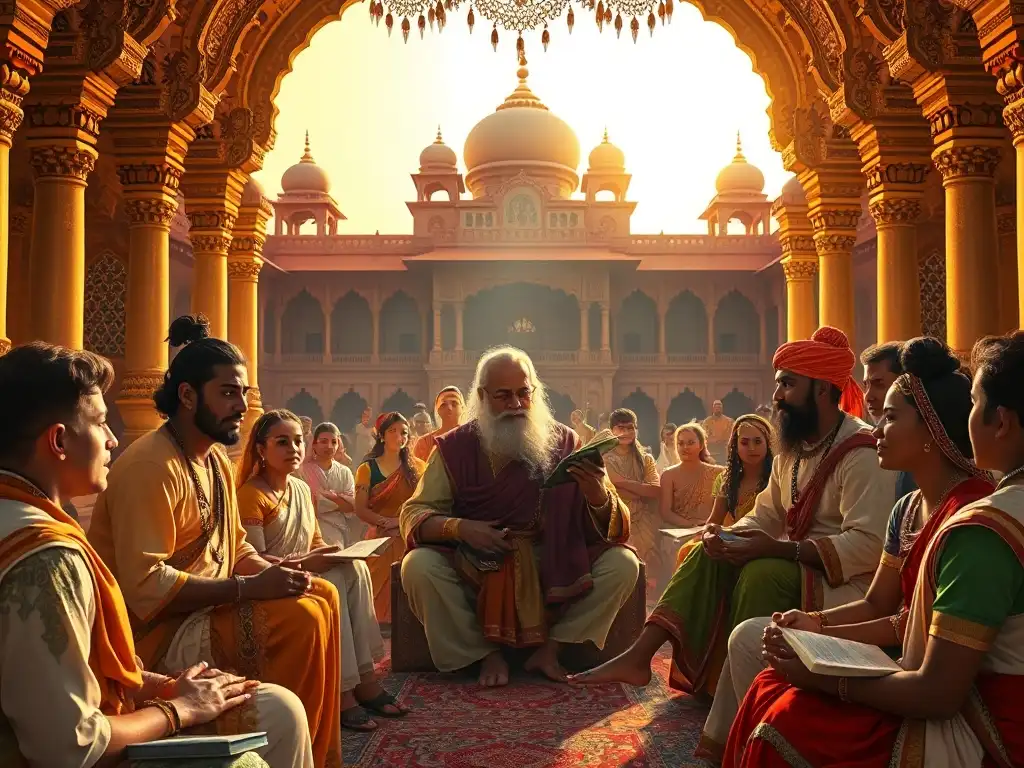
The Mahabharata, one of the longest epic poems in world literature, is not only a cornerstone of Indian cultural heritage but also a profound exploration of narrative storytelling techniques. Understanding the cultural and historical context in which this epic was composed is essential to appreciate its storytelling methods and their impact on Indian society.
Influence of Ancient Indian Culture on the Narrative
The Mahabharata is deeply embedded in the cultural fabric of ancient India, showcasing a myriad of influences that shaped its narrative. The epic reflects the philosophical and spiritual ethos of the time, particularly the concepts of dharma (righteousness), karma (action and consequence), and moksha (liberation from the cycle of rebirth).
- Dharma and its Complexity: The narrative intricately weaves the notion of dharma into the lives of its characters, presenting moral dilemmas that resonate with the audience. Characters like Arjuna grapple with their duties as warriors while facing the emotional weight of familial ties, emphasizing the nuanced understanding of righteousness in complex situations.
- Cultural Practices and Rituals: The storytelling also incorporates a variety of cultural practices, rituals, and societal norms prevalent in ancient India. For instance, elaborate descriptions of rites, ceremonies, and the significance of pilgrimage routes enrich the narrative, making it a cultural repository.
- Symbolism and Allegory: The use of symbolism is prominent in the Mahabharata, with characters and events acting as allegories for larger philosophical ideas. The Kurukshetra War, for example, symbolizes the eternal struggle between good and evil, reflecting the societal concerns of the time.
The Mahabharata as a Reflection of Societal Values
The Mahabharata serves as a mirror to the societal values of ancient India, portraying the complexities of human relationships and the moral dilemmas faced by individuals.
- Family Dynamics: The epic's focus on familial relationships, loyalty, and betrayal illustrates the importance of kinship in ancient Indian society. The conflict between the Pandavas and Kauravas highlights issues of inheritance and the rights of individuals within a family structure.
- Role of Women: The narratives surrounding female characters like Draupadi and Kunti showcase the varied roles women played in society. Draupadi's humiliation and her subsequent quest for justice reflect the societal attitudes towards women and their agency.
- Philosophical Discourses: Interspersed within the epic are philosophical discourses, such as the Bhagavad Gita, which articulate the moral and ethical dilemmas faced by individuals. These teachings not only reflect societal values but also offer timeless wisdom applicable across generations.
Transmission of Oral Tradition: Impact on Storytelling Techniques
The Mahabharata's narrative has been shaped significantly by its roots in oral tradition, influencing the storytelling techniques employed throughout the epic.
- Oral Storytelling Techniques: Initially transmitted orally, the Mahabharata utilized various techniques such as repetition, rhythm, and mnemonic devices to aid memory and engagement. These techniques ensured that the epic could be recited accurately over generations, maintaining its narrative integrity.
- Dramatic Elements: The oral tradition also contributed to the incorporation of dramatic elements, such as dialogues and monologues, which enhanced the emotional resonance of the story. Characters often engage in philosophical debates, inviting the audience to reflect on deeper meanings.
- Adaptations and Variations: As the Mahabharata was passed down through generations, it underwent various adaptations, leading to regional variations. Each adaptation reflects local culture and societal values, showcasing the dynamic nature of storytelling and its continual evolution.
The Mahabharata not only embodies the rich tapestry of ancient Indian culture and values but also exemplifies sophisticated narrative storytelling techniques that have left a lasting impact on literature and society. Understanding these contexts enhances our appreciation of the epic's narrative artistry and its enduring relevance in contemporary discourse.
Comparative Analysis of Mahabharata Narrative Techniques
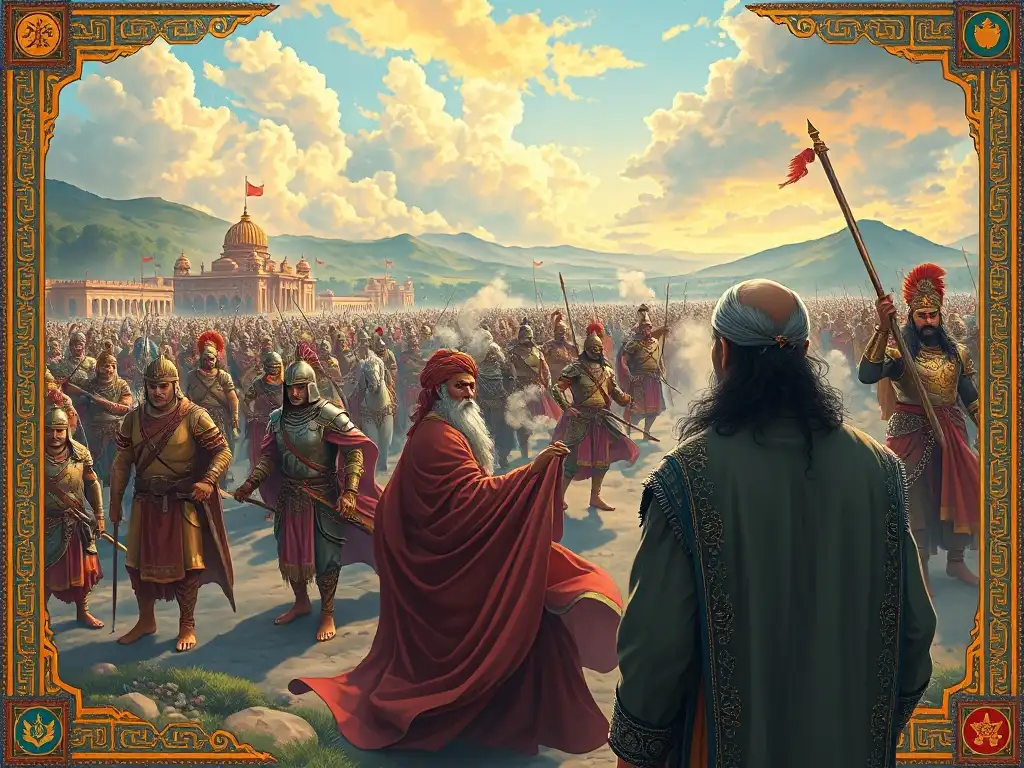
The Mahabharata stands as a monumental work in the realm of epic literature, renowned not only for its intricate plot but also for its sophisticated narrative techniques. When we examine the storytelling methods employed in the Mahabharata, it becomes evident that they offer a unique lens through which to explore human nature, morality, and the complexities of dharma (duty/righteousness).
Comparison with Other Epic Literature: Ramayana, Iliad, and Odyssey
When comparing the narrative storytelling techniques of the Mahabharata with those found in other great epics such as the Ramayana, Iliad, and Odyssey, several key differences and similarities emerge.
- Structure and Complexity:
- The Mahabharata is notably more expansive than both the Iliad and the Odyssey, with its vast array of characters and subplots.
- In contrast, the Ramayana tends to focus on a more linear narrative centered around the hero, Rama, and his quest to rescue his wife, Sita.
- The Iliad, while also complex, revolves primarily around a single narrative arc—the wrath of Achilles—allowing for a more straightforward exploration of themes.
- Narrative Voice:
- The Mahabharata employs a multifaceted narrative voice, often shifting perspectives among various characters. This technique allows for a more nuanced understanding of the motivations and moral dilemmas faced by each character.
- The Odyssey similarly uses multiple perspectives, particularly through the character of Odysseus, but maintains a more consistent focus on his journey.
- In the Ramayana, the narrative voice is less variable, primarily aligning with Rama's heroic journey and moral righteousness.
- Themes and Moral Questions:
- The Mahabharata delves deeply into the complexities of dharma, presenting characters who embody conflicting moral choices. This thematic depth is often explored through dialogues and internal monologues, reflecting the philosophical underpinnings of the text.
- The Iliad focuses more on themes of honor, glory, and the repercussions of rage, while the Ramayana emphasizes duty, devotion, and righteousness.
- The Odyssey explores themes of homecoming, loyalty, and the human condition, yet with less emphasis on moral ambiguity compared to the Mahabharata.
Unique Aspects of Mahabharata Narrative Storytelling Techniques
The Mahabharata is distinguished by several unique storytelling techniques that enhance its narrative depth and complexity:
- Framing Stories: The epic employs a technique of nested narratives, where stories within stories provide context and background. This method enriches the main narrative and allows for the exploration of various themes from multiple angles.
- Characterization: Each character in the Mahabharata is multi-dimensional, with strengths, flaws, and evolving arcs. The detailed portrayal of characters such as Arjuna, Krishna, and Draupadi allows readers to engage with their moral struggles on a deeper level.
- Dialogue-Driven Narration: Much of the Mahabharata unfolds through dialogues and philosophical discourses, particularly between Krishna and Arjuna in the Bhagavad Gita. This technique not only propels the narrative but also invites readers to ponder the philosophical implications of the characters' choices.
- Symbolism and Allegory: The epic is rich in symbolic elements that reflect larger truths about life, ethics, and the universe. For instance, the Kurukshetra War serves as a metaphor for the inner battles faced by individuals in their pursuit of righteousness.
- Temporal Fluidity: The narrative shifts across time and space, allowing for flashbacks and foreshadowing. This fluidity enhances the epic's depth, revealing how past events shape present actions.
The Mahabharata employs a distinctive combination of narrative techniques that not only set it apart from other epic literature but also create a rich tapestry of storytelling that resonates across cultures and generations. The complexity and depth of its narrative techniques invite readers to engage with profound philosophical questions, making it a timeless work of art.
Conclusion: The Enduring Influence of Mahabharata Narrative Techniques
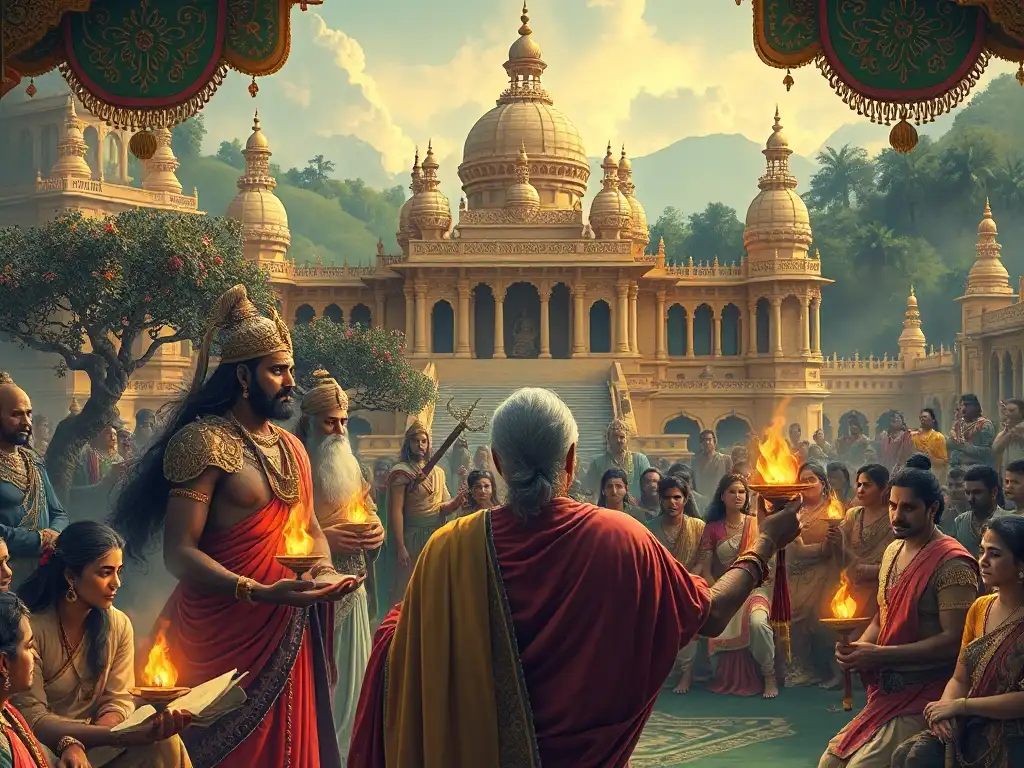
The Mahabharata represents one of the most intricate and profound works of literature in human history, and its narrative techniques have left an indelible mark on storytelling. By weaving together complex character arcs, moral dilemmas, and philosophical inquiries, the epic serves as a blueprint for narrative storytelling that resonates through the ages. Its influence extends beyond the confines of ancient texts, shaping modern literature, film, and other forms of storytelling.
Summary of Key Insights on Story Arc and Techniques
The Mahabharata employs various storytelling techniques that contribute to its rich narrative structure:
- Non-linear Narrative: The epic often utilizes a non-linear storytelling approach, allowing for flashbacks and foreshadowing that enrich the reader's understanding of characters and events. This technique helps to create suspense and deepen emotional engagement.
- Multiple Perspectives: The inclusion of diverse viewpoints from numerous characters provides a multifaceted understanding of events. Readers see the same incident from different angles, which emphasizes the complexity of human experience and moral ambiguity.
- Character Development: Characters in the Mahabharata are not merely archetypes; they undergo significant transformations, facing dilemmas that challenge their morals and ethics. This depth of character development enhances the emotional weight of the narrative.
- Philosophical Underpinnings: The narrative is interspersed with philosophical discussions, particularly in the Bhagavad Gita, which invites readers to reflect on fundamental questions of duty, righteousness, and the nature of reality. This philosophical layer adds depth to the storytelling.
- Symbolism and Allegory: The Mahabharata is rich in symbolism, with various characters and events serving as allegories for broader themes such as good versus evil, the nature of power, and the complexities of dharma (righteousness). This allows for multiple interpretations and enriches the narrative.
The combination of these techniques creates a tapestry of storytelling that captivates audiences, inviting them to explore deeper meanings and moral questions.
The Mahabharata's Impact on Modern Storytelling and Literature
The narrative storytelling techniques of the Mahabharata have profoundly influenced modern literature and various forms of media. Its intricate structure and themes can be seen echoed in contemporary novels, films, and television series.
- Influence on Literature: Many writers draw inspiration from the Mahabharata's character-driven plots and moral complexities. Works such as "The Palace of Illusions" by Chitra Banerjee Divakaruni reinvent the epic from a female perspective, showcasing its adaptability and relevance.
- Cinematic Interpretations: The Mahabharata has been adapted into numerous films and television series, each highlighting different aspects of its storytelling. These adaptations often employ modern cinematic techniques while remaining faithful to the epic's core themes, thus reaching new audiences.
- Cultural Impact: The themes of conflict, duty, and moral ambiguity in the Mahabharata resonate within global narratives, influencing storytelling across cultures. Its ability to address universal human experiences makes it a timeless reference point for storytellers.
The Mahabharata's narrative storytelling techniques not only define the epic itself but also continue to inspire and shape the art of storytelling in modern contexts. Its legacy endures as a testament to the power of narrative to convey complex truths about the human experience.
Further Reading and Resources on the Mahabharata
Recommended Texts and Commentaries
For those interested in delving deeper into the Mahabharata narrative storytelling techniques, a selection of texts and commentaries can provide invaluable insights. Here are some essential readings:
-
The Mahabharata by C. Rajagopalachari
A condensed retelling of the epic, this version captures the essence of the original while making it accessible to modern readers. Rajagopalachari’s storytelling style highlights key narrative techniques and character arcs.
-
Mahabharata: An Inquiry in the Human Condition by A. K. Ramanujan
This scholarly work offers a nuanced interpretation of the Mahabharata, focusing on its philosophical underpinnings and the complexities of its characters. Ramanujan's analysis sheds light on the narrative structure and its implications on human behavior.
-
The Mahabharata: A Modern Rendering by Ramesh Menon
Menon’s retelling is celebrated for its poetic language and narrative flow. It emphasizes the intricate storytelling methods employed in the epic, making it a great resource for understanding the art of narration.
-
The Mahabharata: A Literary Study by Meenakshi Mukherjee
This academic study explores the literary attributes of the Mahabharata, including its storytelling techniques. Mukherjee examines how the narrative evolves and adapts across different retellings.
-
Mahabharata and the Politics of Knowledge by R. S. Sharma
This text delves into the historical context of the Mahabharata, analyzing how the narrative reflects the socio-political realities of ancient India. It provides a backdrop for understanding the narrative strategies employed.
Online Resources for Deeper Exploration of Epic Literature
The digital age has made a wealth of resources available for those wishing to explore the Mahabharata further. Here are some recommended online platforms:
-
The Digital South Asia Library
An extensive repository of primary sources, including translations and commentaries on the Mahabharata. It provides a comprehensive view of the epic’s historical context and interpretations.
-
Sanskrit Documents
A dedicated site for Sanskrit literature, offering texts of the Mahabharata in its original language, along with translations. This resource is essential for those looking to study the epic’s linguistic and narrative intricacies.
-
MIT OpenCourseWare: The Mahabharata
This online course provides lectures and reading materials focused on the Mahabharata, allowing for a structured exploration of its themes, narrative techniques, and cultural significance.
-
YouTube: Epic Literature Channels
Several educational channels offer lectures and discussions about the Mahabharata, breaking down its storytelling techniques and character development through engaging visuals and scholarly commentary.
-
Academic Journals
Journals like the Journal of Indian Literature and Epic Studies often feature articles that explore various aspects of the Mahabharata, including its narrative techniques and cultural impact. Accessing these articles can deepen your understanding of the epic's storytelling methods.
By engaging with these recommended texts and online resources, readers can enhance their comprehension of the Mahabharata narrative storytelling techniques, enriching their appreciation of this epic’s profound impact on literature and culture.
Frequently Asked Questions
What is the Mahabharata?
The Mahabharata is an ancient Indian epic that narrates the story of the Kurukshetra War and the fates of the Kaurava and Pandava princes, showcasing moral dilemmas and philosophical teachings.
How does the Mahabharata use narrative storytelling techniques?
The Mahabharata employs various narrative techniques such as frame stories, flashbacks, and multiple perspectives to enhance the storytelling experience and provide deeper insights into characters and events.
What makes the storytelling in the Mahabharata unique?
The storytelling techniques in the Mahabharata are unique due to their complex structure, intertwining various subplots and rich character development, which allows for a multifaceted exploration of themes like duty, righteousness, and justice.
Can you explain the significance of the Mahabharata in ancient Indian culture?
The Mahabharata is significant in ancient Indian culture as it not only serves as a literary masterpiece but also reflects the values, beliefs, and social norms of the time, influencing art, philosophy, and religion throughout history.
How has the Mahabharata influenced modern storytelling?
The Mahabharata's narrative storytelling techniques have significantly influenced modern storytelling by introducing themes of conflict, morality, and human complexity, inspiring numerous adaptations in literature, film, and theater globally.
Final Reflection: The Enduring Legacy of Mahabharata Narrative Storytelling Techniques
The Mahabharata's intricate narrative storytelling techniques remain profoundly relevant today, as they not only shape our understanding of epic tales but also influence modern storytelling across various mediums. In a world inundated with content, the ability to weave complex characters and moral dilemmas into a cohesive narrative is more crucial than ever. The Mahabharata serves as a timeless blueprint, illustrating how stories can transcend generations, cultures, and even the boundaries of time itself.
Cultural narratives are the threads that connect us to our past and guide our future. The Mahabharata's multifaceted characters and their moral struggles continue to resonate with audiences, prompting reflection on our own lives and choices. As noted by renowned scholar R. K. Narayan, The Mahabharata is not just a story; it is a mirror reflecting the human condition.
This observation underscores the ongoing influence of the Mahabharata, as its themes of duty, righteousness, and the complexity of human emotions remain relevant in our contemporary society.
As you reflect on the lessons embedded within the Mahabharata's narrative storytelling techniques, consider how you can apply these insights to your own life and creative endeavors. Embrace the power of storytelling to explore your own truths and connect with others on a deeper level. Whether through writing, art, or conversation, let the rich tapestry of the Mahabharata inspire you to craft narratives that resonate with authenticity and depth, fostering understanding and empathy in an ever-evolving world.
Unveil the Secrets of Storytelling Today!
Thank you for diving into the rich tapestry of the Mahabharata and its masterful narration techniques. We hope you discovered valuable insights that ignite your creative storytelling journey. Now, let’s elevate your newfound knowledge to the next level!
- Start crafting your own story arc! Utilize the narrative techniques you learned from the Mahabharata to outline a unique story that captivates your audience.
- Join our community! Share your story drafts and receive feedback from fellow enthusiasts by signing up on our forum at ancientindiahistory.com.
- Explore more! Delve into other epic tales and their storytelling methods to broaden your understanding — check out our related articles or suggest topics you’d love to see covered!
Which technique from the Mahabharata resonates most with your storytelling style? We’d love to hear your thoughts!