
The Role of Myth and Legend in Shaping Ancient Indian Performances

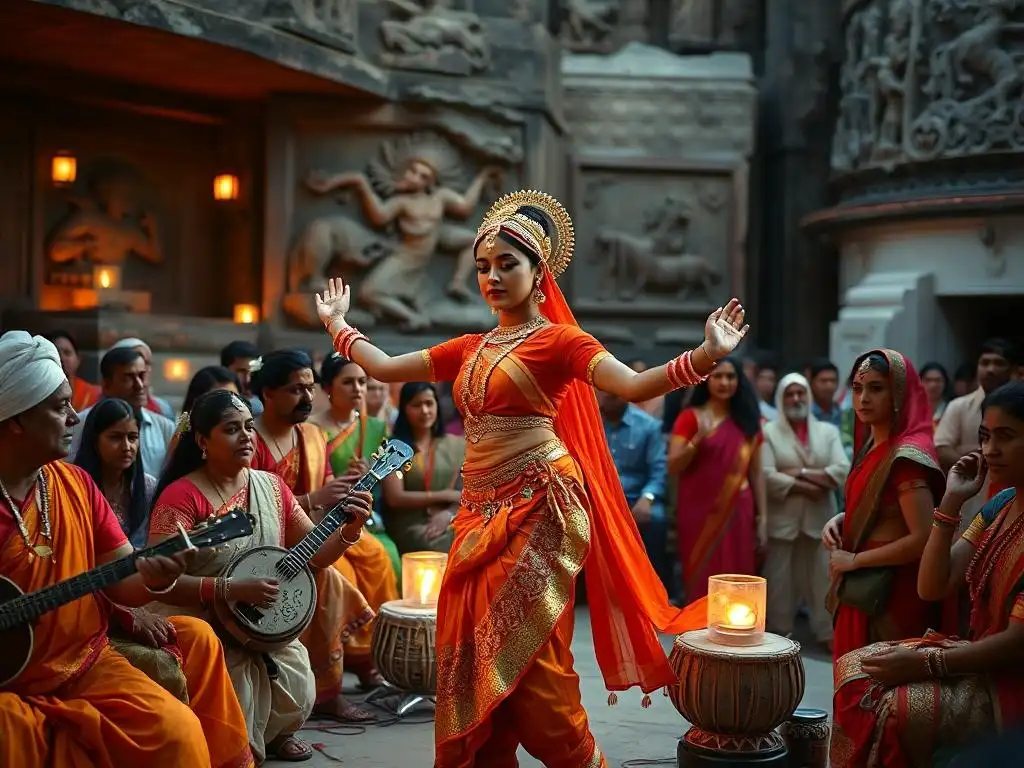
Welcome to Ancient India History, where we embark on a mesmerizing journey through time to uncover the rich tapestry of ancient Indian civilizations. In this exploration, we delve into the enchanting world of ancient Indian performance traditions, revealing how myth and legend intricately shaped the art forms that resonate even today. As you navigate through our articles, prepare to be captivated by the profound stories and cultural nuances that have left an indelible mark on the subcontinent's vibrant heritage.
Join us as we unravel the mysteries behind these performances and discover what makes them timeless. Your adventure into the heart of ancient India begins now!
Introduction to Ancient Indian Performance Traditions
Ancient Indian performance traditions are a vibrant tapestry woven from the threads of mythology, legend, and cultural expression. These art forms serve not only as entertainment but also as a means of preserving and transmitting the rich narratives and values of ancient Indian civilizations.
From the enchanting tales of the Indus Valley Civilization to the elaborate dramas of the Gupta Empire, performances have played a pivotal role in reflecting the complexities of societal norms, religious beliefs, and moral teachings. The exploration of myth and legend within these performances highlights their significance in shaping the identity and continuity of Indian culture.
Overview of Ancient Indian Performances
Ancient Indian performance traditions encompass a variety of forms, including:
- Theater: Originating from ancient texts like the Natyashastra, theater in India often depicted stories from epics such as the Mahabharata and Ramayana.
- Dance: Classical dance forms like Bharatanatyam, Kathak, and Odissi integrated storytelling through movement, often embodying mythological characters and narratives.
- Music: Traditional music, both instrumental and vocal, accompanied performances and often drew upon themes from sacred texts.
These performances were not only artistic expressions but also served as communal experiences, uniting people through shared stories and cultural heritage.
Significance of Myth and Legend in Cultural Context
Myth and legend are integral to understanding ancient Indian performance traditions. These narratives provided:
- Moral Lessons: Many performances conveyed ethical teachings, using mythological figures to illustrate principles of dharma (duty) and karma (action).
- Cultural Identity: Myths fostered a sense of belonging and continuity, linking contemporary audiences to their historical and cultural roots.
- Spiritual Connection: Performances often incorporated religious rituals, enhancing the spiritual experience for both performers and audiences.
By embedding these elements into performances, ancient Indian artists not only entertained but also educated and inspired their communities.
Historical Context of Ancient Indian Performance Arts
The evolution of ancient Indian performance arts is a fascinating journey that reflects the dynamic interplay between culture, religion, and society.
Evolution of Ancient Indian Performance Traditions
The roots of ancient Indian performances can be traced back to the Vedic period, where ritualistic performances were an essential part of religious ceremonies. Over time, these evolved into more structured forms of theater and dance, influenced by:
- Regional Variations: Different regions contributed unique styles and interpretations, resulting in a rich diversity of performance arts.
- Historical Events: The rise and fall of empires, such as the Maurya and Gupta dynasties, brought about changes in themes and presentation styles.
This evolution illustrates how performance traditions adapted to the changing cultural landscape while retaining core mythological narratives.
Influence of Mythology on Ancient Indian Theater
Mythology has profoundly influenced ancient Indian theater, serving as both inspiration and source material for numerous plays and performances. Key aspects include:
- Character Archetypes: Mythological figures often became archetypes, symbolizing various human traits and philosophical concepts.
- Storytelling Techniques: The use of allegorical narratives allowed performers to engage audiences emotionally while conveying deeper philosophical meanings.
As a result, ancient Indian theater not only entertained but also provided a platform for exploring complex themes of existence, morality, and spirituality through the lens of mythology and legend.
Types of Myths and Legends in Ancient Indian Performances
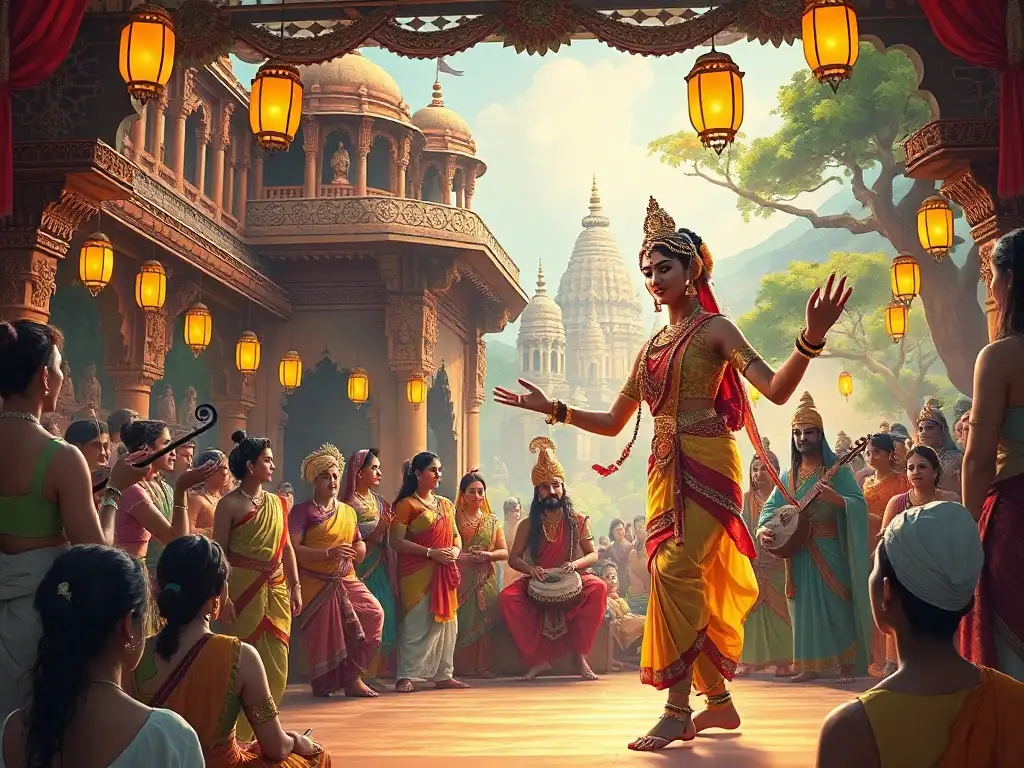
Ancient Indian performance traditions are deeply rooted in a rich tapestry of myths and legends that have evolved over millennia. These narratives stem from various religious texts and oral histories, serving as foundational elements for many performance arts. The interplay between myth and performance is evident in the way these stories are depicted through dance, drama, and music, allowing audiences to connect with their cultural heritage on a profound level.
Hindu Mythology and Its Impact on Performance
Hindu mythology, with its pantheon of gods, goddesses, and epic tales, has significantly influenced ancient Indian performance traditions. The epics, particularly the Mahabharata and the Ramayana, provide a wealth of material for dramatization. Characters such as Rama, Sita, Krishna, and Arjuna serve as archetypes that embody virtues and moral dilemmas, making them ideal for exploration in performances.
The enactment of these mythological stories often takes place during festivals and religious rituals, transforming sacred narratives into a communal experience. For instance, the Ramlila, a traditional folk theater form, dramatizes the life of Lord Rama and is performed in various regions, showcasing local interpretations while remaining true to the original texts. This adaptation allows for a dynamic engagement with Hindu mythology, ensuring its relevance across generations.
Buddhist Legends in Ancient Indian Drama
Buddhist legends also play a crucial role in shaping ancient Indian performance traditions. Stories from the Jataka tales, which recount the previous lives of the Buddha, are frequently depicted in theatrical performances. These tales often carry moral lessons and insights into the human condition, making them suitable for educational and spiritual purposes.
The integration of Buddhist themes in performance arts emphasizes compassion, enlightenment, and the cycle of rebirth. For example, traditional dance forms like Kathak often incorporate elements of Buddhist teachings, blending intricate footwork and expressive hand gestures to narrate stories that resonate with audiences seeking spiritual understanding.
Regional Myths and Their Contributions to Local Performances
The diversity of India's geography and cultures has given rise to a plethora of regional myths that enrich local performance traditions. Each region boasts unique legends that reflect its cultural identity, contributing to a vibrant landscape of artistic expression.
For instance, the folk dramas of Maharashtra, such as Tamasha, are influenced by local legends and narratives, often reflecting the socio-political context of the region. Similarly, the Yakshagana theater from Karnataka integrates mythological stories, blending elaborate costumes, music, and dance, creating a captivating storytelling experience. These regional adaptations not only preserve local myths but also foster a sense of community and belonging among performers and audiences alike.
Key Features of Ancient Indian Performance Traditions
Ancient Indian performance traditions are characterized by their intricate blend of narrative, music, dance, and visual spectacle. Key features include the integration of mythological narratives, the use of symbolism, and the essential role of music and oral traditions. These elements together create a rich and immersive experience for audiences.
Integration of Mythological Narratives in Dance and Theater
Mythological narratives are central to ancient Indian performance traditions, providing a framework for storytelling that captivates audiences. Dances such as Bharatanatyam and Odissi are not merely aesthetic expressions; they are deeply rooted in storytelling, where each movement and gesture conveys a part of the mythological tale.
In theatrical performances, dialogue and acting bring to life the characters from epics, allowing viewers to engage with timeless themes of heroism, love, and sacrifice. The seamless integration of these narratives within performances ensures that myths are not only preserved but continually reinterpreted, making them relevant to contemporary audiences.
Use of Symbolism and Allegory in Performances
Symbolism is a vital component of ancient Indian performances, where every element—from costumes to stage design—carries meaning beyond its literal representation. Colors, for example, often symbolize various emotions and states of being, while specific gestures (mudras) in dance communicate distinct ideas and narratives.
Allegory is also prevalent, with performances often serving as a commentary on social and moral issues. By employing symbolic elements, performers can convey complex themes in a manner that resonates with audiences, encouraging reflection on the human experience and societal norms.
Role of Music and Oral Tradition in Conveying Myths
Music is intrinsic to ancient Indian performance traditions, enhancing the emotional and dramatic impact of narratives. Traditional instruments, such as the tabla and sitar, create a soundscape that complements the storytelling, allowing audiences to immerse themselves in the mythical world being depicted.
Oral traditions play a crucial role in preserving and transmitting myths, with performers often relying on memory and improvisation to bring stories to life. This dynamic aspect of oral performance fosters a sense of community and continuity, as myths are shared and celebrated through generations, ensuring their enduring presence in the cultural fabric of India.
Case Studies of Renowned Ancient Indian Performances
Ancient Indian performance traditions are deeply influenced by the rich tapestry of myths and legends that permeate the culture. Examining specific case studies reveals how these narratives not only shaped the performances themselves but also provided a framework for understanding the social, spiritual, and artistic values of the time.
One prominent example is Kathakali, a classical dance-drama from Kerala that vividly portrays stories from Hindu epics. The performances are characterized by elaborate costumes, intricate facial expressions, and a unique blend of music and dance. The narratives often draw from the Ramayana and Mahabharata, embodying the moral lessons and divine interventions depicted in these ancient texts.
Another significant case study is Natyashastra, an ancient treatise on performing arts attributed to Bharata Muni. This text serves as a foundational document, detailing the principles of drama, dance, and music. Its influence can be seen in various forms of theater and dance throughout India, illustrating the enduring legacy of mythological themes in shaping the performing arts.
Analysis of "Natya Shastra" and Its Mythological References
The Natya Shastra is not just an artistic manual; it is a comprehensive document that intertwines theory with mythological references. Bharata Muni, in this seminal work, emphasizes the importance of Rasa (aesthetic experience) and Bhava (emotional expression), concepts that are steeped in the mythological narratives of ancient Indian culture.
Each of the eight primary Rasas outlined in the Natya Shastra corresponds to various emotional and spiritual experiences, many of which are derived from mythological stories. For instance, the Shringara Rasa (erotic sentiment) can be traced back to the romantic tales of divine couples like Radha and Krishna, while Veera Rasa (heroic sentiment) often reflects the valorous deeds of figures such as Arjuna in the Mahabharata.
Moreover, the performance techniques described in the Natya Shastra draw heavily from the characters and situations found in these myths. The use of gestures (Mudras) and facial expressions (Abhinaya) allows performers to convey complex narratives that resonate with audiences, linking the past with the present.
The Ramayana and Mahabharata in Traditional Theater
The Ramayana and Mahabharata are two of the most influential texts in shaping ancient Indian performance traditions. These epics provide a reservoir of stories, characters, and moral dilemmas that have been adapted into various forms of theater across the subcontinent.
In traditional theater forms like Koodiyattam and Ramlila, the retelling of these epics is not merely a narration; it is an immersive experience that engages the audience's emotions and intellect. The performances often highlight the virtues and vices of characters, allowing audiences to reflect on their own lives in relation to the moral lessons conveyed.
The Ramayana, with its themes of duty, righteousness, and devotion, has inspired countless adaptations, including puppet shows and folk dramas. Similarly, the Mahabharata's complex narrative structure, filled with conflict and philosophical inquiries, allows for dynamic interpretations that resonate with contemporary issues.
Folk Performances and Local Legends: A Closer Look
Folk performances in India are vibrant expressions of local culture and often serve as vessels for mythological storytelling. These performances are deeply rooted in regional legends that reflect the community's identity, beliefs, and values.
For example, the Tamasha of Maharashtra incorporates local folklore and legends into its performances, often featuring themes of love, valor, and the supernatural. The narratives are infused with humor and satire, making the performances both entertaining and thought-provoking.
Similarly, Chhau, a traditional dance form from eastern India, often draws from local legends, mythological tales, and historical events. The masked performances not only entertain but also educate audiences about their cultural heritage, reinforcing the connection between myth and community identity.
The Legacy of Myth and Legend in Modern Indian Performance
The influence of ancient myths and legends continues to permeate modern Indian performance arts, showcasing a remarkable continuity of themes and narratives. Contemporary theater and dance forms often revisit these ancient tales, reinterpreting them in the context of modern society.
Continuation of Ancient Themes in Contemporary Theater
Modern Indian theater frequently incorporates elements from ancient texts, adapting the stories to reflect contemporary issues while maintaining the essence of the original narratives. Playwrights like Girish Karnad and Vijay Tendulkar have skillfully woven mythological references into their works, exploring themes of power, gender, and morality.
The Ramayana and Mahabharata are often reimagined in urban settings, allowing audiences to connect with the characters' struggles in a modern light. This continuity not only preserves the cultural significance of these epics but also ensures their relevance in today's world.
Influence of Ancient Myths on Indian Dance Forms
Indian classical dance forms such as Bharatanatyam, Kathak, and Odissi draw heavily from mythological narratives. These dances often portray stories from the epics, using intricate movements and expressive gestures to convey the emotions and themes embedded in the legends.
For instance, Bharatanatyam performances frequently depict scenes from the Ramayana, exploring the divine love of Rama and Sita. The use of Mudras and Abhinaya allows dancers to embody these mythological characters, creating a profound connection between the audience and the ancient stories.
The interplay of myth and legend in shaping ancient Indian performances not only reflects the cultural heritage of the region but also provides a lens through which contemporary society can examine its values and beliefs. The legacy of these narratives continues to inspire and influence the vibrant tapestry of Indian performance traditions today.
Conclusion: The Enduring Impact of Myths and Legends on Ancient Indian Performance Traditions
The rich tapestry of myths and legends has significantly influenced ancient Indian performance traditions, serving as foundational narratives that shape the themes, characters, and aesthetics of various art forms. From the intricate storytelling found in classical dance to the vibrant enactments in folk theatre, these narratives provide not only a framework for artistic expression but also a profound connection to cultural identity. The stories of deities, heroes, and cosmic battles resonate deeply within the performances, allowing audiences to engage with their cultural heritage on multiple levels.
Moreover, the integration of spirituality and moral teachings within these narratives has imbued performances with both entertainment and educational value, ensuring that the wisdom of the ancients is passed down through generations. The use of traditional texts, such as the Mahabharata and Ramayana, has also allowed for a continuity of themes and motifs in performance arts, bridging the past with contemporary interpretations. Thus, the enduring impact of myths and legends is evident, as they continue to inspire and influence the evolving landscape of ancient Indian performance traditions.
Reflection on Cultural Heritage and Performance Art
Reflecting on the cultural heritage of ancient India, performance art emerges as a vital medium for the preservation and celebration of collective memory. Performances serve as a living archive, encapsulating the values, beliefs, and historical experiences of a society. By embodying the essence of myths and legends, performers not only entertain but also educate audiences about their roots and shared identity.
The stylistic diversity within ancient Indian performance traditions—ranging from classical forms like Bharatanatyam and Kathak to folk performances such as Yakshagana and Nautanki—demonstrates the adaptability and resilience of these art forms. Each performance is a reinterpretation of age-old stories, reflecting the socio-political contexts while maintaining a connection to ancestral narratives. This dynamic interaction between tradition and innovation fosters a deeper appreciation for the arts, encouraging both artists and spectators to engage with their cultural heritage actively.
Future Prospects for Research in Ancient Indian Performance Arts
As interest in ancient Indian performance arts continues to grow, the future of research in this field promises exciting opportunities for exploration and discovery. Scholars and practitioners are increasingly recognizing the need to document, analyze, and reinterpret these art forms to ensure their sustainability in the modern era. Areas of focus may include:
- Interdisciplinary Studies: Collaborations between historians, anthropologists, and artists can provide comprehensive insights into the evolution of performance traditions and their socio-cultural implications.
- Archiving and Documentation: Establishing repositories of performance practices, including video recordings and written texts, will serve as invaluable resources for future generations.
- Cross-Cultural Exchanges: Investigating how ancient Indian performance traditions interact with global art forms can enrich understanding and appreciation of their universal themes and relevance.
- Community Engagement: Involving local communities in the research process can lead to a more nuanced understanding of performance practices and their significance within contemporary society.
The prospects for research in ancient Indian performance arts are vast and varied, offering numerous avenues for scholars to delve deeper into the interplay between myths, legends, and performance traditions. Through diligent study and engagement, these artistic expressions can continue to thrive, ensuring that the legacies of ancient India remain vibrant and relevant in today’s world.
- Introduction to Ancient Indian Performance Traditions
- Overview of Ancient Indian Performances
- Significance of Myth and Legend in Cultural Context
- Historical Context of Ancient Indian Performance Arts
- Types of Myths and Legends in Ancient Indian Performances
- Key Features of Ancient Indian Performance Traditions
- Case Studies of Renowned Ancient Indian Performances
- Analysis of "Natya Shastra" and Its Mythological References
- The Ramayana and Mahabharata in Traditional Theater
- Folk Performances and Local Legends: A Closer Look
- The Legacy of Myth and Legend in Modern Indian Performance
- Conclusion: The Enduring Impact of Myths and Legends on Ancient Indian Performance Traditions
- What are the main influences on ancient Indian performance traditions?
- How did myth and legend contribute to performance arts in ancient India?
- Can you name some key performance traditions from ancient India?
- What role did religion play in shaping these performances?
- How did the Gupta Empire influence ancient Indian performance traditions?
Frequently Asked Questions
What are the main influences on ancient Indian performance traditions?
Ancient Indian performance traditions were heavily influenced by mythology, legend, and religious practices, which shaped the themes and narratives presented in various art forms.
How did myth and legend contribute to performance arts in ancient India?
Myth and legend provided rich storytelling elements that were essential in creating drama, dance, and music, allowing performers to convey complex themes and moral lessons to their audiences.
Can you name some key performance traditions from ancient India?
Key performance traditions include Kathakali, Bharatanatyam, and Sanskrit drama, all of which drew inspiration from religious texts and mythological stories.
What role did religion play in shaping these performances?
Religion was central to ancient Indian performances, as many were created to honor deities or celebrate festivals, making them an integral part of spiritual life and community identity.
How did the Gupta Empire influence ancient Indian performance traditions?
During the Gupta Empire, there was a significant flourishing of the arts, leading to the establishment of theater and enhanced dance forms, which were supported by royal patronage and cultural exchange.
Final Reflection: The Enduring Legacy of Ancient Indian Performance Traditions
The exploration of myth and legend in shaping ancient Indian performances reveals a profound connection between storytelling and cultural identity that remains relevant today. As we navigate a world increasingly dominated by digital narratives, the timeless themes embedded in these ancient performances remind us of the power of storytelling to transcend generations and foster a sense of belonging. The rich tapestry of ancient Indian performance traditions continues to inspire artists and audiences alike, highlighting the significance of our shared cultural heritage.
The influence of these performance traditions is palpable in contemporary art forms, where echoes of ancient myths resonate in modern storytelling. From theater to dance, the narratives that once captivated audiences in ancient temples now find their way into urban stages and digital platforms, bridging the gap between past and present. As the renowned playwright Peter Brook once said, The theater is a place where we can find ourselves, and where we can lose ourselves.
This sentiment underscores the ongoing relevance of ancient Indian performance traditions, as they invite us to reflect on our own identities and the stories that shape our lives.
As you contemplate the lessons drawn from ancient Indian performance traditions, I encourage you to embrace the power of storytelling in your own life. Reflect on the myths and legends that resonate with you, and consider how they can inspire your personal journey. Whether through art, writing, or simply sharing stories with others, let the rich heritage of these performances guide you in creating connections and fostering understanding in a world that often feels fragmented. Your voice matters, and by engaging with these ancient narratives, you contribute to the ongoing legacy of cultural expression and human connection.
Unveil the Mystique of Ancient Indian Performances!
Thank you for diving into the captivating world of ancient Indian performances with us! You’ve explored how myth and legend intertwine to create rich narratives on stage that resonate through time. Now, let’s translate that newfound understanding into action!
Here are some ways you can continue your journey into the enchanting traditions of ancient India:
- Join a local or online workshop focused on traditional Indian arts and performance. Experience firsthand how these legends come to life!
- Explore and share a myth or legend that inspires you with friends or on social media. Let’s keep these tales alive!
- Consider attending a performance or festival that showcases ancient Indian traditions. Immerse yourself in the vibrant culture and engage with like-minded enthusiasts!
As you reflect on this fascinating blend of history and artistry, we’d love to hear your thoughts: Which myth or legendary figure do you believe has shaped modern Indian performance the most, and why?