
How the Ramayana and Mahabharata Influenced Ancient Indian Theater

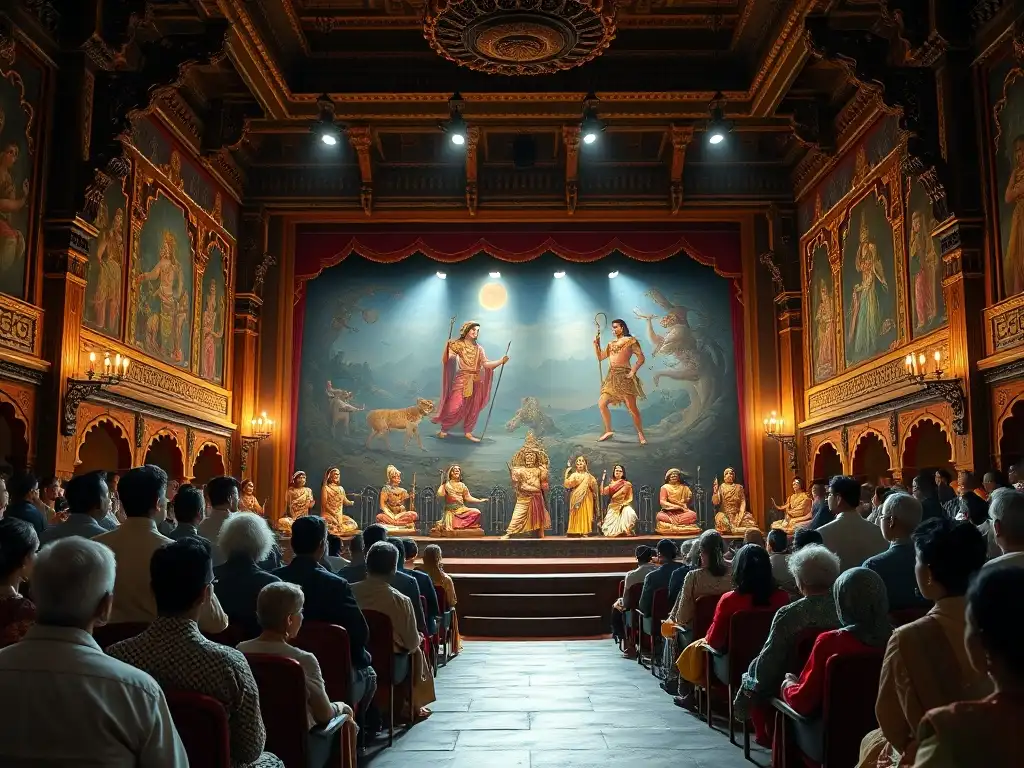
Welcome to Ancient India History, where we delve deep into the rich tapestry of India's past! Here, you’ll uncover the profound influence of the Ramayana and Mahabharata on ancient Indian theater, two epics that not only shaped the spiritual landscape but also left an indelible mark on the art forms that followed. Have you ever wondered how these timeless stories transitioned from sacred texts to captivating performances?
Join us as we explore the intricate connections between mythology and artistry, revealing the vibrant cultural heritage that continues to inspire generations. Your journey into the heart of ancient Indian civilization starts here—read on to discover more!
- Introduction to Ancient Indian Theater
- The Ramayana: A Foundation for Theater
- The Mahabharata: Epic Narratives in Performance
- The Interplay Between Ramayana and Mahabharata in Theater
- Legacy of Ramayana and Mahabharata in Modern Theater
- Conclusion: The Enduring Influence of Ramayana and Mahabharata
- References
-
Frequently Asked Questions
- What are the Ramayana and Mahabharata?
- How did the Ramayana and Mahabharata influence theater in ancient India?
- What are some theatrical forms that were influenced by these epics?
- How did the themes of the epics resonate in ancient performances?
- Why are the Ramayana and Mahabharata still relevant to modern theater?
- Final Reflection: The Enduring Influence of Ramayana and Mahabharata on Theater
- Unveil the Richness of Ancient Indian Theater!
Introduction to Ancient Indian Theater
Ancient Indian theater serves as a captivating lens through which we can explore the rich tapestry of Indian culture, history, and artistic expression. This vibrant art form, deeply rooted in the spiritual and philosophical traditions of the subcontinent, draws heavily on the epic narratives of the Ramayana and Mahabharata.
These two monumental texts not only shaped the socio-political landscape of ancient India but also laid the groundwork for theatrical performance, influencing everything from storytelling techniques to character archetypes. In this article, we will delve into how the influence of Ramayana and Mahabharata on theater has left an indelible mark on the performance arts, reflecting the moral dilemmas, valor, and complexities of life that these epics encapsulate.
Overview of Ancient Indian Theater
Ancient Indian theater, known as "Natyashastra," is a comprehensive system of performance art that encompasses drama, dance, and music. This art form traces its origins back to the Vedic period and has evolved through various cultural influences and regional styles. The Natyashastra, attributed to the sage Bharata Muni, serves as a foundational text, detailing performance techniques, stagecraft, and the emotional aspects of acting known as "Rasa."
- Key Elements of Ancient Indian Theater:
- Rasa (Emotion): The aesthetic experience that a performance evokes.
- Bhava (Expression): The emotional states conveyed by the performers.
- Natya (Drama): The overall structure and narrative of the performance.
The performance of plays in ancient India was not merely for entertainment; it held religious significance and was often conducted during festivals and rituals, serving as a means to convey moral lessons and social values. The influence of the Ramayana and Mahabharata in this context cannot be overstated, as these epics provided rich narratives that facilitated the exploration of human virtues and vices, making them ideal subjects for theatrical representation.
Importance of the Ramayana and Mahabharata
The Ramayana and Mahabharata are fundamental to understanding the underpinnings of ancient Indian culture and theater. Their narratives encapsulate profound philosophical ideas, ethical dilemmas, and the complexities of human relationships, all of which have been integral to theatrical productions throughout history.
- Cultural Significance:
- These epics taught moral values such as dharma (duty), karma (action), and the pursuit of truth, forming the moral compass of society.
- They provided archetypal characters—such as Rama, Sita, Arjuna, and Draupadi—who embody various virtues and flaws, making their stories relatable to the audience.
- Theatrical Adaptations:
- Numerous plays and performances have been adapted from these texts, showcasing their narratives through the lens of drama and dance.
- Traditional forms like Kathakali and Ramleela bring these stories to life, emphasizing their emotional depth and cultural relevance.
- Legacy and Influence:
- The influence of these epics continues to resonate in modern theater, showcasing their timeless relevance and adaptability.
- The themes and characters of the Ramayana and Mahabharata continue to inspire playwrights, directors, and performers, ensuring that this ancient art form remains vibrant and dynamic.
The influence of Ramayana and Mahabharata on theater is profound, shaping not only the narratives that are told but also the very essence of performance arts in ancient India. Through the exploration of these epics, we gain insight into the cultural values, social dynamics, and artistic expressions that have persisted through centuries, establishing a legacy that continues to thrive today.
The Ramayana: A Foundation for Theater
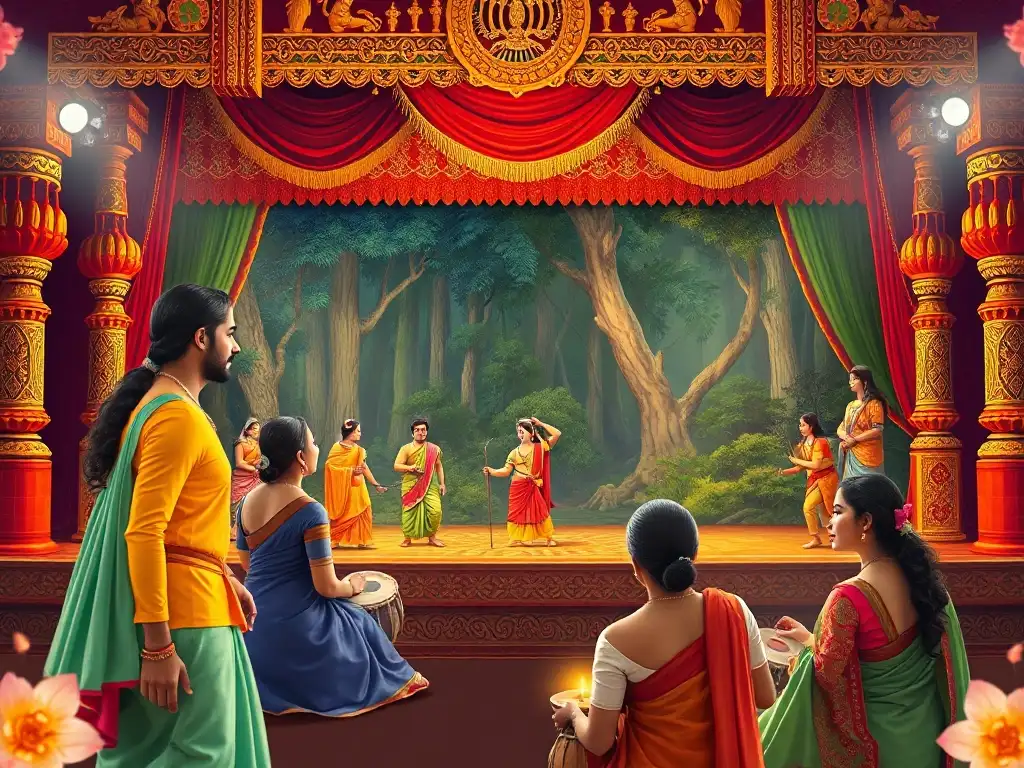
The Ramayana, attributed to the sage Valmiki, is not merely a significant epic in Indian literature but also a cornerstone for the development of ancient Indian theater. Its narratives, characters, and moral lessons have profoundly influenced performance arts in various forms, from traditional plays to dance dramas. The themes of duty, righteousness, and devotion resonate deeply, making the Ramayana a timeless source of inspiration for dramatists and performers.
Key Themes and Characters in the Ramayana
The Ramayana is rich in themes and characters that provide a fertile ground for theatrical exploration. Key themes include:
- Dharma (righteousness): The characters often grapple with moral dilemmas, making choices that reflect their adherence to dharma. This theme encourages audiences to reflect on their values.
- Devotion and Love: The bond between Rama and Sita epitomizes divine love and devotion, while the unwavering loyalty of Hanuman represents selfless service. These relationships create powerful emotional narratives suitable for theatrical enactment.
- Good vs. Evil: The epic vividly portrays the struggle between good (Rama and his allies) and evil (Ravana and his forces), a classic narrative that captivates audiences and lends itself to dramatic conflict.
Key characters such as Rama, Sita, Hanuman, and Ravana are often depicted in performances, each representing different facets of human nature and morality. The complexity of these characters contributes to the depth of theatrical representations.
Theatrical Representations of the Ramayana
Throughout history, the Ramayana has been adapted into various theatrical forms across India, showcasing its versatility and enduring relevance. Some notable theatrical representations include:
- Kathakali: This classical dance-drama form from Kerala emphasizes elaborate costumes and facial expressions, bringing the characters of the Ramayana to life through intricate storytelling and movement.
- Ram Lila: A traditional folk theater form, particularly popular in North India, Ram Lila dramatizes the life of Lord Rama, incorporating music, dance, and dialogue in a community celebration that lasts several days.
- Shadow Puppetry: In regions like Karnataka, shadow puppetry retells the Ramayana, utilizing light and shadows to create enchanting visual narratives that appeal to all ages.
- Sanskrit Plays: In ancient times, playwrights like Bhasa adapted the Ramayana into Sanskrit dramas, demonstrating its literary and theatrical significance.
These diverse representations highlight the adaptability of the Ramayana in various cultural contexts, reinforcing its status as a foundational text for Indian theater.
Influence of Ramayana on Performance Styles
The influence of the Ramayana on performance styles is multifaceted, shaping not only the narrative content but also the techniques and aesthetics of ancient Indian theater. Key influences include:
- Narrative Techniques: The epic's structure, with its intertwining stories and character arcs, has inspired playwrights to adopt similar narrative techniques in their works, allowing for richer storytelling.
- Choreographic Styles: The emotional depth and dramatic tensions within the Ramayana have influenced choreographic choices in dance and theater, with performers often embodying the characters' virtues and vices through movement.
- Use of Music and Chanting: Traditional performances often incorporate verses from the Ramayana, using music and chanting to enhance the emotional experience, thus creating a more immersive atmosphere for the audience.
- Costuming and Set Design: The vivid descriptions within the Ramayana inform the costuming and set design, with elaborate costumes representing the divine and royal attributes of characters, while sets often depict iconic locations such as Ayodhya and Lanka.
The influence of Ramayana on theater is profound and enduring, with its themes, characters, and narrative styles continuing to shape the performance arts in various forms throughout ancient and modern India.
The Mahabharata: Epic Narratives in Performance
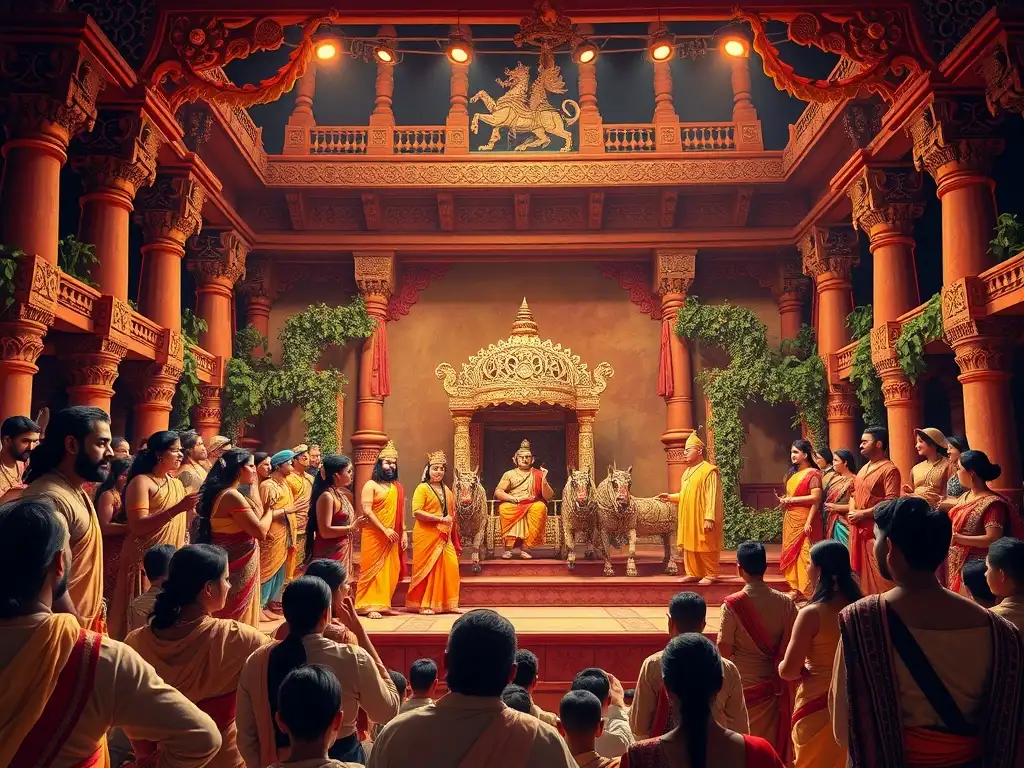
The Mahabharata, one of the two great epics of ancient India, has had a profound impact on various art forms, particularly theater. This epic not only narrates a complex tale of moral dilemmas, duty (dharma), and the consequences of war, but it also provides a rich canvas for dramatic interpretation. Its intricate characters and multifaceted themes serve as a foundation for artistic expression, enabling performers to explore the depths of human emotion and ethical considerations.
Major Themes and Characters in the Mahabharata
The Mahabharata is replete with themes that resonate deeply within the human experience. Some of the key themes include:
- Dharma (Duty and Righteousness): The epic delves into the struggle between personal duty and societal obligations, highlighting the conflicts faced by characters like Arjuna and Yudhishthira.
- Karma (Action and Consequence): The consequences of actions, both good and bad, are intricately woven into the fabric of the narrative, influencing the fates of the characters.
- War and Peace: The Kurukshetra War serves as a backdrop for exploring the futility of war, loss, and the quest for peace, making it a poignant subject for theatrical adaptation.
- Loyalty and Betrayal: Relationships defined by loyalty, such as that of Krishna and Arjuna, contrast with acts of betrayal, adding dramatic tension to the narrative.
Stage Adaptations of the Mahabharata
The Mahabharata has inspired numerous adaptations across various forms of theater. Notable examples include:
- Traditional Folk Theater:
- Kathakali: This classical dance-drama from Kerala brings the characters of the Mahabharata to life through elaborate costumes, facial expressions, and intricate movements. The epic's stories are performed with theatricality, allowing audiences to engage with the moral and philosophical dilemmas of the characters.
- Ram Lila: Although primarily associated with the Ramayana, this form also incorporates episodes from the Mahabharata, showcasing its influence in regional performances.
- Modern Interpretations:
- Various playwrights and directors have reimagined the Mahabharata for contemporary audiences. For instance, Peter Brook's "The Mahabharata" is a landmark adaptation that presents a condensed version of the epic, focusing on its universal themes and characters.
- Indian theater companies like the Natya Shastra and Rangakarmee have produced innovative performances that blend traditional storytelling with modern theatrical techniques.
Influence of Mahabharata on Dramatic Techniques
The Mahabharata has significantly influenced dramatic techniques in ancient Indian theater, leading to the development of unique storytelling methods. Key influences include:
- Characterization: The epic's diverse characters, each with their own motivations and flaws, encourage actors to engage in deep character study. This practice enhances the authenticity of performances, bringing complex personalities to the stage.
- Dialogue and Monologue: The use of poetic dialogue and soliloquies in the Mahabharata allows performers to explore inner thoughts and emotions, a technique that has been widely adopted in theatrical performances.
- Chorus and Ensemble: The presence of a chorus in the Mahabharata serves as a narrative device to provide commentary, enhance emotional resonance, and guide the audience through the story.
- Symbolism and Gesture: The rich symbolism found in the epic, such as the use of weapons and divine symbols, is translated into stage design and movement, creating a visually compelling experience.
Through these dramatic techniques, the Mahabharata continues to inspire and shape the landscape of ancient Indian theater, ensuring that its themes and narratives remain relevant and impactful in contemporary performance arts.
The Interplay Between Ramayana and Mahabharata in Theater
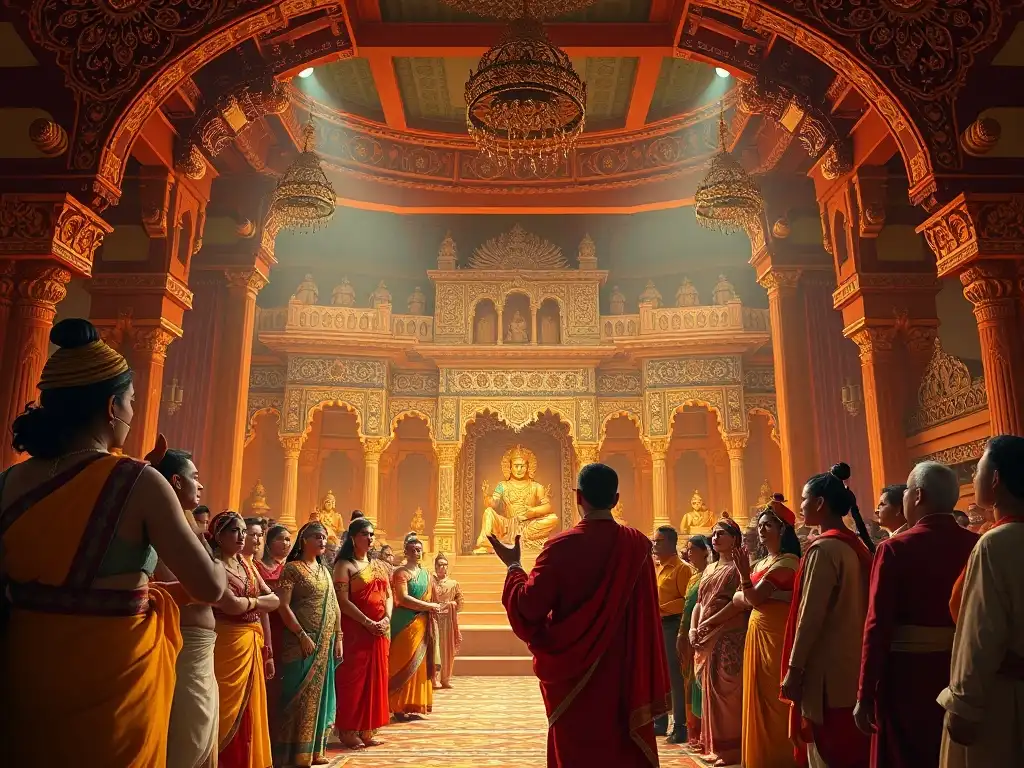
The Ramayana and Mahabharata are two of the most significant epics in ancient Indian literature, and their influence extends deeply into the realm of theater. The interplay between these epics has shaped various aspects of performance arts, creating a rich tapestry of storytelling that emphasizes moral values, heroism, and the complexities of human relationships. The narratives, characters, and philosophical underpinnings of these texts have provided a wellspring of inspiration for playwrights, actors, and directors throughout the ages.
Comparative Analysis of Theatrical Elements
When examining the theatrical elements derived from the Ramayana and Mahabharata, several aspects come to light:
-
Character Archetypes:
Both epics are populated with distinct character archetypes, including the noble hero (Rama and Arjuna), the devoted companion (Hanuman and Krishna), and the cunning antagonist (Ravana and Duryodhana). These archetypes have become staples in Indian theater, allowing audiences to easily relate to and understand the moral dilemmas presented.
-
Dramatic Structure:
The narrative arcs of both epics often follow a clear structure of exposition, rising action, climax, and resolution. This framework has influenced the construction of many theatrical performances, providing a model for dramatic storytelling in the Indian tradition.
-
Dialogue and Language:
The dialogues in both texts are crafted with a blend of poetic elegance and philosophical depth. This linguistic richness has been mirrored in theatrical performances, where dialogue is not merely a means of communication but also an art form that enhances the overall aesthetic experience.
-
Stage Directions and Symbolism:
The Ramayana and Mahabharata utilize vivid imagery and symbolism that are integral to their narratives. In theater, these symbols are often translated into visual elements, such as costumes, props, and stage settings, adding layers of meaning to performances.
The themes and motifs present in the Ramayana and Mahabharata resonate deeply within the context of performance arts. Some of the most prominent themes include:
-
Dharma (Righteousness):
A central theme in both epics is the concept of dharma or duty. The portrayal of characters grappling with their moral responsibilities has inspired numerous theatrical interpretations, highlighting the ethical dilemmas faced by individuals in society.
-
Love and Sacrifice:
The relationships depicted in both epics, particularly the love stories and acts of sacrifice, serve as powerful motivators for dramatic expression. Whether it is Sita’s devotion to Rama or Draupadi’s plight, these narratives evoke strong emotional responses from audiences.
-
Conflict and Resolution:
Both epics are rich in conflict—be it familial, societal, or philosophical. The portrayal of these conflicts in theater helps to reflect the struggles of contemporary society, making the ancient stories relevant to modern audiences.
-
Divine Intervention:
The role of divine beings in both narratives underscores the belief in a higher power influencing human affairs. This motif has been effectively utilized in theatrical performances to explore themes of fate and free will.
Collaborative Influence on Playwriting and Directing
The Ramayana and Mahabharata have not only influenced the content of plays but also the collaborative processes involved in playwriting and directing:
-
Adaptation and Interpretation:
Many playwrights have taken upon themselves the task of adapting these epics for the stage, interpreting the original texts through a contemporary lens. This has led to innovative productions that reimagine characters and scenarios while retaining the core values of the epics.
-
Choreography and Music:
The integration of traditional dance forms and music into theatrical performances has been heavily influenced by the rich narratives of the Ramayana and Mahabharata. Directors often collaborate with choreographers and musicians to create a holistic theatrical experience that captures the essence of the epics.
-
Cultural Festivals and Drama Schools:
The celebration of these epics in cultural festivals often involves theatrical performances, fostering collaboration among various artists. Drama schools across India have also incorporated teachings from these texts into their curriculums, ensuring that future generations of performers carry forward this rich tradition.
-
Community Engagement:
The performance of plays based on the Ramayana and Mahabharata often involves community participation, blurring the lines between audience and performer. This collaborative spirit not only enhances the theatrical experience but also reinforces cultural identity.
The influence of the Ramayana and Mahabharata on ancient Indian theater is profound and multifaceted, shaping its character development, thematic exploration, and collaborative practices within the performance arts. The enduring legacy of these epics continues to inspire contemporary artists, ensuring that their stories remain vibrant and relevant in today’s cultural landscape.
Legacy of Ramayana and Mahabharata in Modern Theater
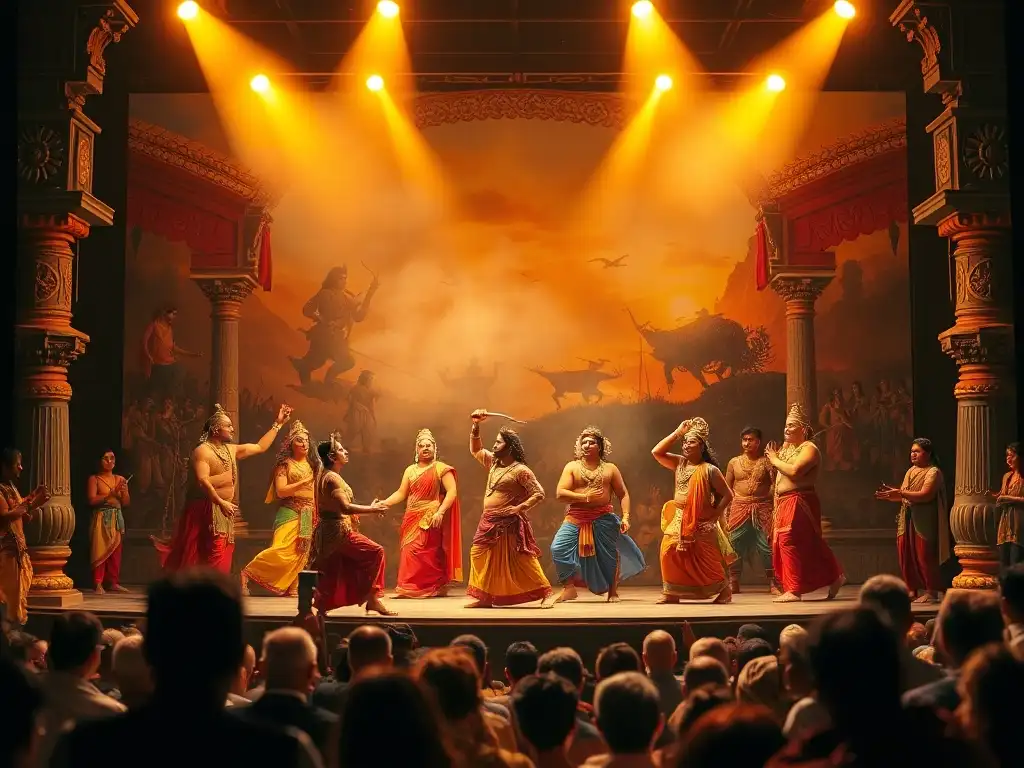
The Ramayana and Mahabharata stand as two of the most significant texts in ancient Indian literature, profoundly shaping the landscape of Indian theater. Their narratives not only provide rich storytelling but also embody complex characters and moral dilemmas that resonate with audiences across generations. This legacy continues to influence modern theatrical practices, making these epics integral to the evolution of contemporary performance arts in India.
Contemporary Adaptations and Interpretations
Modern theater has embraced the timeless themes and characters of the Ramayana and Mahabharata, leading to innovative adaptations that reflect current societal issues. Many playwrights and directors reinterpret these epics to address contemporary themes such as:
- Social Justice: Modern adaptations often explore themes of inequality and justice, drawing parallels between ancient dilemmas and present-day societal challenges.
- Gender Dynamics: The roles of characters like Sita and Draupadi are re-examined through a feminist lens, highlighting their strength and agency in a patriarchal society.
- Political Commentary: The epic battles and moral quandaries in these narratives serve as allegories for modern political scenarios, allowing for critical examination of power and ethics.
A notable example is the play "Mahabharata: A New Interpretation," which not only revisits the original narrative but infuses it with contemporary dialogues and settings, making it relatable to today's audience.
Influence on Regional Theater Traditions
The influence of the Ramayana and Mahabharata extends beyond mainstream theater, permeating various regional traditions across India. Each region has developed its unique styles and interpretations of these epics, enriching the cultural tapestry of Indian performance arts. Some prominent influences include:
- Kathakali: Originating in Kerala, this classical dance-drama form often depicts stories from the Ramayana and Mahabharata, utilizing elaborate costumes and intricate movements to convey deep emotions and complex narratives.
- Bhangra and Gidda: In Punjab, folk theater often incorporates elements from these epics, using music and dance to narrate tales of heroism and valor, thus keeping the stories alive in popular culture.
- Tamasha and Lavani: In Maharashtra, these traditional performance forms frequently draw on themes from the epics, blending humor with poignant storytelling to engage the audience.
This regional diversity showcases how the core narratives of the Ramayana and Mahabharata have been adapted to reflect local cultures while maintaining their foundational significance.
The Ongoing Relevance of Epic Narratives
The ongoing relevance of the Ramayana and Mahabharata in theater can be attributed to their inherent themes of duty, morality, and the human condition. These narratives serve as a lens through which audiences can explore their own lives and societal values. Several factors contribute to their enduring appeal:
- Moral Lessons: The ethical dilemmas faced by characters such as Arjuna and Rama continue to resonate, offering guidance on navigating complex moral landscapes in modern life.
- Cultural Identity: As cornerstones of Indian culture, these epics help preserve and promote a sense of identity among diverse communities, fostering a shared heritage that transcends regional boundaries.
- Interdisciplinary Influence: The narratives have inspired various art forms, including dance, music, and visual arts, creating a holistic cultural experience that enriches theatrical productions.
The influence of the Ramayana and Mahabharata on theater is profound and multifaceted, demonstrating the timelessness of these epic narratives and their ability to adapt and thrive in contemporary contexts. Through ongoing interpretations and regional expressions, the legacies of these ancient texts continue to shape the evolution of theater in India.
Conclusion: The Enduring Influence of Ramayana and Mahabharata
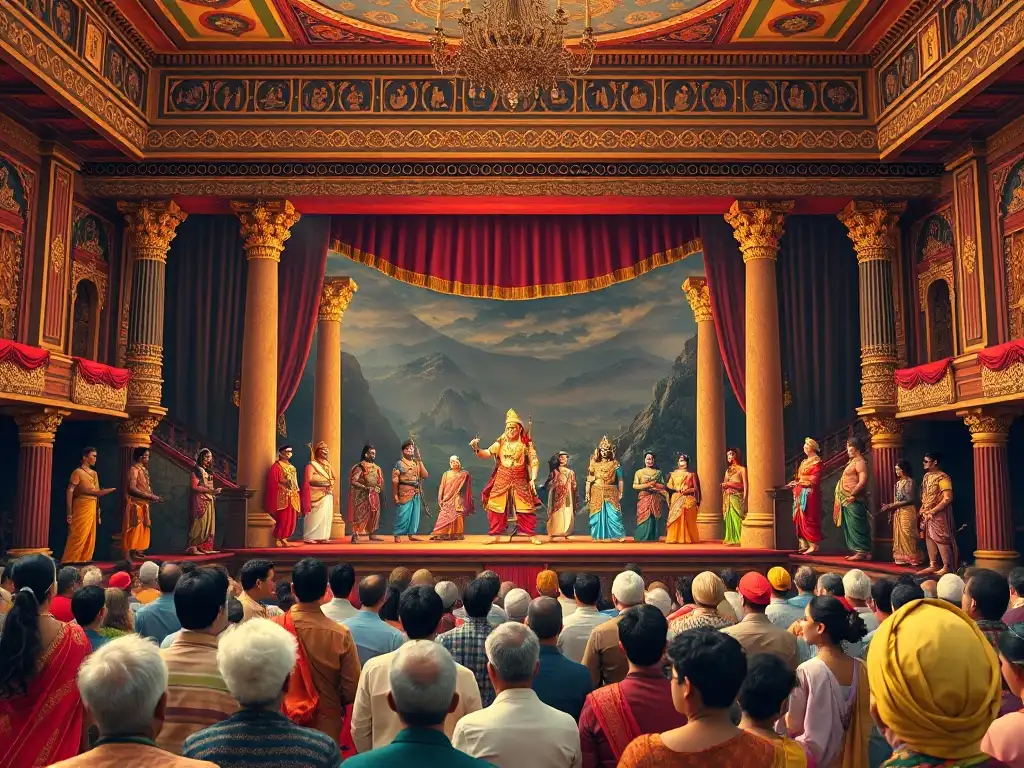
The influence of Ramayana and Mahabharata on ancient Indian theater is profound and far-reaching. These epic narratives have shaped various aspects of performance arts in India, serving as foundational texts that not only provided rich material for theatrical adaptations but also influenced the themes, character archetypes, and narrative structures employed in performances. The intertwining of these epics with the theatrical traditions of ancient India has ensured their relevance across generations.
Summary of Key Influences on Ancient Indian Theater
- Narrative Structure
- The complex plots and subplots of both epics have inspired the narrative frameworks of numerous plays. The use of flashbacks, parallel storylines, and moral dilemmas in theater can often be traced back to these original texts.
- Character Archetypes
- Characters such as Rama, Sita, Arjuna, and Draupadi have become archetypes in their own right, representing various virtues and vices. Their portrayal on stage often reflects the moral and ethical dilemmas inherent in the epics, enhancing the audience's connection to the characters.
- Themes of Dharma and Morality
- The themes of dharma (duty/righteousness) and moral conflict prevalent in both epics are central to many theatrical performances. This focus on ethical questions encourages audiences to reflect on their own lives and societal norms.
- Cultural Rituals and Performance Styles
- The integration of ritualistic elements and traditional dance forms in performances of these epics has enriched the theatrical landscape. Styles such as Kathakali and Yakshagana draw heavily from the narratives, aesthetics, and characterizations found in the Ramayana and Mahabharata.
Final Thoughts on the Cultural Significance
The Ramayana and Mahabharata extend beyond mere stories; they are cultural touchstones that resonate deeply within the Indian psyche. Their influence permeates not only theater but also various art forms, literature, and even philosophy. The continued performance and adaptation of these epics in contemporary settings underscore their ongoing relevance and the richness of their narratives.
By examining how these texts have molded the theatrical traditions of ancient India, we gain insight into the cultural fabric of the civilization itself. These performances serve as a living testament to the epics' enduring legacy, showcasing how they continue to inspire creativity and foster cultural dialogue.
Future Directions for Research and Performance
As scholars and practitioners delve deeper into the influence of Ramayana and Mahabharata on theater, several areas warrant further exploration:
- Comparative Studies
- Examining adaptations of these epics in various regional theater forms can reveal diverse interpretations and the local cultural contexts that shape them.
- Interdisciplinary Approaches
- Collaborations between historians, theater practitioners, and cultural theorists can lead to innovative performances that reimagine traditional narratives for contemporary audiences.
- Digital Performance
- The rise of digital media presents opportunities for new forms of storytelling. Exploring how these epics can be adapted for digital platforms may attract younger audiences and breathe new life into ancient narratives.
- Revival of Traditional Forms
- There is potential for a resurgence of interest in traditional performance styles that incorporate the Ramayana and Mahabharata. Encouraging workshops and festivals that celebrate these forms can help preserve cultural heritage.
The influence of Ramayana and Mahabharata on ancient Indian theater is an area ripe for continued exploration, promising new insights into both the epics themselves and the broader cultural narratives they inhabit.
References
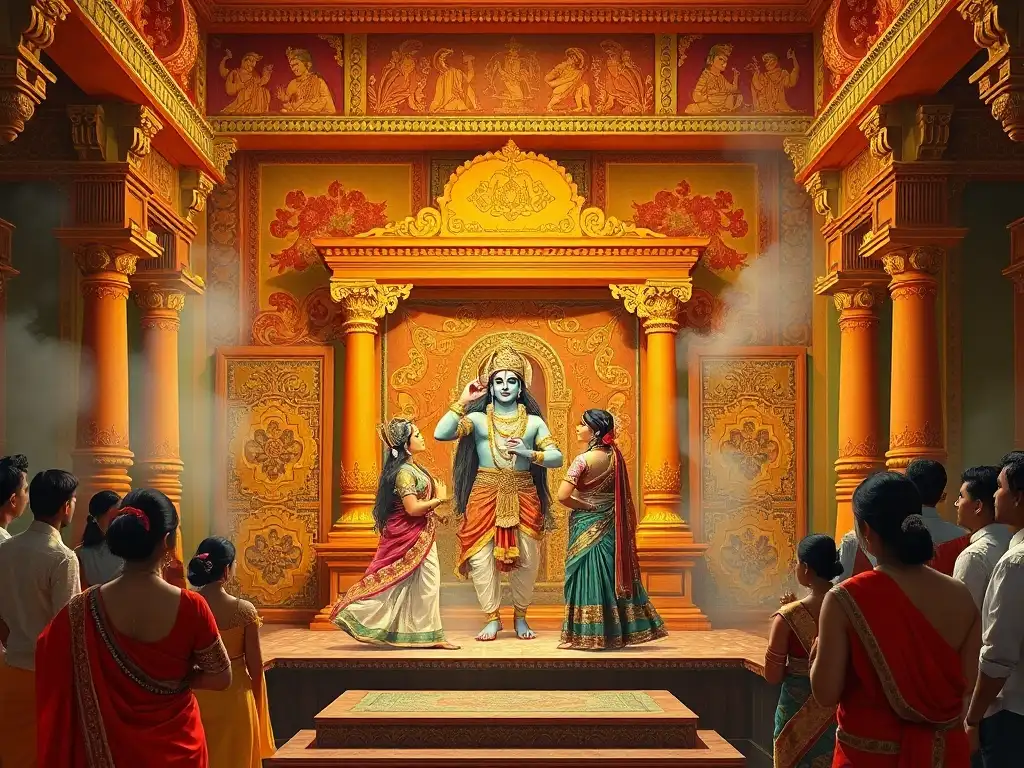
Key Texts and Sources on Ramayana and Mahabharata
The Ramayana and Mahabharata are not merely epic tales; they are foundational texts that have shaped many aspects of Indian culture, including theater. These texts provide rich narratives, complex characters, and moral dilemmas that have inspired countless adaptations in various art forms.
- Ramayana: Authored by Valmiki, this epic narrates the life of Lord Rama, highlighting themes of duty, righteousness, and devotion. The text is structured into seven Kandas (books) and encompasses a wide array of characters, such as Sita, Hanuman, and Ravana, each of whom embodies different aspects of human nature and moral conflict.
- Mahabharata: Attributed to Vyasa, this is the longest epic poem in the world, consisting of 18 books. It narrates the story of the Kurukshetra War and the fates of the Kaurava and Pandava princes. The text includes the Bhagavad Gita, a philosophical dialogue between Lord Krishna and Arjuna, which addresses the complexities of duty and righteousness.
- Regional Adaptations: Both epics have numerous regional versions and adaptations, such as the Kamba Ramayanam in Tamil and the Mahabharata in various local dialects. These adaptations often reflect local cultural nuances while retaining the core narratives.
Scholarly Articles on Ancient Indian Theater
Numerous scholarly articles explore the profound influence of the Ramayana and Mahabharata on ancient Indian theater. These studies analyze various aspects, from performance techniques to thematic representations.
- "Theatrical Traditions in the Mahabharata": This article examines how the Mahabharata has been interpreted and performed across different regions of India, focusing on the use of dialogue, music, and dance to convey the epic's themes.
- "Ritual and Performance in the Ramayana": This study investigates how the Ramayana's narratives have been woven into religious rituals and theatrical performances, illustrating the interconnectedness of spirituality and art in ancient India.
- "The Influence of Epic Narratives on Classical Dance and Drama": This article discusses how the characters and stories from both epics have inspired classical dance forms such as Bharatanatyam and Kathak, emphasizing the role of storytelling in performance arts.
Recommended Further Reading on Epic Influences
For those interested in delving deeper into the impact of the Ramayana and Mahabharata on theater and performance arts, the following texts are recommended:
- "The Ramayana: A New Translation" by Ramesh Menon: This contemporary retelling of the Ramayana makes the epic accessible while highlighting its theatrical elements.
- "Mahabharata: An Inquiry in the Human Condition" by Jean-Pierre Vernant: This work provides a philosophical perspective on the themes presented in the Mahabharata and their implications for performance arts.
- "Indian Theatre: Traditions of Performance" by Richard Schechner: This comprehensive text explores the historical and cultural contexts of Indian theater, including the influences of the Ramayana and Mahabharata.
- "The Performance of the Ramayana" edited by Janaki Nair: A collection of essays that discuss various performances of the Ramayana, showcasing its adaptability and impact on Indian theater.
Through these texts and articles, readers can gain insight into how the narratives of the Ramayana and Mahabharata have transcended their original formats to influence the rich tapestry of ancient Indian theater, providing a lens through which to understand the cultural heritage of the subcontinent.
Frequently Asked Questions
What are the Ramayana and Mahabharata?
The Ramayana and Mahabharata are two of the most significant epic poems in ancient Indian literature, detailing the lives, values, and struggles of their characters.
How did the Ramayana and Mahabharata influence theater in ancient India?
These epics provided rich narratives and character archetypes that shaped the themes, plots, and performances in ancient Indian theater, making them foundational texts for dramatic arts.
What are some theatrical forms that were influenced by these epics?
Forms like Kathakali, Koodiyattam, and Nautanki draw heavily on the stories and characters from the Ramayana and Mahabharata, showcasing their cultural significance.
How did the themes of the epics resonate in ancient performances?
The epics explore universal themes such as dharma (duty), loyalty, and heroism, which were often reflected in the dramatic portrayals and moral lessons of ancient Indian theater.
Why are the Ramayana and Mahabharata still relevant to modern theater?
Their timeless themes and complex characters continue to inspire contemporary writers and performers, ensuring that the influence of these epics remains vibrant in modern artistic expressions.
Final Reflection: The Enduring Influence of Ramayana and Mahabharata on Theater
The influence of the Ramayana and Mahabharata on ancient Indian theater is not merely a historical footnote; it resonates profoundly in today's cultural landscape. These epic narratives have shaped not only the artistic expressions of their time but also continue to inspire contemporary performances, adaptations, and interpretations. The timeless themes of duty, morality, and the human experience embedded in these texts remind us that the stories we tell are vital to understanding our identity and values.
The impact of these epics extends beyond the stage, weaving itself into the very fabric of Indian society and culture. As we witness the revival of traditional forms of theater and the emergence of new interpretations, it becomes evident that the essence of the Ramayana and Mahabharata remains alive. The theater is a mirror of society; it reflects our struggles, triumphs, and the stories that bind us together.
This ongoing dialogue between the past and present highlights the importance of these narratives in shaping our cultural consciousness and fostering a sense of community.
As we reflect on the lessons imparted by these ancient texts, I invite you to consider how the themes of the Ramayana and Mahabharata resonate in your own life. What stories do you carry with you, and how do they influence your actions and beliefs? Embrace the power of storytelling as a means to connect with others and explore your own journey. Let the rich heritage of these epics inspire you to create, share, and engage with the world around you, ensuring that their influence continues to thrive for generations to come.
Unveil the Richness of Ancient Indian Theater!
Thank you for diving into the profound world of the Ramayana and Mahabharata and their influence on ancient Indian theater! You’ve uncovered the intricate threads that bind literature, performance, and culture, enriching your understanding of this timeless heritage.
Now, let’s take the next step to deepen your connection to this vibrant tradition:
- Immerse yourself in a performance! Attend a local play inspired by these epics or explore recorded performances online to experience the drama and emotion firsthand.
- Share the magic! Discuss your insights with friends or on social media—your voice can inspire others to appreciate this cultural treasure.
- Join a workshop! Look for drama or storytelling workshops in your area that focus on ancient themes, and actively participate in preserving this art form.
What aspects of the Ramayana or Mahabharata do you think resonate most with today’s theater audiences? Let's start a conversation!