
Ancient Indian Folk Dances: Preserving Tradition Through Generations

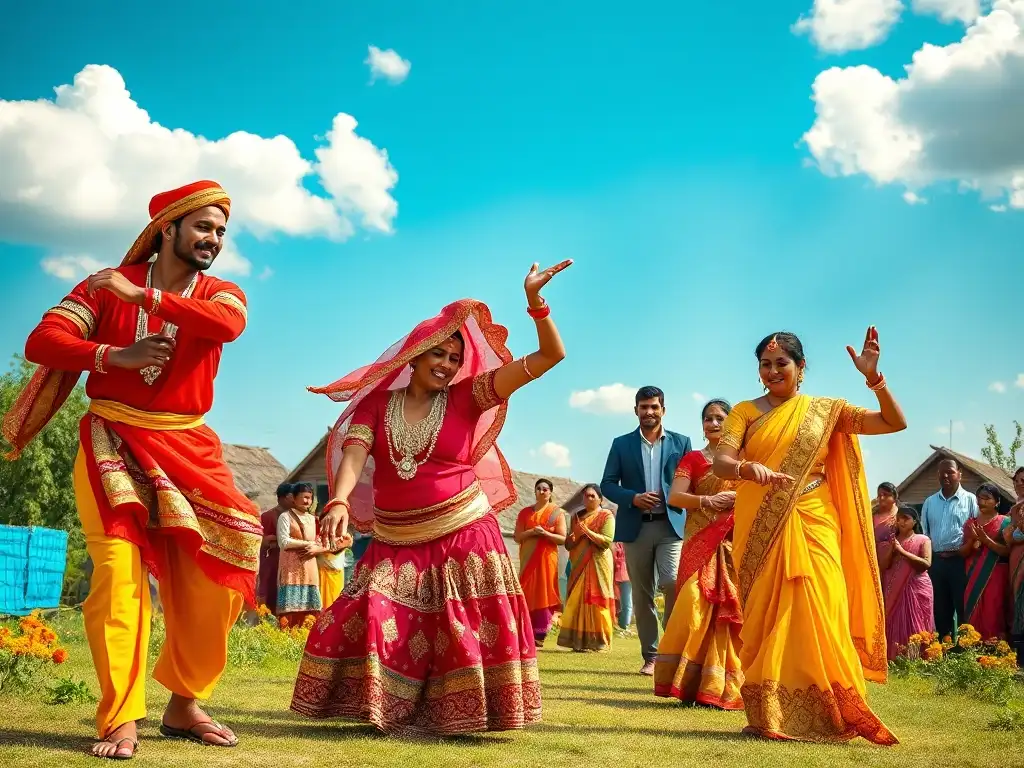
Welcome to Ancient India History, where we embark on a fascinating journey through time, exploring the rich tapestry of India's ancient civilizations. From the intricate artistry of the Indus Valley to the cultural blossoming during the Gupta Empire, our site is dedicated to unearthing the vibrant heritage that shapes modern India. In this article, we delve into the captivating world of Ancient Indian folk dance traditions, revealing how these art forms have preserved the stories, beliefs, and spirit of generations. Get ready to uncover the rhythm and soul of India’s past—your exploration starts here!
- Introduction to Ancient Indian Folk Dance Traditions
- Historical Context of Ancient Indian Folk Dance Traditions
- Major Types of Ancient Indian Folk Dances
- Key Characteristics of Ancient Indian Folk Dance Traditions
- Preservation of Ancient Indian Folk Dance Traditions
- Challenges Facing Ancient Indian Folk Dance Traditions
- Conclusion: The Future of Ancient Indian Folk Dance Traditions
- Frequently Asked Questions
- Final Reflection: Celebrating the Legacy of Ancient Indian Folk Dance Traditions
- Celebrate and Share the Richness of Indian Folk Dances!
Introduction to Ancient Indian Folk Dance Traditions
Ancient Indian folk dance traditions are a vibrant and essential aspect of India's cultural heritage, reflecting the diverse practices and beliefs of various communities throughout the subcontinent. These dances are not merely artistic expressions; they serve as a medium for storytelling, social interaction, and the preservation of traditions passed down through generations.
From the rhythmic beats of the drums to the intricate footwork and colorful attire, folk dances encapsulate the soul of the Indian people and their connection to history, spirituality, and the environment. By exploring the rich tapestry of ancient Indian folk dance traditions, we can gain insights into the cultural narratives and societal values that have shaped the Indian civilization over millennia.
Importance of Folk Dances in Ancient Indian Culture
Folk dances hold a significant place in ancient Indian culture, acting as a bridge between the past and the present. These dances are often associated with local festivals, rituals, and ceremonies, fostering a sense of community and belonging among participants. The importance of folk dances can be highlighted through several key aspects:
- Cultural Preservation: Folk dances are vital in preserving the traditions and customs of various communities. They encapsulate stories, folklore, and historical events, ensuring that the cultural narratives are passed down through generations.
- Social Cohesion: These dances serve as a medium for social interaction, bringing people together to celebrate life's milestones such as harvests, weddings, and religious festivals.
- Expression of Identity: Each folk dance reflects the unique identity of a region, showcasing local customs, attire, and musical styles. This diversity enriches the cultural fabric of India.
- Spiritual Significance: Many folk dances are performed as offerings to deities or during religious ceremonies, underscoring the spiritual connection between the performers and their beliefs.
Overview of Dance as an Art Form in Ancient India
Dance has been an integral part of Indian culture since ancient times, evolving through various influences and historical changes. It is considered one of the oldest forms of expression, combining movement, music, and storytelling. The significance of dance as an art form in ancient India can be understood through the following dimensions:
- Historical Context: The origins of dance in India can be traced back to the Vedic period, where it was often associated with rituals and religious ceremonies. The Natya Shastra, an ancient treatise on performing arts, further codified dance and drama, establishing a framework for understanding the art form.
- Diverse Styles: Ancient Indian dance encompasses a wide variety of styles, each with its own unique characteristics and techniques. While classical forms like Bharatanatyam and Kathak are well-known, folk dances celebrate regional diversity, showcasing local traditions and narratives.
- Integration with Music and Theatre: Dance in ancient India was rarely performed in isolation. It was typically integrated with music and theatrical performances, enriching the overall experience and enhancing the storytelling aspect.
- Symbolism and Aesthetics: The movements, gestures, and expressions in dance often carry deep symbolic meanings, reflecting philosophical concepts and social values. The aesthetics of dance are tied to the principles of beauty and harmony, which are central to Indian art.
By delving into the world of ancient Indian folk dance traditions, we uncover not only the artistic forms but also the cultural, social, and spiritual dimensions that have shaped the lives of countless individuals throughout history.
Historical Context of Ancient Indian Folk Dance Traditions
Origins of Folk Dance in Ancient India
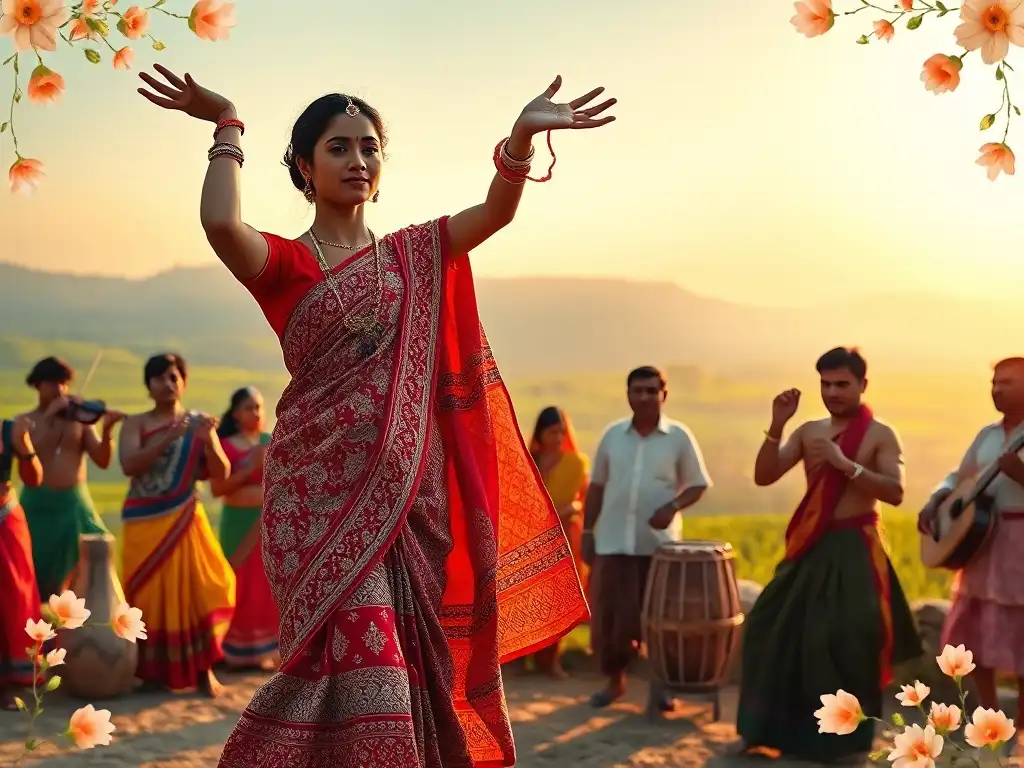
The origins of ancient Indian folk dance traditions trace back to the rich cultural tapestry woven by various civilizations throughout history. Folk dances were not just forms of entertainment; they served as a means of communication, celebration, and expression of community identity. The earliest references to dance in India can be found in the Natya Shastra, an ancient treatise on drama and performance arts authored by the sage Bharata Muni between 200 BCE and 200 CE. This text outlines various aspects of dance, including its significance in rituals and festivals.
Folk dances often emerged from everyday life, reflecting the customs, beliefs, and social practices of the people. For example, the Bhangra dance from Punjab celebrates the harvest season, while the Garba from Gujarat honors the feminine divine during the festival of Navratri. Such dances were typically performed during communal gatherings, marking important life events such as weddings, births, and festivals.
The Indus Valley Civilization (circa 3300–1300 BCE) is believed to have contributed significantly to the early forms of dance. Archaeological findings, including seals depicting dancers, suggest that dance was integral to their cultural practices. This early foundation laid the groundwork for the diverse folk dance traditions that would flourish in later centuries.
Influence of Geography on Dance Styles Across Regions
The geographical diversity of India has played a crucial role in shaping its folk dance traditions. Each region, with its unique cultural milieu, has developed distinct dance forms that reflect local customs, languages, and lifestyles.
- North India:
- Bhangra and Gidda from Punjab celebrate agrarian life and community spirit.
- Kahwa and Raas dances in Haryana and Gujarat showcase vibrant rhythms and colorful attire, often performed during festivals.
- West India:
- Garba and Dandiya Raas from Gujarat highlight the significance of femininity and devotion, especially during Navratri.
- Lavani from Maharashtra reflects the region's folk narratives and social issues through energetic and expressive movements.
- South India:
- Kuchipudi and Bharatanatyam, while classical, have strong folk influences and are deeply rooted in the traditions of their respective regions.
- Kolattam, a folk dance from Andhra Pradesh, involves rhythmic stick play and is often performed during village festivities.
- East India:
- Chhau from Odisha and West Bengal integrates martial arts and storytelling, often performed during seasonal festivals.
- Jhumur and Santhal dances from tribal communities celebrate nature and agricultural cycles, reflecting the intimate connection between the people and their environment.
- Northeast India:
- Dances such as Sankardev and Cheraw are characterized by intricate footwork and vibrant costumes, highlighting the region's unique tribal cultures and traditions.
The interplay between geography and cultural expression ensures that each folk dance tradition carries its own identity, rooted in the land and the people who inhabit it. This geographical influence is not only reflected in the styles and forms of dance but also in the music, costumes, and rituals associated with each performance, making ancient Indian folk dance traditions a rich and diverse aspect of India’s cultural heritage.
Major Types of Ancient Indian Folk Dances
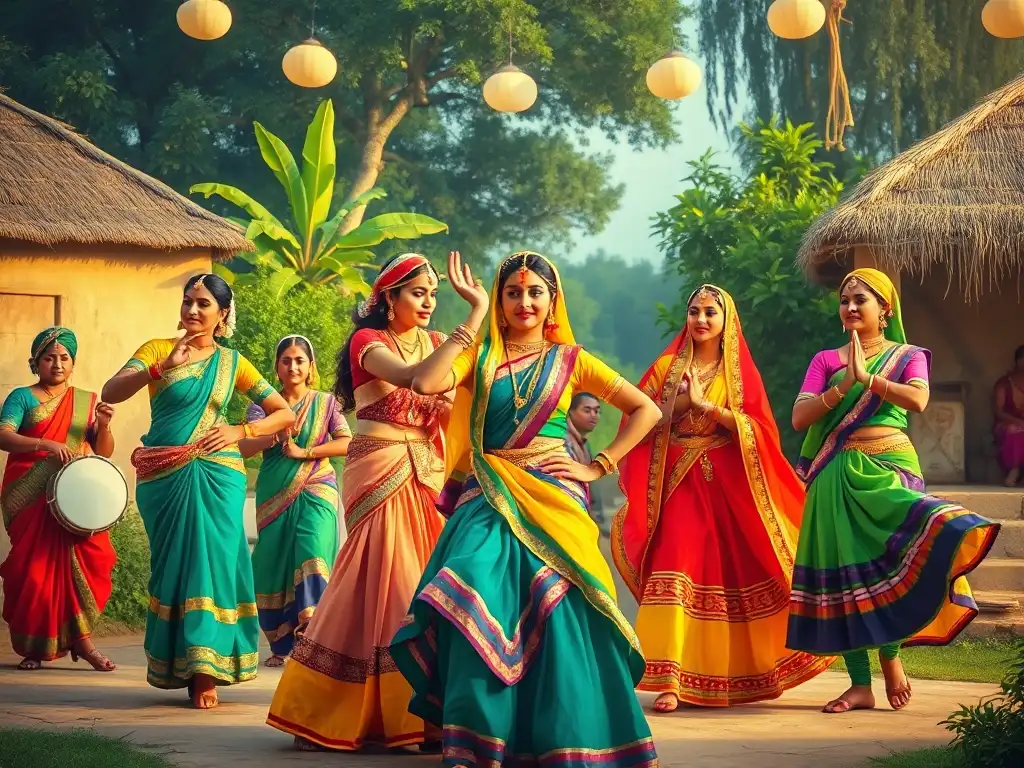
Ancient Indian folk dance traditions are as diverse as the cultural tapestry of the subcontinent itself. Each region boasts its own unique styles, rhythms, and themes that reflect local customs, rituals, and narratives. Folk dances are not merely entertainment; they serve as a vital means of preserving historical and cultural identity while also fostering community bonds. Below are some major types of ancient Indian folk dances categorized by their regional variations.
Regional Variations of Folk Dance in Ancient India
North Indian Folk Dances
North India is known for its vibrant and expressive folk dances that often accompany festivals and celebrations. Some of the prominent folk dance forms include:
- Bhangra: Originating from Punjab, Bhangra is characterized by energetic movements and rhythmic beats, traditionally performed during the harvest season.
- Gidda: Also from Punjab, Gidda is a female counterpart to Bhangra, featuring lively clapping and graceful movements.
- Kumaoni Nati: This dance from the Kumaon region of Uttarakhand showcases intricate footwork and is performed during various social occasions.
The dances often involve colorful attire, with participants wearing traditional costumes that add to the visual appeal. The themes often revolve around love, nature, and the daily life of the people.
South Indian Folk Dances
In South India, folk dances are deeply connected to religious rituals and community gatherings. Noteworthy styles include:
- Kuchipudi: Though often categorized as a classical dance, Kuchipudi has folk roots and is known for its storytelling through expressive movements and facial expressions.
- Kolattam: A lively dance performed with sticks, Kolattam is typically done by women during festivals and showcases rhythmic coordination.
- Karagattam: This dance involves balancing pots on the head and is performed during temple festivals, symbolizing devotion and grace.
The dances from this region are characterized by their intricate footwork, use of props, and incorporation of music that varies from classical to folk tunes.
East Indian Folk Dances
East India presents a rich variety of folk dances that often blend with local traditions and rituals. Key examples include:
- Chhau: Originating from Odisha and West Bengal, Chhau is a martial dance that incorporates masks and elaborate costumes, often depicting mythological themes.
- Santhal Dance: Performed by the Santhal tribe, this dance is characterized by collective movements and is an expression of joy and celebration during harvest.
- Jhumair: A dance from Bihar, Jhumair is performed during weddings and festive occasions, highlighting the rich agricultural heritage of the region.
These dances are often accompanied by folk instruments, creating an immersive cultural experience that captivates both participants and audiences.
West Indian Folk Dances
The folk dances of West India are vibrant and colorful, reflecting the region's cultural diversity. Significant dances include:
- Garba: A popular dance from Gujarat, Garba is performed during the Navratri festival and features circular movements, clapping, and vibrant attire.
- Dandiya Raas: Also from Gujarat, this dance involves the use of sticks and is performed in pairs, celebrating the victory of good over evil.
- Lavani: A folk dance from Maharashtra, Lavani is known for its fast-paced rhythm and is often performed by women with expressive gestures.
These dances serve as both a celebration of life and a means of social interaction, often accompanied by folk songs that narrate local tales and legends.
The Role of Folk Dances in Festivals and Celebrations
Folk dances in ancient India play a pivotal role in festivals and celebrations, serving not only as a form of entertainment but also as a means of cultural expression and community bonding. They often coincide with agricultural cycles, religious observances, and social gatherings, reflecting the ethos of the communities.
- Cultural Preservation: Folk dances preserve the unique heritage of various communities, ensuring that traditional practices are passed down through generations.
- Community Engagement: Festivals often bring together people from different backgrounds, and folk dances foster a sense of unity and collective identity.
- Ritualistic Significance: Many folk dances have spiritual or ritualistic significance, performed to invoke blessings or express gratitude to deities during important ceremonies.
Overall, ancient Indian folk dance traditions encapsulate the essence of cultural heritage, allowing communities to celebrate their history while adapting to contemporary expressions. Through rhythmic movements and vibrant costumes, these dances continue to resonate with the spirit of ancient India, preserving stories and traditions for future generations.
Key Characteristics of Ancient Indian Folk Dance Traditions
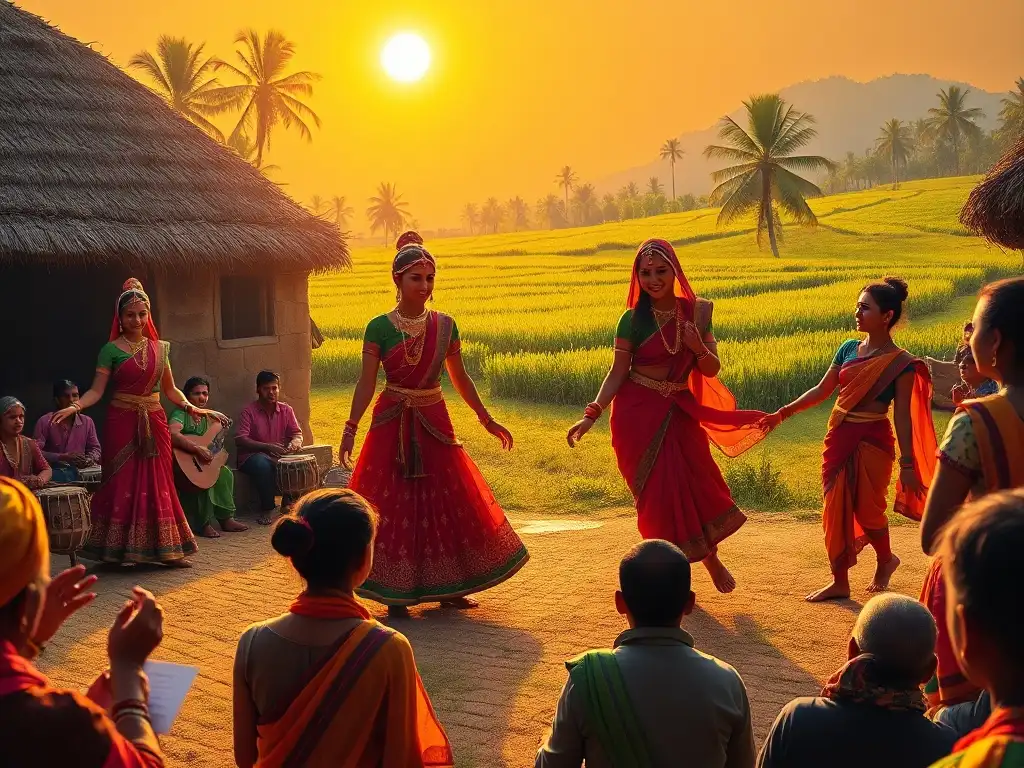
Ancient Indian folk dance traditions are deeply rooted in the cultural and social fabric of Indian society. These dances, often performed during festivals, religious ceremonies, and community gatherings, reflect the local customs, traditions, and lifestyles of various regions across India. Here are some key characteristics that define these vibrant art forms:
Traditional Costumes and Their Significance
The costumes worn in ancient Indian folk dances are not merely for adornment; they serve multiple purposes, conveying cultural identity, social status, and regional heritage.
- Colorful Attire: The use of bright and vibrant colors is a hallmark of folk dance costumes. Each color often has a specific meaning, symbolizing various emotions and themes. For instance, red may represent love and passion, while white could denote purity.
- Regional Variations: Traditional costumes vary significantly from one region to another. For example:
- Bhangra dancers from Punjab wear lungis and chadars, showcasing their agrarian lifestyle.
- Garba performers from Gujarat don elaborate chaniya cholis, reflecting the festive spirit of Navratri.
- Symbolic Accessories: Accessories such as jewelry, headgear, and props are integral to folk dances. They often tell a story or symbolize elements of nature or deities, enhancing the visual appeal and narrative of the performance.
Instruments Used in Folk Dance Performances
Music plays a pivotal role in ancient Indian folk dance traditions, with specific instruments accompanying the dancers to create an immersive experience. Some prominent instruments include:
- Dhol: A double-headed drum that provides a rhythmic foundation in many folk dances, particularly in Punjab and Maharashtra.
- Taal: Hand-held percussion instruments that add layers of rhythm and sound, commonly used in dances like Lavani and Dandiya Raas.
- Flute and Harmonium: Melodic instruments that enrich the musical landscape, often used in regional folk dances to evoke emotions and enhance storytelling.
- Nagada: Traditional kettle drums that signal the beginning of a performance and energize the audience, widely used in celebrations and festivals.
The combination of these instruments creates an infectious rhythm that invites participation, making folk dances a communal experience.
Themes and Stories Portrayed in Folk Dances
The themes of ancient Indian folk dances are diverse, often reflecting the day-to-day lives, struggles, joys, and beliefs of the people. Key themes include:
- Nature and Agriculture: Many dances celebrate the changing seasons, harvest festivals, and agricultural practices. For instance, Bihu dance from Assam is a tribute to the harvest season, depicting the joy of reaping the crops.
- Mythology and Folklore: Folk dances often narrate stories from local myths and legends. The Ramlila, a traditional performance recounting the story of Lord Rama, illustrates the intersection of dance and storytelling.
- Social Issues and Community Life: Dances may address social themes such as unity, love, and the struggles of rural life. The Ghoomar dance from Rajasthan, for example, celebrates femininity and community bonding among women.
Through these themes, ancient Indian folk dance traditions preserve the collective memory and cultural identity of communities, passing down stories and values from one generation to the next.
Preservation of Ancient Indian Folk Dance Traditions
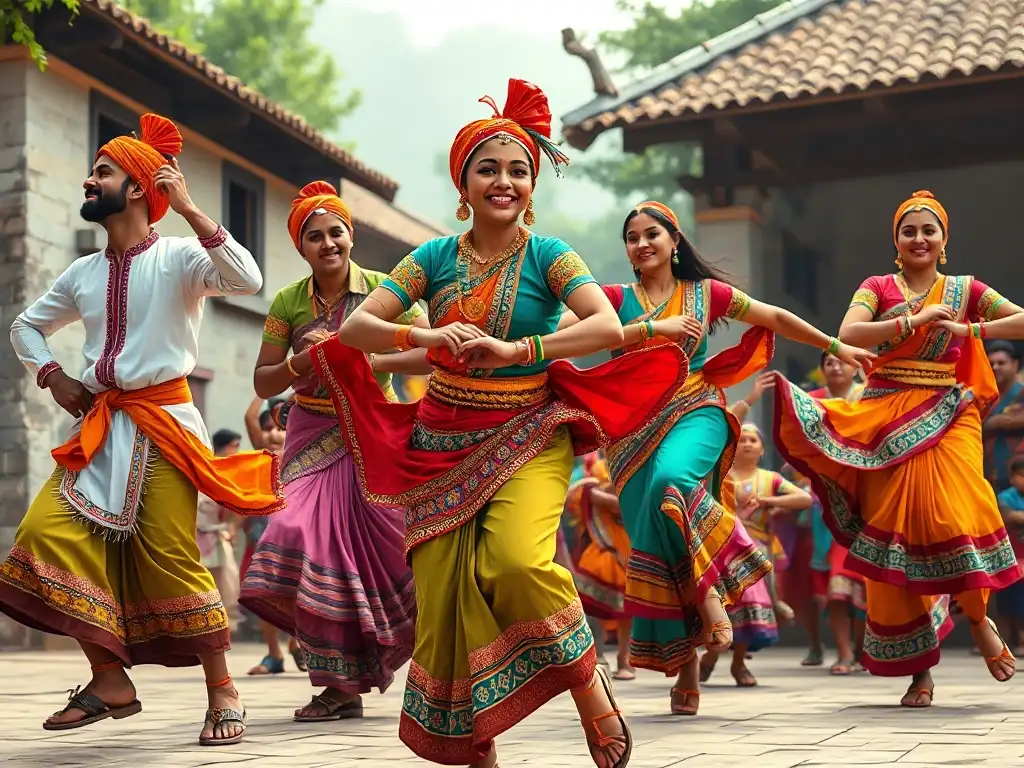
The preservation of ancient Indian folk dance traditions is vital for maintaining the cultural heritage and identity of various communities in India. These dance forms are not merely artistic expressions but also serve as vessels for storytelling, ritual practices, and the transmission of historical narratives. By understanding the mechanisms of preservation, we can appreciate how these traditions have evolved while remaining rooted in their origins.
Oral Traditions and Storytelling in Dance
Oral traditions play a crucial role in the preservation of folk dance in ancient India. Dances often convey stories that reflect the values, beliefs, and myths of the community. This storytelling aspect is intertwined with the dance movements, music, and costumes.
- Narrative Functions: Each dance typically includes a narrative that may recount local legends, historical events, or moral lessons. For example, the dances of Punjab often reflect the agrarian lifestyle, celebrating harvests and seasonal changes.
- Cultural Transmission: Through generations, elders teach the younger members of the community these dances, ensuring that the stories and their meanings are passed down. This process of learning by doing is fundamental, as children observe and participate in festive occasions where these dances are performed.
- Symbolic Gestures: Many folk dances utilize specific hand gestures and body movements that carry symbolic meanings. For instance, in the famous Garba dance from Gujarat, the circular movements symbolize the cycle of life, while the clapping represents unity and community spirit.
Role of Families and Communities in Dance Practices
Families and communities are integral to the survival and evolution of ancient Indian folk dance traditions.
- Community Involvement: Dance is often a communal activity, performed during festivals, weddings, and public celebrations. These gatherings not only foster a sense of belonging but also reinforce cultural values through shared experiences.
- Family Traditions: In many regions, folk dance styles are passed down within families, where particular dances become synonymous with family identity. For instance, the Bhangra dance is often associated with specific clans in Punjab, where families compete to showcase their skills during local competitions.
- Cultural Festivals: Events such as the Kumbh Mela and Navratri serve as platforms for folk dance performances, bringing together thousands of participants. These festivals help in revitalizing interest among the youth, ensuring that ancient traditions remain vibrant.
Modern Efforts to Preserve Ancient Folk Dances
In the contemporary world, various efforts are underway to preserve ancient Indian folk dance traditions amidst globalization and cultural homogenization.
- Cultural Organizations: Numerous NGOs and cultural organizations focus on documenting and promoting folk dances through workshops, performances, and festivals. Initiatives like the Sankalp Cultural Festival highlight regional folk dances, providing a stage for artists and practitioners.
- Educational Institutions: Dance schools and universities are incorporating folk dance forms into their curricula, ensuring that students receive formal training in these traditions. This academic interest contributes to a renewed appreciation and understanding of folk dances.
- Digital Documentation: With the advent of technology, many folk dances are being recorded and shared online. This digital archive not only preserves the dances but also makes them accessible to a global audience. Platforms like YouTube and social media have become vital in showcasing these ancient forms, allowing enthusiasts from various backgrounds to engage with them.
The preservation of ancient Indian folk dance traditions is a multi-faceted endeavor involving oral storytelling, community participation, and modern initiatives. Through these efforts, the rich tapestry of ancient Indian culture continues to thrive, ensuring that these timeless expressions of art remain alive for future generations.
Challenges Facing Ancient Indian Folk Dance Traditions
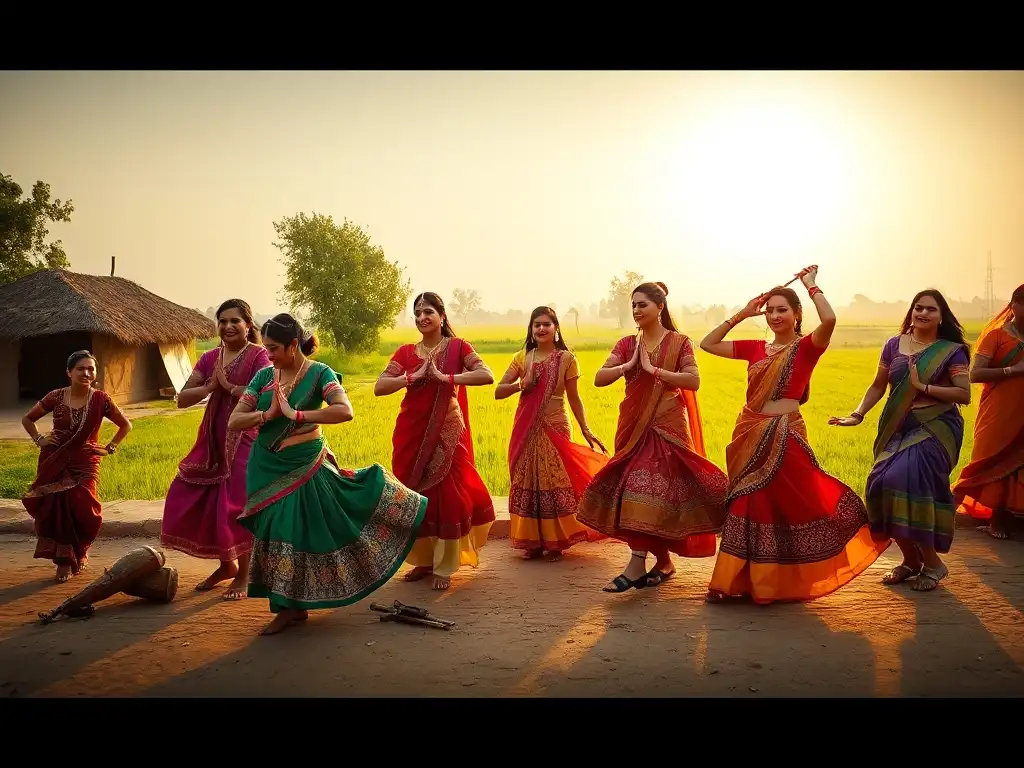
The ancient Indian folk dance traditions, a vibrant tapestry of cultural expression, are facing numerous challenges in the contemporary landscape. These challenges stem from a variety of factors including modernization, globalization, and changing social dynamics. Understanding these obstacles is crucial to preserving the integrity and continuity of these artistic forms.
Impact of Modernization on Traditional Practices
The advent of modernization has significantly altered the way folk dances are performed and perceived. Traditional dances, once integral to community festivities and rituals, are now often relegated to the status of entertainment for commercial purposes. This shift has led to several notable impacts:
- Commercialization: Folk dances are frequently adapted for commercial performances, stripping them of their original cultural contexts. This commercialization can dilute the significance of the dance, transforming it from a communal expression into a mere spectacle aimed at profit.
- Urbanization: As people migrate to urban centers, traditional settings for folk dances are lost. Urban lifestyles often prioritize fast-paced living, which may not accommodate the time-honored practices of folk dance, leading to a decline in participation.
- Influence of Global Culture: The influx of global cultural elements often overshadows local traditions. Young generations, exposed to international music and dance forms, may gravitate towards these influences, inadvertently neglecting their rich folk heritage.
- Technological Advancements: The rise of digital media and entertainment platforms has shifted the focus away from live performances, which were once the heart of folk traditions. With the prevalence of online entertainment, the engagement with traditional folk dances can diminish.
Loss of Authenticity in Folk Dances
The authenticity of ancient Indian folk dance traditions is increasingly at risk due to various factors that contribute to their evolution or alteration. Some key aspects of this loss include:
- Adaptation and Fusion: While adaptation can be a natural evolution, excessive fusion with modern dance styles can compromise the essence of folk dances. Traditional movements may be replaced or modified, leading to a loss of cultural heritage.
- Educational Gaps: The decline in the transmission of traditional dance knowledge from generation to generation poses a significant risk. Many younger dancers lack access to authentic training that respects and preserves the traditional techniques and narratives integral to these art forms.
- Cultural Appropriation: In some cases, elements of folk dances are appropriated without acknowledgment of their origins or significance. This not only undermines the cultural context but can also lead to misrepresentation of the traditions.
- Neglect by Cultural Institutions: Inadequate support from cultural institutions and government bodies can hinder the preservation of folk dance traditions. Without proper funding, documentation, and promotion, these art forms may struggle to survive in a rapidly changing world.
The challenges facing ancient Indian folk dance traditions are multifaceted, requiring concerted efforts from communities, cultural custodians, and policymakers to ensure that these rich traditions endure. By addressing the impacts of modernization and working to maintain authenticity, there is hope for the preservation and revitalization of these invaluable cultural treasures.
Conclusion: The Future of Ancient Indian Folk Dance Traditions
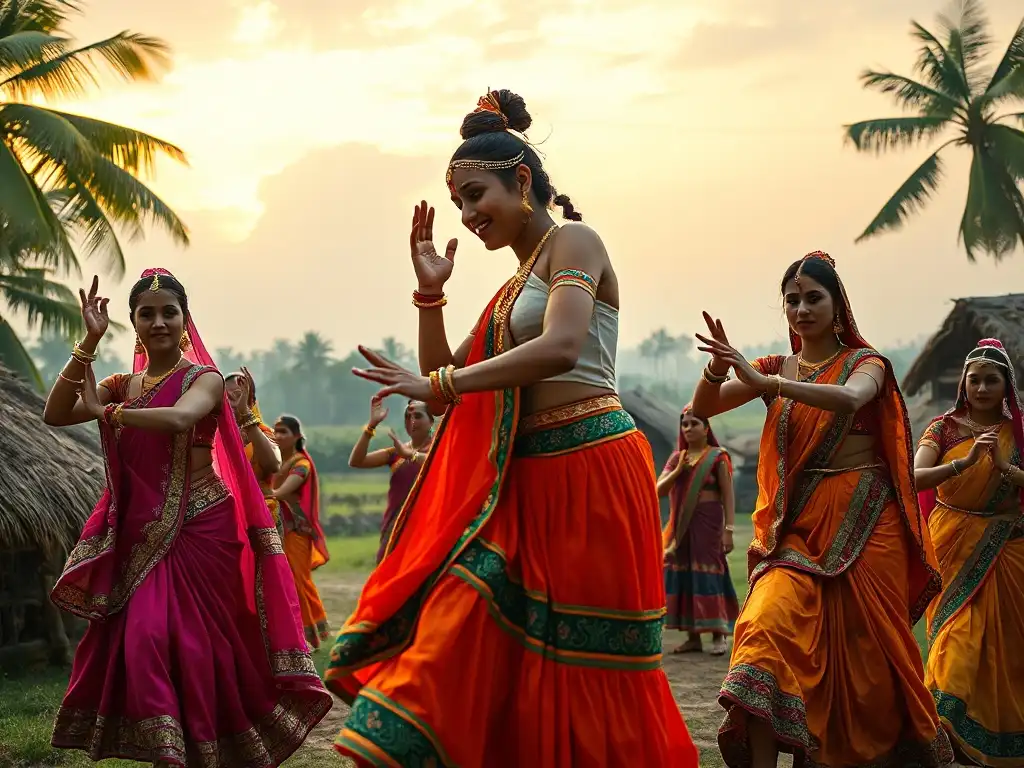
The legacy of ancient Indian folk dance traditions is not just a relic of the past; it is a vibrant aspect of India's cultural tapestry that continues to evolve. As we look to the future, the preservation and promotion of these art forms are essential in maintaining the rich heritage that they embody. Engaging with these traditions allows for a deeper understanding of regional identities, community values, and historical contexts. The challenge lies in ensuring that these dances do not fade into obscurity but instead flourish, capturing the interest of future generations.
Reviving Interest in Folk Dances Among New Generations
Reviving interest in ancient Indian folk dances among the youth is crucial for the survival of these traditions. Various initiatives have emerged to foster this connection, including:
- Workshops and Classes: Many organizations are offering workshops that teach the intricacies of folk dances, such as Bhangra, Garba, and Kathakali. These classes often blend traditional techniques with contemporary styles, making them appealing to younger audiences.
- Cultural Festivals: Events celebrating folk culture, such as dance festivals and competitions, provide platforms for showcasing talents. These gatherings not only entertain but also educate audiences about the significance of folk dances.
- Digital Platforms: Social media has become a powerful tool for promoting folk dances. Online tutorials, dance challenges, and performances shared on platforms like Instagram and TikTok are helping to reach a wider audience, inviting the youth to engage with these traditions creatively.
- Integration into Education: Incorporating folk dance into school curriculums helps instill an appreciation for cultural heritage from a young age. Educational institutions are increasingly recognizing the value of teaching students about their roots through art forms.
By actively engaging new generations in these ways, there is hope for the continued practice and evolution of ancient Indian folk dance traditions.
Importance of Cultural Heritage in Contemporary Society
In a rapidly globalizing world, the importance of cultural heritage, including ancient Indian folk dance traditions, cannot be overstated. These dances serve not only as entertainment but also as a means of:
- Identity Formation: Folk dances are deeply tied to regional identities and historical narratives. They help individuals connect with their cultural roots, fostering a sense of belonging and pride.
- Community Cohesion: Participating in folk dances often brings communities together. Festivals and performances create opportunities for social interaction and collective celebration, reinforcing community bonds.
- Cultural Exchange: As ancient Indian folk dance traditions gain recognition on global platforms, they facilitate cultural exchange. This sharing of artistic expressions promotes understanding and respect among diverse cultures.
- Preservation of Language and Stories: Many folk dances are accompanied by specific songs and narratives that convey local histories and traditions. They play a vital role in preserving languages and folklore that may otherwise be lost.
In contemporary society, embracing and promoting ancient Indian folk dance traditions is essential for safeguarding cultural diversity and enriching the global cultural landscape. It is a reminder that while societies evolve, the essence of tradition can continue to thrive, bridging the past with the present.
Frequently Asked Questions
What are ancient Indian folk dance traditions?
Ancient Indian folk dance traditions refer to the varied dance forms that have evolved over centuries across different regions of India, often reflecting local culture and heritage.
How do these dances preserve cultural heritage?
These dances serve as a means of storytelling and celebration, allowing communities to pass down customs, values, and historical narratives through generations.
What role do folk dances play in Indian festivals?
Folk dances are integral to Indian festivals, providing a platform for community bonding, celebration, and the expression of joy and spirituality during significant events.
Are there any specific famous folk dances in India?
Yes, notable folk dances include Bhangra from Punjab, Garba from Gujarat, and Bihu from Assam, each showcasing unique styles, costumes, and musical elements.
How are modern influences affecting these traditional dances?
Modern influences are leading to fusion styles and innovative presentations, yet many communities strive to maintain the authenticity of their folk dance traditions while adapting to contemporary audiences.
Final Reflection: Celebrating the Legacy of Ancient Indian Folk Dance Traditions
The exploration of Ancient Indian folk dance traditions reveals a vibrant tapestry woven through time, embodying the spirit and resilience of diverse cultures. Today, as we navigate a rapidly changing world, the significance of these traditions becomes ever more apparent. They serve not only as a means of artistic expression but also as a vital link to our heritage, reminding us of the values, stories, and communal bonds that have shaped our identities. In a society increasingly influenced by globalization, the preservation of these dances is a powerful statement of cultural pride and continuity.
The impact of ancient Indian folk dances extends far beyond mere performance; they are a reflection of our collective consciousness and social fabric. These dances encapsulate the essence of community, storytelling, and celebration, resonating with audiences both young and old. As we witness a resurgence of interest in these art forms, it is crucial to recognize their role in fostering unity and understanding among diverse groups. Dance is the hidden language of the soul.
— Martha Graham. This quote encapsulates the profound connection we share through movement, emphasizing the importance of keeping these traditions alive for future generations.
As we conclude this journey through the rich landscape of ancient Indian folk dance traditions, I invite you to reflect on your own connection to cultural heritage. Consider how you can engage with and support these art forms in your community, whether through participation, education, or advocacy. Let us honor the past while embracing the future, ensuring that the vibrant rhythms and stories of our ancestors continue to inspire and unite us. Together, we can keep the spirit of these traditions alive, celebrating the beauty of diversity and the power of dance in our lives.
Thank you for exploring the vibrant world of Ancient Indian Folk Dances with us! By diving into these traditions, you’ve gained insights into the rich cultural tapestry that has been passed down through generations. Now, it’s time to take action and keep these beautiful art forms alive!
- Join a local dance class to learn a folk dance from your region or another culture, embracing the rhythm and spirit of tradition.
- Share your experience with friends and family—organize a gathering where everyone can learn and dance together!
- Explore online resources to discover videos, tutorials, and histories of various folk dances to deepen your understanding and appreciation.
Which folk dance will you try first, and how do you plan to share this experience with others?