
The Role of Audience Interaction in Ancient Indian Theater Practices

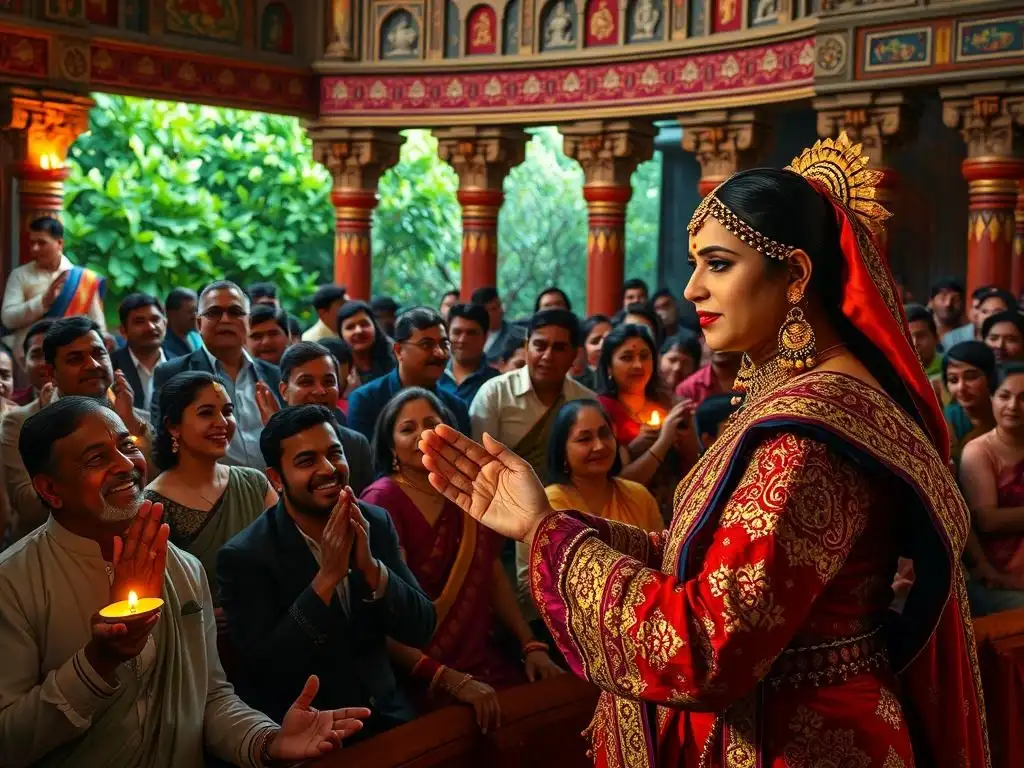
Welcome to Ancient India History, where we embark on a fascinating journey through the tapestry of time, unraveling the rich and diverse narratives of ancient Indian civilizations. In our featured article, we delve into the captivating world of Ancient Indian theater audience engagement, exploring how interaction shaped the performances and enriched cultural experiences. Have you ever wondered how the enthusiasm of an audience could influence a play’s outcome?
Join us as we uncover the vibrant practices that made theater a dynamic art form, inviting you to discover the profound connections between performers and their spectators. Dive in and let your curiosity guide you through the echoes of the past!
Introduction to Ancient Indian Theater and Audience Engagement
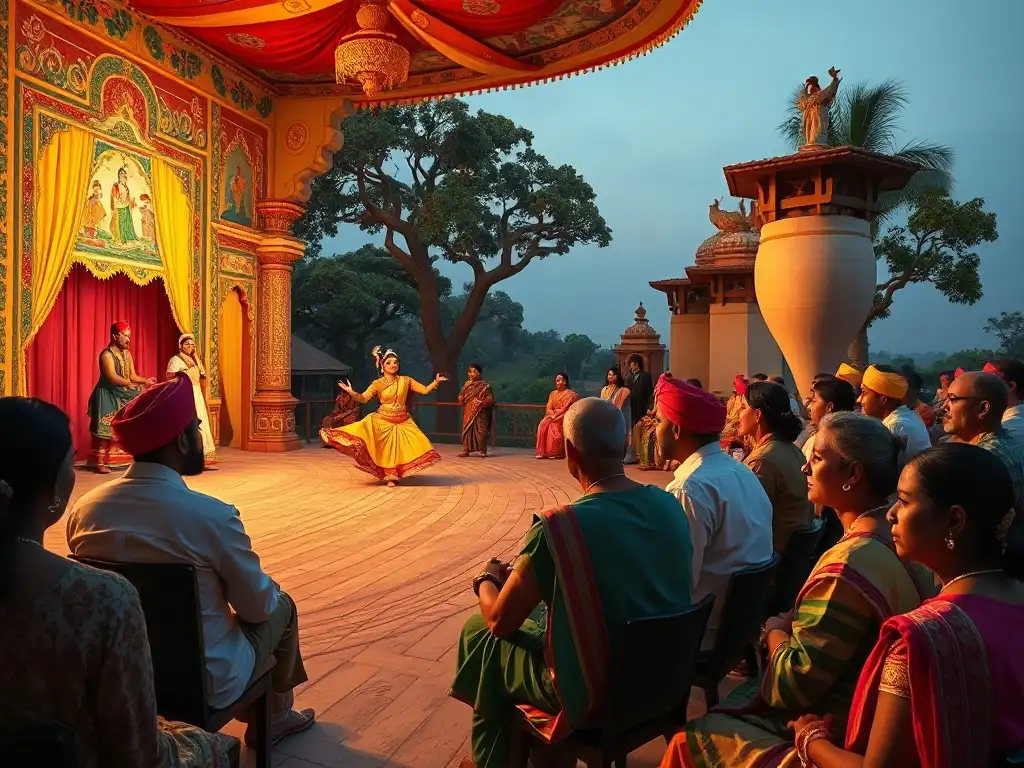
The exploration of ancient Indian theater offers a profound insight into the cultural, social, and artistic practices that flourished in the subcontinent over centuries. One of the most intriguing aspects of this theatrical tradition is the audience engagement, which played a crucial role in shaping performances and enhancing the overall experience. Ancient Indian theater was not merely a form of entertainment; it was an interactive medium that fostered a deep connection between performers and their audiences. This article delves into the various dimensions of audience interaction within ancient Indian theater practices, highlighting its significance and evolution through time.
Overview of Ancient Indian Theater
Ancient Indian theater is characterized by its rich tapestry of styles and forms, including Natya Shastra, a foundational text attributed to the sage Bharata Muni, which outlines the principles of drama, performance, and aesthetics. The theatrical landscape of ancient India encompassed various genres, such as:
- Dance dramas: Combining movement and storytelling, these performances often drew from mythology and epics like the Mahabharata and Ramayana.
- Street performances: Engaging various social strata, these performances were often spontaneous and interactive, reflecting contemporary issues and societal norms.
- Religious rituals: Many theatrical forms were intertwined with religious practices, where the audience's participation was vital for the spiritual dimension of the performance.
This diverse array of theatrical expressions highlights the integral role of audience interaction, as performances were designed not only to entertain but also to involve spectators actively.
Importance of Audience Interaction in Performance Arts
Audience interaction in ancient Indian theater served multiple purposes:
- Cultural Reflection: The engagement of the audience allowed for the reflection of societal values, norms, and collective consciousness within the performances.
- Feedback Mechanism: Performers often relied on audience reactions to gauge the success of their portrayals, leading to dynamic and adaptable performances.
- Community Building: By inviting participation, theater fostered a sense of community, uniting individuals through shared experiences and emotional connections.
The significance of audience engagement cannot be overstated, as it was crucial for the vibrancy and relevance of ancient Indian theater.
Historical Context of Theater in Ancient India
Evolution of Theater Practices in Ancient India
The evolution of theater in ancient India can be traced through several notable phases, which reflect the changing dynamics of society, politics, and culture. Key milestones include:
- Early Forms: The emergence of folk theater and ritualistic performances set the foundation for more structured forms of drama.
- Classical Period: The establishment of formalized theater, characterized by the Natya Shastra, which codified performance techniques and audience engagement practices.
- Medieval Innovations: The rise of regional styles and adaptations that incorporated local folklore and languages, further enriching the interaction with diverse audiences.
This historical progression underscores the adaptability and resilience of theater as an art form, continuously influenced by audience dynamics.
Key Historical Figures and Their Contributions
Several key figures have made significant contributions to the development of ancient Indian theater, emphasizing the importance of audience interaction:
- Bharata Muni: The author of the Natya Shastra, Bharata's work remains a cornerstone in understanding the principles of performance and audience engagement.
- Kalidasa: Renowned for his poetic dramas, Kalidasa's works often engaged audiences through relatable themes and emotional depth, reflecting societal values and human experience.
- Bhasa: An early playwright whose plays showcased a keen awareness of audience dynamics, Bhasa's narratives often involved direct addresses to the audience, enhancing their immersive experience.
These figures exemplify how ancient Indian theater was not only a reflection of artistic expression but also a platform for audience engagement, shaping the trajectory of performance arts in the region.
Forms of Audience Engagement in Ancient Indian Theater
Audience engagement in ancient Indian theater was a multifaceted experience that played a crucial role in the performance dynamics. The interaction between performers and audience members not only enriched the theatrical experience but also fostered a sense of communal involvement. This engagement could primarily be categorized into two forms: direct interaction techniques and indirect engagement techniques. Each method served to deepen the connection between the audience and the performance, creating a vibrant cultural exchange.
Direct Interaction Techniques
Direct interaction techniques were prevalent in ancient Indian theater, allowing audiences to actively participate in the performance. These techniques included:
- Improvisation: Actors often engaged in spontaneous dialogues with the audience, encouraging spectators to respond and interact with the unfolding drama. This unpredictability added excitement and made each performance unique.
- Audience Participation: In some performances, audience members were invited to join the actors on stage or to contribute to the storyline. This blurring of boundaries between performers and viewers created a shared experience.
- Call-and-Response: It was common for actors to incorporate call-and-response formats, where they would pose questions or prompts, inviting the audience to respond vocally. This technique not only engaged the audience but also made them feel integral to the narrative.
These direct methods fostered a vibrant atmosphere where the audience felt empowered to influence the performance, thereby enhancing their overall experience.
Indirect Engagement Techniques
Indirect engagement techniques, while less overt than direct interaction, still played a significant role in captivating the audience's attention and imagination. Some notable examples include:
- Symbolic Gestures: Actors often employed symbolic gestures and movements that resonated with the audience's cultural and social understanding. This allowed spectators to interpret the action in a personal way, deepening their emotional connection to the performance.
- Cultural Relevance: The themes and stories presented in ancient Indian theater frequently drew from contemporary societal issues, folklore, and mythology. This relevance encouraged the audience to reflect on their own experiences and beliefs in relation to the performance.
- Musical Elements: The integration of music and dance not only enhanced the entertainment value but also engaged the audience's senses, drawing them into the emotional landscape of the performance.
These indirect techniques created a rich tapestry of engagement that allowed audiences to connect with the performance on multiple levels, making the theatrical experience more immersive and meaningful.
Case Studies of Audience Engagement in Notable Ancient Indian Plays
Examining specific case studies of ancient Indian plays reveals how audience engagement manifested in various contexts. These examples highlight the diverse strategies employed by playwrights and performers to connect with their audiences.
Natya Shastra’s Influence on Audience Interaction
The Natya Shastra, an ancient treatise on performing arts attributed to Bharata Muni, has been instrumental in shaping the principles of audience interaction in Indian theater. This foundational text emphasizes the importance of Rasa (emotional flavor) and Bhava (emotional expression), which are crucial for engaging the audience.
- Emotional Resonance: By invoking specific emotions through performance, actors could create a shared emotional experience with the audience, encouraging them to invest personally in the narrative.
- Guidelines for Performance: The Natya Shastra outlines techniques for audience engagement, such as the use of Aṅgika (gestural language) and Vācika (verbal expression), which are designed to enhance communication with the audience.
The influence of the Natya Shastra can be seen in the way ancient Indian theater continuously sought to establish a dynamic relationship with its audiences, making performances not just a spectacle but a communal event.
Examples from Classical Sanskrit Theater
Classical Sanskrit theater provides rich examples of audience engagement, showcasing how playwrights like Kalidasa and Bhasa utilized various techniques to captivate their viewers.
- Shakuntala by Kalidasa: This play exemplifies emotional engagement through its exploration of love and longing. The audience is invited to empathize with the characters’ experiences, fostering a deep emotional connection.
- Swapnavasavadatta by Bhasa: In this play, the use of humor and clever dialogues invites audience participation. Audiences often responded to the comedic elements, creating an interactive atmosphere that enhanced the overall enjoyment of the performance.
These examples from classical Sanskrit theater demonstrate the enduring legacy of audience engagement practices, highlighting their significance in shaping the theatrical landscape of ancient India.
The Symbolism of Audience Engagement in Ancient Indian Culture
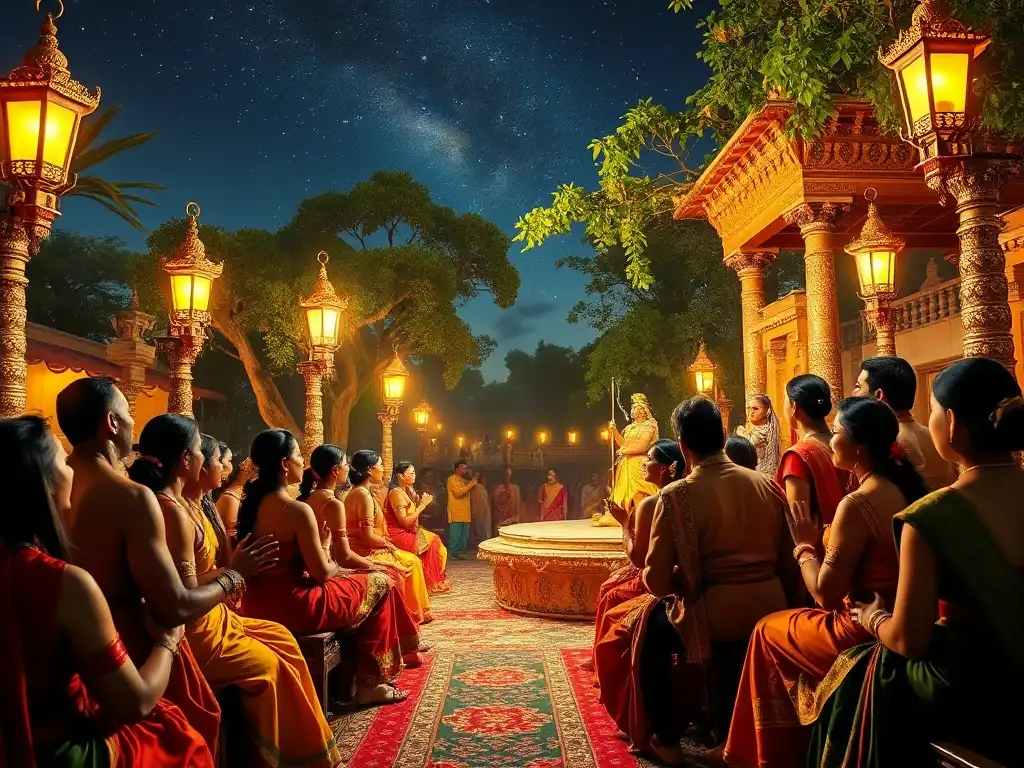
Audience engagement in ancient Indian theater was not merely a byproduct of performance; it embodied the very essence of cultural expression. Theatrical practices, such as those found in forms like Natya Shastra, emphasized the importance of the audience's role in the storytelling process. The interaction between performers and spectators symbolized a communal experience, where the audience's reactions—be it laughter, applause, or silence—shaped the direction of the narrative.
In ancient India, theater was perceived as a reflection of cosmic principles, where the audience, akin to the divine, played an integral part in the realization of the performance's meaning. This interaction was steeped in symbolism, representing the interconnectedness of life and art. The audience's engagement was seen as a form of spiritual participation, where collective emotions and responses contributed to the sanctity of the performance. This symbiotic relationship highlighted the audience’s role not just as passive observers but as active participants in the theatrical experience.
Reflections of Society and Values through Theater
Theater in ancient India served as a mirror, reflecting the societal norms, values, and philosophical ideas of the time. Through various forms of drama and performance, audiences were confronted with themes that resonated deeply within their cultural context. For instance, plays often portrayed moral dilemmas, social justice, and the complexities of human relationships, offering audiences a chance to engage with these issues.
The incorporation of local myths, legends, and historical narratives provided a platform for communal identity and pride. Audiences were not only entertained but also educated about their heritage and ethical responsibilities. This engagement enabled a dialogue between the performers and the spectators, fostering a sense of community and shared values. The themes explored in theater often served to reinforce societal norms, while also challenging audiences to reflect on their own lives and the broader implications of their actions.
The Role of Spectators in Shaping Narrative Outcomes
In ancient Indian theater, spectators wielded significant influence over the unfolding of narratives. Their reactions, which could range from cheers to jeers, directly impacted the performance. This dynamic relationship allowed for a degree of improvisation, where actors could alter their delivery or narrative paths based on audience feedback.
The concept of "Rasa," or aesthetic experience, was crucial in this context. The emotional responses elicited from the audience—whether it be joy, sorrow, or fear—played a pivotal role in determining the effectiveness of the performance. The audience's engagement thus became a catalyst for the artistic expression, allowing the narrative to evolve organically. This interplay not only enriched the theatrical experience but also empowered the spectators, making them co-creators of the performance.
Contemporary Relevance of Ancient Indian Theater Audience Interaction
The principles underpinning audience interaction in ancient Indian theater continue to resonate in contemporary performance arts, emphasizing the timeless nature of these practices. Modern theater, much like its ancient counterparts, thrives on the connection between performers and audiences. This relationship is crucial for creating compelling narratives that resonate with viewers today.
Lessons from Ancient Practices for Modern Theater
Ancient practices of audience engagement offer valuable lessons for today’s theater creators. The emphasis on real-time feedback can inform contemporary performances, encouraging actors to develop skills in improvisation and adaptability. By fostering an environment where audience reactions are welcomed and incorporated, modern theater can cultivate a more immersive and dynamic experience.
Moreover, the ancient belief in the audience's active role in shaping narratives can inspire contemporary playwrights and directors to experiment with interactive storytelling. Engaging audiences not just as viewers but as integral parts of the performance can lead to innovative and varied theatrical experiences, enhancing emotional investment and overall enjoyment.
The Impact of Audience Engagement on Current Indian Performance Arts
Current Indian performance arts are increasingly recognizing the importance of audience engagement. From traditional forms like Kathakali and Kathak to contemporary theater and dance, the interaction between performers and audiences is being revitalized. This shift acknowledges that an engaged audience can elevate the performance, creating a richer and more fulfilling experience.
The resurgence of interactive theater and community-based performances reflects a growing understanding of the audience's role in shaping the artistic landscape. Engaging with audiences through workshops, discussions, and participatory performances fosters a deeper connection, ensuring that the art form remains relevant and resonant. Ultimately, the legacy of ancient Indian theater audience engagement continues to inform and enrich the evolving narrative of contemporary performance arts in India.
Conclusion: The Lasting Legacy of Audience Interaction in Ancient Indian Theater
The enduring legacy of audience interaction in ancient Indian theater practices reflects a vibrant dialogue between performers and spectators that shaped not only the storytelling process but also the cultural fabric of the time. The techniques utilized to engage audiences—ranging from direct address to participatory elements—transformed performances into communal experiences. This interactivity fostered a deeper connection between the narratives presented and the lives of the audience members, allowing for an immersive exploration of themes such as morality, duty, and the human condition.
Ancient Indian theater, particularly through forms like Sanskrit drama and folk traditions, established a blueprint for how audiences could influence and participate in the theatrical experience. The emphasis on audience feedback and involvement contributed to a dynamic form of storytelling that remained relevant across generations. This legacy continues to inspire contemporary theater practices, reminding us of the significance of audience engagement in the arts.
Summary of Key Points
- Interactive Techniques: Ancient Indian theater employed various interactive techniques, including direct address, improvisation, and audience participation, making performances a shared experience.
- Cultural Significance: These practices were deeply rooted in the cultural and social contexts of the time, reflecting the values, beliefs, and challenges faced by society.
- Influence on Modern Theater: The principles of audience engagement seen in ancient practices have informed modern theatrical forms, highlighting the importance of audience involvement in storytelling.
- Community Building: Theater served as a platform for community engagement, allowing individuals to connect with each other and their cultural heritage through shared artistic experiences.
Future Directions for Research on Audience Engagement in Ancient Theater
Future research on audience engagement in ancient Indian theater can explore several promising avenues:
- Comparative Studies: Analyzing audience interaction in ancient Indian theater alongside other global traditions can yield insights into universal themes of engagement and performance.
- Archaeological Evidence: Investigating archaeological findings related to performance spaces may provide a clearer picture of how audience dynamics functioned in ancient theaters.
- Textual Analysis: A deeper textual analysis of plays and scripts can reveal explicit references to audience interaction that may have been overlooked.
- Oral Traditions: Exploring oral storytelling practices in connection with theater can illuminate how engagement strategies were adapted over time and across different communities.
- Cultural Impact: Understanding the impact of colonialism and globalization on traditional audience engagement practices can provide context for contemporary adaptations in performance arts.
References
Academic Sources on Ancient Indian Theater
- K. R. Srinivasa Iyengar, History of Indian Drama (1962) – A comprehensive overview of the evolution of drama in India, focusing on its various forms and functions.
- Richard Schechner, Performance Studies: An Introduction (2002) – This text includes discussions on the role of audience interaction in various cultural performance practices, including ancient India.
Suggested Further Reading on Audience Engagement in the Arts
- Erika Fischer-Lichte, The Transformative Power of Performance: A New Aesthetics (2008) – This book examines how engagement influences the aesthetic experience in various performance contexts.
- Anne Bogart and Tina Landau, The Viewpoints Book: A Practical Guide to Viewpoints and Composition (2005) – It explores the dynamics of audience engagement through practical approaches to theater creation.
The exploration of these sources can further enrich our understanding of ancient Indian theater and its profound influence on audience engagement in the arts.
- Introduction to Ancient Indian Theater and Audience Engagement
- Historical Context of Theater in Ancient India
- Forms of Audience Engagement in Ancient Indian Theater
- Case Studies of Audience Engagement in Notable Ancient Indian Plays
- The Symbolism of Audience Engagement in Ancient Indian Culture
- Contemporary Relevance of Ancient Indian Theater Audience Interaction
- Conclusion: The Lasting Legacy of Audience Interaction in Ancient Indian Theater
- References
- What was the significance of audience interaction in ancient Indian theater?
- How did ancient Indian theater engage its audience?
- Were there specific forms of theater in ancient India that emphasized audience engagement?
- What methods were used to keep the audience engaged during performances?
- How did audience engagement influence the themes of ancient Indian theater?
Frequently Asked Questions
What was the significance of audience interaction in ancient Indian theater?
Audience interaction played a crucial role in ancient Indian theater, enhancing the experience and engagement of performers and spectators alike.
How did ancient Indian theater engage its audience?
Ancient Indian theater utilized interactive elements, such as dialogue, music, and dance, to create a dynamic atmosphere that invited audience participation.
Were there specific forms of theater in ancient India that emphasized audience engagement?
Yes, forms like Natya Shastra and Kathakali emphasized audience involvement, using techniques that encouraged spectators to respond and participate in the performance.
What methods were used to keep the audience engaged during performances?
Performers employed call-and-response techniques, improvisation, and direct address to maintain audience interest and create a more immersive experience.
How did audience engagement influence the themes of ancient Indian theater?
The interaction between the audience and performers often influenced the themes and narratives of the plays, making them more relatable and reflective of societal values and concerns.
Final Reflection: The Enduring Legacy of Audience Engagement in Ancient Indian Theater
The exploration of audience interaction in ancient Indian theater practices reveals a profound connection between performers and spectators that resonates even today. This dynamic relationship not only enriched the theatrical experience but also fostered a sense of community and shared cultural identity. As we navigate the complexities of modern entertainment, the lessons drawn from these ancient practices remind us that audience engagement is not merely a feature of performance; it is the heartbeat of artistic expression.
The influence of audience interaction in ancient Indian theater continues to shape our cultural and social landscapes, prompting us to rethink the role of spectators in contemporary performances. The vibrant exchanges between actors and audiences in ancient times serve as a powerful reminder of the potential for theater to be a collaborative art form. As noted by theater scholar Richard Schechner, Theater is a living, breathing organism that thrives on the energy of its audience.
This observation underscores the importance of fostering genuine connections in our modern performances, where audience participation can transform a passive viewing experience into an active dialogue.
As we reflect on the significance of audience engagement in ancient Indian theater, I invite you to consider how you can incorporate these timeless principles into your own experiences, whether as a performer, creator, or spectator. Let us embrace the spirit of interaction and collaboration, recognizing that each of us plays a vital role in the artistic tapestry of our communities. By engaging with the arts in a meaningful way, we not only honor the legacy of our ancestors but also contribute to a vibrant cultural future that celebrates the power of connection and creativity.
Unleash Your Curiosity: Dive Deeper into Ancient Theater!
Thank you for exploring the fascinating world of audience interaction in ancient Indian theater! We hope you’ve gained insights into how this vibrant practice shaped performance culture and community engagement. Now, let’s turn that curiosity into action!
Here are some ways you can deepen your understanding and appreciation of this rich tradition:
- Explore local theater groups or workshops that focus on ancient storytelling techniques—immerse yourself in the experience!
- Share your thoughts on social media or in discussion forums. What aspects of ancient audience interaction resonate with you?
- Research a specific ancient play or performance style and create a presentation or blog post to educate others about its significance.
What do you find most intriguing about the connection between audiences and performers in historical contexts? Let's spark a conversation!