
The Ingenious Surgical Techniques of Ancient India: A Deep Dive

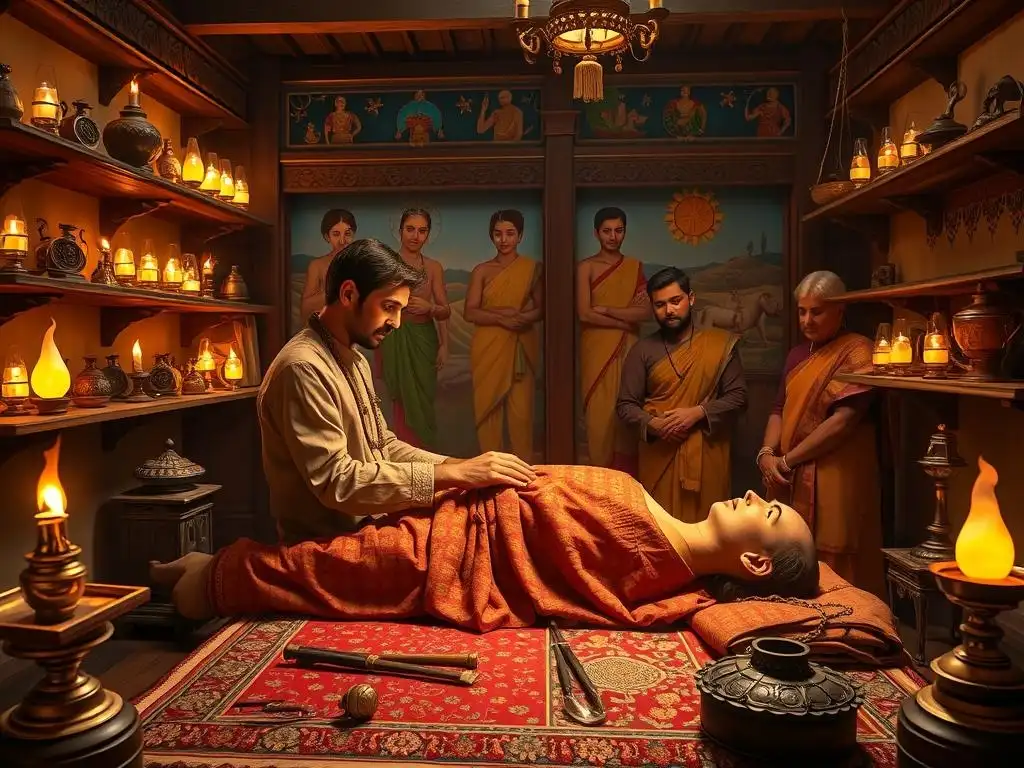
Welcome to Ancient India History, where we embark on a journey through the rich tapestry of civilizations that shaped the Indian subcontinent. In today’s exploration, we delve into the fascinating realm of ancient Indian surgical techniques, uncovering the remarkable innovations that laid the groundwork for modern medicine.
As you navigate through this article, prepare to be captivated by the ingenuity and precision of ancient practitioners, whose contributions continue to resonate in the medical world today. Join us as we unravel the secrets of surgical mastery from a time long past, and discover how these techniques reflect the brilliance of ancient Indian culture.
Introduction to Ancient Indian Surgical Techniques
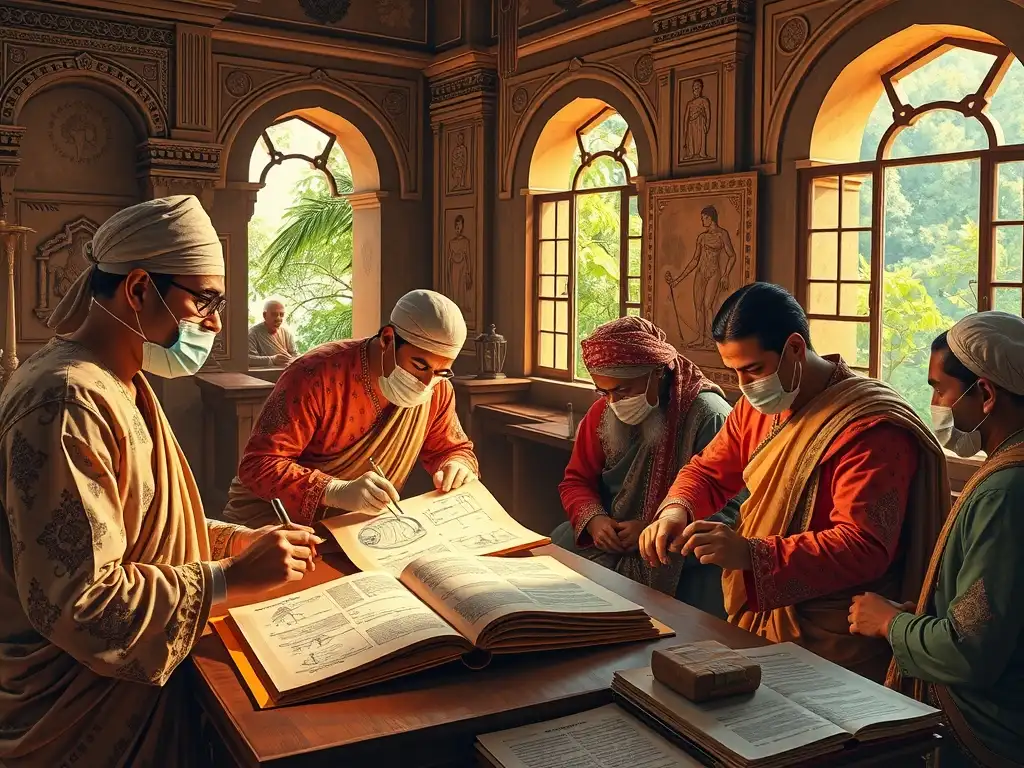
The history of surgery in ancient India reveals remarkable ingenuity and sophistication that has often been overlooked in mainstream discussions of medical history. Ancient Indian surgical techniques reflect a deep understanding of human anatomy and a commitment to healing that was advanced for its time.
From the well-documented methods of the Indus Valley Civilization to the comprehensive surgical texts of the Gupta Empire, India's surgical practices laid the groundwork for many modern techniques. This article explores the ancient Indian surgical techniques that not only highlight the skill of ancient practitioners but also showcase the rich tapestry of medical knowledge that flourished in the subcontinent.
Overview of Surgical Practices in Ancient India
Surgical practices in ancient India were rooted in Ayurveda, the traditional system of medicine that emphasized balance within the body. Surgeons, known as "Sushruta", were highly regarded professionals who employed a mix of herbal remedies and surgical interventions. Key surgical techniques included:
- Suturing wounds with threads made from plant fibers.
- Cauterization to stop bleeding.
- Extraction of foreign objects from the body.
- Plastic surgery, notably rhinoplasty, which was performed to reconstruct noses.
The presence of surgical instruments, such as scalpels and forceps, made from bronze and other materials, indicates a high level of craftsmanship and understanding of surgical necessities.
Importance of Surgery in Ancient Indian Medicine
Surgery held a significant place in ancient Indian medicine, often viewed as a necessary intervention for various ailments. It was not merely limited to traumatic injuries but extended to therapeutic surgeries aimed at treating chronic conditions, such as tumors and abscesses. The Sushruta Samhita, a foundational text attributed to the ancient surgeon Sushruta, elaborates on over 300 surgical procedures and describes more than 120 surgical instruments. This text not only codified surgical knowledge but also emphasized ethical practices and patient care, marking a critical advancement in medical ethics.
Historical Context of Surgical Techniques in Ancient India
The Influence of the Indus Valley Civilization on Medicine
The Indus Valley Civilization (2600–1900 BCE) is foundational to understanding ancient Indian medicine, including surgical practices. Archaeological findings suggest that the inhabitants had an advanced understanding of urban planning and hygiene, which indirectly supported health and medical practices. The discovery of bathhouses, drainage systems, and standardized weights indicates a society that valued cleanliness and health, critical for successful surgical outcomes. Evidence of surgical tools and medical seals from this period hints at a complex system of healing that included surgery as part of its broader medical framework.
Contributions of Ancient Indian Scholars to Surgical Knowledge
Ancient Indian scholars made significant strides in medical knowledge, particularly in surgery. Figures such as Sushruta and Charaka were instrumental in documenting and advancing surgical techniques. Sushruta's works focused on operative procedures and the proper use of instruments, while Charaka emphasized internal medicine. Their contributions were not only foundational for Indian medicine but also influenced medical practices globally, as their texts were translated into various languages and disseminated across cultures.
The Role of Ayurveda in Surgical Practices
Ayurveda, the ancient holistic healing system of India, played a critical role in shaping surgical practices. It emphasized the integration of physical, mental, and spiritual health, reflecting a comprehensive approach to healing. In this context, surgery was seen as an art that required not only technical skill but also an understanding of the patient's overall well-being. Ayurvedic texts describe the doshas (body energies) and their balance, guiding surgical interventions to ensure not just the physical treatment of ailments but also the restoration of health and harmony within the body.
Through this exploration of ancient Indian surgical techniques, we gain valuable insights into a civilization that prioritized health and healing in innovative ways, laying the groundwork for many practices still relevant in modern medicine.
Major Texts on Ancient Indian Surgical Techniques
The foundation of ancient Indian surgical techniques can be traced back to several key texts that not only document surgical practices but also influence medical theories. These texts articulate the surgical knowledge and practices of the time, providing insights into the methodologies employed by ancient Indian surgeons. Among the most notable texts are the Sushruta Samhita and the Charaka Samhita, which serve as cornerstones in the field of ancient Indian medicine, alongside other lesser-known texts that contributed to the evolving understanding of surgery.
Sushruta Samhita: The Foundational Surgical Text
The Sushruta Samhita, attributed to the ancient physician Sushruta, is often hailed as the earliest and most comprehensive surgical manual in history. Dating back to around 600 BCE, this text meticulously details over 300 surgical procedures and discusses various surgical instruments, including scalpels, forceps, and probes.
Sushruta's approach emphasizes the importance of anatomy and dissection, as he believed that a deep understanding of the human body was essential for effective surgery. He classified surgeries into several categories, such as:
- Shalya Tantra (Surgery): Focused on operations, including extraction of foreign bodies and treatment of wounds.
- Suturation: Techniques for stitching wounds and managing surgical incisions.
- Plastic Surgery: Procedures like rhinoplasty to reconstruct features, demonstrating advanced understanding and skill.
Sushruta's emphasis on hygiene, pre-operative preparations, and post-operative care laid the groundwork for surgical practices that resonate in contemporary medicine.
Charaka Samhita: Contributions to Surgical Methods
While the Sushruta Samhita is primarily focused on surgical techniques, the Charaka Samhita, attributed to Charaka, complements it by providing a broader view of medical practices, including pharmacology and internal medicine. This text, which dates back to around 400 BCE, also addresses surgical methods, particularly in the context of treatment strategies.
Charaka’s contributions include:
- Diagnosis and Prognosis: Emphasizing the importance of understanding patient conditions to determine suitable surgical interventions.
- Medical Ethics: Outlining the responsibilities and ethical considerations for practitioners, which are crucial for maintaining the integrity of surgical practices.
- Integration with Ayurvedic Principles: Incorporating holistic approaches that consider the balance of bodily doshas and overall health, which informs surgical decisions.
By intertwining surgery with broader medical knowledge, Charaka’s work ensures a comprehensive understanding of patient care that includes surgical techniques.
Other Notable Texts and Their Impact on Surgery
Beyond the Sushruta and Charaka Samhitas, several other texts have contributed to the knowledge of ancient Indian surgical techniques:
- Ashtanga Hridaya: Compiled by Vagbhata, this text integrates surgical practices with Ayurvedic principles, highlighting the interconnectedness of various medical fields.
- Bhava Prakash: This work focuses on the medicinal properties of herbs and their applications in surgery, reflecting the importance of natural remedies alongside surgical interventions.
- Nagarjuna’s Works: Nagarjuna, a prominent figure in ancient Indian medicine, wrote extensively on the pharmacological aspects that supported surgical practices.
These texts collectively reflect the rich tapestry of medical knowledge in ancient India, showcasing a system where surgery was not an isolated practice but part of an integrated medical paradigm.
Key Surgical Techniques and Procedures in Ancient India
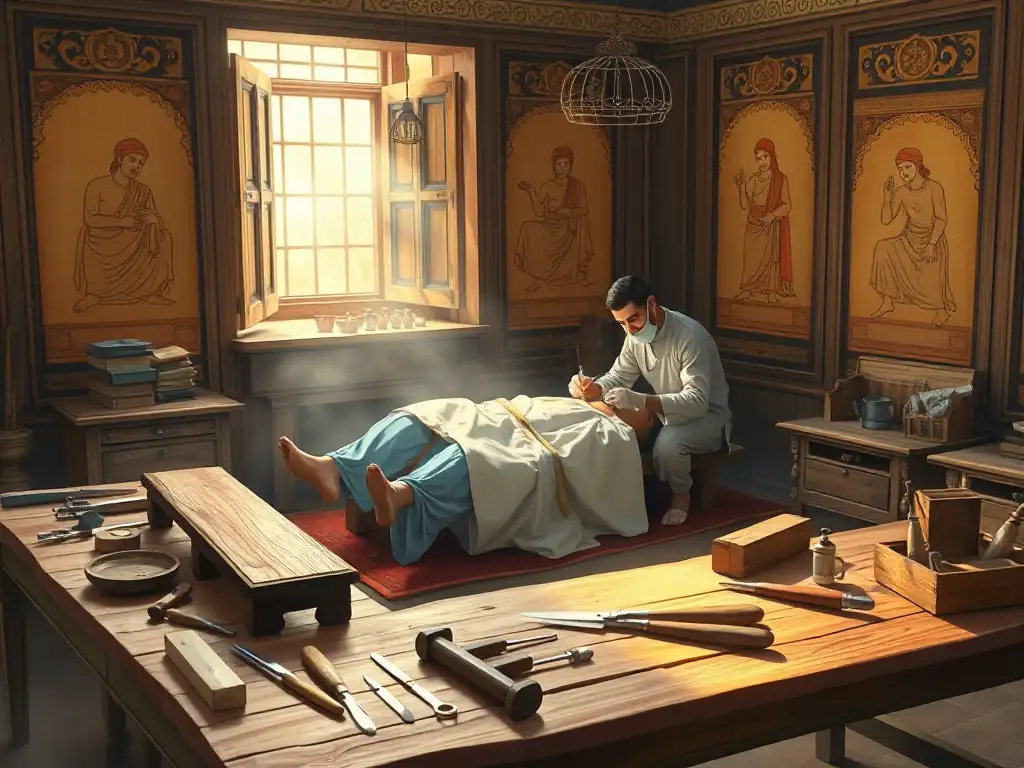
Ancient Indian surgical techniques were remarkable for their sophistication and effectiveness. Surgeons of the time employed various methods that addressed a wide array of health issues, showcasing their ingenuity and skill. Three key areas stand out: rhinoplasty, cataract surgery, and amputation/wound management.
Rhinoplasty: The Art of Nose Reconstruction
Rhinoplasty, or nose reconstruction, is one of the most celebrated surgical techniques documented in the Sushruta Samhita. This procedure was performed to restore the noses of individuals who had suffered injuries or deformities. Sushruta described detailed methodologies for harvesting skin from other parts of the body, especially the forehead, to reconstruct the nose.
The technique included:
- Flap Technique: A portion of skin was lifted and shaped to form the new nose, emphasizing the importance of aesthetic outcomes.
- Anesthesia Methods: Sushruta described the use of herbal anesthetics to ease patient pain, showcasing an advanced understanding of patient comfort.
- Post-Operative Care: Guidelines were provided for care after the procedure to ensure proper healing and prevent complications.
This innovative approach to rhinoplasty not only highlights ancient Indian surgical skill but also reflects the cultural significance of physical appearance in society.
Cataract Surgery: Techniques and Innovations
Cataract surgery in ancient India was another area of remarkable advancement. The Sushruta Samhita provides accounts of a procedure known as couching, where a sharp instrument was used to dislodge the opaque lens from the eye, allowing light to enter more freely.
Key aspects of this technique included:
- Instrumentation: The use of specially designed instruments like the Jivaka (a type of needle) to carefully manipulate the lens.
- Patient Positioning: Patients were often positioned in a way that minimized movement, ensuring precision during the procedure.
- Post-Surgical Vision Restoration: Strategies were developed to enhance recovery, demonstrating an understanding of the surgical impact on vision.
The innovation in cataract surgery during this period underscores the advanced medical practices that existed in ancient India.
Amputation and Wound Management: Practices and Tools
Amputation and wound management were critical components of ancient surgical practices. Sushruta meticulously detailed various techniques for amputating limbs and managing severe wounds, which were essential in a time when injuries from warfare and accidents were prevalent.
Key features of these practices included:
- Surgical Instruments: Sushruta described a range of tools specifically designed for amputation, highlighting the importance of precision and effectiveness in these critical procedures.
- Wound Treatment: Techniques for cleaning, stitching, and applying herbal pastes were documented to prevent infection and promote healing.
- Prosthetics: There are indications that some forms of prosthetic limbs were considered, showcasing an early understanding of rehabilitation.
These practices not only reflect the technical skills of ancient Indian surgeons but also their holistic approach to patient care, ensuring that individuals could achieve the best possible outcomes following traumatic injuries.
Instruments and Tools Used in Ancient Indian Surgery
The ancient Indian medical text, the Sushruta Samhita, is renowned for its detailed descriptions of surgical practices and instruments. Surgical techniques in ancient India were advanced for their time, showcasing a remarkable understanding of human anatomy and surgical procedures. The instruments used in these surgeries were crafted with precision and were made from various materials, reflecting both functionality and the artistic skills of the artisans.
Common Surgical Instruments in Sushruta Samhita
The Sushruta Samhita lists over 120 surgical instruments, each designed for specific procedures. Among the most notable instruments are:
- Shalaka: A probe or a sound used to examine the body.
- Kshur: A surgical knife or razor blade, essential for incisions.
- Sutra: Thread or sutures for stitching wounds.
- Vrihati: Instruments resembling forceps, used to grasp tissues or bones.
- Dhanvantari: A type of surgical saw for cutting through bones.
These instruments were often made from materials like bronze, steel, or even stone, and were meticulously maintained to ensure their effectiveness in surgical procedures.
Materials and Innovations in Surgical Tools
The innovation in materials used for surgical tools played a crucial role in the effectiveness of ancient surgical practices. Ancient Indian surgeons utilized:
- Metals: Primarily bronze and later iron and steel, which provided durability and sharpness to surgical implements.
- Wood: Certain tools were crafted from hardwood, designed for specific functions such as retractors or support during surgery.
- Stone: In some cases, tools were made from polished stone, useful for delicate procedures.
The craftsmanship involved in creating these instruments showcased advanced metallurgical skills and an understanding of ergonomics, allowing surgeons to perform complex procedures with precision.
Comparisons with Contemporary Surgical Instruments
When comparing ancient Indian surgical instruments with contemporary tools, several parallels emerge. Modern surgical instruments, such as scalpels, forceps, and sutures, share functional similarities with those outlined in the Sushruta Samhita. However, advancements in materials science and technology have led to the development of:
- Sterilization Techniques: Modern instruments are subjected to rigorous sterilization processes, unlike their ancient counterparts, which were cleaned but not sterilized.
- Ergonomics: Contemporary tools are designed with user comfort in mind, utilizing lightweight materials and designs that reduce strain during surgical procedures.
- Precision Engineering: Modern instruments are manufactured with high precision, enabling greater accuracy in surgeries compared to the handcrafted tools of ancient India.
Despite these advancements, the foundational principles of ancient surgical techniques continue to influence modern practices, illustrating the enduring legacy of ancient Indian medicine.
The Training of Ancient Indian Surgeons
The training of ancient Indian surgeons was a rigorous and systematic process, emphasizing both theoretical knowledge and practical skills. The educational framework was structured to cultivate proficient and ethical practitioners in the field of surgery.
The Educational System for Aspiring Surgeons
Aspiring surgeons underwent extensive education, often starting at a young age. The Gurukul system played a pivotal role in surgical education, wherein students lived with their guru (teacher) and learned through a combination of lectures, demonstrations, and hands-on practice. The curriculum included:
- Anatomy and Physiology: Understanding the human body, its functions, and the effects of surgical interventions.
- Surgical Techniques: Detailed instruction in various surgical procedures and the use of instruments.
- Pharmacology: Knowledge about herbal medicines and anesthetics used to manage pain and promote healing.
This comprehensive approach ensured that students were well-prepared for the challenges of surgical practice.
Role of Gurus and Apprenticeships in Surgical Training
Gurus were not only teachers but also mentors who played a significant role in shaping the skills and ethics of their apprentices. The apprenticeship model allowed for:
- Hands-on Experience: Students gained practical experience by assisting their gurus in surgeries, learning the intricacies of each procedure in real-time.
- Personalized Learning: The close relationship between guru and student facilitated tailored instruction based on the apprentice's strengths and weaknesses.
- Ethical Foundations: Gurus instilled a strong sense of ethics and responsibility, emphasizing the importance of patient care and the moral implications of surgical practices.
This mentorship was crucial in cultivating a new generation of capable and conscientious surgeons.
Ethical Practices and Patient Care in Ancient India
Ethical practices were integral to ancient Indian surgical training. Surgeons were expected to uphold the highest standards of patient care, which included:
- Informed Consent: Patients were informed about the procedures and their potential risks, ensuring they understood what to expect.
- Compassion and Respect: Surgeons were taught to treat patients with empathy and dignity, recognizing the emotional and physical challenges they faced.
- Post-operative Care: Emphasis was placed on the importance of follow-up care and monitoring for complications, reflecting a holistic approach to patient wellbeing.
These ethical principles laid the groundwork for responsible medical practice, which remains essential in today’s healthcare environment.
Impact of Ancient Indian Surgical Techniques on Modern Medicine
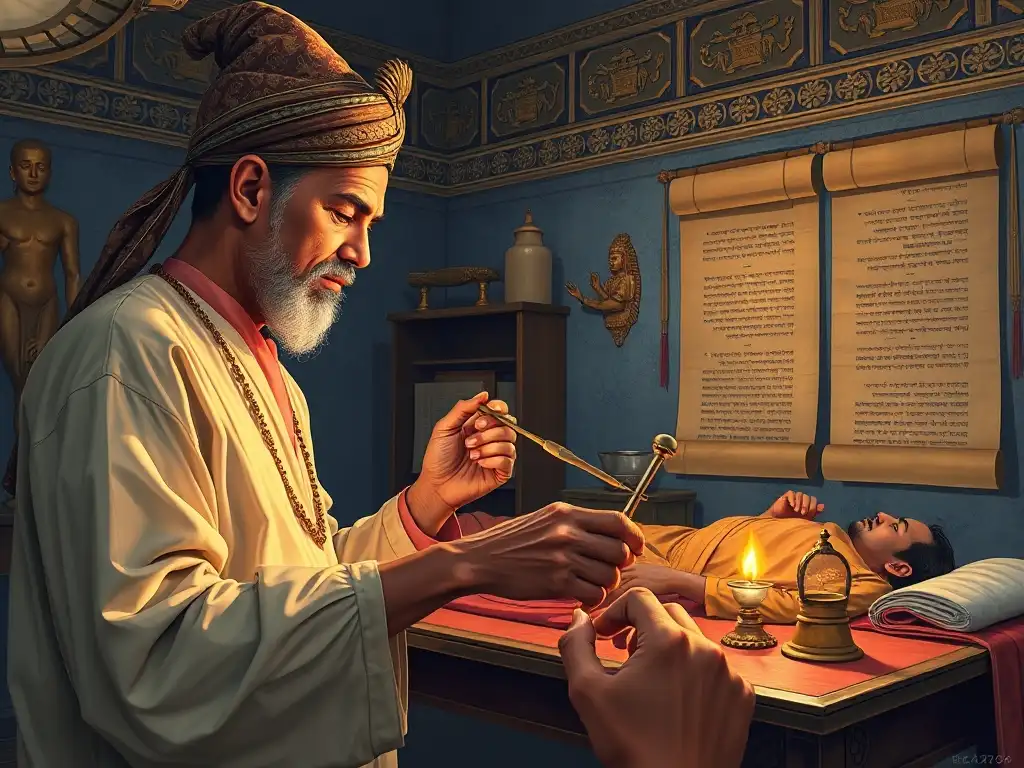
The surgical techniques developed in ancient India have left an indelible mark on modern medicine. The precision and methods employed by ancient Indian surgeons, particularly in the field of surgery, have influenced contemporary practices, providing a foundation for various medical procedures still in use today. Notable texts like the “Sushruta Samhita” not only document surgical techniques but also emphasize the importance of anatomy, dissection, and patient care. These principles resonate strongly within the framework of modern surgical education and practice.
Influence of Ancient Techniques on Contemporary Surgical Practices
Ancient Indian surgical methods, particularly those described by Sushruta, have significantly influenced contemporary surgical practices. Techniques such as rhinoplasty (reconstruction of the nose) and cataract surgery demonstrate the advanced understanding of human anatomy possessed by ancient surgeons. These procedures, which were meticulously detailed in ancient texts, have been adapted and refined in modern surgery.
For example, the principles of flap surgery, which involve transferring tissue from one part of the body to another, can trace their origins back to Sushruta’s methods of reconstructive surgery. Additionally, the ancient emphasis on hygiene and the use of herbal anesthetics provide a historical context for the evolution of surgical practices, underscoring an enduring legacy that continues to inform modern techniques.
Recognition of Ancient Indian Contributions in Global Medicine
The contributions of ancient Indian surgical techniques have gained recognition beyond the borders of India, influencing global medicine. Scholars and practitioners worldwide have acknowledged the significance of texts like the “Sushruta Samhita” in shaping surgical methodologies. This acknowledgment is reflected in various medical curricula around the world that incorporate historical perspectives on surgery. Furthermore, the techniques and principles outlined by ancient Indian surgeons are celebrated in international medical conferences and journals, highlighting their relevance and application in contemporary medical discourse.
Case Studies: Modern Applications of Ancient Techniques
Several modern case studies illustrate the application of ancient Indian surgical techniques in contemporary medical settings. One prominent example is the use of Sushruta’s methods in reconstructive surgery. Surgeons today employ similar flap techniques for reconstructing facial features following trauma or cancer resection, closely resembling the procedures described in ancient texts.
Another example is the field of ophthalmology, where cataract surgeries have been refined but are rooted in the principles established by ancient Indian practices. These case studies not only validate the efficacy of ancient techniques but also demonstrate their adaptability and enduring relevance in the face of modern advancements.
Conclusion: The Legacy of Ancient Indian Surgical Techniques
The legacy of ancient Indian surgical techniques is profound and multi-faceted, influencing not only the practice of surgery but also the broader scope of medical knowledge. The meticulous documentation and innovative approaches of ancient Indian surgeons have provided a rich foundation for modern medical practices.
Summary of Key Contributions to Medicine
Ancient Indian surgical techniques contributed significantly to various fields of medicine, including surgery, anatomy, and pharmacology. The pioneering work of figures like Sushruta established fundamental surgical principles that are still applicable today. Key contributions include advanced surgical methods, comprehensive anatomical knowledge, and an early understanding of patient-centered care, which remain integral to modern medical practice.
The Enduring Influence of Ancient Surgical Knowledge on Modern Practices
The enduring influence of ancient surgical knowledge on modern practices is evident in the continued evolution of surgical techniques and the integration of holistic approaches to patient care. As modern medicine progresses, the insights and methodologies derived from ancient Indian practices serve as a reminder of the rich tapestry of knowledge that informs contemporary healthcare. This intersection of ancient wisdom and modern science not only enriches medical practice but also inspires future innovations in surgical techniques and patient management, ensuring that the legacy of ancient Indian surgical expertise continues to thrive.
References
Understanding the surgical techniques of ancient India requires delving into a variety of scholarly works that explore the historical context, practices, and methodologies employed by ancient Indian surgeons. Below are some key sources that provide invaluable insights into this fascinating subject.
Key Sources for Further Reading on Ancient Indian Surgical Techniques
-
Sushruta Samhita
The Sushruta Samhita is a foundational text in the field of surgery, attributed to the ancient physician Sushruta. This treatise outlines various surgical procedures, instruments, and the principles of surgery, making it essential for anyone interested in ancient Indian surgical techniques.
-
Charaka Samhita
While primarily focused on Ayurveda, the Charaka Samhita offers valuable insights into the medicinal practices of ancient India, including surgical methods. It highlights the holistic approach taken by ancient physicians, linking surgical techniques to broader health practices.
-
Ancient Indian Medicine: A Historical Perspective by K. C. Patel
This book provides a comprehensive overview of the medical practices in ancient India, discussing various aspects, including surgical techniques, herbal remedies, and the philosophical underpinnings of health care in ancient Indian society.
-
The Science of Surgery in Ancient India by R. M. Dutta
Dutta’s work focuses specifically on the advancements in surgical practices during ancient times, illustrating the ingenuity and sophistication of techniques used by ancient Indian surgeons.
-
Medicine in Ancient India: A Historical and Cultural Perspective by R. C. Sharma
This scholarly piece explores the intertwining of culture and medicine in ancient India, with detailed sections on surgical techniques and how they evolved over time.
Suggested Literature on the History of Medicine in Ancient India
-
A History of Indian Medical Literature by R. K. Sharma
This literature provides an extensive look at the evolution of medical texts in India, including detailed discussions of surgical techniques documented throughout history.
-
The History of Medicine in Ancient India by K. S. Venkatesh
Venkatesh’s work delves into the various medical practices in ancient India, with a focus on how surgical techniques were developed and recorded over centuries.
-
Ayurvedic Surgery: A Historical Overview by A. P. Joshi
This book specifically examines the surgical aspects of Ayurveda, shedding light on the ancient techniques that have influenced modern practices.
-
Surgery in Ancient India: The Art and Science by M. N. Raghavan
This text provides an in-depth analysis of surgical practices in ancient India, detailing the tools used, the techniques employed, and the philosophical ideologies that guided ancient surgeons.
-
The Medical History of India by S. K. Gupta
Gupta’s comprehensive overview includes discussions on surgery and highlights the significant contributions of ancient Indian civilization to the field of medicine.
These references and literature can serve as a solid foundation for anyone seeking to explore the intricate world of ancient Indian surgical techniques, showcasing the rich legacy left by ancient Indian physicians.
- Introduction to Ancient Indian Surgical Techniques
- Historical Context of Surgical Techniques in Ancient India
- Major Texts on Ancient Indian Surgical Techniques
- Key Surgical Techniques and Procedures in Ancient India
- Instruments and Tools Used in Ancient Indian Surgery
- The Training of Ancient Indian Surgeons
- Impact of Ancient Indian Surgical Techniques on Modern Medicine
- Conclusion: The Legacy of Ancient Indian Surgical Techniques
- References
- What were some of the key surgical techniques developed in ancient India?
- How did ancient Indian medical texts contribute to surgical knowledge?
- Who was Sushruta and what was his significance in ancient Indian surgery?
- What role did herbal medicine play in ancient Indian surgery?
- How do ancient Indian surgical techniques compare to modern practices?
Frequently Asked Questions
What were some of the key surgical techniques developed in ancient India?
Ancient Indian surgeons developed innovative techniques such as suturing, trepanation, and plastic surgery, showcasing their advanced understanding of anatomy and surgical procedures.
How did ancient Indian medical texts contribute to surgical knowledge?
Ancient texts like the Sushruta Samhita provided detailed descriptions of surgical techniques, tools, and procedures, laying the groundwork for medical practices that influenced both Indian and global medicine.
Who was Sushruta and what was his significance in ancient Indian surgery?
Sushruta is regarded as the "Father of Surgery" in ancient India, known for his pioneering work in surgical techniques and his comprehensive medical treatises that have been studied for centuries.
What role did herbal medicine play in ancient Indian surgery?
Herbal medicine complemented surgical techniques, with the use of natural anesthetics and healing herbs to manage pain and promote recovery, reflecting a holistic approach to health.
How do ancient Indian surgical techniques compare to modern practices?
While many ancient techniques laid the foundation for modern surgery, advancements in technology and understanding of human anatomy have led to more precise and safer procedures today.
Final Reflection: The Enduring Legacy of Ancient Indian Surgical Techniques
The remarkable surgical techniques developed in ancient India are not merely historical curiosities; they are a testament to the ingenuity and advanced understanding of medicine that existed centuries ago. Today, as we navigate the complexities of modern healthcare, the principles and practices of these ancient techniques resonate with a renewed significance, reminding us of the profound wisdom that can still inform contemporary medical practices. The legacy of ancient Indian surgical techniques is not just about the past; it is a beacon guiding us toward a more holistic understanding of health and healing.
The influence of these ancient practices extends far beyond their time, shaping the cultural and social landscape of medicine in ways that continue to be felt today. From the intricate methods of surgery described in texts like the Sushruta Samhita to the emphasis on patient care and ethical practice, these techniques have laid the groundwork for many modern surgical practices. As we reflect on this rich heritage, we are reminded of the words of Sushruta himself: Wherever there is an operation, there is a possibility of healing.
This sentiment underscores the ongoing relevance of ancient wisdom in our quest for health and well-being.
As we conclude this exploration of ancient Indian surgical techniques, I invite you to reflect on how these lessons can be applied in your own life. Consider the importance of knowledge, compassion, and innovation in your personal and professional endeavors. Let the ingenuity of the past inspire you to seek out new ways to approach challenges, whether in healthcare or any other field. Embrace the spirit of inquiry and the pursuit of excellence that characterized ancient Indian medicine, and carry that legacy forward into the future.
Unveil the Mastery of Ancient Surgical Techniques Today!
Thank you for taking the time to explore the remarkable surgical techniques developed in ancient India. We hope you have discovered the brilliance of these practices and feel inspired by the ingenuity of historical medical advancements. Now, it’s time to take what you've learned and transform your newfound knowledge into action.
Here are a few steps you can take to deepen your understanding and share the wisdom of our ancestors:
- Dive Deeper: Explore more about the influential philosophers and surgeons who shaped modern medicine. We invite you to read our additional articles that highlight key figures and their innovative techniques.
- Engage with the Community: Participate in our forum to discuss ancient medical practices, exchange ideas, and connect with others who share your passion for history.
- Spread the Knowledge: Share this article with your friends or on social media to spark conversations about the incredible achievements of ancient Indian medicine.
What aspect of ancient surgical techniques fascinates you the most, and how do you think these practices could inspire modern medical innovation?