
How Ancient Indian Surgical Techniques Addressed Trauma and Injuries

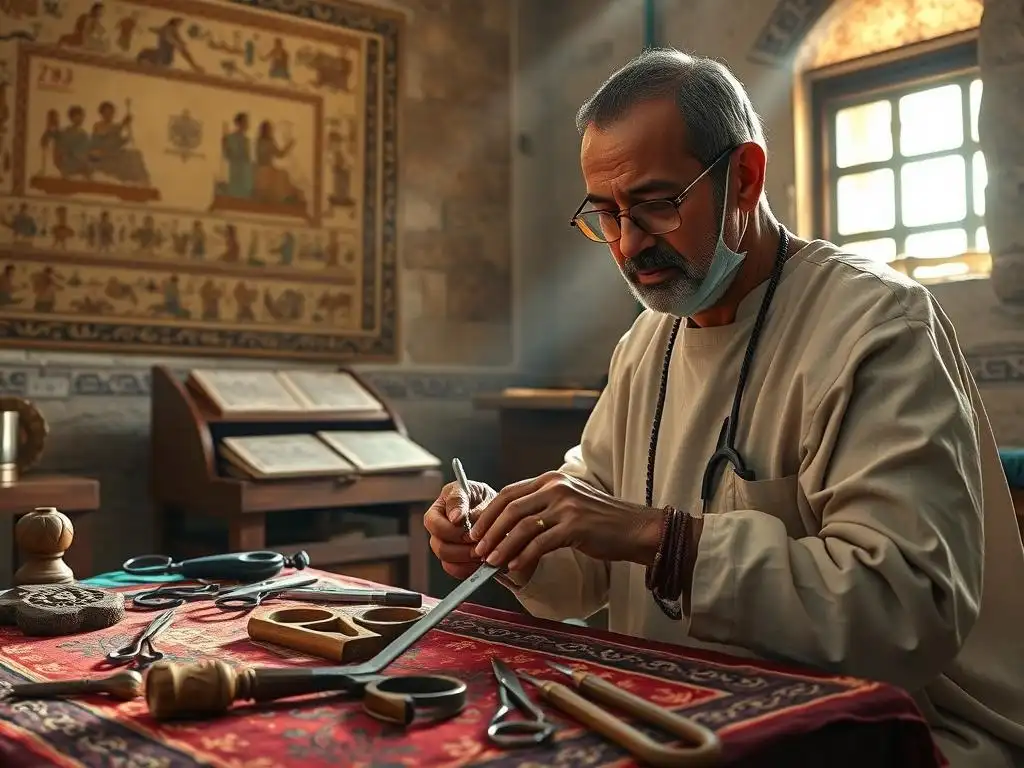
Welcome to Ancient India History, where we invite you to embark on a fascinating journey through the rich tapestry of India’s past. In this exploration, we delve into the remarkable world of ancient Indian surgical techniques, revealing how these pioneering methods addressed trauma and injuries with astonishing sophistication. From the intricate practices of the Indus Valley Civilization to the groundbreaking advancements during the Gupta Empire, our content promises to unveil the incredible contributions of ancient Indian civilizations to the field of science and medicine.
Are you ready to discover the secrets that have shaped medical practices for centuries? Let’s dive in!
- Introduction to Ancient Indian Surgical Techniques
- Historical Context of Surgical Practices in Ancient India
- Key Ancient Indian Surgical Techniques for Trauma and Injuries
- The Role of Ayurveda in Ancient Surgical Practices
- Case Studies of Successful Ancient Surgical Interventions
- Comparison with Other Ancient Surgical Practices
- Legacy of Ancient Indian Surgical Techniques
- Conclusion
-
Frequently Asked Questions
- What were some of the key surgical techniques used in ancient India?
- Who were the prominent figures in ancient Indian surgery?
- How did ancient Indian surgical techniques influence modern medicine?
- What materials were used in ancient Indian surgeries?
- Where can I find more information about ancient Indian surgical techniques?
- Final Reflection: The Timeless Wisdom of Ancient Indian Surgical Techniques
- Unveil the Wisdom of Ancient Healing!
Introduction to Ancient Indian Surgical Techniques
The history of medicine in ancient India is a profound testament to the ingenuity and sophistication of its civilizations. Ancient Indian surgical techniques, developed over millennia, reflect an impressive understanding of human anatomy, injuries, and the healing processes.
From the intricate practices of the Indus Valley Civilization to the advanced methodologies of the Gupta Empire, these techniques not only addressed trauma and injuries but also laid the groundwork for modern surgical practices. This article delves into the remarkable contributions of ancient Indian surgeons, emphasizing their methodologies, instruments, and the cultural significance of their work in the broader context of Indian medicine.
Overview of Ancient Indian Medicine
Ancient Indian medicine, primarily encapsulated in the texts of Ayurveda and Sushruta Samhita, reveals a holistic approach that integrated physical, psychological, and spiritual health. Key components of this medical tradition include:
- Ayurveda: Focused on balance among bodily systems and the use of herbs, diet, and lifestyle changes.
- Surgery: The Sushruta Samhita, authored by the revered surgeon Sushruta, is one of the earliest known texts detailing surgical procedures and techniques. It encompasses a wealth of knowledge on:
- Surgical instruments and their uses
- Techniques for various surgical conditions
- Post-operative care and management
The sophistication of ancient Indian surgical practices can be seen in the detailed descriptions of procedures such as rhinoplasty, cataract surgery, and wound management, showcasing a remarkable understanding of anatomy and surgical principles.
Importance of Surgical Techniques in Ancient India
The significance of surgical techniques in ancient India extends beyond mere medical practice; they were pivotal in shaping societal health and well-being. Some key points include:
- Cultural Relevance: Surgery played a vital role not only in healing but also in the social fabric of ancient Indian life. Successful surgical interventions could restore social status and personal dignity, particularly in cases of physical trauma.
- Innovative Techniques: Ancient Indian surgeons pioneered numerous techniques that were revolutionary for their time. For instance, the practice of plastic surgery for reconstructing body parts is well documented, showcasing a high level of skill and artistic precision.
- Training and Education: The rigorous training of surgeons, often through apprenticeships, ensured the transmission of vital knowledge and skills across generations. This educational framework was crucial for maintaining high standards in surgical practices.
The ancient Indian surgical techniques not only addressed trauma and injuries but also contributed significantly to the development of medical science, influencing practices in subsequent civilizations. Understanding these techniques provides valuable insights into the rich tapestry of ancient Indian history and its lasting legacy in the field of medicine.
Historical Context of Surgical Practices in Ancient India
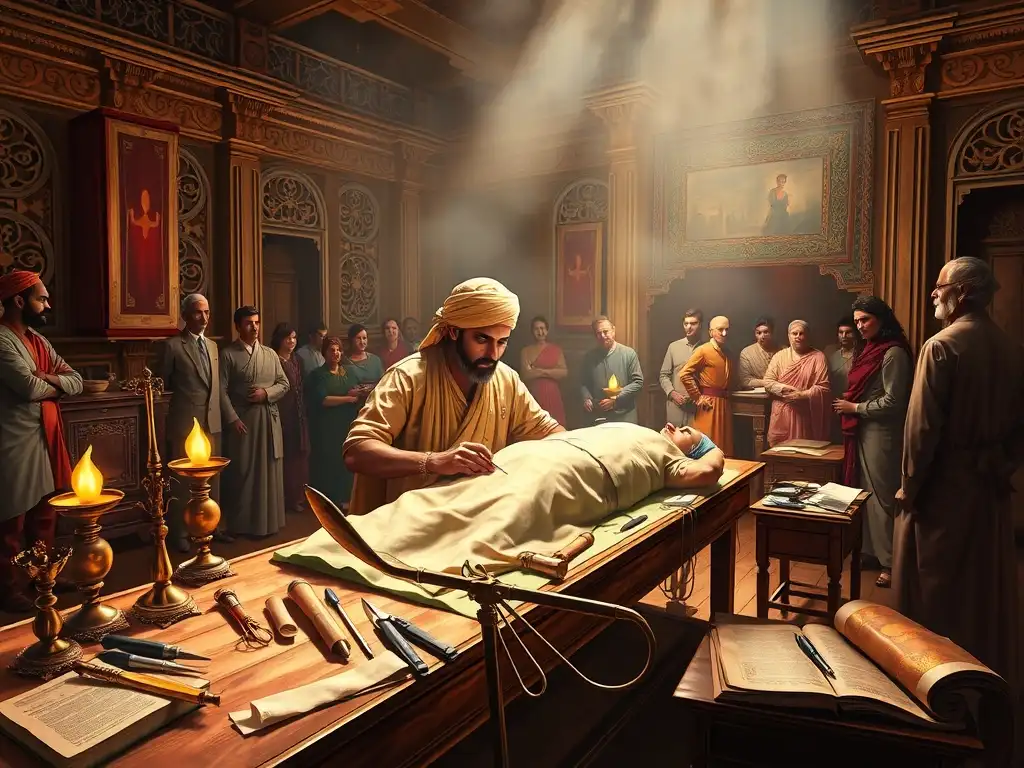
The historical context of surgical practices in ancient India reveals a sophisticated understanding of medicine and surgery that dates back thousands of years. Ancient Indian civilizations, particularly during the time of the Indus Valley (circa 3300-1300 BCE), laid the groundwork for medical practices that would evolve significantly over time. Archaeological findings, such as surgical instruments and evidence of medical treatments, indicate that there was a level of surgical proficiency in these early societies.
The Evolution of Surgery in Ancient Indian Civilizations
The evolution of surgery in ancient Indian civilizations can be traced through several key periods, each contributing to the refinement of ancient Indian surgical techniques.
- Indus Valley Civilization (IVC):
- The IVC is known for its urban planning and advanced drainage systems, but it also exhibited early surgical practices. Evidence suggests the use of metal tools for surgical procedures, indicating a basic understanding of anatomy and surgical intervention.
- Vedic Period (1500-500 BCE):
- The Vedic texts, such as the Atharva Veda, include references to medical practices, including surgery. Concepts of healing and the role of physicians began to take shape, with an emphasis on holistic approaches and the balance of body elements.
- Classical Period (500 BCE-1200 CE):
- This period marked a significant advancement in surgical techniques, largely influenced by texts like Sushruta Samhita, attributed to the surgeon Sushruta. The text details various surgical procedures, including incisions, suturing, and the treatment of wounds, showcasing a systematic approach to surgery.
- Medieval Period (1200-1700 CE):
- With the arrival of various empires, such as the Gupta Empire, surgical practices continued to advance. The integration of knowledge from different cultures enriched Indian surgical techniques, leading to more complex procedures and improved healthcare systems.
Key Texts Documenting Surgical Techniques
Several key texts from ancient India serve as vital sources for understanding surgical practices and techniques. These texts not only document specific procedures but also provide insight into the medical philosophy of the time.
- Sushruta Samhita:
- Often referred to as the cornerstone of ancient Indian surgery, this text is attributed to Sushruta, who is regarded as the "father of surgery." It includes detailed descriptions of over 300 surgical procedures, the use of various surgical instruments, and methods for anesthesia and pain management.
- Charaka Samhita:
- Although primarily a text on medicine, the Charaka Samhita complements the Sushruta Samhita by discussing the principles of medicine and surgery. It emphasizes the importance of understanding the body's constitution and the need for individualized treatment.
- Astanga Hridaya:
- This text synthesizes various medical knowledge, including surgical techniques. It serves as a guide for practitioners, detailing procedures and the importance of patient care.
- Other Regional Texts:
- Various regional texts and manuscripts also contribute to the understanding of ancient Indian surgical techniques, showcasing a rich tapestry of medical knowledge that influenced not only India but also neighboring civilizations.
The historical context of surgical practices in ancient India illustrates a remarkable journey of innovation and understanding in the field of medicine. The evolution of surgery, documented through key texts, underscores the significant contributions of ancient Indian civilizations to the medical world, establishing a legacy that continues to influence modern practices.
Key Ancient Indian Surgical Techniques for Trauma and Injuries
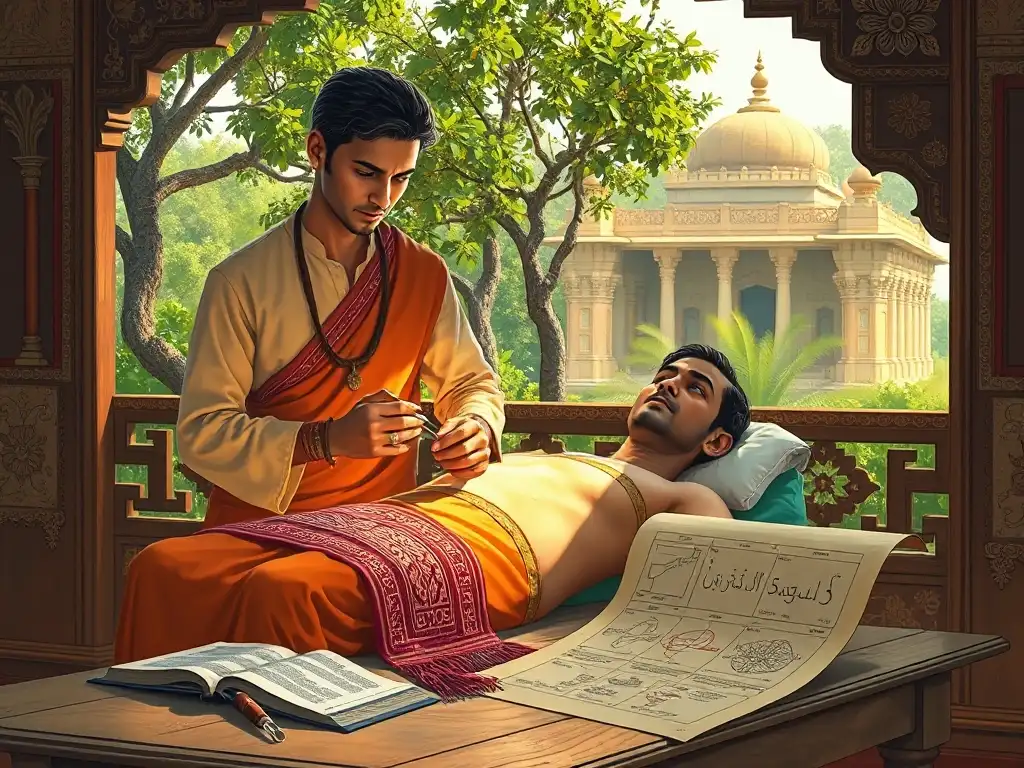
Sushruta Samhita: The Foundational Text
The Sushruta Samhita is a seminal text in the history of medicine and surgery, attributed to the ancient Indian physician Sushruta, who is often referred to as the "Father of Surgery." This text, written in Sanskrit around the 6th century BCE, encompasses a comprehensive collection of surgical techniques, medical practices, and ethical guidelines. It serves as a cornerstone for understanding ancient Indian surgical techniques, particularly in the context of trauma and injuries.
Description of Surgical Procedures
The Sushruta Samhita meticulously details a variety of surgical procedures, focusing on techniques that were advanced for their time. Among these, surgical operations for treating wounds, abscesses, and fractures are elaborately described. Sushruta classified surgeries into different categories, including:
- Shalyatantra: The science of surgery, covering invasive procedures.
- Shalakya Tantra: Surgical treatments involving the eyes, ears, nose, and throat.
- Kayachikitsa: General medicine that includes treatments for various ailments.
The text outlines intricate procedures such as trepanation (the drilling of holes into the skull to treat head injuries), cauterization to manage bleeding, and techniques to remove foreign objects from the body. Each procedure is described with precision, offering insights into the techniques and philosophies of ancient Indian medical practitioners.
Types of Surgical Instruments Used
Sushruta emphasized the importance of using the right instruments for successful surgical outcomes. The Sushruta Samhita lists various surgical instruments, many of which were crafted from materials like iron, bronze, and wood. Notable instruments include:
- Scalpels (Shastra): Used for incisions and exploratory surgeries.
- Needles (Sutras): Employed for suturing wounds.
- Forceps (Prasuti): Designed for grasping tissues during surgery.
- Curettes (Kshurika): Used for scraping tissue or removing debris from wounds.
The detailed descriptions of these instruments highlight the sophistication of ancient Indian surgical practices and their emphasis on hygiene and precision.
Techniques for Treating Wounds and Trauma
Ancient Indian surgical techniques for treating wounds and trauma demonstrated a remarkable understanding of human anatomy and the healing process. These methods not only addressed immediate injuries but also focused on long-term recovery and rehabilitation.
Suturing and Wound Closure
Suturing techniques described in the Sushruta Samhita were advanced, featuring multiple methods to close wounds effectively. The text discusses various types of sutures, including:
- Interrupted sutures: Used for larger wounds, allowing for precise tension control.
- Continuous sutures: Employed for longer wounds, promoting quicker closure.
- Subcuticular sutures: A technique that minimizes scarring by placing stitches beneath the skin.
Sushruta's emphasis on wound closure techniques also included the use of medicated oils and pastes to promote healing and prevent infection, showcasing a holistic approach to surgical care.
Techniques for Bone Fractures and Joint Injuries
The treatment of bone fractures and joint injuries in ancient India was remarkably sophisticated. Sushruta outlined various techniques for managing fractures, including:
- Reduction: The realignment of fractured bones to restore normal function.
- Splinting: Using splints made from bamboo or other materials to immobilize fractures and promote healing.
- Traction: A method to relieve pain and realign bones through applied force.
In addition to these techniques, ancient Indian surgeons utilized herbal remedies to aid in recovery and reduce inflammation, reflecting a deep understanding of both surgical techniques and the body’s healing capabilities.
The insights derived from these ancient Indian surgical techniques not only reveal the advanced medical knowledge of the time but also highlight the cultural emphasis on holistic healing practices that continue to influence modern medicine.
The Role of Ayurveda in Ancient Surgical Practices
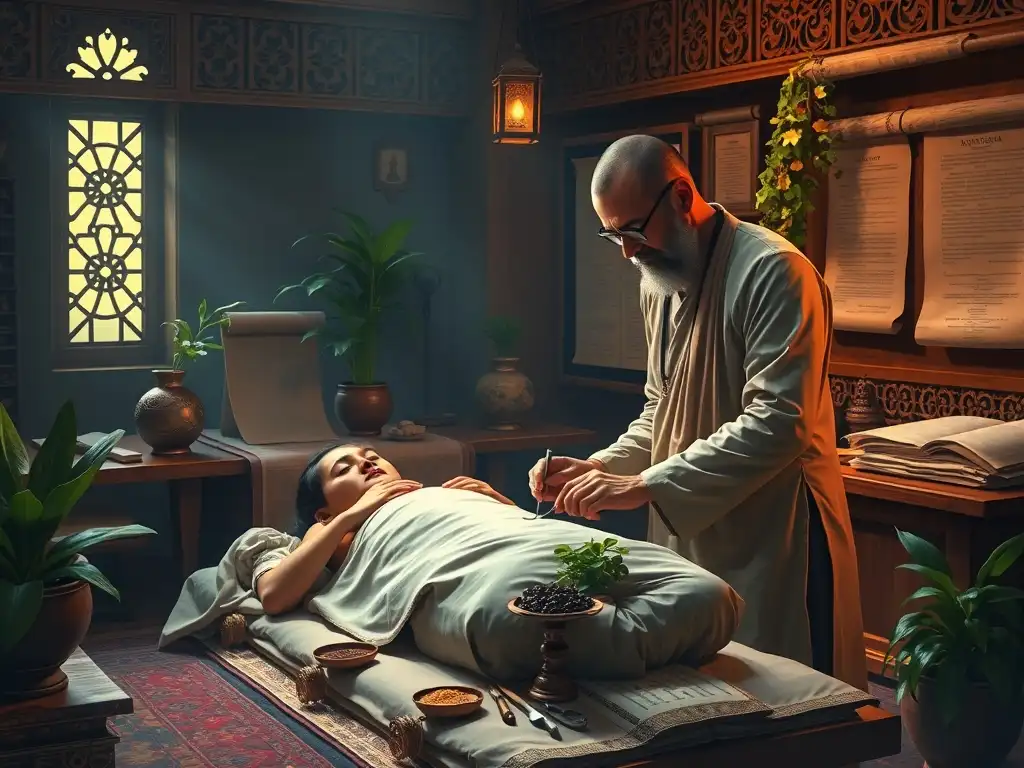
Ayurveda, the ancient system of medicine that originated in India, played a pivotal role in the development of surgical techniques in ancient Indian civilizations. This holistic approach not only addressed physical ailments but also emphasized the importance of balancing the body, mind, and spirit. Ayurvedic texts, such as the Sushruta Samhita, provide comprehensive insights into surgical practices of the time, underscoring the intricate relationship between surgery and Ayurveda.
The Sushruta Samhita, attributed to the ancient surgeon Sushruta, is one of the foundational texts that detail surgical procedures. This work categorizes surgical techniques and practices according to the principles of Ayurveda, integrating concepts of doshas (body constitutions), dhatus (tissues), and malas (wastes). Sushruta's methodologies reflect a deep understanding of human anatomy and physiology, which was revolutionary for the time.
Understanding the Ayurvedic Approach to Surgery
The Ayurvedic approach to surgery is characterized by its emphasis on prevention, diagnosis, and treatment through a combination of surgical intervention and holistic care. Ancient Indian surgeons adhered to several core principles:
- Diagnosis: Before any surgical procedure, an accurate diagnosis was essential. Ayurvedic practitioners utilized various methods, including pulse diagnosis and examination of bodily fluids, to determine the underlying causes of ailments.
- Pre-surgical Preparations: Patients underwent a preparatory phase known as shodhana, which involved detoxification through methods like purgation or enemas. This step was believed to enhance the body's ability to heal post-surgery.
- Surgical Techniques: Sushruta described a variety of surgical techniques, ranging from simple incisions to complex operations such as rhinoplasty (reconstruction of the nose). He emphasized the importance of precision and the use of appropriate instruments, many of which were crafted from materials like iron and bronze.
- Post-operative Care: The care given to patients post-surgery was as crucial as the procedure itself. Ayurvedic principles dictated that a patient’s recovery involved rest, proper nutrition, and the use of herbal remedies to support healing.
Through these practices, ancient Indian surgical techniques were not merely mechanical but were rooted in a profound understanding of human health and well-being.
Herbal Remedies and Their Application in Surgical Recovery
Herbal medicine played a significant role in the recovery process following surgical interventions in ancient India. Ayurvedic texts documented numerous plants and their therapeutic properties, which were used to promote healing and alleviate pain. Some notable herbs and their applications include:
- Turmeric (Curcuma longa): Known for its anti-inflammatory and antiseptic properties, turmeric was commonly used in pastes to prevent infections and promote wound healing.
- Aloe Vera (Aloe barbadensis): This plant was utilized for its soothing properties, applied topically to aid in the recovery of skin lesions and burns.
- Ashwagandha (Withania somnifera): Often referred to as a rejuvenating herb, ashwagandha was employed to reduce stress and enhance the body’s resilience during recovery.
- Ginger (Zingiber officinale): Recognized for its digestive and anti-nausea effects, ginger was used to ease discomfort and improve appetite post-surgery.
- Neem (Azadirachta indica): With its potent antimicrobial properties, neem was applied to wounds to prevent infections and promote healing.
The integration of these herbal remedies within the surgical context demonstrates the holistic philosophy of Ayurveda, which sought to treat not just the physical aspects of trauma and injuries but also to restore the overall balance of the body.
Ancient Indian surgical techniques were deeply intertwined with Ayurvedic principles, showcasing a sophisticated understanding of medicine that combined surgical skill with a holistic approach to health and recovery. This legacy continues to influence modern practices and underscores the contributions of ancient Indian civilizations to the field of medicine.
Case Studies of Successful Ancient Surgical Interventions
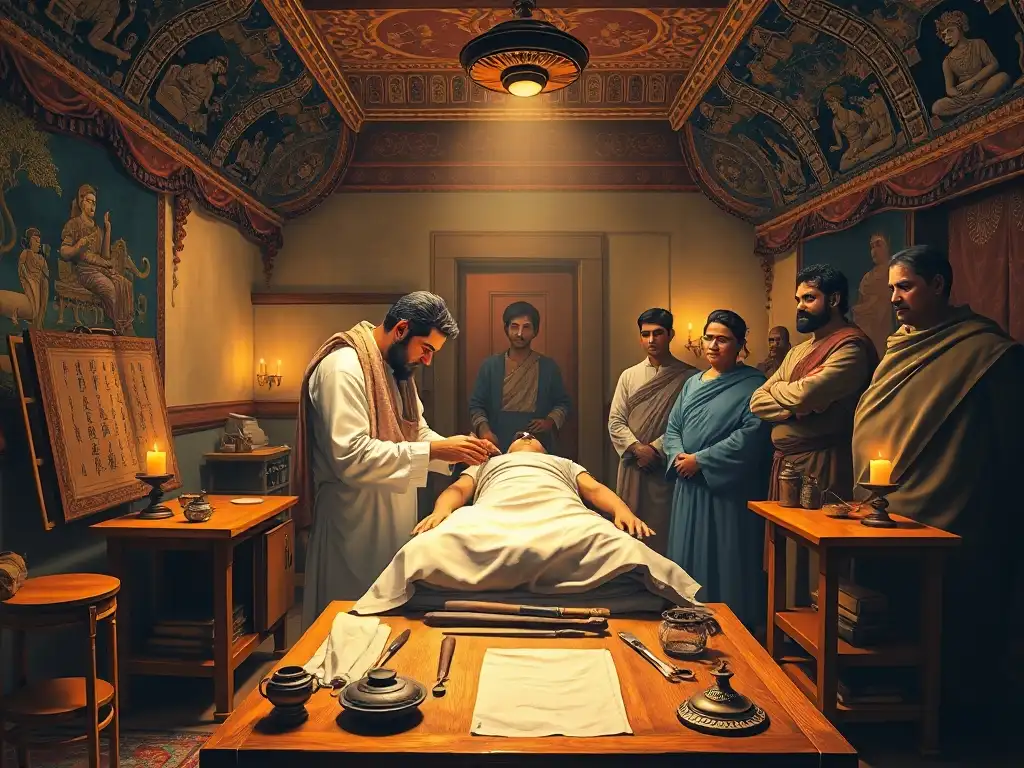
Notable Surgeries Documented in Ancient Texts
Ancient Indian surgical techniques are exemplified through various documented cases that highlight the sophistication and skill of surgeons during that era. The most significant texts that provide insight into these surgeries are Sushruta Samhita and Charaka Samhita, which are foundational works in the field of Ayurveda.
- Sushruta's Rhinoplasty:
- One of the most celebrated procedures described in the Sushruta Samhita is rhinoplasty, or the reconstruction of the nose. This procedure was notably performed on individuals who had suffered disfigurement due to injuries or punishments.
- The technique involved using a flap of skin from the forehead, which was meticulously shaped and sutured to restore the nasal structure. Historical accounts suggest that this surgery not only aimed for functional restoration but also for aesthetic purposes.
- Cataract Surgery:
- The ancient texts also detail methods of cataract surgery, where a specific incision was made to extract the lens of the eye.
- Using a curved needle, surgeons would dislodge the cloudy lens, a practice that demonstrates an advanced understanding of anatomy and optics.
- Amputation and Wound Treatment:
- Surgical interventions for traumatic injuries included amputations, which were performed when limbs were irreparably damaged. The texts describe the use of tourniquets and cauterization to minimize blood loss.
- Treatments for wounds involved sophisticated techniques, including the application of herbal pastes and sutures made from animal sinews.
Analysis of Techniques and Outcomes
The analysis of ancient Indian surgical techniques reveals a remarkable understanding of human anatomy, surgical procedures, and post-operative care. The effectiveness of these techniques can be attributed to several factors:
- Precision and Skill:
- The training of ancient Indian surgeons, known as Sushruta, emphasized hands-on experience and meticulous attention to detail. This rigorous training ensured success in complex surgeries, such as rhinoplasty and cataract removal.
- Use of Anesthesia:
- Ancient texts indicate the use of herbal anesthetics, such as soma and other natural substances, to alleviate pain during surgeries. This practice not only improved patient comfort but also allowed surgeons to perform intricate operations with greater precision.
- Holistic Approach to Healing:
- The integration of surgical techniques with Ayurvedic principles meant that post-operative care was comprehensive. Surgeons prescribed dietary changes, herbal remedies, and lifestyle modifications to promote healing and prevent complications.
| Procedure | Techniques Used | Outcomes |
|---|---|---|
| Rhinoplasty | Forehead flap technique | Restoration of nasal structure, aesthetic improvement |
| Cataract Surgery | Curved needle dislodgment | Improved vision |
| Amputation | Tourniquet, cauterization | Control of hemorrhage, limb preservation |
The case studies of ancient surgical interventions illustrate the advanced nature of ancient Indian surgical techniques. The documented successes not only reflect the technical prowess of ancient surgeons but also their commitment to patient care and holistic health practices. Understanding these historical practices offers valuable insights into the evolution of surgery and medicine today.
Comparison with Other Ancient Surgical Practices
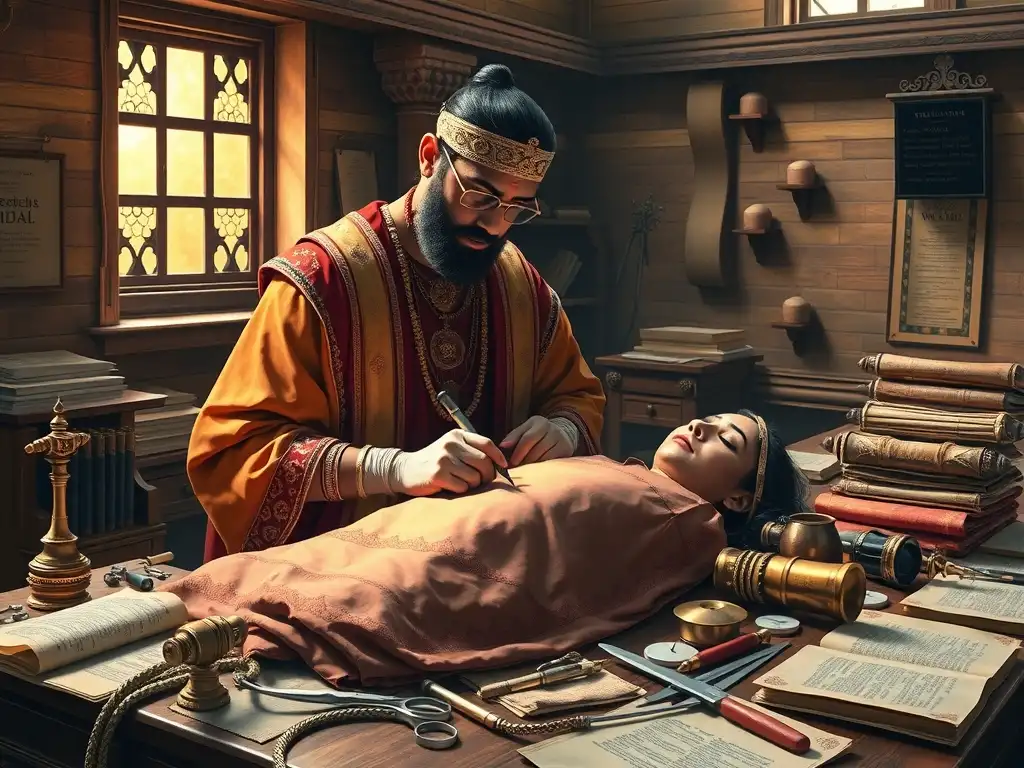
The study of ancient surgical techniques reveals a fascinating tapestry of methods and practices across various civilizations. Ancient Indian surgical techniques stand out for their complexity and effectiveness, particularly when compared with those of other ancient cultures such as Egypt and Greece. This section delves into two significant comparison points: ancient Indian surgery versus ancient Egyptian surgery, and ancient Indian surgery versus ancient Greek surgery.
Ancient Indian Surgery vs. Ancient Egyptian Surgery
Ancient Indian surgical techniques, as documented in texts like the Sushruta Samhita, demonstrate a high level of sophistication, especially in the field of trauma care. Sushruta, often referred to as the "father of surgery," outlined over 300 surgical procedures and 120 surgical instruments, emphasizing the importance of hygiene, patient care, and surgical precision.
In contrast, ancient Egyptian surgery, while advanced for its time, was primarily focused on wound treatment and embalming practices. The Edwin Smith Papyrus, one of the oldest medical texts, details surgical cases but lacks the comprehensive surgical frameworks found in Indian texts.
Key Differences:
- Scope of Procedures:
- Ancient Indian Surgery: Encompassed a wide range of procedures, including plastic surgery, cataract surgery, and treatment of fractures.
- Ancient Egyptian Surgery: Predominantly focused on trauma care and wound management, with limited surgical intervention.
- Instrumentation:
- Ancient Indian Instruments: Included precise tools like scalpels, forceps, and specialized instruments for different surgeries.
- Ancient Egyptian Instruments: Generally consisted of rudimentary tools made from bronze or stone, lacking the refinement seen in Indian counterparts.
- Philosophical Approach:
- Ancient Indian Medicine: Emphasized a holistic approach, integrating surgical techniques with herbal medicine and a deep understanding of anatomy.
- Ancient Egyptian Medicine: Focused more on practical application and spiritual rituals, often intertwining medicine with religious practices.
Ancient Indian Surgery vs. Ancient Greek Surgery
Ancient Greek surgery, documented in the works of Hippocrates and Galen, shares some similarities with ancient Indian surgical techniques but also displays distinct differences. While both cultures contributed significantly to the development of medical practices, the approaches and methodologies varied notably.
Key Differences:
- Anatomical Understanding:
- Ancient Indian Surgery: Sushruta's texts indicate a thorough knowledge of human anatomy, including techniques for dissection and understanding bodily functions.
- Ancient Greek Surgery: Although Greek physicians made advances in anatomy, much of their knowledge was theoretical, often based on animal dissections rather than human.
- Methodologies and Techniques:
- Ancient Indian Techniques: Included advanced procedures such as rhinoplasty and complex wound closure techniques.
- Ancient Greek Techniques: Primarily focused on bloodletting and the treatment of fractures, with less emphasis on reconstructive surgeries.
- Cultural Context:
- Ancient Indian Surgery: Rooted in a tradition that valued both physical and spiritual well-being, often involving patient counseling and ethical considerations.
- Ancient Greek Surgery: More clinical and rational, with a strong emphasis on empirical observation and documentation, often detached from spiritual beliefs.
While both ancient Indian and other ancient surgical practices contributed to the evolution of medicine, the unique methodologies, instrumentation, and philosophical underpinnings of ancient Indian surgical techniques positioned them as a leader in surgical innovation during their time. Understanding these comparisons not only highlights the achievements of ancient Indian civilization but also provides insights into the diverse medical practices that shaped early surgical history.
Legacy of Ancient Indian Surgical Techniques
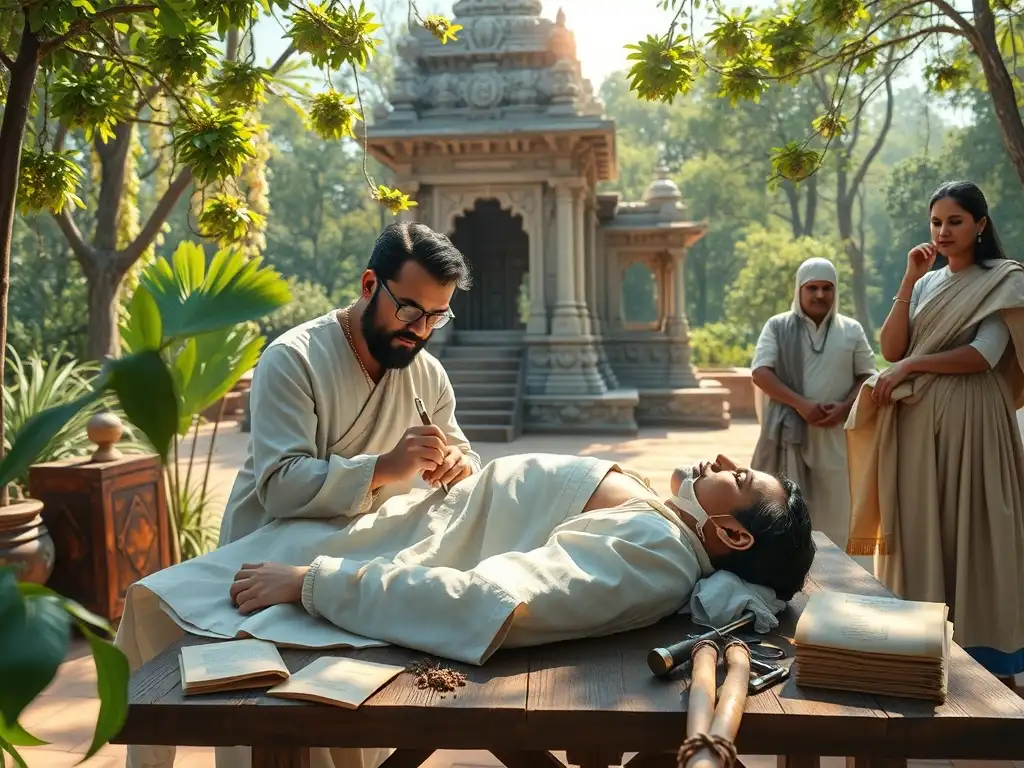
Ancient Indian surgical techniques, particularly those documented in texts such as the Sushruta Samhita, have left an indelible mark on the fields of surgery and medicine. The legacy of these techniques is not merely historical; it continues to influence modern medical practices and philosophies. Ancient Indian surgeons, known as shalyatryas, were pioneers in surgical procedures that addressed various injuries and traumas, laying the groundwork for future developments in the medical field.
Their contributions encompassed a wide array of surgical practices, including but not limited to:
- Plastic Surgery: Techniques for reconstructing noses and other body parts, a method known as rhinoplasty, was famously practiced by Sushruta.
- Orthopedic Surgery: The treatment of fractures and dislocations, highlighting the understanding of bone anatomy and healing processes.
- Anesthesia: The use of herbal concoctions to induce anesthesia, which paved the way for pain management in surgical procedures.
The methodologies and philosophies espoused by ancient Indian surgeons emphasized a holistic approach to health, integrating physical, mental, and spiritual well-being. This comprehensive outlook remains relevant in today's medical practices, where patient-centered care is a priority.
Influence on Modern Surgical Practices
The influence of ancient Indian surgical techniques on modern medicine is profound. Many surgical practices and principles that originated in ancient India can still be observed today. For instance:
- Surgical Instruments: The design and functionality of many surgical instruments used today can trace their origins back to the tools described by Sushruta. Instruments like scalpels, forceps, and needles were meticulously detailed in ancient texts, showcasing an advanced understanding of surgical needs.
- Techniques for Suturing: Ancient methods of suturing wounds and closing incisions have evolved but still rely on the foundational practices established by ancient surgeons. The use of silk threads and other materials for stitching wounds reflects the early innovation in surgical techniques.
- Trauma Management: The principles of trauma care, especially in the context of battlefield injuries, demonstrate a sophisticated understanding of human anatomy and the physiological responses to trauma. The ancient texts provided detailed descriptions of how to manage severe injuries, which are echoed in modern trauma care protocols.
These influences highlight a remarkable continuity of knowledge from ancient texts to contemporary surgical practices, underscoring the importance of integrating historical wisdom into modern medicine.
Preserving Ancient Knowledge in Contemporary Medicine
In order to preserve the invaluable knowledge of ancient Indian surgical techniques, several initiatives have been undertaken. These efforts focus on documenting, teaching, and integrating ancient practices into modern medical education and healthcare systems. Key strategies include:
- Academic Research: Ongoing research into ancient texts, particularly the Sushruta Samhita and Charaka Samhita, has led to the rediscovery of various surgical techniques and remedies that can complement contemporary practices.
- Workshops and Training: Institutions are increasingly offering workshops that teach ancient surgical techniques, providing surgeons with skills that enhance their understanding of both traditional and modern methods.
- Integration into Holistic Medicine: The resurgence of interest in holistic and traditional medicine has fostered a greater appreciation for ancient practices. This includes the incorporation of Ayurvedic principles in modern surgical contexts, emphasizing the interplay between body, mind, and spirit.
The preservation of these ancient surgical techniques not only honors the contributions of early Indian civilizations but also enriches the current medical landscape, ensuring that valuable knowledge is not lost but rather celebrated and utilized for future advancements in healthcare.
Conclusion
Summary of Contributions of Ancient Indian Surgical Techniques
Ancient Indian surgical techniques have made remarkable contributions to the field of medicine, particularly in the management of trauma and injuries. Texts such as the Sushruta Samhita, attributed to Sushruta, a pioneer in surgery, provide extensive insight into surgical practices that date back over 2,500 years. Here are some of the key contributions:
- Innovative Surgical Procedures:
- Suturing Techniques: Ancient Indian surgeons developed methods for suturing wounds that are still applicable today. They utilized materials like fine silk and animal sinews.
- Surgical Instruments: The ancient texts describe over 120 surgical instruments, including scalpels, forceps, and probes, showcasing a sophisticated understanding of surgical needs.
- Trauma Management:
- Techniques for treating fractures included setting bones and using traction methods, which emphasized the importance of proper alignment for healing.
- Wound Treatment: The use of antiseptic techniques, including the application of medicinal herbs, demonstrated an early understanding of infection control.
- Specialized Fields:
- Ophthalmology: The ancient texts indicate advanced procedures for cataract surgery, utilizing a technique known as couching.
- Plastic Surgery: Techniques for reconstructive surgery, such as the nose reconstruction method, highlight the innovative spirit of ancient Indian physicians.
These contributions not only advanced surgical practices in ancient India but also influenced medical practices in other parts of the world, through translations and adaptations of Indian texts.
Final Thoughts on the Importance of Understanding Ancient Medical Practices
Understanding ancient Indian surgical techniques is crucial for several reasons:
- Historical Insight: They provide a window into the medical knowledge and practices of ancient civilizations, allowing us to appreciate the evolution of medicine over the centuries.
- Cultural Heritage: The techniques reflect the rich cultural heritage and intellectual achievements of ancient Indian society, emphasizing the significance of preserving this knowledge.
- Modern Medicine: Insights gained from these ancient practices can inform contemporary medical practices, particularly in areas such as trauma care and surgical innovation. For instance, certain methods and materials used in ancient surgeries can still inspire modern surgical techniques.
The study of ancient Indian surgical techniques not only honors the ingenuity of past civilizations but also serves as a foundation for future medical advancements. The legacy of these practices is a testament to the enduring impact of ancient Indian medicine on the global stage.
Frequently Asked Questions
What were some of the key surgical techniques used in ancient India?
Ancient Indian physicians employed advanced surgical techniques such as suturing, trepanation, and cauterization to treat injuries and trauma, showcasing their understanding of human anatomy.
Who were the prominent figures in ancient Indian surgery?
Sushruta, often referred to as the Father of Surgery, is a pivotal figure known for his contributions to surgical practices and his influential text, the Sushruta Samhita.
How did ancient Indian surgical techniques influence modern medicine?
The innovative surgical methods developed in ancient India laid the groundwork for many modern practices, notably in fields like plastic surgery and orthopedics.
What materials were used in ancient Indian surgeries?
Surgeons in ancient India utilized natural materials such as bamboo, metal, and herbal pastes for instruments and to promote healing, demonstrating their resourcefulness.
Where can I find more information about ancient Indian surgical techniques?
For a deeper dive into this topic, resources like the Sushruta Samhita and scholarly articles on ancient Indian medicine provide extensive insights into their surgical practices and contributions to healthcare.
Final Reflection: The Timeless Wisdom of Ancient Indian Surgical Techniques
The exploration of ancient Indian surgical techniques reveals a profound understanding of trauma and injuries that resonates with modern medical practices. Today, as we face an increasing number of injuries and trauma cases, the insights gleaned from these ancient methods remind us that the quest for healing is not a new endeavor. The innovative approaches of ancient Indian surgeons, who skillfully combined knowledge of anatomy with practical techniques, underscore the importance of integrating historical wisdom into contemporary healthcare.
Cultural and social landscapes are continuously shaped by the legacies of our ancestors, and ancient Indian surgical techniques are no exception. These methods not only reflect a sophisticated understanding of the human body but also highlight the holistic approach to healing that was prevalent in ancient India. As we navigate the complexities of modern medicine, it is essential to recognize the value of these time-honored practices. The greatest medicine of all is teaching people how not to need it.
This quote encapsulates the essence of ancient practices, emphasizing prevention and understanding over mere treatment.
As we reflect on the lessons from ancient Indian surgical techniques, I invite you to consider how these principles can be applied in your own life. Embrace the wisdom of the past to inform your present decisions, whether in health, wellness, or personal growth. Let the innovative spirit of ancient surgeons inspire you to seek knowledge, foster resilience, and cultivate a deeper understanding of the interconnectedness of body and mind. Together, we can honor this rich heritage and carry its lessons forward into the future.
Unveil the Wisdom of Ancient Healing!
Thank you for diving into the fascinating world of ancient Indian surgical techniques with us! We hope you gained valuable insights into how these age-old methods can still inspire modern practices. Now, it’s time to put that knowledge into action!
- Explore your local library or online databases for more resources on ancient medicinal practices—discover techniques that could transform your understanding of healing!
- Share your newfound knowledge with friends and family; engage in discussions or even start a book club focusing on historical practices in medicine.
- For a unique experience, attend workshops or seminars that delve into traditional healing techniques—get hands-on with ancient approaches to modern injuries.
How do you envision these ancient practices influencing contemporary methods in your life or community? Share your thoughts below!