
The Art of Healing: Discovering Ancient Indian Surgical Procedures

Welcome to Ancient India History, where we embark on a captivating journey through the rich tapestry of India's ancient civilizations. Today, we delve into an extraordinary realm of science and medicine, uncovering the remarkable ancient Indian surgical techniques that showcase the unparalleled ingenuity and skill of early physicians. What secrets lie within these age-old practices, and how did they shape the foundation of modern medicine? Join us as we explore "The Art of Healing: Discovering Ancient Indian Surgical Procedures," and prepare to be inspired by the wisdom of the past that continues to resonate today.
Introduction to Ancient Indian Surgical Techniques
The exploration of ancient Indian surgical techniques unveils a fascinating chapter in the history of medicine, highlighting the remarkable advancements made by early civilizations. Rooted in a rich tapestry of cultural practices and scientific inquiry, these techniques not only showcase the surgical prowess of ancient Indian practitioners but also reflect the holistic approach to health that characterized their medical systems. This article delves into the intricate world of surgical procedures that flourished in ancient India, focusing on their historical significance, the methodologies employed, and the enduring legacy they have left on contemporary practices.
Overview of Ancient Indian Medicine
Ancient Indian medicine, often encapsulated under the umbrella of Ayurveda, is a comprehensive system that integrates philosophy, spirituality, and practical knowledge. It emphasizes the balance between body, mind, and spirit, promoting wellness through natural remedies and lifestyle choices. Surgical practices emerged as a crucial element of this system, addressing health issues that could not be managed through herbal treatments alone. The rigorous training and ethical standards upheld by ancient surgeons, known as "Sushrutas," laid the groundwork for modern surgical practices.
Importance of Surgical Practices in Ancient India
Surgical practices in ancient India were not merely a response to injuries or diseases; they were an essential aspect of medical care that demonstrated advanced understanding and skills. The ability to perform complex surgeries, such as cataract removal and cesarean sections, indicates a high level of expertise and innovation. These practices underscored the significance of surgery in maintaining health and treating ailments, thereby elevating its status within the broader medical landscape.
Historical Context of Surgical Techniques in Ancient India
The historical context of surgical techniques in ancient India reveals a continuum of knowledge and evolution that spanned centuries. From the robust medical practices of the Indus Valley Civilization to the sophisticated methodologies documented in ancient texts, the journey of surgical techniques is rich with discoveries and contributions.
The Indus Valley Civilization and Early Medical Practices
The Indus Valley Civilization (circa 3300–1300 BCE) is often regarded as one of the earliest cultures to practice medicine scientifically. Archaeological evidence suggests that the inhabitants had a profound understanding of anatomy, as evidenced by surgical tools found at excavation sites. Early practitioners likely performed rudimentary surgical procedures, such as wound care and bone setting, indicating a foundational knowledge that would be built upon in later centuries.
The Contributions of Ayurveda to Surgery
Ayurveda, often referred to as the "science of life," significantly contributed to the development of surgical techniques in ancient India. Texts like the Sushruta Samhita, attributed to the ancient surgeon Sushruta, provide detailed descriptions of surgical procedures, instruments, and techniques that were revolutionary for their time. The systematic approach to surgery outlined in these texts reflects a deep understanding of human anatomy and pathology, establishing a legacy that continues to influence modern surgical practices.
The Role of Ancient Texts in Preserving Surgical Knowledge
Ancient texts served as vital repositories of knowledge, preserving the surgical wisdom of past generations. Works such as the Sushruta Samhita and the Charaka Samhita not only documented surgical techniques but also emphasized the importance of ethical practice and patient care. These texts have been instrumental in passing down knowledge through generations, ensuring that the principles and practices of ancient Indian surgical techniques remain relevant today.
Key Ancient Indian Surgical Techniques
Ancient Indian surgical techniques are renowned for their sophistication and advanced understanding of human anatomy and medicine. Among these techniques, the most notable contributions come from the Sushruta Samhita, an ancient Sanskrit text attributed to Sushruta, who is often referred to as the "Father of Surgery." This seminal work not only delineates various surgical practices but also emphasizes the importance of skill, knowledge, and ethical considerations in the field of surgery.
The techniques described in this ancient text cover a wide array of surgical procedures, including but not limited to, operations for cataracts, plastic surgery, and various methods of wound management. Sushruta's systematic approach to surgery laid the groundwork for future medical practices, not only in India but also influenced surgical practices globally.
Sushruta Samhita: The Foundation of Surgery
The Sushruta Samhita is a comprehensive treatise that serves as a cornerstone of ancient Indian medicine and surgery. Composed around the 6th century BCE, this text encompasses detailed descriptions of surgical techniques, medicinal herbs, and the philosophy of health and illness. Sushruta's meticulous observations and clinical practices are documented in this work, which is divided into several sections, each addressing different aspects of surgery and medicine.
One of the most remarkable features of the Sushruta Samhita is its systematic classification of surgical procedures. Sushruta emphasizes the importance of knowledge of anatomy, surgical techniques, and post-operative care. He also addresses the need for a surgeon to possess not only technical skills but also compassion and ethical integrity in dealing with patients. This holistic approach to medicine marks the Sushruta Samhita as a pioneering text that continues to be revered in medical literature.
Types of Surgical Procedures Described by Sushruta
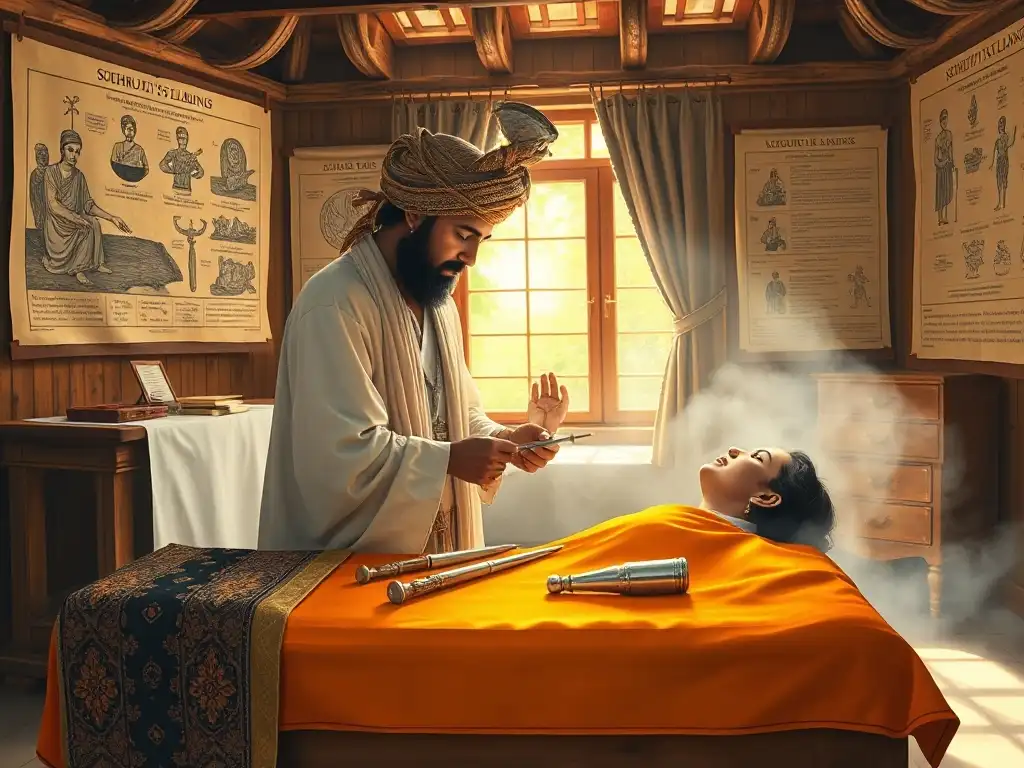
The Sushruta Samhita outlines a variety of surgical procedures that reflect the advanced medical knowledge of ancient Indian physicians. Some of the key surgical techniques include:
- Cataract Surgery: Sushruta detailed methods for treating cataracts, using techniques such as couching, which involved dislodging the cloudy lens.
- Plastic Surgery: He is credited with pioneering techniques for reconstructive surgery, including rhinoplasty, where damaged or missing noses were reconstructed using skin grafts.
- Amputation: Detailed procedures for the safe amputation of limbs were also described, emphasizing the importance of cleanliness and post-operative care.
- Abscess Drainage: Techniques for the drainage of abscesses were outlined, illustrating the understanding of infection and its treatment.
- Suturing Techniques: Sushruta provided insights into various suturing techniques that were crucial for wound closure and healing.
These surgical procedures highlight the ingenuity and advanced practices that were prevalent in ancient Indian medicine, showcasing a deep understanding of human anatomy and surgical principles.
Instruments Used in Ancient Indian Surgery
Ancient Indian surgical practices were supported by a variety of specialized instruments that were meticulously crafted for different procedures. The Sushruta Samhita provides elaborate descriptions of these tools, underscoring their significance in surgical interventions.
Description of Surgical Instruments in Ancient Texts
The Sushruta Samhita lists numerous surgical instruments, each designed for specific functions. These include:
- Scalpels: Used for incisions, these were often made from sharpened metals and were crucial for making precise cuts.
- Forceps: Employed to grasp and manipulate tissues, forceps were essential in various surgical procedures, especially in obstetrics.
- Needles: Sushruta described needles for suturing wounds, which varied in sizes and shapes depending on the type of procedure.
- Cauteries: Instruments used to burn tissue, cauteries played a role in controlling bleeding and preventing infection during surgery.
These instruments reflect a well-developed understanding of surgical needs and the importance of specialized tools in achieving successful outcomes in surgery.
Materials Used for Surgical Tools
The materials used for crafting surgical instruments in ancient India were chosen for their durability and effectiveness. Common materials included:
- Metals: Surgical tools were primarily made from metals such as bronze, iron, and steel, which were known for their strength and ability to maintain sharp edges.
- Stone: Certain instruments, especially for cutting, were crafted from sharpened stone, illustrating the resourcefulness of ancient craftsmen.
- Wood: Some tools, particularly those used in less invasive procedures, were made from wood, providing a lighter alternative for specific applications.
The careful selection of materials not only enhanced the functionality of surgical instruments but also demonstrated the ancient Indian understanding of metallurgy and craftsmanship.
Innovations in Surgical Instruments from Ancient India
Ancient Indian surgeons were pioneers in developing innovative surgical instruments that laid the foundation for modern surgical practices. The following innovations are particularly noteworthy:
- Precision Tools: The design of instruments such as scalpels and probes with fine tips allowed for greater precision in surgical procedures, minimizing tissue damage.
- Multi-functional Instruments: Many tools were designed to serve multiple purposes, enhancing efficiency in surgical settings and reducing the need for extensive toolsets.
- Ergonomic Designs: The design of handles and grips on surgical instruments was considered, facilitating better control and reducing fatigue during lengthy procedures.
These innovations reflect an advanced understanding of surgical needs and ergonomics, contributing significantly to the effectiveness of ancient Indian surgical techniques and influencing subsequent medical practices around the world.
The Philosophical and Cultural Aspects of Surgery
Surgery in ancient India was not merely a technical practice; it was deeply intertwined with philosophical and cultural beliefs. The ancient Indian medical system, known as Ayurveda, emphasized a holistic approach to health, viewing the body, mind, and spirit as interconnected entities. This perspective informed surgical practices, where the aim was not only to treat physical ailments but also to restore balance and harmony within the individual.
Philosophically, surgery was seen as a form of art and science, requiring not only technical skill but also an understanding of the human condition. Texts such as the Sushruta Samhita, attributed to the sage Sushruta, highlight the importance of a physician's character, knowledge, and ethical grounding. The cultural reverence for the healer can be traced back to the understanding that successful surgery was a divine act, often associated with the blessings of deities such as Dhanvantari, the god of Ayurveda.
Moreover, surgical procedures were often accompanied by rituals and prayers, emphasizing the spiritual aspect of healing. This cultural backdrop fostered a respect for medical practitioners, who were seen as custodians of knowledge that bridged the physical and metaphysical realms of existence.
The Ethical Considerations in Ancient Indian Surgery
Ethics played a crucial role in ancient Indian surgical practices, primarily influenced by the texts and teachings of Ayurveda. Physicians were guided by principles that emphasized non-maleficence—the obligation to avoid harm—and beneficence—the duty to act in the patient's best interest. The ancient texts often delineated the responsibilities of a surgeon, advocating that only those with adequate training and knowledge should perform surgical procedures.
The ethical considerations extended to the consent of the patient, which was a significant aspect of the surgical process. It was believed that patients should be informed about the risks and benefits of the surgery, reflecting an early understanding of patient autonomy. Additionally, the Hippocratic Oath, although originally Greek, parallels can be drawn in the ethical frameworks established in ancient Indian texts, which emphasized moral integrity and the sacred nature of the healing profession.
Moreover, the use of certain surgical techniques, particularly those involving amputation or severe interventions, was approached with caution. Surgeons were trained to assess the necessity of such procedures carefully, ensuring that they were warranted and would ultimately lead to the patient's betterment.
The Role of Healing in Ancient Indian Society
Healing in ancient Indian society was not solely confined to the medical realm; it was a social and cultural phenomenon that permeated various aspects of life. Healers, often revered as community leaders, played a vital role in the social fabric, providing not only medical care but also spiritual guidance and emotional support. Their practices were integral to maintaining the community's overall well-being.
In ancient texts, healing was often associated with the concept of Dharma, or duty, which emphasized the moral responsibilities of individuals towards their health and the health of others. This interconnectedness fostered a communal approach to health, where the well-being of an individual was seen as reflecting the health of the community as a whole.
Furthermore, festivals and rituals centered around healing practices were prevalent, showcasing the cultural importance of health and wellness. These events often included offerings, prayers, and communal gatherings, highlighting the belief that healing was a collective journey, supported by the community and divine forces.
Comparison of Ancient Indian Surgical Techniques with Other Civilizations
The surgical techniques developed in ancient India were remarkable for their sophistication and effectiveness, often placing them on par with those of other ancient civilizations. Comparing these techniques with those of other cultures, particularly the Greeks and Egyptians, reveals both unique practices and shared methodologies.
Ancient Indian Surgery vs. Ancient Greek Surgical Practices
Ancient Indian surgical techniques, as documented in the Sushruta Samhita, showcased advanced knowledge in various procedures such as rhinoplasty, cataract surgery, and the treatment of wounds. The meticulous approach to anatomy and surgical procedures can be compared to that of Hippocrates and Galen in ancient Greece, where surgical practices were also evolving rapidly.
One key difference lay in the philosophical underpinnings of the practices. While the Greeks emphasized empirical observation and clinical experience, Indian surgeons integrated a more holistic view of health, considering emotional and spiritual dimensions alongside physical ailments. Additionally, the Indian approach to surgical instruments was highly specialized; for instance, Sushruta described over 120 surgical instruments and advocated for their precise use, which paralleled but did not replicate the instruments used in Greek surgery.
Despite these differences, both civilizations contributed significantly to the foundation of surgical practices, influencing not only their contemporaries but future generations of surgeons globally. The exchange of knowledge through trade and conquests further enriched these practices, creating a tapestry of surgical expertise.
Influence of Ancient Indian Medicine on Islamic Surgery
The influence of ancient Indian medicine on Islamic surgical practices is a fascinating aspect of medical history. During the medieval period, the translation of Indian texts into Arabic played a pivotal role in disseminating knowledge across the Islamic world. Prominent scholars such as Al-Razi and Ibn Sina (Avicenna) were heavily influenced by Indian medical principles, particularly the teachings of Sushruta regarding surgical techniques and ethical considerations.
Islamic surgeons adopted and adapted various ancient Indian surgical practices, refining them further through their own observations and experiences. Techniques such as cataract surgery and the use of specific instruments were notably incorporated into Islamic medicine. The emphasis on holistic healing and the ethical treatment of patients, rooted in both Indian and Islamic traditions, created a robust framework for medical practice that persisted through the ages.
This cross-cultural exchange not only enriched Islamic surgical techniques but also facilitated a broader understanding of medicine that transcended geographical boundaries, laying the groundwork for future advancements in surgical practices worldwide.
Legacy and Influence of Ancient Indian Surgical Techniques
Ancient Indian surgical techniques have left an indelible mark on the evolution of medical practices, both in India and beyond. The comprehensive surgical knowledge documented in texts such as the Sushruta Samhita, attributed to the ancient physician Sushruta, established a foundation for surgical procedures, anatomy, and patient care that was revolutionary for its time. This text not only cataloged various surgical techniques, such as rhinoplasty, but also emphasized the importance of suturing and post-operative care, showcasing a holistic approach to healing.
The legacy of these techniques is evident in the intricate knowledge of human anatomy and surgical procedures that were developed during this period. Ancient Indian surgeons were pioneers in advanced surgical practices, including the use of anesthetics, antiseptics, and instruments that are remarkably similar to those used today. Their contributions influenced neighboring civilizations, as trade and cultural exchanges facilitated the dissemination of this knowledge across Asia and into the Islamic world, ultimately reaching Europe in later centuries.
Furthermore, the emphasis on ethical practices in medicine, as outlined in ancient texts, laid the groundwork for contemporary medical ethics. The principles of ahimsa (non-violence) and patient well-being were integral to the practice of surgery, ensuring that the patient's welfare was always prioritized. This ethical framework continues to resonate in modern medical practices.
Impact on Modern Surgical Practices
The impact of ancient Indian surgical techniques on modern practices is profound and multifaceted. Many surgical procedures that are commonplace today can trace their roots back to ancient Indian methods. For instance, the practice of plastic surgery, particularly rhinoplasty, was documented as early as 600 BCE in the Sushruta Samhita. The techniques outlined in this text have informed modern reconstructive surgery, showcasing the enduring relevance of ancient knowledge.
Moreover, the meticulous descriptions of surgical instruments in ancient texts have influenced the design and function of modern surgical tools. Instruments such as scalpels, forceps, and needles, which were innovatively crafted by ancient Indian surgeons, share characteristics with contemporary counterparts. This continuity in design reflects a deep understanding of surgical needs that transcends time.
Additionally, the ancient practice of using herbal anesthetics and antiseptics has informed modern anesthesia and infection control methods. Many of the plants and their extracts that were utilized in ancient surgical practices are still being researched and applied in modern medicine for their analgesic and antimicrobial properties. This highlights the importance of understanding and preserving traditional knowledge as a complement to contemporary medical practices.
Reviving Ancient Techniques in Contemporary Medicine
In recent years, there has been a growing interest in reviving ancient Indian surgical techniques within contemporary medicine. This revival is fueled by a desire to integrate holistic approaches to health that prioritize natural remedies and patient-centered care. Medical practitioners and researchers are exploring ancient texts to rediscover surgical methods and practices that may offer alternative solutions to modern challenges.
One area of focus is the training of surgeons in ancient techniques that emphasize minimal invasiveness and faster recovery times. Techniques such as ksharasutra, a method for treating anal fistulas, are being revisited for their effectiveness and lower complication rates compared to some modern procedures. Furthermore, the principles of Ayurveda, which complement ancient surgical knowledge, are being integrated into surgical practice to enhance patient care and recovery.
Efforts to document and validate these ancient practices through scientific research are also underway. Collaborations between traditional healers and modern medical professionals aim to create a synergistic approach to health care that respects ancient wisdom while adhering to contemporary scientific standards. This integration has the potential to enrich medical practices and offer patients a broader spectrum of treatment options.
Conclusion
Summary of the Importance of Ancient Indian Surgical Techniques
Ancient Indian surgical techniques represent a significant chapter in the history of medicine, characterized by innovative practices and ethical considerations that continue to influence modern surgical methods. The legacy of these techniques, as documented in foundational texts, underscores the sophistication of ancient Indian medical knowledge and its relevance to contemporary practices.
The meticulous attention to detail in surgical procedures, along with the ethical framework established by ancient practitioners, has shaped the way medicine is approached today. The revival and integration of these techniques into modern surgical practices not only honor this rich heritage but also provide opportunities for advancements in patient care.
The Continuing Relevance of Ancient Healing Practices in Modern Medicine
The continuing relevance of ancient healing practices in modern medicine is evident in the growing recognition of holistic approaches to health care. Ancient Indian surgical techniques, grounded in the principles of Ayurveda and ethical medical practice, offer valuable insights into patient treatment and recovery.
As the medical community increasingly acknowledges the importance of integrating traditional practices with modern science, the contributions of ancient Indian surgeons become ever more significant. By embracing the wisdom of the past, contemporary medicine can enhance its effectiveness, offering patients a more comprehensive and compassionate approach to health care. This alignment of ancient knowledge with modern practices not only enriches the medical field but also fosters a deeper appreciation for the diverse history and culture of ancient Indian civilizations.
- Introduction to Ancient Indian Surgical Techniques
- Historical Context of Surgical Techniques in Ancient India
- Key Ancient Indian Surgical Techniques
- Sushruta Samhita: The Foundation of Surgery
- Types of Surgical Procedures Described by Sushruta
- Instruments Used in Ancient Indian Surgery
- The Philosophical and Cultural Aspects of Surgery
- Comparison of Ancient Indian Surgical Techniques with Other Civilizations
- Legacy and Influence of Ancient Indian Surgical Techniques
- Conclusion
- What were some of the ancient Indian surgical techniques practiced?
- Who were the notable figures in ancient Indian medicine?
- How did ancient Indian surgical techniques influence modern medicine?
- What role did Ayurveda play in ancient Indian surgical practices?
- Are there any surviving texts that detail ancient Indian surgical techniques?
Frequently Asked Questions
What were some of the ancient Indian surgical techniques practiced?
Ancient Indian surgical techniques included complex operations like cataract surgery and plastic surgery, demonstrating advanced knowledge of the human body.
Who were the notable figures in ancient Indian medicine?
Sushruta, often referred to as the "father of surgery," and Charaka, known for his contributions to Ayurveda, were key figures in ancient Indian medicine.
How did ancient Indian surgical techniques influence modern medicine?
Many ancient Indian surgical techniques laid the groundwork for modern practices, showcasing early methods of anesthesia and sterilization that have evolved over time.
What role did Ayurveda play in ancient Indian surgical practices?
Ayurveda, the traditional Indian system of medicine, emphasized holistic healing and included surgical procedures as part of its comprehensive approach to health and wellness.
Are there any surviving texts that detail ancient Indian surgical techniques?
Yes, texts like the Sushruta Samhita provide detailed descriptions of surgical procedures, instruments, and medical ethics, preserving invaluable knowledge from ancient India.
Final Reflection: Embracing the Wisdom of Ancient Indian Surgical Techniques
The exploration of ancient Indian surgical techniques reveals a profound connection between tradition and modern medicine. As we navigate the complexities of contemporary healthcare, the insights gained from these historical practices remind us that healing is not merely a science but an art deeply rooted in cultural wisdom. The relevance of these techniques today underscores the importance of integrating holistic approaches into our understanding of health and wellness.
The influence of ancient Indian surgical practices extends far beyond their historical context; they continue to shape our cultural and social landscape. These techniques highlight the ingenuity and skill of ancient practitioners, fostering a sense of respect for the knowledge passed down through generations. As we reflect on this legacy, we can appreciate the words of the renowned surgeon Sushruta, who said, Wherever there is an art of medicine, there is also a great art of surgery.
This sentiment resonates today, as we strive to balance technological advancements with the compassionate care that has characterized healing throughout history.
As we conclude this exploration, I invite you to reflect on the lessons embedded in the art of healing. Consider how you can incorporate the principles of ancient wisdom into your own life, whether through mindfulness, holistic health practices, or a deeper appreciation for the interconnectedness of body and spirit. Let the legacy of ancient Indian surgical techniques inspire you to seek healing not just as a physical process, but as a journey that honors the past while embracing the future.
Unveil Your Healing Journey Today!
Thank you for exploring the fascinating world of ancient Indian surgical procedures with us! We hope you’ve gained valuable insights into these remarkable techniques that have shaped the art of healing across cultures. Now, let's take your learning to the next level!
Here are some impactful actions you can take right now:
- Dive deeper: Explore further into another ancient healing method that captures your interest. Our archives are filled with knowledge waiting for you to discover!
- Share your thoughts: Engage with us by leaving a comment below—what's the most surprising thing you learned today?
- Connect with history enthusiasts: Spread the word about this article with friends or on social media to highlight the incredible advancements made by ancient cultures in healing practices.
How do you believe ancient surgical methods can influence modern healthcare today?