
The Connection Between Ancient Indian Medicine and Surgical Practices

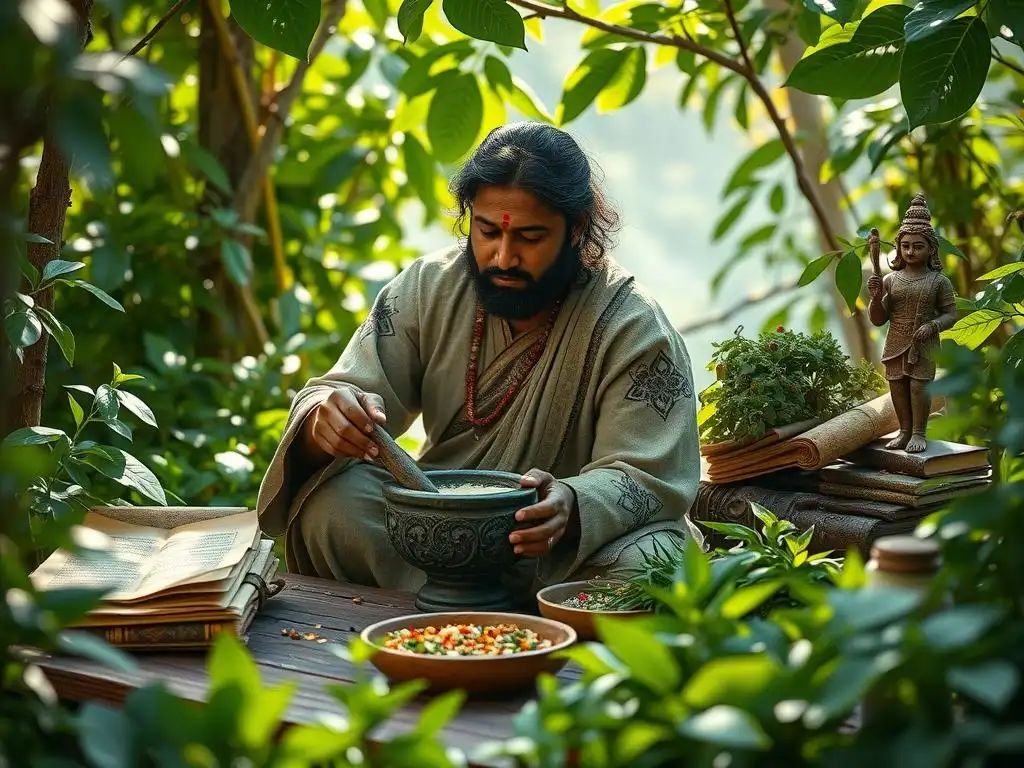
Welcome to Ancient India History, where we embark on a fascinating journey through the rich tapestry of ancient Indian civilizations. Delve into the remarkable world of ancient Indian medicine practices, a cornerstone of our cultural heritage that intertwines science and spirituality. In our featured article, "The Connection Between Ancient Indian Medicine and Surgical Practices," discover how these age-old techniques not only shaped medical knowledge but also laid the groundwork for modern practices.
Prepare to be captivated by the profound wisdom of our ancestors as you explore the incredible contributions of ancient India to the realms of science and medicine. Your adventure into this remarkable history begins here!
Introduction to Ancient Indian Medicine Practices
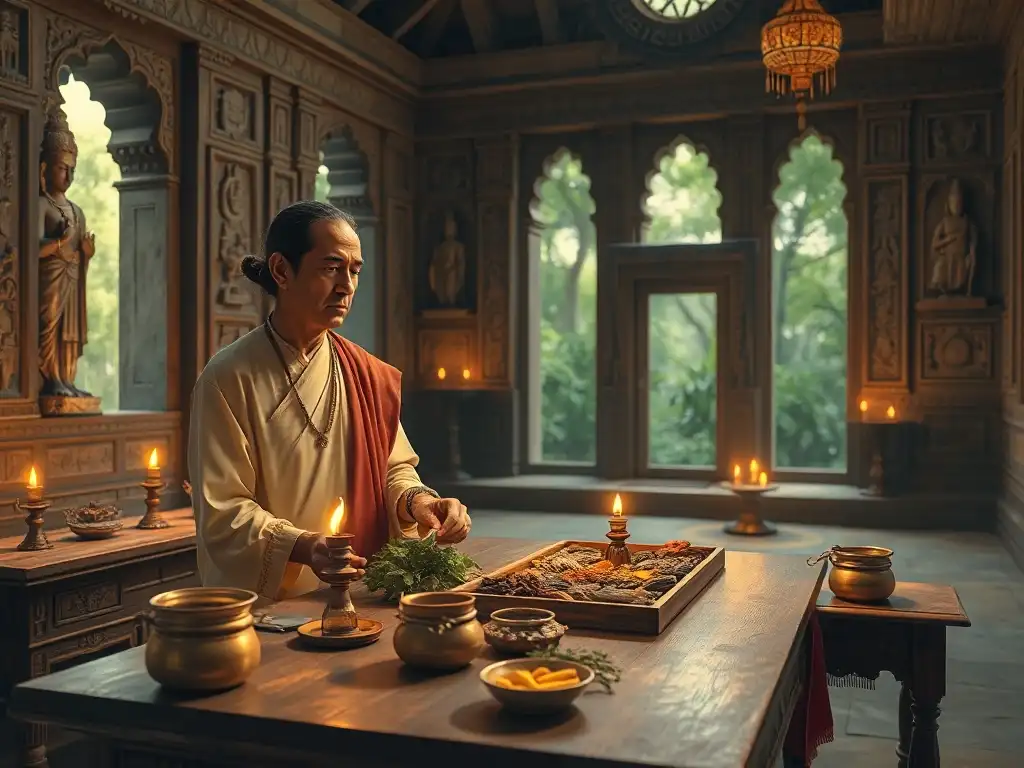
Ancient Indian medicine practices represent a rich tapestry of knowledge that has evolved over millennia, deeply intertwined with the cultural, spiritual, and scientific heritage of the Indian subcontinent. These practices, which include the well-known Ayurveda and Siddha, not only emphasize holistic health but also encompass advanced surgical techniques that were remarkable for their time.
The connection between ancient Indian medicine and surgical practices is a testament to the ingenuity and depth of understanding that ancient Indian physicians possessed, revealing a sophisticated approach to health that combined theory and practical application. Through this exploration, we will uncover how these ancient practices laid the groundwork for modern medicine and highlight the significance of surgical interventions in the context of ancient Indian healing traditions.
Overview of Ancient Indian Medical Systems
Ancient Indian medical systems are primarily categorized into Ayurveda, Siddha, and Unani. Each system has its unique principles, but they share a common goal: achieving balance and harmony within the body.
- Ayurveda focuses on the balance of bodily energies (Vata, Pitta, and Kapha) and incorporates herbal treatments, dietary recommendations, and lifestyle changes.
- Siddha medicine emphasizes alchemical processes and spiritual healing, primarily practiced in South India.
- Unani medicine draws its roots from Greek medicine but was enriched by Indian scholars, focusing on the balance of bodily humors.
These systems not only provided medicinal remedies but also included surgical practices, which were documented in ancient texts.
Importance of Ancient Indian Medicine in Historical Context
The significance of ancient Indian medicine practices extends beyond their historical roots; they were pivotal in shaping health care systems across Asia and even Europe. The contributions of ancient Indian physicians like Sushruta and Charaka have been recognized globally, influencing various cultures and medical traditions. The methods and principles established in ancient times laid the foundation for many modern medical practices, particularly in the fields of surgery and pharmacology. Their holistic approach to health and well-being continues to resonate today, making ancient Indian medicine relevant in contemporary discussions about integrative medicine.
Historical Background of Surgical Practices in Ancient India
Ancient Indian surgical practices demonstrate an impressive level of sophistication, with techniques that were ahead of their time. Texts like the Sushruta Samhita provide detailed descriptions of surgical procedures, tools, and techniques that reveal a deep understanding of human anatomy and pathology.
Origins of Surgery in Ancient Indian Texts
The Sushruta Samhita, attributed to the ancient physician Sushruta, is one of the earliest texts to discuss surgery in great detail. It outlines various surgical procedures, including:
- Extraction of stones from the bladder
- Cataract surgery
- Plastic surgery techniques for reconstructing body parts
These texts not only serve as historical records but also illustrate the advanced surgical methods practiced in ancient India, emphasizing the importance of surgical intervention in treating ailments.
Key Figures in Ancient Indian Medicine and Surgery
Several key figures have significantly contributed to the field of ancient Indian medicine and surgery:
- Sushruta: Often referred to as the "Father of Surgery," he is known for his comprehensive work on surgical techniques and the human body.
- Charaka: A prominent figure in Ayurveda, his contributions to internal medicine and herbal pharmacology have had a lasting impact on the field.
- Vagbhatta: An influential physician who synthesized various medical knowledge, emphasizing the importance of surgical practices in disease management.
These figures not only advanced medical and surgical knowledge in ancient India but also inspired generations of practitioners, making their contributions invaluable to the history of medicine.
Core Principles of Ancient Indian Medicine Practices
Ancient Indian medicine practices are deeply rooted in holistic principles that emphasize the interconnectedness of the body, mind, and spirit. The core philosophy centers around the idea of balance—maintaining harmony within the body and with the surrounding environment is crucial for optimal health. This balance is often described through the concept of doshas, which are the three fundamental energies believed to govern physiological functions: Vata, Pitta, and Kapha. Each individual possesses a unique constitution or Prakriti, determined by the proportion of these doshas, influencing their health and susceptibility to diseases.
In addition to the dosha framework, ancient Indian medicine underscores the importance of Ahara (diet), Vihara (lifestyle), and Aushadhi (medicinal substances). The combination of these elements contributes to the overall well-being of an individual. Treatments are not merely focused on alleviating symptoms but aim to address the root cause of ailments, promoting long-term health. This holistic approach is reflected in the intricate methods of diagnosis and treatment, which consider factors such as the patient's environment, emotional state, and lifestyle choices.
Ayurveda: The Foundation of Ancient Indian Medicine
Ayurveda, often referred to as the "science of life," is the cornerstone of ancient Indian medicine practices. Dating back over 3,000 years, it integrates various aspects of health, including physical, mental, and spiritual well-being. Ayurveda emphasizes preventive care and natural healing methods, advocating for a balanced lifestyle that includes proper nutrition, exercise, meditation, and herbal treatments.
The Ayurvedic system is comprehensive, encompassing various branches such as Samhita (theoretical texts), Siddhanta (principles), and Kriya (therapeutic practices). Central to Ayurveda are the panchakarma therapies, which detoxify the body and restore balance through a series of cleansing and rejuvenating processes. The customization of treatments to each individual's specific needs is a hallmark of Ayurvedic practice, making it a highly personalized approach to health care.
The Role of Herbal Remedies in Surgical Procedures
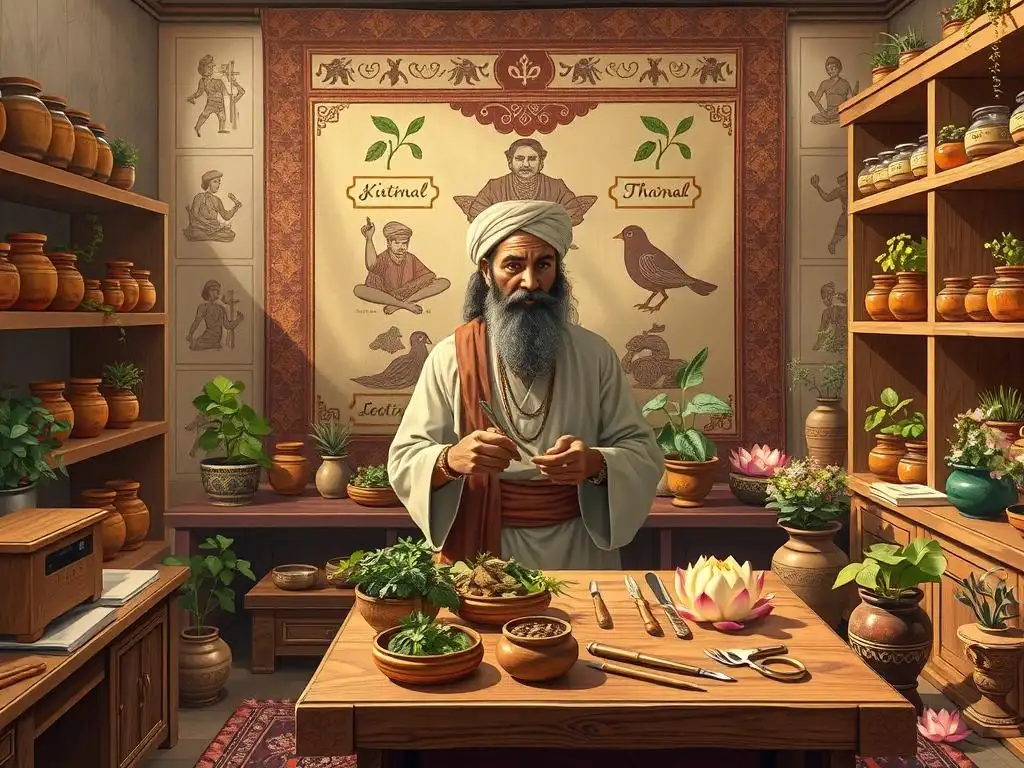
Herbal remedies have played a pivotal role in ancient Indian medical practices, especially concerning surgical interventions. Ancient texts document the use of a variety of plants and herbs, known for their medicinal properties, to enhance surgical outcomes. These remedies served multiple purposes, including pain relief, infection prevention, and promoting healing.
For instance, herbs such as Turmeric (Curcuma longa) were utilized for their anti-inflammatory and antiseptic properties, while Neem (Azadirachta indica) was revered for its antibacterial effects. The use of these herbal preparations was often integrated into surgical protocols, either as pre-operative preparations or post-operative care, ensuring a more holistic healing process. Moreover, the blending of herbal wisdom with surgical techniques showcases the advanced understanding ancient Indian practitioners had regarding human physiology and the natural world.
Surgical Techniques and Innovations in Ancient India
Ancient India is renowned for its sophisticated surgical techniques and innovations, which were documented in various texts, particularly the Sushruta Samhita. This seminal work provides detailed descriptions of surgical procedures, instruments, and methodologies that highlight the advanced knowledge and practical skills possessed by ancient Indian surgeons. The techniques encompassed an array of specialties, including orthopedic surgery, plastic surgery, and gynecological procedures, showcasing the breadth of surgical practices in ancient India.
The innovative spirit of ancient Indian medicine is evident in the variety of surgical instruments developed, many of which are still in use today. These instruments were meticulously crafted and designed for precision, reflecting the high standards of surgical practice in ancient times. The emphasis on cleanliness and sterilization during surgical procedures further underscores the advanced understanding of hygiene that ancient Indian practitioners had.
Sushruta Samhita: The Ancient Surgical Text
The Sushruta Samhita, attributed to the ancient physician Sushruta, is a foundational text in the field of surgery and medicine in ancient India. Composed around 600 BCE, this text is considered one of the earliest comprehensive treatises on surgery and is often referred to as the "father of surgery." It encompasses a wealth of knowledge, detailing over 300 surgical procedures and more than 120 surgical instruments.
The text is organized systematically, covering various aspects of surgery, including pre-operative care, surgical techniques, post-operative management, and the use of anesthetics. Sushruta's emphasis on anatomical knowledge, surgical precision, and patient care presents a holistic approach to surgery that was advanced for its time. The text has not only influenced the practice of surgery in India but has also left a significant mark on medical practices worldwide.
Notable Surgical Techniques Described in Ancient Indian Medicine
The surgical techniques described in ancient Indian medicine are both diverse and sophisticated, showcasing the remarkable skills of ancient surgeons. Among the notable techniques are:
- Rhinoplasty: The reconstruction of the nose, often performed to repair damage due to accidents or surgical procedures. This technique involved intricate methods for skin grafting, demonstrating advanced understanding of tissue healing.
- Cataract Surgery: Known as couching, this procedure involved displacing the clouded lens of the eye to restore vision. The technique highlighted the importance of precision and skill in delicate surgeries.
- Amputation: Detailed protocols for the amputation of limbs were documented, emphasizing proper techniques to minimize complications and ensure the best possible outcomes.
- Surgical Drainage: This method was utilized for abscesses, allowing for the effective removal of pus and reducing the risk of systemic infection.
These techniques reflect not only the technical proficiency of ancient Indian surgeons but also their commitment to patient care and recovery, laying the groundwork for modern surgical practices.
The Interrelationship Between Medicine and Surgery in Ancient Indian Culture
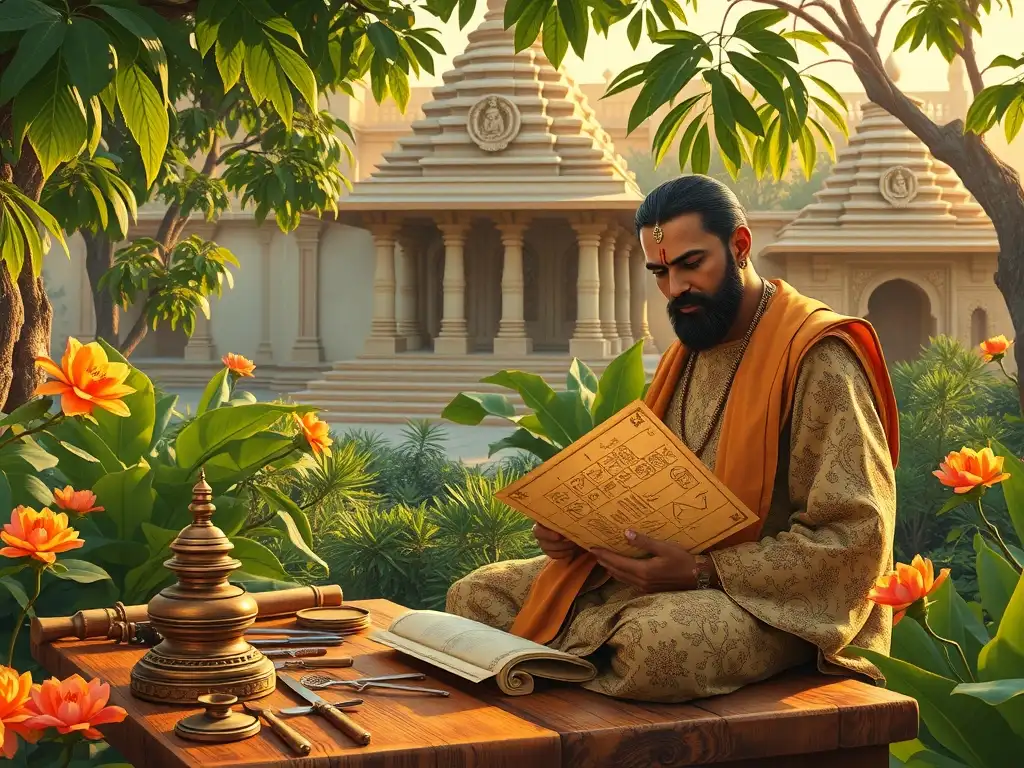
The relationship between medicine and surgery in ancient Indian culture is deeply intertwined, reflecting a holistic understanding of health that encompasses both physical and spiritual well-being. Ancient texts such as the Sushruta Samhita and Charaka Samhita illustrate how practitioners viewed surgery as an essential component of medical treatment rather than a separate discipline. Sushruta, often referred to as the "father of surgery," emphasized that surgical techniques must be grounded in a thorough understanding of anatomy and physiology, showcasing that effective surgical practices were rooted in comprehensive medical knowledge.
In ancient India, physicians and surgeons often worked closely together, sharing insights and techniques that contributed to the overall health of patients. This collaboration ensured that surgical interventions were not merely reactions to injuries but were informed by a broader understanding of the individual's health status, lifestyle, and dietary practices. The dual focus on medicine and surgery allowed for more effective treatments and better patient outcomes, emphasizing the necessity of integrating various medical practices for holistic care.
The Holistic Approach to Health in Ancient Indian Practices
Ancient Indian medicine practices were characterized by a holistic approach that viewed the body as an interconnected system. Health was not defined merely by the absence of disease but as a state of balance among the physical, mental, and spiritual realms. This philosophy is evident in the ancient Indian medical texts, which often included discussions on diet, lifestyle, and mental well-being alongside surgical procedures.
The Ayurvedic system, which originated in ancient India, focused on maintaining harmony within the body through natural methods. This practice involved the use of herbs, dietary regulations, and yoga, which complemented surgical techniques. For example, pre-surgical preparations often included detoxification processes and dietary adjustments to enhance the body’s resilience and healing capacity. Post-operative care also emphasized recovery through holistic measures, including massage, herbal remedies, and meditation to restore balance and promote healing.
This comprehensive approach not only facilitated physical recovery but also addressed emotional and psychological health, contributing to a more profound understanding of patient care. As a result, ancient Indian medicine practices were not limited to immediate surgical outcomes but aimed at fostering long-term health and wellness.
Case Studies of Successful Surgical Outcomes in Ancient India
Ancient texts provide several documented case studies that highlight the effectiveness of surgical practices in ancient India. One notable example is the surgical techniques described in the Sushruta Samhita, which includes procedures for cataract surgery, rhinoplasty, and the treatment of wounds. Sushruta's detailed accounts showcase various surgical instruments and methods, many of which would be recognized by modern standards.
In one instance, Sushruta describes a case of a patient suffering from a severe nasal deformity due to injury. Through a meticulous surgical procedure involving the reconstruction of the nasal structure, the patient not only regained their physical appearance but also experienced improved social interactions and self-esteem. This case exemplifies how surgical practices were not only about physical restoration but also about enhancing the quality of life.
Another notable case involves the treatment of abscesses and fistulas, where ancient surgeons employed techniques such as incision and drainage, which are still fundamental in modern surgical practices. These documented successes illustrate the advanced understanding and skill of ancient Indian surgeons, who achieved remarkable outcomes that laid the groundwork for future medical advancements.
Comparative Analysis of Ancient Indian Surgical Practices with Other Civilizations
When examining ancient surgical practices, a comparative analysis reveals both unique methodologies and shared principles between ancient Indian medicine and other contemporary civilizations.
Similarities and Differences with Ancient Greek Medicine
The ancient Indian and Greek medical traditions exhibited both similarities and differences in their approaches to surgery. Both civilizations placed significant emphasis on the study of anatomy and the importance of surgical training. For instance, Hippocrates in Greece and Sushruta in India advocated for hands-on experience and observation in medical education.
However, a key difference lies in the philosophical underpinnings of their practices. While Greek medicine was heavily influenced by the humoral theory, which emphasized the balance of bodily fluids, ancient Indian practices were rooted in Ayurveda, focusing on the balance of doshas (vital energies). Consequently, this led to distinct surgical techniques and treatment modalities.
In terms of surgical tools, both cultures developed specialized instruments; however, Indian surgeons utilized an array of finely crafted steel tools, highlighting their advanced metallurgy skills. The integration of surgical and medicinal practices in ancient India was more holistic compared to the more compartmentalized approach seen in Greek medicine, where surgery was often considered a last resort.
Influence of Ancient Indian Medicine on Other Cultures
Ancient Indian medicine has significantly influenced numerous cultures throughout history, particularly in Southeast Asia and the Middle East. The transmission of knowledge occurred through trade routes and the exchange of ideas, where ancient texts like the Sushruta Samhita were translated and adopted by various civilizations.
For example, the surgical techniques developed in ancient India greatly impacted the practices in Islamic medicine during the medieval period. Scholars such as Al-Razi and Ibn Sina (Avicenna) incorporated Indian surgical methods into their works, which later shaped medical practices in Europe during the Renaissance.
The principles of Ayurveda, emphasizing holistic health and balance, also spread beyond India, influencing traditional medicine systems in countries like Thailand and Indonesia, where elements of Ayurvedic practices are still prevalent today. This cross-cultural exchange underscores the lasting legacy of ancient Indian medicine practices and their integral role in the evolution of global medical knowledge.
Legacy of Ancient Indian Medicine and Surgical Practices
The legacy of ancient Indian medicine, particularly in the realm of surgical practices, can be traced back to texts such as the Sushruta Samhita, written by the renowned physician Sushruta around the 6th century BCE. This seminal work not only laid the foundation for surgical techniques but also emphasized the importance of a holistic approach to health, incorporating elements of anatomy, pathology, and medicinal plants. Sushruta's meticulous descriptions of surgical procedures, including rhinoplasty and cataract surgery, highlight a sophisticated understanding of human anatomy and surgical instruments.
Moreover, ancient Indian medicine operated within a framework that recognized the interdependence of physical, mental, and spiritual health. This comprehensive approach allowed for the development of techniques that were not only effective but also tailored to the individual's overall well-being. The emphasis on cleanliness, surgical precision, and the use of herbal anesthetics demonstrates a remarkable level of advancement that has influenced both contemporary surgical practices and medical ethics.
Modern Implications of Ancient Techniques in Contemporary Medicine
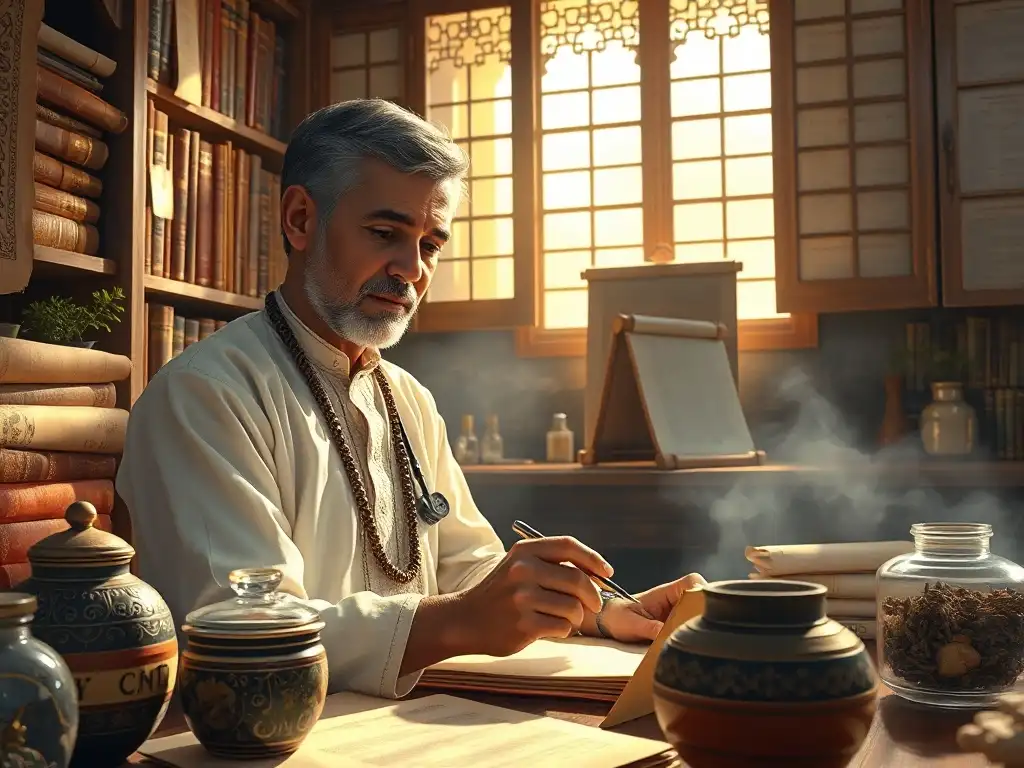
The principles and practices of ancient Indian medicine continue to resonate in modern medicine. Surgical techniques documented in ancient texts have found their way into contemporary practices, particularly in the fields of reconstructive and plastic surgery. For instance, the methods used by Sushruta for skin grafting and tissue repair are echoed in today’s surgical procedures, demonstrating the timeless relevance of these ancient techniques.
Moreover, the holistic approach of ancient Indian medicine has gained traction in modern integrative medicine, which combines conventional medical practices with alternative therapies. This has led to a growing recognition of the importance of treating the patient as a whole rather than focusing solely on specific ailments. As a result, contemporary medical practitioners increasingly draw upon ancient wisdom to enhance patient care, foster well-being, and improve surgical outcomes.
The Revival of Interest in Ancient Indian Medical Practices Today
In recent years, there has been a noticeable revival of interest in ancient Indian medical practices, spurred by a global shift towards alternative and complementary medicine. This resurgence is partly due to a growing awareness of the limitations of modern pharmaceutical approaches and an increasing desire for natural and holistic treatment modalities.
Institutions and researchers are now actively exploring ancient texts, studying traditional practices, and conducting clinical trials to validate the efficacy of these time-honored methods. This revitalization has led to the establishment of educational programs focused on ancient Indian medicine, ensuring that the knowledge and techniques are passed down to future generations.
Additionally, the integration of ancient practices into modern healthcare systems reflects a broader cultural embrace of diversity in medical philosophies. This allows for a richer dialogue between various medical traditions and promotes a more inclusive healthcare landscape.
Conclusion
The connection between ancient Indian medicine and surgical practices is both profound and enduring. The innovative techniques and holistic philosophies established by ancient practitioners have left an indelible mark on the field of medicine, influencing contemporary practices and fostering a renewed interest in ancient wisdom.
Summary of Key Contributions of Ancient Indian Medicine to Surgery
The key contributions of ancient Indian medicine to surgery can be summarized as follows:
- Surgical Techniques: Detailed methodologies for complex surgeries, including rhinoplasty and cataract removal.
- Anatomical Knowledge: Advanced understanding of human anatomy, crucial for surgical precision.
- Holistic Health: Integration of physical, mental, and spiritual health considerations.
- Instruments and Tools: Development of specialized surgical instruments that laid the groundwork for future innovations.
These contributions not only highlight the skill and knowledge of ancient practitioners but also underscore the enduring relevance of their work in the context of modern medicine.
The Importance of Preserving Ancient Medical Knowledge
Preserving ancient medical knowledge is essential for several reasons. Firstly, it offers valuable insights into historical practices that can inform and enhance contemporary medicine. Secondly, the preservation of such knowledge fosters cultural heritage and identity, allowing future generations to appreciate and learn from their ancestors' wisdom.
Lastly, as global health challenges continue to evolve, ancient practices may provide alternative solutions that are sustainable and effective. By valuing and integrating these ancient teachings into modern medical paradigms, we can cultivate a more comprehensive understanding of health and healing that honors the past while addressing the needs of the present and future.
- Introduction to Ancient Indian Medicine Practices
- Historical Background of Surgical Practices in Ancient India
- Core Principles of Ancient Indian Medicine Practices
- Ayurveda: The Foundation of Ancient Indian Medicine
- The Role of Herbal Remedies in Surgical Procedures
- Surgical Techniques and Innovations in Ancient India
- Sushruta Samhita: The Ancient Surgical Text
- Notable Surgical Techniques Described in Ancient Indian Medicine
- The Interrelationship Between Medicine and Surgery in Ancient Indian Culture
- Comparative Analysis of Ancient Indian Surgical Practices with Other Civilizations
- Legacy of Ancient Indian Medicine and Surgical Practices
- Modern Implications of Ancient Techniques in Contemporary Medicine
- The Revival of Interest in Ancient Indian Medical Practices Today
- Conclusion
Frequently Asked Questions
What are ancient Indian medicine practices?
Ancient Indian medicine practices, particularly Ayurveda, emphasized a holistic approach to health, focusing on the balance of body, mind, and spirit through natural remedies and lifestyle modifications.
How did surgery evolve in ancient India?
Surgery in ancient India was significantly influenced by the Sushruta Samhita, an ancient text that details various surgical techniques and instruments, showcasing the advanced surgical knowledge of practitioners like Sushruta.
What role did herbs play in ancient Indian medicine?
Herbs were central to ancient Indian medicine practices, as they were used for their healing properties to treat various ailments, emphasizing the importance of natural ingredients in promoting health.
How is ancient Indian medicine relevant today?
Ancient Indian medicine practices, especially Ayurveda, are increasingly gaining recognition for their holistic approach and natural treatments, contributing to modern integrative health practices worldwide.
What cultural influences shaped ancient Indian medicine?
Ancient Indian medicine was shaped by various cultural and philosophical influences, including Hinduism, Buddhism, and local traditions, which all contributed to the rich tapestry of medical knowledge and practices in ancient India.
Final Reflection: The Enduring Legacy of Ancient Indian Medicine Practices
The intricate relationship between ancient Indian medicine and surgical practices is not merely a historical curiosity; it is a testament to the profound wisdom that continues to resonate in today's healthcare landscape. As we navigate the complexities of modern medicine, the principles and techniques rooted in ancient Indian practices offer valuable insights into holistic healing and patient care. The relevance of these practices is evident as we seek more integrative approaches to health and wellness in an increasingly fragmented medical system.
The influence of ancient Indian medicine extends beyond its historical significance; it shapes contemporary cultural and social paradigms in health and wellness. From Ayurveda's emphasis on balance and prevention to surgical techniques that prioritize minimal invasiveness, these ancient practices continue to inspire modern methodologies. The greatest medicine of all is teaching people how not to need it.
This quote encapsulates the essence of ancient Indian medicine, highlighting its focus on holistic well-being rather than mere symptom management.
As we reflect on the lessons from ancient Indian medicine, let us embrace the opportunity to integrate these timeless practices into our lives. Consider how you can incorporate principles of balance, prevention, and holistic healing into your daily routine. By doing so, you not only honor the legacy of these ancient practices but also empower yourself to take charge of your health in a meaningful way. The journey toward wellness is ongoing, and the wisdom of the past can guide us toward a healthier future.
Unveil the Wisdom of Ancient Healing!
Thank you for diving into the fascinating world of ancient Indian medicine and its surgical practices! We hope you've uncovered valuable insights into how these age-old techniques resonate with modern healthcare. Now, it’s time to take your interest a step further and explore the rich legacy of holistic healing.
Here are some actionable steps you can take right now:
- Explore historical texts and resources about ancient Indian surgical techniques—perhaps start with the Sushruta Samhita, a foundational text in surgery.
- Engage with a local community or online forum focused on traditional medicine; share what you’ve learned and discover insights from others on their healing journeys.
- Experiment with holistic health practices in your own life by incorporating Ayurvedic principles into your diet or wellness routine.
What ancient wisdom or practice are you inspired to integrate into your life today? Share your thoughts, and let’s continue this enriching conversation!