
The Interplay of Dance and Drama in Ancient Indian Theater

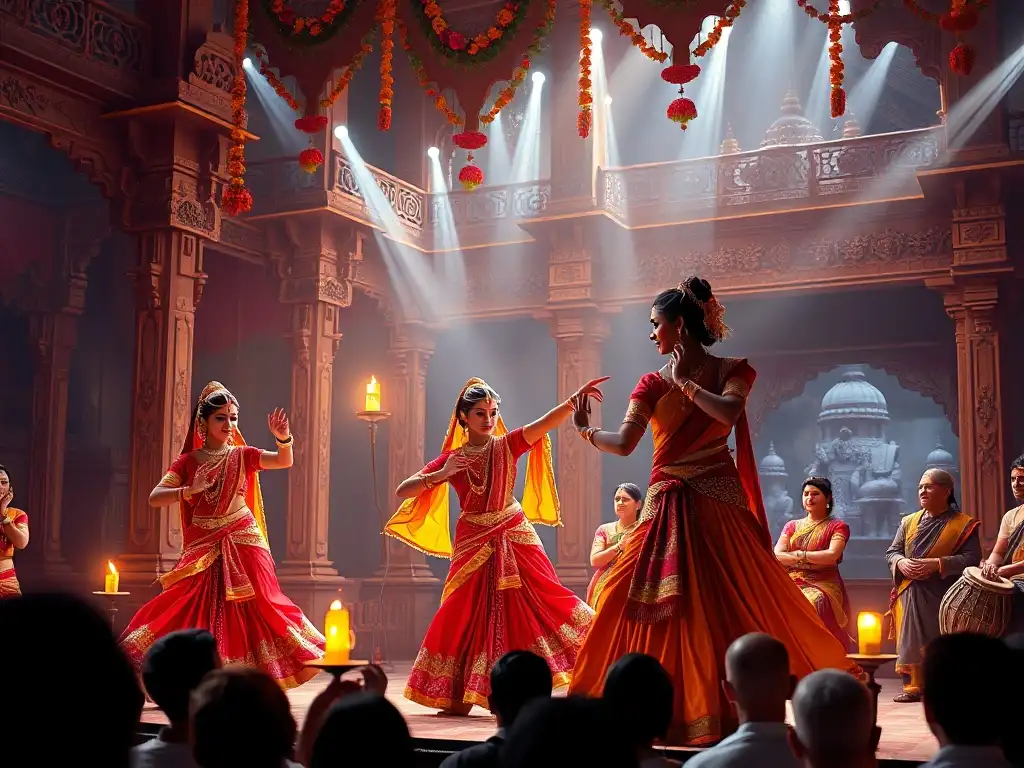
Welcome to Ancient India History, where we embark on a captivating journey through the vibrant tapestry of India's past. Here, you will discover the rich and diverse history, culture, and contributions of ancient civilizations, from the majestic Indus Valley to the illustrious Gupta Empire. In our featured article, we delve into the intriguing world of ancient Indian theater traditions, exploring the mesmerizing interplay of dance and drama that has profoundly shaped artistic expression. Get ready to uncover the secrets of a bygone era that continue to resonate today, and let your curiosity guide you as you read on!
Introduction to Ancient Indian Theater Traditions
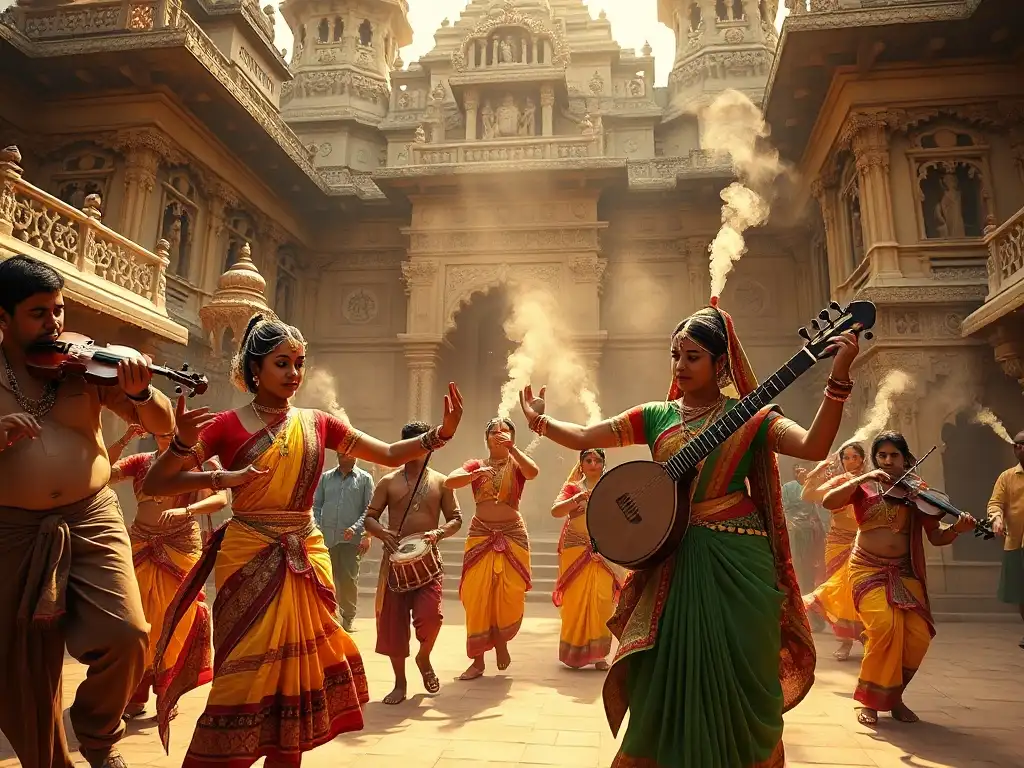
Ancient Indian theater traditions represent a vibrant tapestry of cultural expression, intertwining elements of dance, music, and drama that reflect the rich heritage of the subcontinent. These traditions, which have evolved over millennia, are not merely forms of entertainment; they serve as a medium for storytelling, spiritual expression, and social commentary.
From the intricate performances of the Indus Valley Civilization to the sophisticated plays of the Gupta Empire, ancient Indian theater embodies the philosophical, spiritual, and artistic essence of its time. Understanding the interplay of dance and drama within these traditions allows us to appreciate the complexity and depth of ancient Indian culture, showcasing how these art forms were instrumental in shaping societal norms and values.
Overview of Ancient Indian Theater
Ancient Indian theater is characterized by its diverse forms and regional variations, each contributing unique elements to the overarching narrative of Indian culture. The earliest known references to theatrical performances can be found in texts like the Natya Shastra, attributed to Bharata Muni around 200 BCE to 200 CE. This ancient treatise not only outlines the principles of acting and dance but also emphasizes the importance of rasa (aesthetic experience) and bhava (emotional expression) in performance.
Key features of ancient Indian theater include:
- Integration of Dance and Music: Performances often incorporated classical dance forms, enhancing the emotional depth and visual appeal.
- Religious Themes: Many plays were centered around mythology, epics, and spiritual narratives, serving both educational and devotional purposes.
- Community Participation: Theatrical performances were often communal events, fostering social cohesion and cultural identity.
Significance of Dance in Theater
Dance holds a pivotal role in ancient Indian theater, acting as a vital expressive medium that complements dramatic narration. The synchronization of movement with lyrical storytelling not only captivates audiences but also evokes a deeper emotional connection to the narrative. Dance forms such as Bharatanatyam, Kathak, and Odissi have their roots in ancient theater traditions, showcasing the following aspects:
- Emotional Expression: Dance transcends verbal communication, allowing performers to convey complex emotions through gestures and movements.
- Symbolic Representation: Each dance posture and gesture (mudra) carries specific meanings, enriching the storytelling process and providing insight into cultural values.
- Cultural Continuity: The preservation and evolution of dance in theater have ensured the continuity of ancient traditions, adapting them to modern contexts while maintaining their core essence.
Historical Context of Ancient Indian Theater
Origins of Theater in Ancient India
The origins of theater in ancient India can be traced back to ritualistic and folk performances that were integral to religious ceremonies and community gatherings. Early forms of storytelling, often accompanied by music and dance, gradually evolved into structured theatrical performances. The interplay of various art forms in these rituals laid the groundwork for more sophisticated theatrical expressions in later periods.
Some significant milestones in the evolution of ancient Indian theater include:
- Vedic Rituals: Early performances were closely linked to Vedic rituals, emphasizing the connection between art and spirituality.
- Folk Traditions: Regional folk theaters emerged, reflecting local narratives and customs, which contributed to the diversity of performance styles across India.
- Royal Patronage: The rise of kingdoms and empires, such as the Mauryas and the Guptas, led to the patronage of arts, fostering the development of theater as a formal discipline.
Evolution of Dance and Drama in Indian Culture
The evolution of dance and drama in ancient Indian culture showcases a dynamic interplay between tradition and innovation. As India transitioned through various historical phases, including the Mauryan, Gupta, and post-Gupta periods, theater adapted to reflect societal changes, philosophical developments, and cultural exchanges.
Key aspects of this evolution include:
- Influence of Regional Styles: Different regions contributed distinct styles and forms, leading to a rich mosaic of theatrical traditions that coexist today.
- Literary Contributions: The flourishing of literature during various dynasties provided a wealth of material for theatrical adaptation, enriching the narratives and themes explored on stage.
- Cultural Synthesis: The confluence of diverse cultural influences, including interactions with foreign traders and travelers, infused new elements into Indian theater, fostering innovation while preserving traditional roots.
The exploration of ancient Indian theater traditions reveals a profound connection between dance and drama, illustrating how these art forms not only entertain but also serve as a vital expression of India's enduring cultural legacy.
Key Elements of Ancient Indian Theater
Ancient Indian theater is a rich tapestry woven from various art forms, with dance and drama serving as its core components. The key elements of ancient Indian theater can be categorized into the following aspects:
- Narrative Structure: The narratives often stemmed from epics like the Mahabharata and Ramayana, blending mythology with moral and philosophical themes. The storytelling was not linear; instead, it incorporated various subplots and characters, enhancing the depth of the performance.
- Characterization: Characters in ancient Indian theater were vividly portrayed through exaggerated expressions, costumes, and makeup. Each character type, from the heroic to the villainous, had distinct attributes, allowing audiences to easily recognize roles.
- Ritualistic Elements: Many performances began with rituals to invoke blessings from deities, reflecting the spiritual underpinnings of the art form. These rituals created a sacred atmosphere, enhancing the audience's engagement with the performance.
- Integration of Arts: Ancient Indian theater was a multidisciplinary art form, encompassing dance, music, poetry, and visual arts. This integration created a holistic experience that appealed to the senses and evoked emotional responses from the audience.
- Audience Interaction: The audience played an active role, often reacting vocally or through gestures, which further enriched the performance. This interaction blurred the lines between actors and spectators, fostering a communal experience.
The Role of Dance in Storytelling
Dance in ancient Indian theater was not merely an embellishment but a vital storytelling tool. It served several crucial functions:
- Expression of Emotions: Dance conveyed the emotions of characters vividly, allowing the audience to connect with their struggles and triumphs. Through intricate movements and facial expressions, dancers communicated joy, sorrow, anger, and love.
- Depiction of Actions: Specific dance sequences illustrated key actions within the narrative. For instance, a warrior's dance could portray a battle scene, while a romantic duet might express longing and affection. This choreography enriched the storytelling by providing visual context.
- Cultural Significance: Dance forms often reflected the cultural and regional identities of ancient India. Each dance style carried its own traditions, costumes, and music, enabling audiences to experience the diverse cultural landscape of the time.
- Enhancement of Themes: Themes such as devotion, valor, and moral dilemmas were often underscored through dance, adding layers of meaning to the performance. The combination of dance and drama created a more profound understanding of the narrative's moral implications.
The Influence of Music on Dramatic Performances
Music played a pivotal role in shaping the atmosphere and emotional depth of ancient Indian theater. Its influence can be observed in several aspects:
- Setting the Mood: Musical compositions accompanied dramatic scenes, enhancing the emotional landscape. The use of ragas, each evoking specific moods and times of day, allowed for a more immersive experience.
- Rhythmic Structure: The integration of rhythm in both music and dance established a dynamic flow within performances. The interplay of beats and movements created a seamless transition between scenes, maintaining audience engagement.
- Character Themes: Specific musical motifs were associated with particular characters, reinforcing their identities and traits. This technique allowed audiences to identify characters quickly and anticipate their actions.
- Cultural Transmission: Music in ancient theater served as a medium for transmitting cultural narratives and values. Through songs and melodies, audiences were introduced to historical events, moral lessons, and societal norms.
Major Ancient Indian Theater Traditions
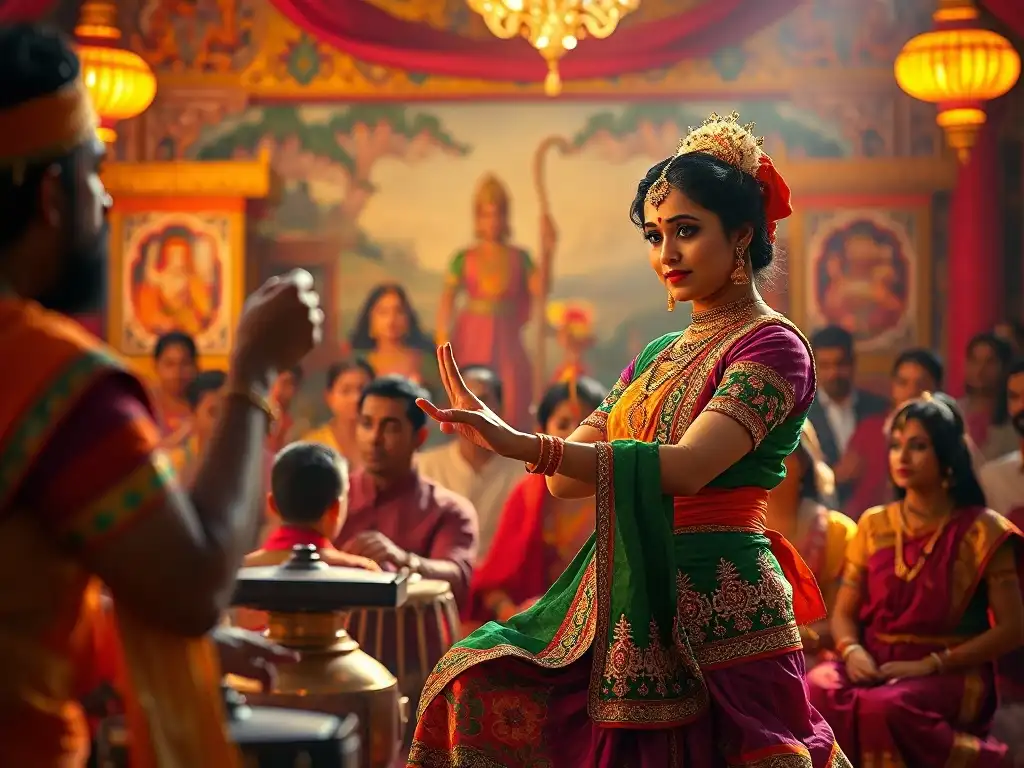
Ancient Indian theater traditions have evolved over centuries, reflecting the region's diverse cultural heritage. Some of the major traditions include:
- Sanskrit Theater: Rooted in the Natya Shastra, this form emphasized elaborate storytelling and sophisticated performances. It often included elements of dance and music, making it a comprehensive art form.
- Tamasha: A folk theater tradition from Maharashtra, Tamasha combined drama, dance, and music to entertain and educate. It often featured social commentary and was performed in local dialects.
- Yakshagana: Originating in Karnataka, Yakshagana is a traditional dance-drama that combines storytelling with vibrant costumes and music. It often draws from Hindu epics and showcases elaborate choreography.
- Kathakali: This classical dance-drama from Kerala is known for its intricate makeup and masks, along with elaborate storytelling that incorporates dance, music, and dialogue.
Natya Shastra and Its Impact on Theater
The Natya Shastra, attributed to Bharata Muni, is a seminal text that codified the principles of drama, dance, and music in ancient Indian theater. Its impact is profound:
- Theatrical Structure: The Natya Shastra established guidelines for dramatic structure, including plot development, character roles, and stagecraft, laying the foundation for future theater forms.
- Performance Techniques: It detailed various techniques of acting, including gestures (mudras), facial expressions (abhinaya), and vocal modulation, which have influenced countless performances across different genres.
- Aesthetic Principles: The text introduced the concept of rasa (emotional flavor), emphasizing the importance of evoking specific emotions in the audience. This principle continues to be a cornerstone of Indian theater.
- Cultural Legacy: The Natya Shastra's teachings have been passed down through generations, preserving the rich traditions of ancient Indian theater while adapting to contemporary forms.
Classical Dance Forms in Ancient Theater
Classical dance forms are integral to ancient Indian theater, each contributing uniquely to the overall performance experience. Some prominent dance forms include:
- Bharatanatyam: Originating from Tamil Nadu, this dance form is characterized by its grace and expressive storytelling, often depicting religious themes and mythological narratives.
- Kathak: Known for its intricate footwork and spins, Kathak incorporates storytelling through dance and is often performed as solo or group presentations.
- Odissi: Hailing from Odisha, Odissi is characterized by its lyrical movements and sculpturesque poses, often depicting themes of devotion and love.
- Manipuri: This dance form from Manipur is known for its graceful movements, often linked to the traditions of Raas Leela, showcasing divine love through dance.
Together, these classical dance forms enriched ancient Indian theater, creating a vibrant cultural landscape that continues to inspire modern performances.
The Relationship Between Dance and Drama
The relationship between dance and drama in ancient Indian theater is deeply intertwined, reflecting the cultural ethos and artistic expressions of the time. Ancient Indian theater traditions, such as Natya Shastra, highlight the importance of both dance and drama as complementary forms of storytelling. This synergy not only enhances the narrative but also enriches the emotional and aesthetic experience for the audience. The various forms of classical dance, such as Bharatanatyam, Kathak, and Odissi, often draw from dramatic texts, showcasing how movement and expression work together to convey complex themes and emotions.
Integration of Dance and Acting Techniques
In ancient Indian theater, the integration of dance and acting techniques was a hallmark of performance. Actors were trained in both disciplines, allowing them to convey character emotions through body movements and facial expressions. The Natya Shastra, an ancient treatise on performing arts, prescribes specific gestures (mudras) and postures (asanas) that actors should employ to express various emotions (rasa). This blending of dance and drama created a unique performance style where the physicality of dance served to emphasize dramatic moments, thus engaging the audience on multiple sensory levels.
How Dance Enhances Dramatic Expression
Dance plays a crucial role in enhancing dramatic expression within ancient Indian theater. Through intricate footwork, expressive hand gestures, and graceful movements, dancers can evoke a wide range of emotions, from joy to sorrow. The abhinaya (expression) in dance is essential for conveying the subtleties of the storyline.
For instance, in performances derived from mythological texts, dancers might depict scenes from epics like the Ramayana or Mahabharata, where their movements align with the rhythm of the narrative, amplifying the emotional impact. This interplay ensures that the audience not only hears the story but feels it viscerally, creating a more immersive theatrical experience.
The Role of Costumes and Makeup in Performance
Costumes and makeup are fundamental elements in ancient Indian theater that significantly contribute to the overall impact of dance and drama. Elaborate costumes are designed not only to represent characters but also to reflect their social status, personality, and emotional state. For example, the use of vibrant colors and intricate patterns in costumes can signify a character's nobility or divinity.
Similarly, makeup (or shringara) enhances the portrayal of characters, with specific styles denoting different roles, such as gods, demons, or mortals. This attention to detail in costumes and makeup not only enriches the visual spectacle but also deepens the audience’s understanding of the characters’ motivations and narratives.
Cultural Significance of Dance and Drama
The cultural significance of dance and drama in ancient Indian theater cannot be overstated. These art forms served as a reflection of societal values, religious beliefs, and cultural narratives. They were a medium through which stories were passed down through generations, preserving the history and traditions of various communities. The performances often addressed moral and philosophical themes, encouraging audiences to contemplate ethical dilemmas and human experiences.
Theatrical Performances in Religious Contexts
Theatrical performances in ancient India were often embedded in religious contexts, serving as a means of worship and devotion. Many classical dance forms evolved from temple rituals, where performers would enact stories of deities, thus bridging the sacred and the artistic. These performances were integral to festivals and religious ceremonies, acting as a conduit for spiritual expression and communal bonding. The Ram Leela, for instance, is a dramatic retelling of the life of Lord Rama, blending dance and performance art with devotional fervor, showcasing the profound connection between theater and spirituality.
Festivals and Their Connection to Dance and Drama
Festivals in ancient India were vibrant celebrations that prominently featured dance and drama, highlighting their cultural importance. Events like Navaratri and Diwali include performances that narrate mythological stories through dance, engaging the community in a shared cultural experience. These festivals provided platforms for artists to showcase their talents and for audiences to engage with their cultural heritage in dynamic ways. The intermingling of various art forms during these celebrations underscores the communal spirit and the integral role of dance and drama in fostering social cohesion.
The Legacy of Ancient Indian Theater in Modern Performances
The legacy of ancient Indian theater continues to resonate in modern performances, influencing contemporary dance and drama. Many traditional elements, such as storytelling techniques, thematic concerns, and performance styles, have been preserved and adapted in today's artistic expressions. Modern theatrical productions often draw upon ancient scripts, incorporating classical dance forms to enrich the narrative. This continuity not only honors the rich heritage of ancient Indian theater traditions but also allows new generations to explore and reinterpret these timeless stories, ensuring that the essence of this vibrant cultural legacy lives on.
Conclusion: The Enduring Influence of Ancient Indian Theater Traditions
The rich tapestry of ancient Indian theater traditions has left an indelible mark on the cultural landscape of not only India but also the broader sphere of performing arts worldwide. With its roots deeply embedded in the philosophy, spirituality, and socio-political contexts of ancient times, this theater form has evolved while retaining its core elements. The intricate blend of dance, music, and drama reflects a unique storytelling medium that captivates audiences, transcending generations.
The legacy of ancient Indian theater can be observed in various contemporary art forms, where elements of traditional performances are interwoven into modern narratives. The appreciation for the aesthetic principles of Natya Shastra, a classical treatise on performing arts, continues to resonate in the training and performance styles of today’s artists. This enduring influence is not just confined to the stage but extends to literature, cinema, and even digital media, highlighting the versatility and adaptability of these ancient traditions.
Reflections on the Interplay of Dance and Drama
The interplay of dance and drama in ancient Indian theater is a testament to the holistic approach of Indian art forms, where movement and narrative are intricately linked. Each performance can be seen as a confluence of bhava (emotion), raga (melody), and tala (rhythm), creating a multi-sensory experience that engages the audience on various levels.
In traditional performances, dance serves not merely as an accompaniment but as an essential narrative device. For instance, in Kathakali and Odissi, the physicality of dance is employed to express character emotions and plot developments, thereby enriching the storytelling. This synergy between dance and drama fosters a deeper emotional connection with the audience, allowing them to immerse themselves fully in the narrative journey.
Moreover, the historical context of the performances—often rooted in religious and mythological themes—enhances the depth of this interplay. The portrayal of deities and epics through both movement and dialogue creates a profound spiritual resonance, allowing audiences to experience the divine narratives in a visceral manner. This intricate relationship continues to inspire contemporary artists who seek to explore and reinterpret these ancient forms.
Future of Ancient Indian Theater in Contemporary Art Forms
As we look forward, the future of ancient Indian theater traditions appears hopeful and vibrant. With an increasing global interest in diverse cultural expressions, there is a resurgence of appreciation for the intricate art forms that define ancient Indian theater. Modern artists and choreographers are actively seeking to revitalize these traditions by blending them with contemporary themes and techniques, creating a dialogue between the past and the present.
Educational institutions and cultural organizations play a vital role in preserving and promoting these traditions. Various initiatives are underway to document, teach, and perform ancient theater forms, ensuring that they remain relevant in today’s cultural milieu. Workshops, festivals, and collaborations between traditional artists and modern practitioners foster an environment where innovation can flourish while honoring the roots of these art forms.
Furthermore, the rise of digital platforms offers new avenues for showcasing ancient Indian theater to global audiences. Virtual performances, online workshops, and social media campaigns are enabling artists to reach wider demographics, thereby breathing new life into these age-old traditions. This cross-pollination of ideas and styles is essential for the evolution of ancient Indian theater, ensuring that it continues to inspire and resonate with contemporary audiences, preserving its legacy for future generations.
- Introduction to Ancient Indian Theater Traditions
- Historical Context of Ancient Indian Theater
- Key Elements of Ancient Indian Theater
- Major Ancient Indian Theater Traditions
- The Relationship Between Dance and Drama
- Cultural Significance of Dance and Drama
- Conclusion: The Enduring Influence of Ancient Indian Theater Traditions
- Reflections on the Interplay of Dance and Drama
- Future of Ancient Indian Theater in Contemporary Art Forms
- What are the main features of ancient Indian theater traditions?
- How did the Indus Valley Civilization influence theater?
- What role did the Natya Shastra play in ancient Indian theater?
- How did the Gupta Empire contribute to theater?
- What is the significance of dance-drama in ancient Indian culture?
Frequently Asked Questions
What are the main features of ancient Indian theater traditions?
Ancient Indian theater traditions are characterized by a fusion of dance and drama, intricate storytelling, and use of music to enhance performances, reflecting the rich cultural heritage of the region.
How did the Indus Valley Civilization influence theater?
The Indus Valley Civilization laid the groundwork for early artistic expressions, with evidence of figurines and seals depicting dance and performance, indicating the importance of entertainment in their society.
What role did the Natya Shastra play in ancient Indian theater?
The Natya Shastra, authored by Bharata Muni, is a seminal text that serves as a comprehensive guide to theater, dance, and music, outlining techniques, performance styles, and the emotional expressions essential to ancient Indian theater.
How did the Gupta Empire contribute to theater?
During the Gupta Empire, theater flourished with the emergence of classical dramas and increased patronage, leading to the development of notable plays and the establishment of theatrical troupes that performed widely.
What is the significance of dance-drama in ancient Indian culture?
Dance-drama in ancient Indian culture was significant as it served both entertainment and spiritual purposes, often used in religious rituals and festivals to convey moral lessons and celebrate cultural narratives.
Final Reflection: The Enduring Legacy of Ancient Indian Theater Traditions
The intricate relationship between dance and drama in ancient Indian theater traditions remains profoundly relevant today, as it highlights the power of storytelling through movement and expression. In a world increasingly dominated by digital media, the essence of these ancient practices serves as a reminder of the deep-rooted cultural narratives that shape our identities. The vibrant tapestry of ancient Indian theater not only entertains but also educates, providing a lens through which we can understand the complexities of human emotions and societal values.
Cultural expressions such as those found in ancient Indian theater continue to resonate in contemporary society, influencing various art forms and fostering a sense of community. The fusion of dance and drama in these traditions has inspired countless artists, reminding us of the universal language of performance.
As the renowned playwright Antonin Artaud once said, "> The theater is a magical space where the audience can experience a profound connection to the human condition." This connection is particularly evident in the way ancient Indian theater traditions have transcended time, inviting us to explore our shared humanity through the lens of art.
As we reflect on the lessons embedded in these ancient practices, let us embrace the call to engage with our own stories and cultural heritage. I invite you to explore the rhythms of your life, to find your own dance within the drama of existence. By honoring the traditions of the past, we can cultivate a deeper understanding of ourselves and our communities, ensuring that the legacy of ancient Indian theater continues to inspire future generations.
Discover the Magic of Ancient Indian Theater!
Thank you for immersing yourself in the fascinating world of ancient Indian theater. You’ve explored the beautiful interplay of dance and drama, uncovering the rich traditions that shaped its legacy. Now, it’s time to bring this knowledge to life!
Here are some engaging actions you can take:
- Attend a local performance featuring dance and drama to experience the vibrant expressions of ancient traditions firsthand.
- Explore classical dance forms such as Bharatanatyam or Kathak through workshops or online tutorials—unlock the grace and storytelling through movement!
- Share this article with friends or in community groups to spark conversations about the cultural significance of theater; let’s broaden our appreciation together!
What aspect of ancient Indian theater resonated with you the most, and how do you think it influences modern performances today?