
The Influence of Vedic Chanting on Ancient Indian Musical Traditions

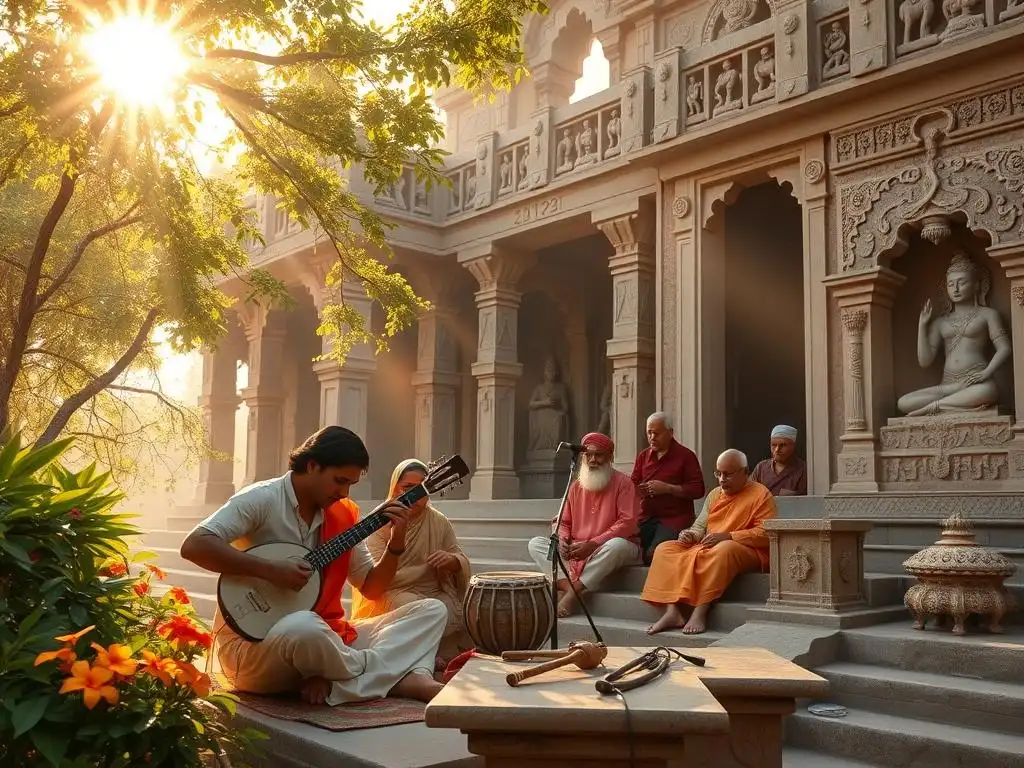
Welcome to Ancient India History, where we embark on a journey through the rich tapestry of ancient Indian civilizations. Today, we delve into the fascinating world of Vedic chanting and its profound influence on Indian music. Did you know that the melodic structures and rhythmic patterns found in contemporary Indian music can be traced back to ancient Vedic texts?
Join us as we explore how these spiritual chants not only shaped the musical landscape of their time but also continue to resonate in today’s art forms. Get ready to uncover the harmonious connection between spirituality and sound that has echoed through the ages!
Introduction to Vedic Chanting and Indian Music
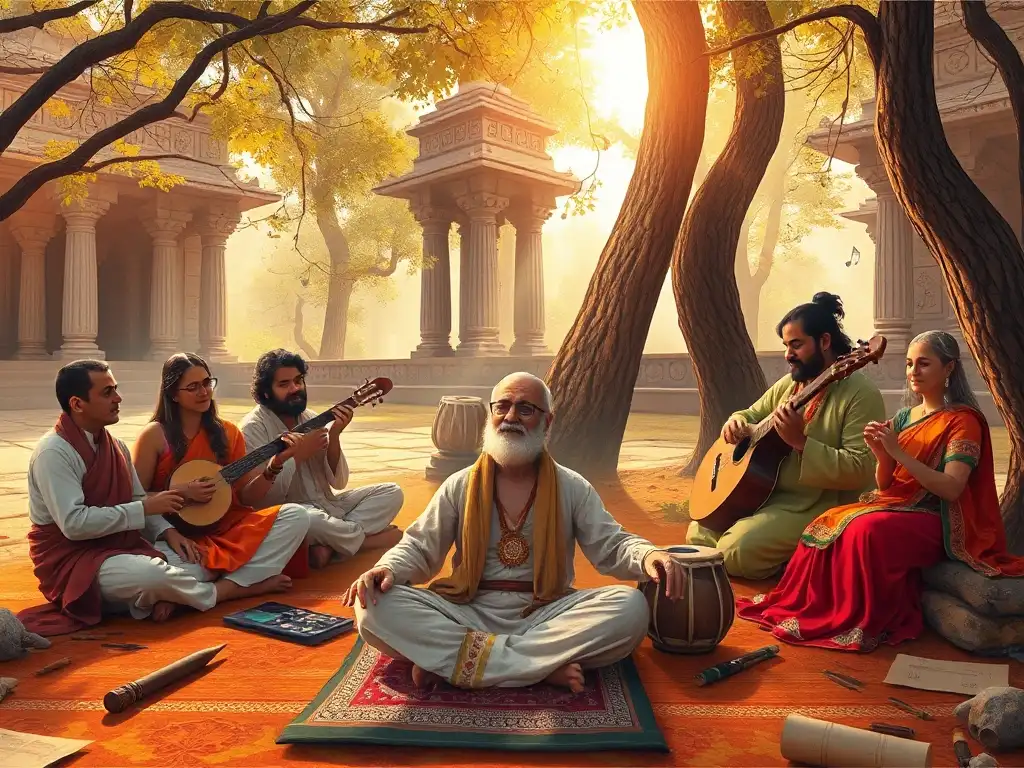
Vedic chanting, a fundamental aspect of ancient Indian spirituality and ritual, has profoundly influenced the musical traditions of India. Rooted in the Vedas, the oldest sacred texts of Hinduism, Vedic chanting is characterized by its rhythmic intonations and melodic patterns that serve both spiritual and educational purposes.
This article explores how Vedic chanting has shaped the evolution of Indian music, highlighting its significance in cultural practices and artistic expressions that have emerged throughout history. By delving into the intricate relationship between Vedic chanting and Indian music, we can gain insight into the spiritual depth and artistic richness that define ancient Indian civilization.
Definition of Vedic Chanting
Vedic chanting refers to the oral recitation of the verses from the Vedas, which include the Rigveda, Samaveda, Yajurveda, and Atharvaveda. This practice is not merely a form of reading; it involves a precise method of pronunciation, rhythm, and melody, ensuring the preservation of the sacred sound and meaning. Vedic chants are often delivered in specific tones and pitches, which are believed to resonate with the cosmos and enhance the spiritual experience of the practitioner. This chanting serves as a conduit for meditation, prayer, and ritual, linking the individual to divine consciousness.
Overview of Ancient Indian Music Traditions
Ancient Indian music is a rich tapestry woven from various threads of cultural influences, philosophies, and practices. It is primarily categorized into two distinct traditions: Hindustani (North Indian) and Carnatic (South Indian) music. While these traditions evolved separately, they share a common foundation rooted in Vedic chants. Key elements such as ragas (melodic frameworks) and talas (rhythmic cycles) are integral to both traditions, showcasing the deep connections between music and spirituality in ancient India. Furthermore, the influence of Vedic chanting can be observed in various forms of performance art, including dance, drama, and ritualistic ceremonies.
Historical Context of Vedic Chanting
Origins of Vedic Chanting in Ancient India
The origins of Vedic chanting can be traced back to the early Vedic period (approximately 1500–500 BCE), a time when the oral tradition was paramount for preserving knowledge and cultural practices. The Vedas were composed in a highly poetic form, and their recitation required a deep understanding of sound, meaning, and ritual significance.
Various schools of thought emerged around the interpretation and performance of Vedic chants, leading to the development of specific styles and methodologies that shaped the contours of ancient Indian music. This period laid the groundwork for the intricate musical systems that would flourish in subsequent eras, emphasizing the importance of preserving and transmitting sacred knowledge through sound.
The Role of Vedas in Shaping Musical Practices
The Vedas played a crucial role in shaping the musical practices of ancient India. They not only codified the rules for chanting but also established the philosophical underpinnings of music as a means of connecting the individual with the divine. The Samaveda, in particular, is known for its melodic compositions that serve as the foundation for many classical Indian music forms.
The teachings and hymns found within the Vedas provided a framework for the development of ragas and talas, influencing both the structure and performance of music throughout history. Through Vedic chanting, music became an essential medium for spiritual expression, ritualistic practices, and cultural identity in ancient Indian society.
The Connection Between Vedic Chanting and Indian Music
The relationship between Vedic chanting and Indian music is deeply rooted in the historical and cultural fabric of ancient India. Vedic chanting, which encompasses the recitation of hymns and mantras from the Vedas, served not only a spiritual purpose but also laid the foundation for various musical traditions that evolved over centuries. This connection can be traced back to the belief that sound and music possess intrinsic spiritual power, a concept that permeates the Vedic texts.
The Vedas, particularly the Samaveda, contain numerous hymns that were intended to be sung during rituals. These texts are essential in understanding the early principles of melody and rhythm, which would later be integral to Indian classical music. The chanting style, with its melodious and rhythmic qualities, directly influenced the development of musical genres like Dhrupad and other forms that emphasize the vocal aspect of music.
How Vedic Chanting Influenced Musical Scale and Rhythm
Vedic chanting introduced specific melodic structures and rhythmic patterns that became foundational to Indian music. The chanting often employed a scale system that later evolved into the sargam, or solfège, used in Indian classical music. The seven notes (Sa, Re, Ga, Ma, Pa, Dha, Ni) can be traced back to the manipulation of sound in Vedic recitations, emphasizing the importance of pitch and tone.
Rhythm in Vedic chanting is defined through matras (beats) and tala (rhythmic cycles), concepts that became pivotal in the performance of Indian music. The rhythmic patterns established in Vedic texts not only influenced the structure of future compositions but also the way musicians approached timing and improvisation. This intricate relationship between rhythm and melody is a hallmark of Indian musical traditions that continue to thrive today.
The Use of Vedic Texts in Composition of Ancient Indian Music
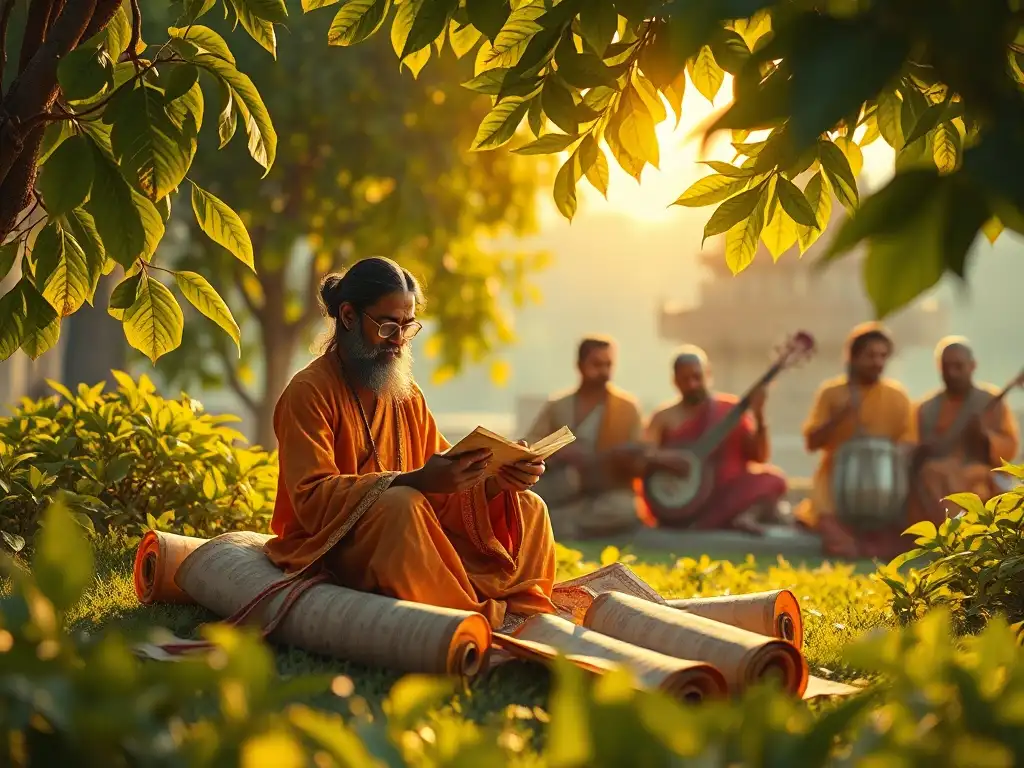
The Vedic texts served as a rich source for composers and musicians in ancient India. The hymns and verses, with their poetic structures and spiritual significance, provided a framework for musical composition. Musicians often adapted these texts into various musical forms, infusing them with melodies that enhanced their emotive and spiritual qualities.
Composers would select specific verses that resonated with particular moods or themes, employing the principles of raga (melodic framework) to create compositions that were deeply expressive. This practice established a tradition where music was not merely an artistic endeavor but a means of connecting with the divine, reinforcing the sacred nature of both Vedic chanting and Indian music.
Vedic Chanting as a Musical Form
Vedic chanting stands out as a distinct musical form characterized by its unique attributes and practices. It is not only a method of recitation but also a performance art that encompasses various elements of music, including melody, rhythm, and articulation.
Characteristics of Vedic Chanting
- Melodic Structure: Vedic chanting utilizes a variety of melodic patterns that are often repetitive, allowing for a meditative experience. The emphasis on pitch variations creates a serene atmosphere conducive to spiritual reflection.
- Rhythmic Precision: The chanting is marked by a strict adherence to rhythm, with syllables often aligned with specific beats, enhancing the musicality of the recitation.
- Vocal Techniques: Techniques such as intonation and dynamics are integral to Vedic chanting, where the quality of the voice plays a crucial role in conveying the intended meaning and emotion.
Comparison with Other Ancient Indian Musical Forms
When compared to other ancient Indian musical forms, Vedic chanting possesses both unique and shared characteristics. Unlike the more elaborate compositions of later musical genres such as Dhrupad or Khyal, Vedic chanting is simpler in structure but rich in spiritual content.
- Dhrupad: This form is more complex, featuring intricate melodies and poetic lyrics, whereas Vedic chanting focuses on the purity of sound and rhythm.
- Bhajan and Kirtan: Like Vedic chanting, these forms emphasize devotional themes, but they incorporate more varied musical elements and often involve communal singing, making them more accessible to the general populace.
While Vedic chanting remains distinct in its focus on the sacred and rhythmic aspects, it has undeniably influenced the broader spectrum of Indian musical traditions, shaping their evolution and cultural significance through the ages.
Spiritual and Cultural Significance of Vedic Chanting in Music
Vedic chanting holds a profound place in the spiritual and cultural landscape of ancient India, intricately woven into the very fabric of Indian music. Rooted in the Vedas, the oldest sacred texts of Hinduism, chanting serves as a vehicle for spiritual expression and connection with the divine. The melodic recitation of Vedic hymns is not merely an auditory experience; it is a ritual that transcends the physical realm, embodying a sacred dialogue between the human and the divine.
The spiritual significance of Vedic chanting is highlighted in its use during various rituals and ceremonies. Each chant is imbued with specific meanings, intentions, and energies, believed to evoke blessings and protection. As such, the chanting acts as a spiritual conduit, facilitating a deeper understanding of the cosmos and one's place within it. In this way, Vedic chanting has not only shaped religious practices but has also influenced the musical traditions that emerged in ancient India, creating a rich tapestry of sound that reflects the spiritual ethos of the time.
The Role of Chanting in Religious and Spiritual Practices
Chanting plays a pivotal role in the religious practices of ancient India, where it is often regarded as a form of prayer. The rhythmic and melodic qualities of Vedic chants enhance the meditative experience, allowing practitioners to focus their minds and connect with the divine. In yajnas (sacrificial rituals) and other ceremonies, specific Vedic verses are chanted to invoke the presence of deities and to seek their blessings, thereby reinforcing the connection between music and spirituality.
Furthermore, the act of chanting is believed to purify the mind and body, creating an atmosphere conducive to spiritual awakening. This transformative power of sound is echoed in the concept of "Nada Brahma," which suggests that the universe is vibrational in nature. Thus, the vibrations produced through chanting are thought to affect the surrounding environment, fostering a sense of harmony and balance.
Vedic Chanting and Its Impact on Cultural Identity
The practice of Vedic chanting has significantly shaped cultural identity in ancient India. It served as a unifying force, bringing together diverse communities through shared religious and musical traditions. The communal aspect of chanting fostered a sense of belonging, as groups gathered to perform rituals and celebrate cultural festivals.
Additionally, Vedic chanting contributed to the preservation and transmission of knowledge. The oral tradition of passing down chants from generation to generation ensured that cultural narratives, ethical values, and historical accounts remained alive. This continuity played a vital role in shaping the collective consciousness of ancient Indian society, influencing not only music but also dance, literature, and philosophy.
Instruments Used in Vedic Chanting and Indian Music
Instruments play a crucial role in enhancing the experience of Vedic chanting, adding layers of texture and resonance to the melodic recitations. The integration of musical instruments with chanting practices has evolved over centuries, reflecting both technological advancements and changing cultural contexts.
Traditional Instruments Accompanying Vedic Chanting
Traditional instruments such as the veena, mridangam, and flute are often used to accompany Vedic chanting. The veena, with its rich tonal qualities, complements the melodic aspects of chants, while the mridangam provides rhythmic support, establishing a framework for the recitation. The flute, known for its soothing sound, adds an ethereal quality, making it a popular choice during spiritual gatherings.
These instruments not only enhance the auditory experience but also serve symbolic purposes. For instance, the veena is associated with the goddess Saraswati, the embodiment of knowledge and arts, thereby reinforcing the connection between music, education, and spirituality. The choice of instruments reflects the cultural significance of sound and its role in elevating the spiritual atmosphere during rituals.
Evolution of Musical Instruments in Ancient Indian Traditions
The evolution of musical instruments in ancient India is closely linked to the development of Vedic chanting and its associated practices. Over time, instruments have adapted to meet the needs of various musical styles, which have emerged from the foundational principles of Vedic music. For instance, as Indian classical music evolved, new instruments such as the sitar and tabla emerged, incorporating both traditional and contemporary influences.
The transition from Vedic chants to more complex musical forms illustrates the dynamic nature of Indian music. While the roots of this evolution are firmly planted in Vedic traditions, the interplay of regional styles, cultural exchanges, and innovations have led to a diverse musical landscape. This evolution not only reflects technological advancements but also highlights the adaptability of Indian music in maintaining its spiritual essence while embracing change.
The Influence of Vedic Chanting on Later Indian Music Genres
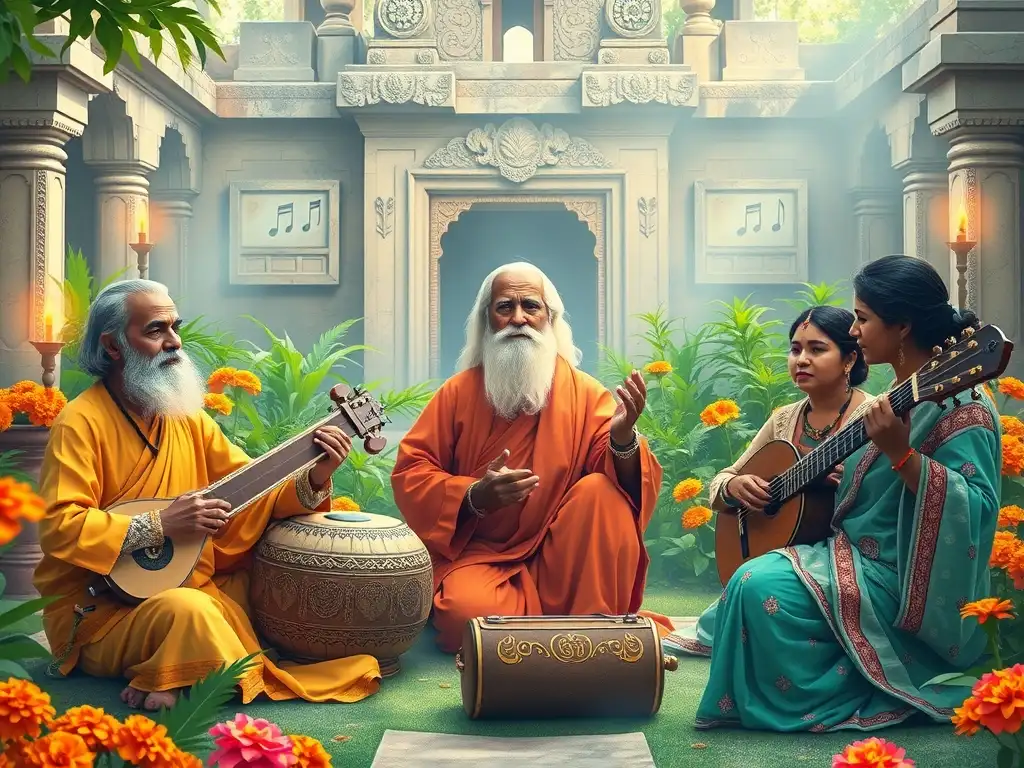
The profound impact of Vedic chanting on later Indian music genres is evident in the intricate relationship between spiritual practices and musical expression. Vedic chanting, characterized by its rhythmic patterns and tonal variations, laid the foundation for the development of classical Indian music. The chanting not only served as a means of spiritual communication but also influenced the melodic structures and improvisational techniques found in Hindustani and Carnatic music.
The concept of raga, which is central to Indian classical music, can be traced back to the melodic frameworks established during the Vedic period. Each raga is associated with specific emotions and times of the day, mirroring the spiritual intent behind Vedic chants. Furthermore, the practice of using samaveda, which focuses on melodic chanting, showcases an early form of music that would evolve into complex genres. The legacy of Vedic chanting can also be seen in the use of mantras and shlokas within various musical forms, maintaining a deep connection to the traditions of the past.
Transition from Vedic Chanting to Classical Indian Music
The transition from Vedic chanting to classical Indian music was a gradual evolution marked by cultural and social changes. Initially, Vedic chants were predominantly performed in religious rituals and ceremonies. As the social fabric of ancient India transformed, so did the context of music. The emergence of Natya Shastra, attributed to Bharata Muni around 200 BCE, played a critical role in codifying the principles of music, dance, and drama, thus providing a structured framework that merged the spiritual aspects of Vedic chanting with artistic expression.
During this period, new forms of ragas and talas began to emerge, adapting the melodic and rhythmic components of Vedic chants into more elaborate compositions. The incorporation of instruments such as the veena and tabla allowed for greater complexity in performance, leading to a richer auditory experience. This transition marked the birth of classical music as we know it today, with roots deeply embedded in the vibrancy of Vedic traditions.
Vedic Elements in Folk Music and Contemporary Indian Music
Vedic elements have not only influenced classical genres but have also permeated folk music and contemporary Indian music. Folk traditions across various regions of India often incorporate Vedic chants and mantras, reflecting the cultural heritage and spiritual significance of these practices. For instance, in many rural communities, Bhajans and Kirtans frequently include verses derived from the Vedas, blending melodic styles with devotional sentiments.
In contemporary Indian music, artists increasingly draw inspiration from Vedic chanting, infusing it into modern compositions. This fusion can be seen in genres such as fusion, world music, and even film soundtracks, where elements of traditional Vedic music are reinterpreted to resonate with contemporary audiences. The revival of interest in spiritual and meditative music has also led to a resurgence of Vedic chanting in various formats, showcasing its versatility and timeless appeal.
Preservation and Revival of Vedic Chanting in Modern Times
The preservation and revival of Vedic chanting in modern times are crucial for maintaining the cultural heritage of India. Various institutions and organizations have emerged to promote the study and practice of Vedic chanting, ensuring that this ancient art form does not fade into obscurity. Educational programs in schools and universities now include Vedic studies, emphasizing the importance of chanting as a means of connecting with India's historical and spiritual roots.
The integration of Vedic chanting into yoga and wellness practices has also contributed to its revival. Many practitioners believe that the sounds and vibrations produced during chanting have therapeutic effects, enhancing mental clarity and emotional well-being. This modern application of Vedic chanting reflects a growing recognition of its significance beyond religious contexts, appealing to a broader audience interested in mindfulness and holistic health.
Current Practices of Vedic Chanting in India
Today, Vedic chanting continues to thrive in various forms across India. Temples and ashrams regularly host chanting sessions, attracting both devotees and enthusiasts. These gatherings serve as communal experiences, where participants engage in the rhythmic recitation of Vedic texts, fostering a sense of unity and spiritual connection.
Additionally, various festivals and cultural events celebrate Vedic chanting, showcasing its role in traditional performances. Workshops and retreats focused on Vedic chanting are increasingly popular, with individuals seeking to deepen their understanding of this ancient practice. This resurgence highlights the adaptability of Vedic chanting, allowing it to resonate with contemporary audiences while preserving its authentic essence.
Efforts to Preserve Ancient Indian Music Traditions
Efforts to preserve ancient Indian music traditions, including Vedic chanting, have gained momentum, fueled by a renewed interest in cultural heritage. Various organizations and cultural institutions are dedicated to documenting and promoting traditional music forms through recordings, workshops, and festivals.
Government initiatives have also played a role in safeguarding these musical traditions. Grants and support for cultural programs aim to encourage artists and scholars to explore and disseminate ancient practices. Furthermore, the use of digital platforms has facilitated a wider reach, allowing traditional music to be shared globally, thus ensuring that these heritage forms continue to inspire future generations.
The enduring influence of Vedic chanting on Indian music is a testament to its rich legacy, showcasing the seamless integration of spiritual and artistic expression. The preservation of this ancient practice not only honors the past but also enriches the cultural tapestry of modern India, ensuring that the voices of the ancients continue to resonate in contemporary times.
Conclusion: The Lasting Legacy of Vedic Chanting on Indian Music
The influence of Vedic chanting on Indian music is profound and enduring. Rooted in ancient traditions, Vedic chants have shaped the framework of musical expression in India, providing a foundation that resonates through centuries. The meticulous structure, rhythmic patterns, and spiritual significance of these chants have permeated various musical styles, enhancing both devotional and classical music forms. As we reflect on the legacy of Vedic chanting, it is clear that it has not only preserved cultural heritage but also continues to inspire contemporary artists and musicians in their creative endeavors.
The legacy of Vedic chanting is evident in the way it fosters a deep connection between spirituality and artistic expression. This intermingling of the sacred and the musical has forged a unique identity for Indian music, characterized by its emotional depth and philosophical richness. Understanding this legacy allows us to appreciate the evolution of Indian music and its ongoing journey while recognizing the fundamental role that Vedic chanting has played in shaping this vibrant art form.
Summary of Key Influences
Vedic chanting has influenced Indian music in several critical ways:
- Melodic Framework: The tonal patterns of Vedic chants have served as a template for ragas, the melodic structures fundamental to Indian classical music. Each raga, with its specific notes and mood, often draws inspiration from the intonations and melodic lines found in Vedic recitation.
- Rhythmic Patterns: The rhythmic discipline inherent in Vedic chanting is reflected in the tala system of Indian music. The intricate and cyclical nature of rhythmic patterns in both chanting and music showcases a shared understanding of time and structure.
- Spiritual and Cultural Significance: Vedic chants are not merely musical forms; they carry deep spiritual meanings and are often performed as acts of devotion. This connection has led to the incorporation of chanting into various musical contexts, especially in devotional and folk traditions.
- Performance Practices: The performance of Vedic chants has influenced the way music is presented in India, emphasizing oral transmission, improvisation, and the importance of the performer’s interpretation.
As these influences intertwine, they create a rich tapestry that defines the essence of Indian music.
Future Prospects for Vedic Chanting and Indian Music
The future of Vedic chanting in relation to Indian music appears promising, with several trends indicating a resurgence of interest:
- Revival and Preservation: There is a growing movement towards the preservation of traditional Vedic chanting practices, especially among younger generations. This revival can breathe new life into ancient forms, ensuring their relevance in contemporary society.
- Fusion with Modern Genres: Artists are increasingly experimenting with fusions of Vedic chanting and modern music genres, such as fusion, jazz, and electronic music. This blending can create innovative soundscapes while keeping the essence of Vedic tradition alive.
- Educational Initiatives: Institutions are beginning to incorporate Vedic chanting into their curricula, teaching students about its historical significance and its contribution to Indian music. This educational approach can foster a deeper understanding and appreciation of both forms.
- Global Influence: As global interest in Indian culture grows, Vedic chanting is likely to attract more attention beyond India's borders. This can facilitate cross-cultural exchanges, enriching the global music landscape.
The interplay between Vedic chanting and Indian music is likely to evolve, maintaining its vital role in cultural expression and artistic exploration.
References
Suggested Readings on Vedic Chanting and Indian Music
- The Music of India: A Comprehensive Study by R. S. Vatsyayan
- Indian Classical Music: A Practical Guide by Ravi Shankar
- Vedic Chanting: A Study of Ancient Indian Music by Dr. S. R. Sharma
- The Raga: A Musical Journey Through the Vedas by Meera Chandrasekhar
Notable Scholars and Their Contributions to the Study of Ancient Indian Music
- B. M. Sundaram: Known for his extensive research on the connections between Vedic chanting and classical music.
- Ananda K. Coomaraswamy: Pioneered studies that highlighted the philosophical underpinnings of Indian music traditions.
- Ruth E. Vanita: Focused on the cultural and historical contexts of Vedic chanting and its impact on Indian music.
- S. N. Ramaswamy: Researched the evolution of ragas and their links to Vedic texts and chants.
These scholars have significantly contributed to our understanding of the intricate relationships between Vedic chanting and Indian music, fostering a greater appreciation for this ancient art form.
- Introduction to Vedic Chanting and Indian Music
- Historical Context of Vedic Chanting
- The Connection Between Vedic Chanting and Indian Music
- How Vedic Chanting Influenced Musical Scale and Rhythm
- The Use of Vedic Texts in Composition of Ancient Indian Music
- Vedic Chanting as a Musical Form
- Spiritual and Cultural Significance of Vedic Chanting in Music
- Instruments Used in Vedic Chanting and Indian Music
- The Influence of Vedic Chanting on Later Indian Music Genres
- Preservation and Revival of Vedic Chanting in Modern Times
- Conclusion: The Lasting Legacy of Vedic Chanting on Indian Music
- References
Frequently Asked Questions
What is Vedic chanting?
Vedic chanting refers to the recitation of ancient Indian texts, known as the Vedas, which are foundational to Hindu philosophy and spirituality. The chanting is often performed in a melodious manner that influences musical traditions.
How has Vedic chanting influenced Indian music?
Vedic chanting has significantly shaped Indian musical traditions by introducing melodic structures and rhythmic patterns that are still prevalent in various forms of Indian music today, including classical and folk genres.
What are the main components of Vedic chanting?
The main components of Vedic chanting include intonation, rhythm, and pronunciation, all of which are crucial for preserving the sacred meanings of the texts and enhancing their musicality.
Can Vedic chanting be considered a form of music?
Yes, Vedic chanting can be classified as a form of music because it employs melodic elements and rhythmic patterns that are integral to the broader spectrum of Indian music.
What are the benefits of Vedic chanting in music education?
Vedic chanting aids in developing a strong sense of pitch, rhythm, and memory in students. It also promotes a deeper understanding of the cultural and spiritual aspects of Indian music.
Final Reflection: The Enduring Legacy of Vedic Chanting in Indian Music
The profound connection between Vedic chanting and Indian music resonates powerfully in today's cultural landscape, reminding us that ancient traditions continue to shape contemporary artistic expressions. As we navigate a world increasingly disconnected from its roots, the rhythmic and melodic structures born from Vedic texts serve as a vital link to our heritage, illustrating how the past informs the present and future of musical creativity.
The influence of Vedic chanting extends far beyond mere historical significance; it is a living tradition that continues to inspire musicians and listeners alike. The intricate patterns and spiritual depth found in Vedic verses have woven themselves into the fabric of Indian classical music, enriching its emotional and philosophical dimensions. Music is the divine way to tell beautiful, poetic things to the heart.
– Pablo Casals. This quote encapsulates the essence of how Vedic chanting transcends mere sound, inviting us to explore the deeper meanings and connections that music fosters within our lives.
As you reflect on the themes presented in this article, consider how the principles of Vedic chanting can inspire your own musical journey or personal expression. Embrace the opportunity to explore the rich tapestry of Indian music, allowing its ancient wisdom to guide your creativity and understanding. Whether through listening, learning, or practicing, let the legacy of Vedic chanting illuminate your path, reminding you that music is not just an art form, but a profound means of connection to our shared human experience.
Embrace the Rhythm: Transform Your Connection with Vedic Chanting
Thank you for diving into the rich world of Vedic chanting and its profound influence on ancient Indian musical traditions! By exploring this transformative practice, you’ve uncovered a fascinating link between spirituality and artistry. Now, let’s take a moment to channel that inspiration into action.
- Start your own Vedic chanting practice: Set aside a few minutes each day to chant, focusing on the sounds and rhythms that resonate with you personally.
- Share your journey: Document your experiences with Vedic chanting on social media, inviting friends to join you in exploring this ancient art form together.
- Engage with local communities: Seek out workshops or gatherings in your area that focus on Vedic traditions — connecting with others can significantly deepen your understanding and appreciation!
What do you hope to discover about the power of sound in your daily life?