
The Role of Agriculture in Shaping Caste Dynamics in Ancient India

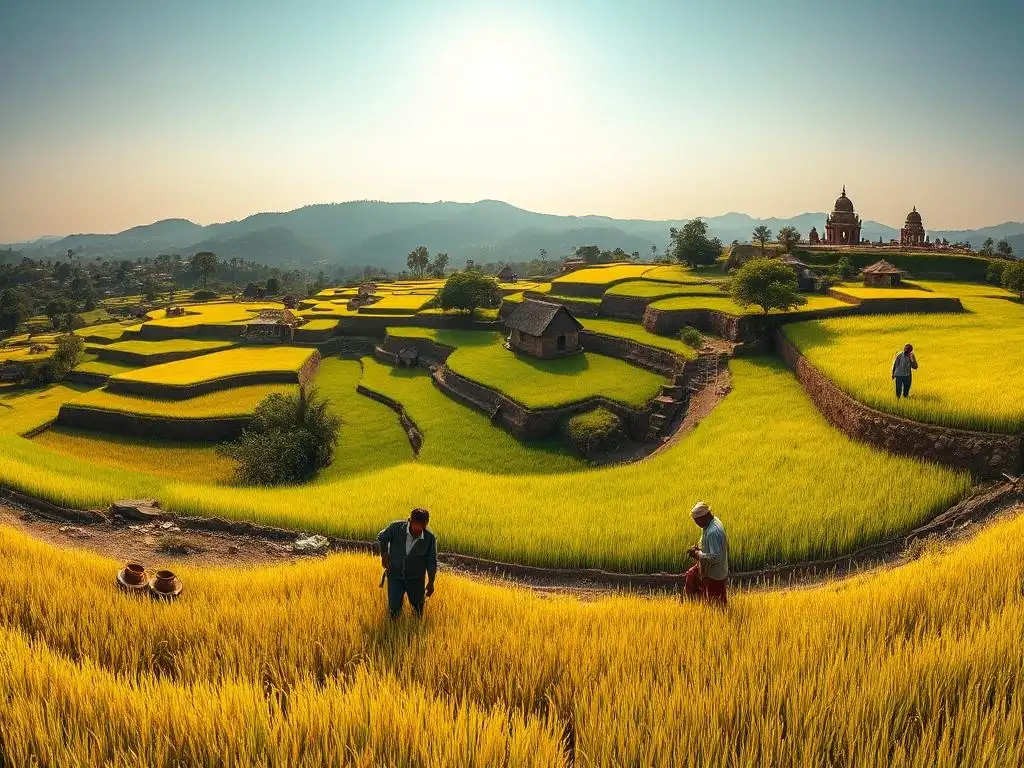
Welcome to Ancient India History, where we embark on a journey through the vibrant tapestry of one of the world's oldest civilizations. In this exploration, we delve into the intricate web of agriculture and caste dynamics in ancient India, uncovering how these elements intertwined to shape societal structures and daily life. What secrets lie in the fields of the Indus Valley and beyond?
Join us as we unravel the rich narrative of agriculture's pivotal role in molding the caste system, igniting your curiosity and inviting you to delve deeper into the fascinating interplay of culture and history. Explore with us, and let the stories of ancient India unfold!
Introduction to Agriculture and Caste Dynamics in Ancient India
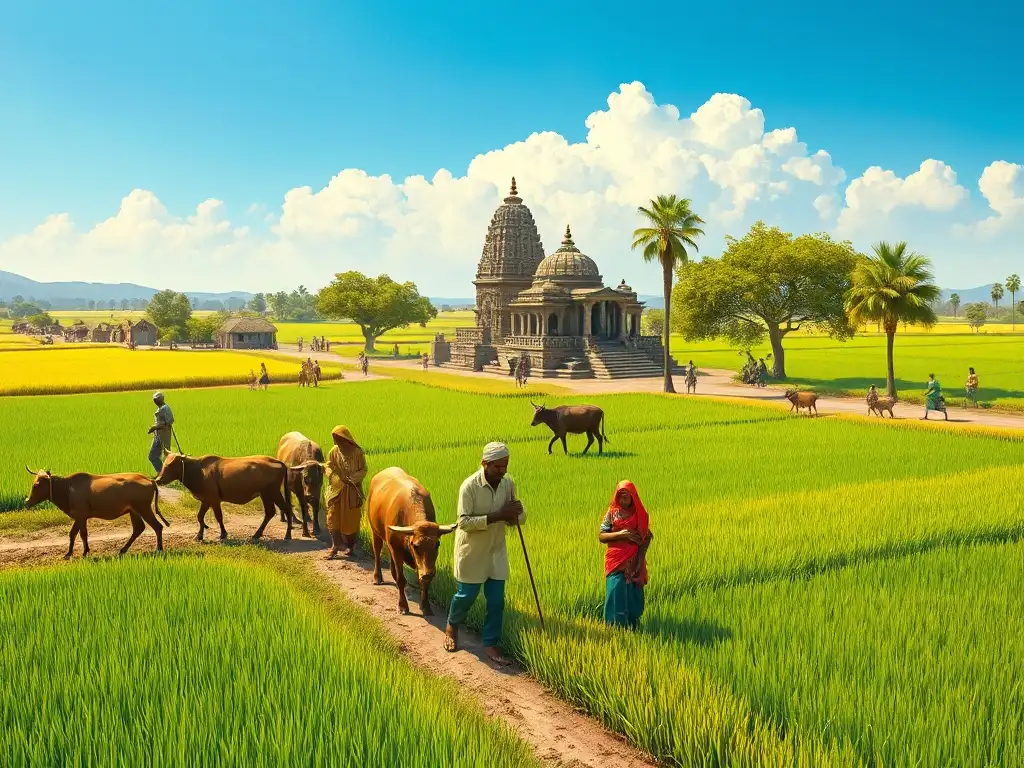
Agriculture played a pivotal role in shaping the social fabric of ancient India, particularly in relation to the caste dynamics that defined the interactions and hierarchy within society. The development of farming practices not only influenced economic prosperity but also determined social roles, labor division, and the emergence of various caste groups.
The intertwining of agriculture and caste dynamics is a noteworthy aspect of ancient Indian history, shedding light on how agrarian lifestyles contributed to the formation of social structures that persist even in modern times. Understanding this relationship is essential for grasping the complexities of ancient Indian society and its evolution through the ages.
Overview of Ancient Indian Agricultural Practices
The agricultural practices in ancient India varied significantly across different regions, characterized by diverse climatic conditions and geographical features. Some key aspects include:
- Crop Diversity: Ancient Indians cultivated a wide range of crops, including rice, wheat, barley, and pulses. The diversity in crops was largely influenced by regional climates.
- Irrigation Techniques: The use of advanced irrigation methods, such as canals and wells, was crucial for enhancing agricultural productivity, especially in arid regions.
- Farming Tools: The development of tools like the plow and sickle improved farming efficiency, allowing for larger harvests and the sustenance of growing populations.
These practices not only laid the foundation for economic stability but also influenced social hierarchies, leading to the establishment of distinct occupational groups based on agricultural roles.
Importance of Agriculture in Ancient Indian Society
Agriculture was the backbone of ancient Indian society, affecting various aspects of daily life and social organization:
- Economic Foundation: The surplus produced from agriculture facilitated trade, leading to economic interactions between different regions and communities.
- Social Status: Land ownership often determined an individual's status within the caste system, with landowners typically occupying higher positions compared to laborers and agricultural workers.
- Cultural Significance: Agricultural festivals and rituals were integral to ancient Indian culture, symbolizing the connection between the people and the land they cultivated.
This strong reliance on agriculture not only shaped economic relationships but also reinforced the social stratification evident in caste dynamics.
Historical Context of Agriculture in Ancient India
To understand the role of agriculture in shaping caste dynamics, it is essential to examine the historical context of agricultural development in ancient India.
Agricultural Origins: From the Indus Valley Civilization
The roots of agriculture in India can be traced back to the Indus Valley Civilization (c. 3300–1300 BCE), one of the world's earliest urban cultures. Key points include:
- Early Settlements: The fertile plains along the Indus River enabled the growth of agricultural communities, leading to the domestication of crops and livestock.
- Urban Planning: The cities of Harappa and Mohenjo-Daro showcased advanced agricultural practices, including granaries and irrigation systems, which supported dense populations.
The agricultural innovations during this period laid the groundwork for subsequent civilizations and their social structures.
Transition to Agriculture in Vedic Period
The transition from a predominantly pastoral society to an agrarian one marked the Vedic Period (c. 1500–500 BCE):
- Textual References: Vedic texts such as the Rigveda mention various agricultural practices, indicating the significance of farming in societal development.
- Caste Formation: As agriculture became central to economic life, distinct occupational groups emerged, leading to the formalization of the caste system based on agricultural roles.
This transition was crucial in establishing the social hierarchy that characterized ancient Indian society.
Influence of Geography on Agricultural Practices
Geography played a significant role in shaping agricultural practices and, consequently, caste dynamics in ancient India:
- Regional Variations: Different regions, such as the Gangetic plains, Deccan plateau, and coastal areas, developed unique agricultural practices based on their specific environmental conditions.
- Climate Impact: Monsoon patterns significantly influenced crop yields, leading to variations in agricultural success and the socio-economic status of communities dependent on farming.
Understanding these geographical influences helps to elucidate the diverse agricultural practices that shaped social hierarchies and caste dynamics throughout ancient India.
The Interconnection Between Agriculture and Caste System
The caste system in ancient India was deeply intertwined with agricultural practices, forming a complex relationship that influenced social dynamics and economic structures. Agriculture was not merely a means of subsistence but a foundational element that shaped various aspects of life, including social stratification. The agrarian lifestyle provided the framework within which castes developed, solidifying roles and responsibilities that aligned with agricultural needs.
In essence, the caste system can be seen as a social hierarchy that classified individuals based on their occupations, many of which were directly related to agriculture. This interdependence created a system where agricultural productivity became a crucial determinant of one's social standing. The roles within the caste system were often hereditary, with families passing down agricultural skills, knowledge, and land management practices through generations, thereby reinforcing caste identities.
Defining Caste Dynamics in Ancient India
Caste dynamics in ancient India were characterized by a rigid social structure that categorized individuals into distinct groups known as varnas and jatis. The four primary varnas—Brahmins (priests), Kshatriyas (warriors), Vaishyas (merchants and landowners), and Shudras (laborers and service providers)—defined broad occupational roles. Within these varnas, numerous jatis emerged, often linked to specific trades or agricultural practices.
These categories were not merely social labels; they dictated a person's rights, duties, and interactions with others. The Brahmins, for instance, were responsible for religious rituals and education, while the Kshatriyas defended the land. The Vaishyas engaged in agriculture and trade, and the Shudras provided essential labor. This stratification was reinforced by religious texts and social norms, making it challenging for individuals to move between castes.
How Agriculture Influenced Caste Hierarchies
Agriculture played a pivotal role in shaping the hierarchies within the caste system. The primary occupation of the majority of the population was farming, which necessitated a well-defined structure to manage production and labor. Land was the most valuable resource, and those who controlled it—typically the Vaishyas and some Kshatriyas—held significant power.
The dependence on agricultural cycles also influenced caste roles. For instance, seasonal labor demands meant that specific castes specialized in particular agricultural tasks, such as planting, harvesting, or irrigation management. These specialized roles further entrenched caste identities, as skills were passed down through generations, creating a system where certain groups were seen as inherently suited for specific agricultural tasks.
The Role of Land Ownership in Caste Status
Land ownership was a critical determinant of caste status in ancient India. Those who owned large tracts of fertile land were often positioned at the top of the caste hierarchy, as land was synonymous with wealth and power. The Vaishyas, primarily landowners and agricultural producers, occupied a significant place in society due to their control over agricultural resources.
The relationship between land and caste was also influenced by religious and cultural beliefs. For example, certain texts and traditions placed a divine sanction on land ownership, suggesting that those who owned land were chosen by the gods. This belief reinforced the social stratification, as landless individuals—often from lower castes—were relegated to servitude, performing labor-intensive agricultural tasks for the landowners.
Economic Aspects of Agriculture and Caste Relations
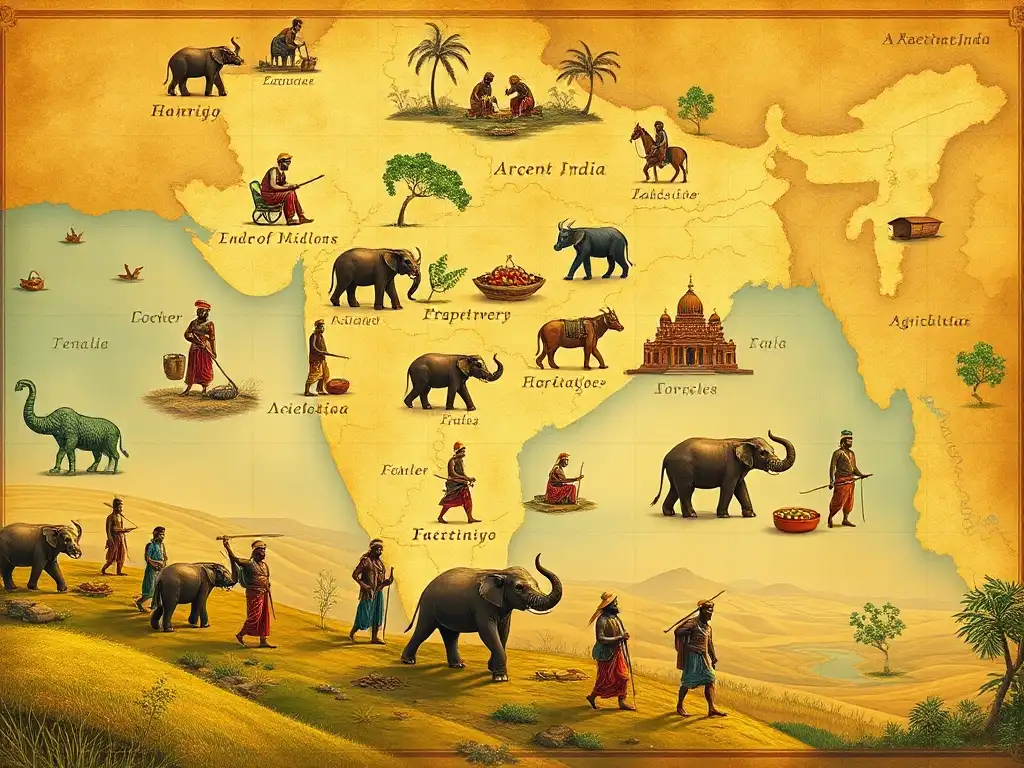
The economic dimensions of agriculture significantly impacted caste relations in ancient India. Agricultural production not only supported the economy but also shaped social interactions and hierarchies among different castes.
Agricultural Production and Economic Classes
The productivity of agricultural output created distinct economic classes within society. Wealth generated from successful harvests allowed landowners to elevate their status and exert influence over other castes. Conversely, those engaged in less productive or subsistence farming often found themselves at the mercy of economic fluctuations, leading to a rigid class structure based on agricultural success.
Moreover, agricultural innovations, such as crop rotation and irrigation techniques, further differentiated economic classes. Those who could afford to invest in these innovations—often the upper castes—benefited significantly, reinforcing their economic and social dominance.
Trade and the Role of Different Castes in Agriculture
Trade also played a vital role in the intersection of agriculture and caste dynamics. Various castes specialized in different aspects of agricultural trade, from production to distribution. The Vaishyas, for instance, were heavily involved in trade networks, facilitating the exchange of agricultural goods between regions.
This specialization allowed for a complex economic landscape where different castes relied on one another. While producers focused on cultivation, traders ensured that surplus goods reached markets, thereby enhancing the overall economic viability of agricultural practices. However, this interdependence also meant that trade relations were often governed by caste hierarchies, with higher castes controlling trade routes and profits.
Surplus Production and Caste Mobility
Surplus agricultural production had a dual effect on caste mobility. On one hand, it allowed some individuals from lower castes to improve their economic standing by engaging in trade or leasing land from higher castes. This created opportunities for upward mobility within the social structure, albeit limited and often contested.
On the other hand, surplus production could reinforce existing caste distinctions. As wealth accumulated in certain castes, they often sought to maintain their status through social and economic barriers, limiting the mobility of lower castes. Thus, while agriculture could provide pathways for advancement, systemic inequalities rooted in caste dynamics frequently curtailed these opportunities, highlighting the complex and often contradictory nature of agriculture and caste relations in ancient India.
Agriculture served as a fundamental backbone of ancient Indian society and significantly influenced its social structures. The agrarian lifestyle necessitated the formation of communities centered around farming, leading to the establishment of various social hierarchies. The dependence on agricultural production not only provided sustenance but also dictated the roles individuals played within these communities.
The caste system, which categorized individuals based on their occupations and social status, was inherently tied to agricultural practices. Land ownership became a pivotal aspect of social standing. Those who owned and cultivated land were typically regarded with higher status, while laborers and landless individuals fell into lower caste categories. This correlation between land and caste established a rigid social structure that further entrenched inequalities.
Moreover, the specialization of roles within agricultural communities led to the emergence of distinct castes, each with specific duties related to farming, irrigation, and livestock management. This division of labor fostered a sense of interdependence among castes, yet simultaneously reinforced the caste hierarchy, as higher castes often exploited the labor of lower castes for agricultural production. The intertwining of agriculture and social structure thus laid the groundwork for enduring caste dynamics in ancient India.
The Role of Farmers and Laborers in Caste Dynamics
Farmers and laborers were the cornerstone of agricultural society in ancient India, playing a pivotal role in shaping caste dynamics. Farmers, often belonging to higher castes, were responsible for cultivating the land, managing crops, and ensuring food production. Their social status was elevated due to their direct control over land and resources, which were essential for survival and trade.
In contrast, laborers, who typically belonged to lower castes, performed the crucial work of tilling, planting, and harvesting crops. Their labor was indispensable for agricultural output, yet they often faced exploitation and a lack of rights. This dichotomy created a clear hierarchy, with farmers enjoying privileges and laborers remaining marginalized.
The relationship between farmers and laborers was complex, characterized by both cooperation and conflict. While farmers relied on laborers for their agricultural needs, the latter's dependency on the farmers for work perpetuated a cycle of inequality. This dynamic not only influenced day-to-day interactions but also reinforced social stratifications within the caste system, often resulting in tensions that echoed throughout ancient Indian society.
Inter-Caste Relationships in Agricultural Communities
In agricultural communities, inter-caste relationships were shaped by the practical needs of farming and resource management. While the caste system enforced boundaries, the interconnectedness required for successful agricultural practices often led to a degree of interaction among different castes.
For instance, higher castes, such as landowners, would engage with lower castes in the context of agricultural production, necessitating a complex web of relationships. These interactions could range from cooperation in farming activities to social interactions during festivals and communal events. However, the nature of these relationships was often dictated by social hierarchies, with higher castes maintaining dominance over lower castes.
Additionally, inter-caste marriages, although rare, occasionally occurred in agricultural settings when alliances were formed to strengthen landholdings or secure labor. Such unions could challenge traditional caste boundaries, albeit temporarily, as they were often met with resistance from the broader community. Overall, while agriculture fostered some degree of interdependence, it primarily reinforced existing caste divisions and social hierarchies.
Festivals and Agricultural Practices: A Social Bond
Festivals in ancient India were closely linked to agricultural cycles and served as important social bonding occasions that transcended caste boundaries. Celebrations such as Makar Sankranti, Pongal, and Onam were not only agricultural festivals marking harvests but also occasions for communities to come together, regardless of caste.
These festivals provided a platform for various castes to interact, share food, and participate in communal rituals. Such gatherings fostered social cohesion and allowed for the exchange of agricultural knowledge and practices. Through shared celebrations, castes could momentarily bridge the gaps created by the rigid caste system, encouraging cooperation and collective identity.
However, despite the communal aspects of these festivals, underlying caste dynamics often remained present. The participation of different castes in such events was typically governed by social norms, which dictated the roles and privileges of each caste. As a result, while agricultural festivals acted as a social bond, they also highlighted the persistent inequalities that defined caste relationships in ancient India.
Case Studies of Agriculture and Caste Dynamics
Examination of Specific Regions: Punjab
Punjab, known as the "Granary of India," presents a compelling case study in the relationship between agriculture and caste dynamics. The region's prosperity, rooted in fertile land and advanced irrigation techniques, fostered a strong agrarian society. In Punjab, the Jat community emerged as a dominant agricultural caste, primarily engaged in farming.
The Jats' success in agriculture allowed them to ascend the social ladder, often leading to conflicts with other castes, such as the Dalits, who were largely relegated to menial agricultural labor. This historical context illustrates how agricultural productivity can elevate certain castes while marginalizing others, reinforcing caste hierarchies and social tensions.
Furthermore, Punjab's Green Revolution in the 20th century transformed agricultural practices, leading to increased productivity but also exacerbating caste inequalities. The benefits of modern agricultural techniques were often accrued by higher castes, while lower castes continued to struggle for recognition and fair compensation for their labor. Thus, Punjab exemplifies the profound impact of agricultural practices on caste dynamics.
Analysis of Agricultural Practices in Tamil Nadu and Caste Implications
In Tamil Nadu, the intricate relationship between agriculture and caste is deeply rooted in the region's historical context. The agricultural landscape, characterized by rice cultivation and diverse cropping systems, shaped the social structure significantly. Castes such as the Vellalars emerged as prominent landowners and farmers, wielding considerable influence over agricultural production.
The caste system in Tamil Nadu was marked by a rigid hierarchy, with lower castes often relegated to labor-intensive agricultural roles. The exploitation of Dalits and other marginalized groups became prevalent, as they were typically engaged in the most arduous farming tasks without equitable compensation. This exploitation highlighted the stark inequalities fostered by agricultural practices and land ownership.
Moreover, the introduction of irrigation systems and modern farming techniques in the region led to further complexities in caste dynamics. While some castes benefited from technological advancements, others remained trapped in traditional labor roles, struggling against the entrenched caste system. The agricultural practices in Tamil Nadu thus serve as a lens through which the interconnections between agriculture and caste dynamics can be critically examined, revealing ongoing social stratifications and challenges.
The Evolution of Caste Dynamics Through Agricultural Changes
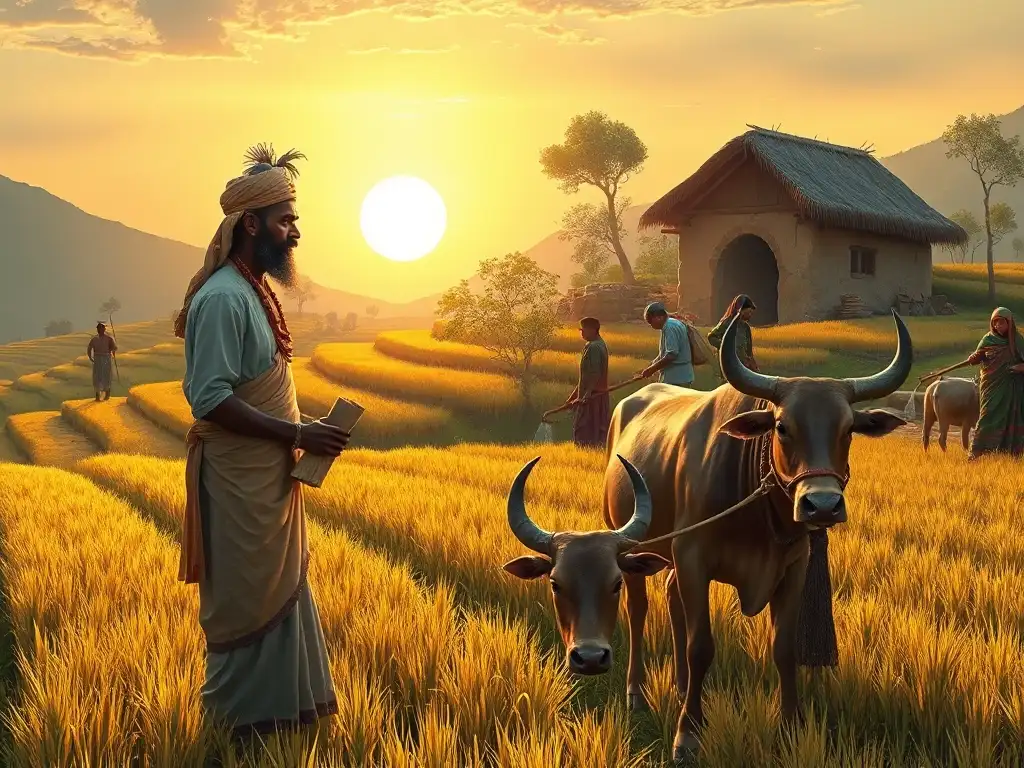
Agriculture has played a pivotal role in shaping the socio-economic landscape of ancient India, significantly influencing caste dynamics. The transition from a nomadic lifestyle to settled agriculture during the Neolithic period marked the beginning of complex social structures. As communities began to cultivate the land, the division of labor emerged, leading to the establishment of distinct social groups based on occupation. This stratification laid the groundwork for the caste system, which became more pronounced as agricultural practices evolved.
The introduction of irrigation techniques allowed for increased crop yields and supported larger populations. This abundance led to the growth of trade and the emergence of new social classes, where those involved in agriculture, trade, and administration began to occupy higher positions within the caste hierarchy. Over time, the specialization of roles within the agricultural sector—such as farmers, laborers, and artisans—further entrenched these divisions, solidifying the link between agricultural practices and caste status.
As agricultural methods advanced, social mobility within the caste system became both possible and restricted. While some castes benefitted from new agricultural technologies and gained economic power, others remained confined to traditional roles, reinforcing existing hierarchies. Thus, the evolution of agriculture directly influenced the dynamics of caste, fostering both change and continuity in social stratification.
Impact of Technological Advancements in Agriculture
Technological advancements in agriculture during ancient times had profound implications for caste dynamics. Innovations such as plowing, crop rotation, and irrigation systems not only increased agricultural productivity but also altered labor patterns. For instance, the use of iron tools enabled more efficient farming, allowing certain castes to accumulate wealth and power, thereby changing their status within the caste hierarchy.
These advancements also facilitated the rise of agrarian elites, who often belonged to specific castes that controlled land ownership and agricultural resources. As these elites gained influence, they began to shape local governance and economic policies, further entrenching their positional power. Meanwhile, lower castes, primarily composed of laborers and agricultural workers, found their roles increasingly defined by the demands of these technological changes, often resulting in reduced social mobility.
Furthermore, the introduction of cash crops shifted the focus from subsistence farming to market-oriented agriculture, leading to the emergence of new economic relationships between different castes. This transformation not only impacted individual livelihoods but also redefined community relations, as wealth accumulation became a critical factor in determining caste standing.
Shifts in Caste Roles with Changing Agricultural Policies
Agricultural policies enacted by various rulers throughout ancient India played a significant role in reshaping caste roles. For instance, during the Mauryan Empire, state intervention in agriculture aimed at improving productivity led to the redistribution of land. Such policies altered traditional landholding patterns, allowing lower castes to gain access to land and resources, which in turn affected their caste status.
As agricultural practices evolved, so did the legal and religious frameworks surrounding caste. The Manusmriti, an ancient legal text, codified social norms that often linked agricultural practices to caste roles. This text reinforced the idea that certain castes were destined for specific occupations, thereby perpetuating a rigid caste structure that aligned with agricultural production.
Moreover, the rise of feudalism in later periods saw a further entrenchment of caste roles, as landowners often relied on specific castes for labor. This created a cycle of dependence that limited the ability of lower castes to ascend socially. The interplay of agricultural policies and caste dynamics thus illustrates a complex relationship where changes in farming practices could either enhance or diminish the status of various social groups.
Conclusion: Reflecting on Agriculture's Legacy in Caste Dynamics
The historical interplay between agriculture and caste dynamics in ancient India offers valuable insights into the formation of social hierarchies. As agriculture became the backbone of the economy, it not only influenced individual livelihoods but also shaped the very structure of society. The caste system, deeply intertwined with agricultural practices, evolved over centuries, reflecting changes in technology, policy, and social norms.
Summary of Key Insights on Agriculture and Caste Dynamics
Several key insights emerge regarding the relationship between agriculture and caste dynamics in ancient India:
- Agricultural Transition: The shift from nomadic to settled agriculture laid the foundation for caste stratification.
- Technological Impact: Innovations in farming significantly influenced social mobility and the emergence of agrarian elites.
- Policy Influence: Agricultural policies enacted by rulers transformed land ownership and caste roles, affecting social hierarchies.
- Economic Relations: The rise of market-oriented agriculture redefined caste relationships and community dynamics.
These insights highlight the intricate connections between agricultural practices and the evolution of caste systems, underscoring the importance of understanding this relationship in the context of ancient Indian society.
The Lasting Influence of Ancient Agricultural Practices on Modern Caste Structures
The legacy of ancient agricultural practices continues to resonate within modern Indian society. Despite significant socio-economic changes, the historical caste system remains a defining feature of social identity and hierarchy. Many contemporary caste dynamics can be traced back to the agricultural roles established in ancient times, where land ownership and agricultural occupation still influence social status.
In rural areas, traditional agricultural practices persist, often reinforcing caste divisions. For instance, certain castes are still associated with specific agricultural roles, reflecting the long-standing economic relationships formed in ancient times. Additionally, the socio-economic disparities that originated from agricultural practices continue to impact access to resources, education, and opportunities, perpetuating cycles of inequality.
Understanding this historical context is crucial for addressing contemporary issues related to caste dynamics in India. By recognizing the influence of ancient agricultural practices, society can work towards dismantling entrenched inequalities and fostering a more equitable social structure. Thus, the interplay of agriculture and caste dynamics in ancient India serves as a critical lens through which to examine and address modern challenges.
References and Further Reading on Agriculture and Caste in Ancient India
The interconnection between agriculture and caste dynamics in ancient India is a subject that has garnered significant scholarly attention. For those interested in delving deeper into this complex relationship, a variety of resources are available. These range from insightful books to academic articles and online platforms that provide greater context and understanding of ancient Indian society.
Suggested Books and Articles on Ancient Indian Agriculture
-
"The Agricultural History of India" by R. S. Sharma
This comprehensive work provides a detailed overview of agricultural practices in ancient India, including the tools, techniques, and crops that defined the era. Sharma explores how these agricultural methods influenced social structures, including caste dynamics.
-
"Caste and Class in India: A Historical Overview" by Dipankar Gupta
Gupta’s book examines the evolution of caste and class systems in India, drawing connections to agricultural practices and economic structures. It offers a nuanced view of how caste emerged and evolved alongside agriculture.
-
"The Economic History of India: From the Earliest Times to the Present Day" by Romesh Chunder Dutt
This classic text discusses the economic foundations of ancient Indian society, including agriculture, trade, and their roles in shaping social stratification, particularly the caste system.
-
"Agriculture in Ancient India" by S. P. Gupta
This article provides an overview of agricultural practices in ancient India and discusses their socio-economic implications, particularly in relation to caste dynamics and community structures.
-
"The Role of Agriculture in the Development of Indian Society" by R. M. D. K. Sundaram
This scholarly piece focuses on the significance of agricultural advancements and their impact on societal organization, including caste systems, during various historical periods.
Online Resources for Exploring Caste Dynamics in Ancient Societies
- Digital South Asia Library (DSAL): A rich repository of resources related to the history and culture of South Asia. The library includes texts, maps, and statistical data that can provide insights into agricultural practices and social structures.
- Ancient India: A Historical Overview: An online portal dedicated to the history of ancient Indian civilizations, featuring articles and research papers that explore the links between agriculture and caste dynamics.
- The Indian History Congress: This organization publishes proceedings and articles on various aspects of Indian history, including agriculture and social structures. Their website offers access to past papers and research findings relevant to the caste system.
- JSTOR: An extensive digital library of academic journals, books, and primary sources. Searching for terms like "agriculture and caste dynamics ancient India" can yield numerous scholarly articles that discuss the relationship between these two critical aspects of ancient Indian society.
- Academia.edu and ResearchGate: These platforms host a plethora of research papers authored by scholars in the field of ancient Indian history. They can be excellent resources for accessing studies on the socio-economic aspects of agriculture and its influence on caste dynamics.
- Introduction to Agriculture and Caste Dynamics in Ancient India
- Historical Context of Agriculture in Ancient India
- The Interconnection Between Agriculture and Caste System
- Economic Aspects of Agriculture and Caste Relations
- Social Structures Influenced by Agriculture
- Case Studies of Agriculture and Caste Dynamics
- The Evolution of Caste Dynamics Through Agricultural Changes
- Conclusion: Reflecting on Agriculture's Legacy in Caste Dynamics
- References and Further Reading on Agriculture and Caste in Ancient India
- What was the significance of agriculture in ancient India?
- How did caste dynamics evolve in relation to agricultural practices?
- What role did the Indus Valley Civilization play in agriculture?
- How did the Gupta Empire impact agricultural development?
- What are some examples of caste-based occupations related to agriculture in ancient India?
Frequently Asked Questions
What was the significance of agriculture in ancient India?
Agriculture was a fundamental aspect of ancient Indian civilization, serving as the backbone of the economy and enabling the development of urban centers and social structures.
How did caste dynamics evolve in relation to agricultural practices?
The caste dynamics were significantly influenced by agricultural practices, as social roles and occupations became linked to farming, leading to the emergence of different social classes.
What role did the Indus Valley Civilization play in agriculture?
The Indus Valley Civilization is known for its advanced agricultural techniques, including irrigation, which allowed for productive farming and supported a complex societal structure.
How did the Gupta Empire impact agricultural development?
During the Gupta Empire, agricultural advancements flourished due to improved techniques and tools, which contributed to economic stability and the rise of a prosperous middle class.
In ancient India, various caste-based occupations emerged, such as farmers, laborers, and artisans, each playing a vital role in supporting and enhancing agricultural production and societal structure.
Final Reflection: The Interwoven Threads of Agriculture and Caste Dynamics in Ancient India
The intricate relationship between agriculture and caste dynamics in ancient India remains profoundly relevant today, as it sheds light on the historical roots of social stratification and economic disparity. Understanding how agricultural practices shaped social hierarchies not only informs our comprehension of ancient societies but also prompts us to reflect on the persistent inequalities that can still be traced back to these foundational structures. The legacy of these dynamics continues to influence contemporary social and economic landscapes, reminding us that history is not merely a record of the past but a living narrative that shapes our present.
Culture and society are inextricably linked, and the evolution of agriculture has played a pivotal role in shaping social identities and relationships. The caste system, deeply intertwined with agricultural practices, has left an indelible mark on Indian society, influencing everything from occupational roles to social interactions. As we navigate the complexities of modern society, we must recognize the echoes of these ancient dynamics in our current social fabric. History is not just what happened; it is what we make of what happened.
This quote resonates deeply as it emphasizes the importance of understanding our past to forge a more equitable future.
As we reflect on the lessons drawn from the interplay of agriculture and caste dynamics, I invite you to consider how these historical insights can inspire change in your own life and community. Let us engage in conversations about social equity, challenge existing norms, and advocate for a more inclusive society. By acknowledging the past, we can work towards dismantling the remnants of inequality and fostering a future where everyone, regardless of their background, can thrive. Embrace this opportunity for reflection and action, and together, let us cultivate a more just world.
Unveil the Impact of Agriculture on Caste Dynamics!
Thank you for taking the time to explore the fascinating intersection of agriculture and caste in ancient India. By diving into this rich history, you’ve gained valuable insights into how agricultural practices shaped social hierarchies. Now, let’s take your newfound knowledge a step further!
Here’s how you can actively engage with this topic:
- Join or start a discussion group focusing on the historical implications of agriculture in caste systems—sharing perspectives could deepen your understanding!
- Visit local agricultural museums or historical sites related to ancient India to connect with the past in a tangible way.
- Share your insights from this article with friends or on social media to inspire meaningful conversations about our shared histories.
What aspect of agriculture and caste dynamics has sparked your curiosity the most? Let’s discuss!