
The Role of Music and Dance in Ancient Indian Marriages

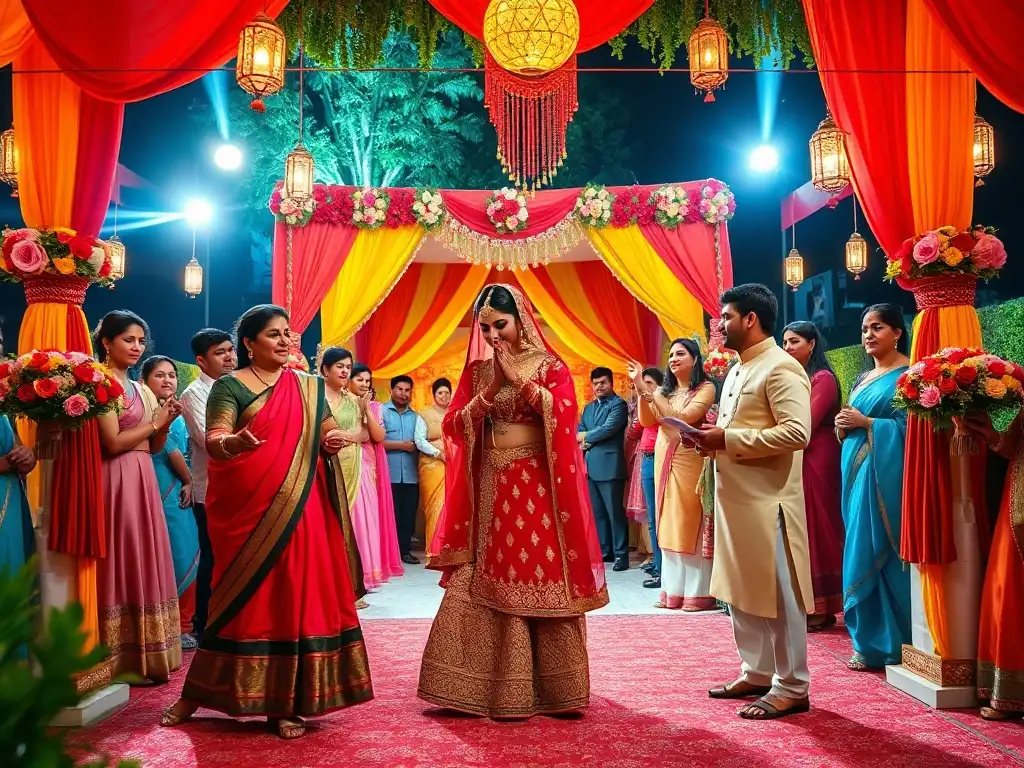
Welcome to Ancient India History, where we invite you to embark on an enchanting journey through the vibrant tapestry of ancient Indian civilizations. In this exploration, we delve into the fascinating ancient Indian marriage traditions, illuminating the significant role that music and dance played in these sacred ceremonies. Have you ever wondered how melodies and rhythms intertwined with love and commitment during one of life's most celebrated milestones?
Join us as we uncover the cultural richness and timeless practices that defined matrimonial celebrations in ancient India. Prepare to be captivated by the symphony of life that echoes through the ages!
- Introduction to Ancient Indian Marriage Traditions
- Historical Context of Music and Dance in Ancient Indian Marriages
- Role of Music in Ancient Indian Marriage Ceremonies
- Role of Dance in Ancient Indian Marriage Ceremonies
- The Interconnection of Music and Dance in Marriage Celebrations
- Conclusion: The Lasting Impact of Music and Dance on Ancient Indian Marriage Traditions
- Further Reading on Ancient Indian Marriage Traditions
-
Frequently Asked Questions
- What were the key music and dance traditions in ancient Indian marriages?
- How did regional variations influence marriage traditions?
- What was the significance of rituals involving music and dance in marriages?
- How did the Gupta Empire contribute to marriage traditions in ancient India?
- Are there any modern influences on ancient Indian marriage traditions today?
- Final Reflection: The Timeless Harmony of Music and Dance in Ancient Indian Marriages
- Unveil the Rhythm of Ancient Love!
Introduction to Ancient Indian Marriage Traditions
Marriage in ancient India was not merely a union of two individuals but a significant social contract that intertwined families, communities, and traditions. The diverse tapestry of ancient Indian marriage traditions reflects the rich cultural heritage of the subcontinent, characterized by various customs, rituals, and artistic expressions.
Among these expressions, music and dance played a pivotal role, enhancing the celebratory atmosphere and symbolizing deeper emotional and spiritual connections. This article delves into the intricate relationship between music, dance, and marriage, exploring how these art forms enriched the marriage ceremonies across different ancient Indian civilizations, from the harmonious melodies of the Indus Valley to the vibrant performances during the Gupta Empire.
Overview of Marriage in Ancient Indian Society
In ancient Indian society, marriage was viewed as a sacred duty, often linked to religious and social obligations. It served as a foundation for family life and was deeply rooted in various cultural practices and beliefs. The essential features of marriage included:
- Sacramental Nature: Marriage was often considered a sacrament (samskara) that transcended the physical union, connecting the souls of the couple in a spiritual bond.
- Social Alliances: Marriages were strategic alliances between families, aimed at strengthening social ties, property sharing, and ensuring lineage continuity.
- Ritualistic Practices: Each region and community had specific rituals associated with marriage, encompassing pre-wedding, wedding, and post-wedding ceremonies.
Different texts, such as the Manusmriti and Kama Sutra, provide insights into the norms and expectations surrounding marriage. These texts highlight the importance of consent, the roles of parents, and the significance of various rites that marked the transition into married life.
Significance of Music and Dance in Cultural Practices
Music and dance in ancient Indian marriages served multiple purposes, reflecting the cultural ethos and enhancing the overall experience of the ceremony. Their significance can be categorized as follows:
- Celebratory Functions: Music and dance brought joy and festivity, marking important milestones in the marriage ceremony. Traditional songs often narrated folklore or highlighted the virtues of the bride and groom.
- Cultural Identity: Different regions had unique musical styles and dance forms, showcasing local traditions and reinforcing cultural identity. For instance, classical forms such as Bharatanatyam and Kathak may have been incorporated in elite weddings, while folk dances represented community participation.
- Spiritual Connection: The performance of music and dance during rituals was believed to invoke blessings from deities, ensuring a prosperous union. Specific chants and melodies were thought to purify the environment and invite positive energies.
The role of music and dance in ancient Indian marriage traditions was integral, reflecting not just the joy of the occasion but also the deeper cultural and spiritual connections that defined these unions. As we explore further, we will uncover specific examples and practices that illustrate this intricate relationship.
Historical Context of Music and Dance in Ancient Indian Marriages
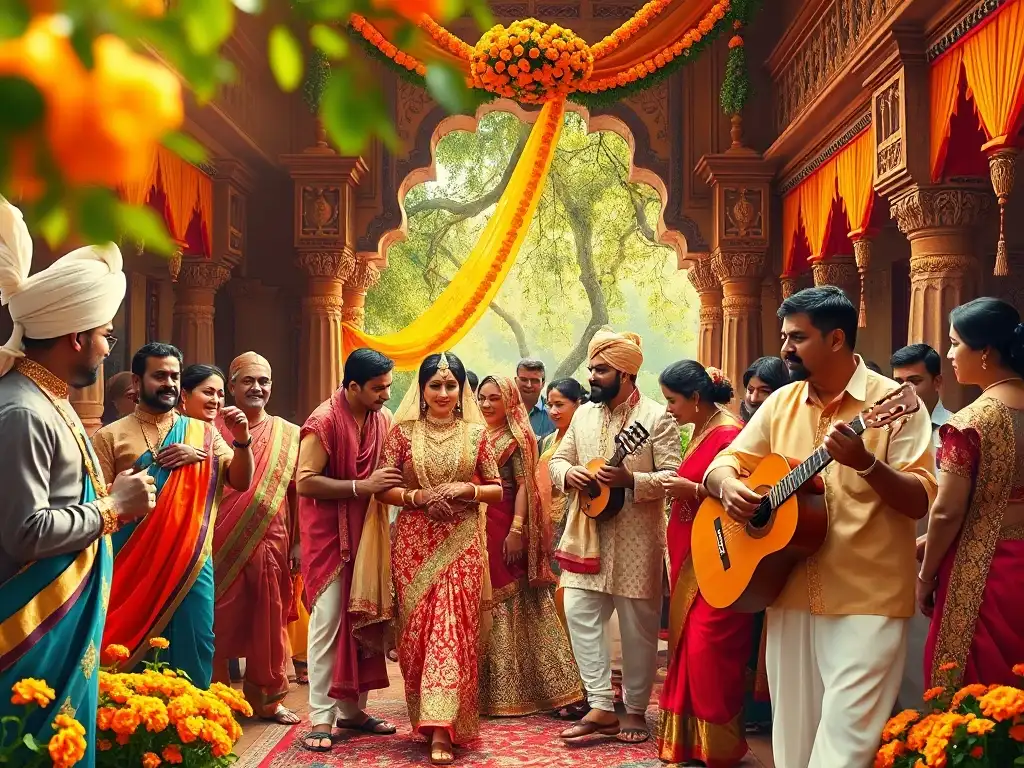
The role of music and dance in ancient Indian marriages transcended mere entertainment; it served as a vital element that enriched the cultural fabric of the celebrations. Ancient Indian marriage traditions were deeply rooted in the social, religious, and cultural contexts of the time. Music and dance were integral to various rituals, marking significant moments and enhancing the emotional landscape of the ceremonies.
From the Vedic period (around 1500 BCE) to the Gupta Empire (around 320-550 CE), the incorporation of music and dance in marriages evolved, influenced by regional variations, social hierarchies, and religious beliefs. The ancient texts, including the Vedas and later Puranas, refer to various musical instruments and dance forms that were used in ceremonies, signifying their importance in marital celebrations.
The Evolution of Marriage Rituals in Ancient India
Ancient Indian marriage rituals underwent significant transformations over the centuries, reflecting the changing dynamics of society. Initially, marriages were simple and took place within the community, focusing on familial alliances and social ties. As the society progressed, rituals became more elaborate, with music and dance becoming essential components.
- Vedic Marriages: During the Vedic period, marriages were often celebrated with hymns (Sanskrit Suktas) dedicated to deities. The saptapadi, or seven steps taken by the bride and groom, was accompanied by chants and offerings, creating a sacred atmosphere enriched by musical elements.
- Post-Vedic Period: With the rise of new philosophical ideas and regional customs, marriage rituals began to incorporate local music styles and dance forms. The Natyashastra, an ancient treatise on performing arts, outlines various dance styles that were likely performed during weddings, showcasing the artistry and cultural significance of these performances.
- Medieval Changes: By the medieval period, marriages had transformed into grand celebrations, often patronized by nobility. This era saw the introduction of courtly music and dance, reflecting the social status of families involved. Instruments like the veena, dholak, and flute became popular during nuptial festivities.
- Regional Variations: Each region of India developed its own unique traditions, with music and dance styles varying significantly. For instance, in Rajasthan, Ghoomar dance would be performed, while in Tamil Nadu, Bharatanatyam would grace the ceremonies. This diversity highlights the rich tapestry of ancient Indian marriage traditions across the subcontinent.
Influence of Religion and Spirituality on Marriage Traditions
Religion and spirituality played a pivotal role in shaping ancient Indian marriage traditions, with music and dance serving as conduits for divine blessings and cultural expression. The intertwining of spiritual beliefs with marital practices can be observed in several key areas:
- Ritualistic Significance: Many marriage rituals were designed to appease gods and goddesses, with music and dance integral to these spiritual offerings. For instance, during the Kanyadaan ceremony, the father of the bride would recite hymns and perform rituals that may have included musical accompaniment to invoke blessings.
- Symbolism in Dance: Dance forms often carried symbolic meanings, representing the union of the divine and the earthly. For example, the performance of certain dances during weddings was believed to invoke fertility and prosperity for the couple.
- Festivals and Marriages: Festivals like Makar Sankranti and Holi, which celebrate fertility and love, were often intertwined with marriages. Music and dance associated with these festivals would permeate wedding festivities, creating a joyous atmosphere.
- Mantras and Chants: The recitation of mantras and chants during marriage ceremonies was accompanied by specific musical patterns, enhancing the spiritual ambiance. The rhythmic patterns of these chants often found expression through dance, reinforcing the sacredness of the union.
The interplay of music and dance within ancient Indian marriage traditions is a reflection of the rich cultural and spiritual landscape of the time. These elements not only enriched the marital ceremonies but also served as a means of cultural expression and continuity, illustrating the profound significance of these traditions in ancient Indian society.
Role of Music in Ancient Indian Marriage Ceremonies
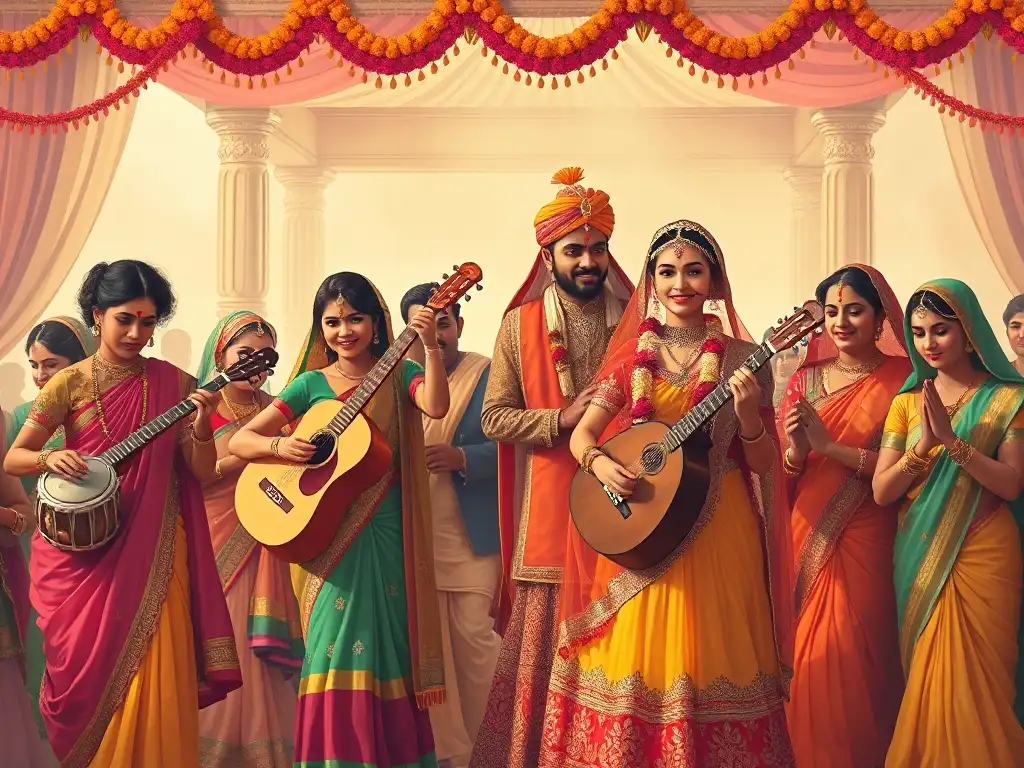
Types of Music Used in Marriages
In ancient Indian marriage ceremonies, music played a pivotal role, enhancing the emotional and spiritual atmosphere. Various types of music were employed, each serving a specific purpose within the rituals. The most common forms of music included:
- Classical Music: This formed the backbone of many wedding ceremonies, often performed live by skilled musicians. Genres such as Hindustani and Carnatic music were prevalent, with ragas chosen to evoke particular emotions aligned with the wedding’s significance.
- Folk Songs: Local traditions influenced the choice of folk songs, which were often sung by family members and friends, reflecting the cultural heritage of the region. These songs celebrated love, joy, and togetherness, infusing the ceremonies with a sense of community.
- Devotional Music: Invoking blessings from deities was common, with hymns and bhajans sung to seek divine favor for the couple. This music often accompanied rituals such as the ‘saat phere’ (seven circumambulations) around the sacred fire.
Traditional Instruments in Ancient Indian Weddings
The rich soundscape of ancient Indian weddings was created with a variety of traditional instruments. Each instrument added a unique flavor to the ceremonies:
- Sitar: Known for its intricate melodies, the sitar was often played during auspicious moments, enhancing the spiritual ambiance.
- Tabla: This percussion instrument provided rhythmic support to the melodies, driving the tempo of joyful celebrations.
- Shehnai: Traditionally played at weddings, the shehnai’s auspicious notes heralded the arrival of the bride and groom, signifying joy and festivity.
Vocal Music and Its Importance in Rituals
Vocal music held significant importance in ancient marriage rituals. The voices of family members and professional singers interwove to create an atmosphere of unity and joy. Songs sung during key moments, such as the ‘kanyadaan’ (giving away the bride), served not only as a form of emotional expression but also as a means of reinforcing familial bonds. Lyrics often conveyed blessings and hopes for a prosperous marital life, making vocal performances a vital component of the wedding fabric.
Symbolism of Music in Ancient Indian Marriages
Music in ancient Indian marriages was laden with symbolism, representing deeper meanings and cultural values. Its role transcended mere entertainment; it served as a conduit for emotional expression and community bonding.
Expressing Emotions through Music
Music was a powerful medium for expressing emotions during ancient Indian marriages. The lyrics and melodies resonated with the sentiments of love, joy, and sometimes even sorrow. For instance, songs performed during the bride’s farewell often conveyed bittersweet emotions, capturing the duality of joy for the union and sadness for the separation. This emotional depth allowed participants to connect with the ceremony on a personal level, reinforcing the significance of the occasion.
Music as a Blessing and a Celebration
In addition to emotion, music functioned as a blessing and a celebration. The act of singing and playing instruments during ceremonies was believed to invite divine presence and blessings. The joyous tunes symbolized prosperity, fertility, and harmony, essential elements for a successful marriage. The communal aspect of music-making encouraged participation from family and friends, transforming the wedding into a collective celebration of love and togetherness.
The role of music in ancient Indian marriage traditions was multifaceted, encompassing emotional expression, cultural heritage, and spiritual significance. It created an immersive experience that not only celebrated the union of two individuals but also reinforced the bonds of family and community.
Role of Dance in Ancient Indian Marriage Ceremonies
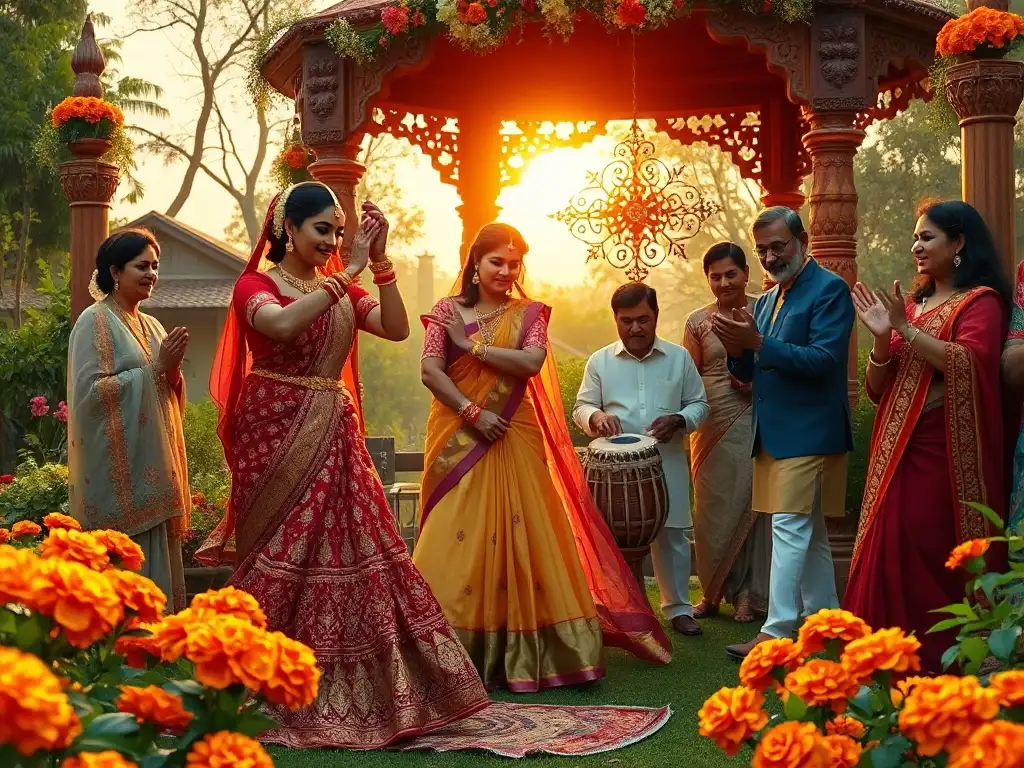
Traditional Dance Forms Associated with Marriages
In ancient Indian marriage traditions, dance played a pivotal role in enhancing the celebratory atmosphere and conveying cultural narratives. Various traditional dance forms were integral to weddings, each carrying its own significance and style. These dances were not merely performances; they were a means of expressing joy, spirituality, and the cultural heritage of the communities involved.
Bharatanatyam and Its Cultural Significance
Bharatanatyam, one of the oldest classical dance forms of India, has roots tracing back to Tamil Nadu. This dance is characterized by intricate footwork, expressive hand gestures (mudras), and facial expressions (abhinaya) that convey a story. In the context of ancient Indian marriages, Bharatanatyam was often performed as a way to invoke blessings from deities for the couple's prosperous life ahead.
The dance serves as a narrative medium, often depicting tales from Hindu mythology and showcasing the virtues of love, devotion, and companionship. Its performance at weddings not only entertains but also reinforces the cultural values and expectations of marital life.
Kathak and Its Storytelling Aspect in Weddings
Kathak, another significant dance form, is known for its graceful movements and intricate footwork, often accompanied by storytelling. This dance originated from the northern regions of India and was traditionally performed by wandering bards. In the marriage context, Kathak plays an essential role in narrating the love stories of divine couples, such as Radha and Krishna.
During ancient marriage ceremonies, Kathak performances often included themes of love, courtship, and the union of souls, making it a perfect fit for celebrating the bond of marriage. The storytelling aspect of Kathak adds a layer of depth to the ceremony, allowing guests to connect emotionally with the couple’s journey.
The Importance of Dance as a Form of Expression
Dance in ancient Indian marriages transcended mere entertainment; it served as a crucial form of expression that conveyed emotions, traditions, and social values. The rhythmic movements and melodies allowed participants to express their joy, hopes, and blessings in a communal setting.
Dance as a Means of Social Bonding
In the context of ancient Indian marriage traditions, dance acted as a powerful tool for social bonding among families and communities. During pre-wedding and wedding celebrations, group dances fostered camaraderie and unity among the guests. The collective participation in dance created a shared experience that strengthened familial ties and established goodwill between the two families.
Moreover, the inclusion of various dance forms allowed for the intermingling of different cultural practices, enhancing the sense of community. It encouraged interactions among guests, facilitating conversations and connections that might not have occurred otherwise.
Dance Rituals and Their Spiritual Significance
Dance rituals during ancient Indian marriages were steeped in spiritual significance. Many dances were performed as offerings to deities, seeking their blessings for the couple’s new life together. For instance, dances performed in front of altars or sacred fire (homa) during the wedding ceremony highlighted the divine aspect of the marital bond.
These rituals often included specific movements and chants that were believed to purify the space and invoke divine presence. The spiritual connection created through dance reinforced the sanctity of the marriage, aligning with the cultural belief that marriage is not just a union of two individuals but a sacred bond blessed by the cosmos.
The role of dance in ancient Indian marriage traditions was multifaceted, encompassing artistic expression, social bonding, and spiritual significance. Through various forms like Bharatanatyam and Kathak, dance enriched the ceremonial experience, creating lasting memories for the couple and their families.
The Interconnection of Music and Dance in Marriage Celebrations
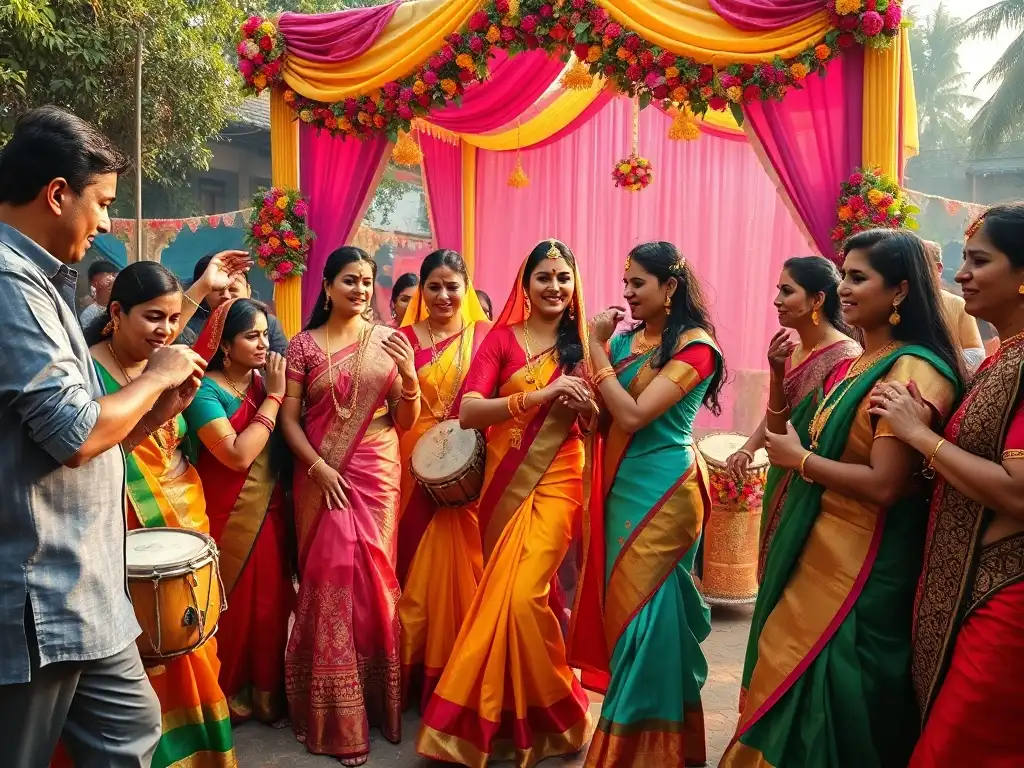
In ancient India, marriage was not just a union between two individuals but a grand celebration that involved families, communities, and a rich tapestry of traditions. Music and dance played an integral role in these celebrations, enhancing the emotional and cultural significance of the rituals. The interconnection of music and dance in ancient Indian marriages served not only as entertainment but also as a medium to express joy, devotion, and cultural heritage.
How Music and Dance Complement Each Other
Music and dance in ancient Indian marriage traditions were often intertwined, creating a dynamic atmosphere that represented the couple's journey and the community's support. The melodies and rhythms of traditional instruments, such as the tabla, sitar, and dhol, accompanied various dance forms, bringing energy and excitement to the ceremonies.
- Emotional Expression: The lyrical content of wedding songs often conveyed heartfelt emotions, encapsulating themes of love, devotion, and family unity.
- Ritual Significance: Certain dances were performed during specific rituals, such as the saat phere (seven circles around the sacred fire) or the kanyadaan (giving away of the bride), symbolizing spiritual and cultural beliefs.
- Community Participation: Group dances encouraged participation from guests, fostering a sense of community and inclusion, essential elements in ancient Indian marriage celebrations.
Cultural Variations in Music and Dance Across Regions
The vast cultural diversity of India led to numerous variations in musical and dance practices during weddings, reflecting the regional identities and traditions of different communities. From the folk tunes of rural areas to the classical forms of dance, each region contributed uniquely to the marriage celebrations.
Differences in Northern and Southern Indian Wedding Traditions
- Northern Traditions: In Northern India, especially in Punjabi and Rajasthani cultures, weddings are characterized by vibrant music and energetic folk dances like bhangra and gidda. The use of dhol and nagada creates a lively atmosphere, encouraging guests to dance and celebrate.
- Southern Traditions: In contrast, Southern Indian weddings often feature classical dance forms like Bharatanatyam and Kuchipudi, which narrate stories and express emotions through intricate movements and expressions. The music is typically more melodic, with the use of instruments like the mridangam and veena.
Influence of Local Customs on Musical and Dance Practices
Local customs significantly influenced the music and dance styles incorporated into marriage celebrations.
- Regional Instruments: Different regions favored distinct musical instruments, such as the shehnai in North India, often played during auspicious moments, while the nadaswaram is prevalent in South Indian weddings, heralding the arrival of the bride and groom.
- Folk Traditions: Local folklore and traditions also shaped the themes of wedding songs and dances, with many incorporating stories from local mythology, which resonate with the values and beliefs of the community.
The role of music and dance in ancient Indian marriage traditions was a multifaceted aspect that not only enriched the celebratory experience but also preserved and conveyed cultural heritage across generations. Understanding these elements provides deeper insights into the social fabric of ancient Indian society.
Conclusion: The Lasting Impact of Music and Dance on Ancient Indian Marriage Traditions
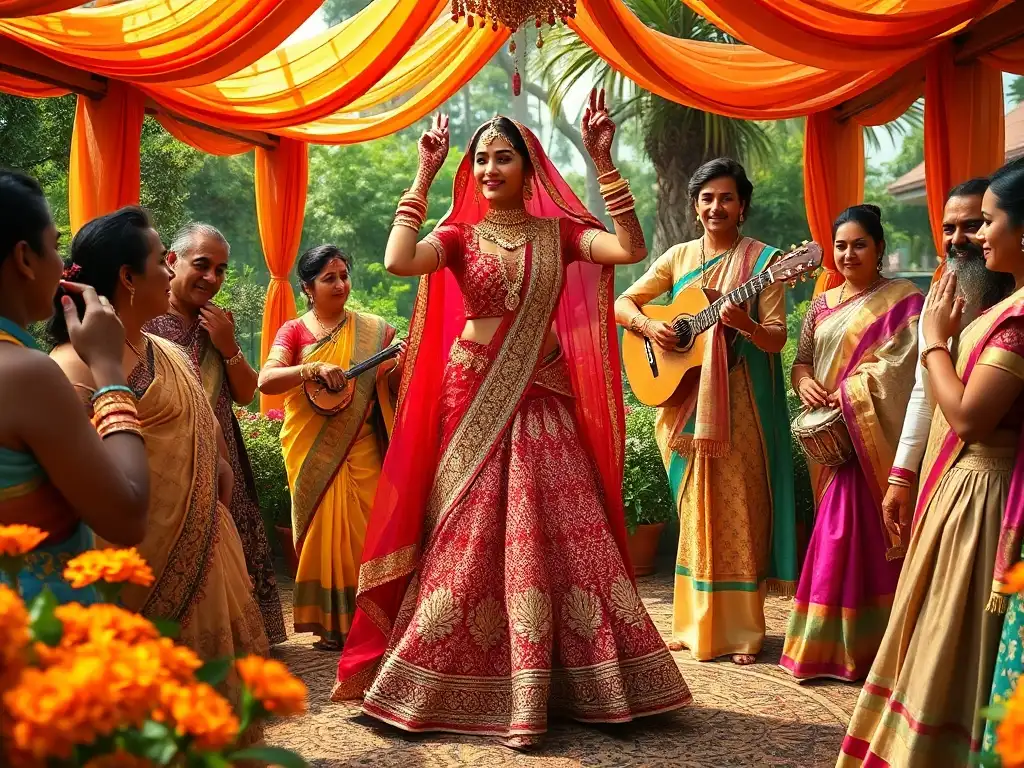
Reflection on the Cultural Heritage of Ancient Indian Weddings
Ancient Indian marriage traditions are deeply rooted in the diverse cultural tapestry of the subcontinent, where music and dance have played a pivotal role across various ceremonies. Each state and community contributed unique styles and forms, reflecting their local customs, beliefs, and artistic expressions. For instance, the vibrant folk dances such as Bhangra in Punjab or Garba in Gujarat not only serve as entertainment but also symbolize the joy and festivity surrounding the union of two families.
The influence of classical music, such as Hindustani and Carnatic, is evident in the ceremonial rituals, where specific ragas are chosen for different occasions. These musical forms are believed to invoke blessings and set the emotional tone for the marriage. The integration of music and dance into wedding ceremonies has preserved ancient traditions, passing down stories and values through generations.
Moreover, the symbolism behind these art forms is profound. Music and dance are not merely ornamental; they embody the essence of togetherness, harmony, and joy. They reflect the hopes and aspirations of the families involved and highlight the importance of community participation in the celebration of marriage. As a result, these practices have become a vital aspect of the cultural heritage that shapes the identity of Indian weddings.
The Relevance of These Traditions in Contemporary Indian Marriages
In today's fast-paced world, the relevance of ancient Indian marriage traditions, particularly music and dance, remains significant. Contemporary Indian marriages often blend traditional elements with modern practices, creating unique celebrations that honor both heritage and innovation.
- Preserving Cultural Identity: Many couples consciously incorporate traditional music and dance into their weddings to celebrate their roots. This preservation of cultural identity fosters a sense of belonging and continuity across generations.
- Enhancing the Wedding Experience: Modern Indian weddings are known for their grandeur, and music and dance elevate the celebratory atmosphere. Live bands, DJs, and choreographed dance performances have become staples, often inspired by traditional forms—allowing guests to engage in the festivities enthusiastically.
- Symbolizing Unity and Joy: The participation of family and friends in dances, such as the sangeet night, emphasizes the communal aspect of marriages. These moments of shared joy reinforce familial bonds and strengthen community ties, echoing the age-old traditions that prioritize unity.
- Cultural Fusion: The influence of globalization has led to the fusion of various musical styles and dance forms, allowing for a rich tapestry of performances during weddings. This blend not only celebrates diversity but also respects the origins of these practices.
The enduring impact of music and dance on ancient Indian marriage traditions is evident in their continued relevance today. These practices not only enrich the wedding experience but also serve as a reminder of the rich cultural heritage that shapes contemporary Indian society. As we celebrate the union of two individuals, we simultaneously honor the legacy of our ancestors, ensuring that the spirit of ancient Indian marriages lives on through music and dance.
Further Reading on Ancient Indian Marriage Traditions
Recommended Books and Articles
To gain a deeper understanding of Ancient Indian marriage traditions, several books and articles can provide valuable insights. The following selection encompasses various aspects of marriage rituals, cultural practices, and the historical context surrounding marriages in ancient India:
-
"The Art of Ancient Indian Music: An Insight into the Cultural Heritage" by Ravi Shankar
This book delves into the significance of music in ancient Indian marriages, exploring how melodies and rhythms complemented the rituals and celebrations.
-
"Marriage and Family in India: A Historical Perspective" by Indira Sharma
This comprehensive work analyzes the evolution of marriage customs from the Vedic period to the Gupta Empire, highlighting the socio-economic factors that influenced these changes.
-
"Rituals and Celebrations: The Role of Music and Dance in Ancient Indian Weddings" by Anjali Desai
Desai’s exploration focuses on the integral role of music and dance in wedding ceremonies, emphasizing their impact on community bonding and cultural expression.
-
"The Symbolism of Indian Marriage: A Cultural Study" by Meera Kumar
This article discusses the symbolic elements of marriage rituals, such as the significance of music and dance, and their roles in reinforcing social ties.
-
"Marriage Practices in Ancient India: A Cross-Cultural Analysis" by Suresh Patil
Patil examines the marriage practices across different regions of ancient India, offering a comparative perspective on how local traditions shaped the broader cultural landscape.
Online Resources for Exploring Ancient Indian Culture
In addition to printed literature, various online resources are available for those interested in Ancient Indian marriage traditions. These platforms provide access to scholarly articles, digital archives, and multimedia content:
-
Digital South Asia Library (DSAL)
A treasure trove of resources, DSAL offers a comprehensive collection of texts, maps, and images related to ancient Indian history and culture, including marriage practices.
-
Ancient India: A Historical Overview
This online portal features a wide array of articles and research papers focused on ancient Indian civilizations, with specific sections dedicated to family and marriage practices.
-
YouTube Channels on Indian History
Channels such as Epic History TV and History of India provide visual content that discusses ancient Indian customs, including marriage traditions, through engaging documentaries and expert interviews.
-
Academia.edu
This platform allows users to access a variety of academic papers and articles on ancient Indian studies, including those focused on marriage traditions and cultural practices.
-
Google Scholar
A robust search engine for scholarly literature, Google Scholar can help you find peer-reviewed articles and citations related to ancient Indian marriage customs, music, and dance.
By exploring these recommended books and online resources, readers can enrich their understanding of the complex and vibrant tapestry of Ancient Indian marriage traditions.
Frequently Asked Questions
What were the key music and dance traditions in ancient Indian marriages?
In ancient Indian marriages, music and dance played a vital role, with traditional songs and dances reflecting cultural values and enhancing the celebratory atmosphere.
How did regional variations influence marriage traditions?
Regional variations led to diverse practices in music and dance, with each area incorporating its own local instruments and folk dances, making each wedding unique.
What was the significance of rituals involving music and dance in marriages?
Rituals involving music and dance were essential for expressing joy and creating a spiritual connection during the marriage ceremony, symbolizing the union of the couple.
How did the Gupta Empire contribute to marriage traditions in ancient India?
The Gupta Empire was known for its flourishing arts, which included advancements in music and dance, enriching the nuptial celebrations and establishing lasting traditions.
Are there any modern influences on ancient Indian marriage traditions today?
Yes, many modern influences have blended with ancient practices, but the core elements of music and dance remain integral to Indian marriages, preserving the rich cultural heritage.
Final Reflection: The Timeless Harmony of Music and Dance in Ancient Indian Marriages
The intricate relationship between music, dance, and ancient Indian marriage traditions continues to resonate in today's cultural landscape. As we explore the vibrant rituals and celebrations that once defined these unions, we uncover a profound understanding of how these art forms not only enriched the ceremonies but also fostered community bonds and emotional connections. The legacy of these traditions serves as a reminder that the essence of love and togetherness transcends time and remains relevant in our modern lives.
The influence of music and dance in ancient Indian marriages is a testament to the enduring power of cultural expression. These elements were not merely decorative; they were integral to the very fabric of the celebrations, shaping the experiences of the families and communities involved. As we reflect on this, we can appreciate how these traditions have evolved yet still echo in contemporary weddings, where music and dance continue to play pivotal roles. Music can change the world because it can change people.
– Bono. This quote encapsulates the transformative power of music, reminding us that the rhythms of our past still pulse through our present.
As we conclude this exploration, I invite you to reflect on the role of music and dance in your own life and relationships. Consider how these art forms can enhance your celebrations and foster connections with others. Whether through participating in a dance, sharing a song, or simply appreciating the beauty of these traditions, let us honor the rich heritage of ancient Indian marriage customs and carry forward their spirit into our own lives. Embrace the joy and unity that music and dance bring, and allow them to inspire your personal celebrations of love and togetherness.
Unveil the Rhythm of Ancient Love!
Thank you for joining us on this journey into the fascinating world of music and dance in ancient Indian marriages! We hope you’ve gained fresh insights into how these beautiful traditions shaped relationships and celebrations. Now, it’s time to take your enthusiasm a step further!
- Explore traditional Indian music: Immerse yourself in the diverse genres that enriched ancient ceremonies, and consider creating a playlist featuring folk, classical, and contemporary interpretations.
- Try your hand at a cultural dance: Attend a local workshop or find online tutorials to experience the joy of movement inspired by ancient stories and melodies.
- Share this knowledge: Discuss your newfound understanding with friends or family, or host a themed gathering to explore the role of music and dance in your own cultural traditions.
Which aspect of ancient Indian marriage traditions resonates most with you—music, dance, or perhaps the communal joy they inspire?