
Exploring the Impact of the Caste System on Ancient Indian Economy


Welcome to Ancient India History, where the echoes of a rich and diverse past await your discovery! Delve into the captivating world of ancient Indian civilizations, from the enigmatic Indus Valley to the illustrious Gupta Empire. In our featured article, "Exploring the Impact of the Caste System on Ancient Indian Economy," we unravel how the intricate caste system shaped economic structures and daily life in this fascinating era.
Prepare to embark on a journey that not only informs but also sparks your curiosity about the profound influences that still resonate today. Keep reading to uncover the layers of history that define ancient India!

The caste system in ancient India stands as a complex social structure that significantly influenced various aspects of life, including the economy. This hierarchical organization categorized individuals into specific groups based on their occupation and social status, creating a framework within which economic activities were conducted. Understanding the impact of the caste system on the ancient Indian economy requires a deep dive into its definition, historical context, and the overarching economic landscape of the time. By exploring these elements, we can gain insight into how the caste system shaped economic interactions, roles, and contributions throughout ancient Indian history.
Introduction to the Caste System in Ancient India
Definition of the Caste System
The caste system, known as "varna" in ancient texts, is a social stratification that divides society into distinct groups. Each group, or caste, is associated with specific duties and roles that dictate various aspects of life, including marriage, social interactions, and, crucially, economic activities. The four primary varnas in ancient India are:
- Brahmins - Priests and scholars responsible for religious rituals and teachings.
- Kshatriyas - Warriors and rulers tasked with governance and protection.
- Vaishyas - Merchants and landowners involved in trade and agriculture.
- Shudras - Laborers and service providers responsible for manual work.
This division was not merely a reflection of social status but also a means to organize labor and economic functions within society.
Historical Context of the Caste System
The origins of the caste system can be traced back to ancient texts like the Rigveda, which documented the emergence of social hierarchies. Over centuries, this initial classification evolved, becoming more rigid and complex. The post-Vedic period saw the caste system becoming intertwined with religious beliefs, leading to a significant impact on social mobility and economic participation.
Factors contributing to the solidification of the caste system included:
- Religious doctrines that reinforced the roles associated with each caste.
- Political dynamics, where rulers supported certain castes to maintain control and order.
- Economic specialization, which led to the establishment of guilds and trade associations among different castes.
Overview of Ancient Indian Economy
Key Features of the Ancient Economy
The ancient Indian economy was characterized by a mix of agriculture, trade, and craftsmanship, heavily influenced by the caste system. Some key features include:
- Agrarian Basis: Agriculture was the backbone of the economy, with the majority of the population engaged in farming. The caste system dictated landownership and farming practices, as land was typically allocated based on caste affiliation.
- Trade Networks: Ancient India had extensive trade routes connecting it to regions like Central Asia, the Mediterranean, and Southeast Asia. Merchants (Vaishyas) played a crucial role in these economic exchanges, often limited to their caste.
- Specialized Craftsmanship: Various crafts and industries thrived, with specific castes specializing in different trades, such as weaving, pottery, and metalwork. This specialization not only fostered economic growth but also reinforced social divisions.
Major Economic Activities in Ancient India
The economy of ancient India was diverse, encompassing various activities that contributed to its richness:
- Agriculture: Dominated by the cultivation of staples like rice, wheat, and pulses, agriculture was primarily conducted by the Shudras and some Vaishyas.
- Trade: Both local and long-distance trade flourished, with goods such as spices, textiles, and precious stones being exchanged.
- Craftsmanship and Industry: Artisans produced intricate goods, and guilds formed within castes to maintain quality and regulate trade practices.
The caste system played a pivotal role in shaping the economic landscape of ancient India, influencing who participated in various economic activities and how wealth was distributed across different social strata. Understanding this impact provides essential insights into the interplay between social structure and economic development in ancient civilizations.
The Role of the Caste System in Shaping Economic Structures
The caste system in ancient India played a pivotal role in shaping the economic landscape of the society. Rooted in the Vedic texts, it established a hierarchical framework that categorized individuals into distinct groups based on their birth and occupation. This stratification not only defined social interaction but also dictated economic roles, leading to a clear division of labor within the community.
The primary divisions of the caste system—Brahmins (priests and scholars), Kshatriyas (warriors and rulers), Vaishyas (traders and agriculturists), and Shudras (laborers and service providers)—created specialized economic functions. Each caste was expected to perform specific duties, which consequently influenced agricultural production, trade practices, and artisanal crafts. This structured assignment of roles contributed to a system of economic interdependence, where each caste relied on others for the smooth functioning of the economy.
Furthermore, the rigid nature of the caste system often stifled social mobility and innovation, as individuals were generally expected to adhere to the occupations of their forebears. This limitation shaped not just individual livelihoods but also the broader economic dynamics of ancient Indian civilization.
How Caste Influenced Occupations and Professions
Occupations in ancient India were predominantly determined by one’s caste, with each group specializing in specific roles. Brahmins, for example, dominated religious and educational sectors, managing temples, conducting rituals, and preserving knowledge through oral traditions and manuscripts. Their economic influence stemmed from their roles as advisors to kings and their control over land and resources associated with religious institutions.
Kshatriyas, on the other hand, engaged in warfare and governance. They were responsible for protecting the land and enforcing laws, often receiving a share of the agricultural produce as their income. Their activities also included land management, which contributed to the stability of the agrarian economy.
Vaishyas were primarily involved in trade and agriculture, facilitating commerce that connected various regions of India. They played a crucial role in economic growth, as they not only produced goods but also engaged in both local and long-distance trade, which was essential for the exchange of resources.
Shudras, being the lowest caste, undertook labor-intensive jobs, including agricultural work, craftsmanship, and domestic services. Although their roles were vital to the economy, they often received minimal compensation and faced significant social discrimination, limiting their economic mobility.
The Interdependence of Castes in Economic Activities
The economic system in ancient India thrived on the interdependence among different castes. Each caste contributed uniquely to the economy, creating a web of economic activities. For instance, while the Vaishyas engaged in trade and agriculture, their activities were supported by the Shudras, who provided the necessary labor for farming and production.
This division of labor ensured that goods and services flowed efficiently within the community. The artisans from lower castes produced tools and crafts, which were essential for agricultural activities, while the upper castes relied on these products for their economic pursuits. The symbiotic relationship fostered not only economic stability but also reinforced the social structure, as each caste recognized its role within the larger economic framework.
However, this interdependence also meant that the disruption of one caste’s functions could significantly impact the entire economic structure. For example, if agricultural production suffered due to poor weather or labor shortages, it would have a cascading effect on trade and commerce, impacting the livelihoods of all castes involved.
The impact of the caste system on the economy was not uniform; it varied significantly across social classes. Higher castes often enjoyed privileges and economic advantages, while lower castes faced restrictions that limited their economic opportunities.
The Economic Opportunities for Higher Castes
Higher castes, particularly Brahmins and Kshatriyas, generally had access to better economic prospects. They were able to accumulate wealth through land ownership, control over religious institutions, and positions of power in governance. Brahmins often received donations and land grants from kings in return for religious services, thereby establishing significant economic influence.
Kshatriyas, being the ruling class, also benefited from land ownership and the right to collect taxes from peasants. Their military roles often translated into land grants for service, which further solidified their economic status. The privileges bestowed upon these castes allowed them to invest in agriculture, trade, and education, creating a cycle of wealth accumulation that reinforced their social standing.
The Economic Limitations for Lower Castes
In stark contrast, lower castes, particularly Shudras, faced severe economic limitations. Their roles were often restricted to menial labor with little opportunity for upward mobility. The societal norms dictated that they adhere to their prescribed roles, which meant they were largely excluded from gaining wealth or education.
The economic contributions of lower castes were vital, yet they were compensated poorly, leading to persistent poverty and disenfranchisement. They were often subjected to exploitation by the upper castes, which further entrenched their economic disadvantages. This systemic inequality not only affected their immediate economic conditions but also perpetuated a cycle of poverty that spanned generations.
Case Studies of Economic Roles by Caste
Examining specific cases provides insight into the economic roles played by various castes in ancient India.
- Brahmins and Land Management: In regions such as Kashi, Brahmins managed vast tracts of land, often acting as intermediaries between the rulers and farmers. Their control over agricultural outputs allowed them to amass wealth and influence.
- Kshatriyas in Warfare: The Rajputs, a prominent Kshatriya group, were known for their military prowess and land control. They would receive land grants as rewards for military service, enabling them to establish prosperous estates.
- Vaishyas in Trade: The merchant community in ancient cities like Pataliputra showcased the Vaishyas’ role in commerce. Their trading networks extended beyond India, engaging with regions in Southeast Asia, which contributed significantly to the economy.
- Shudras in Craftsmanship: Artisans from lower castes played a crucial role in producing goods, such as textiles and pottery. Their skills were integral to local economies, yet they received little recognition or reward for their contributions.
These case studies illustrate the complex economic tapestry woven by the caste system, highlighting the disparities in opportunities and economic outcomes based on caste affiliation.
The Caste System and Trade in Ancient India

The caste system in ancient India played a pivotal role in shaping the economic landscape, particularly in trade and commerce. The social structure organized society into hierarchical groups, each with distinct roles and responsibilities. This segmentation facilitated the specialization of labor, allowing different castes to focus on specific trades, crafts, or services. For instance, merchants and traders primarily belonged to the Vaishya caste, which was tasked with economic activities, including trade, agriculture, and commerce. This specialization not only enhanced efficiency but also contributed to the development of a thriving market economy.
The caste system also influenced the geographical patterns of trade, as certain communities established themselves in specific regions based on their trade skills. The existence of established trade routes, such as the Silk Road and maritime routes, further facilitated the exchange of goods, cultures, and ideas. The interaction among varied caste groups fostered a dynamic market environment where goods such as spices, textiles, and precious stones were exchanged, both locally and internationally. Thus, the caste system was instrumental in organizing trade practices, leading to the economic prosperity of ancient Indian civilizations.
Caste-Based Roles in Trade and Commerce
The roles within trade and commerce were distinctly defined by the caste system, particularly among the Vaishyas and Shudras. The Vaishyas, considered the merchant class, engaged in various economic activities including trade, banking, and agriculture. Their primary focus was on commerce, which involved buying and selling goods both in local markets and through long-distance trade. This caste was known for its entrepreneurial spirit and played a crucial role in the economic exchanges that characterized ancient India.
On the other hand, the Shudras, often viewed as the laboring class, provided essential services to support trade activities. They worked as artisans, laborers, and service providers, contributing significantly to the production of goods. This division of labor ensured that different aspects of trade were managed efficiently. For example, skilled craftsmen would create products that merchants could sell, while laborers would transport goods to markets. The interdependence among these castes strengthened economic relations and facilitated the growth of a commercial economy.
Influence of Caste on Market Dynamics and Trade Relations
The caste system significantly influenced market dynamics and trade relations in ancient India. Each caste had its norms and practices that governed trade interactions. Trust and reputation were paramount in trade, and caste identity often determined the level of trustworthiness ascribed to various merchants. For instance, merchants from the same caste would prefer to trade with one another, relying on established relationships and mutual assurance of quality and fair dealings.
Moreover, caste-based guilds and associations emerged, which further regulated trade practices. These guilds provided a platform for resolving disputes, setting prices, and maintaining quality standards, thereby stabilizing the market. The influence of caste in trade relations also meant that certain goods were associated with specific castes, leading to the establishment of trade monopolies in particular commodities. This led to a structured yet flexible trading environment where economic transactions were guided by social hierarchies.
The Contribution of the Caste System to Ancient Indian Agriculture
The caste system was equally influential in the agricultural sector, shaping farming practices, land management, and food production. The division of labor allowed for a specialization in agricultural roles, where different castes took on specific responsibilities within the farming process. This specialization not only improved agricultural efficiency but also allowed for the advancement of techniques and crop varieties.
Agriculture was primarily managed by the Shudras and some Vaishyas who were engaged in farming activities. The roles of these castes included not only the cultivation of crops but also the management of irrigation systems and the maintenance of agricultural tools. The caste system facilitated a structured approach to agriculture, enabling communities to produce surplus food, which supported trade and contributed to the overall economy.
Caste Roles in Agricultural Practices
In ancient India, agricultural practices were deeply intertwined with the caste system. The primary agricultural laborers were often from the Shudra caste, who performed the bulk of the farming activities. Their responsibilities included plowing, planting, and harvesting crops, which were essential for sustaining both local populations and trade. Additionally, landowners, typically from the Vaishya caste, managed the agricultural estates, overseeing the laborers and ensuring that the land was cultivated efficiently.
The specialization of roles within agriculture allowed for the development of specific farming techniques and crop management strategies. For instance, certain castes may have been known for cultivating particular types of crops or for their expertise in irrigation. This not only led to increased productivity but also enhanced the community's ability to respond to market demands for various agricultural products.
Impact of Caste on Land Ownership and Distribution
The caste system also had a profound impact on land ownership and distribution in ancient India. Land was often concentrated in the hands of higher castes, particularly the Vaishyas and Kshatriyas, who had the means and social standing to acquire and manage large estates. This concentration of land ownership created a socioeconomic divide, where lower castes, primarily the Shudras, were often relegated to tenant farming or laboring on lands owned by higher castes.
This hierarchical land distribution influenced agricultural productivity and economic relations. The upper castes often dictated the terms of land use and rental agreements, which could result in exploitative practices that disadvantaged the laboring classes. Conversely, the agricultural surplus generated by the labor of lower castes was crucial for the sustenance of the economy, as it provided food for trade and supported the livelihoods of various castes engaged in commerce and trade.
Overall, the caste system's influence on land ownership and agricultural practices contributed significantly to the economic framework of ancient India, shaping both societal structures and economic development.
The Long-Term Economic Consequences of the Caste System
The caste system in ancient India established a rigid social hierarchy that significantly influenced economic interactions and structures. Each caste, or varna, had specific roles and responsibilities, which dictated not only the economic activities individuals could engage in but also their access to resources and wealth accumulation. The division of labor became institutionalized, with certain castes responsible for agriculture, trade, craftsmanship, and services, while others were relegated to menial tasks. This stratification created a system where economic opportunities were limited and often inherited, restricting individuals' ability to change their socioeconomic status.
Over time, the caste system led to significant disparities in wealth distribution. Higher castes, particularly the Brahmins and Kshatriyas, amassed considerable resources, while lower castes frequently faced poverty and exclusion from mainstream economic activities. This economic segregation perpetuated a cycle of poverty and dependence, making it challenging for lower castes to escape their socio-economic constraints. The long-term consequences included a lack of innovation and productivity in certain sectors, as individuals were often not permitted to pursue occupations outside their designated caste roles.
How the Caste System Affected Economic Mobility
Economic mobility in ancient India was tightly intertwined with the caste system. The rigid structure limited individuals' ability to move between castes, thus constraining their economic potential. For instance, a person born into a lower caste often had no opportunity to pursue the more lucrative professions available to higher castes, such as priests or warriors. This limitation not only stifled personal ambition but also reduced the overall economic dynamism of society.
Moreover, the caste system established social norms that discouraged inter-caste interactions, particularly in trade and commerce. Merchants from higher castes often formed closed networks, which further marginalized those from lower castes who sought to engage in trade. As a result, economic transactions were frequently dictated by caste affiliations, leading to a fragmented economy with limited collaboration across different social strata. The decline in economic mobility fostered an environment where wealth was concentrated among a select few, perpetuating inequality and limiting the potential for collective growth and progress.
Legacy of Caste in Modern Indian Economy
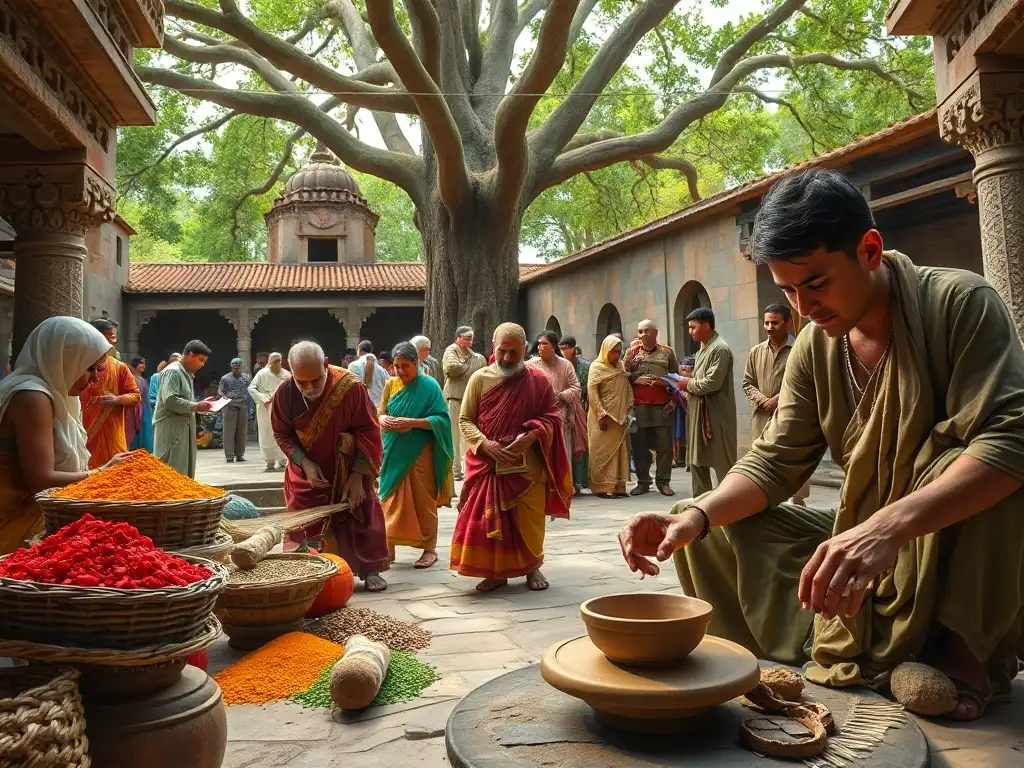
The remnants of the caste system continue to influence India's modern economy, despite significant legal and social reforms. Economic disparities rooted in historical caste divisions are still evident, with certain communities facing systemic challenges in accessing education, employment, and financial resources. The caste system has left a legacy of skepticism and mistrust among different groups, which can impede economic collaboration and development.
In contemporary India, efforts to uplift marginalized communities through affirmative action and reservation policies have been implemented to counteract the long-standing impacts of the caste system. However, the effectiveness of these measures varies, and societal attitudes towards caste continue to affect economic opportunities. The ongoing struggle for economic empowerment among lower castes highlights the complexities of dismantling deeply entrenched social structures and their economic implications.
Conclusion: The Lasting Impact of the Caste System on Ancient Indian Economy
The caste system's influence on the ancient Indian economy was profound and multifaceted. It shaped the social fabric and dictated the economic roles of individuals for centuries, with effects that are still felt today. Understanding this impact is crucial for comprehending the historical context of socio-economic disparities in modern India.
Summarizing the Key Impacts
The caste system established a rigid economic framework that dictated roles, restricted mobility, and perpetuated inequality. The long-term consequences included a lack of economic dynamism, concentration of wealth among higher castes, and persistent disparities that resonate through generations. The system not only limited individual potential but also constrained the collective economic growth of society.
Reflections on the Historical Relevance of the Caste System
Reflecting on the historical relevance of the caste system provides valuable insights into the current socio-economic landscape of India. The historical context of caste as a structural element of the economy underscores the challenges faced in addressing inequality today. Acknowledging this legacy is essential for fostering a more equitable economic future and promoting social harmony in a diverse society. The impact of the caste system on ancient Indian economy serves as a reminder of the importance of inclusive growth and the need for continual efforts to break down barriers that hinder economic advancement for all.
References
The impact of the caste system on the economy of ancient India is a multifaceted subject, rooted deeply in the societal structures that governed daily life and economic activities. To gain a deeper understanding of this intricate relationship, several key texts and academic sources provide valuable insights into the historical context and implications of the caste system.
Suggested Reading on Caste and Economy in Ancient India
-
"The Caste System in India: A Historical Perspective" by R. S. Sharma
This comprehensive work explores the origins and evolution of the caste system in India, examining its implications on economic practices throughout various periods of history.
-
"Caste and Economy in Ancient India" by R. S. N. Sinha
Sinha's book delves into the direct effects of caste divisions on trade, agriculture, and labor systems in ancient Indian society, providing a nuanced analysis of how caste influenced economic roles.
-
"The Economic History of India: From 1200 to 1700" by Tapan Raychaudhuri
Although focused on a broader timeline, this volume includes discussions on the caste system's impact on economic developments, including trade routes and market practices.
-
"Social Structure and Economic Life in Ancient India" by K. N. Chaudhuri
This text combines sociological and economic perspectives to examine how caste influenced the division of labor and economic productivity in ancient Indian communities.
-
"Caste, Class, and Power: Changing Patterns of Stratification in a Tanjore Village" by A. R. Desai
While centered on a specific locality, this work provides a detailed case study that illustrates the ongoing legacy of caste on economic interactions.
Academic Sources and Historical Texts
-
"The Arthashastra" by Kautilya (Chanakya)
This ancient treatise on statecraft and economics offers insights into how caste influenced economic policies and practices during the Mauryan period.
-
"The Rigveda"
As one of the oldest texts in Indian history, the Rigveda contains references to social stratification and economic roles that can be interpreted to understand the early formations of the caste system.
-
"Manusmriti" or "Laws of Manu"
This ancient legal text outlines the duties and responsibilities associated with different castes, providing a framework for understanding how caste delineated economic functions in society.
-
"The History of Ancient India" by Romila Thapar
Thapar's scholarly work provides a broad overview of ancient Indian history, including discussions on the economic roles of different caste groups and their societal implications.
-
Journal of Asian Studies
Various articles within this journal examine the intersections of caste and economy, offering peer-reviewed research on the subject.
These references serve as essential resources for understanding the complex interplay between the caste system and the economy in ancient India, providing both historical context and scholarly analysis.
- Introduction to the Caste System in Ancient India
- Overview of Ancient Indian Economy
- The Role of the Caste System in Shaping Economic Structures
- Economic Impact of the Caste System on Different Social Classes
- The Caste System and Trade in Ancient India
- The Contribution of the Caste System to Ancient Indian Agriculture
- The Long-Term Economic Consequences of the Caste System
- How the Caste System Affected Economic Mobility
- Legacy of Caste in Modern Indian Economy
- Conclusion: The Lasting Impact of the Caste System on Ancient Indian Economy
- References
Frequently Asked Questions
What was the caste system in ancient India?
The caste system was a hierarchical social structure that divided people into different social groups based on their occupation and lineage, impacting various aspects of life, including the economy.
How did the caste system influence the economy of ancient India?
The caste system shaped the economy by determining occupational roles, which dictated the types of work individuals could pursue, thus affecting trade, agriculture, and overall economic development.
Were there any economic benefits to the caste system?
While the caste system provided stability and a level of organization in society, it also limited individual mobility and innovation, leading to a rigid economic structure that could hinder growth.
Did the caste system affect trade in ancient India?
Yes, the caste system influenced trade practices by establishing merchant classes and restricting certain communities from participating in specific types of commerce, thus shaping regional trade dynamics.
How did the caste system evolve over time in relation to the economy?
Over time, the caste system underwent changes, particularly during the Gupta Empire, which saw a shift towards increased economic mobility and trade, yet core caste divisions still influenced economic interactions.
Final Reflection: The Enduring Legacy of the Caste System on Economic Structures
The impact of the caste system on the ancient Indian economy is not merely a relic of the past; it continues to resonate in contemporary society. The intricate web of social stratification that defined economic interactions in ancient India has left an indelible mark on modern economic practices and social hierarchies. Understanding this legacy is crucial as it sheds light on the persistent inequalities and challenges that still exist today. The caste system's influence on labor division, resource allocation, and economic mobility remains a pressing issue that demands our attention.
The caste system has shaped not only economic structures but also cultural identities and social dynamics. Its ramifications can be observed in the ongoing debates surrounding social justice and economic equity in India and beyond. As we reflect on this historical context, we must acknowledge that the echoes of the caste system still influence societal norms and economic opportunities. History is not just what happened; it is also how we remember it.
This quote serves as a reminder that our understanding of the past informs our present and future, urging us to confront the lingering effects of these ancient practices.
As we conclude this exploration, I invite you to reflect on how the lessons from the caste system's impact on the economy can inform your own understanding of social structures today. Consider how you can contribute to dismantling inequalities in your community and advocate for a more inclusive economic landscape. By recognizing the historical context and its ongoing implications, we can work towards a future that values equity and justice for all, transcending the limitations imposed by the past.
Unveil the Secrets of Ancient India's Economy!
Thank you for diving into our exploration of the profound impact the caste system had on ancient India's economy. Your curiosity not only enriches your understanding but also contributes to a broader appreciation of history. Now, let's take meaningful steps to deepen your journey into this fascinating era.
- Dive Deeper: Explore additional resources on the caste system's influence by checking out our detailed articles and recommended books linked below.
- Share Your Thoughts: Engage in discussions with friends or join social media groups focused on history—every conversation adds value!
- Engage with the Community: Participate in our forum to share your insights and connect with fellow history enthusiasts passionate about ancient civilizations.
What insights do you have about the economic dynamics shaped by the caste system in ancient India? Let's spark a conversation!