
Gender Roles in Ancient Indian Family Structures

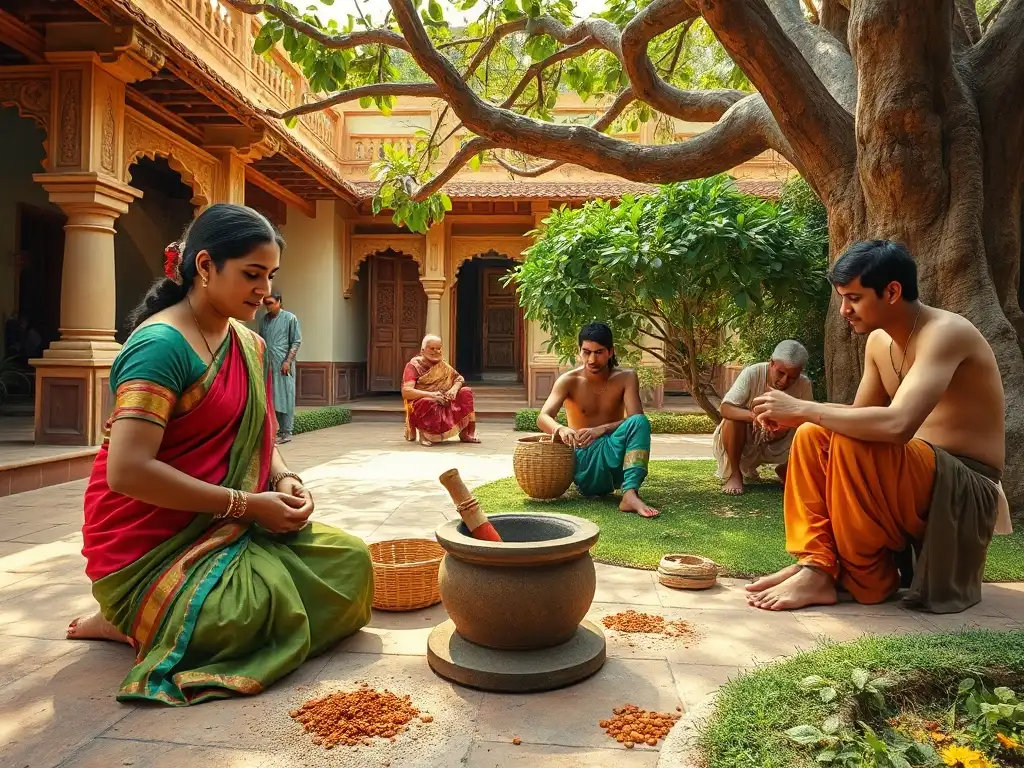
Welcome to Ancient India History, where we embark on a fascinating journey through the rich tapestry of one of the world's oldest civilizations. Today, we delve into the intriguing dynamics of gender roles in ancient Indian family structures—a topic that unravels the complexities of daily life and societal norms from the Indus Valley to the Gupta Empire. What were the expectations placed upon men and women in these vibrant cultures?
How did these roles shape their communities and legacies? As you explore this captivating article, prepare to uncover insights that challenge modern perceptions and illuminate the diverse experiences of ancient Indians. Let’s dive into a world where tradition and transformation intertwine!
- Understanding Gender Roles in Ancient India
- Historical Context of Gender Roles in Ancient India
- Gender Roles in the Indus Valley Civilization
- Gender Roles in Vedic Society
- Gender Roles During the Maurya and Gupta Empires
- Changes in Gender Roles Through Time
- Case Studies: Prominent Women in Ancient India
- Conclusion: The Legacy of Gender Roles in Ancient India
-
Frequently Asked Questions
- What were the gender roles in ancient Indian family structures?
- How did religion influence gender roles in ancient India?
- Were there exceptions to traditional gender roles in ancient India?
- How did economic factors impact gender roles in ancient India?
- What was the role of education in shaping gender roles in ancient India?
- Final Reflection: Understanding Gender Roles in Ancient India
- Embrace the Wisdom of Ancient Family Dynamics!
Understanding Gender Roles in Ancient India
Gender roles in ancient India were deeply intertwined with the cultural, social, and economic fabric of its civilizations. From the early Indus Valley communities to the thriving Gupta Empire, these roles shaped family structures, societal norms, and individual identities. Understanding how gender roles functioned in ancient India not only provides insights into the daily lives and relationships of individuals but also highlights the evolving perceptions of gender over time. By exploring the complexities of these roles, we can appreciate the contributions of both men and women in shaping ancient Indian society and the legacy they left behind.
Introduction to Gender Roles in Ancient Indian Society
In ancient Indian society, gender roles were predominantly defined by a combination of religious texts, cultural practices, and economic necessities. The Manusmriti, a significant ancient legal text, outlined the duties and responsibilities of men and women, often prescribing a patriarchal structure where men were seen as the primary breadwinners and decision-makers. Women, conversely, were largely responsible for domestic duties, child-rearing, and maintaining family honor. However, the reality was often more nuanced.
- Patriarchal Norms: Men typically occupied positions of power, both in families and society. They were expected to provide for their families and represent them in public domains.
- Women's Roles: Despite their restricted public presence, women in ancient India could wield considerable influence within their households. They participated in religious rituals and were guardians of cultural traditions.
- Economic Contributions: Women often engaged in agriculture, weaving, and other forms of labor, contributing significantly to the household economy.
Understanding these roles requires a critical examination of various historical sources, including literature, archaeology, and art, revealing the multifaceted nature of gender dynamics in ancient India.
Importance of Studying Gender Roles in Ancient India
Examining gender roles in ancient India is vital for several reasons:
- Cultural Insights: It sheds light on the values, beliefs, and social structures of ancient Indian civilizations, providing a comprehensive view of how society functioned.
- Historical Context: By understanding gender roles, we can better comprehend the evolution of family dynamics and social hierarchies over centuries.
- Influence on Modern Society: Many contemporary gender issues in India can be traced back to historical roles and expectations, making this study relevant for addressing current societal challenges.
- Highlighting Contributions: Recognizing the roles of women in history challenges the often one-dimensional narratives that focus primarily on male achievements, celebrating the diverse contributions of all genders to the rich tapestry of ancient Indian civilization.
Studying gender roles in ancient India is not just an academic endeavor; it is a journey into the heart of a society that has shaped the foundations of modern India. It invites us to explore the complexities of human relationships and the enduring legacies of our past.
Historical Context of Gender Roles in Ancient India
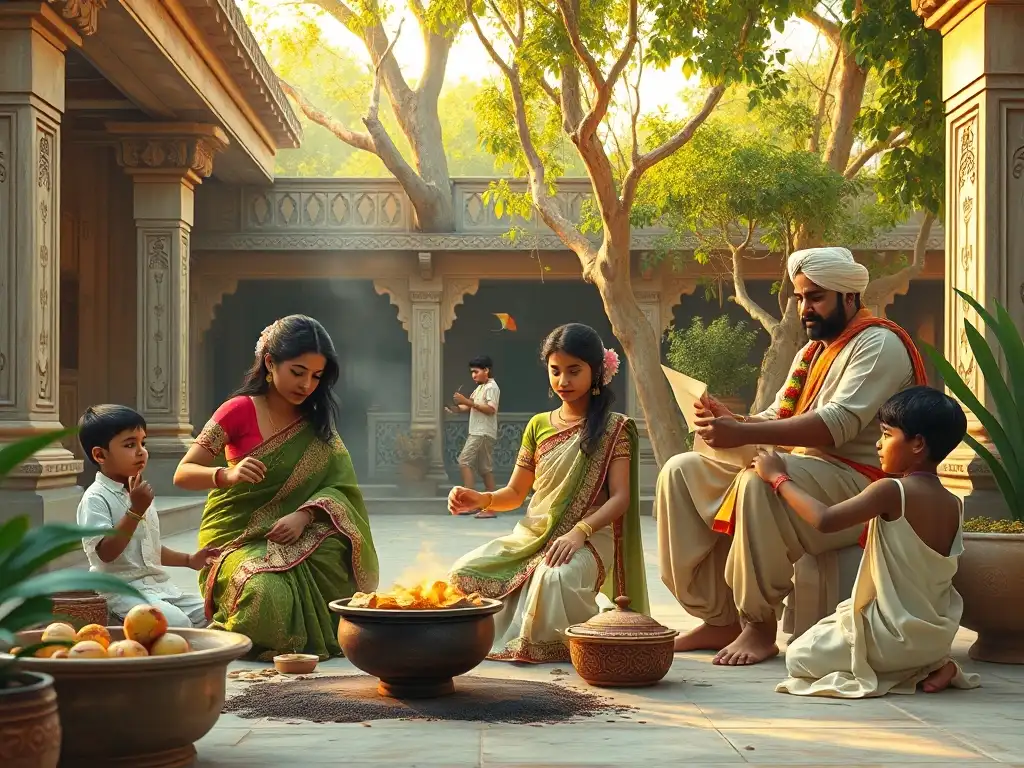
Overview of Ancient Indian Civilizations
The historical context of gender roles in ancient India is deeply intertwined with the evolution of its civilizations, notably from the Indus Valley Civilization (circa 3300–1300 BCE) through the Vedic period and into the Maurya and Gupta Empires. Each of these eras contributed uniquely to the social fabric and the roles assigned to genders within family structures.
- Indus Valley Civilization: Evidence suggests that women held significant status, with depictions of female figurines indicating possible religious or social roles. Archaeological findings show a lack of overt patriarchal symbols, suggesting a more egalitarian society early on.
- Vedic Period (1500–500 BCE): The arrival of the Indo-Aryans marked a shift as the Vedas emerged as sacred texts. Gender roles became more defined. Women were often seen as caretakers of the household, while men assumed roles as warriors and priests. While women's education was valued, their primary duties revolved around family and home.
- Maurya and Gupta Empires (circa 322 BCE–550 CE): During these dynasties, the status of women saw both positive and negative developments. The Gupta period, often referred to as a golden age, saw women in arts and literature, but societal norms began to emphasize patriarchy and restrictions on female autonomy.
This historical progression illustrates the transformation of gender roles from relatively balanced responsibilities to a more patriarchal structure, reflecting broader socio-political changes.
Influence of Religion on Gender Roles in Ancient India
Religion played a pivotal role in shaping gender roles in ancient India, with Hinduism, Buddhism, and Jainism influencing societal norms and personal identities.
- Hinduism: The texts of Hinduism, particularly the Manusmriti, set forth clear guidelines on gender roles. Women were often portrayed as devoted wives and mothers, with the ideal of Sati (the practice of a widow self-immolating on her husband's pyre) emerging as a symbol of female virtue. While deities like Durga and Kali represented strength, the overwhelming narrative often relegated women to domestic spheres.
- Buddhism: In contrast, Buddhism introduced a more egalitarian perspective. While monks were predominantly male, women were allowed to join monastic communities, and figures like the Buddha’s aunt, Mahaprajapati, demonstrated leadership. The teachings emphasized compassion and equality, thus offering women opportunities for spiritual growth outside domestic confines.
- Jainism: Jain texts also reflect a recognition of women's spiritual potential. Female ascetics were respected, and the religion advocated for respect and non-violence toward all beings, including women. However, societal practices still placed women within familial roles, often limiting their participation in public life.
The interplay of these religions not only shaped individual identities but also established a framework for gender roles that would influence family structures for centuries to come. Understanding this influence is crucial in analyzing the evolution of gender roles in ancient India and their lasting impact on contemporary society.
Gender Roles in the Indus Valley Civilization
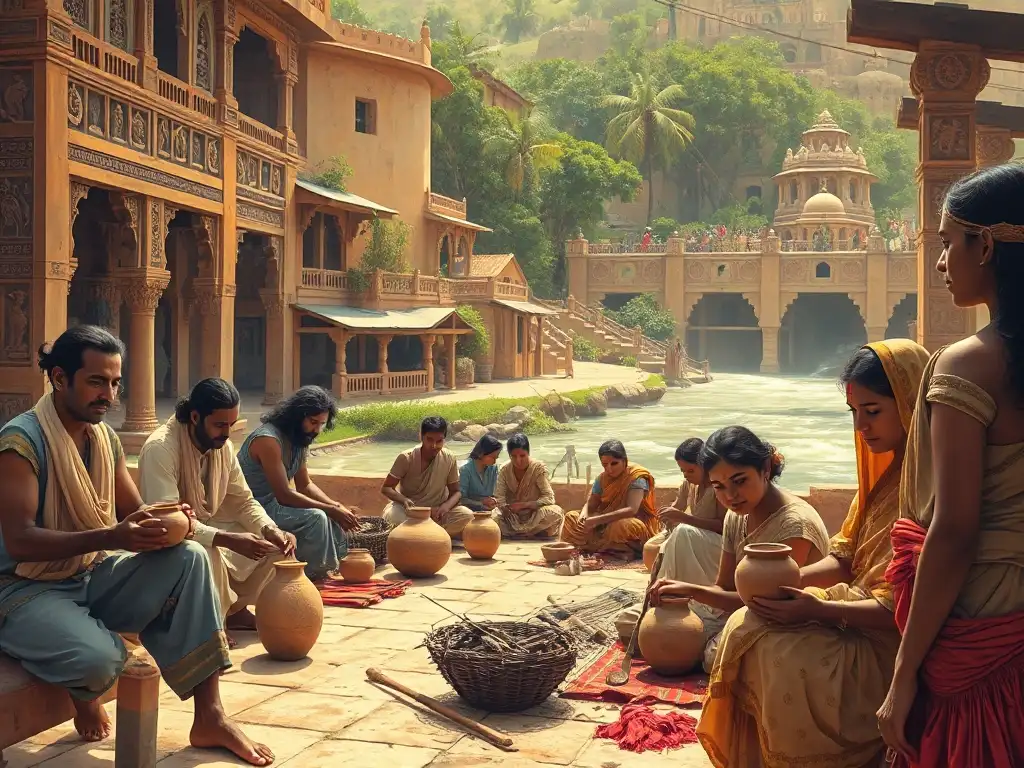
Societal Structure and Family Dynamics
The Indus Valley Civilization, one of the earliest urban cultures in the world, thrived around 2500 BCE in what is now Pakistan and northwest India. Understanding gender roles in ancient India begins with examining the societal structure and family dynamics prevalent during this civilization.
This civilization is characterized by well-planned cities like Harappa and Mohenjo-Daro, which suggest a complex social organization. The family unit likely served as the primary social framework, where nuclear families were common, consisting of parents and their children. Patriarchy appeared to be a significant aspect of the social structure, with men often occupying roles of authority and decision-making. However, evidence suggests that women held substantial influence within the household, particularly in aspects of economic management and family welfare.
Archaeological findings indicate that women participated actively in various social and economic activities, challenging the simplistic view of their roles. Artifacts such as pottery, jewelry, and seals depict women engaged in domestic tasks and possibly in religious ceremonies, indicating that they played a vital role in maintaining cultural practices.
Moreover, burial sites reveal a level of equality in death, as both men and women were often buried with similar grave goods, hinting at a societal recognition of their contributions. This points to a more nuanced understanding of gender roles, suggesting that while men may have dominated public spheres, women were integral to the family structure and held responsibilities that were equally valued.
Gendered Labor and Economic Roles
In terms of labor and economic roles, the Indus Valley Civilization exhibited a division of labor that was gendered yet complex. Men primarily engaged in agricultural activities, trade, and craftsmanship, reflecting their positions as providers. They were responsible for tasks such as farming, which was critical to the sustenance of the community, as well as engaging in trade with neighboring regions, which involved travel and negotiation.
On the other hand, women were primarily involved in domestic labor, which included tasks such as weaving, pottery making, and managing household resources. The evidence of spinning and weaving tools discovered in various sites highlights the significant economic contributions of women. It is estimated that women produced textiles that were essential for both domestic use and trade, indicating that they had a significant economic role despite the societal constraints of the time.
Additionally, the presence of female figurines and seals often depicting women in positions of authority suggests that women might have also played roles in religious or ceremonial functions, which sometimes intersected with economic activities. This duality in women's roles—encompassing both domestic responsibilities and active participation in economic production—illustrates a complex societal fabric where gender roles were interwoven with family and economic dynamics.
The gender roles in ancient India, particularly during the Indus Valley Civilization, reveal a society where men and women had distinct yet interdependent roles, contributing to the socio-economic structure of their communities. Understanding these dynamics is crucial for comprehending the evolution of gender roles in subsequent ancient Indian civilizations.
Gender Roles in Vedic Society
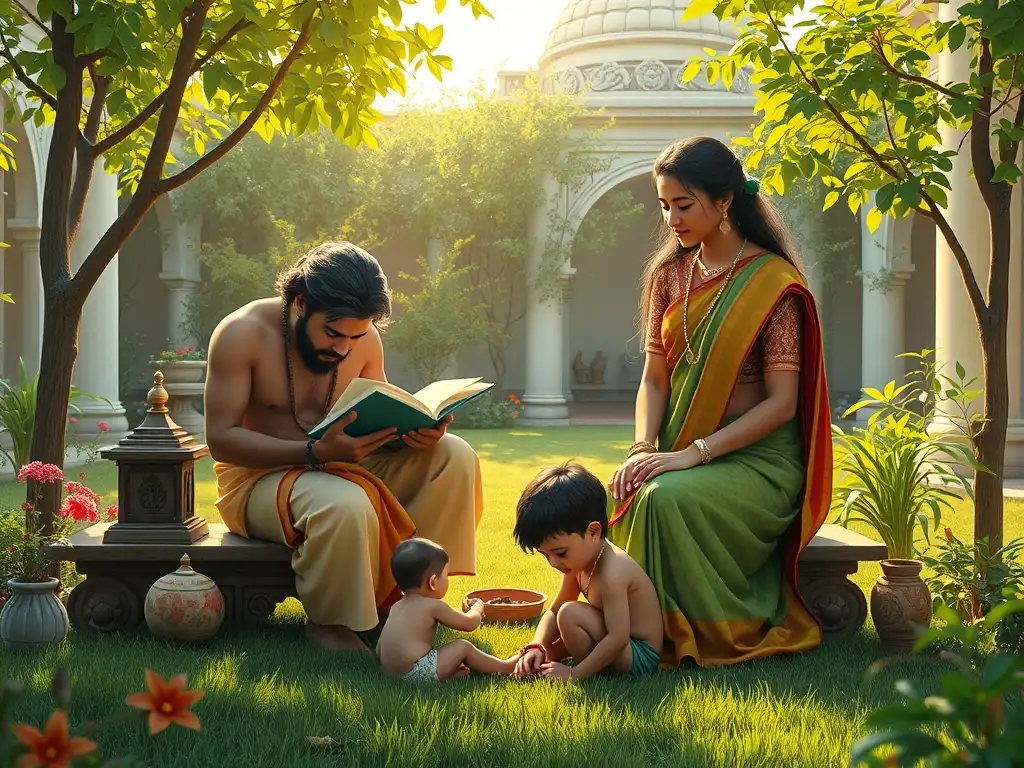
The Role of Women in Vedic Texts
In Vedic society, women held a significant position, although their roles were often defined within the context of family and domestic life. The Vedic texts, particularly the Rigveda, offer insights into the status of women during this period. Women were not merely viewed as subservient figures; rather, they were acknowledged as knowledgeable beings who contributed to religious and social practices.
- Education and Knowledge: Vedic literature mentions several women scholars and sages, such as Gargi and Maitreyi, who were renowned for their wisdom. These women participated in philosophical discourses and were respected for their intellect. This indicates that education was accessible to women, particularly those from higher social strata.
- Religious Roles: Women played vital roles in rituals and ceremonies. They were actively involved in performing yajnas (sacrificial rituals) and were responsible for maintaining the sanctity of the household. This involvement highlights their importance in the spiritual realm of Vedic society.
- Marriage and Family: Women were often seen as equal partners in marriage, with the ideal of the saha-dharma (shared duty) being emphasized. This concept indicated that both partners had responsibilities towards each other and the family unit, suggesting a more collaborative approach to gender roles.
Marriage Practices and Gender Expectations
Marriage in ancient India was not merely a social contract but a sacred institution that reinforced gender roles and expectations. The Vedic texts outline various forms of marriage, each reflecting different societal norms and values:
- Types of Marriage: The Vedas describe several types of marriages, such as Brahma (arranged by parents), Gandharva (based on mutual consent), and Asura (purchase). The Brahma marriage was considered the ideal, emphasizing the importance of familial approval and societal alignment.
- Expectations of Women: Upon marriage, women were expected to fulfill roles as caretakers and homemakers. Their duties included managing household affairs, raising children, and ensuring adherence to family traditions. This created a framework where women's contributions were pivotal yet confined within domestic boundaries.
- Social Status and Marriage: A woman's social status was often dictated by her marital standing. Widows and unmarried women faced social stigma, indicating a strong correlation between gender roles and marital status. This expectation placed immense pressure on women to conform to traditional marriage practices.
The Concept of Dharma and Gender Roles
The notion of dharma—a complex concept encompassing duty, morality, and law—was central to understanding gender roles in ancient India. In the context of family structures, dharma delineated specific expectations and responsibilities for men and women:
- Men's Dharma: Traditionally, men were assigned roles as protectors and providers. Their duties included earning a livelihood, protecting the family, and ensuring adherence to societal norms. This led to a patriarchal structure where men's authority was largely unchallenged.
- Women's Dharma: Conversely, women's dharma revolved around managing the household and nurturing the family. They were seen as the embodiment of sati (virtue), which emphasized loyalty and devotion to their husbands and families. This expectation reinforced the notion that a woman's worth was tied to her ability to fulfill domestic roles.
- Fluidity of Roles: Despite these rigid structures, there were instances where women's roles could transcend traditional boundaries. For example, women could inherit property in certain cases and were allowed to participate in certain societal functions, reflecting a degree of flexibility within the concept of dharma.
While gender roles in ancient India were largely guided by societal expectations and the framework of dharma, women's involvement in various spheres of life indicates a more nuanced understanding of their contributions within family structures. This complexity highlights the diverse nature of gender roles in ancient Indian society, offering a rich field for exploration and understanding.
Gender Roles During the Maurya and Gupta Empires
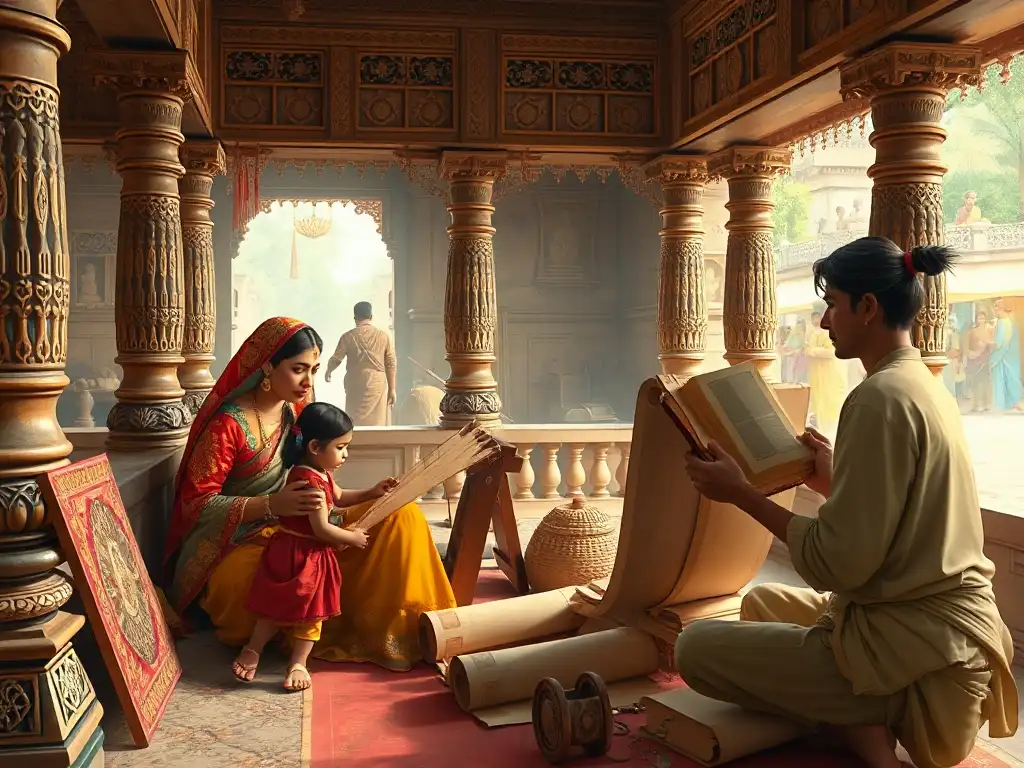
The Maurya and Gupta Empires, flourishing from approximately 322 BCE to 550 CE, represented significant periods in ancient Indian history. During these eras, gender roles were deeply intertwined with the prevailing social hierarchies, cultural norms, and political structures. The roles assigned to men and women were not only reflective of societal values but also influenced by economic conditions, religious beliefs, and regional practices.
In ancient India, particularly during the Maurya and Gupta periods, gender roles were heavily influenced by the rigid social stratification of the caste system. Men typically occupied dominant roles within households and society, while women were often relegated to domestic spheres.
- Patriarchal Structure: The family unit was predominantly patriarchal, with fathers as heads of households. Men were seen as the primary breadwinners and decision-makers.
- Roles of Women: Women were primarily responsible for domestic chores, child-rearing, and maintaining the household. Their roles were largely confined to the private sphere, emphasizing obedience and devotion to family.
- Caste Considerations: The interplay between caste and gender further complicated women's roles. High-caste women faced stricter norms regarding behavior and mobility than those from lower castes.
Despite these constraints, it is noteworthy that women in certain regions enjoyed some rights, including property ownership and participation in religious rituals. The legal texts of the time, such as the Manusmriti, prescribed specific duties and rights for women, albeit within a limited framework.
Women in Politics and Governance
While the public political sphere was predominantly male-dominated, there were notable exceptions where women exerted influence:
- Royal Influence: Some women from royal families played significant roles in governance, either as regents or advisors. For example, Chandragupta Maurya's daughter, Vijaya, is said to have had a role in political negotiations.
- Political Alliances: Marriages were often used as political tools to forge alliances between kingdoms. Women thus became crucial to political strategies, though often without direct power.
- Notable Figures: Historical texts reference strong women, such as Rani Durgavati and Rani Padmavati, who, while post-Gupta, highlight the potential for women's leadership within the context of dynastic politics.
The presence of women in political spheres, although limited, indicates that gender roles were not entirely fixed and could be redefined under specific circumstances.
Education and Literacy among Women
Education in ancient India was primarily reserved for men; however, women's access to education varied significantly based on caste, region, and socio-economic status.
- Literacy Rates: While many women were illiterate, some from affluent families received education, particularly in literature, music, and arts. This was evident in the Gupta period, known for its patronage of the arts and learning.
- Religious Education: Women often participated in religious education, where they learned hymns and scripture, contributing to spiritual life and rituals.
- Notable Women Scholars: Some women achieved recognition for their intellect, such as Gargi Vachaknavi, who was known for her philosophical debates, and Maitreyi, who is mentioned in ancient texts for her wisdom.
Though the majority of women were excluded from formal education, these examples illustrate that intellectual contributions from women were acknowledged and valued in certain contexts, allowing them to transcend traditional gender roles.
The examination of gender roles during the Maurya and Gupta Empires showcases a complex interplay of societal norms, highlighting both the limitations placed on women and the avenues through which they could exert influence. Understanding these dynamics provides a deeper insight into the fabric of ancient Indian society and the evolving roles of gender throughout its history.
Changes in Gender Roles Through Time
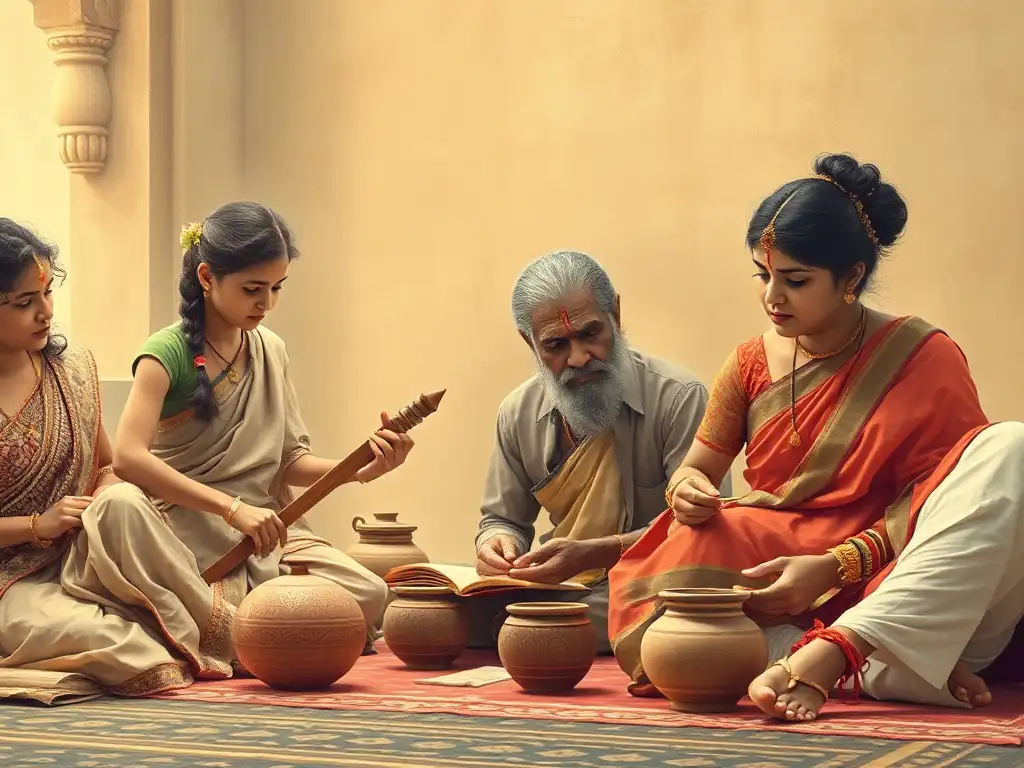
Evolution of Family Structures and Gender Roles
The evolution of family structures in ancient India reveals a complex interplay between societal norms, economic factors, and cultural practices. Initially, during the Indus Valley Civilization (around 3300–1300 BCE), evidence suggests a relatively egalitarian social structure. Archaeological findings indicate that women engaged in various economic activities, including trade and craft production.
As we transition to the Vedic period (1500–500 BCE), gender roles began to solidify, with the emergence of patriarchal family structures. The male head of the family, or "pati," became the primary decision-maker, while women were largely relegated to domestic roles. Texts such as the Rigveda highlight this shift, emphasizing virtues like obedience and devotion for women.
By the time of the Maurya Empire (322–185 BCE), gender roles were increasingly codified. The Manusmriti, an ancient legal text, outlined specific duties for men and women, reinforcing the notion that women's primary role was that of a wife and mother. Despite these restrictions, women from higher socio-economic backgrounds often participated in religious and cultural affairs, enjoying a degree of influence.
Impact of Foreign Invasions and Cultural Exchanges
The invasions and interactions with foreign cultures significantly influenced gender roles in ancient India. The arrival of the Greeks following Alexander the Great's campaign (326 BCE) introduced new cultural ideas that affected social norms. Hellenistic influences brought forth different views on women’s rights and roles, leading to a gradual blurring of strict gender boundaries.
The subsequent rise of the Kushan Empire (circa 1st to 3rd century CE) further amplified these changes. Empresses like Kanishka's mother were noted for their political involvement, suggesting that women held more power than previously acknowledged. This period also saw the emergence of the Silk Road, facilitating cultural exchanges that included ideas about gender roles from Central Asia and beyond.
During the Gupta Empire (circa 320–550 CE), while the patriarchal structure was reasserted, there was also a re-emergence of women's roles in literature and education. Notably, women such as Vasavadatta and Aryabhata contributed to the intellectual landscape, showcasing that, despite societal constraints, women could attain prominence in various fields.
The interplay of internal developments and external influences shaped the gender roles in ancient India, leading to a dynamic evolution of family structures throughout history. The legacies of these shifts continue to inform contemporary discussions about gender and society in India today.
Case Studies: Prominent Women in Ancient India
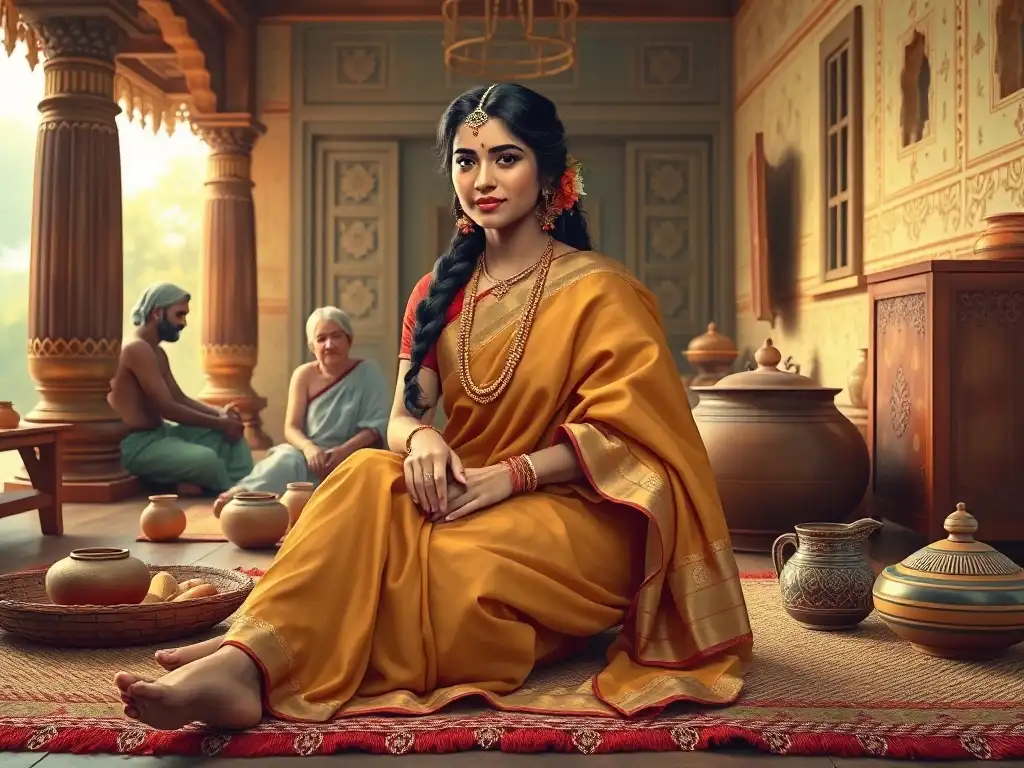
The exploration of gender roles in ancient India is incomplete without acknowledging the significant contributions and influences of women throughout history. Their roles, depicted in various forms—literature, mythology, and historical narratives—provide insights into the societal norms and expectations of their times.
Women in Literature and Mythology
The representation of women in ancient Indian literature and mythology reveals a complex interplay of power, virtue, and societal expectations.
- Sita from the Ramayana: Sita is often portrayed as the epitome of virtue and fidelity. Her character reflects the ideal qualities expected of women in ancient Indian society, emphasizing loyalty and self-sacrifice. However, her trials also underscore the nuanced portrayal of women's struggles within patriarchal confines.
- Draupadi from the Mahabharata: In contrast, Draupadi is a powerful figure who challenges the norms of her time. Her famous "Vastraharan" episode, where she is humiliated in the Kaurava court, serves as a significant commentary on gender roles. Draupadi's insistence on dignity and justice highlights the emerging complexities of women's roles in public and private spheres.
- Historical Texts and Poetry: Works such as the "Silappadikaram" and "Kumarasambhavam" feature women as central figures who are not only involved in familial roles but also in the socio-political landscape. These texts depict women as influential in matters of love, power, and duty, showcasing a broader spectrum of gender roles beyond mere domesticity.
Historical Figures and Their Influence on Gender Norms
Throughout ancient Indian history, several women have emerged as pivotal figures who shaped societal norms and expectations regarding gender roles.
- Gargi Vachaknavi: A philosopher and sage, Gargi is known for her intellectual prowess and her participation in philosophical debates. Her contributions to the "Brahmana" texts challenge the notion that women were merely passive recipients of knowledge. Gargi's legacy illustrates that women could hold significant intellectual authority, thus influencing societal views on education and wisdom.
- Rani Durgavati: As a warrior queen, Rani Durgavati redefined gender roles by leading her kingdom against the Mughal Empire. Her resistance and valor not only exemplified women's capabilities in leadership but also inspired future generations of women in positions of power. Durgavati's legacy remains a powerful symbol of female strength and resilience.
- Empress Chand Bibi: Known for her political acumen and military leadership, Chand Bibi ruled over Ahmednagar and engaged in battles against the Mughal forces. Her ability to navigate the complexities of governance in a male-dominated society underscores the dynamic roles women could play in politics and warfare.
These case studies demonstrate that while traditional gender roles in ancient India often confined women to domestic spheres, many women transcended these limitations and influenced various aspects of society, culture, and governance. Their stories continue to inspire discussions on gender roles in ancient India and the evolution of societal norms.
Conclusion: The Legacy of Gender Roles in Ancient India
The legacy of gender roles in ancient India is a multifaceted tapestry woven through the various epochs of its history. From the matriarchal societies of the Indus Valley Civilization to the patriarchal structures seen in later periods, the roles assigned to men and women shaped not only familial dynamics but also cultural, social, and religious practices. Understanding these gender roles provides critical insight into the evolution of Indian society and its enduring impact on contemporary life.
The ancient texts, including the Vedas, Manusmriti, and various epics, delineate specific duties and expectations for men and women. Men were typically seen as the breadwinners, tasked with protecting the family and engaging in public affairs, while women were often relegated to the domestic sphere, primarily responsible for child-rearing and household management. However, this binary perspective is nuanced, as women in ancient India also held significant power in certain contexts, such as in religious rituals and as custodians of family honor.
Reflection on Modern Interpretations of Ancient Gender Roles
In modern discourse, the interpretation of gender roles in ancient India often oscillates between romanticized notions of idealized pasts and critical examinations of gender inequality. Scholars emphasize that while ancient texts may reflect patriarchal values, they also contain examples of strong female figures who challenged societal norms.
For instance, the portrayal of women like Gargi and Maitreyi in Vedic literature highlights that women were not only participants in philosophical discourse but were also respected scholars. Such representations encourage contemporary readers to reassess the rigidity of past roles and consider the potential for women's agency within those frameworks.
Moreover, modern reinterpretations have sparked debates around the relevance of ancient gender roles in understanding contemporary gender issues. Feminist scholars argue that while ancient India had its share of gender inequalities, it also showcased complex familial relationships that can inform current discussions about women's rights and gender equality.
The Continuing Impact of Ancient Gender Roles on Contemporary Indian Society
The influence of ancient gender roles persists in various facets of contemporary Indian society. Despite significant advancements in women's rights and empowerment, many traditional roles continue to echo in modern family structures.
- Family Dynamics: In numerous households, the expectation for men to be the primary earners remains prevalent, while women often juggle professional responsibilities alongside domestic duties. This dual burden reflects the lingering impact of ancient gender expectations.
- Cultural Practices: Festivals, rituals, and customs frequently highlight the traditional roles of men and women, reinforcing societal norms that date back to ancient times. For example, in many communities, the responsibility of performing certain religious rites continues to fall predominantly on males.
- Legal Frameworks: Although laws have evolved to promote gender equality, the enforcement and acceptance of these laws can be inconsistent, often influenced by deeply entrenched traditional beliefs about gender roles.
- Education and Workforce Participation: While educational opportunities for women have expanded, disparities remain in workforce participation and representation in leadership roles, underscoring the challenges posed by historical gender roles.
The legacy of gender roles in ancient India serves as both a reflection of historical norms and a lens through which to examine contemporary issues. Recognizing this legacy is crucial for fostering a more equitable society that honors the complexities of gender within the rich tapestry of Indian history.
Frequently Asked Questions
What were the gender roles in ancient Indian family structures?
In ancient India, gender roles were often defined by societal norms, with men typically taking on the role of providers and women focused on home management and child-rearing.
How did religion influence gender roles in ancient India?
Religious texts and practices played a significant role in shaping gender roles, often dictating the expected behaviors and responsibilities of men and women in society.
Were there exceptions to traditional gender roles in ancient India?
Yes, there were exceptions, especially among certain royal families and communities, where women could hold power and influence, such as in the case of queens and warrior women.
How did economic factors impact gender roles in ancient India?
Economic factors often dictated the division of labor, with men engaging in agriculture and trade, while women contributed to the economy through crafts and household management.
What was the role of education in shaping gender roles in ancient India?
Education for men was prioritized, often leading to their dominance in various fields, while women's education was limited, reinforcing traditional gender roles within the family and society.
Final Reflection: Understanding Gender Roles in Ancient India
The exploration of gender roles in ancient India reveals profound insights into the societal constructs that shaped family structures and individual identities. Today, as we navigate discussions around gender equality and social justice, understanding these historical contexts becomes crucial. The legacies of these roles continue to influence contemporary dynamics, highlighting the need for a critical examination of how past practices inform present realities.
The impact of gender roles in ancient India extends beyond mere historical interest; it resonates with ongoing conversations about identity, power, and societal expectations. As we reflect on these ancient frameworks, we can see how they have laid the groundwork for modern gender discussions. History is not just what happened; it is how we understand what happened.
This quote encapsulates the essence of our journey through the past, urging us to recognize the implications of these roles in shaping our current cultural landscape.
As you consider the lessons from ancient Indian family structures, I invite you to reflect on your own perceptions of gender roles in your life and community. How can understanding these historical perspectives empower you to challenge stereotypes and advocate for equality today? By engaging with this knowledge, we can foster a more inclusive future that honors the complexities of gender while learning from the past.
Embrace the Wisdom of Ancient Family Dynamics!
Thank you for exploring the intricate tapestry of gender roles in ancient Indian family structures. Your interest in this vital aspect of history not only enriches your knowledge but also illuminates timeless lessons that can be applied today. Now, let’s take the next step in engaging with this rich cultural heritage!
Here are some actionable steps you can take:
- Dive Deeper: Explore additional articles on familial roles and societal structures to gain further insights into ancient Indian gender dynamics.
- Join the Conversation: Share your thoughts and insights on social media or in the comments section below! Your perspective can inspire and connect with others.
- Create a Discussion Group: Invite friends or family members to discuss how these ancient roles resonate in contemporary society.
What aspect of ancient gender roles do you find most surprising or relevant to modern life? Let’s discuss!